Interpersonal trust requires decisions under uncertainty (not risk!) as the probability of the other person reciprocating is unknown and can only be approached with rough estimates. It is difficult, if not impossible, to optimize trust decisions in rigorous and coherent ways. A suite of social heuristics is the trustors’ best means to achieve a satisfactory solution. We review the findings of a recent research program on bounded rationality in the trust game. We identify a set of social heuristics people can (or should) use when deciding whether to trust. Among these heuristics are social projection, social distance, all-or-nothing, and attention to the general normative environment. We present new empirical findings showing how people might choose whether to submit to different types of dictators in the eponymous game.
Physiognomy, the idea that a person’s character is reflected in their facial features, has a long history in scholarly thought. Although now widely regarded as pseudoscience in academic circles, recent work suggests that laypeople hold physiognomic beliefs and that belief endorsement is associated with support for facial profiling technology and other outcomes. Here, we investigate who believes in physiognomy in four studies (three preregistered). In a large, representative sample of the Dutch population, about 50% at least somewhat endorsed physiognomic beliefs (Study 1, n = 2,624). Belief prevalence was similar across different sociodemographic groups (i.e., gender, age, education, income). Across different measures of thinking styles and other lay beliefs, we found that physiognomic beliefs were most strongly related to how much people trust their intuitions—an association that emerged consistently with British (Study 2, n = 224), Nigerian (Study 3, n = 147), and Dutch participants (Study 4, n = 388). Participants who scored higher on faith in intuition were also more confident in the accuracy of their face-based trustworthiness impressions. In sum, the present studies suggest that lay beliefs in physiognomy are (a) common, (b) similarly endorsed across various socio-demographic groups, and (c) associated with an intuitive thinking style.
Researchers often use promotional language (“hyping”) in scientific publications to draw attention to their findings. Here we examined whether promotional language is indeed associated with higher academic impact and public attention. A content analysis of over 130,000 abstracts published in three major interdisciplinary outlets (PNAS: 84,603; Science: 25,142; Nature: 26,870) between 1991 and 2023 showed that promotional language predicted more citations and more full-length paper views, more paper mentions in online media and higher Altmetric scores. Further, additional analyses by first and last author gender (first female author n = 15,368, first male author n = 32,873, last female author n = 10,218, last male author n = 46,606) showed that despite women being often advised to engage in more self-promotion, following this advice was not significantly associated with a smaller gender gap in impact indicators. If anything, promotional language predicted a larger gender gap with men (vs. women) receiving even more citations, paper views and mentions in the media. Our findings highlight the role of communication strategies in academic impact and public attention, as well as gender diversity in academia.
Virtual communication on digital-meeting platforms is increasingly common in work, educational and other settings. One contentious issue concerns camera use. Some suggest keeping the camera off to mitigate 'Zoom fatigue', whereas others argue that keeping the camera on is a sign of dedication and engagement. Here, we conducted an experiment to examine the effects of camera use from two perspectives: the perspective of actors and observers. Participants were randomly assigned to have their camera on or off while working in small groups over Zoom; we further varied whether everyone in the group had the camera on or off or whether the camera use was mixed. Following the virtual interactions, participants reported their experiences of the interaction and their perceptions of others in a round-robin design. Turning the camera off (vs. on) resulted in being perceived as less engaged, less moral and less suitable for a leadership role by other group members, but had minimal impact on the actors' experiences (self-reported engagement, fatigue or well-being). One exception was higher self-reported fatigue levels in participants who had a natural preference to be off camera but were assigned to switch the camera on. A comparison of self and observer reports showed that people underestimated the engagement of off-camera targets. Our findings inform the social psychological research on the differences in self and other perceptions and the research on digital communication and well-being.
Researchers often use promotional language (“hyping”) in scientific publications to draw attention to their findings. Here we examined whether promotional language is indeed associated with higher academic impact and public attention. A content analysis of over 130,000 abstracts published in three major interdisciplinary outlets (Science, Nature, PNAS) between 1991 and 2023 showed that promotional language predicted more citations and more full-length paper views, more paper mentions on social media and higher Altmetric scores. Further, despite women being often advised to engage in more self-promotion, following this advice was not associated with a smaller gender gap in impact indicators. If anything, promotional language predicted a larger gender gap with men (vs. women) receiving even more citations, paper views and mentions in the media. Our findings highlight the role of communication strategies for researchers aiming towards academic impact and public attention, as well as gender diversity in academia.
Discrimination in the evaluation of others is a key cause of social inequality around the world. However, relatively little is known about psychological interventions that can be used to prevent biased evaluations. The limited evidence that exists on these strategies is spread across many methods and populations, making it difficult to generate reliable best practices that can be effective across contexts. In the present work, we held a research contest to solicit interventions with the goal of reducing discrimination based on physical attractiveness using a hypothetical admissions task. Thirty interventions were tested across four rounds of data collection (total N > 20,000). Using a signal detection theory approach to evaluate interventions, we identified two interventions that reduced discrimination by lessening both decision noise and decision bias, while two other interventions reduced overall discrimination by only lessening noise or bias. The most effective interventions largely provided concrete strategies that directed participants' attention toward decision-relevant criteria and away from socially biasing information, though the fact that very similar interventions produced differing effects on discrimination suggests certain key characteristics that are needed for manipulations to reliably impact judgment. The effects of these four interventions on decision bias, noise, or both also replicated in a different discrimination domain, political affiliation, and generalized to populations with self-reported hiring experience. Results of the contest for decreasing attractiveness-based favoritism suggest that identifying effective routes for changing discriminatory behavior is a challenge and that greater investment is needed to develop impactful, flexible, and scalable strategies for reducing discrimination. (PsycInfo Database Record (c) 2025 APA, all rights reserved).
Despite the importance of transparent communication of uncertainty surrounding scientific findings, there are concerns that communicating uncertainty might damage the public perception and dissemination of science. Yet, a lack of empirical research on the potential impact of uncertainty communication on the diffusion of scientific findings poses challenges in assessing such claims. We studied the effect of uncertainty in a field study and a controlled experiment. In Study 1, a natural language processing analysis of over 2 million social media (Twitter/X) messages about scientific findings revealed that more uncertain messages were shared less often. Study 2 replicated this pattern using an experimental design where participants were presented with large-language-model (LLM)-generated high- and low-uncertainty messages. These results underscore the role of uncertainty in the dissemination of scientific findings and inform the ongoing debates regarding the benefits and the risks of uncertainty in science communication.
Existing research has documented the social benefits (i.e., higher popularity and liking) of extraversion and agreeableness. Do these positive reputational consequences extend to social dilemma situations that require trust? We found that people do not trust extraverts more than introverts. Instead, people's trust decisions are guided by their partner's level of agreeableness. In a trust game (Studies 1 and 2), individuals were more likely to trust a partner who was described as agreeable (vs. disagreeable); and, in a laboratory study of work groups, participants trusted more (vs. less) agreeable group members (Study 3). Individuals anticipated others' preferences for agreeable partners and tried to come across as more agreeable, but not more extraverted, in social dilemmas (Study 4). These findings suggest that the social benefits of agreeableness (but not extraversion) extend to social interactions involving trust and highlight the importance of target personality traits in shaping trust decisions.
Online discussions about politics and current events play a growing role in public life, and they can foster positive outcomes (e.g., civic engagement and political participation) and negative outcomes (e.g., hostility and polarization). The present research examines how the use of doubtful (vs. confident) language influences behavior in online discussions of current events. We examine the effects of doubtful language on comment popularity (i.e., recommendations from other users) and the use of emotional language in subsequent replies. We examine data from 1.9 million user comments from the New York Times website. Comments containing doubtful language were less popular, receiving fewer user recommendations. Additionally, replies to doubtful comments were less emotional (containing fewer positive emotions and fewer negative emotions). These results suggest that although doubtful authors are less likely to be recommended by other users, they may play an important role in helping to foster civility in online discussions.
Cynicism - the belief that people are driven primarily by self-interest - has been predominantly associated with detrimental consequences for individuals and organizations. Less is known about its potentially positive implications. We investigated whether lay people consider cynicism helpful in preventing antisocial behavior and therefore see value in cynical leaders. We found that people viewed cynical (vs. trusting) leaders as better at detecting antisocial behavior and more punitive, and therefore, as better at preventing employees' antisocial behavior (Study 1). Despite this, cynical (vs. trusting) leaders were less likely to be hired, were offered lower salaries, and were seen as less effective (Study 2). This aversion to cynical leaders was attenuated for jobs that emphasized the importance of preventing antisocial behavior (Study 3).
Objective. People value solitude for themselves. Yet little is known about how people perceive dispositional preference for solitude in others. Does dispositional preference for solitude represent a protective factor from psychological distress during times of social distancing? And do laypeople have accurate beliefs about the role of preference for solitude? Method. To answer these questions, we conducted four studies (three preregistered, Ntotal = 1,418) at the early and a later stage of the COVID-19 pandemic using experimental, longitudinal, and experience sampling designs. Results. People expected targets with a higher solitude preference to be more resilient (e.g., less lonely, more satisfied with life) during social distancing, and consequently prioritize them less when allocating supportive resources for maintaining social connections (Studies 1 & 2). Compared to these beliefs, the actual difference between individuals with higher versus lower solitude preference was smaller (Study 2) or even negligible (Study 3). Did people form more calibrated beliefs two years into the pandemic? Study 4 suggested no. Conclusions. Together, these studies show that people overestimate the role of preference for solitude in predicting others’ psychological experience. As a result, solitude seeking individuals may miss out on supportive resources, leading to higher risks for mental health issues.
At the beginning of the COVID-19 pandemic, organizations around the world rapidly transitioned to enforced remote work. We examined the relationship between personality and within-person changes in five job outcomes (self-reported performance, engagement, job satisfaction, burnout, and turnover intentions) during this transition. We conducted a four-wave longitudinal study, from May to August 2020, of employees working from home due to COVID-19, N = 974. On average, self-reported performance decreased over the course of the study, whereas the other outcomes remained stable. There was also significant between-person variability in job outcomes. Extroversion and conscientiousness, two traits traditionally associated with desirable outcomes, were associated with deteriorating outcomes over time. Extroverted employees and conscientious employees became less productive, less engaged, and less satisfied with their jobs; and extroverted employees reported increasing burnout. These results add to our understanding of how personality predicts within-person changes in performance, well-being, and turnover intentions during the pandemic.
Prior research on personality and prosocial behavior has focused on actor-level effects of personality by examining which personality traits predict individuals' prosocial behavior. But do lay people take into account others' personality when making predictions of others' future prosocial behavior? The present research was designed to answer this question. We focused on two interpersonal traits from the Big Five model, agreeableness and extraversion, and examined whether people have accurate lay beliefs about the effects of these traits on prosocial behavior. The results of four studies showed that participants consistently attributed agreeableness (and to a lesser extent, extraversion) a greater role in predicting others' prosocial behavior compared with the role that it plays in reality. Results were consistent in studies of zero-acquaintance interactions and close relationships and when people predicted both single instances and aggregated measures of others' prosocial behavior. Our results did not depend on participants' awareness of research hypotheses and persisted even when they were explicitly warned that the information about others' personality might not be accurate. These findings inform the literature on social perception and stereotype accuracy and contribute to our understanding of how people make future-oriented predictions of others' behavior.
In some online interactions, people use avatars to represent themselves and judge whether interaction partners should be trusted. However, little is known about human accuracy in perceptions of avatar trustworthiness. We conducted a two-stage study to investigate whether people are able to accurately judge trustworthiness in avatars. In Stage 1, participants created avatars using avatarmaker.com and made decisions as trustees in an incentivized trust game (N = 360 avatars). In Stage 2, a new group of participants (N = 315 raters) were presented with avatars created in Stage 1; rated their trustworthiness; and made decisions about whether to trust them. We observed three main results: First, there was a high level of consensus in perceptions of avatar trustworthiness. Differences in trustworthiness judgments were mainly attributed to differences between avatars (rather than differences between raters). Second, raters' trust decisions were guided by their perceptions of avatar trustworthiness. Third, perceptions of avatar trustworthiness were not associated with actual trustworthiness of avatar creators. People were not, on average, able to accurately identify the actual trustworthiness of avatar creators from avatar appearance. Our results suggest that people erroneously rely on others' avatar appearance in online interactions.
Theories and laboratory research in social psychology associate parenthood with increased vigilance and distrust. Yet, longitudinal studies examining whether the transition to parenthood affects trust in real life are lacking. We examined the temporal dynamics of trust surrounding the transition to parenthood in a sample of adults followed for up to 12 years. We used discontinuous change models and propensity score matching to compare first-time parents with matched childless individuals. Parenthood predicted a gradual trust increase following childbirth. The effect of the transition was unidirectional: Baseline trust level did not predict the likelihood of parenthood in the follow-up years. These findings contribute to the literature on how major life events, such as the transition to parenthood, shape interpersonal trust.
this research suggests. Across five studies with varied stimuli and types of audiences (website visitors,
Believers of karma believe in ethical causation where good and bad outcomes can be traced to past moral and immoral acts. Karmic belief may have important interpersonal consequences. We investigated whether American Christians expect more trustworthiness from (and are more likely to trust) interaction partners who believe in karma. We conducted an incentivized study of the trust game where interaction partners had different beliefs in karma and God. Participants expected more trustworthiness from (and were more likely to trust) karma believers. Expectations did not match actual behavior: karmic belief was not associated with actual trustworthiness. These findings suggest that people may use others’ karmic belief as a cue to predict their trustworthiness but would err when doing so.
Faces play a central role in person perception. People spontaneously judge others' personality based on their facial appearance and these impressions guide many consequential decisions. When do people rely on facial appearance? In five studies (N = 1936, four preregistered), we test whether reliance on facial appearance depends on the goal of impression formation (i.e., on which trait dimension targets are evaluated). Trait impressions are, to a large extent, based on the resemblance of facial cues to emotional expressions. As emotional expressiveness is a central component of sociability, we hypothesized that people would more readily perceive sociability in faces. We find that facial appearance is seen as more indicative of a person's sociability than their morality or competence (Study 1, n = 338), and this was particularly true for sociability traits that are characterized by emotional expressions (e.g., enthusiasm, playfulness; Study 2, n = 162). We find the same pattern when examining the influence of facial cues on judgment and decision-making. People are more confident in the accuracy of their trait impressions when judging sociability (Study 3, n = 527), they value information on the facial appearance of job candidates more when looking for a sociable employee (Study 4, n = 390), and they view reliance on facial appearance when making hiring decisions as more appropriate and more effective when looking for a sociable employee (Study 5, n = 519). Together, our results provide converging evidence that people view facial appearance as especially relevant for judging a person's sociability.
The current work estimated the relative importance of joke and audience characteristics for the occurrence of amusement. Much psychological research has focused on stimulus characteristics when searching for sources of funniness. Some researchers have instead highlighted the importance of perceiver characteristics, such as dispositional cheerfulness. Across five preregistered studies (Ns = 118-54,905) with varied stimuli and perceiver samples (website visitors, students, Mechanical Turk and Prolific users), variance-decomposition analyses found that perceiver characteristics account for more variance in funniness ratings than stimulus characteristics. Thus, psychological theories focusing on between-persons differences have a relatively high potential for explaining and predicting humor appreciation (here, funniness ratings). Crucially, perceiver-by-stimulus interactions explained the largest amount of variance, highlighting the importance of fit between joke and audience characteristics when predicting amusement. Implications for humor-appreciation theories and applications are discussed.
Previous research has shown that people tend to perceive organic consumers as more moral and higher status than conventional consumers. We propose that organic consumption might have reputational costs as well. Drawing from research on do-gooder derogation, virtue signaling, and cynicism, we suggest that people might see organic consumption as driven not only by altruistic but also by selfish – specifically, impression management – motives. In Study 1, participants rated organic (vs. conventional) consumers as having stronger altruistic concerns (for the environment, animal welfare, and social justice), as well as stronger impression management motives: organic (vs. conventional) consumers were seen as trying to appear more moral and high-status than they actually were. In Study 2, we separately assessed participants' perception of organic (vs. conventional) consumers’ actual (vs. signaled) levels of morality and status. Organic consumers were perceived as trying to appear as more moral (but not more high-status) than they actually were, whereas conventional consumers were perceived as being honest in the impressions they tried to make. These results demonstrate that organic consumption might have not only positive, but also negative, reputational consequences.
 Joachim Israel Krueger合作论文数Department of Cognitive and Psychological Sciences, Brown University19
 Olga Stavrova合作论文数18
 Ilja Van Beest合作论文数Leiden University Leiden16
 Bastian Jaeger合作论文数Department of Experimental and Applied Psychology, Vrije Universiteit Amsterdam14
 Hannes Rosenbusch合作论文数10
 Marielle Stel合作论文数Department of Social and Organizational Psychology, Leiden University7
 Marcel Zeelenberg合作论文数Department of Marketing, School of Business and Economics, Vrije Universiteit Amsterdam6
 Philippe P.F.M. Van de Calseyde合作论文数Org Behav & Human Decis Making, Eindhoven Univ Technol5
 Mark J. Brandt合作论文数Department of Social Psychology, Tilburg University4Sleegers Willem W A合作论文数Department of Social Psychology, Tilburg University4
 Gideon Goldin合作论文数Brown University4
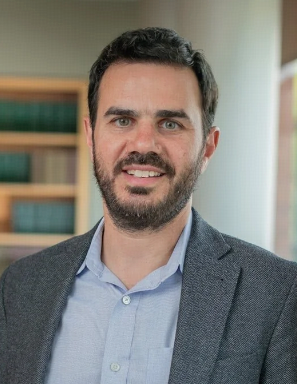 David G. Rand合作论文数Department of Information Science, Bowers College of Computing and Information Science, Cornell University4Bennett Kleinberg合作论文数3
 Ren Dongning合作论文数Department of Psychological Sciences, Purdue University3Leon Hilbert合作论文数Economic and Organisational Psycholog, Leiden University2
 Patrick R Heck合作论文数Brown Univ, Dept Cognit Linguist & Psychol Sci, Providence, RI 02912 USA2
 Akihiro Nishi合作论文数Department of Epidemiology, Fielding School of Public Health, University of California, Los Angeles2
 Nicholas Christakis合作论文数Departments of Sociology, Yale University;Human Nature Lab, Institute for Network Science, Yale University;Department of Medicine, Yale New Haven Hospital2
 O'Malley A James合作论文数The Dartmouth Institute for Health Policy and Clinical Practice, Dartmouth College;The Dartmouth Institute for Health Policy and Clinical Practice, Dartmouth College2
 Christoph Kogler合作论文数Faculty of Psychology, University of Vienna2
 Kyle Dillon合作论文数2
 Ong How Hwee合作论文数Department of Psychology, National University of Singapore Singapore2Jennifer R. Steele合作论文数1
 Balbir Singh合作论文数1
 Yalda Daryani合作论文数1Edward H. Chang合作论文数1Claudia Vogrincic-Haselbacher合作论文数1Xin Yang合作论文数1Aviv Segev合作论文数1
 Luiza Santos合作论文数Dept Psychol, Stanford Univ1
 Felix Soldner合作论文数1
 Maximilian A Primbs合作论文数Behavioural Science Institute, Radboud University1
 Samantha M. Stevens合作论文数Department of Psychology, The Pennsylvania State University1Ariella Kristal合作论文数Dept Org Behav, Harvard Sch Business1
 Brian A. O'Shea合作论文数Sch Psychol, Univ Nottingham1
 Chieh Lu合作论文数1
 Kate M. Turetsky合作论文数Princeton Univ1Elsa T. Chan合作论文数1Maya Aghaei合作论文数Pattern Anal & Comp Vis PAVIS, Ist Italiano Tecnol1Xi Shen合作论文数1Neil Hester合作论文数1
 Erika L. Kirgios合作论文数Univ Penn, Wharton Sch, Philadelphia, PA 19104 USA1
 Veronica Margherita Cocco合作论文数1
 Jan G. Voelkel合作论文数Dept Sociol, Stanford Univ1
 Ruddy Faure合作论文数Inst Behav Sci, Radboud Univ Nijmegen1
 Emir Efendic合作论文数Dept Mkt & Supply Chain Management, Maastricht Univ1
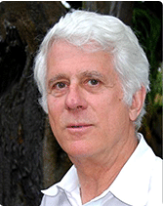 William Revelle合作论文数Department of Psychology, Weinberg College of Arts and Sciences, Northwestern University1
 Sean Fath合作论文数School of Industrial and Labor Relations, Cornell University1
 Landon Schnabel合作论文数Sociology, College of Arts and Sciences, Cornell University1




