BackgroundGastric adenocarcinoma, or gastric cancer, typically has a poor prognosis. The objective of this study was to assess the quality, understandability, actionability, and comprehensiveness of online resources for patients diagnosed with gastric adenocarcinoma, or gastric cancer as patients increasingly rely on online health information.MethodsA systematic search using the term “stomach cancer” was conducted across three search engines (Google, Yahoo, and Bing) on three different browsers (Safari, Google Chrome, and Microsoft Edge) on 12/13/2024, with the top fifty websites recorded for each combination. Duplicates were removed and inclusion/exclusion criteria were applied. Quality was evaluated using the DISCERN instrument. The PEMAT-P was used to evaluate understandability and actionability. Readability was evaluated with the Flesch-Kincaid Reading Ease algorithm. Comprehensiveness was evaluated with author generated criteria based on national guidelines. Scores for each assessed metric were determined by two independent reviewers for each website and recorded, with any inter-reviewer discrepancies resolved by consensus. Statistical analysis was performed to compare results by website affiliation (academic, foundation or government) and search rank.ResultsThirty-seven websites evaluated (N = 17 academic, N = 13foundation and N = 7 government). The mean quality score (DISCERN) was 3.62 (SD 1.21), with no significant differences across affiliations or search positions. Thirty-five out of the 37 evaluated websites achieved an understandability (PEMAT-P) score above the recommended threshold of 70% (Mean 78.38%, SD 11.86%) and 14 websites exceeded the threshold for actionability (Mean 57.66%, SD 37.69%) with no significant differences across affiliations or search positions. Readability (Flesch-Kincaid) averaged a 10th–12th grade level, with a mean score of 51.88 (SD 8.93). Mean comprehensiveness was scored at 62.98% (SD 23.23%) across all websites without significant differences across affiliations or search positions, with over 85% of websites addressing epidemiology, risk factors, and symptomatology, but under 30% of websites including content on post-treatment complications or surveillance.ConclusionsWhile most online resources for gastric cancer provided understandable information, they lacked actionability, were written above recommended reading levels, and offered limited content on long-term management. These shortcomings reflect broader trends seen across other patient resources and highlight the need for more actionable, readable, and comprehensive online patient education materials.
BACKGROUND:Carcinoma of unknown primary (CUP) represents a heterogeneous group of cancers with unidentified primary tumor sites, accounting for 3% to 5% of all cancers. CUP is characterized by aggressive biology, frequent metastatic presentation, and poor prognosis, with standard chemotherapy offering limited efficacy. Comprehensive molecular profiling offers the potential to identify actionable biomarkers and guide treatment in this challenging setting. PATIENTS AND METHODS:We conducted a retrospective analysis of 8,809 formalin-fixed, paraffin-embedded tumor samples from patients with CUP (2009-2023) who underwent DNA (592-gene panel and whole-exome) and RNA (whole-transcriptome) sequencing, as well as immunohistochemistry (IHC). Potentially actionable biomarkers were identified and correlated with treatment and survival outcomes. RESULTS:Of the tumor samples, 62% of CUP tumors harbored ≥1 potentially actionable biomarker. Biomarkers for agents approved across all tumor types were present in 24.2% of cases, including tumor mutational burden-high (21.1%) and deficient mismatch repair/microsatellite instability-high (3.3%). Biomarkers associated with therapies approved for specific tumor types, such as PD-L1 IHC positivity (24.4%), homologous recombination deficiency (20.3%), and genomic loss of heterozygosity, were detected in 55.4% of cases. Patients who received biomarker-associated therapies demonstrated significantly longer median overall survival (mOS) than those who did not (17.7 vs 7.0 months; hazard ratio, 0.560; P<.0001). Survival benefits were observed across all biomarker subgroups, including immune checkpoint inhibitors and tumor-specific targeted therapies. Notably, ICIs improved mOS even in patients who were biomarker-negative (15.2 vs 8.6 months; P<.0001). CONCLUSIONS:Molecular profiling revealed a high prevalence of actionable biomarkers in CUP and was associated with improved survival with guided therapy. These findings support the integration of molecular profiling into routine clinical practice for CUP management to enable precision oncology and improve patient outcomes. Further prospective validation is warranted.
PURPOSE:The mammalian target of rapamycin (mTOR) inhibitor everolimus is US Food and Drug Administration-approved for advanced pancreatic neuroendocrine neoplasms (pNENs), yet resistance is common, necessitating the identification of resistance mechanisms for effective treatment strategies. Previous studies suggest that targeting the aberrant expression of mTOR regulators p21-activated kinase 4 (PAK4) and nicotinamide phosphoribosyl transferase (NAMPT) sensitizes pNENs to everolimus. In this study, we queried a large real-world data set of pNENs, characterizing the molecular and immune landscapes, as well as the clinical outcomes associated with aberrant PAK4 and NAMPT expression. METHODS:Two-hundred and ninety-four pNEN cases were analyzed using next-generation sequencing and whole-exome/whole-transcriptome sequencing. We stratified patients into clusters on the basis of median cutoff. RESULTS:High expression of genes activated in response to mTOR activation was found in NAMPT-high and PAK4-high groups. Enrichment of PI3K/AKT/mTOR and glycolysis pathways was observed in these tumors. Higher mutation rates in multiple endocrine neoplasia type 1, alpha thalassemia/mental retardation syndrome X-linked, TSC2, SETD2, and CCNE1 were observed in high NAMPT and PAK4 clusters. Immune analysis revealed enrichment in inflammatory response pathways, IL2/STAT5 signaling, and immune checkpoint genes. Increased neutrophils, natural killer cells, and macrophages were found in PAK4-high/NAMPT-high tumors. Analysis of real-world patient data revealed that high PAK4 (P = .0428) or NAMPT (P = .0002) expression individually correlated with lower overall survival in all neuroendocrine neoplasms (NEN) cohorts, while the combined high expression of both was associated with the worst outcomes (P = .0002). Similar trends were observed in pancreatic NEN cohorts. CONCLUSION:Our study demonstrates that PAK4-high/NAMPT-high pNENs are associated with distinct molecular and immune profiles. Further investigation is warranted to determine if dual PAK4 and NAMPT blockade enhances the efficacy of immunotherapeutics.
274 Background: BRAF mutations (mts) are a heterogeneous group of molecular alterations seen in colorectal cancer (CRC). Class I BRAF mts (V600) are known to be associated with aggressive biology to CRC, but the knowledge of clinical characteristics of class II and III BRAF mts is limited. In this large cohort analysis, we evaluated the clinical and molecular features of class II and III BRAF mts and performed comparative analyses for their impact on survival outcomes. Methods: A total of 24402 MSS CRC samples were profiled by NGS (592-gene, NextSeq; WES, WTS NovaSeq) (Caris Life Sciences, Phoenix, AZ). BRAF mts were detected by NGS and classified using published literature (1). MAPK pathway activity score (MPAS) was calculated using RNA expression data. Real-world overall survival (OS) was obtained from insurance claims and calculated from tissue collection to last contact, while post-treatment survival from first treatment to last contact. KM estimates were calculated for defined patient cohorts. Significance was determined as P<0.05. Results: A total of 1270, 134, and 327 patients with class I, II, and III BRAF mts were identified. BRAF mts overall and class I BRAF mts were significantly less common among younger pts (age<50) compared to patients ≥ 50 (4.7% vs. 7.4 %; P< 0.001 and 3.2% vs. 5.7%, respectively, P<0.001). Class I BRAF mts were enriched with consensus molecular subtype 1 (CMS1) (class I, II, and III: 46% vs. 14% vs. 18% respectively) while class II and III mts had more CMS2 subtype compared to class I (2%, 30% and 29%, p<0.05). Higher MPAS scores were noted among patients with class I BRAF mts than those with class II and III mts (1.73 versus 0.38 vs 0.79). Class I BRAF mts and KRAS mts were nearly mutually exclusive (0.5%), while KRAS mts were relatively common among class II and III mts (12.8% and 27.4%, respectively). Median OS for patients with wild-type BRAF , class I, II, and III BRAF mts were significantly different (29.8, 17.3, 21.8, and 24.6 months, respectively, p<0.01). Similar OS was seen among patients who did not receive anti-EGFR therapy (28.3, 15.2, 20.7- and 21.9 months P<0.001). Patients with class III mts had significantly better OS compared to patients with class I mts (HR=1.28 CI: 1.09-1.48 p=0.002), and while no significant difference was noted for patients with class II vs class I mts, numerically more favorable outcomes were noted (mOS 21.8 vs 17.3 months P=0.133). Among treated with anti-EGFR, patients with class II and III BRAF mts had numerically better post-anti-EGFR survival compared to class I mts; however, this was not statistically significant (21.2 vs 14.2 vs. 10.4 respectively P=0.3). Conclusions: Class II and III BRAF mts represent a distinct biological subgroup of MSS CRC with distinct prognoses. Class II and III BRAF mts are associated with improved survival outcomes compared to patients with class I mts. 1. Sahin et al. JCO OP 2021.
Introduction This was the first phase 1 study conducted in the United States. It consisted of dose-escalation (part A) and multiple indication-specific cohort expansion (part B), investigating the safety and preliminary efficacy of toripalimab (anti–programmed cell death-1 inhibitor) in patients with advanced malignancies. Methods Patients with advanced malignancies that progressed after treatment with at least one prior line of standard systemic therapy, including the patients with advanced/recurrent cholangiocarcinoma (CCA), received toripalimab 240 mg every 3 weeks in part B. The primary endpoint was safety assessment. Efficacy endpoints included objective response rate (ORR), disease control rate (DCR), duration of response (DoR), progression-free survival (PFS) as assessed by the investigators according to Response Evaluation Criteria in Solid Tumors (version 1.1) and overall survival (OS). Results In part B, 166 patients, including the 42 patients with CCA, were enrolled and received toripalimab. Among the 166 patients, treatment-emergent adverse events (TEAEs) of any grade occurred in 158 (95.2%) patients, and 97 (58.4%) patients experienced TEAEs of Grade 3 or greater. The most common TEAE was fatigue (42.2%). Seven (4.2%) patients experienced TEAEs with a fatal outcome, none of which were identified by investigators as related to toripalimab. Investigator-assessed immune-related adverse events (irAE) of Grade 3 or higher occurred in 7 (4.2%) patients. In the CCA cohort, with the median follow-up of 4.4 months, the ORR and DCR were 4.8% (95% CI: 0.58, 16.16) and 40.5% (95% CI: 25.63, 56.72), respectively; median DoR was 7.8 (range 4.4+ to 7.8) months; median PFS was 2.1 (95% CI: 1.91, 3.88) months; median OS was not estimable. Conclusions Toripalimab had manageable side effects in patients with refractory cholangiocarcinoma and exhibited preliminary evidence of anti-tumor activity. However, further information regarding biomarkers is needed. ClinicalTrials.gov ID: NCT03474640
Gastroenteropancreatic neuroendocrine tumors (GEP-NETs) show minimal response to FDA-approved therapies suggesting an urgent need for the identification of novel and effective therapeutic targets. Aberrant nuclear protein transport to the cytoplasm, often observed in cancer, causes mislocalization-dependent inactivation of critical cellular proteins. The major nuclear exporter exportin-1 (XPO1) has been linked to cancer therapy resistance. Nevertheless, the role of XPO1 in GEP-NETs has not been explored. Major GEP-NETs growth regulators such as MEN1, DAXX and mTOR are recognized cargo proteins of XPO1, which regulates their nucleo-cytoplasmic transport. Here we evaluated the role of XPO1 in pancreatic neuroendocrine tumors (pNET) subsistence and therapy resistance. We performed immunohistochemistry (IHC) analysis for XPO1 on 145 low-grade pNET tumors, and 35 normal, and established cell lines. Growth inhibition was determined by MTT, colony formation and apoptosis assays. Gene expression was determined using quantitative PCR, and protein expression using western blotting and immunofluorescence (IF) techniques. The impact of XPO1 inhibitor selinexor and analogs was evaluated in pNET 2D and 3D cultures, xenograft and primary explant cultures. IHC on TMAs confirmed XPO1 over-expression in pNET tumor tissue. Selective inhibitors of nuclear export (SINE) selinexor and eltanexor suppressed the growth of BON-1 and QGP-1 cells at pharmacologically relevant concentrations. Both inhibitors significantly reduced the number and the area of the colonies, and were able to induce apoptosis. Western blot analysis revealed significant induction of PARP cleavage. The pNET marker Chromogranin A was found to be reduced in the XPO1 inhibitors treated cells in IF assay. Selinexor synergized with everolimus and sunitinib leading to superior pNET cell deaths (combination index<1). IF analysis showed nuclear retention of mTOR and MEN1, and perinuclear accumulation of DAXX in the BON-1 cell line. Selinexor suppressed phosphorylation of mTOR and its downstream targets P70S6K and RICTOR. We observed significant inhibition of MEN1 targets including suppression of FANCD2 and SMAD3 and activation of p53. Selinexor given at low dose (15 mg/kg), twice a week for three weeks suppressed the growth of BON-1 and QGP-1 tumors in vivo. An examination of residual tumors showed a reduction in mTOR downstream target pS6 and reduced nuclear expression of pAKT. Six-day treatment with 300 nM selinexor demonstrated a marked reduction in the proliferation marker ki67 and nuclear retention of the well-recognized XPO1 cargo FOXO3a in the pNET explant tissue. This is the first study to reveal the therapeutic potential of novel XPO1-targeted agents for the treatment of a GEP-NET in vitro and in vivo. XPO1 could be a novel therapeutic target that warrants further clinical investigations in GEP-NETs. Md. Hafiz Uddin, Husain Y. Khan, Amro Aboukameel, Sahar F. Bannoura, Hugo Jimenez, Grayson Barker, Allan M. Johansen, Khalil Choucair, Sunil Jaiman, Gregory Dyson, Yang Shi, Mohammed N. Al Hallak, Nitin Vaishampayan, Steve Kim, Eliza W. Beal, Miguel Tobon, Herbert Chen, Muhammad W. Saif, Jennifer Beebe-Dimmer, Anthony F. Shields, Ramzi M. Mohammad, Philip A. Philip, Bassel El-Rayes, Boris C. Pasche, Asfar S. Azmi. Exportin 1 as a novel therapeutic target in gastroenteropancreatic neuroendocrine tumors [abstract]. In: Proceedings of the American Association for Cancer Research Annual Meeting 2025; Part 1 (Regular Abstracts); 2025 Apr 25-30; Chicago, IL. Philadelphia (PA): AACR; Cancer Res 2025;85(8_Suppl_1):Abstract nr 6909.
Table S3. Sensitivity analysis of the association between plasma 25-hydroxyvitamin level and disease-free survival, overall survival, and time to recurrence, excluding patients who recurred or died within three months of blood collection
Amplitude-modulated 27.12 MHz radiofrequency electromagnetic fields (AM RF EMF) delivered via a spoon-shaped antenna placed on the patient’s tongue result in shrinkage of the primary and metastatic tumors in patients with advanced hepatocellular carcinoma (HCC). The mechanism by which AM RF EMF has a direct antiproliferative effect has been found to be dependent on the influx of extracellular Ca2+ into the cancer cell via CaV3.2 (gene name CACNA1H) T-type voltage-gated calcium channel. Fibrolamellar Carcinoma (FLC), a rare subtype of HCC, has few options available for treatment. Here we present, for the first time, data showing that HCC-specific AM RF EMF (HCCMF) are effective in FLC. HepG2 is an HCC cell line and H33 (HepG2DNAJB1-PRKACA) was generated by using the HepG2 cell line and generating the DNAJB1-PRKACA gene fusion at the native locus (CRISPR-based 400kbp excision). Cells either received no treatment (SHAM) or were exposed to HCCMF three hours per day for seven days total. HepG2 and H33 cells were exposed using systems replicating human exposure levels and treatment duration. In vitro experiments (colony formation and tumor sphere formation) with HepG2 and H33 cells were performed. Two-tailed Student’s t-test was used for statistical comparison. Proliferation (colony formation assay) of HepG2 and H33 is inhibited by 37.54% (p-value: 0.0023, N=6) and 27.08% (p-value: 0.0006, N=6), respectively. Stemness (tumor sphere formation assay) of HepG2 and H33 is inhibited by 33.17% (p-value < 0.0001, N=8 SHAM and N=7 HCCMF) and 43.95% (p-value< 0.0001, N=7 SHAM and N=8 HCCMF), respectively. Proliferation and stemness of the HepG2 and H33 [HepG2 (DNAJB1-PRKACA)] cell lines were inhibited following HCCMF treatment. Results show the presence of the FLC fusion protein (DNAJB1-PRKACA) does not inhibit the potential of HCCMF as a novel systemic targeted therapy for FLC. This proof-of-principle data shows significant potential for the treatment of FLC. Hugo Jimenez, Liyue Zhang, Grayson Barker, Callum McGrath, Allan M. Johansen, Janaka S. Liyanage, Mohammed N. Al Hallak, Anthony F. Shields, Wasif Saif, Husian Y. Khan, Amro aboukameel, Hafiz Uddin, Sahar F. Bannoura, Ramzi Mohammad, Sean Ronnekleiv-Kelly, Alexandre Barbault, Carl F. Blackman, Asfar Azmi, Boris Pasche. Treatment of fibrolamellar carcinoma with hepatocellular carcinoma -specific amplitude-modulated radiofrequency electromagnetic fields. [abstract]. In: Proceedings of the American Association for Cancer Research Annual Meeting 2025; Part 1 (Regular Abstracts); 2025 Apr 25-30; Chicago, IL. Philadelphia (PA): AACR; Cancer Res 2025;85(8_Suppl_1):Abstract nr 330.
LBA14 Background: CALGB/SWOG 80702 previously showed that the addition of celecoxib to standard adjuvant chemotherapy with FOLFOX did not significantly improve disease-free survival (DFS) in patients with stage III colon cancer. Here, we evaluated the prognostic and predictive value of ctDNA in identifying a subpopulation of patients who may benefit from celecoxib. Methods: In the subset of patients with adequate biospecimens who participated in CALGB/SWOG 80702, a randomized phase III trial of 3 versus 6 months of adjuvant 5-FU, leucovorin, oxaliplatin (FOLFOX) +/- celecoxib, ctDNA assessment was performed using a clinically validated, tumor-informed 16-plex mPCR-NGS assay (Signatera(TM), Natera, Inc.) after surgery and before the start of adjuvant therapy (baseline). The Kaplan-Meier method was used to describe the distribution of survival time based on ctDNA positivity and log-rank testing was performed. Cox proportional hazards models were used to examine unadjusted associations between ctDNA positivity and disease-free (DFS) and overall survival (OS). Two-sided P values equal to or less than 0.05 were considered statistically significant, except for interaction P values (tested with a likelihood ratio). Results: In total, 1,011 of the 2,526 patients who participated in 80702 had ctDNA testing results from baseline; 189 were ctDNA positive (18.7%). ctDNA positivity associated with male sex, higher T stage, and N2 (versus N1) stage. ctDNA positivity was significantly associated with worse DFS (hazard ratio [HR] 6.52 [95% confident interval (CI) 5.09-8.34; p<0.0001] and OS (HR 6.28 [95% CI 4.63-8.51; p<0.0001]). Three-year DFS was 86.6% in ctDNA-negative cases and 36.8% in ctDNA-positive cases. Among patients who were ctDNA negative, celecoxib use was not significantly associated with worse DFS as compared to placebo (HR 0.75 [95% CI 0.54-1.05; p=0.095]) with a three-year DFS of 87.7% versus 85.5%, respectively. Among ctDNA-positive patients, celecoxib significantly improved DFS compared to placebo (HR 0.59 [95% CI 0.42-0.85; p=0.004]) with a three-year DFS of 44.1% versus 26.6% (P interaction = 0.25). Similar results were seen for overall survival with a hazard ratio of 0.86 (95% CI 0.56-1.33; p=0.49) for ctDNA negative cases and 0.63 (95% CI 0.41-0.96; p=0.028) for ctDNA-positive cases for celecoxib versus placebo (P interaction = 0.28). Conclusion: In a randomized phase III adjuvant therapy trial for stage III colon cancer, ctDNA was highly prognostic of DFS and OS. ctDNA positivity also appeared predictive of the benefit of adjuvant celecoxib for DFS and OS. These results suggest a potential role for ctDNA in determining which patients should consider celecoxib in addition to standard FOLFOX adjuvant therapy. Clinical trial information: NCT01150045 .
Background: Gedatolisib is a pan PI3K/mTOR inhibitor and was evaluated in a multicenter, open-label, phase 1b dose-escalation and dose-expansion trial in combination with palbociclib and endocrine therapy in patients with hormone receptor-positive/HER-2 negative (HR+/HER2-) breast cancer with varying categories of prior therapy (ClinicalTrials.gov NCT02684032). The primary objective of the dose-escalation cohorts was safety while the primary endpoint of the dose-expansion cohorts was investigator-assessed objective response. Median progression-free survival at 12 months was 72.1%, 54.5%, 23.6%, and 53.2% for Arms A, B, C, and D, respectively, as defined in the methods. In the dose-expansion cohorts gedatolisib triplet therapy achieved overall response rates (ORR) of 85%, 77%, 36% and 63% in Arms A, B, C and D respectively. Based on the promising ORR of the phase 1b trial, further follow-up was warranted to analyze survival outcomes. Here we report survival results of patients who received gedatolisib combined with palbociclib plus letrozole or fulvestrant. Methods: Female patients aged at least 18 years from 17 sites across the USA with HR+/HER2- advanced breast cancer and an Eastern Cooperative Oncology Group (ECOG) performance status of 0-1 were enrolled in the phase 1b trial. There were 2 dose-escalation arms that assessed safety of gedatolisib 180 mg/week plus standard doses of palbociclib with endocrine therapy of letrozole or fulvestrant. The dose expansion portion had 4 patient cohorts based on prior treatment history, with Arm A comprising patients with no prior systemic treatment for breast cancer, Arm B with patients with 1-2 prior endocrine therapies but no history of CDK4/6 inhibitor, and Arms C and D with patients with one or more prior lines of therapy, including a CDK4/6 inhibitor. Gedatolisib 180 mg was administered intravenously weekly in 28-day treatment cycles for Arms A-C, and on days 1, 8, and 15 for Arm D. Endocrine therapy with letrozole or fulvestrant and CDK4/6 inhibition with palbociclib were administered at standard dose. Participating sites were asked to collect patient outcome for survival analysis. Results: As of the phase 1b study data lock on June 29, 2022, the median overall survival was not reached in any group. The sponsor has initiated overall survival follow up for all patients that will be presented at the conference which provides at least 2 years of additional follow-up time. Conclusions: Gedatolisib in combination with palbociclib and letrozole demonstrated promising overall response rates and progression-free survival in patients with HR+/HER2- advanced breast cancer that warrants further evaluation of overall survival outcomes./ Citation Format: Rachel Layman, Hope S. Rugo, Robert Wesolowski, Hyo Han, Jennifer M. Specht, E. Claire Dees, Erica M. Stringer-Reasor, Peter Kabos, Vandana Abramson, Anthony Shields, Charlotte Moser, Igor Gorbatchevsky, Pratima Nayak, Samuel Suzuki, Sarah Mutka. Overall survival in patients with HR+/HER2- advanced breast cancer treated in a phase 1b trial evaluating gedatolisib in combination with palbociclib and endocrine therapy [abstract]. In: Proceedings of the San Antonio Breast Cancer Symposium 2024; 2024 Dec 10-13; San Antonio, TX. Philadelphia (PA): AACR; Clin Cancer Res 2025;31(12 Suppl):Abstract nr P4-08-25.
Figure S2. Dose-response relationship and test of linearity for the hazard ratio (HR) of disease-free survival (A), overall survival (B), and time to recurrence (C) by continuous predicted vitamin D scores, with reference of plasma 25-hydroxyvitamin D set at 12 ng/ml
Table S4. Hazard ratio of disease-free survival, overall survival, time to recurrence by quartiles of predicted vitamin D score
613 Background: There are no commercially available devices for the treatment of patients with advanced hepatocellular carcinoma who have failed 1st line and 2nd line therapy. We have identified tumor-specific modulation frequencies in patients with advanced hepatocellular carcinoma. We exposed patients to radiofrequency electromagnetic fields, which are amplitude-modulated from 0.1 Hz to 100 kHz and measured changes in pulse pressure. Frequencies eliciting measurable changes in pulse pressure were selected as tumor-specific frequencies. Methods: Treatment is administered to patients with advanced hepatocellular carcinoma by means of a battery-operated portable device emitting 27 MHz radiofrequency electromagnetic fields, which are amplitude-modulated at hepatocellular carcinoma frequencies. The device is connected to a coaxial cable ending with a spoon-shaped antenna placed on the anterior part of the patient's tongue during treatment. Treatment is administered three times a day for one hour. Results: A total of 69 patients with advanced hepatocellular carcinoma received treatment with the TheraBionic device until progression or death. The median overall survival of patients who received treatment with the TheraBionic device after failing 1st line and 2nd line therapy was 9.15 (95% CI 1.6-34.8) months and the median overall survival of Child-Pugh A patients was 9.5 months, which are comparatively longer than the 7.8 months pooled estimated medians of the placebo arms of 11 randomized 1st line and 2nd line placebo-controlled studies assessing the safety and efficacy of new agents for the treatment of Child-Pugh A advanced HCC (Llovet, Montal et al., J Hepatol 2019). We also analyzed the survival of patients who had received two lines of systemic therapy and did not receive any additional cancer treatment while and after receiving treatment with the TheraBionic device. The median OS of these patients was 9.8 months and the median OS of the Child-Pugh A patients was 17.2 months, which are comparatively longer than the 7.74 months pooled estimated medians of the placebo arms of the above cited 11 randomized studies. To assess unknown device-related adverse events, we assessed patient reported symptoms using the same scale in the SHARP and Asian Pacific Sorafenib studies. The incidence of any grade adverse events among Child-Pugh A who received treatment with the TheraBionic device was not different from the Placebo group of the SHARP and Asian Pacific Sorafenib studies. There were no NCI Grade 2, 3 or 4 toxicities. One patient developed grade 1 mucositis and one patient developed grade 1 fatigue. Conclusions: The data presented here provide reasonable assurance of safety and probable benefit in patients with advanced hepatocellular carcinoma who have failed 1st line and 2nd line therapy: https://www.fda.gov/medical-devices/recently-approved-devices/therabionic-p1-h220001 .
Background: Effective clinical management of patients with cancer requires highly accurate diagnosis, precise therapy selection, and highly sensitive monitoring of disease burden. Caris Assure is a multifunctional blood-based assay that couples whole exome and whole transcriptome sequencing on plasma and leukocytes with advanced machine learning techniques to satisfy all three clinical testing needs on one platform. Patients and Methods: Caris Assure for therapy selection was CLIA validated using 1,910 samples. 376,197 tissue profiles along with 7,061 paired blood and tissue profiles were used to engineer features for three machine learning models. The MCED model was trained on 1,013 patients and validated on an independent set of 2,675 patients. The tissue of origin for MCED model was trained on 1,166 samples and validated using 5-fold cross validation. The MRD & Monitoring model was trained on 3,439 patients and validated on two independent sets of 86 patients for MRD and 101 patients for monitoring. Results: For early detection, sensitivities for stages I-IV cancers (n= 284, 129, 90, 23 respectively) were 83.1%, 86.0%, 84.4%, and 95.7%, all at 99.6% specificity (n=2149). The diagnostic first-line procedure for tissue of origin was determined for 8 categories with a top-3 accuracy of 85% for stage I and II cancers. Detection of driver mutations for therapy selection from blood collected within 30 days of matched tumor tissue, demonstrated high concordance (PPA of 93.8%, PPV of 96.8%) using CHIP subtraction. For MRD and recurrence monitoring, the disease-free survival of patients whose cancers were predicted to have an event was significantly shorter than those predicted not to have an event using a tumor naive approach (HR=33.4, p<0.005, HR=4.39, p=.008, respectively). Conclusion(s): The data presented here demonstrate a unified liquid biopsy platform that uses blood-based whole-exome and transcriptome sequencing coupled with artificial intelligence to address the important clinical needs in multi-cancer early detection, monitoring of MRD and recurrent cancers, and precision selection of molecularly targeted therapies. ### Competing Interest Statement Disclosure of Potential Conflicts of Interest: JA, VD, NP, SK, SA, JX, DAS, SS, RH, AS, JS, DDH, MO, MR, GWS and DS are employees of Caris Life Sciences. GP is a member of the board of directors of CLS. JLM, GDD, and AB serve on the scientific advisory board of Caris Life Sciences. All of the above have equity and/or equity options in Caris Life Sciences. EH, EL, SVL, and WSE have unpaid consultant/advisory board relationships with Caris Life Sciences. AFS serves on the consultant/advisory board, is on the speakers bureau, and has received travel funding from Caris Life Sciences. SVL reports advisory role for Abbvie, Amgen, AstraZeneca, Boehringer Ingelheim, Bristol-Myers Squibb, Catalyst, Daiichi Sankyo, Eisai, Elevation Oncology, Genentech/Roche, Gilead, Guardant Health, Janssen, Jazz Pharmaceuticals, Merck, Merus, Mirati, Novartis, Pfizer, Regeneron, Sanofi, Takeda, and Turning Point Therapeutics; research grant (to institution) from Abbvie, Alkermes, Elevation Oncology, Ellipses, Genentech, Gilead, Merck, Merus, Nuvalent, RAPT, and Turning Point Therapeutics; and serving on a Data Safety Monitoring Board for Candel Therapeutics.YN reports advisory role from Guardant Health Pte Ltd., Natera,Inc., Roche Ltd., Seagen,Inc., Premo Partners, Inc., Daiichi Sankyo Co., Ltd., Takeda Pharmaceutical Co., Ltd., Exact Sciences Corporation, Gilead Sciences, Inc.; speakers bureau from Guardant Health Pte Ltd., MSD K.K., Eisai Co., Ltd., Zeria Pharmaceutical Co., Ltd., Miyarisan Pharmaceutical Co., Ltd., Merck Biopharma Co., Ltd., CareNet,Inc., Hisamitsu Pharmaceutical Co., Inc., Taiho Pharmaceutical Co., Ltd., Daiichi Sankyo Co., Ltd., Chugai Pharmaceutical Co., Ltd., Becton, Dickinson and Company, Guardant Health Japan Corp; research funding from Seagen,Inc., Genomedia Inc., Guardant Health AMEA, Inc., Guardant Health, Inc., Tempus Labs, Inc., Roche Diagnostics K.K., Daiichi Sankyo Co., Ltd., Chugai Pharmaceutical Co., Ltd. TY research funding from Amgen K.K., Chugai Pharmaceutical Co., Ltd., Daiichi Sankyo Co., Ltd., Eisai Co., Ltd., FALCO biosystems Ltd., Genomedia Inc., Molecular Health GmbH, MSD K.K., Nippon Boehringer Ingelheim Co., Ltd., Ono Pharmaceutical Co., Ltd., Pfizer Japan Inc., Roche Diagnostics K.K., Sanofi K.K., Sysmex Corp. and Taiho Pharmaceutical Co., Ltd.; honoraria for lectures from Chugai Pharmaceutical Co., Ltd., MSD K.K., Ono Pharmaceutical Co., Ltd., Bayer Yakuhin, Ltd., Merck Biopharma Co., Ltd. and Takeda Pharmaceutical Co., Ltd.; Consulting fees from Sumitomo Corp. GDD has received institutional support for oncology research studies to Dana-Farber Cancer Institute from Adaptimmune, Bayer, Novartis, PharmaMar, and Daiichi-Sankyo; he is also is a co-founder and consulting scientific advisory board member with minor equity holding in IDRx; a consultant/SAB member with minor equity holding in Erasca Pharmaceuticals, RELAY Therapeutics, Bessor Pharmaceuticals, CellCarta, Ikena Oncology, Kojin Therapeutics, Aadi Biosciences, Acrivon Therapeutics, Blueprint Medicines, Tessellate Bio, and Boundless Bio; he is also a scientific consultant for EMD-Serono/Merck KGaA, WCG/Arsenal Capital, and Minghui Pharmaceuticals. ### Funding Statement This work was supported by Caris Life Sciences. ### Author Declarations I confirm all relevant ethical guidelines have been followed, and any necessary IRB and/or ethics committee approvals have been obtained. Yes The details of the IRB/oversight body that provided approval or exemption for the research described are given below: This study was conducted in accordance with the guidelines of the Declaration of Helsinki, Belmont report, and U.S. Common rule. In keeping with 45 CFR 46.101(b)(4), this study utilized retrospective, de-identified clinical data. Waiver of patient consent and exempt status were determined by WCG Institutional Review Board. Information regarding consent and the source of all samples used in these studies can be found in Supplementary Table 1. I confirm that all necessary patient/participant consent has been obtained and the appropriate institutional forms have been archived, and that any patient/participant/sample identifiers included were not known to anyone (e.g., hospital staff, patients or participants themselves) outside the research group so cannot be used to identify individuals. Yes I understand that all clinical trials and any other prospective interventional studies must be registered with an ICMJE-approved registry, such as ClinicalTrials.gov. I confirm that any such study reported in the manuscript has been registered and the trial registration ID is provided (note: if posting a prospective study registered retrospectively, please provide a statement in the trial ID field explaining why the study was not registered in advance). Yes I have followed all appropriate research reporting guidelines, such as any relevant EQUATOR Network research reporting checklist(s) and other pertinent material, if applicable. Yes De-identified data is available upon request for academic or non-profit research purposes. To request access, please contact Caris legal at legal{at}CarisLS.com. Access is subject to review by the Caris legal team and approval will only be granted following execution of a formal agreement with acceptable terms. Requests will generally be processed within 6 months.
 Xiu Joanne合作论文数157
 Heinz-Josef Lenz合作论文数Norris Comprehensive Cancer Center, University of Southern California130
 Richard M Goldberg合作论文数Department of Medicine, School of Medicine, West Virginia University;Cancer Institute, West Virginia University123
 W. Michael Korn合作论文数Department of Surgery, University of California, San Francisco;Center for Molecular Oncology, University of California, San Francisco112
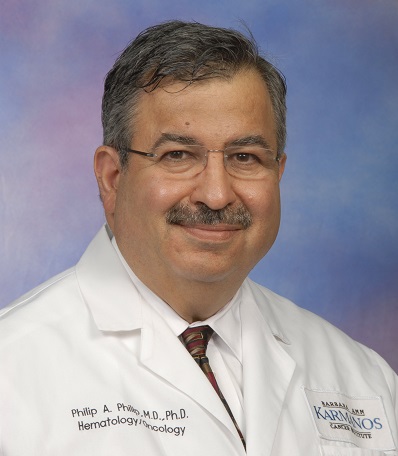 Philip Philip合作论文数Department of Oncology, School of Medicine, Wayne State University;Karmanos Cancer Center, Wayne State University;Karmanos Cancer Hospital98John Marshall合作论文数75
 Emil Lou合作论文数Div Hematol Oncol & Transplantat, Univ Minnesota75
 Francesca Battaglin合作论文数Division of Medical Oncology, USC Norris Comprehensive Cancer Center, Keck School of Medicine, Los Angeles, CA;74John L Marshall合作论文数68
 Mohammed Moustafa Elsheshtawy Salem合作论文数Physics Department, Faculty of Science, Tanta University58
 Andreas Seeber合作论文数57
 Axel Grothey合作论文数56Jimmy Hwang合作论文数Diller Family Comprehensive Cancer Center, University of California, San Francisco55
 Shivani Soni合作论文数Caritas St. Elizabeth’s Medical Center, Tufts University School of Medicine52Yasmine Baca合作论文数48
 Qian Shi合作论文数Alliance for Clinical Trials in Oncology Statistics and Data Center, Mayo Clinic47
 Alberto Puccini合作论文数School of Medicine, University of Genoa43
 Hiroyuki Arai合作论文数42David Spetzler合作论文数40
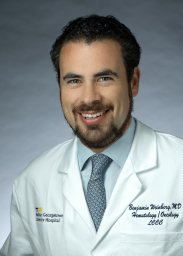 Benjamin A. Weinberg合作论文数39
 Michael N. Hall合作论文数Biozentrum, University of Basel;Institute of Human Biology, F. Hoffmann-La Roche Ltd37Gregory Dyson合作论文数36
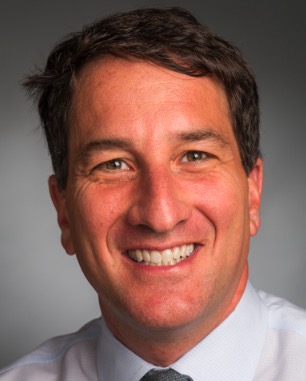 Jeffrey A. Meyerhardt合作论文数Colon and Rectal Cancer Center, Dana-Farber Cancer Institute;Harvard Medical School35
 Wafik S. El-Deiry合作论文数Department of Pathology and Laboratory Medicine, Warren Alpert Medical School, Brown University;Cancer Center, Brown University;Lifespan Cancer Institute, Rhode Island Hospital34
 Wu Zhang合作论文数University of Southern California;USC Norris Comprehensive Cancer Center33
 Oberley Matthew J合作论文数Department of Pathology and Laboratory Medicine, University of Wisconsin School of Medicine and Public Health31
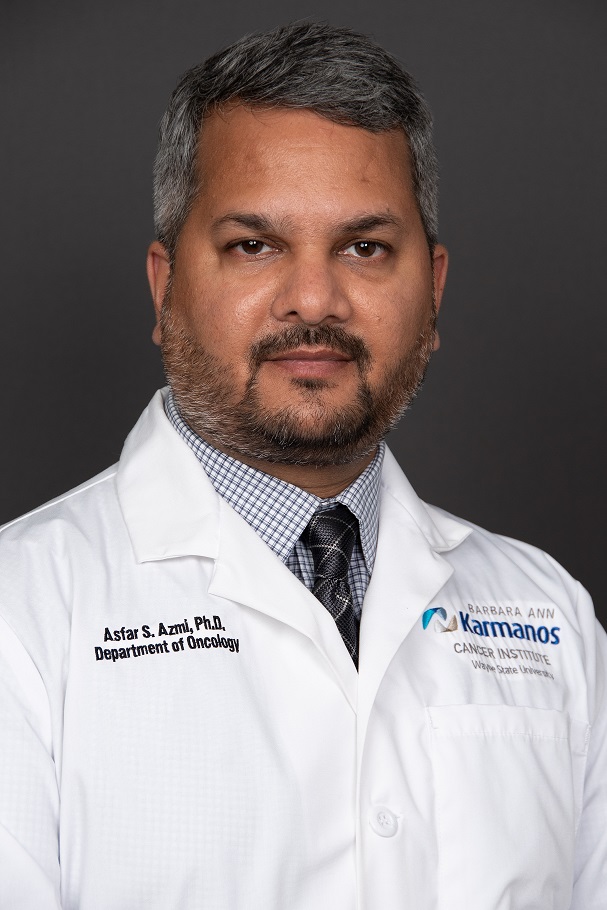 Asfar S. Azmi合作论文数Department of Pathology, School of Medicine, Wayne State University30
 Mohd Khushman合作论文数University of South Alabama, Mitchell Cancer Institute29Priya Jayachandran合作论文数Department of Radiation Oncology, Stanford University26
 Patricia LoRusso合作论文数Yale Cancer Center, Yale School of Medicine, Yale University;Section of Medical Oncology, Department of Internal Medicine, Yale School of Medicine, Yale University25Goel Sanjay合作论文数25
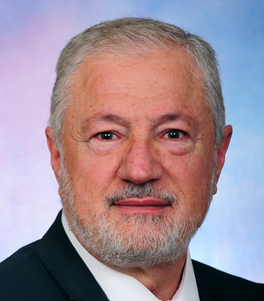 Ramzi Mohammad合作论文数Department of Oncology, School of Medicine, Wayne State University25
 George W. Sledge Jr合作论文数Division of Oncology, Department of Medicine, Stanford University;Medical Center, Stanford University25Kelsey Poorman合作论文数24Pankaj Kumar合作论文数24Jim Abraham合作论文数Clin & Translat Res, Caris Life Sci24
 Hirva Mamdani合作论文数Department of Oncology,Karmanos Cancer Institute,Detroit24
 Felix Couture合作论文数24
 Elisabeth Heath合作论文数Department of Oncology, School of Medicine, Wayne State University;Karmanos Cancer Institute, Wayne State University24
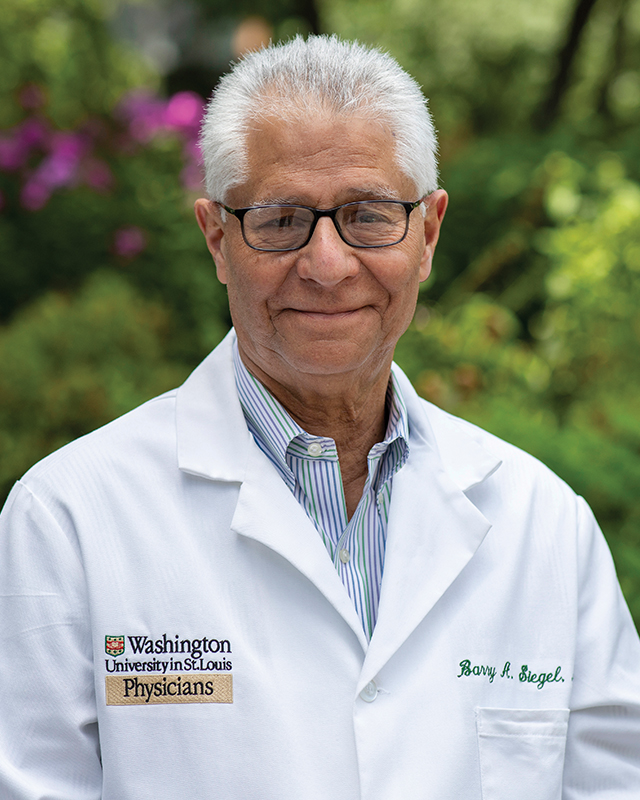 Barry Alan Siegel合作论文数Mallinckrodt Institute of Radiology, Washington University School of Medicine in St. Louis;Barnes-Jewish Hospital;Barnes-Jewish West County Hospital;St. Louis Children's Hospital24Jae Ho Lo合作论文数23
 Eileen O'Reilly合作论文数David M Rubenstein Ctr Pancreat Canc, MSK23Kim Steve H合作论文数23
 Husain Yar Khan合作论文数Faculty of Life Sciences, Aligarh Muslim University23
 Lance Heilbrun合作论文数Department of Oncology, School of Medicine, Wayne State University;Karmanos Cancer Institute, Wayne State University23Amro Aboukameel合作论文数The Barbara Ann Karmanos Cancer Institute23Rafic Beydoun合作论文数Detroit Med Ctr, Wayne State Univ22Chao Ma合作论文数22
 Bassel El-Rayes合作论文数Department of Hematology and Medical Oncology, Emory University School of Medicine;O'Neal Comprehensive Cancer Center, School of Medicine, The University of Alabama at Birmingham22




