Background and Objectives:Health promotion necessitates a multifaceted approach, focusing on individual, social, and environmental factors. Participatory Action Research (PAR) offers a process for community-level knowledge to inform these approaches, but little is known about its actual utilization. This review was conducted to explore the implementation and effectiveness of PAR in health promotion in the Philippine context. The specific objectives are: 1) to systematically map and analyze the existing literature on PAR in health promotion within the Philippine context; 2) to identify and categorize the levels of community participation in PAR initiatives; and 3) to evaluate the spheres of influence of health equity principles in PAR methodologies in health promotion. Methods:A scoping review was implemented following the protocol by Mak and Thomas (2022), guided by the Health Equity Framework and the New Economics Foundation's Ladder of Participation, highlighting the empowerment and participation of communities in health research to produce relevant and sustainable outcomes. PubMed, HERDIN, and Google Scholar were searched to gather a comprehensive range of literature, then analyzed for themes relating to community engagement in health promotion through PAR. Results:A total of 452 articles were obtained from the initial search. After applying inclusion and exclusion criteria, 12 articles were included for analysis. The results highlighted the importance of engaging community leaders and advocacy groups as entry points in engaging community members, which were seen to be more effective in collaborating with the community. PAR was able to effectively identify gaps in health systems, particularly in access to programs for vulnerable sectors. The studies also exhibited differing levels of participation of the researchers with diverse population groups. This diversity in participant engagement led to more tailored and communityspecific interventions, fostering social innovation and better community well-being. Conclusion:The integration of PAR in health promotion demonstrates a robust approach to addressing health inequities, showcasing the potential for community-driven research to foster equitable health outcomes. PAR enabled communities to lead and shape interventions, making them more relevant and effective. The spectrum of participatory activities reveals the diversity of PAR as a research approach, and an opportunity to develop guidelines on what constitutes PAR in the global context. This approach is crucial in developing sustainable health strategies that are responsive to the needs of diverse communities, ultimately contributing to the global discourse on community-driven health promotion and equity.
Objective: This study aimed to describe the status of operating room (OR) efficiency of a tertiary hospital in the Philippines according to time-based parameters, identify the direct causes of delays in the OR, and predict the change in number of patients served and OR income if utilization rates improve. Design and Setting: A cross-sectional study employing a retrospective records review of all elective surgical cases from June 2023 to June 2024 was done at a tertiary hospital in Pasig City, Philippines. Main Outcome Measures: The study determined the means of the different OR efficiency parameters, the causes of delays, the relationship between the changes in utilization rate and number of patients served, and the relationship between the changes in the number of patients served and the gross income. Results: The means of the arrival of first case lag time, anesthesia induction lag time and turnover time did not reach target, while the means of the procedure lag time, trans-out lag time and utilization rate were optimal. Among the different causes of delay, those related to the surgeon predominated. The relationship between the change in utilization rate and change in the number of patients served was not significant. Likewise, there was no significant relationship between the change in the number of patients served and the change in gross income. Conclusion: While the means of the arrival of first case lag time, anesthesia induction lag time and turnover time were beyond target mainly due to surgeon-related factors, the utilization rate of the functioning operating rooms was optimal. Hence, the current number of functioning operating rooms may no longer be enough to address the existing backlog of cases. Increasing the number of functioning operating rooms may be considered.
Fellowship programs provide structured training that blends theoretical learning with practical application to build professional expertise. In the Philippines, such programs are typically associated with clinical practice, with limited focus on policy development. However, the evolving health landscape and the Department of Health’s (DOH) Health Promotion Framework Strategy 2030 underscore the need for strong health promotion policies and skilled professionals to lead them. To respond to this need, the National Institutes of Health at University of Philippines Manila, in partnership with the Department of Health, is developing a fellowship program aimed at producing health promotion policy specialists. This scoping review lays the groundwork by synthesizing global and local literature on relevant competencies, selection criteria, and program implementation strategies to inform the fellowship’s design.
BackgroundPolicy encouraging healthcare intrapartum/delivery care is critical to accelerating the decline in maternal mortality. The study analyzes intrapartum/delivery care factors in Indonesia and the Philippines.MethodsThe investigation included 15,346 Indonesian and 7992 Filipino women (ages 15 to 49 who delivered during the previous five years). Aside from the location of intrapartum/delivery care as a dependent variable, additional factors investigated included domicile, marital status, age, occupation, education, parity, wealth, and ANC—the conclusion of the study utilizing binary logistic regression.ResultsWomen in both countries predominantly do healthcare intrapartum/delivery care. Both countries' urban women are more likely to receive intrapartum/delivery care than rural women. The higher the amount of schooling, the greater the likelihood of receiving intrapartum/delivery care. The lower the parity, the higher the chance to do healthcare intrapartum/delivery care. The higher the wealth position, the greater the likelihood of receiving intrapartum/delivery care. Furthermore, women in both nations who had four or more antenatal visits were more likely to receive intrapartum/delivery care.ConclusionThe study concluded five factors related to healthcare intrapartum/delivery care in the Philippines: residence, education, parity, wealth, and ANC. Meanwhile, there are six factors related to healthcare intrapartum/delivery care in Indonesia: place, age, education, parity, wealth, and ANC.
The paper by Bernal-Sundiang et al.1 in this issue of Acta Medica Philippina provides one of the more extensive and in-depth empirical discussion of governance in the health sector. Utilizing data collected over a one-year period as part of the Philippine Primary Care Studies in urban, rural, and remote settings, the authors reported on challenges their team encountered in project implementation as it relates to leadership and governance. One strength of the paper is that it situates leadership and governance as a health system keystone that links to all the other components of infrastructure and supply chains, information system, health workforce, financing, and stakeholder engagement, and monitoring and evaluation. This harks back to the framework posited in the World Health Report 20002, highlighting the interaction between governance and the other system elements.Despite this critical role of governance, however, it has been characterized as being poorly understood, and often difficult to operationalize, not least because of poor capacities of different institutions and actors to bring to the fore the good governance agenda.3 For instance, it has been suggested that good governance, regardless of the sector, is “accountable, transparent, responsive, equitable and inclusive, effective and efficient, participatory, consensus-oriented and follows the rule of law.”4This characterization assumes the existence of traditions and institutions that places the common good front and center, something which may not be present, if not willfully disregarded, in many jurisdictions. Another set of related buzzwords for governance is that it entails a “whole-of-government” and “whole-of-society” approaches, which means the mobilization of public agencies,on the one hand, and private sector and civil society organizations, on the other, towards the realization of shared goals.5 Aside from the need for conceptual and operational clarity on these two terms, the reality of token participation and siloed working environments remain barriers to achieving true multisectoral approaches in health and other areas.Relatedly, I wish to bring to the discussion one insight from our case study of tuberculosis program implementation.6 In this research, we identified facilitating and hindering factors to the successful implementation of the tuberculosis prevention and control program in cities and municipalities, and we posited that these factors were rooted in a common source of governance for health. We further extended the argument by stating that focusing on the local chief executive as the responsible entityfor good governance is a myopic view of the issue as it only covers the levels that can be labelled as “broader governance environment” and “public policies.”7 The more fine-grained institutional or sectoral governance is within the ambit of the local health officer, while what we propose to refer to as “program-level” governance is the realm of the program coordinator. The scope and specificity of governance as exercised across these levels, and consequent access to precise information, differ, which highlights the shared responsibility of these three principal actors at the local level in so far as exercise of good governance is concerned.Good governance in health has been an aspirational goal for many decades, and was identified as an important constituent in our quest for better health and sustainable development. The recommendations outlined by Bernal-Sundiang et al.1 provide a starting point on how we can gradually improve the health sector to come closer to this ambition. However, embedding good governance in institutions and society at large will be critical in sustaining such gains moving forward. Carl Abelardo T. Antonio, MD, MPHDepartment of Health Policy and AdministrationCollege of Public HealthUniversity of the Philippines Manila REFERENCES 1. Bernal-Sundiang N, De Mesa RYH, Marfori JRA, Fabian NMC,Calderon YT, Dans LF, et al. Governance in primary care systems:Experiences and lessons from urban, rural, and remote settings inthe Philippines. Acta Med Philipp. 2023;57(3):5-16. doi: 10.47895/amp.vi0.48342. World Health Organization. The world health report 2000. Healthsystems: Improving performance [Internet]. Geneva: World HealthOrganization. 2020 Jun 14 [cited 2022 Nov 2]. Available from:https://www.who.int/publications/i/item/924156198X3. Brinkerhoff DW, Bossert TJ. Health governance: principal-agentlinkages and health system strengthening. Health Policy Plan. 2014Sep;29(6):685-93. doi: 10.1093/heapol/czs132.4. Kickbusch I, Gleicher D. Governance for health in the 21st century[Internet]. Copenhagen: WHO Regional Office for Europe. 2012[cited 2022 Nov 2]. Available from: https://www.euro.who.int/__data/assets/pdf_file/0019/171334/RC62BD01-Governance-for-HealthWeb.pdf5. Ortenzi F, Marten R, Valentine NB, Kwamie A, Rasanathan K.Whole of government and whole of society approaches: call forfurther research to improve population health and health equity.BMJ Glob Health. 2022 Jul;7(7):e009972. doi: 10.1136/bmjgh2022-009972.6. Antonio CAT, Guevarra JP, Medina PVN, Roxas EA, Cavinta LL,Manalo JA, et al. Facilitators and barriers to the implementationof selected local tuberculosis control programs in the Province ofLaguna, Philippines. Philipp J Sci. 2021 Dec;150(6A):1501-1506.7. Fryatt R, Bennett S, Soucat A. Health sector governance: shouldwe be investing more? BMJ Glob Health. 2017 Jul;2(2):e000343.doi: 10.1136/bmjgh-2017-000343.
Midwives are primarily considered as professionals with expertise in assisting women before, during, and after childbirth. Thus, the competencies for midwifery as defined by the International Confederation of Midwives revolve principally around assessment and provision of care to women and the fetus/newborn/infant during the pre-pregnancy and antenatal periods, laborand birth, postnatal/postpartum periods.1 The availability of skilled midwives in communities has allowed women, especially those who belong to lower income groups, to access professional services around childbirth, as reflected in responses from the National Demographic and Household Survey.2For instance, while 50% of all women surveyed received antenatal care from a midwife, it is notable that 70% of those who belonged to the lowest wealth quintile were seen by a midwife during theantenatal period. Furthermore, midwives assisted 30% of deliveries reported by respondents, while roughly a little over a third of deliveries for each of the three lowest quintiles were attended by a midwife. Furthermore, in the Philippine setting, midwives are recognized as the first professional point of contact for most members of a community, especially in rural and remote places, as midwives are the ones deployed to manage Barangay Health Stations. Elaborating the scope of the practice of midwifery in relation to the provision of “primary health care services in the community”as stipulated in Republic Act No. 73923, the Board of Midwifery of the Professional Regulation Commission, in a primer for the profession, stated that midwives are expected to, among others, (a) implement government health programs in accordance with policies and guidelines of the Department of Health; (b) supervise barangay health workers; and (c) manage a BarangayHealth Station.4 Stated differently, midwives, given the scope of work that they do and the areas where they are deployed, serve as the face and touchpoint of the health sector in our communities. They are the embodiment of the different health policies and programs enacted at the national and local levels through which Filipinos experience, individually and collectively, the drive for better health (or lack thereof ) advanced by different agencies, personalities, and stakeholders. However, as pointed out by Felipe-Dimog et al.5 in this issue of Acta Medica Philippina, midwives, especially those working in the public health sector, may take on roles beyond that contemplated by law. For instance, in the course of my professional practice during which I was deployed briefly in a rural health unit, and worked with an urban health department, I have encountered midwives who were tasked to work as program coordinators (or assistant coordinators), sanitation inspectors,field epidemiologists, and supply managers, among others, because of scarcity in the overall staff complement of health departments. Given their close ties with their areas of assignments, midwives are also expected to be community coordinators, if not organizers. The extent to which midwives are assigned these additional tasks depend on their professional relationship with their immediate supervisor; the level of trust and confidence reposed on them by their superiors; in some instances, their attendance to specific training workshops; as well as the availability of more qualified personnel (or lack thereof ) in the locality. Yet despite all these – placement in remote, if not hardship posts; additional assignments beyond their job description – midwives receive salaries that may not be commensurate after consideration of the job context. Staff midwife positions (i.e., Midwife I to III) in government institutions are remunerated at Salary Grades 9 to 13 (i.e., approximate gross pay of PHP 21,000 to PHP 31,000, based on the fourth tranche of the Salary Standardization Law, but may be lower depending on theincome classification of the local government unit6). Additional compensation and benefits under special laws may not always be provided as this will depend on the paying capacity of the employing agency. Furthermore, midwives – especially those who completed the two-year program under the previous policy – also must contend with issues concerning their professional status. I have personally encountered community members who do not consider midwives as professionals in the same league as nurses or physicians, or who view midwives as “assistants” or “subordinates” of nurses and physicians, forgetting that a certain degree of independent practice is allowed each professional licensed by the Republic of the Philippines. Midwives play a crucial role in caring for Filipinos not only around childbirth – this is their primary professional duty – but throughout the lifespan – especially for midwives working in local health departments. Stakeholders must not forget to give due recognition to the value and worth contributed by midwives in shaping the health and well-being of each generation of Filipinos. Carl Abelardo T. Antonio, MD, MPHDepartment of Health Policy and AdministrationCollege of Public HealthUniversity of the Philippines Manila REFERENCES .1. International Confederation of Midwives. Essential competencies for midwifery practice. 2018 update [Internet]. 2019 Jan [cited 2023 Jun 1]. Available from: https://www.internationalmidwives.org/assets/files/general-files/2019/02/icm-competencies_english_final_jan-2019-update_final-web_v1.0.pdf2. Philippine Statistics Authority (PSA) and ICF. Philippines National Demographic and Health Survey 2017. 2018 Oct [cited 2023 Jun 1]. Quezon City, Philippines, and Rockville, Maryland, USA: PSAand ICF. Available from: https://psa.gov.ph/sites/default/files/PHILIPPINE%20NATIONAL%20DEMOGRAPHIC%20AND%20HEALTH%20SURVEY%202017_new.pdf3. Congress of the Philippines. Republic Act No. 7392, Philippine Midwifery Act of 1992 [Internet]. 1992 Apr 10 [cited 2023 Jun 1]. Available from: https://www.prc.gov.ph/sites/default/files/Midwifery%20-%20Board%20Law_0.PDF4. Board of Midwifery, Professional Regulation Commission. The professional midwife [Internet]. n.d. [cited 2023 Jun 1]. Available from: https://www.prc.gov.ph/sites/default/files/Midwife_PRIMER.pdf5. Felipe-Dimog EB, Liang F, Tumulak MJR, Hsu M, Sia-ed AB, Dumalhin YJB. Roles and functions of rural health midwives in Cordillera Administrative Region: A qualitative pilot study. Acta MedPhilipp. 2023;57(6): 5-17. doi: 10.47895/amp.vi0.53266. Congress of the Philippines. Republic Act No. 11466, Salary Standardization Law of 2019 [Internet]. 2020 Jan 8 [cited 2023 Jun 4]. Available from: https://www.officialgazette.gov.ph/downloads/2019/12dec/20200108-RA-11466-RRD.pdf
Objective:Although interagency collaboration in drug treatment and rehabilitation has been substantially studied, a lack of consensus on the nomenclature and definition of collaboration remains an unresolved issue in public health policy and practice. To facilitate further consensus, this review analyses previously used definition, conceptualization, and theorization on interagency collaboration in the field of drug rehabilitation. Methods:We conducted evidence synthesis using a scoping review approach. This review is based on searches using the MEDLINE, CINAHL Complete, Embase, and PsychINFO databases and used the protocol proposed by Arksey and O'Malley. Results:A total of 6,259 papers were retrieved from database and citation searches, 33 of which were eligible for inclusion in the analysis after screening and evaluation. Although the definitions varied, the common elements included (a) the presence of at least two entities, which were either services, programs or organizations; (b) these entities collaborated or shared resources; (c) partnership went through a development process; and (d) the intent of collaboration was to achieve a common purpose. There were five means of conceptualizing collaboration: (a) degrees, or level of intensity and formality; (b) elements, or the constitutive structure and activities; (c) stages, or the development of partnership over time; (d) levels, or the focus of the collaborative; and (e) type, or a distinction between collaboration on in policy and practice. Conclusion:Scholarship in this field can benefit from studies that conceptualize collaboration not only crosssectionally through the description of degrees, elements, levels, and type, but also by considering the stages dimension of collaboration (i.e., evolution of collaboration initiative over time). Countries or jurisdictions may need to formalize a term and definition for collaboration as it applies to initiatives within their territories.
In this issue, Pagkatipunan et al.1 presented findings from a study on the status of research ethics committees among public and private higher education institutions located in the southern Manila area. Among the findings from their interviews with research directors and focus group discussions with faculty members was that there was a perception that the research ethics committee duplicated the technical review undertaken by the institution’s research office, hence the non-existence of research ethics committees in these universities. Their findings resonate with the debates in the literature that argue the position that subjecting proposals to another round of technical review at the research ethics committee level is akin to double jeopardy.2 This duplication of review results in inefficiencies in the system3 and draws the research ethics committees’ attention away from the more important ethical considerations of the proposal that they are supposed to assess. Those who advocate this argument also challenge the quality argument as there is no empirical evidence showing that the quality of a research project was improved because of the technical inputs from the research ethics committee. Despite this, we still operate on the current policy of research ethics committees, which is to require the submission of proof of prior technical review before proposals are accepted for initial ethics review. This stems from three ideas that fall under the broader argument that bad science is bad ethics.4 At its heart, this position advances the idea that scrutiny of the design aspects of a study is but another layer in the many rounds of peer review that a research idea must go through as part of a vetting process that upholds society’s trust in science. Hence, this concept was enshrined in international and local ethics guidelines. Now, it has been reported in the literature that ethics committees return about three in five protocols because of a design related query and that, overall, queries contained in a decision letter will be about a technical issue 30% of the time.5–15 The five most frequently cited design-related issues identified during ethics review include justification for the study, study design, sampling, data collection, and data analysis.8–14 After being involved with research ethics committees over the past several years, I would like to propose four reasons why these design issues are still present and detected at the research ethics committee level. First, we must recognize that there are many ways of knowing, and academics and scholars can investigate a question using different paradigms. Issues may arise if there is a dissonance or difference in the way the researcher and the research ethics committee see the world. A typical example would be when a researcher submits a study grounded on a constructivist approach to a panel that is mainly, if not purely, positivist in orientation. But it is also possible to have the debate within the same tradition, such as in statistics, where frequentists and Bayesians hold differing ideas about probability. And even when ethics committees do recognize that there are many ways of knowing, the ethics committee may lack the expertise to appropriately review a submitted proposal, either because they do not have the member or consultant with the required know-how, or their expert may no longer be up-to-date in their knowledge. The reverse is also possible, that is to say, that the deficiency may be on the side of the technical panel, and it is the ethics committee expert who can spot the issues that were initially missed. This leads me to my third point, which is a possible lack of trust in the review conducted by the technical panel, especially if the ethics committee has repeatedly encountered proposals of poor qualityvetted by that group. Lastly, we cannot discount the fact that the quality of the written protocol may also be a determining factor. In short, the proponent may have the right ideas about the technical aspects of a study but is not able to translate these into words that are comprehensible to the reviewer. I end by providing some recommendations for stakeholders so that the issues I mentioned earlier can be addressed. Since the proposal originates at the level of the researcher, it is important that the proponent ensures that the document is not only clearly written but is also aligned with the best research practices in the discipline. The technical panel should perform its function with fairness, integrity, and objectivity in mind. As to the research ethics committee, I think it is important to not only broaden the world view of the members in research approaches but also ensure that members (or consultants) have the appropriate expertise required for reviewing a proposal. Perhaps the ethics committee can undertake an annual review of the types of proposals encountered and determine if additional members or consultants are needed. Reviewers should also be able to discern and learn to disclose when a proposal is already beyond their expertise so that it can be assigned to another member (or consultant). And for proposals accepted for review, the reviewer’s focus should be on whether the proposed approach is logical and appropriate to the study objectives and not on whether it follows the best approach outlined in textbooks. Emanuel and colleagues,16 in presenting the seven ethical requirements two decades ago, opined that scientific soundness is rooted in two important considerations. First is validity, and the second is feasibility. This means that researchers may be constrained in their study methods by practical considerations, which is why their proposal is less than ideal. Of course, this constraint must be clearly explained in the protocol for the appreciation of reviewers. In summary, there is value in assessing the technical merits of a proposal, even at the level of the research ethics committee. However, taking on this responsibility requires that research ethics committees possess the necessary capacity to undertake a meaningful review of the design aspects of the proposed research. * Part of the content of this editorial was from my presentation during one of the plenary sessions of the Philippine Health Research Ethics Board (PHREB) 3rd National Conference held on 9-10 November 2021 online via Zoom. Carl Abelardo T. Antonio, MD, MPH Department of Health Policy and Administration, College of Public Health, University of the Philippines Manila, Manila, Philippines Disclosures CTA is a member of the UP Manila Research Ethics Board (UPMREB); ad hoc reviewer for the Single Joint Research Ethics Board, Department of Health (SJREB); trainer for the Committee on Information Dissemination, Training, and Advocacy, Philippine Health Research Ethics Board (PHREB-CIDTA); and contributor to the 2017 and 2022 national ethical guidelines on health research. REFERENCES Pagkatipunan PN, Limson EE, Abrera AC. Research ethics committees in Manila schools: exploring the reasons for its non-existence. Acta Med Philipp. 2022; 56(13):11-8. doi:10.47895/amp.vi0.2917 Humphreys S, Thomas H, Martin R. Science review in research ethics committees: double jeopardy? Res Ethics. 2014; 10(4):227-37. doi:10.1177/1747016114552340. Mansbach J, Acholonu U, Clark S, Camargo CA Jr. Variation in institutional review board responses to a standard, observational, pediatric research protocol. Acad Emerg Med. 2007 Apr; 14(4):377- 80. doi:10.1197/j.aem.2006.11.031. Newson AJ, Lipworth W. Why should ethics approval be required prior to publication of health promotion research? Health Promot J Austr. 2015 Dec; 26(3):170-5. doi: 10.1071/HE15034. Dal-Ré R, Espada J, Ortega R. Performance of research ethics committees in Spain. A prospective study of 100 applications for clinical trial protocols on medicines. J Med Ethics. 1999 Jun; 25(3):268-73. doi: 10.1136/jme.25.3.268. Kent G. Responses by four local research ethics committees to submitted proposals. J Med Ethics. 1999 Jun; 25(3):274-7. doi:10.1136/jme.25.3.274. Boyce M; London multicentre research ethics committee 1997-2000. Observational study of 353 applications to London multicentre research ethics committee 1997-2000. BMJ. 2002 Nov 9; 325(7372):1081. doi: 10.1136/bmj.325.7372.1081. Bueno M, Brevidelli MM, Cocarelli T, Santos GM, Ferraz MA, Mion D Jr. Reasons for resubmission of research projects to the research ethics committee of a university hospital in São Paulo, Brazil. Clinics (Sao Paulo). 2009; 64(9):831-6. doi: 10.1590/S1807-59322009000900002. Angell E, Biggs H, Gahleitner F, Dixon-Woods M. What do research ethics committees say about applications to conduct research involving children? Arch Dis Child. 2010 Nov; 95(11):915-7. doi: 10.1136/adc.2009.172395. Adams P, Wongwit W, Pengsaa K, Khusmith S, Fungladda W, Chaiyaphan W, et al. Ethical issues in research involving minority populations: the process and outcomes of protocol review by the Ethics Committee of the Faculty of Tropical Medicine, Mahidol University, Thailand. BMC Med Ethics. 2013 Sep 11; 14:33. doi: 10.1186/1472-6939-14-33. Tsoka-Gwegweni JM, Wassenaar DR. Using the Emanuel et al. framework to assess ethical issues raised by a biomedical research ethics committee in South Africa. J Empir Res Hum Res Ethics. 2014 Dec; 9(5):36-45. doi: 10.1177/1556264614553172. van Lent M, Rongen GA, Out HJ. Shortcomings of protocols of drug trials in relation to sponsorship as identified by Research Ethics Committees: analysis of comments raised during ethical review. BMC Med Ethics. 2014 Dec 10; 15:83. doi: 10.1186/1472-6939-15-83. Hemminki E, Virtanen JI, Regushevskaya E. Decisions by Finnish Medical Research Ethics Committees: a nationwide study of process and outcomes. J Empir Res Hum Res Ethics. 2015 Oct; 10(4):404-13. doi: 10.1177/1556264615599685. Happo SM, Halkoaho A, Lehto SM, Keränen T. The effect of study type on research ethics committees’ queries in medical studies. Res Ethics. 2017; 13(3-4):115-27. doi:10.1177/1747016116656912. Silaigwana B, Wassenaar D. Research ethics committees’ oversight of biomedical research in South Africa: a thematic analysis of ethical issues raised during ethics review of non-expedited protocols. J Empir Res Hum Res Ethics. 2019 Apr; 14(2):107-16. doi: 10.1177/ 1556264618824921. Emanuel EJ, Wendler D, Grady C. What makes clinical research ethical? JAMA. 2000 May 24-31; 283(20):2701-11. doi: 10.1001/ jama.283.20.2701.
Catastrophic expenditure occurs when a household allocates more than 40% of its effective, or non-subsistence, income for health expenditures.1,2 In general, low-income households, those with older persons or persons with disabilities, and families with members requiring healthcare for chronic illnesses are more likely to experience this phenomenon. 3 In the Philippine setting, it has also been suggested that disasters create catastrophic spending situations.4 As household incomes are generally fixed, incurring unexpected, large, and/or long-term expenditures typically means either reducing allocation for other expense items (e.g., diminution of the budget for food or shelter) or sourcing funding elsewhere (e.g., incurring substantial debt to bridge the shortfall), and may lead to the impoverishment of the family, particularly for those who are living remarkably close the knife’s edge of poverty. Hence, protecting individuals and families from such financial catastrophe has become an important policy objective at the global and domestic levels.5–7 Using the 40% non-subsistence income threshold, it has been estimated that the 0.78% (95% uncertainty interval: 0.71 – 0.85) of households in the Philippines experienced catastrophic health expenditure.1 Meanwhile, using a 25% total household budget as a cut-off point – as measured for the Sustainable Development Goals – would increase the proportion to 1.41% of households.8 These figures, however, seem to underestimate the actual situation, as shown by related data from the 2018 Family Income and Expenditure Survey and the Philippine National Health Accounts 2014-2019.9,10 First, households typically spend around 75% of their income, which translates to an average annual savings of about 75,000 pesos. Second, roughly two-thirds (63%) of expenses were allocated for food, shelter, and utilities. In comparison, only 2.7% went to health expenses (or about 6,500 pesos per year for the entire household, using as reference the 239,000 pesos total annual household expenses). Third, the per capita health expenditure in 2019 was estimated at Php 6,662.20 – the bulk of which went to curative care in hospitals – nearly half (47.9%) contributed directly from out-of-pocket. In short, regularly, households allocate only a small amount for health-related expenses but are forced to spend more when presented with conditions requiring more expensive treatment. A separate analysis showed that catastrophic health expenditures were, on average, more than 60,000 pesos annually; medicines and in-patient services accounted for two-thirds of this amount.11 Given that the net household savings are not substantial, the question arises as to where the difference in funding requirement comes from. Lasco et al.’s paper in this issue provides an answer in this respect and extends our insight into how individuals and families deal with health expenditures.12 Drawing on data gathered from 30 focus group discussions participated in by 250 individuals representing different socio-demographic and stakeholder groups, their results offer a human dimension to the processes that families go through as they initially forego help-seeking, owe money, and finally request institutional assistance to finance their health need. The low incidence of catastrophic health expenditure in the country currently documented by official sources may be attributed to either of two scenarios. The optimistic scenario is that institutional assistance and subsidized healthcare in government facilities can bridge the shortfall in health financing, averting financial catastrophe for the family. Our prior research, however, has shown that such institutional assistance is almost always not sufficient to cover the deficit unless a family is resourceful enough that they can tap multiple providers or donors.13,14 The alternative is that individuals or families do not go beyond the first stage of pagtitiis, so much so that no further treatment can be offered when the individual interfaces with a healthcare provider. An additional point must be thought-out when considering catastrophic health expenditure. Health needs are fraught with uncertainty, which biases an individual’s capacity to adequately prepare, financially or otherwise, for such occurrence. Uncertainty in this sense means that there is a dimension of indeterminacy of a future health state, such as when healthcare professionals discuss the risk of a person suffering complications from a chronic illness.15 Prior research has shown that accurate risk perceptions are vital in healthcare. 16 Yet, we are well aware that the concept of risk, or chance, is a rather abstract notion that distorts our decision-making processes, especially about things that are unknown, unobserved, or not yet experienced.17 The burden, therefore, of preparing for unexpected healthcare expenditure should be shifted from the individual or household through the strengthening of existing social safety nets and reducing the out-of-pocket share in total health expenditure. This will entail additional investments by the government and the social health insurance program and will be among the challenges that the new dispensation will have to consider as we collectively rise from the ravages of the pandemic. Carl Abelardo T. Antonio, MD, MPH Department of Health Policy and Administration College of Public Health University of the Philippines Manila, Manila, Philippines REFERENCES World Health Organization. Designing Health Financing Systems to Reduce Catastrophic Health Expenditure [Internet]. Geneva: World Health Organization; 2005 [cited 2022 Jun 06]. Available from https://apps.who.int/iris/handle/10665/70005. Xu K, Evans DB, Kawabata K, Zeramdini R, Klavus J, Murray CJ. Household Catastrophic Health Expenditure: A Multicountry Analysis. Lancet. 2003 Jul 12;362(9378):111-7. doi: 10.1016/S0140-6736(03)13861-5. Azzani M, Roslani AC, Su TT. Determinants of Household Catastrophic Health Expenditure: A Systematic Review. Malays J Med Sci. 2019 Jan;26(1):15-43. doi: 10.21315/mjms2019.26.1.3. Espallardo N, Geroy LS, Villanueva R, Gavino R, Nievera LA, Hall JL. A Snapshot of Catastrophic Post-disaster Health Expenses after Typhoon Haiyan. Western Pac Surveill Response J. 2015 Nov 6;6 Suppl 1(Suppl 1):76-81. doi: 10.5365/WPSAR.2015.6.2.HYN_017. World Health Organization. The World Health Report. Health Systems Financing: The Path to Universal Coverage [Internet]. Geneva: World Health Organization; 2010 [cited 2022 June 6]. Available from https://apps.who.int/iris/handle/10665/44371 United Nations. Transforming Our World: The 2030 Agenda for Sustainable Development [Internet]. [New York]: United Nations; 2015 [cited 2022 June 6]. Available from https://sdgs.un.org/publications/transforming-our-world-2030-agenda-sustainable-development-17981 Congress of the Philippines. Republic Act No. 11223, Universal Health Care Act [Internet]. 2019 [cited 2022 June 6]. Available from https://www.officialgazette.gov.ph/2019/02/20/republic-act-no-11223/ World Health Organization. Global Health Observatory [Internet].n.d. [cited 2022 June 6]. Available from https://www.who.int/data/gho/data/indicators/indicator-details/GHO/population-with-household-expenditures-on-health-greater-than-25-of-total-household-expenditure-or-income-(-sdg-indicator-3-8-2)-(-) Philippine Statistics Authority. 2018 Family Income and Expenditure Survey. Volume 1. National and regional estimates [Internet]. Quezon City: Philippine Statistics Authority; 2020 [cited 2022 June 6]. Available from https://psa.gov.ph/sites/default/files/FIES%202018%20Final%20Report.pdf Philippine Statistics Authority. Philippine National Health Accounts 2014-2019 [Internet]. Quezon City: Philippine Statistics Authority; 2020 [cited 2022 June 6]. Available from https://psa.gov.ph/sites/default/files/Publication%20PNHA%202019%20signed_0.pdf Bredenkamp C, Buisman LR. Financial Protection from Health Spending in the Philippines: Policies and Progress. Health Policy Plan. 2016 Sep;31(7):919-27. doi: 10.1093/heapol/czw011. Lasco G, Yu VG, David CC. The Lived Realities of Health Financing: A Qualitative Exploration of Catastrophic Health Expenditure in the Philippines. Acta Med Philipp. 2022; 56(11):11-21. doi.org/10.47895/amp.vi0.2389. Antonio CT, Bermudez AC, Cochon KL, Garcia FB, Gueverra JP, Manalo JA, Quizon RR, Salvino RP, Benedicto EG. Stakeholder Perceptions on the Challenges of Financing Debilitating Illnesses: The Case of Colorectal Cancer and Schizophrenia in the Philippines. Phil J Health Res Dev. 2017;21(2):17-19. Guevarra JP, Antonio CT, Cochon KL, Bermudez AC, Garcia FB, Manalo JA, Pagtiilan GT, Guevarra EM, Salvino RP, Benedicto EG. Financial Assistance for Treatment of Schizophrenia in the Philippines. Acta Med Philipp. 2022;56(5):75-81. doi: 10.47895/amp.vi0.3376. Han PK, Klein WM, Arora NK. Varieties of Uncertainty in Health Care: A Conceptual Taxonomy. Med Decis Making. 2011 Nov-Dec;31(6):828-38. doi: 10.1177/0272989x11393976. Ferrer R, Klein WM. Risk Perceptions and Health Behavior. Curr Opin Psychol. 2015 Oct 1;5:85-89. doi: 10.1016/j.copsyc.2015.03.012. Enke B. What You See is All There Is. Q J Econ. 2020; 135(3): 1363-98. doi: 10.1093/qje/qjaa012.
In 2006, a seminal report from the World Health Organization1 provided an all-encompassing definition of health workers as “all people engaged in actions whose primary intent is to enhance health,” whether involved in direct service provision (e.g., physicians, nurses, midwives) or administrative/support functions (e.g., administrative professional or driver in a healthcare facility), and with or without compensation (e.g., volunteer health workers, family caregivers). Because of limitations on data availability and measurement, however, technical and academic discussions about health workers, or more formally, human resources for health (HRH), focus on those under the formal sector.2 By and large, HRH is considered a vital pillar of a functioning health system3 because the health sector is a labor-intensive industry4 that relies on a substantial number of highly skilled staff to provide services to target populations, and consequently, the attainment of national and global health targets (e.g., Sustainable Development Goals). One challenge confronting HRH management is the issue of geographical imbalance, which means that health workers are attracted to work and settle in urban more than rural areas for a variety of individual, organizational, institutional, economic, political, and cultural factors.5,6 In the Philippine context, the Department of Health (DOH) reported in 2018 that there still exists a maldistribution of HRH in the country, particularly in “hardship” posts where municipalities could not entice, nor retain, HRH.7 For example, a separate analysis of institution-based HRH data in 2017 showed that the National Capital Region had significantly more physicians, nurses, and medical technologists than the Autonomous Region of Muslim Mindanao.8 The paper by Tejero et al.9 in this issue of Acta Medica Philippina adds further evidence to the underlying reasons for the geographical imbalance of HRH in the country. Based on interviews with officials and health workers from 76 rural municipalities across the Philippines, the researchers found that, in general, while local government units attempted to implement strategies to help recruit and retain health workers in their areas, such a response has mainly been inadequate and has failed to bridge the HRH gap confronting their locality. At its core, the financial obligations tied to the recruitment and retention process appear to be a significant driver of this situation since most rural municipalities are dependent on their share of national revenues by way of the Internal Revenue Allotment (IRA), which in turn is based on population (50%), land area (25%), and equal sharing (25%).10 That is to say, rural municipalities can only commit so much financial resources in their annual budget to fund the salary of health workers, given the other equally important social and development programs that need to be implemented. Even the impact of the expected increase in IRA based on the Mandanas Doctrine promulgated by the Supreme Court in 2019 revising the computation of national revenues may be modest at best since some programs, projects, and activities previously supported by the national government will have to be assumed again by local government units.11 The devolution of health services following the promulgation of the Local Government Code of 199112 with its promise of creating a governance structure that is more responsive to the needs of communities has resulted in a paradox whereby local government units are constrained in their strategies and initiatives by, among other things, the financial resources that are available at their disposal. To this end, two important points need to be considered by local government units to address the issue of the geographical imbalance of HRH. First, augmentation of available human resources for health through national-level initiatives (e.g., DOH HRH Deployment Program 8, Medical Scholarship, and Return Service Program 13) as well as private sector support (e.g., project-specific HRH for the tuberculosis control program 14) should be maximized, but with a clear intent that, as we have argued in past publications, these be regarded as temporary measures to rectify the issue in the short- to intermediate-term.14–18 Second, and more importantly, there is a need to explore, mobilize, and maximize non-financial incentives (e.g., housing) and extrabudgetary sources (e.g., share from the feed paid by social health insurance), as more long-term tactics.1,17 Unless and until a viable fiscal environment is put in place, coupled with implementation of a comprehensive policy and framework across the phases of the working lifespan1 , the challenge of HRH maldistribution will continue to persist. Carl Abelardo T. Antonio, MD, MPH Department of Health Policy and Administration College of Public Health University of the Philippines Manila, Manila, Philippines Department of Applied Social Sciences The Hong Kong Polytechnic University, Kowloon Hong Kong SAR, China REFERENCES World Health Organization. The World Health Report 2006: Working together for health [Internet]. Geneva: World Health Organization; 2006 [cited 2022 May 4]. Available from https://apps.who.int/iris/handle/10665/43432 Al-Sawai A, Al-Shishtawy MM. Health workforce planning: an overview and suggested approach in Oman. Sultan Qaboos Univ Med J. 2015 Feb; 15(1):e27-33. World Health Organization. The World Health Report 2000. Health systems: improving performance [Internet]. Geneva: World Health Organization; 2000 [cited 2022 May 4]. Available from https://apps.who.int/iris/handle/10665/42281 Buchan J. What difference does (“good”) HRM make? Hum Resour Health. 2004 Jun 7; 2(1):6. doi: 10.1186/1478-4491-2-6. Zurn P, Dal Poz MR, Stilwell B, Adams O. Imbalance in the health workforce. Hum Resour Health. 2004 Sep 17; 2(1):13. doi: 10.1186/1478-4491-2-13. Dussault G, Franceschini MC. Not enough there, too many here: understanding geographical imbalances in the distribution of the health workforce. Hum Resour Health. 2006 May 27; 4:12. doi: 10.1186/1478-4491-4-12. Department of Health. National objectives for health Philippines 2017-2022 [Internet]. Manila, Philippines: Department of Health; 2018 [cited 2022 May 4]. Available from https://doh.gov.ph/sites/default/files/health_magazine/NOH-2017-2022-030619-1%281%29_0.pdf Dayrit MM, Lagrada LP, Picazo OF, Pons MC & Villaverde MC. The Philippines health system review [Internet]. New Delhi: World Health Organization, Regional Office for South-East Asia; 2018 [cited 2022 May 4]. Available from https://apps.who.int/iris/handle/10665/274579. Tejero LS, Leyva EA, Abad PB, Montorio D, Santos M. Production, recruitment, and retention of health workers in rural areas in the Philippines. Acta Med Philipp. 2022; 56(8):31-42. Congressional Policy and Budget Research Department. Facts in figures, FF2012-03 [Internet]. Quezon City: House of Representatives; 2012 [cited 2022 May 4]. Available from https://cpbrd.congress.gov.ph/images/PDF%20Attachments/Facts%20in%20Figures/03-FnF%20IRA.pdf Manasan RG. Fiscal sustainability, equity, and allocative efficiency in the light of the 2019 Supreme Court ruling on the LGUs’ share in national taxes, DP 2020-18 [Internet]. Quezon City: Philippine Institute for Development Studies; 2020 [cited 2022 May 4]. Available from https://pidswebs.pids.gov.ph/CDN/PUBLICATIONS/pidsdps2018.pdf Congress of the Philippines. Republic Act No. 7160, Local Government Code of 1991 [Internet]. Metro Manila: Congress of the Philippines; 1991 Oct 10 [cited 2022 May 5]. Available from https://www.officialgazette.gov.ph/downloads/1991/10oct/19911010-RA-7160-CCA.pdf Congress of the Philippines. Republic Act No. 11509, Doktor Para sa Bayan Act [Internet]. Metro Manila: Congress of the Philippines; 2020 Dec 23 [cited 2022 May 4]. Available from https://www.officialgazette.gov.ph/downloads/2020/12dec/20201223-RA-11509-RRD.pdf Antonio CT, Guevarra JP, Medina PN, Roxas EA, Cavinta LL, Manalo JA, et al. Facilitators and barriers to the implementation of selected local tuberculosis control programs in the Province of Laguna, Philippines. Philipp J Sci. 2021 Dec; 150(6A):1501-1506. Lawas ND, Faraon EA, Mabunga SY, Antonio CT, Tobias EM, Javier RS. An evaluation of the Medical Pool Placement and Utilization Program (MedPool PUP) of the Philippine Department of Health. Acta Med Philipp. 2016; 50(3):186–193. doi: 10.47895/amp.v50i3.826 Medina PN, Bardelosa DD, Lara AB, Avelino MD, Agbon AG, Cengca RM, et al. A historical perspective of mandatory service policy in the Philippines: a document analysis. Phil J Health Res Dev. 2018; 22(3):1–12. Antonio CT, Guevarra JP, Medina PN, Avelino MD, Agbon AG, Sepe DC, et al. Components of compulsory service program for health professionals in low-and middle-income countries: A scoping review. Perspect Public Health.2020;140(1):54–61. doi: 10.1177/1757913919839432. Guevarra JP, Medina PN, Avelino MD, Cengca MM, Ting ML, Agbon AG, et al. Perception of program administrators and students on the implementation of return service agreement in the Philippines. Acta Med Philipp. 2020;54(3):289–95. doi: 10.47895/amp.v54i3.1666.
ABSTRACTObjectiveTo describe the clinical outcomes related to the introduction of paliperidone palmitate in a specialty hospital in the PhilippinesDesignCross-sectional study among patients seen at the psychiatry service of a specialty hospital catering to veterans who were initiated on paliperidone palmitate. We reviewed and abstracted baseline patient data from the medical record of eligible patients. Outcome of treatment was collected through a one-time objective assessment of the patient by a third-party psychiatrist using the Structured Clinical Interview for Symptoms of Remission (SCI-SR) tool.Main ResultA total of 30 patients were recruited for the study from August 2020 and June 2021, the majority of whom were males (80%), residents of the National Capital Region (50%), and single (20%). The median duration from schizophrenia diagnosis to initiation of paliperidone treatment was 19.50 years (IQR: 16.60 – 33.50). In eight patients (22.67%), other antipsychotic drugs were discontinued following initiation of paliperidone treatment; in the remaining 22 participants (73.33%), paliperidone was taken concurrently with other antipsychotic drugs. The median duration from the initiation of paliperidone treatment to follow-up assessment was 27.20 months (IQR: 24.73 – 30.50), with all participants having at least 6 months of treatment. At follow-up assessment, all participants were classified to be in remission.ConclusionIn this study among patients with schizophrenia seen in a specialty hospital in the Philippines, we found evidence that clinical outcomes with paliperidone palmitate were comparable to those given a combination of oral and long-acting antipsychotics.
Background Tuberculosis is a major contributor to the global burden of disease, causing more than a million deaths annually. Given an emphasis on equity in access to diagnosis and treatment of tuberculosis in global health targets, evaluations of differences in tuberculosis burden by sex are crucial. We aimed to assess the levels and trends of the global burden of tuberculosis, with an emphasis on investigating differences in sex by HIV status for 204 countries and territories from 1990 to 2019. Methods We used a Bayesian hierarchical Cause of Death Ensemble model (CODEm) platform to analyse 21 505 site-years of vital registration data, 705 site-years of verbal autopsy data, 825 site-years of sample-based vital registration data, and 680 site-years of mortality surveillance data to estimate mortality due to tuberculosis among HIV-negative individuals. We used a population attributable fraction approach to estimate mortality related to HIV and tuberculosis coinfection. A compartmental meta-regression tool (DisMod-MR 2.1) was then used to synthesise all available data sources, including prevalence surveys, annual case notifications, population-based tuberculin surveys, and tuberculosis cause-specific mortality, to produce estimates of incidence, prevalence, and mortality that were internally consistent. We further estimated the fraction of tuberculosis mortality that is attributable to independent effects of risk factors, including smoking, alcohol use, and diabetes, for HIV-negative individuals. For individuals with HIV and tuberculosis coinfection, we assessed mortality attributable to HIV risk factors including unsafe sex, intimate partner violence (only estimated among females), and injection drug use. We present 95% uncertainty intervals for all estimates. Findings Globally, in 2019, among HIV-negative individuals, there were 1.18 million (95% uncertainty interval 1.08-1.29) deaths due to tuberculosis and 8.50 million (7.45-9.73) incident cases of tuberculosis. Among HIV-positive individuals, there were 217 000 (153 000-279 000) deaths due to tuberculosis and 1.15 million (1.01-1.32) incident cases in 2019. More deaths and incident cases occurred in males than in females among HIV-negative individuals globally in 2019, with 342 000 (234 000-425 000) more deaths and 1.01 million (0.82-1.23) more incident cases in males than in females. Among HIV-positive individuals, 6250 (1820-11 400) more deaths and 81 100 (63 300-100 000) more incident cases occurred among females than among males in 2019. Age-standardised mortality rates among HIV-negative males were more than two times greater in 105 countries and age-standardised incidence rates were more than 1.5 times greater in 74 countries than among HIV-negative females in 2019. The fraction of global tuberculosis deaths among HIV-negative individuals attributable to alcohol use, smoking, and diabetes was 4.27 (3.69-5.02), 6.17 (5.48-7.02), and 1.17 (1.07-1.28) times higher, respectively, among males than among females in 2019. Among individuals with HIV and tuberculosis coinfection, the fraction of mortality attributable to injection drug use was 2.23 (2.03-2.44) times greater among males than females, whereas the fraction due to unsafe sex was 1.06 (1.05-1.08) times greater among females than males. Interpretation As countries refine national tuberculosis programmes and strategies to end the tuberculosis epidemic, the excess burden experienced by males is important. Interventions are needed to actively communicate, especially to men, the importance of early diagnosis and treatment. These interventions should occur in parallel with efforts to minimise excess HIV burden among women in the highest HIV burden countries that are contributing to excess HIV and tuberculosis coinfection burden for females. Placing a focus on tuberculosis burden among HIV-negative males and HIV and tuberculosis coinfection among females might help to diminish the overall burden of tuberculosis. This strategy will be crucial in reaching both equity and burden targets outlined by global health milestones. Copyright (C) 2021 The Author(s). Published by Elsevier Ltd.
Objective. This paper aims to characterize existing financial assistance available to patients with schizophrenia. Specifically, we described (1) the funding mechanisms for the treatment of patients with schizophrenia; (2) the process for accessing financial assistance; and (3) the experiences of consumers of services of these support mechanisms. Methods. We employed qualitative techniques using key informant interviews (KII) and focus group discussion (FGD). Key informants were officials from institutions providing or offering financial assistance for patients with any health-related concerns, including schizophrenia. Focus group participants were support group members or caregivers of patients with schizophrenia. Purposive sampling was used to select participants for both providers and consumers of financial assistance or scheme. Topic guides for KII and FGD were used for data collection. Thematic analysis was performed on the qualitative data gathered from the informants and focus group participants. Results. Securing financial assistance for schizophrenia followed a generally similar process, whether the source is from government offices or civil society organizations, and can be grouped into three main stages: (a) pre-application, (b) application, and (c) post-application. While the process of seeking financial assistance appears to be straightforward, issues were encountered in all of the stages by both providers and recipients alike, namely: (a) Financial assistance as an augmentation to patient resources; (b) Mismatch between demand and service capability; (c) Measures of organizational effectiveness; (d) Health professionals and support groups as "bridges" / "facilitators" to financial assistance providers; (e) Financial and non-financial costs incurred by caregivers in applying for financial assistance; and (f) Recipient-provider relationship as a barrier to the feedback process. Conclusion. This study provides a glimpse of available financial and other relevant assistance to clients, including clients suffering from schizophrenia. More extensive research covering more organizations, support groups, and caregivers from different parts of the country is recommended.
Background and Objectives. The Philippine Department of Health (DOH) is mandated by law to, among others, develop capacities and accredit physicians and rehabilitation practitioners across the country on the assessment and management of drug dependence. This paper describes the design and presents the outputs of an advanced course on screening and assessment of drug dependence developed by DOH in partnership with the College of Public Health of the University of the Philippines Manila, Philippine College of Addiction Medicine, and the Group for Addiction Psychiatry of the Philippines. Methodology. Review, abstraction and synthesis of data from training-related documents and records for the training activities implemented in 2014. Results. The Level 2a course is a five-day program that focuses on enhancing the skills of physicians and rehabilitation practitioners on the screening and assessment of drug dependence using team-based and practical learning approaches, and builds on learnings from the basic accreditation course. A total of 36 participants from ten Drug Abuse Treatment and Rehabilitation Centers (DATRCs) in nine regions completed the pilot implementation of the course in 2014. In general, the overall participant feedback on the training was mainly favorable based on data from 47% of participants who agreed or strongly agreed to statements on the relevance and attainment of the course aims (mean rating of 1.10±0.31, 1 = Strongly agree, 5 = Strongly disagree), and the appropriateness of its content (1.24±0.43) and design (1.18±0.39). A paired-samples t-test comparing scores for 44% of participants showed that there was a highly statistically significant difference in the pre-test (54%±13%) and post-test scores (69%±10%); t(16)=6.4240, p <0.0001. Conclusion. Development and design of capability-building initiatives in the field of drug rehabilitation will necessitate alignment with practice standards, grounding in the real-world setting in which professionals work, and orientation towards practical learning.
This paper describes a proposed approach to the critical review of an ethnographic research paper with the end in view of serving as a potential starting point for other researchers who are new to the field of qualitative inquiry. I propose that this review be carried out in three sequential phases beginning with a general assessment as to whether a research described uses an ethnographic study design (Is this an ethnographic research?); followed by a detailed perusal, or focused assessment, of specific technical aspects that are common in ethnographic studies (Is this a 'good' ethnographic research?); and ending with an overall assessment as to the validity of the entire study (Are the findings of the ethnographic research valid?). Specific assessment parameters for this three-point framework are listed in the article. I end with a reflection on actual use of the instrument in the critical review of an ethnographic paper for my dissertation.
Objective. We aimed to provide practical guidance on the scoping review process, building on the methodologies and general steps outlined by Arksey and O’Malley, Levac et al. and The Joanna Briggs Institute. Methods. We reviewed the methodologies of three scoping studies conducted by the authors in the College of Public Health, University of the Philippines Manila between 2016 and 2017. For each project, we outlined the steps, tools utilized, good practices performed, challenges encountered, and recommendations for improving the scoping review process in relation to existing guidelines. We compared the similarities and differences across the three reviews and guidelines to come up with a list of good practices and recommendations. Results. We propose an expanded 10-step and iterative framework based on our analysis of three scoping studies: Define your research question; 2. Specify your research statement according to population, concept, and context; Prepare the necessary tools, forms, and software packages; 4. Assemble your expert panel and/or consultants; Develop your search strategy; 6. Implement the search strategy and retrieve identified studies; 7. Screen and assess studies for inclusion in the scoping review; 8. Chart the data; 9. Synthesize your results; and 10. Prepare your final report. Conclusion. Scoping reviews as a method of evidence synthesis are increasingly gaining popularity among researchers due to the scope of what can be reviewed in a relatively short amount of time. With only three scoping studies informing our proposed methodology, other issues and challenges in the conduct of a scoping review may have been missed in the expanded framework presented in this paper. We suggest future studies to apply existing scoping review methodologies, to further enhance this rapidly evolving framework in research, policy, and practice.
The Community Mental Health Program (CMHP) of the Center for Health Development Calabarzon is an initiative that aims to integrate mental health into primary care to facilitate person-centered and holistic services. At the core of CMHP is a referral pathway between health centers and tertiary-level mental health services for the diagnosis and continuing management of persons with mental health conditions, as well as the use of an innovative medication (specifically for schizophrenia). This commentary presents lessons learned from a one-year implementation of CMHP in four pilot sites in the provinces of Rizal and Laguna, which stakeholders in mental health may consider in the design of community-based mental health programs to further the mandate of the Mental Health Act.
This paper aimed to determine the facilitating and hindering factors in the implementation of local tuberculosis (TB) control programs in two purposively selected localities in the Province of Laguna, Philippines. Transcripts of semi-structured interviews with six policymakers and program implementers at the regional, provincial, and city/municipal levels were qualitatively analyzed in accordance with the method of Miles and co-authors and validated through triangulation and informant/stakeholder feedback. Identified facilitating factors include 1) allocation and mobilization of human, material, and financial resources to support the implementation of program activities; 2) supervision and monitoring of program implementation; 3) formation and mobilization of partnerships with the other government agencies and the private sector; and 4) streamlining and improvement of existing processes and technologies. Hindering factors were: 1) mismatch in demand and supply for program-related resources; 2) variation in the diagnostic and treatment strategies employed by providers; 3) focus on service provision and reduced attention to activities focused on more upstream factors; and 4) external program drivers. In a decentralized healthcare setting such as the Philippines, local governments play an important role in implementing health programs designed to achieve national and even global health goals. Program managers and implementers will need to design strategies to leverage the identified facilitating factors and mitigate the effects, if not totally prevent the emergence, of hindering factors to implementation of the local TB prevention and control program.
Background The rapid spread of COVID-19 renewed the focus on how health systems across the globe are financed, especially during public health emergencies. Development assistance is an important source of health financing in many low-income countries, yet little is known about how much of this funding was disbursed for COVID-19. We aimed to put development assistance for health for COVID-19 in the context of broader trends in global health financing, and to estimate total health spending from 1995 to 2050 and development assistance for COVID-19 in 2020. Methods We estimated domestic health spending and development assistance for health to generate total health-sector spending estimates for 204 countries and territories. We leveraged data from the WHO Global Health Expenditure Database to produce estimates of domestic health spending. To generate estimates for development assistance for health, we relied on project-level disbursement data from the major international development agencies' online databases and annual financial statements and reports for information on income sources. To adjust our estimates for 2020 to include disbursements related to COVID-19, we extracted project data on commitments and disbursements from a broader set of databases (because not all of the data sources used to estimate the historical series extend to 2020), including the UN Office of Humanitarian Assistance Financial Tracking Service and the International Aid Transparency Initiative. We reported all the historic and future spending estimates in inflation-adjusted 2020 US$, 2020 US$ per capita, purchasing-power parity-adjusted US$ per capita, and as a proportion of gross domestic product. We used various models to generate future health spending to 2050. Findings In 2019, health spending globally reached $8. 8 trillion (95% uncertainty interval [UI] 8.7-8.8) or $1132 (1119-1143) per person. Spending on health varied within and across income groups and geographical regions. Of this total, $40.4 billion (0.5%, 95% UI 0.5-0.5) was development assistance for health provided to low-income and middle-income countries, which made up 24.6% (UI 24.0-25.1) of total spending in low-income countries. We estimate that $54.8 billion in development assistance for health was disbursed in 2020. Of this, $13.7 billion was targeted toward the COVID-19 health response. $12.3 billion was newly committed and $1.4 billion was repurposed from existing health projects. $3.1 billion (22.4%) of the funds focused on country-level coordination and $2.4 billion (17.9%) was for supply chain and logistics. Only $714.4 million (7.7%) of COVID-19 development assistance for health went to Latin America, despite this region reporting 34.3% of total recorded COVID-19 deaths in low-income or middle-income countries in 2020. Spending on health is expected to rise to $1519 (1448-1591) per person in 2050, although spending across countries is expected to remain varied. Interpretation Global health spending is expected to continue to grow, but remain unequally distributed between countries. We estimate that development organisations substantially increased the amount of development assistance for health provided in 2020. Continued efforts are needed to raise sufficient resources to mitigate the pandemic for the most vulnerable, and to help curtail the pandemic for all. Copyright (C) 2021 The Author(s). Published by Elsevier Ltd.
 Lalit Dandona合作论文数Department of Health Metrics Sciences, University of Washington;Institute for Health Metrics and Evaluation, University of Washington52
 Nelson Alvis-Guzman合作论文数49
 Zulfiqar Bhutta合作论文数Department of Nutritional Sciences, Temerty Faculty of Medicine, University of Toronto;Dalla School of Public Health, University of Toronto;Centre for Global Child Health, Hospital for Sick Children;Institute of Global Health and Development, Aga Khan University;Centre of Excellence in Women and Child Health, Aga Khan University49
 Ali Mokdad合作论文数Department of Epidemiology, School of Public Health, University of Washington47
 Simon I. Hay合作论文数Department of Health Metrics Sciences, School of Medicine, University of Washington;Institute for Health Metrics and Evaluation45
 Aleksandra M Barac合作论文数44
 Amare Azmeraw T合作论文数Discipline Psychiat, Univ Adelaide44
 Rakhi Dandona合作论文数Department of Health Metrics Sciences, University of Washington;Institute for Health Metrics and Evaluation, University of Washington;Public Health Foundation of India44
 Awasthi Ashish合作论文数42
 Theo Vos合作论文数Department of Health Metrics Sciences, University of Washington;Institute for Health Metrics and Evaluation, University of Washington42Isabela M. Bensenor合作论文数41
 Fullman Nancy合作论文数Institute for Health Metrics and Evaluation, University of Washington40
 Mohsen Naghavi合作论文数Department of Health Metrics Sciences, University of Washington;Institute for Health Metrics and Evaluation, University of Washington40Alaa Badawi合作论文数40
 Bedi Neeraj合作论文数College of Public Health and Tropical Medicine, Jazan, Saudi Arabia.39
 G Anil Kumar合作论文数Health Studies Area, Centre for Human Development, Administrative Staff College of India, Hyderabad, India39N. Yonemoto合作论文数38
 Walid Ammar合作论文数38
 Carlos Andres Castaneda Orjuela合作论文数Institute for Health Metrics and Evaluation;The World Bank;Pan American Health Organization37
 Foad Abd-Allah合作论文数36
 Kasaeian Amir合作论文数Tehran University of Medical Sciences, Tehran University of Medical Sciences36
 Asayesh Hamid合作论文数Department of Medical Emergencies, Qom University of Medical Sciences36
 JB Jonas合作论文数Medical Faculty Mannheim, Heidelberg University;Institute of Molecular and Clinical Ophthalmology Basel36
 Till Bärnighausen合作论文数Heidelberg Institute of Global Health, Universitätsklinikum Heidelberg36Catalá-López F合作论文数35
 Suzanne Barker-Collo合作论文数School of Psychology, Faculty of Science, University of Auckland34Bikbov Boris合作论文数A.I. Evdokim, Moscow State University of Medicine and Dentistry;Department of Nephrology Issues of Transplanted Kidney, Federal Research Center of Transplantology and Artificial Organs;Moscow City Nephrology Center, Moscow City Hospital;Moscow City Hospital, Moscow State University of Medicine and Dentistry34
 Derrick Bennett合作论文数Nuffield Department of Population Health, Medical Sciences Division, University of Oxford34
 Stephen Lim合作论文数Department of Health Metrics Sciences, University of Washington;Institute for Health Metrics and Evaluation, University of Washington34
 Florian Udo Fischer合作论文数33Al Artaman合作论文数33
 Christopher J.L. Murray合作论文数School of Public Health, University of Washington;Department of Health Metrics Sciences, School of Medicine, University of Washington;Institute for Health Metrics and Evaluation, University of Washington33
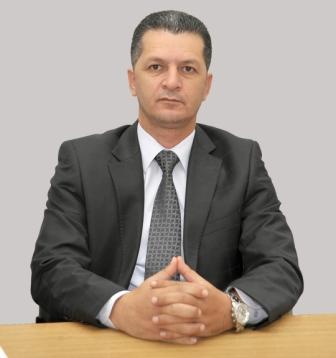 Yousef Saleh Khader合作论文数Department of Public Health, Community Medicine, Faculty of Medicin, Jordan University of Science and Technology33Maysaa El-Sayed Zaki合作论文数33
 Khurshid Alam合作论文数ICDDR,B: Centre for Health and Population Research32Alsharif Ubai合作论文数Charité Universitätsmedizin Berlin32
 Joshua Salomon合作论文数Freeman Spogli Institute for International Studies, Stanford University;Department of Health Policy, School of Medicine, Stanford University32
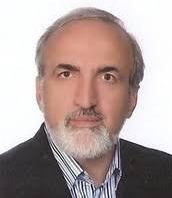 Reza Malekzadeh合作论文数Digestive Disease Research Institute, Tehran University of Medical Sciences;Department of Internal Medicine, Shariati Hospital;Center for Cancer Research, National Institutes of Health;Institute of Medical Sciences, University of Toronto32
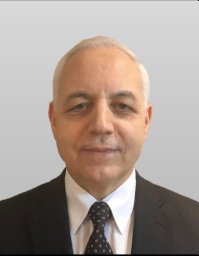 Khalid A. Altirkawi合作论文数Department of Pediatrics, Virginia Commonwealth University31
 Nadia Akseer合作论文数31
 Johan Ärnlöv合作论文数Department of Neurobiology, Care Sciences and Society, Karolinska Institute31
 Samath D. Dharmaratne合作论文数Department of Health Metrics Sciences, Institute for Health Metrics and Evaluation, School of Medicine, University of Washington;Department of Community Medicine, Faculty of Medicine, University of Peradeniya, Sri Lanka31
 Young-Ho Khang合作论文数Department of Health Policy and Management, College of Medicine, Seoul National University30Alkerwi Ala'a合作论文数30Rajaa Al-Raddadi合作论文数30
 Sadaf G. Sepanlou合作论文数Digestive Diseases Research Institute, Tehran University of Medical Sciences30
 Mostafa Qorbani合作论文数Alborz University of Medical Sciences30
 Semaw Ferede Abera合作论文数Mekelle University;Insitute of Nutritional Sciences, University of Hohenheim30
 Ted Miller合作论文数Pacific Institute for Research and Evaluation30




