INTRODUCTION:No previous data specifically addressed the prevalence and distribution of coronary atherosclerosis in patients with family history (FH) of CAD. Aim of the present multicenter study was to explore the prevalence of atherosclerosis at coronary computed tomography angiography (CCTA) among patients with or without FH of CAD. MATERIAL AND METHODS:We performed a retrospective analysis of multicenter observational study including a consecutive cohort of patients who prospectively underwent clinically indicated CCTA for suspected CAD. A group of patients with FH of CAD were matched in a 2:1 fashion with a control group without FH of CAD from the same consecutive cohort. All CCTA were evaluated in a core lab for advanced atherosclerosis evaluation and quantification. Differences in prevalence of atherosclerosis at CCTA were reported and compared between patients with or without FH of CAD. RESULTS:A total of 480 patients were enrolled, 160 with FH of CAD and 320 without (mean age 61.7±9.6, female prevalence 41.9%). Clinical characteristics did not differ between the two groups, but the prevalence of high-risk atherosclerosis was significantly higher among those with FH of CAD (62% vs. 43%, respectively, p=0.0001). Among patients clinically classified as very low probability of obstructive CAD, high-risk atherosclerosis or obstructive CAD was found at CCTA in 42% of those with FH of CAD vs. 19% of those without (p=0.0009). CONCLUSION:This prospective multicenter study shows that patients with a family history of CAD have a higher prevalence of high-risk atherosclerosis. Moreover, nearly half of those with very-low pre-test probability of obstructive CAD and a family history of CAD had high-risk atherosclerosis at CCTA.
Background The impact of the COAPT results on clinical practice has not yet been investigated in large real-world cohort study. The aim of the study is to evaluate the potential impact of the COAPT trial by analyzing the temporal trends of baseline characteristics and outcome of secondary mitral regurgitation (SMR) patients undergoing MitraClip (MC) included in the GIOTTO registry. Methods The study population was divided into 2 groups, considering the enrolment before or after the COAPT publication. Temporal trend analyses were performed to evaluate the changes in baseline patients' characteristics and clinical outcome over time, and whether the COAPT publication influenced these changes. The outcome measure was the composite of hospitalization for heart failure (HF) and all-cause death at 1 year. Results The analysis included 1184 consecutive SMR patients treated with MC at 19 Italian centres between January 2016 and March 2020, 809 (68.3%) in the pre-COAPT group and 375 (31.7%) in the post-COAPT group. Temporal trend analyses showed a decreasing trend for New York Heart Association (NYHA) class ( P = .003), hemoglobin ( P = .014), and a significant upward trend for left ventricular ejection fraction ( P < .001) and peripheral arterial disease (PAD, P = .046). The publication of the COAPT trial impacted only on NYHA trend. Nonsignificant differences in the composite outcome were observed between groups ( P = .086). Conclusions The selection process of SMR patients undergoing MC changed over time, with a significant impact of the COAPT publication mainly on the trend of NYHA class. At 1-year, patients in the post-COAPT group showed a nonsignificant reduction in the incidence of hospitalization for HF and all-cause death. (Am HeartJ 2025;283:43-52.)
AIMS:Single antiplatelet therapy (SAPT) has been shown to be a safer alternative to dual antiplatelet therapy (DAPT) in patients without atrial fibrillation (AF) undergoing transcatheter aortic valve implantation (TAVI). However, antithrombotic therapy for TAVI patients with severe peripheral artery disease (PAD) remains an underexplored area. This study aimed to evaluate and compare the outcomes of SAPT and DAPT in this high-risk patient population. METHODS AND RESULTS:The HOSTILE registry was a multicentre, international, observational study including 1707 consecutive patients with hostile femoral access undergoing TAVI in 28 international centres. Among 573 patients without AF treated through transfemoral or non-thoracic alternative approach, 144 received SAPT and 429 DAPT after TAVI. The primary efficacy endpoint was the propensity-adjusted rate of major adverse cardiovascular events (MACE), a composite of cardiovascular death, myocardial infarction, stroke, or transient ischaemic attack. The primary safety endpoint was the propensity-adjusted rate of major bleeding. Outcomes were reported at 30 days and 12 months. Dual antiplatelet therapy was associated with a non-significant reduction in MACE at 30 days [hazard ratio (HR) 0.74, 95% confidence interval (CI) 0.25-2.18; P = 0.59] and at 12 months (HR 0.89, 95% CI 0.35-2.24; P = 0.80) compared with SAPT, but with a significant interaction between antiplatelet strategy and PAD severity (P = 0.01), suggesting a greater benefit of DAPT in patients with a high PAD severity. Dual antiplatelet therapy was associated with reduced all-cause death at 12 months (HR 0.22, 95% CI 0.10-0.47; P < 0.001) but not at 30 days (HR 0.26, 95% CI 0.05-1.22; P = 0.09) compared with SAPT. There was no difference in major bleeding at 30 days (P = 0.13) or 12 months (P = 0.10) between groups. There were no differences between groups in any bleeding at 30 days (P = 0.16) or 12 months (P = 0.17). CONCLUSION:In TAVI patients with severe PAD, DAPT was associated with a trend towards improved outcomes compared with SAPT, particularly in those with higher PAD severity. These findings, including the observed reduction in 1-year mortality with DAPT, warrant further investigation in prospective studies.
BACKGROUND:Valve durability is a key consideration as the patient population eligible for transcatheter aortic valve implantation (TAVI) expands to include lower-risk and younger individuals who are expected to live many years after the procedure. AIMS:This registry aimed to assess the incidence of long-term structural valve deterioration (SVD) beyond 5 years post-TAVI. METHODS:Consecutive living patients who underwent TAVI up until 2014 using any commercially available transcatheter heart valve (THV) at 22 participant centres were enrolled in the European Valve Durability TAVI Registry. All patients underwent comprehensive echocardiographic assessments (61% were evaluated independently by a central core laboratory) within 6 months of enrolment and at least 5 years post-TAVI; SVD was defined according to Valve Academic Research Consortium 3 definitions. RESULTS:A total of 597 patients (aged 79.6±7.1 years at the time of TAVI; 47.2% male, mean Society of Thoracic Surgeons score 5.0%) were included. At a median of 6.1 years of follow-up (interquartile range 5.2-7.3 years), the crude incidence of moderate/severe SVD was 9.5% (n=57; moderate: 6.2%, n=37; severe: 3.4%, n=20). Predictors of SVD identified by Cox regression analysis were use of an intra-annular THV (hazard ratio [HR] 38.44, 95% confidence interval [CI]: 10.8-136.3; p<0.001), a small THV size (HR 4.82, 95% CI: 2.42-9.60; p<0.001) and moderate/severe postprocedural paravalvular leak (HR 3.64, 95% CI: 1.59-8.32; p=0.002). CONCLUSIONS:The incidence of moderate/severe SVD during long-term follow-up after TAVI is low, with severe SVD being even rarer than moderate SVD. SVD occurs more frequently in patients treated with older-generation intra-annular valves and in those with small-sized THVs.
BACKGROUND:The choice of transcatheter heart valve (THV) platform, including self-expanding valves (SEVs) and balloon-expandable valves (BEVs), may influence outcomes in patients with peripheral artery disease (PAD) undergoing transfemoral transcatheter aortic valve replacement (TAVR). This relationship remains underexplored in high-risk populations with challenging vascular access. AIMS:This study assessed the impact of SEVs and BEVs on clinical outcomes in PAD patients, considering hostile score severity. METHODS:This sub-analysis of the Hostile Registry included 419 TAVR patients (47% SEVs, 53% BEVs). Outcomes, including all-cause mortality, stroke, vascular complications, and major bleeding were evaluated at 30 days and 1 year. Logistic regression and Cox proportional hazard models assessed associations, with interaction terms exploring the modifying effect of valve type by hostile score severity. RESULTS:No significant differences emerged between SEVs and BEVs for 30-day and 1-year outcomes. However, in SEVs recipients, a high hostile score was associated with worse outcomes, including 1-year all-cause mortality (HR 2.81, p = 0.033), stroke (HR 18.26, p = 0.008), major bleeding (HR 2.49, p = 0.033), and MACCE (HR 4.34, p < 0.001). Interaction terms were not statistically significant, although a trend for MACCE (p = 0.0598) was noted. CONCLUSIONS:SEVs and BEVs demonstrated comparable outcomes overall, high hostile score were associated with worse outcomes in the SEV group. Nonetheless, there was a trend suggesting a difference between the two valves in this setting, and further studies are needed to confirm potential valve-specific differences in high-risk populations and to refine personalized valve selection.
Objectives. The authors compared the risk of cerebrovascular events (CVE) with self-expanding vales (SEV) vs balloon-expandable valves (BEV) in patients with or without peripheral artery disease (PAD), stratified by the access route and the complexity of PAD (Hostile score). Methods. The PAD-related risk of CVE between SEV vs BEV was investigated using data from the HOSTILE Registry, an observational study including 1707 patients with severe PAD undergoing transcatheter aortic valve replacement (TAVR) via different access routes. The relative risk of CVE with SEV vs BEV in patients without PAD was investigated in a meta-analysis of randomized controlled transfemoral access (TFA)-TAVR trials of patients with normal femoral arteries. The primary endpoint was the risk of 30-day CVE. Results. Among the 1021 patients undergoing TAVR through TFA or transaxillary access (TAxA), 674 (66.0%) received SEVs and 329 (32.2%) received BEVs. The 30-day propensity-adjusted risk of CVE was higher for SEV compared with BEV (adjusted hazard ratio [HR], 2.70; 95% CI, 1.16-6.23), with no significant interaction between the transcatheter heart valve and either the access route or the Hostile score. Similar results were apparent at 1 year (adjusted HR, 2.98; 95% CI, 1.30-6.83). In contrast, in a meta-analysis of 4 RCTs and 2131 patients with femoral arteries suitable for TAVR, there were no significant differences in the 30-day rates of CVE between SEV and BEV (odds ratio, 0.58; 95% CI, 0.24-1.40). Conclusions. Compared with BEVs, SEVs were associated with higher 30-day and 1-year rates of CVE in patients with PAD, a finding not apparent in patients with suitable femoral arteries enrolled in randomized controlled trials.
BACKGROUND:The relative impact of cardiac and noncardiac mortality in patients with secondary mitral regurgitation undergoing mitral transcatheter edge-to-edge repair (M-TEER) has been poorly investigated. We aimed to assess the competing risks and independent predictors of cardiac and noncardiac mortality in a real-world secondary mitral regurgitation population treated with M-TEER and included in the GIOTTO (Italian Society of Interventional Cardiology [GIse] Registry Of Transcatheter Treatment of Mitral Valve Regurgitation) registry. METHODS:Competing risks analysis was used to assess the cumulative incidence of cardiac and noncardiac mortality. Cox regression identified independent predictors of each outcome. Co-primary outcomes were cardiac and noncardiac death at 2 years. RESULTS:The analysis included 1185 consecutive patients with secondary mitral regurgitation treated with M-TEER between January 2016 and March 2020 (median age 74 years). Two-year cumulative incidences of cardiac and noncardiac mortality were 19% and 12%, respectively. At multivariable analysis, predictors of cardiac mortality were age (hazard ratio [HR], 1.03; P=0.002), New York Heart Association class (HR, 1.44; P=0.018), previous hospitalization for heart failure (HR, 1.67; P=0.016), hemoglobin (HR, 0.89; P=0.016), left ventricular end-diastolic diameter (HR, 1.02; P=0.025), left ventricular ejection fraction (HR, 0.98; P=0.022), and daily furosemide dose (HR, 1.19; P=0.003). Predictors of noncardiac mortality were New York Heart Association class (HR, 1.70; P=0.03), estimated glomerular filtration rate (HR, 0.98; P=0.002), and smoking habit (HR, 1.82; P=0.009). CONCLUSIONS:Patients with secondary mitral regurgitation treated with M-TEER show a high 2-year incidence of both cardiac and noncardiac mortality. Understanding competing risks of mortality may improve patient selection for M-TEER.
Background Physical activity is advocated for cardiovascular health; however, excessive endurance exercise may pose risks. This systematic review and meta-analysis explore the relationship between endurance training and coronary artery disease (CAD) diagnosed at coronary CT angiography (CCTA). Methods Following PRISMA guidelines, we searched MEDLINE, Embase, and Scopus up to January 4th, 2024. Inclusion criteria encompassed studies on adults with sample size >10, various study designs, and assessment of endurance training and CAD via CCTA. Results Endurance athletes exhibited a higher prevalence of coronary atherosclerosis compared to controls. However, they did not demonstrate a greater prevalence of high-risk or obstructive plaques. Continuous coronary artery calcium (CAC) scores did not significantly differ between athletes and controls. Athletes showed a slight increase in the odds of having CAC > 400. Conclusion Endurance athletes are more likely to have coronary atherosclerosis but not more likely to have high-risk plaques compared to sedentary individuals. Further research is needed to establish threshold values for physical exercise beyond which sports can become harmful and identify which types of sports carry the greatest risk.
Background and Objectives: Mitral valve transcatheter edge-to-edge repair (TEER) is a widely adopted therapeutic approach for managing significant mitral regurgitation (MR) in high-risk surgical candidates. While procedural safety and efficacy have been demonstrated, the impact of institutional expertise on outcomes remains unclear. We aimed at evaluating whether the institutional monthly volume of TEER influences short- and long-term clinical results. Materials and Methods: This analysis from the multicenter, prospective GIOTTO trial study evaluated the impact of institutional monthly volume on outcomes of TEER to remedy significant mitral regurgitation. Centers were stratified into tertiles based on monthly volumes (≤2.0 cases/month, 2.1–3.5 cases/month, >3.5 cases/month), and key clinical, echocardiographic, and procedural outcomes were analyzed. Statistical analysis was based on standard bivariate tests as well as unadjusted and multivariable adjusted Cox models. Results: A total of 2213 patients were included, stratified into tertiles based on institutional procedural volume: 645 (29.1%) patients in the first tertile, 947 (42.8%) patients in the second tertile, and 621 (28.1%) patients in the third tertile. Several baseline differences were found, with some features disfavoring less busy centers (e.g., functional class and surgical risk, both p < 0.05), and others suggesting a worse risk profile in those treated in busier institutions (e.g., frailty and history of prior mitral valve intervention, both p < 0.05). Procedural success rates were higher in busier centers (p < 0.001), and hospital stay was also shorter there (p < 0.001). Long-term follow-up (median 14 months) suggested worse outcomes in patients treated in less busy centers at unadjusted analysis (e.g., p = 0.018 for death, p = 0.015 for cardiac death, p = 0.014 for death or hospitalization for heart failure, p < 0.001 for cardiac death or hospitalization for heart failure), even if these associations proved no longer significant after multivariable adjustment, except for cardiac death or hospitalization for heart failure, which appeared significantly less common in the busiest centers (p < 0.05). Similar trends were observed when focusing on tertiles of overall center volume and when comparing for each center the first 50 cases with the following ones. Conclusions: High institutional monthly volume of TEER mitral valve repair appears to correlate with an improved procedural success rate and shorter hospitalizations. Similarly favorable results were found for long-term rates of cardiac death or hospitalization for heart failure. These findings inform on the importance of operator experience and center expertise in achieving state-of-the-art results with TEER, while confirming the usefulness of the proctoring approach when naïve centers begin a TEER program.
BACKGROUND:Symptomatic pulmonary vein stenosis (sPVS) is a rare but severe complication of transcatheter atrial fibrillation (AF) ablation. High-power, short-duration (HPSD) and very HPSD (vHPSD) approaches for radiofrequency (RF) AF ablation have been shown to improve procedural efficiency, with effectiveness and a short-term safety profile comparable to conventional standard-power long-duration (SPLD) ablation. Findings from some previous reports suggest that HPSD may be a risk factor for the development of sPVS. The aim of this multicenter, observational analysis was to compare the incidence of sPVS after AF ablation with HPSD, vHPSD, and SPLD. METHODS:Data from 436 consecutive patients (63.1 ± 9.5 years, 66.5% male, 70.9% with paroxysmal AF) undergoing RF AF ablation were reviewed: 64 were ablated with HPSD, 71 with vHPSD, and 301 with SPLD. The incidence of sPVS during follow-up was assessed. RESULTS:There were no significant differences in baseline characteristics between the three groups. During a median follow-up of 20 months, 9 cases of sPVS were identified: 7 (10.9%) in HPSD group, 1 (1.4%) in vHPSD group, and 1 (0.3%) in SPLD group (p < 0.001). The use of HPSD approach was an independent predictor of sPVS (hazard ratio, 20.226; 95% confidence interval, 20.49-164.59; p = 0.005) on multivariable analysis. Seven of 9 patients underwent percutaneous PVs angioplasty and stent implantation (3 veins in 4 patients, 2 veins in 2 patients, 1 vein in 1 patient). CONCLUSIONS:The results of this observational analysis suggest that RF AF ablation using HPSD approach may be associated with an increased risk of sPVS.
A substantial number of patients with severe aortic stenosis (AS) undergoing transcatheter aortic valve implantation (TAVI) experience adverse events after TAVI, with health care expenditure. We aimed to investigate cardiac remodeling and long-term outcomes in diabetic patients with severe AS, left ventricular ejection fraction (LVEF) < 50
OBJECTIVES:The smoke-like effect (SE), the spontaneous echocardiographic contrast in the left atrium at transesophageal echocardiography, has been anecdotally reported after transcatheter edge-to-edge repair (TEER) for mitral regurgitation (MR), but uncertainty persists on its impact. Thus, the authors aimed at appraising the incidence, correlates, and outcomes of SE after TEER Methods. The authors conducted a retrospective multicenter observational study that included all patients in whom successful TEER with MitraClip (Abbott) had been completed. Smoke-like effect was defined as the presence of swirling spontaneous echocardiographic contrast in the left atrium. Baseline clinical characteristics, echocardiographic features, and procedural details were collected. Outcomes included death, reintervention, and rehospitalization for heart failure (HF). RESULTS:A total of 2228 patients were included, with 143 (6.4%) exhibiting SE. Several baseline differences disfavored these individuals, including age, functional class, surgical risk, and significant tricuspid regurgitation (all P less than .05). Procedurally, SE was associated with implantation of multiple MitraClips and longer procedures, but lower rates of significant residual MR (all P less than .05). Hospital outcomes were similarly favorable and the same held true for subsequent follow-up (average 19 months, all P greater than .05). The only exception was the risk of rehospitalization for HF, which appeared marginally significant disfavoring the SE group at unadjusted analysis (hazard ratio [HR] = 1.68 [95% CI, 1.04-2.70], P = .033). This association was, however, no longer significant when baseline differences were taken into account (HR = 1.52 [95% CI, 0.94-2.48], P = .091). CONCLUSIONS:SE after TEER is not uncommon, and is typically associated with a significantly worse clinical profile, particularly prior atrial fibrillation. Irrespectively, SE is not associated with adverse outcomes in the short- or long-term. Accordingly, it should not be considered per se as an indication for more aggressive medical management, with antithrombotic regimens being instead informed by other more established indications.
Aims:Valve-in-Valve transcatheter aortic valve replacement (ViV-TAVR) is an appealing treatment option for patients with degenerated aortic bioprosthetic valves. However, higher post-procedural transprosthetic gradients are more common after ViV-TAVR than after TAVR for native aortic valve stenosis. We sought to evaluate the impact of type of implanted valve and balloon post-dilation on echocardiographic results and mortality in ViV-TAVR patients. Methods and results:One hundred and eleven consecutive patients were enrolled. A balloon-expandable valve, a self-expandable valve without balloon post-dilation, and a self-expandable valve with balloon post-dilation were performed in 35 (Group 1), 39 (Group 2), and 37 (Group 3) patients, respectively. All patients underwent comprehensive transthoracic echocardiography at baseline, discharge, and 6-12 months follow-up. Successful ViV-TAVR was performed in 110 patients (99%). Baseline transprosthetic gradients, left ventricular volumes, ejection fraction, and pulmonary artery systolic pressure were similar among groups. All groups experienced a significant reduction in post-procedural gradients at discharge and during the 6-12 months follow-up compared with baseline. At discharge, the lowest mean gradient was observed in Group 3 (12 ± 7 mmHg) compared with both Group 1 (20 ± 9 mmHg) and Group 2 (17 ± 8 mmHg, P = 0.001). This result was confirmed at 6-12 months follow-up (P = 0.012). Similar 5-year all-cause mortality was observed among groups (34%, 36%, 14%, respectively, P = 0.056). Conclusion:In patients with failed surgical aortic prosthesis, ViV-TAVR is an effective treatment option associated with sustained improved haemodynamics regardless of transcatheter valve type and use of balloon post-dilation. However, self-expandable valves with balloon post-dilation showed lower transprosthetic gradients.
BACKGROUND:Vasospastic angina is a condition determined by epicardial coronary artery spasm, which is usually diagnosed from resting angina. CASE SUMMARY:A 62-year-old man was admitted for recurrent rest angina despite previous coronary artery bypass grafting and plain-old balloon angioplasty for multivessel disease. Coronary computed tomography angiography revealed occluded bypass grafts but nonsignificant coronary atherosclerosis, along with diffuse coronary ectasia and myocardial bridging. During invasive re-evaluation, intravascular ultrasound confirmed positive remodeling and intimal thickening, suggestive of vasospastic pathology. Critical, focal epicardial vasospasm during angiography triggered ventricular fibrillation, reversed by defibrillation. A transient right coronary artery occlusion with ST-elevation resolved with nitrates, highlighting the dynamic nature of the vasospasm. DISCUSSION:The case emphasizes the importance of considering coronary vasospasm in patients with ambiguous angiographic findings, the diagnostic and therapeutic role of intracoronary nitroglycerin, and the value of imaging in avoiding unnecessary revascularization. Careful pharmacologic testing and physiologic assessment are essential to distinguish functional vasospasm from fixed coronary disease, especially in left main involvement.
Acute kidney injury (AKI) following transcatheter aortic valve implantation (TAVI) is associated with significantly worse outcomes, leading to increased short- and long-term mortality. We sought to evaluate the impact of sodium-glucose cotransporter 2 inhibitors (SGLT2i) on the risk of AKI in patients with type 2 diabetes mellitus (T2DM) and severe aortic stenosis (AS) undergoing TAVI. Multicenter international registry of consecutive T2DM patients with severe AS undergoing TAVI between 2021 and 2024. The study population was stratified by the presence of chronic kidney disease (CKD), defined according to the KDIGO guideline, and anti-diabetic therapy at hospital admission (SGLT2i versus no-SGLT2i users). AKI was defined according to the Valve Academy Research Consortium 3 (VARC-3) criteria. The study population consisted of 514 patients stratified into those without CKD (n = 226, 44
Pulmonary vein stenosis (PVS) has been recognized as a clinical entity complicating radiofrequency or cryoenergy ablation for atrial fibrillation. Although reduced by technical and procedural advancements, this complication portends remarkable morbidity and presents insidiously with non-specific symptoms causing frequent misdiagnosis and wrong management that lead to detection delay and major adverse implications. Non-invasive imaging is key for timely diagnosis and transcatheter procedural planning. Most recent consensus on severe and symptomatic PVS management indicates that stenting is the preferred treatment because of superior long-term patency compared to balloon angioplasty, particularly in patients with larger reference vessel diameter. However, the rate of recurrent stent restenosis is high and remains a great challenge. Goal of our manuscript is to provide a comprehensive review regarding pathophysiology, detection, treatment, and prevention of this serious iatrogenic complication.
Background Assessing the myocardial mass at risk is essential in evaluating patients with coronary artery disease. This study aims to establish reference values for vessel‐specific myocardial mass derived from coronary computed tomography angiography, providing a quantitative assessment of the myocardial mass subtended by each epicardial vessel. Methods Left ventricular (LV) and vessel‐specific myocardial mass were calculated from coronary computed tomography angiography using the Voronoi method in patients with stable coronary artery disease. Myocardial mass was quantified for each epicardial coronary artery with a diameter >1.5 mm. Results We included 948 patients with 9228 epicardial coronary artery branches. Mean age was 66±9 years. The cohort was predominantly male (77%); 66% had hypertension, and 22% had diabetes. Vessel‐specific myocardial mass was calculated for 2767 main epicardial arteries (948 left anterior descending, 948 left circumflex, and 871 right coronary artery) and 6461 side branches (1888 diagonals, 1208 septals, 1422 obtuse marginals, 247 ramus intermedius, 850 right posterior descending, and 846 posterolateral branches). Median LV mass was 141 grams (interquartile range 118–166); women had smaller LV mass than men (106 [93–123] grams versus 150 [132–173] grams, P<0.001). On average, the left anterior descending subtended 42.5% [37.9–48.1] of LV mass, the left circumflex artery 28.8% [21.9–5.7], and the right coronary artery 26.4% [20.9–31.9]. Median LV mass subtended by the first septal, first diagonal, and first obtuse marginal were 8.9% [6.4–11.1], 7.9% [4.52–2.0], and 10.2% [4.52–12.0], respectively. Conclusions This study quantified the myocardial mass subtended by each major artery in the coronary circulation. Understanding the vessel‐specific mass at risk has significant clinical implications for personalizing revascularization strategies. Registration This is a retrospective analysis of 5 prospectively conducted trials (P3: NCT03782688; P4: NCT05253677; PPG Global: NCT04789317; Euro‐CRAFT: NCT05805462; INSIGHTFUL‐FFR: NCT05437900). No additional registration was required.
Ischemic heart disease is currently the most common cause of mortality and morbidity worldwide. Although myocardial ischemia is classically determined by epicardial coronary atherosclerosis, up to 40% of patients referred for coronary angiography have no obstructive coronary artery disease (CAD). Ischemia with non-obstructive coronary artery disease (INOCA) has typically been underestimated in the past because, until recently, its prognostic significance was not completely clear. This review aims to highlight differences and patterns in myocardial ischemia caused by epicardial obstructive CAD, coronary microvascular dysfunction (CMD) or vasomotor abnormalities and to elucidate the state of the art in correctly diagnosing these different patterns.
 Daniele Andreini合作论文数145Daniela Trabattoni合作论文数113
 Piero Montorsi合作论文数113
 Gianluca Pontone合作论文数109
 Mauro Pepi合作论文数IRCCS, Centro Cardiologico Monzino106Franco Fabbiocchi合作论文数100Saima Mushtaq合作论文数97
 Stefano Galli合作论文数82
 Edoardo Conte合作论文数69
 Patrick Serruys合作论文数CORRIB Research Centre for Advanced Imaging and Core Laboratory, University of Galway;National University of Ireland62Paolo M. Ravagnani合作论文数62
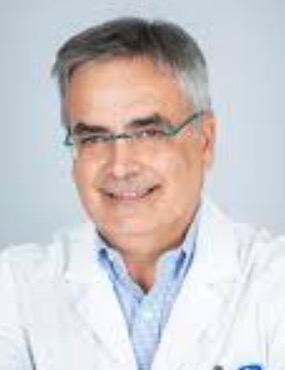 Giancarlo Silvio Marenzi合作论文数Intensive Cardiac Care Unit, Centro Cardiologico Monzino, IRCCS, Institute of Cardiology, University of Milan;Specialisation School of Cardiology, University of Milan61Giovanni Teruzzi合作论文数57
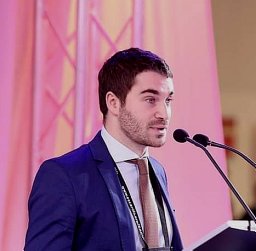 Baggiano Andrea合作论文数54
 Luca Grancini合作论文数52Corrado Tamburino合作论文数49
 Andrea Daniele Annoni合作论文数49
 Marco Guglielmo合作论文数44Alberto Formenti合作论文数43
 Francesco Bedogni合作论文数Interventional Cardiology Department, Sant' Ambrogio Clinical Institute43Onuma Yoshinobu合作论文数42Alessandro Lualdi合作论文数40
 Cesare Fiorentini合作论文数39Giuseppe Calligaris合作论文数39
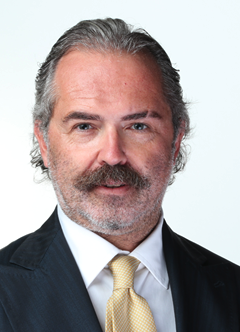 Giuseppe Tarantini合作论文数Dipartimento di Scienze Cardio-Toraco-Vascolari e Sanita' Pubblica, Università degli Studi di Padova35
 Fabrizio Veglia合作论文数Institute of Cardiology, the University of Milan34
 Luca Testa合作论文数33Alexandre Abizaid合作论文数33Manuela Muratori合作论文数33Arturo Giordano合作论文数32Gloria Tamborini合作论文数32
 Laura Fusini合作论文数Department of Biomedical Engineering, Politecnico di Milano32Francesco Alamanni合作论文数32Ferrari Cristina合作论文数31Olivares Paolo合作论文数29
 Martin Leon合作论文数Center for Interventional Vascular Therapy, Columbia University Medical Center29
 Anna Sonia Petronio合作论文数Head of Cardiac Catheterization Lab, Cardiothoracicand Vascular Department
University of Pisa, Italy28
Anna Sonia Petronio合作论文数Head of Cardiac Catheterization Lab, Cardiothoracicand Vascular Department
University of Pisa, Italy28 Antonio Popolo Rubbio合作论文数27Nicola Cosentino合作论文数27
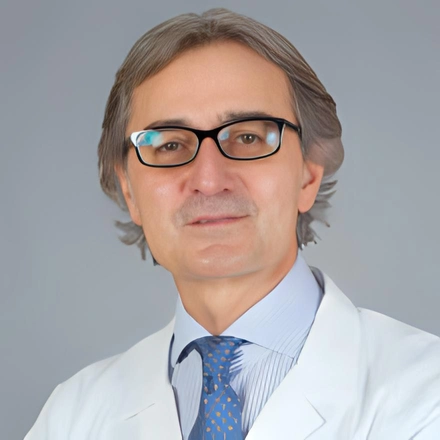 Montorfano Matteo合作论文数Vita-Salute San Raffaele University;Interventional Cardiology Unit, San Raffaele Hospital;Cardiac Catheterization Laboratory, San Raffaele Hospital26Erika Bertella合作论文数26Giovanni Ballerini合作论文数26Stefano De Martini合作论文数26Paolo Denti合作论文数25Giovanni Monizzi合作论文数25Gripari Paola合作论文数24Adamo Marianna合作论文数Thoraxcenter, Erasmus Medical Center;Cardiothoracic Department, University of Brescia24Sonck Jeroen合作论文数24
 Carlos Collet合作论文数Cardiovascular Center Aalst, OLV Clinic;OLV Ziekenhuis Aalst-Asse-Ninove24




