ABSTRACT:Paroxysmal nocturnal hemoglobinuria (PNH) is a rare, complement-mediated hematologic disease. We present the results of a phase 2, open-label clinical trial of vemircopan monotherapy in patients with PNH to explore the efficacy and safety of inhibiting the complement alternative pathway via factor D. Adults (aged ≥18 years) with PNH who were treatment-naïve and switched from eculizumab with hemoglobin (Hgb) of <10 g/dL or rolled over from danicopan monotherapy (ACH471-103 trial; ClinicalTrials.gov identifier: NCT03181633) were enrolled. The trial comprised a 60-day screening period, 12-week treatment period, and 148-week long-term extension. Participants received vemircopan 120 mg twice daily, with potential escalation to 180 mg twice daily. The primary endpoint was change in Hgb from baseline to week 12. Safety endpoints included treatment-emergent adverse events (TEAEs) and serious AEs. Twenty-nine participants were enrolled (treatment-naïve, n = 12; eculizumab-switch, n = 11; and danicopan-rollover, n = 6); all completed the 12-week treatment period, and 1 danicopan-rollover participant completed the long-term extension. Clinically meaningful improvements from baseline to week 12 in Hgb (change of ≥2 g/dL) were reported in the treatment-naïve (mean, 3.6 [standard deviation [SD], 1.5]) and eculizumab-switch (mean, 3.3 [SD, 2.0]) cohorts and maintained through the end of the trial. Eighty-two breakthrough intravascular hemolysis (BT-IVH) events in 25 participants were reported. Twenty-eight participants reported TEAEs, and 14 reported serious AEs; most were unrelated to vemircopan. No deaths occurred. This trial evaluating vemircopan monotherapy met its primary efficacy endpoint; however, concerns regarding BT-IVH risk and suboptimal, inconsistent control of IVH emerged, leading to early trial termination. This trial was registered at www.clinicaltrials.gov as #NCT04170023, and EudraCT as #2019-003830-17.
ABSTRACT:The hallmark of ERCC6L2 disease (ED) is a highly penetrant progression from bone marrow failure to erythroid-predominant, TP53-mutated myeloid malignancy with a dismal prognosis. Allogeneic hematopoietic stem cell transplant (HSCT) remains the only potentially curative option, but concerns exist regarding transplant-related toxicities (TRT) due to the underlying DNA repair defect. To the best of our knowledge, this is the first study to report a systematic analysis of HSCT in ED. We conducted a retrospective multicenter study involving 45 patients with ED who underwent HSCT in 2004-2024. The primary outcomes were overall survival (OS), TRT, and nonrelapse mortality (NRM). The 1-year and 3-year OS were 79% (95% confidence interval [CI], 66-91) and 54% (95% CI, 35-73), respectively. Previous history of excess blasts significantly predicted inferior survival (hazard ratio [HR], 6.8; 95% CI, 2.2-20.3; P< .001), with a median survival of 12 months (95% CI, 0-24). Grade 3 to 5 endothelial toxicities occurred in 27% of patients and were associated with higher NRM (HR, 7.7; 95% CI, 1.5-38.8; P = .016). The use of nontreosulfan-based myeloablative conditioning (MAC) regimens increased the risk of endothelial complications compared with reduced-intensity conditioning (RIC; HR, 4.9; 95% CI, 1.1-22.0; P = .040), whereas outcomes with treosulfan-based MAC were comparable to RIC. In summary, allogeneic HSCT is a viable curative strategy for ED when performed before transformation to an aggressive malignancy, for example myelodysplasia with excess blasts or acute myeloid leukemia. However, the elevated incidence of endothelial toxicity highlights the importance of optimizing conditioning intensity and enhancing peritransplant monitoring in this population.
Iptacopan, a first-in-class, oral, selective complement factor B inhibitor, demonstrated efficacy and safety as monotherapy in C5 inhibitor (C5i)-experienced (APPLY-PNH [NCT04558918]) and C5i-naive (APPOINT-PNH [NCT04820530]) patients with paroxysmal nocturnal hemoglobinuria (PNH). In APPLY-PNH and APPOINT-PNH, changes in fatigue (FACIT-Fatigue) and health-related quality of life (HRQOL; EORTC QLQ-C30) from baseline to Day 168 were evaluated. The proportion of patients achieving meaningful within-patient change (MWPC) on the FACIT-Fatigue and 4 EORTC QLQ-C30 subscales (physical functioning, role functioning, fatigue, dyspnea) was evaluated using anchor-based thresholds. Correlations between FACIT-Fatigue scores, lactate dehydrogenase (LDH), and hemoglobin (Hb) levels were also assessed. In APPLY-PNH (iptacopan, n=62; C5i, n=33), more patients in the iptacopan group reached the MWPC threshold for FACIT-Fatigue than in the C5i group (51% vs 11%). More patients achieved MWPC on domains of the EORTC QLQ-C30 in the iptacopan group (39%-49%) than the C5i group (9%-20%). In APPOINT-PNH (N=40), 56% achieved MWPC on the FACIT-Fatigue, and the proportion of patients who achieved MWPC on the EORTC QLQ-C30 ranged from 41% to 55%. In C5i-experienced patients, increased Hb levels correlated with improvement in FACIT-Fatigue scores (R=0.48, P<0.001). In C5i-naive patients treated with iptacopan, increased Hb (R=0.42, P<0.001) and decreased LDH (R=−0.53, P<0.001) correlated with improved FACIT-Fatigue scores. C5i-experienced and -naive patients receiving iptacopan exhibited meaningful improvement in fatigue, HRQOL, and disease-related symptoms, which correlated with clinical improvement in hematologic markers of disease control. These trials are registered at www.ClinicalTrials.gov as NCT04558918 (APPLY-PNH) and NCT04820530 (APPOINT-PNH).
Aplastic anemia (AA) transformation into myelodysplastic syndromes (MDS) or acute myeloid leukemia (AML) is associated with a dismal prognosis. Hematopoietic stem cell transplant offers the sole possibility of cure, but data on long-term survival are scarce. We retrospectively analyzed 270 patients transplanted for MDS, AML, or an isolated cytogenetic abnormality after a diagnosis of AA or paroxysmal nocturnal hemoglobinuria reported to the European Society for Blood and Marrow Transplantation (EBMT). The median age at transplantation was 39 years. The 5-year overall survival rate was 64%, and was unaffected by chromosome 7 abnormalities, age at transplant, sex, interval from clonal evolution to transplant, and intensity of conditioning regimen. The 5-year non-relapse mortality rates were 34% (95% Confidence Interval [CI]: 25-42%) for MDS patients and 19% (95% CI: 7-31%) for AML patients, and were higher following a myeloablative conditioning regimen. The 5-year relapse rate was 12% (95% CI: 6-19%) for MDS and 22% (95% CI: 9-35%) for AML. Our study's survival estimates reflect a younger cohort of patients, considering the bimodal distribution of AA. Conditioning regimen intensity did not affect relapse. For MDS patients, pretreating before transplant did not improve survival nor reduce relapse. Transplantation is feasible and effective in achieving long-term survival for transplant-eligible post-AA myeloid neoplasm patients. MDS patients may benefit from upfront reduced intensity conditioning transplant, limiting toxicity without higher rates of relapse. Post-transplant maintenance therapies to reduce the relapse incidence among AML patients might be warranted.
BACKGROUND:The factor B inhibitor iptacopan improved 24-week outcomes in adult patients with paroxysmal nocturnal haemoglobinuria in the phase 3 APPLY-PNH and APPOINT-PNH trials; the trial extension periods assessed clinical activity and safety up to 48 weeks. Here, we report the final 48-week data from APPLY-PNH and APPOINT-PNH. METHODS:In both APPLY-PNH and APPOINT-PNH trials, patients were aged 18 years or older, with paroxysmal nocturnal haemoglobinuria (red and white blood cell population sizes ≥10%) and without laboratory evidence of bone marrow failure. In APPLY-PNH (an open-label, randomised, phase 3 trial conducted in 39 centres [38 hospitals, one outpatient research clinic] from 12 countries or regions), patients with haemoglobin concentration lower than 10 g/dL on anti-C5 treatment (stable eculizumab or ravulizumab regimen for ≥6 months) were randomly assigned (8:5) via interactive response technology to either receive oral iptacopan 200 mg twice daily (iptacopan group) or to continue their individual intravenous eculizumab or ravulizumab regimen for 24 weeks (anti-C5 group). Randomisation was stratified by type of anti-C5 and receipt of red blood cell (RBC) transfusions in the preceding 6 months. In APPOINT-PNH (an open-label, single-arm, phase 3 trial conducted in 12 hospitals from eight countries), complement inhibitor-naive patients with paroxysmal nocturnal haemoglobinuria and with haemoglobin concentration lower than 10 g/dL and lactate dehydrogenase (LDH) concentration higher than 1·5 times the upper limit of normal received iptacopan 200 mg twice daily for 24 weeks. Both trials had 24-week extension periods in which all patients received iptacopan monotherapy. Primary endpoints were the proportion of patients with an increase from baseline in haemoglobin concentration of 2 g/dL or higher (APPLY-PNH and APPOINT-PNH) and haemoglobin concentration 12 g/dL or higher (APPLY-PNH) between weeks 18 and 24, all in the absence of RBC transfusions between weeks 2 and 24; results for these primary endpoints have been reported previously. We report final activity and safety data at the completion of both trials (week 48). Prespecified endpoints at week 48 included percentage of patients with a haemoglobin increase from baseline of 2 g/dL or higher or haemoglobin 12 g/dL or higher (including post-transfusion data). Efficacy data were analysed per the intention-to-treat principle, and safety was analysed according to the treatment that patients received. APPLY-PNH and APPOINT-PNH are registered with ClinicalTrials.gov, NCT04558918 and NCT04820530, respectively. FINDINGS:In APPLY-PNH, between Jan 25, 2021, and April 8, 2022, 62 patients (43 [69%] female, 19 [31%] male; 48 [77%] White, 12 [19%] Asian, two [3%] Black) were randomly assigned to the iptacopan group and 35 patients (24 [69%] female, 11 [31%] male; 26 [74%] White, seven [20%] Asian, two [6%] Black) to the anti-C5 group; 61 (98%) and 34 (97%), respectively, entered the extension period. At trial completion (March 6, 2023), the median duration of iptacopan treatment was 337 days (IQR 168-338). In APPOINT-PNH, 40 patients were enrolled between July 19, 2021, and May 17, 2022, and received iptacopan (17 [43%] female, 23 [58%] male; 12 [30%] White, 27 [68%] Asian, one [3%] Black); all entered the extension period. At trial completion (April 18, 2023), the median duration of iptacopan treatment was 337 days (IQR 337-344). At week 48, irrespective of RBC transfusions, the number of patients who had an increase in haemoglobin concentration of 2 g/dL or higher was 51 (86%) of 59 in the APPLY-PNH iptacopan group, 21 (72%) of 29 in the APPLY-PNH anti-C5-to-iptacopan group, and 38 (97%) of 39 in APPOINT-PNH. The number of patients who had haemoglobin concentration of 12 g/dL or higher at week 48 was 40 (68%) of 59 in the APPLY-PNH iptacopan group, 17 (59%) of 29 in the APPLY-PNH anti-C5-to-iptacopan group, and 31 (79%) of 39 in APPOINT-PNH. There were no treatment discontinuations because of treatment-emergent adverse events or deaths. Across the 48-week trials, clinical breakthrough haemolysis occurred in seven (7%) of 96 iptacopan-treated patients in APPLY-PNH (including both groups) and two (5%) of 40 in APPOINT-PNH, but it was generally mild or moderate with no iptacopan discontinuation. Three major adverse vascular events occurred in APPLY-PNH by trial completion; all were considered unrelated to iptacopan. The most common treatment-emergent adverse event was COVID-19 in APPLY-PNH (iptacopan: 18/62 patients [29%]; anti-C5-to-iptacopan: 8/34 [24%]) and headache in APPOINT-PNH (12/40 [30%]). Severe and serious treatment-emergent adverse events were experienced by six (10%) and nine (15%) of 62 patients in the APPLY-PNH iptacopan group, respectively; in APPOINT-PNH, these were experienced by four (10%) and eight (20%) of 40 patients, respectively. The most common serious treatment-emergent adverse event was COVID-19, occurring in one (2%) of 62 patients in the APPLY-PNH iptacopan group and two (5%) of 40 patients in APPOINT-PNH. No severe treatment-emergent adverse events occurred in more than one patient. INTERPRETATION:Long-term data indicate durable haemolysis control with iptacopan in paroxysmal nocturnal haemoglobinuria, maintained normal or near-normal haemoglobin, and no new safety concerns. We believe that these data support iptacopan as a potential therapy option, suggesting that we are in a new treatment era for paroxysmal nocturnal haemoglobinuria. FUNDING:Novartis.
Introduction Crovalimab (crova; PiaSky®) is a novel C5 inhibitor (C5i) allowing for maintenance subcutaneous (SC) injection every 4 wks (Q4W). Results from the 24-wk primary treatment period of the global, randomized, Phase III COMMODORE 2 (NCT04434092) trial demonstrated the non-inferior efficacy and comparable safety of crova vs eculizumab (ecu) in C5i-naive patients (pts) with PNH (Röth Am J Hematol 2024). These data were supported by the COMMODORE 1 (NCT04432584) trial in C5i-experienced pts (Scheinberg Am J Hematol 2024). Here, we report long-term data from COMMODORE 2, with up to 2 y of follow-up. Methods C5i-naive pts with PNH were randomized 2:1 to receive crova (Arm A) or ecu (Arm B) during a 24-wk primary treatment period. Crova was given as a weight-based tiered dosing regimen that included loading doses followed by maintenance doses Q4W via SC injections. Ecu was given via IV infusion at 900 mg every 2 wks. After completing 24 wks of treatment, pts in Arm A continued crova and pts in Arm B switched from ecu to crova if continuing in the extension period (Arm B switch). In the COMMODORE trials, crova self-administration by pts was permitted from Wk (W)9, after training and confirmation of proficiency by a healthcare provider. Long-term data were only reported in Arm A and Arm B switch pts who received crova up to W97. Efficacy results reported the proportion of pts with hemolysis control (lactate dehydrogenase [LDH] ≤1.5×upper limit of normal [ULN]) at each visit, and proportions of pts with transfusion avoidance (TA), breakthrough hemolysis (BTH), and hemoglobin stabilization over consecutive 24-wk intervals in the extension period from W25-49, W49-73, and W73-97. Mean Functional Assessment of Chronic Illness Therapy (FACIT)-Fatigue score was evaluated at scheduled visits. Long-term safety was evaluated from after the first crova dose up to the clinical cutoff date (CCOD) pooled across both arms. Results Of 204 pts enrolled, 135 were randomized to Arm A (crova) and 69 to Arm B (ecu); 129 pts from Arm A continued crova and 68 from Arm B switched to crova in the extension period after W25. At CCOD (Mar 12, 2024), 116 pts in Arm A and 59 pts in Arm B switch were receiving ongoing crova treatment. Median treatment duration was 104.4 wks (range, 0.1-176.1). In the extension period, all pts received crova. Mean normalized LDH was maintained at ≤1.5×ULN in both arms, with 78%-86% of pts in Arm A and 74%-88% in Arm B switch having LDH≤1.5×ULN at each visit from W25-97. Over consecutive 24-wk intervals in the extension period, TA was achieved by 73%-75% of pts in Arm A and 68%-82% in Arm B switch and hemoglobin stabilization in 70%-73% in Arm A and 62%-72% in Arm B switch. The proportion of pts with BTH events remained low and generally stable (5%-7% in Arm A and 6%-16% in Arm B switch). Mean FACIT-Fatigue score remained stable from W25-97, ranging from 41.9-44.3 in Arm A and 40.3-42.2 in Arm B switch. In Arm A and Arm B switch, 203 pts (416.6 patient-years [PY]) were evaluated for long-term safety of crova. The incidence of adverse events (AEs) per 100 PY (95% CI) was 344.0 (326.4, 362.3) for any-grade AEs, 68.4 (60.7, 76.8) for treatment-related AEs, 55.9 (49.0, 63.6) for Grade ≥3 AEs, 29.8 (24.8, 35.5) for serious AEs, and 0.5 (0.1, 1.7) for AEs leading to treatment withdrawal. The rate of fatal AEs was 1.9 (0.8, 3.8) per 100 PY; none of the 8 fatal AEs were deemed by investigators to be related to treatment. Transient immune complex reactions (TICRs; one-time events that some pts may experience when switching between crova and another C5i) occurred in 16% of pts (11/68) in Arm B switch during the extension period. The signs and symptoms of TICRs reported in ≥2 pts were skin and joint abnormalities (arthralgia and rash) and headache, with no renal involvement reported. Most TICRs were mild or moderate, with no life-threatening or fatal events reported, and resolved with no change in crova treatment. No meningococcal infections were reported. Conclusions In COMMODORE 2, crova was well tolerated and maintained disease control over a 2-y median treatment duration in C5i-naive pts with PNH treated with crova. The overall safety profile of crova was consistent with that of other C5is, except for the identified risk of usually mild or moderate and manageable TICRs in pts when switching between crova and another C5i. These results support the long-term favorable benefit-risk profile of crova in pts with PNH.
Post-transplant high-dose cyclophosphamide (PTCy) is effective in overcoming the negative impact of HLA disparity in the haploidentical setting. In the light of these results, we investigated the efficacy and safety of PTCy, with a calcineurine inhibitor and mycophenolate mofetil, in improving clinical outcomes of haematopoietic cell transplantation (HCT) from mismatched unrelated donor (MMUD) in patients with acute myeloid malignancies by reducing aGvHD incidence and severity. A prospective single arm, phase II study (PHYLOS - NCT03270748) was conducted by the Italian GITMO. The primary objective was the cumulative incidence (CI) of grade II-IV aGvHD. Conditioning regimen for all patients was busulfan (total dose 12.8mg/kg) and fludarabine (total dose 160mg/m2). The ethical committees of the participating centers approved the study (EURODRACT 2017-003530-85). Seventy-seven consecutive patients (AML: 64; MDS: 13) were enrolled at 26 Italian transplant centers (January 2020-November 2022). Median age was 53 years (range 19-65). The 100-day cumulative incidence (CI) of grade II-IV aGvHD was 18.2% (95%CI: 10.6-27.6) and 6.5% (95%CI: 3.1-15.1) for grade III-IV. Seventy-one patients (92%) had full-donor chimerism with complete neutrophil engraftment by day +30.One-year CI of chronic GvHD (cGvHD) was 13.4% (95%CI: 6.9-22.1). One-year CI of non-relapse mortality was 9.1% (95%CI: 4.0-16.9), and the relapse rate was 23.8% (95%CI: 14.9-33.9). One-year overall survival and graft-relapse-free survival were 78.6.% (95%CI: 67.4-86.3) and 55.3% (95%CI: 43.4-65.7), respectively. Our study in a homogeneous patient cohort suggests that PTCy leads to a low rate of aGvHD and improves clinical outcomes of MMUD transplantation.
The coronavirus disease 2019 (COVID-19) pandemic created major challenges for allogeneic hematopoietic stem cell transplantation (allo-HSCT). Scientific societies and authorities recommended cryopreserving grafts before starting conditioning regimens, despite limited data on the clinical impact. The Italian Group for Bone Marrow Transplantation (GITMO) conducted a registry-based study involving 3492 patients who underwent allo-HSCT between March 2018 and September 2021. The cryopreserved cohort (n = 976) included patients who received cryopreserved grafts during the pandemic and was compared to the historical cohort (n = 2516). Graft cryopreservation was associated with a lower day 30 incidence of neutrophil and platelet engraftment (adjusted sHR = 0.8 and 0.7, p = 0.031 and p < 0.001, respectively) and delayed hematopoietic recovery. However, primary graft failure rates at day +30 were similar in the cryo and historical cohort (4% vs. 5%, respectively; p = 0.337), also after adjustment (RR = 1.19, p = 0.518). Day 100 incidence of grade II-IV acute GVHD was comparable between the two groups (adjusted sHR = 1.2, p = 0.194). Regarding chronic GVHD incidence, we found that it was higher in patients aged < 18 years in the cryo group (adjusted sHR = 3.9, p = 0.002), but lower in those aged 18-55 years (adjusted sHR = 0.7, p = 0.008). Cumulative incidence of relapse did not differ between historical and cryo cohort (adjusted sHR 1.0. p = 0.943), as well as non-relapse mortality (adjusted sHR 1.1, p = 0.196) and relapse-free survival (adjusted sHR = 1.1, p = 0.197). However, a shorter overall survival was observed in the cryopreserved group (adjusted HR = 1.2, p = 0.038). Transplant centers should carefully balance the benefits and drawbacks of cryopreservation in allo-HSCT.
Iptacopan, a first-in-class, oral, selective complement factor B inhibitor, demonstrated efficacy and safety as monotherapy in C5 inhibitor (C5i)-experienced (APPLY-PNH; NCT04558918) and C5i-naive (APPOINT-PNH; NCT04820530) patients with paroxysmal nocturnal hemoglobinuria (PNH). In the APPLY-PNH and APPOINT-PNH trials, changes in fatigue (Functional Assessment of Chronic Illness Therapy-Fatigue [FACIT-Fatigue]) and health-related quality of life (HRQOL; European Organisation for Research and Treatment of Cancer Quality of Life Questionnaire [EORTC QLQ-C30]) from baseline to day 168 were evaluated. The proportion of patients achieving meaningful within-patient change (MWPC) on the FACIT-Fatigue and 4 EORTC QLQ-C30 subscales was evaluated using anchor-based thresholds, and correlations between FACIT-Fatigue scores, lactate dehydrogenase (LDH), and hemoglobin (Hb) levels were assessed. In APPLY-PNH (iptacopan, n = 62; C5i, n = 33), more patients in the iptacopan versus the C5i group reached the MWPC threshold for FACITFatigue (51% vs 11%). More patients achieved MWPC on EORTC QLQ-C30 subscales in the iptacopan group (39%-49%) versus the C5i group (9%-20%). In APPOINT-PNH (N = 40), 56% achieved MWPC on the FACIT-Fatigue, and the proportion of patients who achieved MWPC on the EORTC QLQ-C30 ranged from 41% to 55%. In C5i-experienced patients, increased Hb levels correlated with improvement in FACIT-Fatigue scores (R = 0.48); in C5i-naive patients, increased Hb (R = 0.42) and decreased LDH (R = -0.53) (all P < .001) correlated with improved FACIT-Fatigue scores. C5i-experienced and-naive patients receiving iptacopan exhibited meaningful improvement in fatigue, HRQOL, and disease-related symptoms, which correlated with clinical improvement in hematologic markers of disease control.
Functional high risk multiple myeloma (FHRMM) remains a challenging entity with poor outcomes and limited survival, and there is no international consensus on optimal second-line therapeutic strategies in relapsed/refractory patients. In this multicenter real-world retrospective study, we investigated clinical characteristics and outcomes of a total of 62 FHRMM patients previously treated with a first-line daratumumab-based quadruplet regimen or who relapsed within 12 months after frontline autologous stem cell transplantation (ASCT). In our cohort, the overall response rate was 61
Complement C5 inhibitor treatment with ravulizumab or eculizumab for paroxysmal nocturnal hemoglobinuria (PNH) improves outcomes and survival. Some patients remain anemic due to clinically significant extravascular hemolysis (cs-EVH; hemoglobin [Hb] <= 9.5 g/dL and absolute reticulocyte count [ARC] >= 120 x 109/L). In the phase 3 ALPHA trial, participants received oral factor D inhibitor danicopan (150 mg 3 times daily) or placebo plus ravulizumab or eculizumab during the 12-week, double-blind treatment period 1 (TP1); those receiving placebo switched to danicopan during the subsequent 12-week, open-label TP2 and continued during the 2-year long-term extension (LTE). There were 86 participants randomized in the study, of whom 82 entered TP2, and 80 entered LTE. The primary end point was met, with Hb improvements from baseline at week 12 (least squares mean change, 2.8 g/dL) with danicopan. For participants switching from placebo to danicopan at week 12, improvements in mean Hb were observed at week 24. Similar trends were observed for the proportion of participants with >= 2 g/dL Hb increase, ARC, proportion of participants achieving transfusion avoidance, and Functional Assessment of Chronic Illness Therapy-Fatigue scale scores. Improvements were maintained up to week 72. No new safety signals were observed. The breakthrough hemolysis rate was 6 events per 100 patient-years. These long-term data demonstrate sustained efficacy and safety of danicopan plus ravulizumab/eculizumab for continued control of terminal complement activity, intravascular hemolysis, and cs-EVH in PNH. This trial was registered at www.clinicaltrials.gov as #NCT04469465.
Abstract: Immunosuppressive therapy using horse antithymocyte globulin (ATG; h-ATG) combined with cyclosporine (CsA) and eltrombopag is the standard care for aplastic anemia (AA) in patients without a suitable matched donor. However, in many countries, h-ATG use has been discontinued, leaving rabbit ATG (r-ATG), which has a lower response rates and poorer survival, as the only alternative. In previous studies, alemtuzumab (ALZ), a humanized monoclonal antibody targeting CD52, combined with CsA, resulted in an adequate overall response rate (ORR) in patients with AA. This study describes a multicenter, international retrospective analysis of ALZ for treating AA.We analyzed a series of patients who received subcutaneous ALZ for AA in 4 centers in Brazil and the United Kingdom from March 2009 to January 2024. We analyzed 64 ALZ treatments in 61 adult patients with AA, 76% with severe AA (SAA) or very SAA. The ORR was 59.4% at 12 months (complete, 21.9%; partial, 37.5%). Cumulative incidence (CI) of response was 54.7% at 6 months and 59.4% at 12 months. Younger patients (age <65 years) had higher CI of response (67% vs 31%; P = .03), as did patients treated with a total dose of 103 mg (70% vs 38%; P = .02). Overall survival was 86% at 1 year, 78% at 2 years, and 70% at 4 years, significantly higher in responders (90% vs 44%; P < .0001). Adverse events were of low grade, and infectious events were infrequent. Subcutaneous ALZ is a feasible, effective, and safe alternative to r-ATG for patients with AA requiring immunosuppressive treatment when h-ATG access is limited.
Iptacopan, a first-in-class, oral, selective complement factor B inhibitor, demonstrated efficacy and safety as monotherapy in C5 inhibitor (C5i)–experienced (APPLY-PNH [NCT04558918]) and C5i-naive (APPOINT-PNH [NCT04820530]) patients with paroxysmal nocturnal hemoglobinuria (PNH). In APPLY-PNH and APPOINT-PNH, changes in fatigue (FACIT-Fatigue) and health-related quality of life (HRQOL; EORTC QLQ-C30) from baseline to Day 168 were evaluated. The proportion of patients achieving meaningful within-patient change (MWPC) on the FACIT-Fatigue and 4 EORTC QLQ-C30 subscales (physical functioning, role functioning, fatigue, dyspnea) was evaluated using anchor-based thresholds. Correlations between FACIT-Fatigue scores, lactate dehydrogenase (LDH), and hemoglobin (Hb) levels were also assessed. In APPLY-PNH (iptacopan, n=62; C5i, n=33), more patients in the iptacopan group reached the MWPC threshold for FACIT-Fatigue than in the C5i group (51% vs 11%). More patients achieved MWPC on domains of the EORTC QLQ-C30 in the iptacopan group (39%-49%) than the C5i group (9%-20%). In APPOINT-PNH (N=40), 56% achieved MWPC on the FACIT-Fatigue, and the proportion of patients who achieved MWPC on the EORTC QLQ-C30 ranged from 41% to 55%. In C5i-experienced patients, increased Hb levels correlated with improvement in FACIT-Fatigue scores (R=0.48, P<0.001). In C5i-naive patients treated with iptacopan, increased Hb (R=0.42, P<0.001) and decreased LDH (R=−0.53, P<0.001) correlated with improved FACIT-Fatigue scores. C5i-experienced and -naive patients receiving iptacopan exhibited meaningful improvement in fatigue, HRQOL, and disease-related symptoms, which correlated with clinical improvement in hematologic markers of disease control. These trials are registered at www.ClinicalTrials.gov as NCT04558918 (APPLY-PNH) and NCT04820530 (APPOINT-PNH).
In 2023, 47,731 HCT (20,485 (42.9%) allogeneic and 27,246 (57.1%) autologous) in 43,902 patients were reported by 696 European centers. 6042 patients received advanced cellular therapies, 4888 of which were CAR-T. Compared to the previous year there was an increase in CAR-T (+52.5%), in allogeneic HCT (+7.8%) but none in autologous HCT (+0.4%). Main indications for allogeneic HCT were myeloid (11,748; 60.7%), lymphoid malignancies (4,850; 25.0%), and non-malignant disorders (2558; 13.2%). Use of allogeneic HCT increased for AML (+12.1%) and for NHL (+11.0%), particularly in T-NHL (+25.6%). Main indications for autologous HCT were lymphomas (7890; 32.2%), PCD (14,271; 58.2%), and solid tumors (1608; 6.6%) with recovering numbers for autoimmune diseases. In patients with allogeneic HCT, the use of sibling donors increased by +1.0%, haploidentical donors by +11.7%, and unrelated donors by +11.1%. Cord blood HCT decreased again by -5.4%. Pediatric HCT activity increased slightly (5455; +0.1%) with differences between allogeneic (4111; -0.5%) and autologous HCT (1344: +1.7%). Use of CAR-T increased to a cumulative total of 13,927 patients including patients treated for autoimmune diseases. Overall, numbers show a complete recovery from the pandemic dip with increased cellular therapy at the expense of autologous HCT. Allogeneic HCT activity focuses on myeloid malignancies.
Background: Paroxysmal Nocturnal Hemoglobinuria (PNH) is a rare acquired hematopoietic stem cell disorder characterized by hemolytic anemia and possibly complicated with thromboembolism and other cytopenias. Symptoms such as fatigue and dyspnea have been attributed to intravascular hemolysis rather than to the extent of anemia. Anti-complement treatment in symptomatic hemolytic PNH patients is associated with improved survival and quality of life (QoL). To date, cancer-specific patient-reported outcome measures (PROMS), such as EORTC QLQ-C30, have been used in PNH patients, with fatigue being identified as a major PRO issue. However, many other impacts of PNH are unassessed by the cancer PROM. A novel PNH-specific PROM, QLQ-AA/PNH, consisting of 54 items, is undergoing validation. In this observational multicenter international study, the primary endpoint is to evaluate differences in EORTC QLQ-C30 scores between patients without versus those with intravascular hemolysis and, as a secondary endpoint, the same differences in QLQ-AA/PNH scores. Other secondary endpoints include reliability and intraclass correlation by test-retest methodology of QLQ-AA/PNH and factors associated with QoL and symptoms. Materials and Methods: Patients of age ≥ 18 years with PNH from Italy and UK have been included. Exclusion criteria are active bone marrow failure, history of treatment for cancer within the last 5 years and clinically significant comorbidities that impact PROMs. Patients completed both EORTC QLQ-C30 and QLQ-AA/PNH on the day of the scheduled treatment at the clinic and after 1-2 weeks. Demographics and disease features were collected at baseline. Intravascular hemolysis is defined by serum lactate dehydrogenase (LDH) ≥ 1.5 times upper limit of normal. Results: From May 13, 2021, and March 12, 2024, 82 PNH patients (male 43, female 39) of mean age 50 (SD 15) years were included. Ongoing treatment consisted of eculizumab (N=24), ravulizumab (N=32), investigational products (N=20), and supplements or other therapy (N=6). At the time of this analysis, thirteen patients (16%) suffered from hemolysis. Mean Hb level was 11.0 (SD 1.7, range 7.9 - 15.4) g/dL. EORTC QLQ-C30 scores were comparable to the normal European and US population. Noteworthy, mean fatigue score by EORTC QLQ-C30 was 27.9 (SD 21.9; normal reference = 29.5, SD 25.5). Cronbach alpha estimates of the QLQ-AA/PNH at the first assessment (t1) and at retest (t2) were above 0.8 for all domains except for the social support (t1=0.26, t2=0.20) and body index (t1=0.26, t2=0.11). The intra-class correlation coefficient for all domains ranged from 0.70 to 0.95. The correlation between the mean score of t1 and t2 by Spearman's correlation coefficient ranged from 0.45 to 0.92, with QLQ-AA/PNH domains PNH illness intrusiveness, PNH physical functioning, PNH emotional functioning and PNH stigmatisation showing the strongest correlations. Convergent validity with Spearman's rank correlation test showed high correlations between the following domains of QLQ-AA/PNH: emotional function (EF), cognitive function (CF), physical function (PF) and role function (RF) with the corresponding domains of the EORTC QLQ-C30 [ EF (rs=0.69), CF (rs=0.60), PF (rs=0.72) and RF (rs=0.68); p<0001]. Neither the EORTC QLQ-C30 nor the QLQ-AA/PNH correlated with residual intravascular hemolysis (p=ns). Noteworthy there were significant correlations between Hb levels and all domains of the QLQ-AA/PNH, except for the social support. Between cases had Hb <10 g/dL (N=19) and the remaining cases with higher levels , there were significant differences in almost all domain scores of the EORTC QLQ-C30: PF (78.9 vs 89.6, p=0.005), RF (71.0 vs 89.9, p<0.0001), CF (75.4 vs 89.7 p<0.001), SF (73.7 vs 92.7, p<0.0001)] and in the QLQ-AA/PNH stigmatisation (56.1 vs 84.7, p=0.009), illness intrusiveness (63.7 vs 83.7, p=0.006), infection (66.7 vs 87.1, p=0.002) and other symptoms (76.9 vs 88.2, p=0.009). Conclusions: In this cohort of patients with PNH with ongoing treatment, PROs were similar to the normal European and USA population. While impaired PRO was not associated with the extent of residual intravascular hemolysis (as LDH), we demonstrate that the degree of anemia (as Hb level) impacts on outcome in several domains, other than fatigue, underscoring the opportunity of switching to resolution of anemia to further improve outcome in affected areas.
We looked at treatment rates and center density across countries for patients treated in 2022; 46,143 HCTs (19,011 (41.2%) allogeneic, 27,132 (58.8%) autologous) reported by 689 centers. 4329 patients received advanced cellular therapies, 3205 were CAR-T. We found considerable differences in utilization of autologous, allogeneic HCT and more so for CAR-T. Differences in procedure type and for allogeneic HCT in donor use and disease indication are highlighted. For instance, countries with the highest use of unrelated donors per 10 million inhabitants were Germany (297) and the Netherlands (230), for identical sibling HCT it was Israel (148) and Lebanon (113), for haploidentical it was Israel (94) and Italy (94) and for cord blood it was the Netherlands (24) and the United Kingdom (15). We looked at HCT use for specific indications in allogeneic HCT (AML CR1, MDS, MPN and BMF). We correlated treatment rates with GNI and with demographic age structure and show correlations in HCT and CAR-T use and center density, highest in Italy for allogeneic and autologous HCT and in Switzerland for CAR-T. Resource restricted countries tend to concentrate HCT use in a limited number of centers. These data are useful for comparisons across countries.
. SARS-CoV-2 vaccination in 361 non-transplanted patients with aplastic anemia and/or paroxysmal nocturnal hemoglobinuria
Haploidentical stem cell transplantation (haplo-SCT) represents the main alternative for children with inherited bone marrow failure syndrome (I-BMF) lacking a matched donor. This retrospective study, conducted on behalf of the EBMT SAAWP and PDWP, aims to report the current outcomes of haplo-SCT in I-BMFs, comparing the different in vivo and ex vivo T-cell depletion approaches. One hundred and sixty-two I-BMF patients who underwent haplo-SCT (median age 7.4 years) have been registered. Fanconi Anemia was the most represented diagnosis (70.1%). Based on different T-cell depletion (TCD) approaches, four categories were identified: (1) TCRαβ+/CD19+-depletion (43.8%); (2) T-repleted with post-transplant Cyclophosphamide (PTCy, 34.0%); (3) In-vivo T-depletion with ATG/alemtuzumab (14.8%); (4) CD34+ positive selection (7.4%). The cumulative incidences (CI) of neutrophil and platelet engraftment were 84% and 76% respectively, while that of primary and secondary graft failure was 10% and 8% respectively. The 100-day CI of acute GvHD grade III-IV(95% CI) was 13%, while the 24-month CI of extensive chronic GvHD was 4%. After a median follow-up of 43.4 months, the 2-year overall survival(OS) and GvHD/Rejection-free Survival (GRFS) probabilities are 67% and 53%, respectively. The TCR CD3+αβ+/CD19+ depletion group showed a significantly lower incidence of both acute and chronic GvHD and higher OS (79%; p0.013) and GRFS (71%; p < .001), while no significant differences in outcomes have been observed by different diagnosis and conditioning regimens. This large retrospective study supports the safety and feasibility of haplo-SCT in I-BMF patients. TCRαβ+/CD19+ depletion offers higher chances of patients' survival, with a significantly lower risk of severe a- and c-GvHD in I-BMFs compared to other platforms.
Background: Post-transplant cyclophosphamide (PTCY) is widely used as graft versus host disease (GvHD) prophylaxis in allogeneic hematopoietic stem cell transplant (HSCT) recipients, with reported clinical benefits in patients who underwent transplant from a matched unrelated donor (MUD). However, real-life data on clinical efficacy and safety of PTCY in haploidentical and MUD transplantations are still poor. Methods: In our real-life retrospective observational study, we included a total of 40 consecutive adult patients who underwent haploidentical or MUD HSCT for various hematological malignancies and who received PTCY (n = 24) or ATG (n = 16) as GvHD prophylaxis at Hematology Units from hospitals of Salerno and Avellino, Italy, and clinical outcomes were compared. Results: We showed protective effects of PTCY against disease relapse with the relapse rate after transplantation of 16% versus 50% in the ATG arm (p = 0.02). All-cause mortality was lower (36% vs. 75%; p = 0.02) and the 2-year overall survival was slightly superior in patients administered PTCY (61% vs. 42%; p = 0.26). Conclusions: We support the use of PTCY, even in a real-life setting; however, the optimization of this protocol should be further investigated to better balance relapse prevention and GvHD prophylaxis.
 Regis Peffault De Latour合作论文数Department of Hematology and Bone Marrow Transplant, Saint-Louis Hospital121
 Austin Kulasekararaj合作论文数King’s College Hospital77
 Jaroslaw P. Maciejewski合作论文数Department of Medicine, School of Medicine, Case Western Reserve University;Department of Pathology, School of Medicine, Case Western Reserve University;Department of Translational Hematology and Oncology Research, Taussig Cancer Institute, Cleveland Clinic;Case Comprehensive Cancer Center, Case Western Reserve University55
 Carmine Selleri合作论文数Hematology Division, Federico II University of Naples Medical School47
 Gerard Socie合作论文数AP-HP Hospital Saint Louis;University of Paris45
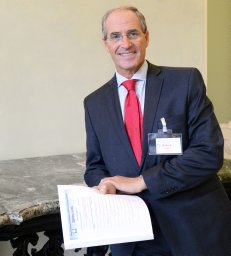 Caroline Dufour合作论文数Divisione di Emato-oncologia Pediatrica e Trapianto di Midollo Osseo, Istituto G. Gaslini45
 Bruno Rotoli合作论文数41Rosario Notaro合作论文数Core Research Laboratory, Istituto Toscano Tumori40Hubert Schrezenmeier合作论文数39
 Peter Hillmen合作论文数Faculty of Medicine and Health, School of Medicine, University of Leeds;Apellis Pharmaceuticals34Judith C. W. Marsh合作论文数33
 Neal Young合作论文数National Heart, Lung, and Blood Institute, National Institutes of Health31
 Jakob Passweg合作论文数University of Basel;Basel University Hospital30
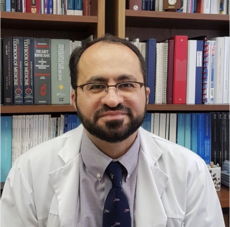 Mahmoud Aljurf合作论文数King Faisal Specialist Hospital and Research Centre30Morag Griffin合作论文数29
 John D. Lambris合作论文数Department of Pathology and Laboratory Medicine, Perelman School of Medicine, University of Pennsylvania28Anita Hill合作论文数28
 Jeffrey Szer合作论文数Royal Melbourne Hosp27Luana Marano合作论文数26Marotta Serena合作论文数26Marion Dahlke合作论文数25Flore Sicre de Fontbrune合作论文数25
 Bianca Serio合作论文数Department of Endocrinology;Divisions of Rheumatology;University of Naples;Department of Endocrinology, University of Naples25Carlos M. De Castro合作论文数23
 Dirk-Jan Eikema合作论文数EBMT Statistical Unit, Leiden.23Camilla Frieri合作论文数23Andrea Bacigalupo合作论文数22Phillip Scheinberg合作论文数National Institute of Allergy and Infectious Diseases, National Institutes of Health22
 Patrizia Ricci合作论文数S. Maria della Misericordia Hospital, University of Perugia21Wilma Barcellini合作论文数21
 Robert A. Brodsky合作论文数School of Medicine, Johns Hopkins University;Heart and Vascular Institute, Johns Hopkins University;Sidney Kimmel Comprehensive Cancer Center, Johns Hopkins University20
 Jens Panse合作论文数Klinik für Hämatologie, Onkologie, Hämostaseologie und Stammzelltransplantation, RWTH Aachen University Hospital;Centrum für Integrierte Onkologie, RWTH Aachen University Hospital19Alexander Roeth合作论文数18
 Fabiana Perna合作论文数Hematology Unit, Federico II University18Ilene C. Weitz合作论文数18
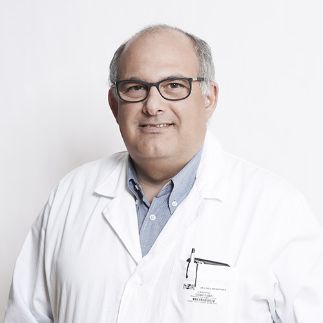 Ciceri Fabio合作论文数Universita Vita-Salute San Raffaele18Petra Muus合作论文数Nijmegen Medical Centre, Radboud University18Iori Anna Paola合作论文数17
 C.J.M. (Stijn) Halkes合作论文数Leiden University Medical Center17Luigi Del Vecchio合作论文数Divisione di Immunoematologia, Ospedale A. Cardarelli, 80131 Napoli, Italy17
 Bing Han (韩冰)合作论文数北京协和医学院北京协和医院16
 André Tichelli合作论文数University Hospital of Basel16
 Fabrizio Pane合作论文数Department of Clinical Medicine and Surgery, Università degli Studi di Napoli Federico II16
 Barbara Bruno合作论文数University of Torino16
 Angelo Michele Carella合作论文数Divisione di Ematologia 1, Centro Trapianti di Midollo IRCCS Azienda Ospedaliera Universitaria San Martino – Genova16
 Michela Sica合作论文数Toscano Tumori, Core Research Laboratory – Istituto16Jong Wook Lee合作论文数15Yasutaka Ueda合作论文数15
 Lucio Luzzatto合作论文数Department of Haematology, Muhimbili University of Health and Allied Sciences15




