Material efficiency is one of the most effective methods for achieving more sustainable operations in iron and steelmaking. Sintering and briquetting processes are commonly used in integrated steel plants to recycle carbon-and iron-containing residues back to blast furnace. In the Ruukki steelworks in Finland, a surplus of solid coking plant by-products is produced, none of which are presently utilized within the steelworks. In this paper, a novel concept for recycling solid coking plant by-products to a blast furnace via liquid-solid injection is evaluated. According to the conducted laboratory study, all the solid by-products could be utilized via liquid-solid mixture injection. By pulverizing the coke gravel and coke sand and mixing it with extra heavy bottom oil, the annual coke requirement of a blast furnace could be decreased by almost 9% with constant oil injection and could reduce annual oil requirements by almost 39% with constant coke rate. Evaluation of direct and indirect environmental impacts reveals that there would be more positive than negative impacts when recycling solid coking plant by-products inside steel plant boundaries.
We describe a fully programmable Electrostatic Tactile (ET) feedback system that delivers a range of tactile textures to a mobile display. The ET system is a robust, thin, and optically transparent structure that can be overlaid unobtrusively on top of a display screen. The system exploits the phenomenon of electrovibration to create a controllable frictional force between a user's fingertip and the surface. The system enables the realization of localized tactile information delivered to the user's skin directly, without moving parts. A tactile image is formed in accordance with the visual information displayed (virtual textures, tactile silhouettes, etc.). The magnitude and pattern of the frictional force on the display can be programmed to correspond to the images shown on the display and actual coordinates of the touch interaction in real time. This has been achieved using a variety of different materials, including those that are compatible with flexible devices.
Wrist device is an interesting and convenient user interaction method between a user and a mobile communication device. This paper presents a low cost flexible wrist device user interaction solution based on flexible touch screen technology. We mainly focused on the 2 aspects: one is the user study to understand what requirements of the wrist UI the users demand; and another is how to realize the specific UI solutions that the users demand. Base on user study report from NRC Helsinki and Beijing, we adopt 3x3 matrix resistance touch panel module and 2-color flexible LCD module as the user interaction hardware solution.
This paper is to perform a design optimization of micromachined piezoelectric transducer by maximizing the system exciting sensitivity. The transducer is a membrane-based micromachined transducer with the piezoelectric film to excite the membrane vibrating. In this study, the exciting sensitivity is taken as the optimization objective. Specifically, when fixing the exciting signal, the transducer structure is optimized to maximize the vibrating magnitude of the membrane. The shape and size of the piezoelectric film are selected as the design parameters to optimize the structure of the transducer. Through analysis, four different piezoelectric structure designs were proposed and explored for optimizing the exciting sensitivity of the transducer. To perform the analysis and the subsequent optimization, finite element simulation was taken and all the FEA models were built on ANSYS software. The optimal design and sensitivity analysis are performed from the results of simulations on ANSYS; the corresponding structural parameters of the piezoelectric film for optimal design are identified. Finally, the optimization results of the exciting sensitivity for the transducers of these different piezoelectric film structures are compared; the design method to improve the exciting sensitivity of the transducer is provided.
This paper presented a design optimization of piezoelectric micromachined ultrasonic transducer for its exciting sensitivity. A micromachined transducer is modeled as a large width-length ratio clamped-clamped beam, with the piezoelectric film to excite the beam vibration. The exciting sensitivity is taken as the optimization objective. Specifically, when the exciting voltage is fixed, the transducer structure is optimized to maximize the vibrating magnitude of the beam. The shape and the size of the piezoelectric layer are selected as the design parameters to optimize the exciting sensitivity of the transducer. In this paper, three different design variations of the piezoelectric layer structures are explored for the optimization. To perform the analysis and the subsequent optimization, the finite element models of the design options are created using ANSYS. The optimal design and the sensitivity analysis are performed; and the corresponding structural parameters of the piezoelectric film layer for optimal design are identified. Finally, we compare the optimization results of the exciting sensitivity for the large width-length ratio clamped-clamped beam based transducers of these three different piezoelectric layer structures; and the design method to improve the exciting sensitivity of the transducer is provided.
 Leon Xu合作论文数19
 Quayle Chen合作论文数9Chenguang Cai合作论文数9jarkko tapio saunamaki合作论文数4matti kosonen合作论文数4Tom Xue合作论文数4
 Piers Andrew合作论文数Thin Film Photonics Group;School of Physics;University of Exeter;School of Physics, University of Exeter4Cherie Jing合作论文数3JOKINEN TEPPO TAPANI合作论文数3qifeng yan合作论文数3An-ping ZHAO (赵安平)合作论文数3Yanan Han合作论文数3
 Jian Zhong (钟建)合作论文数School of Optoelectronic Science and Engineering, University of Electronic Science and Technology of China3Xia Wang合作论文数Nokia Research Center, Beijing, China3
 Limei Xu (徐利梅)合作论文数School of Aeronautics and Astronautics, University of Electronic Science and Technology of China3anssi vanska合作论文数2seppo pienimaa合作论文数2Gustavo Neto合作论文数2okan ogeturk合作论文数2mikko anttilainen合作论文数2Yang Liu合作论文数2zoran radivojevic合作论文数2ZHAO Dan-pu (赵旦谱)合作论文数2LiangFeng Xu合作论文数2
 Qiang Yi合作论文数2Germano Freitas合作论文数2
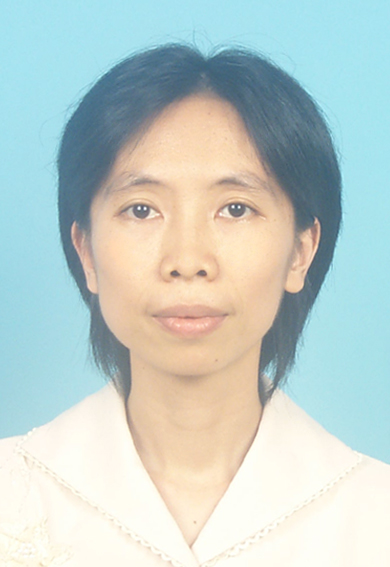 Ping Yang (杨苹)合作论文数School of Electric Power Engineering, South China University of Technology2
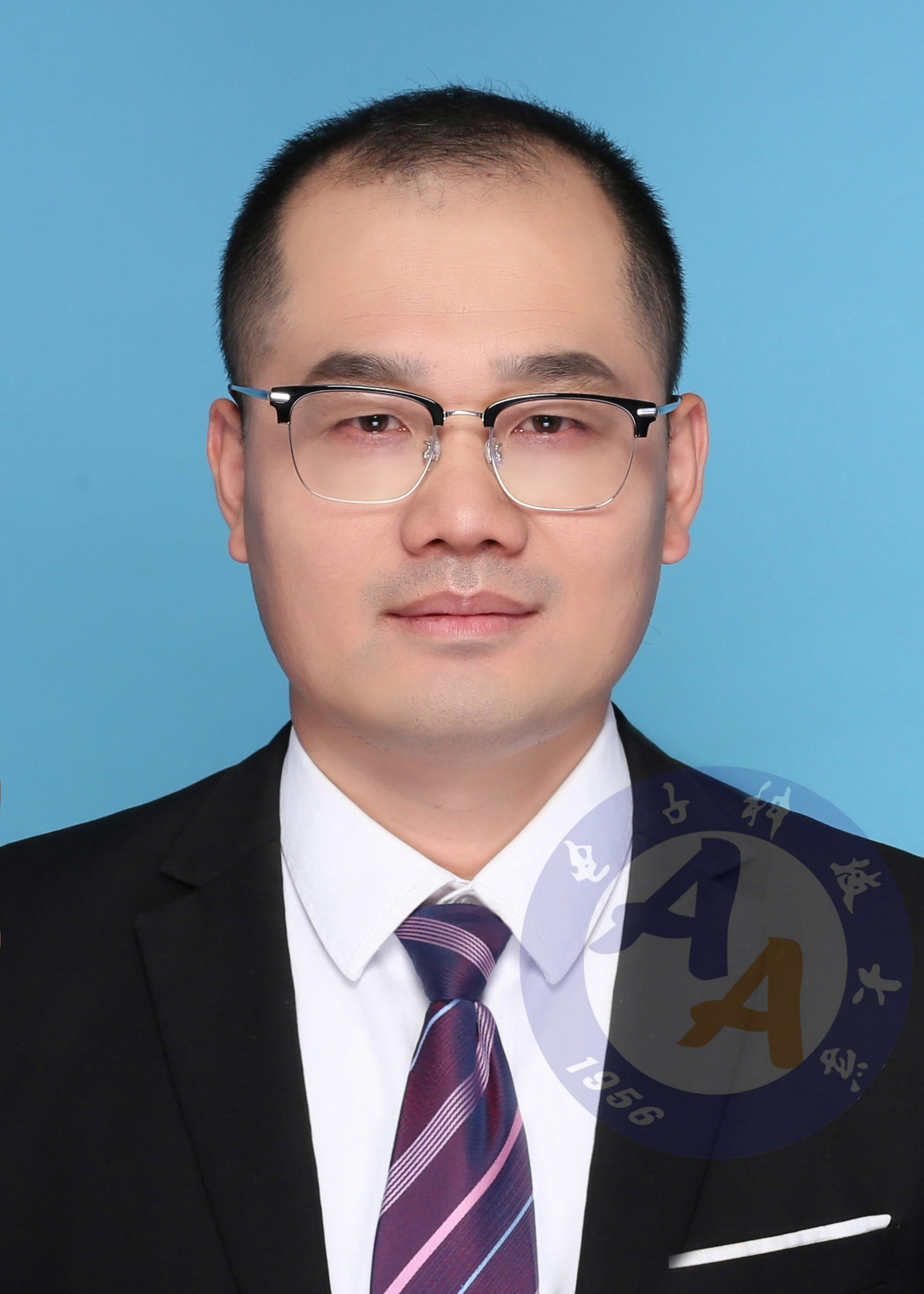 Xuesheng Li (李学生)合作论文数School of Aeronautics and Astronautics, University of Electronic Science and Technology of China2
 Ken Chen (陈恳)合作论文数Department of Mechanical Engineering, Tsinghua University2
 Jani Nurminen合作论文数2
 Koray Ozcan合作论文数2Chenghui Nie合作论文数2
 Tapani Levola合作论文数2ilpo kauhaniemi合作论文数1
 Samiul Haque合作论文数1
 Riku Mattila合作论文数1sami myyrylainen合作论文数1juha kosonen合作论文数1antti ronkko合作论文数1LiWei Yang合作论文数1Li Jianping合作论文数1
 Timo Paananen合作论文数1Bin Wang合作论文数1
 Hannu Suopajarvi合作论文数Sapotech Oy1MingQuan Shi (石明全)合作论文数1
 Brian Henson合作论文数School of Mechanical Engineering, Southwest Jiaotong University, University of Leeds1
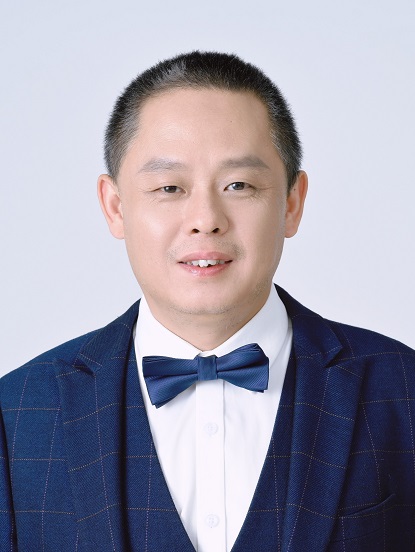 Qiang Miao (苗强)合作论文数College of Electrical Engineering, Sichuan University1
 Fei Deng合作论文数Tsinghua Univ, Tsinghua Univ.1




