Organometallics, specifically ruthenium (Ru)-based complexes, have emerged as promising anticancer agents, offering controlled reactivity, electronic versatility, and tunable lipophilicity. The present work focuses on elucidating detailed anticancer cellular mechanisms of Ru(II)-gallate and Ru(II)-vanillate against MCF-7 breast and HepG2 liver cancer cells. Cell death pattern was assessed by flow cytometry, reactive oxygen species (ROS) level and mitochondrial membrane potential were measured by fluorescence assay, and the expression of key apoptosis-related proteins and genes were quantified by Western blot and quantitative reverse transcription polymerase chain reaction, respectively. Acute toxicity study was conducted in female Swiss albino mice. Mechanistic assays confirmed that both complexes substantially disrupted intracellular redox homeostasis, as evidenced by characteristic alterations in reduced glutathione/oxidized glutathione ratio indicative of reductive stress, leading to mitochondrial membrane depolarization, induced apoptotic cell death, suppressed anti-apoptotic protein B-cell lymphoma-2 (Bcl-2), pro-caspase-3 levels (in HepG2 cells only), promoted mitochondrial cytochrome c release, elicited a concomitant rise in caspase-9, and upregulated Bcl-2-associated X-protein. The protein expression profile was further supplemented by analysis of important genes associated with apoptosis, such as BAX, BCL2, CASP3, and CASP9, performed using quantitative reverse transcription polymerase chain reaction. Acute oral toxicity study at a limit dose of 2000 mg/kg did not reveal adverse hematological, biochemical, or histopathological alterations in mice, indicating a non-toxic outcome under the tested conditions. This study revealed that Ru(II)-gallate and Ru(II)-vanillate induce mitochondria-mediated apoptosis driven by reductive stress, and exhibited strong in vivo tolerability, underscoring their potential as attractive contenders for cancer treatment pending further evaluation.
Gastric cancer, the fifth most prevalent cancer globally, presents a significant challenge for effective treatment. Despite advancements, chemotherapy is often hindered by severe side effects and drug resistance, whereas targeted immunotherapy exhibits inconsistent efficacy. Amidst these challenges, plant secondary metabolites or phytochemicals have emerged as promising agents for the prevention and treatment of gastric cancer. The aim of this review is to perform a comprehensive evaluation of the gastric cancer preventive and therapeutic effects of various phytochemicals with an understanding of related mechanisms of action. A structured literature search was followed to collect preclinical and clinical data on the effects of phytochemicals in combating gastric cancer. Results have indicated that alkaloids, glycosides, polyphenols, sulfur-containing compounds, and terpenoids inhibited gastric cancer cell proliferation in vitro and suppressed gastric tumor growth in vivo. These effects are driven by mechanisms such as alterations of pro-apoptotic and anti-apoptotic proteins, induction of cell cycle arrest, and promotion of apoptosis and autophagy. Additionally, alkaloids and terpenoids influence cancer progression through epigenetic modifications, such as alterations in DNA methylation and histone modifications, as well as through regulating inflammatory pathways, such as the nuclear factor-κB pathway. Moreover, glycosides, polyphenols, and sulfur-containing compounds modulate critical signaling pathways related to cancer cell survival, proliferation, progression, and metastasis, including rat sarcoma/mitogen-activated protein kinase, wingless-related integration site/β-catenin, and phosphoinositide 3-kinase/protein kinase B/mammalian target of rapamycin signal transduction pathway. Despite promising preclinical results, further detailed studies, including clinical trials, are crucial to validate the clinical utility of phytochemicals in gastric cancer prevention and therapy.
Background: Cancer is one of the leading causes of disability in both the United States and worldwide. Its high global prevalence is accompanied not only by the burden of the disease itself but also by the adverse effects of treatment, which can significantly diminish patients' quality of life (QoL). Osteopathic manipulative treatment (OMT), an emerging complementary therapy, seems to show promise in the improvement in quality of life (QoL) in these patients. The purpose of this systematic review is to evaluate the effectiveness of OMT as a complementary and integrative therapy for the relief of symptoms and improved functional capabilities in cancer patients. Methods: The literature search was conducted in accordance with Preferred Reporting Items for Systematic Reviews and Meta-Analyses guidelines using PubMed, Scopus, Science Direct and Web of Science databases. A risk of bias analysis was conducted by evaluating the included randomized controlled trials to assess domains, such as randomization, intended intervention, incomplete outcome data, outcome measurement, and selective reporting. Between the 20 randomized controlled trials and observational studies, information regarding OMT in the treatment of general cancers, oral, pediatric, head and neck, gynecological, breast, and gastric cancers was collected. Results: Our analysis displayed a patient-reported increase in QoL, especially through the reduction in pain and lymphedema, as well as an increase in overall functional capabilities. Conclusions: Overall, the findings underscore the potential role of OMT as an adjunctive therapy for patients with a wide range of cancers, contributing to symptomatic management and enhanced QoL.
Despite the advancements achieved in chemotherapy, cancer continues to remain a formidable and lethal global threat, ranking as the second leading cause of death worldwide. The development of chemoresistance poses a significant hurdle in cancer treatment. Nonetheless, a therapeutic strategy known as chemosensitization has emerged to counteract cancer cell resistance, wherein the efficacy of one drug is augmented by another. Accumulating evidence suggests that natural products have attracted considerable attention in the cancer therapeutic realm due to their ability to combat multidrug resistance with minimal side effects. Ginsenosides, triterpene saponins extracted from Panax ginseng, have demonstrated significant anticancer activity while exhibiting relatively low toxicity and reduced adverse effects. Co-administration of ginsenosides with chemotherapeutic drugs has been shown to trigger apoptosis, as evidenced by an increased Bcl-2-associated X protein (Bax)/B-cell lymphoma 2 (Bcl-2) ratio, inhibit angiogenesis through suppression of vascular endothelial growth factor (VEGF); and hinder replicative immortality by downregulating stemness-associated markers such as octamer-binding transcription factor 4 (Oct4), Nanog, and sex determining region Y-box 2 (SOX2) in various cancers. Additionally, ginsenosides modulate key chemoresistance pathways, including nuclear factor-kappa B (NF-κB), signal transducers and activators of transcription (STAT), and phosphatidylinositol 3-kinase (PI3K)/protein kinase B (Akt), as well as their downstream targets, thereby rendering cancer cells more susceptible to chemotherapy. Notably, ginsenosides have been shown to modulate the tumor microenvironment and mitigate the side effects associated with chemotherapeutic drugs. This review aims to consolidate findings from preclinical and clinical studies to elucidate the role of ginsenosides as effective chemosensitizing agents.
Osteosarcoma is a highly aggressive primary malignant bone tumor characterized by early metastatic potential and limited therapeutic options for recurrent or metastatic disease. Although the introduction of multiagent chemotherapy has improved patient outcome, long-term survival remains suboptimal, highlighting the need for novel, mechanism-driven therapeutic strategies. Recent studies have shown promising antineoplastic effects of bioactive phytochemicals in osteosarcoma. While individual investigations have explored the efficacy of various phytochemicals in the treatment of osteosarcoma, a comprehensive evaluation of these agents has not been performed. The aim of this review is to systematically and critically evaluate the preclinical efficacy, multitargeted molecular mechanisms, and translational limitations of bioactive phytochemicals as potential therapeutic agents for osteosarcoma. A Preferred Reporting Items for Systematic Reviews and Meta-Analyses-guided approach was employed to analyze preclinical studies investigating the effects of major phytochemical classes, including phenolics, sulfur-containing compounds, terpenoids, and alkaloids, in osteosarcoma models. These phytochemicals consistently demonstrated antiproliferative, proapoptotic, and antimetastatic effects through modulation of key oncogenic pathways, including phosphoinositide-3-kinase/protein kinase B/mammalian target of rapamycin, and the mitogen-activated protein kinase pathway, as well as regulation of mitochondrial apoptosis and epithelial-mesenchymal transition. Several compounds also showed tumor growth suppression in animal models. Overall, the findings support the therapeutic potential of multitargeted phytochemicals in osteosarcoma management. However, significant limitations, including variability in bioavailability, dosing, and experimental models, currently hinder clinical translation. Future studies should prioritize standardized formulations, pharmacokinetic optimization, and rigorous in vivo validation to clarify their role in osteosarcoma prevention and treatment.
Metabolic Syndrome (MetS) is a complex and multifactorial condition characterized by insulin resistance, visceral obesity, dyslipidemia, hypertension, and chronic low-grade inflammation, all of which contribute to increased cardiovascular risk. Central to its pathophysiology is metainflammation, a persistent inflammatory state closely linked to oxidative stress and mitochondrial dysfunction. This review aims to provide an integrated and updated overview of the interplay between metainflammation, oxidative stress, mitochondrial dysfunction, and organokine signaling in the development and progression of MetS and its cardiovascular complications. Current evidence indicates that mitochondrial dysfunction plays a pivotal role by promoting excessive production of reactive oxygen species (ROS), impairing ATP synthesis, and disrupting redox balance, thereby exacerbating insulin resistance and endothelial dysfunction. In parallel, dysregulated secretion of organokines-including adipokines, myokines, hepatokines, cardiokines, osteokines, and renokines-alters interorgan communication and amplifies pro-inflammatory and atherogenic pathways. Additionally, gut microbiota contributes to metabolic homeostasis through the production of short-chain fatty acids, whereas dysbiosis is associated with worsening metabolic parameters. Collectively, these interconnected mechanisms establish a self-perpetuating cycle that drives metabolic dysfunction and cardiovascular disease progression. This review highlights the central role of the metainflammation-mitochondrial dysfunction axis and emphasizes the importance of organokine-mediated crosstalk as a key regulator of systemic metabolism. Targeting these pathways may represent a promising strategy for the prevention and management of MetS and its associated complications.
BACKGROUND:Lung cancer therapy resistance is often associated with the redox-regulatory nuclear factor erythroid 2-related factor-2 (NRF2)-Kelch-like ECH-associated protein1 (KEAP1) dysfunction. OBJECTIVE:This study investigated the impact of commercially available black tea (BT) phytochemicals (≥80 % theaflavins) from Camellia sinensis in sensitizing doxorubicin (Dox) against nonresponsive lung adenocarcinoma cells by modulation of non-canonical NRF2 regulators. METHODS:The methods included multidrug resistance (MDR) assay, comet assay, cell cycle analysis, zymography, semi-quantitative polymerase chain reaction, western blot and immunocytochemistry (ICC). RESULTS:BT pretreatment followed by Dox exposure was partially effective in Dox resistance-reversal in A549 cells by increasing drug uptake and downregulating MDR pumps. This combination induced DNA damage and cytotoxicity in A549 cells. It also reduced invasiveness and suppressed the expression of multidrug resistance protein-1, epidermal growth factor receptor, protein kinase B, and B cell lymphoma-2. In absence of wild-type KEAP1, non-KEAP1 regulators were thoroughly investigated by immunolocalization, and immunoblotting. BT restricted non-canonical NRF2 activators, such as p21 and apurinic/apyrimidinic endonuclease1 in A549 and acted oppositely in NCI-H23 cells. Additionally, NRF2-repressors, namely forkhead box O3, p53, glycogen synthase kinase-3β, and retinoid X receptor (RXR), were downregulated in NCI-H23 and upregulated in A549 cells. ICC exhibited that BT modulated the co-localization of NRF2 regulators, such as β-transducin repeat-containing protein and RXR, in A549 and NCI-H23 cells. CONCLUSION:Therefore, it might be indicated that BT improved Dox retention and increased the Dox responsiveness in A549 cells. BT-mediated selective suppression of the NRF2, re-stabilized the KEAP-1-independent NRF2 regulators and made the non-responsive A549 cells partially sensitive to Dox.
Cholesterol acts as a metabolic cue that reshapes diverse signaling networks, including hedgehog and several sterol-regulated pathways orchestrated by key proteins, including sterol regulatory element-binding protein 2 (SREBP2), sterol O-acyltransferase 1 (SOAT1), Niemann-Pick type C1 (NPC1), and proprotein convertase subtilisin/kexin type 9 (PCSK9). Research over the past decade has highlighted cholesterol metabolism as a key modulator of cancer development and a promising therapeutic target. By integrating mechanistic and translational evidence, this review seeks to clarify how cholesterol metabolism interfaces with oncogenic signaling and set directions for future investigation. Accumulating preclinical and clinical data suggest that dysregulated cholesterol levels, often associated with high-fat diets, may contribute to tumorigenesis and malignant transformation. Implicated pathways, such as SREBP, NPC1, PCSK9, and SOAT1, orchestrate various processes of lipid metabolism, including cholesterol synthesis, esterification, receptor degradation, and transport, that harbor a tumorigenic environment and promote oncogenic processes. Additionally, these enzymes and corresponding pathways provide a promising direction for developing metabolism-oriented anticancer strategies. Cholesterol metabolism dysregulation serves as a major avenue for cancer signaling and growth, but studies also highlight key molecular mechanisms and targets for future treatments. Future studies should focus on expanding studies into further cancer types, investigating combination therapies, and developing novel inhibitors of key molecular targets.
Background Chronic diseases remain a predominant cause of mortality worldwide despite existing therapies, which often have side effects and high costs. Natural compounds, such as kavain from Piper methysticum, have attracted attention for their therapeutic potential and safety, showing diverse biological activities useful in treating various health conditions. Purpose This study aimed to assess the potential role of kavain in the prevention and treatment of chronic diseases, with a particular focus on its anti-inflammatory, anxiolytic, antithrombotic, neuroprotective, and anticancer properties. Method A comprehensive literature search on kavain was conducted using PubMed, Scopus, Science direct and Web of Science databases, considering both preclinical and clinical studies. The term “kavain” was used, and all titles, abstracts, and keywords were screened for relevant information. Results Findings from various experimental models suggest that kavain exhibits significant biological and pharmacological activities across various pathological conditions, including inflammation, anxiety, neurological disorders, cardiovascular diseases, and cancer. Pharmacokinetic studies reveal its rapid absorption, moderate oral bioavailability, and efficient systemic clearance. Mechanistically, kavain regulates various molecular pathways including nuclear factor-κB and mitogen-activated protein kinase signaling, modulation of γ-aminobutyric acid type A receptor activity, and inhibition of osteoclastogenesis. Toxicity studies indicate that kavain is well-tolerated at physiologically relevant concentrations. Clinical reports show its anxiolytic potential with favorable safety profile. Conclusion Kavain has demonstrated considerable therapeutic potential in the prevention and management of various chronic diseases, with relatively few adverse effects. Consequently, further clinical investigations will be beneficial to validate its efficacy and safety in human populations.
Background: Daidzein, a secondary metabolite primarily obtained from soybean (Glycine max L.) and other legumes, has significant nutritional and pharmacological value. Chemically, daidzein is an isoflavone and plays a crucial role in the therapeutic amelioration of numerous disorders, including allergies, inflammation, diabetes, cardiovascular, and neurodegenerative diseases. Emerging preclinical evidence suggests potential antineoplastic activity of daidzein against various cancers. This current work aims to perform a critical evaluation of daidzein’s potential as an anticancer molecule with an in-depth understanding of its mechanisms of action. Methods: The data for this review were obtained from various sources, including PubMed, Scopus, and Web of Science. Results: Daidzein, as a pure phytochemical or in combination with other phytochemicals and anticancer drugs, has been reported to induce apoptotic and autophagic cell death, impeding cell growth, viability, proliferation, and angiogenesis, and arresting cell division at various phases in vitro. Various daidzein formulations also exhibited similar anticancer effects by immunomodulation and genetic alteration in the cancer cells. In vivo anticancer studies of daidzein also suggest modulation of several hallmark pathways, such as inhibition of nuclear factor-κB, Janus kinase/signal transducer and activator of transcription, and rat sarcoma virus/rapidly accelerated fibrosarcoma. Conclusions: Irrespective of numerous promising preclinical studies, the absence of clinical studies provides a major challenge to establishing daidzein’s safety and efficacy in human cancers. Therefore, further advancements in clinical research of daidzein are vital for manifesting as an antineoplastic drug.
Neurodegenerative diseases are a growing global health burden associated with aging and characterized by progressive neuronal dysfunction, metabolic failure, mitochondrial impairment, oxidative stress, and chronic neuroinflammation. Among the metabolic pathways implicated in these disorders, coenzyme A (CoA)-linked biology has emerged as a potentially important but still underexplored contributor to neuronal resilience and vulnerability. Pantethine, a disulfide derivative of pantetheine and a CoA-related metabolic precursor, has attracted attention because of its reported effects on cellular metabolism, redox balance, and inflammatory signaling. However, its relevance across neurodegenerative diseases remains unevenly defined, with direct support strongest in pantothenate kinase-associated neurodegeneration (PKAN) and more limited evidence in common disorders such as Alzheimer’s disease (AD) and Parkinson’s disease (PD). This narrative review critically examines the mechanistic and translational evidence linking pantethine to neurodegeneration. PKAN represents the most logical disease context for pantethine investigation because impaired CoA biosynthesis is proximal to disease pathogenesis, although pantethine remains investigational and its clinical efficacy has not been established. By contrast, proposed applications in AD and PD remain highly theoretical and hypothesis-generating. Nevertheless, research on pantethine and related CoA-restoring strategies may identify new intervention targets across neurodegenerative diseases and other disorders characterized by impaired cellular bioenergetics, including selected neuropsychiatric disorders. These possibilities require biomarker-informed, disease-specific studies that establish active-species exposure, target engagement, and clinically meaningful effects.
Background Ficus umbellata Vahl is one of the plants used in Cameroonian empirical system to treat cancer. Previous studies have shown its cytotoxic potential on mammary and ovarian cancer cells, and its chemopreventive potential against ovarian cancer in rats. The aim of this work was to determine the bioactive constituents of F. umbellata Vahl and to elucidate the molecular mechanisms of action of the promising one. Methods F. umbellata stem bark extract was partitioned and bioguided-fractionation was performed using MTS assay on breast (MDA-MB-231 and MCF-7) and ovarian (Hey, Hey-Cis, PA-1 and OAW-42) cancer cell lines. Further, isolates were purified, characterized and tested. The most active compound was investigated on cell growth, cell proliferation, formation of clones, cell death mechanisms, caspase-3 activity, wound healing, chemotaxis and cell adhesion. Moreover, the expression of proteins related to epithelial-to-mesenchymal transition (EMT), apoptosis and MAP-kinase were also measured using Western blot. Results Out of the 4 isolates, C1 (alpha-amyrin-acetate) had significant cytotoxic potential on MDA-MB-231 (similar to 10 mu g/mL), Hey-Cis (10.59) and PA-1 (13.18 mu g/mL). Further, it reduced MDA-MB 231 cell growth (p < 0.01) and proliferation (p < 0.05), as well as clone formation (p <0.001) at 10 g/mL. C1 increased the number of apoptotic cells by 50 % at 5 mu g/mL and 65 % at 10 mu g/mL, accompanied by an increase (p < 0.05) in caspase-3 activity. It inhibited cell migration/invasion (p < 0.01) and increased their adherence to collagen and fibronectin. It promoted the cleavage of Poly (ADP-ribose) polymerase, increased E-cadherin, and significantly (p < 0.01) inhibited both vimentin and phosphorylated extracellular signal-regulated activation. Conclusion In sum alpha-amyrin-acetate is at least partly responsible for F. umbellata cytotoxic effect mediated through proapoptotic response and protection against Epithelial-to-mesenchymal transition.
Brazil nut is one of the most consumed nut-producing species from South America. This narrative review evaluates the potential benefits of Brazil nut in health and disease. Various preclinical studies have shown that Brazil nut possesses antioxidant and anti-inflammatory actions and may be associated with antihypertensive, anti-nephrotoxic, cardioprotective (by reversing obesity, diabetes, hypertension, and dyslipidemia), and antineoplastic properties. Additionally, several clinical trials showed that Brazil nut can improve antioxidant defense, reduce inflammatory processes, attenuate glycemia, prevent obesity and hypertension, reduce visceral adiposity, reduce endothelial dysfunction, and improve vascular tone. Besides its various health benefits, Brazil nut can be a promising agent in the food industry for enhancing products with a better nutritional profile and meeting the growing demand for functional and sustainable foods. Moreover, secondary products derived from the Brazil nut, such as Brazil nut oil and phytocompounds, have potential for use in multiple pharmaceutical and cosmetics industries.
Cancer represents a major public health, societal, and economic challenges in the 21st century [...]
Omega-3 fatty acids, commonly found in fish and other natural sources, are essential polyunsaturated fats with significant health benefits. This study provides an overall quantitative literature analysis on omega-3 fatty acids. Bibliometric data were collected through the search string TOPIC = ("omega-3 fatty acid*" OR "omega-3 polyunsaturated fatty acid*" OR "omega-3 fatty acid*" OR "omega-3 polyunsaturated fatty acid*" OR "n-3 fatty acid*" OR "n-3 polyunsaturated fatty acid*" OR "omega-3 oil*"). It yielded 35,575 publications indexed in the online Web of Science Core Collection database. Using VOSviewer software, term maps were generated to visualize frequently mentioned terms together with their citation data. The literature had a steady growth since the 2000s and predominantly consists of original articles, with a ratio of 5.4:1 compared to reviews. The most productive author was Professor Philip C. Calder from University of Southampton, whereas the most productive country was the United States. Fish is a common source of omega-3 fatty acids mentioned by the literature, along with olive oil, corn oil, soybean oil, flaxseed, microalgae, linseed oil, vegetable oil, and seafood. Recurring medical conditions mentioned by the literature included inflammation, cardiovascular disease, cancer, obesity, depression, and diabetes. This bibliometric review highlights the dominant contributors, major research themes, and emerging applications of omega-3 fatty acids in human and animal health.
BACKGROUND:Glioblastoma multiforme (GBM) is known to be the most aggressive adult brain tumor due to its high fatality rates. The ability of this tumor to induce neovascularization, migrate, and proliferate into brain tissue makes GBM a sought-after disease for a cure. However, treatment is scarce, and a cure is elusive. Recent studies in the use of plant-based compounds (phytochemicals) for the prevention and treatment of GBM exhibit promising results. PURPOSE:The objective of this work is to determine the effects of different classes of phytocompounds, including phenolics, alkaloids, sulfur-containing compounds, and terpenoids, on various hallmarks associated with the development and growth of GBM. This was completed through an extensive analysis of cellular and molecular mechanisms of action. METHOD:To accomplish this goal, scholarly databases, such as PubMed, Scopus, and ScienceDirect were utilized to collect articles that were thoroughly reviewed for inclusion in this work. RESULTS:Various phytochemicals inhibited the survival, proliferation, and growth of diverse GBM cells in vitro and suppressed GBM tumor development and progression in animal models. Numerous studies indicated that different phytochemicals were able to induce apoptosis and decrease migration, invasion, and metastasis by elevated reactive oxygen species and proapoptotic caspase factors, inhibiting cyclin D1, impeding growth factor signaling, and modulating the protein kinase B/phosphoinositide 3-kinase pathway. CONCLUSION:Based on overwhelming scientific evidence, bioactive phytochemicals show significant promise for prevention and treatment of GBM. Future research is crucial to fully understand these anticancer effects of phytochemicals before their clinical transition.
The microbiota, comprising all the microorganisms within the body, plays a critical role in maintaining good health. Dysbiosis represents a condition resulting from an imbalance or alteration of the microbiota. This study comprehensively investigates the patent literature on dysbiosis over the past 20 years.
Cancer remains a major global health concern, and thus, there is a growing demand for efficient and selective therapies with low systemic toxicity. Natural bioactive compounds have emerged as promising alternatives, and terpenoids have shown notable anticancer properties. They exert antiproliferative, proapoptotic, anti-invasive, and antimetastatic effects through the regulation of multiple molecular targets and signaling pathways, including modulation of apoptosis, suppression of angiogenesis, and inhibition of tumor-promoting inflammation. However, their clinical translation is constrained by poor aqueous solubility, low bioavailability, rapid systemic clearance, and inadequate tumor accumulation. Recent advances in nanotechnology offer strategies to overcome these limitations. Nanocarrier-based systems improve the solubility, stability, and pharmacokinetics of terpenoids, while enabling tumor-targeted delivery and controlled release. Various strategies, such as enhanced permeability and retention effect, ligand-mediated active targeting, and stimuli-responsive release have been used to achieve selective tumor accumulation and improved therapeutic outcomes. The purpose of this review is to provide a comprehensive evaluation of nanoformulated terpenoids in cancer with a special emphasis on their therapeutic applications and mechanisms of action. Preclinical studies demonstrate that nanocarrier-loaded terpenoids significantly increase bioavailability, enhance apoptosis, and suppress tumor angiogenesis compared with free terpenoids. The incorporation of artificial intelligence and machine learning further holds promise for the rational design of nanomedicines, accelerating their path toward clinical translation. Collectively, these developments position nanoformulated terpenoids as a powerful platform in precision oncology with strong potential for future application in cancer therapy.
Background Stress, anxiety, and depression are prevalent mental health conditions that have the ability to significantly impact individuals' daily lives and overall well-being. These disorders can lead to physical symptoms, impaired functioning, and a reduced quality of life. In light of these challenges, osteopathic manipulative treatment (OMT) has emerged as a promising complementary therapy. The purpose of this study is to determine if OMT techniques, such as myofascial release, craniosacral therapy, and lymphatic drainage, can modulate this balance by reducing sympathetic nervous system dominance and enhancing parasympathetic activity, leading to improved relaxation and stress resilience. Method This systematic review, conducted in accordance with Preferred Reporting Items for Systematic Reviews and Meta-Analyses guidelines, identified 16 peer-reviewed studies examining the use of OMT for managing stress, anxiety, and depression through a comprehensive literature search and screening process spanning multiple scholarly databases. Results Studies have demonstrated both immediate and long-term benefits of OMT, as measured by patient-reported outcomes and physiological markers like heart rate variability. Control groups receiving sham treatments or no intervention further support the idea that the benefits of OMT are specific and not due to placebo effects. While traditional treatments, such as medication and psychotherapy, are commonly used as management modalities, they have limitations in terms of side effects, accessibility, and long-term effectiveness. Conclusion This review highlights the potential of OMT as a complementary and adjunctive therapy to address mental health disorders, offering a holistic, non-invasive approach to enhance patients' well-being.
The edible and nonedible parts of the mango (Mangifera indica L.) contain vitamins, phytocompounds, fiber, and fatty acids. This review highlights the uses of mango by-products in the food industry and their effects on human health. The literature offers many new possibilities for the usage of mango secondary products in the food industry, such as the production of functional foods and bakery products, in addition to the potential for extraction of antioxidants and enzymes. Furthermore, due to their antioxidant and anti-inflammatory properties, the consumption of various mango by-products, in the form of peel and leaf (powder or extract), can improve glycemia, plasma lipid levels, satiety, and endothelial function, suggesting that these compounds can prevent or improve various risk factors for cardiovascular complications and metabolic syndrome. Clinical trials show that the discarded parts of mango fruits and leaves can be used to treat diabetes mellitus, obesity, and cardiovascular disorders. Moreover, mango by-products can be utilized to improve the functional characteristics of foods, may be incorporated as fat replacers, and have the potential to leverage agribusiness and reduce environmental damage resulting from the disposal of discarded materials, in addition to reducing waste and the complex chain of environmental damage. Mango by-products also have the potential to produce nutraceutical food items. The use of new technologies can bring to light the production of numerous products made from by-products, contributing to the development of industrial functional foods. In addition, products for the pharmaceutical and cosmetics industries may also be developed. Nutraceutical and pharmaceutical products could have lower prices and could, therefore, be used by low-income populations. The utilization of mango by-products meets the current trend and growing market for better and healthier products. However, more clinical trials are necessary to evaluate the effectiveness of mango by-products on human health, and new technologies can improve industrial applications.
 Gautam Sethi合作论文数Department of Pharmacology, Yong Loo Lin School of Medicine, National University of Singapore36
 Altaf S. Darvesh合作论文数Department of Pharmaceutical Sciences, Northeastern Ohio Universities Colleges of Medicine and Pharmacy29Mainak Chatterjee合作论文数Department of Electrical Engineering and Computer Science
University of Central Florida27
Altaf S. Darvesh合作论文数Department of Pharmaceutical Sciences, Northeastern Ohio Universities Colleges of Medicine and Pharmacy29Mainak Chatterjee合作论文数Department of Electrical Engineering and Computer Science
University of Central Florida27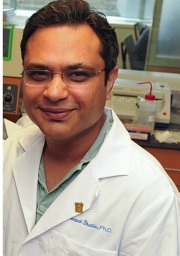 Deepak Bhatia合作论文数Colleges of Medicine and Pharmacy, Northeastern Ohio Universities24Seyed Mohammad Nabavi合作论文数Applied Biotechnology Research Center, Baqiyatallah University of Medical Sciences22
 Animesh Mandal合作论文数School of Minerals, Metallurgical and Materials Engineering, Indian Institute of Technology Bhubaneswar21
 Arijit Mondal合作论文数Drug Development Diagnostics &Biotechnology Division, CSIR - Indian Institute of Chemical Biology;Drug Development Diagnostics & Biotechnology Division, CSIR - Indian Institute of Chemical Biology21
 Sabyasachi Banerjee合作论文数Gupta College of Technological Sciences20
 Farzaei Mohammad Hosein合作论文数Pharmaceut Sci Res Ctr, Kermanshah Univ Med Sci19
 Atanas G. Atanasov合作论文数Division of Nephrology and Hypertension, Department of Clinical Research, University of Berne18
 Devesh Tewari合作论文数17
 Nagendra sastry Yarla合作论文数17
 Sandra Maria Barbalho合作论文数16
 Dona Sinha合作论文数Department of Environmental;Carcinogenesis and Toxicology;Chittaranjan National Cancer Institute;Department of Environmental|Carcinogenesis and Toxicology, Chittaranjan National Cancer Institute16
 Kumar Alan Prem合作论文数Yong Loo Lin School of Medicine, National University of Singapore14Shanmugam Muthu K合作论文数14Carmela Fimognari合作论文数13Thoppil Roslin J合作论文数12
 Niranjan Das合作论文数Department of Chemistry, Netaji Subhas Mahavidyalaya12
 Sajad Fakhri合作论文数12
 Roger W. Howell合作论文数Division of Radiation Research, Department of Radiology, Rutgers New Jersey Medical School12
 Ashutosh Gupta合作论文数11
 Abhay K. Pandey合作论文数11Kalyan C Nagulapalli Venkata合作论文数11
 Hardeep Singh Tuli合作论文数Maharishi Markandeshwar University11
 Bhattacharyya Piyali合作论文数School of Health Sciences, University of Turabo11Anusha Bishayee合作论文数10Dv Rao合作论文数10
 Andy Wai Kan Yeung合作论文数Faculty of Dentistry, The University of Hong Kong10
 Sankhadip Bose合作论文数Department of Pharmacognosy, Gupta College of Technological Sciences, College of Pharmacy, Asansol, West Bengal, India.10
 Frank Arfuso合作论文数GreenLight Clinical;School of Human Sciences, Faculty of Science, The University of Western Australia10
 Ajaikumar B Kunnumakkara合作论文数tokine Research Laboratory, Cy10
 Lindsay DeLiberto合作论文数9Jack T Burcher合作论文数9
 Seyed Zachariah Moradi合作论文数Health Institute, Kermanshah University of Medical Sciences9Nabavi Seyed Fazel合作论文数9
 Nikolay T. Tzvetkov合作论文数Pharmaceutical Institute, University of Bonn9
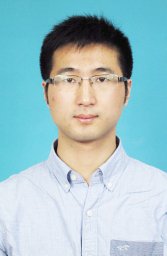 Wang Dong-Dong合作论文数West China College of Pharmacy, Sichuan University9
 Gjumrakch Aliev合作论文数GALLY International Biomedical Research;Department of Pharmacology, Institute of Pharmacy- FSAEI HE, I.M. Sechenov First Moscow State Medical University;Institute of Physiologically Active Compounds, Russian Academy of Sciences9
 Antoni Sureda合作论文数8
 Lucas Fornari Laurindo合作论文数8
 Amr El-Demerdash合作论文数John Innes Ctr, Norwich Res Pk8
 Ramesh Kumar合作论文数Department of Biochemistry, University of Allahabad8
 Yerer Mükerrem Betül合作论文数Faculty of Pharmacy, Erciyes University8
 Mohammad A Kamal合作论文数ABMMA.com.au8
 Amit K. Singh合作论文数8
 Maria Daglia合作论文数Dipartimento di Farmacia, Università degli Studi di Napoli Federico II8
 Katrin Sak合作论文数Institute of Chemical Physics, Tartu University8
 Rajeev K Singla合作论文数Manipal College of Pharmaceutical Sciences, Manipal University8




