Acute myeloid leukemia (AML) is a heterogeneous hematologic malignancy characterized by the clonal expansion of myeloid blasts in the peripheral blood, bone marrow, and/or other tissues. It is the most common form of acute leukemia among adults and accounts for the largest number of annual deaths from leukemias in the United States.1 The NCCN Guidelines Panel for AML convenes annually to update recommendations for the diagnosis and treatment of AML in adults. These recommendations are based on a review of recently published clinical trials that have led to significant improvements in treatment or have yielded new information regarding biologic factors that may have prognostic importance. These NCCN Guidelines Insights summarize the panel's most recent recommendations regarding the monitoring and management of measurable (minimal) residual disease.
Acute myeloid leukemia (AML) is a heterogeneous hematologic malignancy characterized by the clonal expansion of myeloid blasts in the peripheral blood, bone marrow, and/or other tissues. It is the most common form of acute leukemia among adults and accounts for the largest number of annual deaths from leukemias in the United States.1 The NCCN Guidelines Panel for AML convenes annually to update recommendations for the diagnosis and treatment of AML in adults. These recommendations are based on a review of recently published clinical trials that have led to significant improvements in treatment or have yielded new information regarding biologic factors that may have prognostic importance. These NCCN Guidelines Insights summarize the panel's most recent recommendations regarding the monitoring and management of measurable (minimal) residual disease.
Patients of racial minorities have lower chance of securing a suitable donor, essential part of successful allogeneic stem cell transplant. In this simulated interview study, we sought to examine how hematologists discuss donor options and risks with patients with high-risk myeloid neoplasm considering transplant. Thirty-seven US hematologists participated (65% male; 65% white, 24% Asian, none Black), randomly assigned to meet with a Black or white patient actor. The hematologists emphasized the benefits of a full match with the white patient and high chance of securing a donor. Conversely, with the Black patient, they tended not to ask about ancestry, discuss the donor registry, race implications or challenges with donor search. Knowing the patient had children, many recommended haploidentical transplant. The unique circumstances of transplant argue for a focused communication including discussing race. While conversations should be tailored to each patient, limiting essential information on donor options may contribute to disparities.
The BMT CTN 1703 phase III trial confirmed that graft-versus-host disease (GVHD) prophylaxis with post-transplantation cyclophosphamide (PTCy), tacrolimus (Tac), and mycophenolate mofetil (MMF) results in superior GVHD-free, relapse-free survival (GRFS) compared with Tac/methotrexate (MTX) prophylaxis. This companion study assesses the effect of these regimens on patient-reported outcomes (PROs). Using the Lee Chronic GVHD Symptom Score and PROMIS subscales (physical function, GI symptoms, social role satisfaction) as primary end points and hemorrhagic cystitis symptoms and Lee subscales as secondary end points, responses from English and Spanish speakers were analyzed at baseline and days 100, 180, and 365 after transplant. PRO scores were compared between the arms using inverse probability weighted-independent estimating equation models. The PTCy arm had significantly lower scores on the Lee Chronic GVHD Symptom Scale ( P = .01), indicating lower GVHD symptom burden. Lee Scale nutrition and mouth subscores were also better in the PTCy arm compared with the Tac/MTX arm ( P < .01 for both). Older participants (age >65 years) reported better Lee Scale psychological subscores than younger participants ( P = .003). No significant differences were identified in hemorrhagic cystitis or in the PROMIS subscales between treatment arms. The updated clinical end points at 2 years for the parent trial confirmed that PTCy/Tac/MMF maintained a significant advantage over Tac/MTX in GRFS (42.4% v 28.8%, P = .001). In addition to improved GRFS, patients randomly assigned to the PTCy arm reported lower symptom burden during the first year after transplant.
EAI141 was a prospective, multi-center trial designed to assess 3 '-deoxy-3 '-18F-fluorothymidine (FLT) PET/CT as a treatment response biomarker. The primary objective was to evaluate the negative predictive value (NPV) of post-treatment 'day 14' FLT-uptake (clinically non-responding patients with high FLT uptake). Among 87 patients enrolled from 9 centers, 61 were evaluable for the primary endpoint. The NPV for FLT PET/CT was 0.20 (3/15, 95% CI 0.04-0.48) compared to the NPV for nadir bone marrow of 0.25 (4/16, 95% CI 0.07-0.52). This first multi-center molecular imaging study in patients with AML demonstrated the feasibility of FLT PET/CT imaging. While molecular imaging did not predict response status more accurately than the nadir marrow, this study showed limitations in the accuracy of the 'day 14' marrow as a predictor of response and suggested added benefit by combining a marrow assessment and molecular imaging at an earlier time point.
Allogeneic hematopoietic cell transplantation (HCT) improves outcomes for patients with AML harboring an internal tandem duplication mutation of
PURPOSE Knowledge of an inherited predisposition to myelodysplastic syndrome (MDS) and AML has important clinical implications for treatment decisions, surveillance, and care of at-risk relatives. National Comprehensive Cancer Network (NCCN) guidelines recently incorporated recommendations for germline genetic evaluation of patients with MDS/AML on the basis of personal and family history features, but the practicality of implementing these recommendations has not been studied. METHODS A hereditary hematology quality improvement (QI) committee was formed to implement these guidelines in a prospective cohort of patients diagnosed with MDS/AML. Referral for germline genetic testing was recommended for patients meeting NCCN guideline criteria. Referral patterns and genetic evaluation outcomes were compared with a historical cohort of patients with MDS/AML. Barriers to evaluation were identified. RESULTS Of the 90 patients with MDS/AML evaluated by the QI committee, 59 (66%) met criteria for germline evaluation. Implementation of the QI committee led to more referrals for germline evaluation in accordance with NCCN guidelines (31% v 14%, P = .03). However, the majority of those meeting criteria were never referred due to high medical acuity or being deceased or in hospice at the time of QI committee recommendations. Despite this, two (17%) of the 12 patients undergoing genetic testing were diagnosed with a hereditary myeloid malignancy syndrome. CONCLUSION Current NCCN guidelines resulted in two thirds of patients with MDS/AML meeting criteria for germline evaluation. A hereditary hematology-focused QI committee aided initial implementation and modestly improved NCCN guideline adherence. However, the high morbidity and mortality and prolonged inpatient stays associated with MDS/AML challenged traditional outpatient genetic counseling models. Further improvements in guideline adherence require innovating new models of genetic counseling and testing for this patient population.
Introduction: We have developed a personalized cancer vaccine in which patient derived AML cells are fused with autologous dendritic cells (DCs), presenting a broad array of antigens including shared and neoantigens. Here we report the results of the multicenter randomized phase II clinical trial (NCT03059485) of DC/AML fusion cell vaccination in AML patients who achieve a remission following chemotherapy or HMA/Venetoclax. Methods: Eligible patients were >55 years and were not candidates for allogeneic transplantation. The primary endpoint was to assess 2-year progression free survival. Leukemia cells were collected and cryopreserved at time of disease presentation. Patients underwent standard of care remission induction therapy, with either 7+3 or HMA/Ven, at the discretion of the treating physician. Patients in CR (CR/CRi) were randomized 2:1 to the vaccine (Arm A) or standard of care arm (Arm C). Arm B, vaccine with PD-1 blockade, was removed prior to any patient being treated. Patients in Arm C could receive maintenance therapy, while those in Arm A did not. Patients in Arm A underwent leukapheresis and DCs were generated by cytokine mediated differentiation. DC/AML fusions were created by co-culture of DCs and leukemia cells in the presence of polyethylene glycol. The trial was designed with a target accrual of 75 patients but closed to prematurely due to slow enrollment during COVID-19 and changes in standard of care leukemia therapy including maintenance HMA/Ven and IDH/FLT3 inhibitors. Herein, we report the results of 41 randomized patients. This trial is not powered to detect difference in clinical endpoints. Results: 41 patients with median age 68 years (range 55-86) were randomized, 27 to Arm A and 14 to Arm C. Two patients (one in each arm) withdrew consent and were not followed for response or survival. Additionally, In Arm A, 1 patient had disease progression, 1 proceeded to allogeneic transplantation, 1 had autoimmune hepatitis and were considered ineligible to proceed with vaccine generation. Fusion vaccine was successfully generated in 23 patients, with a mean fusion efficiency of 50.73%, and a viability of 75%. 2-year PFS in arm A was 31% by intention to treat and 36% in vaccinated patients (N=22) compared to 23% in arm C (N=13). 2-year OS was 73% in Arm A and 61% in Arm C. 2 grade-2 injection site reactions, 2 grade-2 and 1 grade-3 platelet count decrease were attributable to vaccine. Immune response was characterized by interferon gamma (IFN) secretion following ex-vivo exposure to autologous tumor lysate. A mean of 1.5-fold increase in the IFN+ CD4+ T cells and 1.85-fold in the IFN+ CD8+ T cells was observed following vaccination (pre-vaccine 1 compared to peak post-vaccination, n=19). Deep TCR repertoire sequencing of serial blood and bone marrow samples was performed from pre- and post-vaccination timepoints for four patients. These longitudinal data were used to identify T cell clonotypes that significantly increased following vaccination. Two major classes of treatment-expanded clonotypes were identified: pre-existing clonotypes that increased following vaccination and emergent clonotypes only detected following vaccination. Comparison of 3- and 6-month follow up blood samples demonstrated persistence of all emergent clones. Conclusion: In summary, DC/AML fusion vaccination in older patients in CR1 in the absence of maintenance therapy resulted in a 2-year PFS of 36% and OS of 73%. Immunologic response was characterized by emergence and persistence of specific T cell clonotypes. Ongoing studies include analyzing expanded T cell clones as a means for antigen discovery and evaluation of DC/AML vaccination following allogeneic transplant. Future directions include the potential to develop a novel combinatorial approach to maintenance therapy, by incorporating DC/AML fusion cell vaccination to HMA and targeted therapy based maintenance therapy for AML.
ObjectiveAllogeneic hematopoietic cell transplant (alloHCT) offers many patients with blood cancers a chance of cure but carries risks. We characterized how hematologists discuss the high-risk, high-reward concept of alloHCT.MethodsQualitative analysis of video-recorded virtual encounters of hematologists who routinely perform alloHCT with actors portraying an older man recently diagnosed with high-risk myelodysplastic syndrome.ResultsHematologists (n = 37) were a median age of 44 years, 65% male, and 68% white. They frequently used “teeter-totter” language that juxtaposed alloHCT’s risks and rewards in a dynamic, quickly alternating fashion and communicated uncertainty in transplant outcomes. This dialogue oscillated between encouragement about alloHCT’s potential for cure and caution about its risks and occurred within single speech turns and in exchanges between hematologist and patient. Fewer hematologists outlined their big-picture stance on transplant’s risks and benefits early in the conversation. Meanwhile, hematologists varied in how they counseled patients to manage transplant-related uncertainty and consider treatment decision making.ConclusionHematologists use “teeter-totter” language to express hope and concern, confidence and uncertainty, and encouragement and caution about the high-risk, high-reward nature of alloHCT.Practice implicationsTeeter-totter language may help frame big-picture content about alloHCT’s risks and benefits that is essential for patient education and decision making.
Introduction: Allogeneic hematopoietic cell transplantation (alloHCT) offers a chance of cure for many patients with blood cancers including higher risk myelodysplastic syndromes (MDS) but carries many risks. In this high risk, high reward situation, shared decision making is essential to empower patients to make goal-concordant decisions. We detail communication strategies hematologists use to discuss treatment options including alloHCT and to facilitate shared decision making with patients. Methods: Our research team recruited hematologists who routinely perform alloHCT in the United States through email. Participants conducted a video-recorded virtual encounter lasting up to one hour with an actor portraying a 67-year-old man with recently diagnosed high risk MDS referred for specialty hematology consultation to discuss treatment options including alloHCT. We transcribed and qualitatively analyzed hematologists' communication approaches. Results: Participants (n=37) from 25 institutions were a median age of 44 years (range 33-73 years) and mostly male (65%) and white (65%). More than half spent >50% of their clinical time in managing alloHCT patients. Hematologists followed a similar conversation structure, though varied in the amount of detail they provided within each of the main sections (Figure 1). Their conversation routinely included an assessment of the patient's perception of his condition, information about MDS, and discussion of treatment options including transplant and chemotherapy and less commonly supportive care or a clinical trial. Many repeatedly highlighted that transplant was the only option with the potential for cure. Their discussion about transplant frequently followed a chronological approach from pretransplant considerations including donor issues, formal fitness testing, and disease control; to the peri-transplant period and hospital experience; and through the posttransplant course including need for dedicated caregiver support. Hematologists discussed risks, complications, and major outcomes at varying lengths. Decision making talk occurred at different points in the visit though was often concentrated in the latter part of the conversation. Hematologists referred to several elements that formed the basis of treatment decision making (Figure 2). While hematologists indicated that multiple factors should inform the patient's and hematologist's decision making, many honed in on transplant's position as the only chance for long-term survival. Although most hematologists acknowledged on a general level the importance of patients' goals and preferences in decision making, they elicited and incorporated the individual patient's specific goals into the discussion to varying degrees. Instead, in several conversations, hematologists' assessment of the patient's fitness and candidacy for transplant was prominent in their discussion about whether the patient could and should consider pursuing the curative option. Hematologists frequently recommended that the patient take time to think and talk with his family about the treatment decision in the immediate future. The strength of their longer-term recommendations ranged from strong recommendations for transplant or chemotherapy to conditional recommendations for transplant or deferral pending further information. These recommendations reflected a range of decision-making strategies, from a physician-led approach to a primarily patient-guided effort. In the middle, some hematologists described a collaborative effort with the patient, in which the patient and hematologist would work together to reach a shared decision. Within a single encounter, many hematologists expressed various statements suggesting that their approach to decision making did not fit tightly within a single domain but rather fell along a continuum which evolved as the encounter proceeded. Conclusions: The transplant decision making discussion is complex. The ways in which hematologists frame information and engage patients affect how they make decisions together. Hematologists consistently discuss similar major content areas as they navigate from beginning to end; identification of these key components can be used as the basis for creation of a communication tool to help hematologists discuss alloHCT with patients.
12109 Background: Graft versus host disease (GVHD) remains an important complication of allogeneic stem cell transplant (alloSCT). Severe forms can impact quality of life long term or prove fatal. While disparities exist in routine doctor-patient communication, the complexity of alloSCT adds barriers and magnifies disparities in healthcare. How hematologists discuss risks may impact patients’ perception and understanding. Here we explore how hematologists explain GVHD and identify differences based on patient race. Methods: This is a secondary analysis of a qualitative study of video-recorded virtual encounters. We recruited transplant hematologists in the US and randomly assigned them to meet with a patient actor of Black or white race trained to portray the same 67 years old man with newly diagnosed high-risk myeloid neoplasm referred for discussion of treatment options including alloSCT. The clinical case was designed to represent a realistic transplant candidate and to enable hematologists to focus on treatment decision making. Results: 37 hematologists from 25 centers participated (65% male, 35% non-white, median age 44). All hematologists shared that transplant carries risks; however, they varied in the extent to which they discussed GVHD. 16% (6/37) of them did not mention GVHD and 19% (7/37) briefly introduced it, deferring more discussion to a later visit. Two thirds discussed GVHD (10/17 with the Black patient and 14/20 with the white patient) but provided variable details. Most described a spectrum of severity: that GVHD is a major, potentially life-threatening risk of transplant but most develop mild and treatable form. They explained that monitoring for GVHD was the main reason for frequent clinic visits. Some discussed that chronic GVHD could be a primary driver of impaired quality of life after transplant, where “we are sometimes trading one disease for another”. Extensive conversations on differences between acute and chronic forms, manifestations, risk factors, treatment and prognosis occurred in 12% (2/17) of visits with the Black patient vs 25% (5/20) with the white patient. Hematologists gave different quantitative GVHD risk estimates ranging from ‘two thirds” to “the historical 30% has been taken down to 10%”. Conclusions: GVHD was included in most alloSCT decision making visits, however over a third of hematologists did not provide meaningful information about it in their first conversation with a patient. The information provided varied with risk of the condition quoted as 10-66%. Few provided extensive details but these were twice as likely to be given to the white patient. GVHD is an important and potentially life-limiting toxicity of alloSCT, this study suggests patients are asked to make transplant decisions based on variable information which may contribute to disparities in this already difficult to access therapy.
BACKGROUND:In patients undergoing allogeneic hematopoietic stem-cell transplantation (HSCT), a calcineurin inhibitor plus methotrexate has been a standard prophylaxis against graft-versus-host disease (GVHD). A phase 2 study indicated the potential superiority of a post-transplantation regimen of cyclophosphamide, tacrolimus, and mycophenolate mofetil. METHODS:In a phase 3 trial, we randomly assigned adults with hematologic cancers in a 1:1 ratio to receive cyclophosphamide-tacrolimus-mycophenolate mofetil (experimental prophylaxis) or tacrolimus-methotrexate (standard prophylaxis). The patients underwent HSCT from an HLA-matched related donor or a matched or 7/8 mismatched (i.e., mismatched at only one of the HLA-A, HLA-B, HLA-C, and HLA-DRB1 loci) unrelated donor, after reduced-intensity conditioning. The primary end point was GVHD-free, relapse-free survival at 1 year, assessed in a time-to-event analysis, with events defined as grade III or IV acute GVHD, chronic GVHD warranting systemic immunosuppression, disease relapse or progression, and death from any cause. RESULTS:In a multivariate Cox regression analysis, GVHD-free, relapse-free survival was significantly more common among the 214 patients in the experimental-prophylaxis group than among the 217 patients in the standard-prophylaxis group (hazard ratio for grade III or IV acute GVHD, chronic GVHD, disease relapse or progression, or death, 0.64; 95% confidence interval [CI], 0.49 to 0.83; P = 0.001). At 1 year, the adjusted GVHD-free, relapse-free survival was 52.7% (95% CI, 45.8 to 59.2) with experimental prophylaxis and 34.9% (95% CI, 28.6 to 41.3) with standard prophylaxis. Patients in the experimental-prophylaxis group appeared to have less severe acute or chronic GVHD and a higher incidence of immunosuppression-free survival at 1 year. Overall and disease-free survival, relapse, transplantation-related death, and engraftment did not differ substantially between the groups. CONCLUSIONS:Among patients undergoing allogeneic HLA-matched HSCT with reduced-intensity conditioning, GVHD-free, relapse-free survival at 1 year was significantly more common among those who received cyclophosphamide-tacrolimus-mycophenolate mofetil than among those who received tacrolimus-methotrexate. (Funded by the National Heart, Lung, and Blood Institute and others; BMT CTN 1703 ClinicalTrials.gov number, NCT03959241.).
Blastic plasmacytoid dendritic cell neoplasm (BPDCN) is a rare hematologic malignancy with historically poor outcomes and no worldwide consensus treatment approach. Unique among most hematologic malignancies for its frequent cutaneous involvement, BPDCN can also invade other extramedullary compartments, including the central nervous system. Generally affecting older adults, many patients are unfit to receive intensive chemotherapy, and although hematopoietic stem cell transplantation is preferred for younger, fit individuals, not all are eligible. One recent therapeutic breakthrough is that all BPDCNs express CD123 (IL3Rα) and that this accessible surface marker can be pharmacologically targeted. The first-in-class agent for BPDCN, tagraxofusp, which targets CD123, was approved in December 2018 in the United States for patients with BPDCN aged ≥2 years. Despite favorable response rates in the frontline setting, many patients still relapse in the setting of monotherapy, and outcomes in patients with relapsed/refractory BPDCN remain dismal. Therefore, novel approaches targeting both CD123 and other targets are actively being investigated. To begin to formally address the state of the field, we formed a new collaborative initiative, the North American BPDCN Consortium (NABC). This group of experts, which includes a multidisciplinary panel of hematologists/oncologists, hematopoietic stem cell transplant physicians, pathologists, dermatologists, and pediatric oncologists, was tasked with defining the current standard of care in the field and identifying the most important research questions and future directions in BPDCN. The position findings of the NABC’s inaugural meetings are presented herein.
Background: The extent of pretransplant workup for allogeneic hematopoietic stem cell transplant (HSCT) differs considerably among transplant centers. Current practice at the University of Wisconsin is for all recipients to undergo screening CT (computed tomography) of the sinuses, chest, abdomen, and pelvis prior to HSCT which can reveal several incidental radiographic findings. Here, we examined the impact of this procedure on discovery of clinically meaningful incidental findings, on time to transplant, on detecting post-COVID-19 infection related complications and on overall clinical outcomes post-HSCT in the current era of novel treatments for malignant hematologic disorders. Methods: After IRB approval, all consecutive patients > age 18 years at the University of Wisconsin who underwent full body screening CT prior to HSCT, from January 2019 to August 2022 were studied. Imaging abnormalities were defined as any finding reported by the radiologist apart from isolated mucosal thickening on sinus CT scans. Post-transplant pulmonary complications were defined as abnormal chest CT scans within 6 months post-transplant. Patient and disease characteristics were tabulated, and descriptive statistics are reported. Progression free survival (PFS) is defined as the time from transplant to first identification of relapsed disease. Results: Table 1 shows clinical characteristics of the study cohort. Median follow up is 22.55 months (95% CI 12.04-34.78). A total of 205 patients underwent 577 screening CT scans prior to HSCT, of which 82% (n=169) had at least one abnormal finding and 52% (n=107) had an incidental finding. Of the patients with incidental findings, 53% (n=57) received no additional workup or intervention while 47% (n=50) underwent further workup, yet only 18% (n=19) had a change in management as depicted in figure 2. Therapeutic interventions included treatment with antifungals (n=11), antibiotics (n=5), thoracentesis (n=1), thoracotomy (n=1) and anticoagulation (n=1). Although 50% of all chest CT scans identified an abnormality, only 5% revealed an incidental finding that influenced management including pulmonary nodules (n=7), bronchiolitis (n=1) and pulmonary emboli (n=1), compared to just 3% for both sinus and abdominal CT scans including sinusitis (n=4), periapical abscesses (n=3) and abdominopelvic masses of the bladder (n=1), iliac fossa (n=1), pancreas (n=1) and ovary (n=1). Post-HSCT complications were identified in 23% (n=21) vs 16% (n=15) in those with abnormal and normal pre-HSCT chest CT, respectively. In the subset of patients who underwent therapeutic interventions resulting from abnormal screening chest CT, 28% (n=5) still experienced post-transplant complications. Finally, the incidence of post-transplant pulmonary complications was similar, 27% (n=4), in patients with and without documented COVID infection prior to transplant. Median time to HSCT after scan completion was similar in patients with normal vs abnormal imaging without additional workup at 23 days (range 11-47), compared to 24 days (range 8-62), respectively. In contrast, median time to HSCT was longer at 30 days (range 11-173) and 48 days (range 13-208) for those who received additional work up and a therapeutic intervention, respectively (p=0.0001). One year post HSCT non-relapse mortality was 9% and 12 % among patients with normal screening CT, and those with at least one abnormal finding, respectively. 2-year PFS was similar in patients with abnormal vs normal screening chest CT scans at 60% vs 58% respectively (p=0.98). Conclusions: We observed high rates of incidental findings leading to additional work up in over 40% of patients, though less than half of them led to changes in management. As expected, we noted a substantial risk of delay to HSCT in most recipients needing intervention. Chest CT scans had the highest prevalence of clinically significant incidental findings and meaningful impact on management, whereas routine sinus and abdomen-pelvic CT showed lower clinical benefit. No additional advantage of CT chest was found in asymptomatic patients who had a COVID-19 infection pre-HSCT. Our findings provide basis to re-evaluate current practice of pre HSCT screening, and identify at-risk patients who would benefit from screening. Additional analyses are needed to minimize risks of unnecessary interventions, delays and burden on patients and healthcare utilization.
Acute myeloid leukemia (AML) is a heterogeneous hematologic malig-nancy characterized by the clonal expansion of myeloid blasts in the peripheral blood, bone marrow, and/or other tissues. It is the most common form of acute leukemia among adults and accounts for the largest number of annual deaths from leukemias in the United States. Like AML, blastic plasmacytoid dendritic cell neoplasm (BPDCN) is a myeloid malignancy. It is a rare malignancy characterized by the ag-gressive proliferation of precursors of plasmacytoid dendritic cells that frequently involves the bone marrow, skin, central nervous system, and other organs and tissues. This discussion section focuses on the diag-nosis and management of BPDCN as outlined in the NCCN Guidelines for AML.
Introduction A randomized phase III trial of post-transplantation cyclophosphamide (PTCy), tacrolimus, (Tac), and mycophenolate mofetil (MMF) versus tacrolimus/methotrexate (Tac/MTX) for graft-versus-host disease (GVHD) prophylaxis showed superior graft-versus-host disease-free, relapse-free survival (GRFS) in the PTCy-containing arm (NEJM, 2023). Here, we report the effect of GVHD prophylaxis on patient-reported outcomes and impact on quality of life (QOL). Methods The QOL study component of BMT CTN 1703 employed four primary endpoints: Lee Chronic GVHD Symptom Score and the PROMIS subscales of physical function, gastrointestinal symptoms, and satisfaction with participation in social roles. Secondary endpoints included hemorrhagic cystitis symptoms and Lee symptom subscale differences, with questionnaires to English and Spanish-speaking participants at enrollment and on Days 100, 180, and 365 post-transplant. Given the risk of missing assessments, an inverse probability weighted-independent estimating equations (IPW-IEE) model was applied for score comparison between arms, adjusting for baseline score, assessment time, age, donor type, disease risk index (DRI), planned conditioning regimen, and planned use of post-transplant maintenance therapy. Significance was declared at a 1.25% level for score comparisons between arms after Bonferroni correction for multiple testing. The analysis approach classified patients according to the intention-to-treat principle. Results QOL survey completion rates for patients at each timepoint were similar, exceeding 70% in each study arm. With the Lee Chronic GVHD Symptom Scale, higher scores indicate more severe symptoms. The IPW-IEE models indicated that the Lee Chronic GVHD Symptom Scale total scores were significantly lower in the PTCy arm compared to Tac/MTX at day 100 (mean difference [MD] -2.22, 99% confidence interval [CI] -5.05 to 0.61) and day 365 (MD -1.84, 99% CI -5.13 to 1.45, p=0.01 for overall treatment effect across all timepoints, Figure 1). Nutrition subscores were significantly better with PTCy at day 100 (MD -2.41, 99% CI -5.06 to 0.24, p=0.0014). Mouth scores were significantly better in the PTCy arm at day 365 (MD -7.09, 99% CI -13.21 to -0.98, p=0.0035). Patients over 65 years of age had better psychological subscores across the study population (MD -4.80, 99% CI -8.91 to -0.69, p=0.0026); no interaction was found between age and study treatment. Patient-reported hemorrhagic cystitis symptoms showed no significant difference between the study arms at any post-transplant time point. There was no significant treatment effect observed on the 3 PROMIS subscales. Across the entire study population, both relapse and acute GVHD were associated with worse scores on the Lee Symptom Scale, and PROMIS physical function, gastrointestinal symptoms, and social functions subscales. Chronic GVHD was associated with worse scores on the Lee Symptom Scale only, not the PROMIS subscales. No associations were found between patient-reported QOL at baseline and 1-year GRFS, disease-free survival, or overall survival. Conclusions The PTCy arm of BMT CTN 1703 showed superior GRFS, and this study confirms better patient-reported outcomes with PTCy. Patients who received PTCy showed better nutrition and mouth subscores on the Lee Chronic GVHD Symptom Scale compared to those who received Tac/MTX, possibly due to lower observed rates of severe acute and chronic GVHD in the PTCy arm. No association was found between patient-reported baseline quality of life and survival endpoints, suggesting the necessity of further research to elucidate the interplay of treatment strategies, patient factors, and their impact on long-term outcomes.
Background: For patients with newly diagnosed multiple myeloma, reaching minimal residual disease (MRD) negativity after treatment is associated with improved outcomes; however, the use of MRD to modulate therapy remains elusive. We present the final analysis of the MASTER trial of daratumumab, carfilzomib, lenalidomide, and dexamethasone (Dara-KRd) therapy in patients with newly diagnosed multiple myeloma, in which MRD status is used to modulate treatment duration and cessation.Methods: MASTER was a multicentre, single-arm, phase 2 trial conducted in five academic medical centres in the USA. Eligible participants were 18 years or older with newly diagnosed multiple myeloma (measurable by serum or urine protein electrophoresis or serum free light chains), a life expectancy of at least 12 months, and an Eastern Cooperative Oncology Group performance status of 0-2, and had received no previous treatment for multiple myeloma except up to one cycle of therapy containing bortezomib, cyclophosphamide, and dexamethasone. The study was enriched for participants with high-risk chromosome abnormalities (HRCAs). During the induction phase, participants received four 28-day cycles of Dara-KRd, each comprising daratumumab (16 mg/kg intravenously on days 1, 8, 15, and 22), carfilzomib (56 mg/m(2) intravenously on days 1, 8, and 15), lenalidomide (25 mg orally on days 1-21), and dexamethasone (40 mg orally or intravenously on days 1, 8, 15, and 22); induction was followed by autologous haematopoietic stem-cell transplantation and up to two phases of consolidation with Dara-KRd. We assessed MRD by next-generation sequencing after or during each phase. The primary endpoint was reaching MRD negativity (<10(-5)). Participants who reached MRD negativity after or during two consecutive phases stopped treatment and began observation with MRD surveillance (MRD-SURE); participants who did not reach two consecutive MRD-negative results received maintenance lenalidomide. Secondary endpoints included progression-free survival and cumulative incidence of progression. All analyses were conducted in the intention-to-treat population. This trial is registered with ClinicalTrials.gov, NCT03224507, and is complete.Findings: Between Mar 21, 2018, and Oct 23, 2020, 123 participants were recruited to the study, of whom 70 (57%) were men, 53 (43%) were women, 94 (76%) were non-Hispanic White, 25 (20%) were non-Hispanic Black, and four (3%) were of another race or ethnicity. The median age of participants was 61 years (IQR 55-68), and 24 (20%) were aged 70 years or older. The median duration of follow up was 422 months (IQR 345-460). Of the 123 participants, 53 (43%) had no HRCAs, 46 (37%) had one HRCA, and 24 (20%) had two or more HRCAs. For 118 (96%) of 123 participants, MRD was evaluable by next-generation sequencing; the remaining five had an absence of sufficiently unique clonogenic sequences to enable tracking by the assay. Of these 118 participants, 96 (81%, 95% CI 73-88) reached MRD of less than 10(-5) (comprising 39 [78%, 64-88] of 50 participants with no HRCAs, 38 [86%, 73-95] of 44 participants with one HRCA, and 19 [79%, 58-93] of 24 participants with two or more HRCAs) and 84 (71%, 62-79) reached MRD-SURE and treatment cessation. 36-month progression-free survival among all 123 participants was 88% (95% CI 78-95) for participants with no HRCAs, 79% (67-88) for those with one HRCA, and 50% (30-70) for those with two or more HRCAs. For the 84 participants reaching MRD-SURE, the 24-month cumulative incidence of progression from cessation of therapy was 9% (95% CI 1-19) for participants with no HRCAs, 9% (1-18) for those with one HRCA, and 47% (23-72) for those with two or more HRCAs. 61 participants (comprising 52% of 118 MRD-evaluable participants and 73% of 84 participants who reached MRD-SURE) remain free of therapy and MRD-negative as of Feb 7, 2023. The most common grade 3-4 adverse events were neutropenia (43 patients, 35%), lymphopenia (28 patients, 23%), and hypertension (13 patients, 11%). Three treatment-emergent deaths were recorded: two sudden deaths and one due to viral infection, none of which were judged to be treatment-related.Interpretation: This approach provided positive outcomes and a pathway for treatment cessation in most patients with newly diagnosed multiple myeloma. Outcomes for patients with ultra-high-risk multiple myeloma, defined as those with two or more HRCAs, remain unsatisfactory, and these patients should be prioritised for trials with early introduction of therapies with novel mechanisms of action.
Introduction: Controlling both GVHD and disease relapse is essential for allogeneic hematopoietic cell transplantation (alloHCT) success. For three decades, the standard GVHD prophylaxis strategy has been a calcineurin inhibitor such as tacrolimus (Tac) plus methotrexate (MTX). Although several approaches have been tried in recent years to improve upon Tac/MTX, intensifying immunosuppression frequently comes with an increased risk of serious infections or relapse and usually no effect on chronic GVHD even if acute GVHD is reduced. The Blood and Marrow Transplant Clinical Trials Network (BMT CTN) previously completed a phase II study comparing three novel GVHD prophylaxis regimens to contemporaneous controls receiving Tac/MTX (BMT CTN 1203) in order to determine the most promising novel GVHD prophylaxis approach with reduced intensity conditioning (RIC). The most promising GVHD prophylaxis regimen in BMT CTN 1203 was a 3-drug combination of post-transplant cyclophosphamide (PTCy), tacrolimus, and mycophenolate mofetil (PTCy/Tac/MMF). Here, we report the results of the randomized phase III study comparing outcomes of alloHCT in those randomized to receive PTCy/Tac/MMF versus standard Tac/MTX. Patients and Methods: Eligible adults (age 18+) with hematologic malignancies undergoing RIC alloHCT with an 6/6 matched related (N=128), 8/8 matched unrelated (N=288), or 7/8 single mismatch (N=15) peripheral blood stem cell donor, satisfactory organ function, and adequate performance status were randomized 1:1 to receive PTCy/Tac/MMF (N=214) or Tac/MTX (N=217), stratified by transplant center and Disease Risk Index (DRI). The primary endpoint of the study was GVHD/relapse or progression-free survival (GRFS), a time-to-event outcome defined as grade III-IV acute GVHD, chronic GVHD requiring systemic immune suppression, disease relapse or progression, or death by any cause. The primary hypothesis was that PTCy/Tac/MMF has a ≥15% higher GRFS at 1 year than Tac/MTX in the intent-to-treat population. Secondary endpoints included the incidence/severity of acute and chronic GVHD, engraftment/chimerism, relapse/progression, infections, and survival. Results: The 2 study arms were well balanced by patient sex, age, Karnofsky performance status, disease risk, comorbidities, donor match, conditioning regimen, and post-transplant maintenance therapy (Figure panel A). In the multivariate Cox regression model of the primary endpoint, the PTCy treatment group had a significantly lower hazard of GRFS than Tac/MTX (hazard ratio 0.641, 95% confidence interval [CI] 0.492 to 0.835, p=0.001). The adjusted 1-year GRFS rate was 52.7% (95% CI: 45.8%, 59.2%) for the PTCy arm and 34.9% (95% CI: 28.6%, 41.3%) for the control arm, Figure panel B). The lower proportion of GRFS events in the PTCy arm was due to a reduction in both acute and chronic GVHD. The Day 100 grade III-IV acute GVHD was 6.3% vs 14.7% (p=0.001), and chronic GVHD rate at 1 year was 21.9% vs 35.1% (p=0.005) for PTCy vs Tac/MTX, respectively. There was no difference in the relapse/progression rate at 1 year (20.8% vs 20.2%, p=0.9), or OS rate at 1 year post transplant (76.8% vs 72.6% , p=0.3), in PTCy vs Tac/MTX. The cumulative incidence of engraftment was lower for PTCy for neutrophils ≥ 500/mm3 by day +28 (90.3% vs 93.4%, p=0.03), platelets ≥ 50,000/mm3 by day +100 (79.5% vs 83.7%, p<0.001), and lymphocytes ≥ 1000/mm3 by 1 year (47.1% vs 63.2%, p<0.001). Grade 3 infection rates were similar between the arms (12.2% for PTCy vs 13.3%, p=0.8) but grade 2 infections were greater for PTCy (33.7% vs 23.5%, p=0.002). There was no difference in CMV reactivation between the treatment arms (7.3% for PTCy vs 7.1%, p=0.8). There was no significant difference in proportion of chimerism at day +100 (>95% donor in 68.6% for PTCy vs 67.8%, p=0.2) or secondary graft failure between the arms (2.9% for PTCy vs 0.9%, p=0.2). Conclusions: BMT CTN 1703 met its primary endpoint, demonstrating a higher 1-year GRFS with PTCy/Tac/MMF compared to Tac/MTX owing to significant improvements in GVHD risk without increased risk of relapse or death. PTCy/Tac/MMF, which has become standard of care for mismatched transplants, should also become the standard of care for GVHD prophylaxis from closely-matched donors receiving reduced intensity conditioning. Figure 1View largeDownload PPTFigure 1View largeDownload PPT Close modal
 Natalie Callander合作论文数Department of Medicine, School of Medicine and Public Health, University of Wisconsin-Madison19
 Ryan Mattison合作论文数Department of Medicine, School of Medicine and Public Health, University of Wisconsin-Madison14
 Richard M. Stone合作论文数Dana-Farber Cancer Institute;Harvard Medical School10
 Mark B. Juckett合作论文数Department of Medicine, Medical College of Wisconsin10
 Bhatt Vijaya Raj合作论文数Div Hematol Oncol, Univ Nebraska Med Ctr9Saurabh Chhabra合作论文数9Binod Dhakal合作论文数9
 Parameswaran Hari合作论文数Department of Medicine, Medical College of Wisconsin;Clinical & Translational Science Institute, Medical College of Wisconsin;Froedtert Cancer Center, Medical College of Wisconsin9Pamela Hardwick合作论文数8Eva Medvedova合作论文数8
 Jessica K Altman合作论文数Division of Hematology and Oncology, Department of Medicine, Feinberg School of Medicine, Northwestern University;Robert H. Lurie Comprehensive Cancer Center, Feinberg School of Medicine, Northwestern University8
 Guido Marcucci合作论文数Department of Hematologic Malignancies Translational Science, City of Hope;Division of Leukemia, City of Hope;Gehr Family Center for Leukemia Research, City of Hope8Peiman Hematti合作论文数8
 Luciano Costa合作论文数O'Neal Comprehensive Cancer Center, School of Medicine, The University of Alabama at Birmingham;Center for Clinical and Translational Science, School of Medicine, The University of Alabama at Birmingham8Kelly Godby合作论文数7Zhubin Gahvari合作论文数7
 Vaishalee Kenkre合作论文数Department of Medicine, School of Medicine and Public Health, University of Wisconsin-Madison7Rebecca Silbermann合作论文数7
 Anita Souza合作论文数School of Nursing, University of Washington7
 Gabriel Mannis合作论文数Medicine Department, Stanford University7James M. Foran合作论文数7Robert F. Cornell合作论文数6
 Ivana Gojo合作论文数Department of Oncology, School of Medicine, Johns Hopkins University6
 Dale Bixby合作论文数6
 Susan Bal合作论文数Department of Internal Medicine, Kettering Medical Center;Kettering;Department of Internal Medicine, Kettering Medical Center6
 Dholaria Bhagirathbhai合作论文数Department of Medicine, Vanderbilt University School of Medicine;Vanderbilt‐Ingram Cancer Center6
 Stephen A Strickland合作论文数Vanderbilt-Ingram Cancer Center6de Lima Marcos J合作论文数6
 Amir Fathi合作论文数Cancer Center, Mass General Research Institute, Massachusetts General Hospital;Harvard Medical School6Rebecca L. Olin合作论文数6
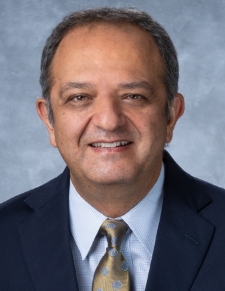 Farhad Ravandi-Kashani合作论文数Section of Developmental Therapeutics, Department of Leukemia, The University of Texas MD Anderson Cancer Center;Division of Cancer Medicine, The University of Texas MD Anderson Cancer Center6
 Paul J. Shami合作论文数Division of Hematology and Hematologic Malignancies, University of Utah;Huntsman Cancer Institute, University of Utah;Department of Molecular Pharmaceutics, University of Utah6
 Jeffrey Lancet合作论文数Department of Malignant Hematology, Moffitt Cancer Center6Timothy Schmidt合作论文数5
 Michael J. Martens合作论文数Med Coll Wisconsin5
 Reza Nejati合作论文数Department of Pathology, Fox Chase Cancer Center5
 Jadee Neff合作论文数Department of Pathology, Duke University School of Medicine5
 Yvonne A Efebera合作论文数OhioHealth5Wieduwilt Matthew J合作论文数Division of Hematology/Oncology, University of California San Francisco5Mims Alice S合作论文数Hollings Cancer Center, Medical University of South Carolina5Fallon Michael J合作论文数Department of Pharmacy, University of Wisconsin Hospital and Clinics5
 Mark R. Litzow合作论文数Division of Hematology, Department of Internal Medicine, Mayo Clinic5
 Walter E. Longo合作论文数Yale School of Medicine5
 Alexander Edward Perl合作论文数Division of Hematology and Oncology, Perelman School of Medicine, University of Pennsylvania;Institute for Translational Medicine and Therapeutics, University of Pennsylvania;Hospital of the University of Pennsylvania5
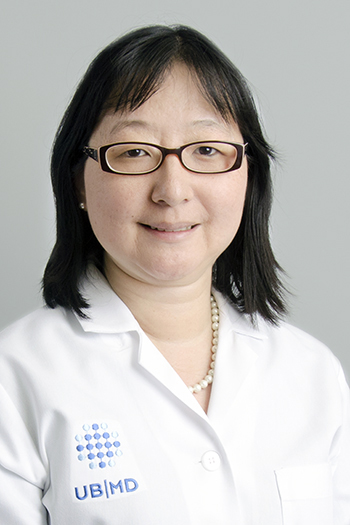 Eunice S. Wang合作论文数Department of Medicine, Jacobs School of Medicine & Biomedical Sciences, University at Buffalo;Roswell Park Comprehensive Cancer Center, Jacobs School of Medicine & Biomedical Sciences, University at Buffalo;Department of Tumor Immunology, Roswell Park Cancer Institute5Martin S. Tallman合作论文数5Melhem Solh合作论文数5Janny M. Yao合作论文数4Kristina M. Gregory合作论文数4




