Introduction: Atrial fibrillation (Afib) is a well-known and significant risk factor for acute ischemic stroke (AIS). Various factors are considered when determining if AIS patient with Afib should be discharged on anticoagulation (AC). Not all are appropriate for AC due to various potential contraindications. At a large geographically diverse Stroke Clinical Network (SCN), composed of one large academic certified comprehensive stroke center (CSC), and seven primary stroke centers (PSCs), a retrospective analysis was conducted to evaluate if there were differences in prescribing AC amongst varying demographics. Methods: The Get With the Guidelines® database was queried for stroke patients discharged from the SCN between 2023-2024 to evaluate AC prescription practices for patients with known Afib. Patients were excluded if they had a hemorrhagic stroke, died during hospitalization, discharged to hospice, left against medical advice, or did not have a documented history or new finding of Afib. Additional data elements collected included age, sex, race, mRS at discharge, NIHSS at presentation, disposition, and if discharging facility was a PSC or a CSC. Categorical variables were compared using chi-squared tests to examine relationships between demographic and medical variables and AC prescribing at discharge. Results: A total of 671 AIS patients met the inclusion criteria. Mean age was 75.1 (SD ± 12.2), 53% were male (353/671), and 64.1% were white (430/671). Of the 671, a total of 83.7% (562/671) were discharged on AC, 13.6% (91/671) were discharged without AC but with a documented contraindication, and overall only 2.7% (18/671) were discharged without AC and no documented contraindication. There was a relationship between being discharged without AC and no documented reason from the PSC compared to those discharged from the CSC (3.8% vs. 0.4%; p < 0.01). There were no other statistically significant differences in patient demographics between the two groups. Conclusions: In conclusion, this large SCN demonstrated high rates of appropriate anticoagulation prescribing, with 83.7% of stroke patients with Afib discharged on AC for secondary stroke prevention. Areas of opportunity remain for patients being discharged from the primary stroke centers. Future studies should focus on identifying barriers to appropriate AC prescribing and those patients’ candidacy for left atrial appendage closure
Corticosteroids are prescribed for refractory headache in patients with spontaneous subarachnoid hemorrhage (SAH) despite limited supporting evidence. We hypothesized that a short course of corticosteroids would reduce pain. We reviewed all patients who received corticosteroids for refractory headache following spontaneous SAH within our institutional database. Pain was measured by a numeric rating scale (NRS) every 2 h. The primary outcome was maximum daily NRS score; secondary outcomes were the mean daily NRS score and daily opioid consumption. Propensity scores were developed using potential predictors of corticosteroid use, including age, sex, pretreatment 24-h pain burden, and the number of analgesics being used to control pain. Inverse probability treatment weighting (IPTW) was used to balance baseline covariate distributions between patients receiving corticosteroids and control patients. Generalized estimating equations were used to analyze longitudinal NRS scores and oral morphine equivalents based on the weighted cohort. A total of 213 patients were included. The mean age was 55 (SD 13) years, and 141 of 213 (66
Background: Nimodipine improves outcomes following aneurysmal subarachnoid hemorrhage (aSAH) and current guidelines suggest that patients with aSAH receive nimodipine for 21 days. Patients with no difficulty swallowing will swallow the whole capsules or tablets; otherwise, nimodipine liquid must be drawn from capsules, tablets need to be crushed, or the commercially available liquid product be used to facilitate administration through an enteral feeding tube (FT). It is not clear whether these techniques are equivalent. The goal of the study was to determine if different nimodipine formulations and administration techniques were associated with the safety and effectiveness of nimodipine in aSAH.Methods: This was a retrospective multicenter observational cohort study conducted in 21 hospitals across North America. Patients admitted with aSAH and received nimodipine by FT for & GE;3 days were included. Patient demographics, disease severity, nimodipine administration, and study outcomes were collected. Safety end points included the prevalence of diarrhea and nimodipine dose reduction or discontinuation secondary to blood pressure reduction. Predictors of the study outcomes were analyzed using regression modeling.Results: A total of 727 patients were included. Administration of nimodipine liquid product was independently associated with higher prevalence of diarrhea compared to other administration techniques/formulations (Odds ratio [OR] 2.28, 95% confidence interval [CI] 1.41-3.67, p-value = 0.001, OR 2.76, 95% CI 1.37-5.55, p-value = 0.005, for old and new commercially available formulations, respectively). Bedside withdrawal of liquid from nimodipine capsules prior to administration was significantly associated with higher prevalence of nimodipine dose reduction or discontinuation secondary to hypotension (OR 2.82, 95% CI 1.57-5.06, p-value = 0.001). Tablet crushing and bedside withdrawal of liquid from capsules prior to administration were associated with increased odds of delayed cerebral ischemia (OR 6.66, 95% CI 3.48-12.74, p-value < 0.0001 and OR 3.92, 95% CI 2.05-7.52, p-value < 0.0001, respectively).Conclusions: Our findings suggest that enteral nimodipine formulations and administration techniques might not be equivalent. This could be attributed to excipient differences, inconsistency and inaccuracy in medication administration, and altered nimodipine bioavailability. Further studies are needed.
Introduction: Targeted temperature management (TTM) is frequently used for the prevention of secondary injury in subarachnoid hemorrhage, intracranial hemorrhage and ischemic stroke. Shivering is common in patients undergoing TTM and causes detrimental effects on systemic oxygen consumption, brain tissue oxygenation and intracranial pressure. After standard of care for the management of shivering, limited data on the use of dantrolene has been reported with potential efficacy, although the prevalence of adverse events is unknown. The goal of this study is to evaluate the safety and efficacy of dantrolene for refractory shivering in patients undergoing TTM. Methods: A retrospective review was completed of patients admitted to the neurocritical care unit that received continuous dantrolene for this indication. Data extracted included TTM modality, neurologic injury type with associated severity score, and bedside shivering assessment scale (BSAS) score 6 hrs before, during and 6 hrs after dantrolene. Also collected included dantrolene dose, duration, route and potential adverse effects related to dantrolene. Results: 30 patients met inclusion with 24 admitted for a neurologic injury of aneurysmal subarachnoid hemorrhage with median Hunt Hess score of 4 (IQR 3-4.25) and modified Fisher scale score of 3 (IQR 3-4). Appropriate initial dosing weight was utilized in 60% of patients and 93.3% underwent TTM using an Arctic SunTM. The median duration of dantrolene therapy was 3 days (IQR 1.25-4.75). BSAS decreased from 6 hrs prior to dantrolene with a median score of 2 (IQR 1-3) to 1 (IQR 0-2) and 0.5 (IQR 0-1) at 6 and 36 hrs post dantrolene. 43.3% of patients experienced an adverse event related to the dantrolene infusion. Infiltration and transaminitis were the most common, both accounting for 38.5% of events. Conclusions: Dantrolene use for refractory shivering exhibited a trend in decreasing BSAS signaling potential efficacy, though additional evaluation is needed to fully assess. A large portion of patients encountered an adverse event attributable to dantrolene. Based on this evidence, it is recommended that dantrolene be administered via only central venous catheter for refractory shivering and daily liver function panels should be monitored during administration to prevent infiltration and transaminitis.
Shivering is a common adverse effect of achieving and maintaining normothermia in neurocritical care patients. We compared the burden of shivering and shivering-related interventions between a novel transnasal temperature-modulating device (tnTMD) and surface cooling temperature-modulating devices (sTMDs) during the first 24 h of targeted normothermia in mechanically ventilated febrile neurocritical care patients. This is a case–control study controlling for factors that impact shiver burden: age, sex, body surface area. All patients underwent transnasal cooling (CoolStat, KeyTech, Inc.) as part of an ongoing multicenter clinical trial (NCT03360656). Patients undergoing treatment with sTMDs were selected from consecutively treated patients during the same time period. Data collected included the following: core body temperature (every 2 h), bedside shivering assessment scale (BSAS) score (every 2 h), and administration of antishivering medication for a BSAS score > 1. Time to normothermia (≤ 37.5 °C), as well as temperature burden > 37.5 °C (°C × h), were compared between groups using Student’s t-test for mean differences. The proportion of patients requiring interventions, as well as the number of interventions per patient, was compared using the χ2 test. Significance was determined based on a p value < 0.05. There were 10 tnTMD patients and 30 sTMD patients included in the analysis (mean age: 62 ± 4, 30
Introduction Evidence for optimal analgesia following subarachnoid hemorrhage (SAH) is limited. Steroid therapy for pain refractory to standard regimens is common despite lack of evidence for its efficacy. We sought to determine if steroids reduced pain or utilization of other analgesics when given for refractory headache following SAH. Methods We performed a retrospective within-subjects cohort study of SAH patients who received steroids for refractory headache. We compared daily pain scores, total daily opioid, and acetaminophen doses before, during, and after steroids. Repeated measures were analyzed with a multivariable general linear model and generalized estimating equations. Results Included 52 patients treated with dexamethasone following SAH, of whom 11 received a second course, increasing total to 63 treatment epochs. Mean pain score on the first day of therapy was 7.92 (standard error of the mean [SEM] .37) and decreased to 6.68 (SEM .36) on the second day before quickly returning to baseline levels, 7.36 (SEM .33), following completion of treatment. Total daily analgesics mirrored this trend. Mean total opioid and acetaminophen doses on days one and two and two days after treatment were 47.83mg (SEM 6.22) and 1848mg (SEM 170.66), 34.24mg (SEM 5.12) and 1809mg (SEM 150.28), and 46.38mg (SEM 11.64) and 1833mg (SEM 174.23), respectively. Response to therapy was associated with older age, decreasing acetaminophen dosing, and longer duration of steroids. Hyperglycemia and sleep disturbance/delirium effected 28.6% and 55.6% of cases, respectively. Conclusion Steroid therapy for refractory pain in SAH patients may have modest, transient effects in select patients.
ABSTRACT In this study, we hypothesized that immersive virtual reality (VR) environments may reduce pain in patients with acute traumatic injuries, including traumatic brain injuries. We performed a randomized within-subject study in patients hospitalized with acute traumatic injuries, including traumatic brain injury with moderate pain (numeric pain score ≥3 of 10). We compared 3 conditions: (1) an immersive VR environment (VR Blu), (2) a content control with the identical environment delivered through nonimmersive tablet computer (Tablet Blu), and (3) a second control composed of donning VR headgear without content to control for placebo effects and sensory deprivation (VR Blank). We enrolled 60 patients, and 48 patients completed all 3 conditions. Objective and subjective data were analyzed using linear mixed-effects models. Controlling for demographics, baseline pain, and injury severity, we found differences by conditions in relieving pain (F2,75.43 = 3.32, P = 0.042). VR Blu pain reduction was greater than Tablet Blu (-0.92 vs -0.16, P = 0.043), but VR Blu pain reduction was similar to VR Blank (-0.92 vs -1.24, P = 0.241). VR Blu was perceived as most effective by patients for pain reduction (F2,66.84 = 16.28, P < 0.001), and changes in measures of parasympathetic activity including heart rate variability (F2,55.511 = 7.87, P < 0.001) and pupillary maximum constriction velocity (F2,61.41 = 3.50, 1-tailed P = 0.038) echoed these effects. There were no effects on opioid usage. These findings outlined a potential clinical benefit for mollifying pain related to traumatic injuries.
Background Paroxysmal sympathetic hyperactivity (PSH) occurs in a subset of patients with traumatic brain injury (TBI) and is associated with worse outcomes. Sepsis is also associated with worse outcomes after TBI and shares several physiologic features with PSH, potentially creating diagnostic confusion and suboptimal management of each. This is the first study to directly investigate the interaction between PSH and infection using robust diagnostic criteria. Methods We performed a retrospective cohort study of patients with TBI admitted to a level I trauma center intensive care unit with hospital length of stay of at least 2 weeks. From January 2016 to July 2018, 77 patients diagnosed with PSH were 1:1 matched by age and Glasgow Coma Scale to 77 patients without PSH. Trauma infectious diseases subspecialists prospectively documented assessments corroborating diagnoses of infection. Extracted data including incidence, timing, classification, and anatomical source of infections were compared according to PSH diagnosis. We also evaluated daily PSH clinical feature severity scores and systemic inflammatory response syndrome (SIRS) criteria and compared values for patients with and without confirmed infection, stratified by PSH diagnosis. Results During the first 2 weeks of hospitalization, there were no differences in rates of suspected (62%) nor confirmed (48%) infection between patients with PSH and controls. Specific treatments for PSH were initiated on median hospital day 7 and for confirmed infections on median hospital day 8. SIRS criteria could identify infection only in patients who were not diagnosed with PSH. Conclusions In the presence of brain injury-induced autonomic nervous system dysregulation, the initiation and continuation of antimicrobial therapy is a challenging clinical decision, as standard physiologic markers of sepsis do not distinguish infected from noninfected patients with PSH, and these entities often present around the same time. Clinicians should be aware that PSH is a potential driver of SIRS, and familiarity with its diagnostic criteria as proposed by the PSH assessment measure is important. Management by a multidisciplinary team attentive to these issues may reduce rates of inappropriate antibiotic usage and misdiagnoses.
PURPOSE:Targeted temperature management (TTM), including normothermia and therapeutic hypothermia, is used primarily for comatose patients with return of spontaneous circulation after cardiac arrest or following neurological injury. Despite the potential benefits of TTM, risks associated with physiological alterations, including electrolyte shifts, may require intervention.SUMMARY:This review describes the normal physiological balance of electrolytes and temperature-related alterations as well as the impact of derangements on patient outcomes, providing general recommendations for repletion and monitoring of key electrolytes, including potassium, phosphate, and magnesium.CONCLUSION:Frequent monitoring and consideration of patient variables such as renal function and other risk factors for adverse effects are important areas of awareness for clinicians caring for patients undergoing TTM.
Results from previous ex-vivo continuous renal replacement therapy (CRRT) models have successfully demonstrated similar extraction coefficients (EC) identified from in-vivo clinical trials. The objectives of this study are to develop an ex-vivo in-vivo correlation (EVIVC) model to predict drug clearance for commonly used antiepileptics and to evaluate similarity in drug extraction across different CRRT modalities to extrapolate dosing recommendations. Levetiracetam, lacosamide, and phenytoin CRRT clearance was evaluated using the Prismaflex CRRT system and M150 hemodiafilters using an albumin containing normal saline (ALB-NS) vehicle with 3 different albumin concentrations (2 g/dL, 3 g/dL, and 4 g/dL) and a human plasma vehicle at 3 different effluent flow rates (1 L/hr, 2 L/hr, and 3 L/hr). Blood and effluent/dialysate concentrations were collected after circuit priming. ECs were calculated for each drug, modality, vehicle, and experimental arm combination. The calculated average EC for levetiracetam and lacosamide was approximated to the fraction unbound from plasma protein. Human plasma and ALB-NS vehicles demonstrated adequate prediction of in-vivo CRRT clearance. Geometric mean ratios indicated similarity in extraction coefficients when comparing between hemofiltration and hemodiafiltration modalities and between filtration and dialysis modalities at effluent flow rates ≤ 2L/hr. Evaluation of phenytoin provided inconsistent findings with regards to extraction coefficient similarity across different CRRT modalities. The findings indicate that an ex-vivo study can be used as a surrogate to predict in-vivo levetiracetam and lacosamide clearance in patients receiving CRRT.
PURPOSE:The purpose of this study was to gauge postgraduate year 1 (PGY1) pharmacy residency candidates' reactions to supplemental applications, as well as aspects specific to our process, including a personality test and situational judgment test (SJT).METHODS:After rank lists were submitted, applicants to our program were invited to complete an online survey. Outcomes of interest included candidates' perceptions of relevance and fairness. Whether candidates' attitudes differed based on the receipt of an interview offer was also assessed.RESULTS:Of 199 applicants to our program for the 2021-2022 training year, 48 applicants (24.1%) completed the survey, 15 of whom had received an interview offer. Most (64.6%) agreed that supplemental applications were useful, and nearly all (95.8%) indicated that they were willing to submit one for programs in which they were most interested. The process was seen as being fair, although ratings were higher among those who received interview offers. Most respondents believed that the personality test and SJT were relevant to the role of a resident, but attitudes towards the SJT were generally more favorable and less likely to vary according to whether candidates received an interview offer. Candidates believed that the personality test and SJT were not as representative of them as letters of reference or their curriculum vitae, but perceptions of academic performance varied.CONCLUSION:Applicants responded positively to our supplemental application and indicated that they would be willing to complete one for programs of interest. These findings should help assuage concerns about the use of supplemental applications, particularly when short-answer or essay formats are avoided.
Von Bulow, Jacqueline; Yeung, Siu Yan Amy; Armahizer, Michael; Chui, Sai Ho; Gibbons, Miranda; Pajoumand, Mehrnaz; Tabatabai, Ali; Anders, Megan Author Information
Background: Prompt diagnosis and intervention for ventilator-associated pneumonia (VAP) is critical but can lead to overdiagnosis and overtreatment. Objectives: We investigated healthcare provider (HCP) perceptions and challenges associated with VAP diagnosis, and we sought to identify opportunities for diagnostic stewardship. Methods: We conducted a qualitative study of 30 HCPs at a tertiary-care hospital. Participants included attending physicians, residents and fellows (trainees), advanced practice providers (APPs), and pharmacists. Interviews were composed of open-ended questions in 4 sections: (1) clinical suspicion and thresholds for respiratory culture ordering, (2) preferences for respiratory sample collection, (3) culture report interpretation, and (4) VAP diagnosis and treatment. Interviews transcripts were analyzed using Nvivo 12 software, and responses were organized into themes. Results: Overall, 10 attending physicians (75%) and 16 trainees (75%) trainees and APPs believed they were overdiagnosing VAP; this response was frequent among HCPs in practice 5-10 years (91%, n = 12). Increased identification of bacteria as a result of frequent respiratory culturing, misinterpretation of culture data, and fear of missing diagnosis were recognized as drivers of overdiagnosis and overtreatment. Although most HCPs rely on clinical and radiographic changes to initiate work-up, the fear of missing a diagnosis leads to sending cultures even in the absence of those changes. Conclusions: HCPs believe that VAP overdiagnosis and overtreatment are common due to fear of missing diagnosis, overculturing, and difficulty distinguishing colonization from infection. Although we identified opportunities for diagnostic stewardship, interventions influencing the ordering of cultures and starting antimicrobials will need to account for strongly held beliefs and ICU practices.
Purpose. This study assessed whether personality testing of postgraduate year 1 (PGY1) pharmacy residency applicants was feasible and predicted important selection outcomes, including interview offers. Methods. Applicants to the PGY1 pharmacy residency program at a large academic medical center were invited to complete a 50-item online personality test based on the 5-factor model (ie, the "Big Five"). Scores were sealed until after matching, at which point they were compared to screening, interview, and ranking and match outcomes. Endpoints of interest included the feasibility of the test (eg, time required for completion, completion rate) and whether personality predicted the odds of an interview offer. Results. The personality test was taken by 137 PGY1 applicants (69.5%) and required a median of 6.8 minutes to complete. Openness to experience was associated with decreased odds of an interview offer (adjusted odds ratio [OR], 0.86; 95% confidence interval [CI], 0.75-0.98), whereas conscientiousness and extraversion were associated with increased odds of an interview offer (conscientiousness: adjusted OR, 1.26; 95% CI, 1.02-1.d55; extraversion: OR, 1.16; 95% CI, 1.03-1.31). When combined with traditional screening criteria (eg, awards, leadership positions), openness to experience and extraversion remained predictors of an interview offer (in the directions specified above), whereas conscientiousness did not. In an exploratory analysis of interviewees, agreeableness was a negative predictor of interview score. Personality did not predict screening scores or final ranking. Conclusion. Personality testing, based on the traits desired at individual residency programs, could be a valuable addition to the methods used for selecting PGY1 pharmacy residents.
External urinary collection devices (ECDs) are increasingly used in female patients, however, their impact on bacteriuria and antimicrobial use is unclear. Comparing the periods before and after the implementation of an ECD use policy, we found an overall decrease in bacteriuria but no significant decrease in trend of monthly rates. Antimicrobial use for genitourinary indications did not change.
Aims Although the use of continuous renal replacement therapy (CRRT) has increased, limited dosing information exists on the effect of CRRT on antiepileptic drug pharmacokinetics. The objectives of this practice-based study are to evaluate the pharmacokinetics of lacosamide and recommend individualized dosing recommendations in critically ill patients receiving continuous venovenous haemofiltration (CVVH). Methods Seven patients receiving lacosamide and CVVH in a neurocritical care unit were enrolled. Pre-filter, post-filter and ultrafiltrate samples were obtained at baseline, right after the completion of the infusion, and up to six additional sampling time points post-administration. Patient-specific flow rates and clinical measures were also collected simultaneously at the time of sampling. Plasma concentrations were measured using a validated high-performance liquid chromatography with ultraviolet radiation detection (HPLC-UV) bioanalytical method. Non-compartmental analysis was utilized to characterize the pharmacokinetics of lacosamide. Results The observed mean sieving coefficient for lacosamide was 0.80 +/- 0.10, suggesting high removal of lacosamide. Concentrations measured in six out of seven patients were observed to be outside the therapeutic range (5-12 mg/L). The estimated average volume of distribution was found to be similar to healthy patients (0.58 L/kg). The mean bias and precision of the estimated total clearance was -2.53% and 14.9%, respectively. Simulations of various doses suggest that effluent flow rate-based dosing regimens could be used to individualize lacosamide therapeutics. Conclusions CVVH clearance contributed a major fraction of the total lacosamide clearance in neurocritically ill patients. Given that drug clearance increases with higher effluent flow rates, lacosamide dosing regimens should be increased to match exposures observed in patients with normal renal function.
To characterize acute pain trajectories in patients hospitalized after subarachnoid hemorrhage (SAH) and determine if they were associated with continued outpatient opioid use.
OBJECTIVES: Paroxysmal sympathetic hyperactivity occurs in a subset of critically ill traumatic brain injury patients and has been associated with worse outcomes after traumatic brain injury. The goal of this study was to identify admission risk factors for the development of paroxysmal sympathetic hyperactivity in traumatic brain injury patients. DESIGN: Retrospective case-control study of age- and Glasgow Coma Scale-matched traumatic brain injury patients. SETTING: Neurotrauma ICU at the R. Adams Cowley Shock Trauma Center of the University of Maryland Medical System, January 2016 to July 2018. PATIENTS: Critically ill adult traumatic brain injury patients who underwent inpatient monitoring for at least 14 days were included. Cases were identified based on treatment for paroxysmal sympathetic hyperactivity with institutional first-line therapies and were confirmed by retrospective tabulation of established paroxysmal sympathetic hyperactivity diagnostic and severity criteria. Cases were matched 1:1 by age and Glasgow Coma Scale to nonparoxysmal sympathetic hyperactivity traumatic brain injury controls, yielding 77 patients in each group. INTERVENTIONS: None. MEASUREMENTS AND MAIN RESULTS: Admission characteristics independently predictive of paroxysmal sympathetic hyperactivity included male sex, higher admission systolic blood pressure, and initial CT evidence of diffuse axonal injury, intraventricular hemorrhage/subarachnoid hemorrhage, complete cisternal effacement, and absence of contusion. Paroxysmal sympathetic hyperactivity cases demonstrated significantly worse neurologic outcomes upon hospital discharge despite being matched for injury severity at admission. CONCLUSIONS: Several anatomical, epidemiologic, and physiologic risk factors for clinically relevant paroxysmal sympathetic hyperactivity can be identified on ICU admission. These features help characterize paroxysmal sympathetic hyperactivity as a clinical-pathophysiologic phenotype associated with worse outcomes after traumatic brain injury.
An amendment to this paper has been published and can be accessed via a link at the top of the paper.
 Neeraj Badjatia合作论文数Department of Neurology, University of Maryland School of Medicine17
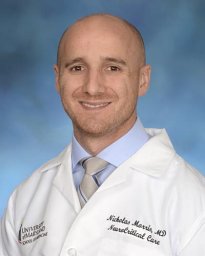 Morris Nicholas合作论文数Brigham and Women's Hospital, Massachusetts General Hospital and Harvard Medical School9
 Sandra L. Kane-Gill合作论文数Department of Critical Care Medicine, School of Medicine, University of Pittsburgh;School of Pharmacy, University of Pittsburgh;Center for Critical Care Nephrology, University of Pittsburgh9
 Gunjan Parikh合作论文数Program Trauma, Baltimore, MD 21201 USA8
 Matthew N. Jaffa合作论文数7
 Melissa Motta合作论文数7
 Pamela L Smithburger合作论文数6
 Wan-Tsu Chang合作论文数5Paul McCarthy合作论文数5
 Shamir N. Kalaria合作论文数5
 Mathangi Gopalakrishnan合作论文数Center for Translational Medicine, University of Maryland School of Pharmacy5
 J. Marc Simard合作论文数Department of Physiology, School of Medicine, University of Maryland;Baltimore Veteran's Affairs Medical Center5Seybert Amy L合作论文数5Pajoumand Mehrnaz合作论文数5
 Podell Jamie E合作论文数National Institute of Mental Health Intramural Research Program, National Institutes of Health5Adam Kardon合作论文数4Wan-Tsu W. Chang合作论文数3Madeleine C. Smith合作论文数3Arshom Foroutan合作论文数3Siu Yan Amy Yeung合作论文数Med Ctr, Univ Maryland3Hyunuk Seung合作论文数Department of Pharmacy Practice and Sciences, University of Maryland School of Pharmacy3
 Jogarao Gobburu合作论文数3
 Mojdeh Heavner合作论文数3Albert Zichichi合作论文数2Shannon Arnold合作论文数2Reid LaPlante合作论文数2
 Sarah L Clark合作论文数2
 Adrian Wong合作论文数2Mandee Noval合作论文数2
 Megan E Barra合作论文数Dept Pharm, Massachusetts Gen Hosp2lisa kurczewski合作论文数2Benjamin E Zusman合作论文数2Kent A Owusu合作论文数Yale New Haven Hlth2
 Brent N Reed合作论文数School of Pharmacy, University of Maryland2Elmer Jonathan合作论文数Department of Critical Care Medicine, University of Pittsburgh;Department of Emergency Medicine, University of Pittsburgh;Safar Center for Resuscitation Research, University of Pittsburgh;University of Pittsburgh, University of Pittsburgh2
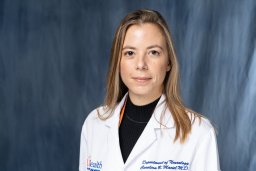 Maciel Carolina B合作论文数New York-Presbyterian Hospital, Weill Cornell Medical College2Jha Ruchira合作论文数From the Department of Neurology, Massachusetts General Hospital;Policlinico Umberto I Hospital, Sapienza University of Rome;Warren Alpert Medical School, Brown University;and Department of Neurology, Yale New Haven Hospital2Schwartzbauer Gary合作论文数2Joseph F. Dasta合作论文数2
 Gretchen Brophy合作论文数Medical College of Virginia Campus, Virginia Commonwealth University2
 Surbhi Leekha合作论文数2Sandeep Devabhakthuni合作论文数2
 Peter F. Hu合作论文数2Lujie Karen Chen合作论文数1Kimberly E Levasseur-Franklin合作论文数1Micheal Strein合作论文数1Sancharee Hom Chowdhury合作论文数1Caitlin Palmisano合作论文数1Pamela Buschur合作论文数1




