Introdução: As vantagens associadas ao uso da nanotecnologia têm proporcionado inúmeras aplicações nos mais variados campos do conhecimento. O domínio da habilidade de manipular as propriedades únicas dos nanomateriais, adequando-as aos interesses humanos, foi determinante para isso. Na agricultura, acredita-se que o uso de formulações contendo nanopartículas com atividade agroquímica (nanoagrotóxicos, nanofertilizantes etc.) seja capaz de promover o aumento da produtividade, a redução dos custos e a diminuição dos impactos à saúde dos ecossistemas. Dentre essas vantagens, enfatiza-se uma maior lucratividade proveniente da diminuição das perdas e do aumento da efetividade no combate às pragas. No entanto, a ampla utilização desta tecnologia tem sido limitada pelo desconhecimento de seus impactos à saúde dos ecossistemas decorrentes da variabilidade das formulações, das características físico-químicas das nanopartículas nos seus sítios de ação e da ausência de uma metodologia de avaliação de riscos internacionalmente harmonizada e que contemple as incertezas atualmente existentes. Conclusões: As incertezas ainda existentes necessitam ser resolvidas antes que os governos autorizem o registro e o uso de tais formulações em larga escala para evitar eventuais danos aos ecossistemas.
Recent environmental and work-related changes (and deterioration) have negatively affected the population, exacerbating conflicts and health issues. This essay reflects on how work and the environment are intrinsically connected as determinants, which can be sources of both health and illness, and discusses possible agendas and pathways for advancing sustainability and decent work. While several international and national strategies and policies acknowledge the right to a healthy environment and decent work (and the interactions between these essential factors for life), the implementation of these agendas remains a major challenge, especially in the context of the climate crisis. In addition to recognizing the inseparable relationship between work, environment, and health and promoting integrated policies and actions to achieve environmental justice and decent work, it is urgent to establish more transversal strategies grounded in the specific realities and needs of different territories, prioritize the most vulnerable populations and workers, strengthen the monitoring and control of environmental and occupational hazards and exposures, ensure spaces for participation, and provide workers and society with training for active and qualified engagement.
Environmental exposure to metallic contaminants such as barium (Ba) is a worldwide concern, as these metals can even be toxic to the human body. Data on different sources of exposure to Ba and possible routes of entry are important for preventing adverse health effects. Blood Ba levels were evaluated in 10 localities in the cities of Barcarena and Abaetetuba in the Amazon. Ba levels were quantified using induced coupled plasma mass spectrometry, and the data were stratified per epidemiological variables and lifestyle habits. The localities were divided into two groups: Group 1, localities wherein individuals had the lowest median levels (0.299–1.330 µg·L−1), and Group 2, localities wherein individuals had the highest median levels (8740–37,300 µg·L−1). Factors such as duration of residency, sex, age, smoking status, and alcohol consumption significantly contributed to the increase in exposure. The highest concentrations were associated with drinking water sources such as underground wells and local rivers, as well as the consumption of fish. This is the first study to record Ba exposure in individuals living in localities close to the industrial areas in the Amazon. These findings may facilitate the development of new health surveillance policies and the implementation of preventive measures.
This study aimed to describe the profile and calculate the years of potential life lost (YPLL) due to liver diseases in Brazilian agricultural workers from 2017 to 2022. For this, we analyzed microdata available in the Brazilian Mortality Information System considering the underlying cause of death with codes K70-K77 (International Classsification of Disease, 10th revision - ICD-10) as the outcome of interest. Workers' profile was characterized according to sociodemographic variables and Brazilian regions, forming a comparison group with all other Brazilian workers aged from 18-69 years who died in the same period and from the same underlying cause. Calculations of proportional mortality, YPLL rates, and YPLL rate ratios were applied. In the studied period, 15,362 deaths due to liver diseases occurred in Brazilian agricultural workers, with an average age at death of 51.3 years (±10.7), concentrated in K70 - alcoholic liver disease (53.8%). A higher proportional mortality occurred in men (86.2%), Mixed individuals (61.1%), up to age 49 years (40.9%), with ≤ 7 years of education level (52.4%), and residence in the Northeast (56.9%). The sum of YPLL totaled 382,869 years among agricultural workers, with YPLL rate of 4,527 years per 100,000 workers and a YPLL rate ratio 1.45 times higher than the national average. The concentration of deaths due to K70 raises concern due to the potential chronic exposure to alcoholic beverages. These results highlight the early causes of deaths from liver diseases among agricultural workers, especially those in Northeast Brazil and mixed.
Emerging evidence has been linking changes in the early-life gut microbiome and neurodevelopmental outcomes. The founder bacteria that first colonize the infant’s gut determine the microbial succession that signals host tissues and impact development including the brain. Here we investigated the association between the meconium microbiome and neurobehavior. To this end, we surveyed the 16S rRNA gene on meconium samples and assessed behavioral outcomes at six-months of age by the Denver Developmental Screening Test II (DDST-II). Among the four behavioral domains investigated, the personal-social domain was associated with significant differences in meconium bacterial beta diversity (unweighted UniFrac; R2 0.078, p = 0.021) and reduced alpha diversity (β = −2.290, 95% CI = −4.212; CI = −0.368), after adjustment for gestational antibiotics, preterm delivery, and delivery mode. Besides, this altered neurobehavior (failing to meet the milestone) was associated with overrepresented Ruminococcaceae, Christensenellaceae, and Eubacterium, Treponema, Senegalimassilia, Ruminiclostridium, Roseburia, Romboutsia, Prevotella, and Veillonella seminalis. Predicted functional genes showed reduced abundance in association with altered neurobehavior (all q < 0.15). Fine and gross motor skills presented no associations with the microbiome. This pilot study shows associations between the first gut microbiome and behavioral outcomes that deserve further studies in different neonate populations.
BACKGROUND:Workplace accidents (WAs) are acute, often preventable events that result in injuries or functional impairments, typically arising from occupation-related activities. In 2019, an estimated 395 million workers worldwide suffered non-fatal work-related injuries, with 330,000 fatalities, the majority occurring in low- and middle-income countries (LMICs) like Brazil. The true figures may be considerably higher due to underreporting, as many informal workers lack adequate social protection and may avoid reporting accidents for fear of jeopardizing their livelihood. OBJECTIVE:To assess the prevalence of WAs and their association with demographic and occupational determinants among beach workers in Salvador, Bahia, Brazil, between 2023 and 2024. METHODS:A cross-sectional epidemiological study was conducted with 579 urban beach workers in Salvador from November 2023 to March 2024. Following ethical approval and participants' consent, questionnaires were administered to gather data on sociodemographic and occupational characteristics, workplace environments and processes, workplace-related injuries and illnesses, and history and characteristics of WA. WA prevalence and prevalence ratios were calculated, and associations were analyzed using a Poisson regression model with robust variance. RESULTS:Among the workers, 59.4% were males, 25% were aged ≤29 years and 11.4% were ≥60 years. Black and brown individuals represented 92.9% of the population. The most performed activities were street vendors (43.6%) and waiters (25%). Informal employment was reported by 72.3% of workers, 70.2% worked ≥9 hours per day, and 88% had no occupational training. The overall WA prevalence observed was 40.3%, with workers ≤29 years old having a 2.59 times higher likelihood of experiencing WA compared to those ≥60 years old. The most common WAs were punctures (42.7%), cuts (28.4%) and burns (12.1%). CONCLUSIONS:The high prevalence of WA among beach workers, especially those ≤29 years old, may be associated with inadequate working conditions, including long working hours and lack of occupational training. These findings highlight the need for targeted interventions to improve working conditions and reduce WA risks.
OBJECTIVE:In 2019/2020, the Brazilian coast was affected by the largest oil spill disaster affecting the extent of the coastline recorded in tropical oceans. The impact on fishing areas and the prohibition of seafood sales and consumption exacerbated small-scale fishers' vulnerability. The small-scale fishers (SSFs) were the most active in protecting fishing territories, carrying out cleanup efforts without adequate personal protective equipment. Following the disaster, they suffered significant economic losses, compromising food security, including consuming potentially unsafe seafood. About 5000 tons of oil residues were collected, mainly by artisanal fishers. This study aimed to describe and identify levels of exposure to oil spills in the artisanal fishers, the population affected by the disaster on the Brazilian coast. METHODS:This epidemiological cross-sectional study used a questionnaire containing 325 questions, administered to 959 artisanal fishers living in areas affected by the spill. The graded response model of the Item Response Theory (IRT) was used to classify the artisanal fishers regarding their level of exposure. RESULTS:The model identified three levels of exposure: low (17.5%), medium (19.8%), and high (7.6%) in oil removal and fishing activities. CONCLUSIONS:This study demonstrated that SSFs residing in areas affected by the oil spill showed different levels of oil exposure during oil removal activities and fishing/shellfishing activities. The results highlight the need for environmental monitoring of fishing territories, prioritizing these populations in disaster preparedness training, and including social, health, and labor assistance policies during and after oil spill disasters. This study contributes to planning integrated solutions for small-scale fishing programs.
Exposure to dichlorodiphenyldichloroethylene (DDE) is suspected to be associated with an increased risk of type 2 diabetes (T2D). Other studies suggested that the fat mass and obesity-associated gene (FTO) is associated with T2D risk, regardless of adiposity. Dichlorodiphenyltrichloroethane (DDT) was used in Brazil until the mid-2000s, but no previous studies investigated the association between diabetes and body concentrations of DDE in that country. We investigated that association in a population of Rio de Janeiro, as well as how the FTO-rs9939609 genotypes might affect it. In this cross-sectional study nested in the Pro-Saude cohort, participants were randomly selected according to age, sex, and educational level at the cohort's baseline up to n = 520. Individuals who self-reported diabetes or presented glycated hemoglobin (HbA1c) ≥ 6.5% in the study's phase 4 were considered diabetic. We used logistic regression to estimate the odds ratio of diabetes according to serum levels of DDE, adjusting for age, sex, and total fat mass. We stratified the adjusted odds ratio by FTO-rs9939609 variant genotypes. Serum levels of DDE were associated with a higher chance of having diabetes (OR: 1.43; 95%CI: 1.11–1.84). Across quartiles of DDE concentrations, the dose-response relationship was statistically significant (p-trend = 0.003). The magnitude of the association was higher among individuals with the homozygous allele for the FTO-rs9939609 gene (OR: 3.33; 0.45–24.13). Exposure to DDE may increase the risk of developing diabetes in the Brazilian population, especially in individuals homozygous allele for the FTO-rs9939609 variant.
Background:The current literature on associations between organochlorine pesticides and leukocyte telomere length (LTL) is conflicted, showing positive, inverse, or no association, findings that might be related to methodological issues and population characteristics, including the baseline LTL. Alternative exploration of this relationship over the whole LTL distribution may add information to help understand the role of pesticides in telomere shortening or enlargement. Objective:We evaluated the association between environmental dichlorodiphenyldichloroethylene (DDE) exposure and percentiles of LTL in a sample of adults living in the urban area of Rio de Janeiro, Brazil. Methods:LTL, serum pesticide concentration, and the covariates were determined cross-sectionally in a sample of 471 adults from the Pró-Saúde Study, a cohort of civil servants at a university campus in Rio de Janeiro, Brazil, conducted from July 2012 to October 2013. The percentiles (5th to 95th) of LTL (outcome variable) were modeled using quantile regression (QR) models with DDE as exposure and adjusted for age, sex, educational level, total body fat mass, total serum lipids, smoking, alcohol intake, and caloric share of in natura and ultra-processed foods. Results:Mean ± standard deviation ( SD ) LTL and serum DDE were 0.578 ± 0.158 telomere to single-copy gene ratio (T/S ratio) and 0.17 ± 0.34 ng / mL , respectively. Serum DDE was not detected in 44% of the samples. QR coefficients were positive and significant in the first percentiles (up to the 15th percentile) and inverse and significant at the 95th percentile. No significant association was observed between serum DDE and mean LTL ( β = - 0.001 ; p = 0.93 ). Discussion:DDE exposure predicts some quantiles of LTL distribution, with a positive relationship in the first quantiles and inverse at the highest quantile. This study added new information to help understand the role of pesticides in telomere shortening or enlargement; however, given the few studies and the conflicting results, longitudinal investigations are needed to clarify this association. https://doi.org/10.1289/JHP1033.
Background: Brazil is the largest country in South and Latin America with an accelerated urbanization process, and the city of Rio de Janeiro is the second most populous. The PIPA Cohort Project is the first prospective study investigating the effects of urban exposure to multiple pollutants on maternal–child health in Brazil. Objective: This paper describes the relationship between maternal socio-environmental conditions and newborns’ umbilical cord blood concentrations of metals (lead, arsenic, and mercury). Methods: The study population was a convenience sample of all babies born at the UFRJ Maternity Hospital over a period of 12 months from pregnant women aged 16 or older living in Rio de Janeiro. Demographic, socio-economic, lifestyle, work, and housing variables were collected. Metals concentrations were analyzed in umbilical cord blood using the inductively coupled plasma mass spectrometry technique. Results: There were 844 (93%) eligible births, with 778 (94%) cord blood samples collected. The detection rate of Pb, Hg, and As were 99% (742), 94.5% (708), and 61% (450), respectively. The total green area percentage (PAGT) of urban residence zones was one primary socio-environmental characteristic determinant of high metal exposure (≥median). Newborns living in city zones with lower total green area percentages (PAGT) had equal to or above-median cord blood concentrations of at least one metal (p = 0.026), of lead and mercury (PbHg) at the same time (p = 0.006), or of lead (p = 0.006). The city zones with the worst indicators of greenspace availability also presented human development indexes (HDI) under the city’s mean HDI. Conclusion: The study provides evidence that the lower availability of urban green spaces in residential zones is associated with greater environmental exposure to pollutants (metals) during pregnancy and can constitute a socio-environmental vulnerability indicator.
Background: Brazil is the largest country in South and Latin America with an accelerated urbanization process, and the city of Rio de Janeiro is the second most populous in the country. The PIPA Cohort Project is a prospective study investigating the effects of urban exposure to multiple pollutants on maternal-child health in Rio de Janeiro. This paper describes the relationship between maternal socio-environmental conditions and newborns’ umbilical cord blood concentrations of metals (lead, arsenic, and mercury).Methods: The study population was a convenience sample of all babies born at the UFRJ Maternity Hospital (UFRJ MH) over a period of 12 months, from July 2021 to June 2022, from pregnant women aged 16 or older living in Rio de Janeiro. Demographic, socio-economic, lifestyle, work, and housing variables were collected. Lead, mercury, and arsenic concentrations were analysed in umbilical cord blood using the inductively coupled plasma-mass spectrometry (ICP-MS) technique.Findings: There were 844 (93%) eligible births, with 778 (94%) cord blood samples collected. Newborns living in city zones (Central and North) with lower total green area percentages (PAGT) had equal to or above-median cord blood concentrations of at least one metal (p=0·026), of lead and mercury (PbHg) at the same time (p=0·006), or of lead (p=0·006).Interpretation: The PAGT in residential zones was a primary determinant of high exposure to metal. The lack of urban green spaces can be seen as a socio-environmental vulnerability indicator, and urban planning should be considered an environmental health determinant.Funding: Funding was received from the Brazilian government: National Council for Scientific and Technological Development (grant 409275/2018-2); Science and Technology Department (grant 404168/2019-1) and Surveillance Health Secretary (grant 733663/19-002), Ministry of Health; Rio de Janeiro State Foundation to Support Research (grant E-26/010.001894/2019).Declaration of Interest: We declare no competing interestsEthical Approval: The Federal University of Rio de Janeiro (UFRJ) Maternity School Ethics Committee approved all procedures (reference number: 6.494.730). All participants signed an informed consent form before any procedure was performed.
This systematic review explored the literature pertaining to patient exposure to bisphenol A (BPA) through medical-hospital devices. The acronym PICO: Patient (Medical-hospital devices), Intervention/Exposure (Bisphenol A), Comparison (Different grades of exposure) and Outcome (Assessment of exposure levels) was used. The databases used were LILACS, IBECS, MEDLINE, Capes Journal Portal, Food Science Source, FSTA and CINAHL with Full Text from EBSCO, Embase and Scopus by Elsevier, Web of Science and SCIELO. A total of 9747 references were found. After removing duplicate records, 7129 studies remained. After applying exclusion criteria and qualitative analysis, 12 articles remained. Studies have shown associations between the use of medical-hospital devices and patients' exposure to BPA. For chronic renal patients, there was an association between plasma BPA and disease severity. This review identifies that exposure to BPA is increased after the use of medical-hospital devices. More studies that address the clinical outcome of patients exposed to medical-hospital materials containing BPA are needed.
BackgroundPyrethroids are commonly used insecticides in Brazil. Gestational and early childhood exposure to pyrethroids has been linked to adverse health effects, including neurodevelopmental delays, behavioral issues, and endocrine disruption. This study evaluated the exposure of pregnant women and their children to pyrethroid insecticides in Rio de Janeiro, Brazil.MethodsCreatinine-adjusted levels of the pyrethroid metabolites 3-phenoxy benzoic acid (3-PBA) and 4-fluoro-3-phenoxybenzyl acid (4-FPBA) were measured in the urine of 142 pregnant women and their children at birth and in the first, third, and 6th months of life.ResultsThe geometric mean (GM) and 95% confidence interval (95% CI) of 3-PBA and 4-FPBA urinary concentrations in pregnant women were 0.50 (0.37–0.67) and 0.37 (0.05–2.90) ng/mg, detected in 47.2 and 10.6%, respectively. Urinary concentrations of 3-PBA in the children were 0.18 (0.15–0.23) ng/mg at birth, 0.36 (0.08–1.56) ng/mg at 1-month-old, 0.68 (0.36–1.27) ng/mg at 3-month-old, and 1.36 (0.77–2.42) ng/mg at 6-month-old, and the detection rates were respectively 10.8, 9.4, 20.9, and 20.7%.DiscussionThis study is one of the few that has evaluated the urinary concentrations of pyrethroids in newborns and children in their 1st year of life. The results of this study show that children's exposure to pyrethroids significantly increases after birth.
Hairdresser is an occupation classified by the International Agency for Research on Cancer as probably carcinogenic (Group 2A) for lung and bladder cancer, but evidence is accumulating on its association with other cancer types. To our knowledge, this is the first study aimed to compare the cancer mortality and premature mortality between hairdressers and other workers in Brazil. METHODS:In this exploratory study, information on deaths by selected cancers that occurred in Brazil, from 1996 to 2020, among workers aged 20-70y, with identified occupation was gathered from the Brazilian Mortality Information System. Sociodemographic characteristics, sex-specific mortality ratio, and Years of Potential Life Lost (YPLL) were compared between hairdressers, service workers, and general workers. We used logistic regression models to estimate crude (ORC) and adjusted (ORADJ) odds ratios. Models were adjusted by age, educational level, and ethnicity. We also used Poisson regression models to compare the YPLL rates across the occupational groups. RESULTS:From 1996 to 2020, 23 557 deaths occurred among hairdressers, 576 428 among service workers, and 13 332 996 among general workers in Brazil. Higher mortality ORs and YPLL were observed for several types of cancer among hairdressers, compared to service and general workers, especially for women. Hairdressers' mortality was significantly higher among whites, women, younger workers, and those who completed high school. Female hairdressers had significantly higher odds of dying from cancer of the digestive, respiratory, reproductive, urinary, and hematological systems, both in crude and adjusted models. For male hairdressers, higher odds were found only for urinary tract and bladder cancer, while other significant associations indicated lower mortality than the comparison groups. YPLL analyses revealed significant premature deaths among Brazilian hairdressers. In women, this was more evident among those who died of neoplasms of salivary glands, bones and articular cartilages, and acute lymphoid leukemia; in men, tongue, pharynx, and thyroid. CONCLUSIONS:Our results suggest that Brazilian female hairdressers are more likely to die from several cancers, with potential consequences on premature deaths. Causal associations to occupational risks, such as exposure to chemicals, should be investigated by observational epidemiologic studies. Meanwhile, it is important to promote public policies, regulations, and Occupational Safety and Health (OSH) strategies to protect hairdressers' health, mitigate occupational risks, and ensure safe workplaces.
Levels of polychlorinated biphenyls (PCB) and organochlorine pesticides (OCP) were evaluated in the breast milk and maternal and umbilical cord blood of pregnant women and their newborns in Rio de Janeiro, Brazil. The concentration of 11 PCB and 17 OCP were measured in 135 samples of maternal, and 116 samples of cord blood plasma, as well as 40, 47, and 45 samples of breast milk at 1st, 3rd, and 6th months after birth, respectively, using gas chromatography-mass spectrometry (GC-MS-MS). Women were asked to answer an enrollment questionnaire with reproductive, lifestyle, residential and sociodemographic questions. The most commonly detected OCPs and PCBs in the maternal and cord blood were 4,4′-DDE; β-HCH; ɣ-HCH; and PCB 28. 4,4′-DDE was also the most commonly detected OCP in breast milk samples. Although not statistically significant, ∑DDT levels were higher among women with pregestational BMI ≥ 30, and who were non-white and older (age > 40). Newborns with an Apgar score ≤ 8 at minute 5 of life showed significantly higher levels of ∑DDT in the cord blood. Persistent OCPs and PCBs were still detected in maternal and umbilical cord blood and breast milk, even after decades of their banishment in Brazil. They may pose a risk to maternal, fetal and children’s health.
BACKGROUND AND AIM: Hairdressers are classified by the International Agency for Research on Cancer as occupation exposed to probable carcinogens to humans (Group 2A) for lung and bladder cancer, but evidence is accumulating on associations with other cancers, such as oral cavity, stomach, breast, non-Hodgkin lymphoma (NHL), and leukemia. However, evidence on health effects among Brazilian hairdressers is scarce. To better inform tailored cancer actions, we compared cancer mortality rates among hairdressers and the general population in Brazil. METHOD: Exploratory and comparative study on sex-specific mortality ratio of cancer and other causes, among hairdressers and 'other workers' (as reference group), aged from 20-70y, with identifiable occupation, and notified on the Brazilian Mortality Information System from 1996-2020. Sociodemographic characteristics and mortality ratio of different types of cancer were compared. Crude Odds Ratio (OR), and adjusted (ORADJ) for age, educational level, and ethnicity are presented with 95% confidence intervals (CI). RESULTS: From 1996-2020, 23,557 deaths by cancer (as primary cause) among hairdressers, and 13,332,996 among all other workers (excluding hairdressers) were notified in Brazil. Hairdressers' deaths were significantly higher among women, at younger ages, with white skin color, and with completed high school than other workers. Female hairdressers had significantly higher odds of dying from cancer of digestive, respiratory, reproductive, urinary and hematological system, both in crude and adjusted models. We highlight high ORADJ of dying for lung (1.58, 95% CI 1.42-1.75) and bladder cancer (1.74, 95% CI 1.20-2.52), alongside breast cancer (1.51, 95% CI 1.41-1.63) and acute myeloid leukemia (AML) (1.37, 95% CI 1.06-1.77). Odds of dying from liver, lymphoid leukemia, and acute lymphoid leukemia (ALL) lost significance after adjustments. CONCLUSIONS: Higher mortality from several types of cancer among hairdressers has been observed in the Brazilian mortality system, and causal associations, such as exposures to chemicals, should be investigated by epidemiological studies.
We examined the association between exposure to metals, metalloids, and oxidative stress biomarkers among rural community residents in Brazil. Multiple linear regression was used to evaluate associations between serum metal and metalloid concentrations and blood oxidative stress biomarkers, adjusting for sex, age, education, smoking, and alcohol use. After adjustment for covariates, glutathione peroxidase activity (GPx) was inversely and significantly associated with an increase in serum arsenic (As) levels. Positive and significant associations were seen between elevated glutathione reductase (GR) activity and serum cadmium (Cd), barium (Ba), and lead (Pb) concentrations. In addition, we observed a significant increase in malondialdehyde (MDA) levels in association with an increase in Ba levels. These findings suggest that toxic metals and metalloids such as As, Ba, Cd, and Pb alter antioxidant enzyme activities. In addition, Ba seems to promote lipid peroxidation.
Emerging evidence shows that the gut microbiota interacts with environmental pollutants, but the effect of early exposure on the neonatal microbiome remains unknown. We investigated the association between maternal exposure to environmental pollutants and changes in early-life gut microbiome development. We surveyed 16S rRNA gene on meconium and fecal samples (at 1, 3, and 6 months) from the Brazilian birth cohort, and associated with levels of metals, perfluoroalkyl chemicals (PFAS), and pesticides in maternal and umbilical cord blood. The results indicate that the magnitude of the microbiome changes associated with increasing pollutant exposure was bigger in cesarean-section (CS) born and CS-born-preterm babies, in relation to vaginally (VG) delivered infants. Breastfeeding was associated with a stronger pollutant-associated effect on the infant feces, suggesting that the exposure source could be maternal milk. Differences in microbiome effects associated with maternal or cord blood pollutant concentrations suggest that fetal exposure time - intrauterine or perinatal - may matter. Finally, despite the high developmental microbiota variability, specific microbionts were consistently affected across all pollutants, with taxa clusters found in samples from infants exposed to the highest toxicant exposure. The results evidence that perinatal exposure to environmental pollutants is associated with alterations in gut microbiome development which may have health significance.
Recent evidence suggests that pesticides may play a role in chronic kidney disease. However, little is known about associations with acute kidney failure (AKF). We investigated trends in AKF and pesticide expenditures and associations with agricultural work in two Brazilian regions with intense use of pesticides, in the south and midwest. Using death certificate data, we investigated trends in AKF mortality (1980–2014). We used joinpoint regression to calculate annual percent changes in AKF mortality rates by urban/rural status and, in rural municipalities, by tertiles of per capita pesticide expenditures. We then compared AKF mortality in farmers and population controls from 2006 to 2014 using logistic regression to estimate odds ratios and 95% confidence intervals adjusted by age, sex, region, education, and race. AKF mortality increased in both regions regardless of urban/rural status; trends were steeper from the mid-1990s to 2000s, and in rural municipalities, they were higher by tertiles of pesticide expenditures. Agricultural workers were more likely to die from AKF than from other causes, especially at younger ages, among females, and in the southern municipalities. We observed increasing AKF mortality in rural areas with greater pesticide expenditures and an association of AKF mortality with agricultural work, especially among younger workers.
 Volney de Magalhães Câmara合作论文数31
 Carmen Fróes合作论文数Instituto de Estudos de Saúde Coletiva, Universidade Federal do Rio de Janeiro28Juliana de Rezende Chrisman合作论文数25Josino Costa Moreira合作论文数22Sergio Koifman合作论文数20Josino Moreira合作论文数Oswaldo Cruz Foundation, National School of Public Health18Rosalina Jorge Koifman合作论文数13
 Patricia Boccolini合作论文数12
 Aline de Souza Espindola Santos合作论文数11
 Raphael M. Guimaraes合作论文数10
 Sérgio R Alves合作论文数Center of Studies of Workers Health and Human Ecology, National School of Public Health10Kós Maria Isabel合作论文数9Sarcinelli Paula合作论文数9
 Jaime Lima合作论文数9
 Cleber Cremonese合作论文数9Silvana do Couto Jacob合作论文数9alexandre h kubota合作论文数8Gesiele Veríssimo合作论文数7
 Ana Cristina Simoes Rosa合作论文数7Frederic J. Seidler合作论文数Department of Pharmacology and Cancer Biology, Duke University School of Medicine7
 Cristiano Siqueira Boccolini合作论文数Escola Nacional de Saúde Pública Sérgio Arouca, Fundação Oswaldo Cruz7
 Theodore Alan Slotkin合作论文数Department of Pharmacology and Cancer Biology, Duke University School of Medicine7Jefferson José Oliveira-Silva合作论文数7
 Frederico Peres合作论文数Centro de Estudos da Saúde do Trabalhador e Ecologia Humana7
 Ronir Raggio Luiz合作论文数Institute of Public Health Studies, Federal University of Rio de Janeiro7
 Christine Parks合作论文数National Institute of Environmental Health Sciences7
 Maria de Fatima Miranda合作论文数6jaime s lima合作论文数6
 Yael Abreu-Villaça合作论文数Faculdade de Ciências Médicas, Fundação Educacional Serra dos Órgãos (FESO),6
 Steven M. Markowitz合作论文数6Anamaria Testa Tambellini合作论文数6
 Alberto José De Araújo合作论文数Departamento de;Biologia Celular e Genética;Instituto de Biologia;Universidade do Estado do Rio de Janeiro;Instituto de Biologia, Universidade do Estado do Rio de Janeiro6
 Paula N Sarcinelli合作论文数6Claudio C Filgueiras合作论文数5
 Noa Krawczyk合作论文数Division of Epidemiology, Department of Population Health, Grossman School of Medicine, New York University5Mendonça Raphael合作论文数5Paula N. Sarcinelli合作论文数5Mariana Egler合作论文数5JE Aldridge合作论文数5
 Carmen Freire合作论文数4
 Nataly Damasceno de Figueiredo合作论文数4
 Roberto Medronho合作论文数4
 Gina Torres合作论文数4
 Mo Soares合作论文数4
 Paulo Rubens Guimarães Barrocas合作论文数Sanitation and Environmental Health Department, FIOCRUZ4
 Arnaldo Prata Barbosa合作论文数Departamento de Pediatria, Faculdade de Medicina;Universidade Federal do Rio de Janeiro;Faculdade de Medicina, Universidade Federal do Rio de Janeiro4
 Carla Lima合作论文数Nephrology and Dialysis Unit, Hospital São Teotónio-Viseu4
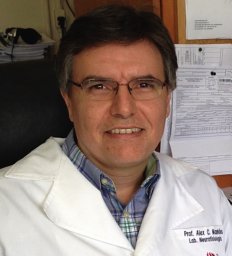 Alex C. Manhães合作论文数Departamento de Ciências Fisiológicas, Universidade do Estado do Rio de Janeiro;Instituto de Biologia Roberto Alcântara Gomes, Universidade do Estado do Rio de Janeiro4Anderson Ribeiro-Carvalho合作论文数4




