BACKGROUND AND AIM:Citrate-based anticoagulants and blood product replacement during centrifugal plasma exchange (PLEX) can cause hypocalcemia, especially in liver disease where citrate clearance is impaired. This study aimed to determine the incidence and predictors of hypocalcemia in patients undergoing low-volume PLEX (PLEX-LV) for liver failure syndromes. METHODS:Consecutive adult patients who underwent centrifugal PLEX-LV (50 % of calculated plasma volume) between 2020 and 2024 were included. Acid citrate dextrose-A was used as the anticoagulant, and all patients received 20 mL of 10 % calcium gluconate intravenously during each session. Serum corrected calcium levels were measured before and 12 h after each session. Hypocalcemia was defined as corrected calcium < 8.4 mg/dl. RESULTS:A total of 276 patients (75.4 % male; mean age 38.5 years) underwent 924 PLEX-LV sessions for acute-on-chronic liver failure (56.5 %), acute liver injury (13.8 %), acute liver failure (20.3 %), and cholestasis (9.4 %). Alcohol-related liver disease predominated in ACLF (78.2 %), while rodenticide hepatotoxicity was common in ALI/ALF (59.6 %). Post-PLEX hypocalcemia occurred in 39 patients (14.1 %) across 54 sessions (5.8 %), including 29 patients with ALI/ALF (74.4 %), of whom 27/29 had rodenticide toxicity (p < 0.001). Two patients (0.7 %) developed symptomatic hypocalcemia and recovered with calcium supplementation. On univariate analysis, young age (p = 0.01), female gender (p = 0.02), and syndrome type (ACLF v/s ALI/ALF p < 0.001) were significant. On multivariable analysis, the presence of ALI/ALF remained the only independent predictor of hypocalcemia (OR 6.85, p < 0.001). CONCLUSION:Symptomatic hypocalcemia is uncommon in liver disease patients undergoing low-volume centrifugal plasma exchange with protocol calcium supplementation. Serial calcium monitoring is advisable in these patients.
Background/Aims:Centrifugal plasma exchange (PLEX), by virtue of low blood flow rates, can be performed via peripheral venous access. This study aims to assess the utilization, safety, and efficiency of low-volume centrifugal plasma exchange via peripheral venous access (P-PLEX) in liver disease patients. Methods:This retrospective cohort study compared patients with liver disease who underwent low-volume centrifugal P-PLEX (2019-2024) with syndrome-matched patients who underwent plasma exchange via central venous access (C-PLEX). Data on PLEX procedure, venous access, and extraction efficiency for molecules of interest were noted. Results:Of 448 liver disease patients who underwent centrifugal low-volume PLEX, 81 patients (18.1%) who underwent P-PLEX (M: 60; age: 37 [29.5-46.5] years; median, interquartile range) were compared with 81 syndrome-matched patients who underwent C-PLEX (M: 62; age: 37 [29.5-46.5] years; acute-on-chronic liver failure: 44, acute liver injury/acute liver failure: 21, others: 20). Targeted P-PLEX sessions were completed in 67 of 81 (82%). P-PLEX access was mostly 18-G (n = 64/72 for inlet/return) in antecubital fossa. Thirteen of 81 (16%) P-PLEX patients required access change to C-PLEX. Procedure time was longer in P-PLEX group (105 [82.5-120] min) than in the C-PLEX group (75 [60-91.3] min, P value< 0.001) due to lower flow rates in P-PLEX. When controlled for exchange volumes and baseline values, extraction efficiency of bilirubin (P-PLEX: 34.3% [21.2-42.6], C-PLEX: 27.1% [10.3-41.7]; P value: 0.14) and von Willebrand factor antigen (P-PLEX: 36.1% [21.8-46.8], C-PLEX: 45.6% [32.8-58.3]; P value: 0.19) were similar in both groups. PLEX was performed in the ward (in high monitoring area) in majority of patients in the P-PLEX group (73 [90.1%]) and in the high-dependency unit (43 [53.1%]) in the C-PLEX group. Lower line-related complications with P-PLEX (2/81) vis-à-vis C-PLEX (9/81, P-value: 0.03) were noted. Conclusion:In this report, low-volume centrifugal PLEX to treat liver disease was performed via peripheral venous access in 18% of patients. P-PLEX was done in the ward, with similar efficiency and better line-related safety; however, the PLEX duration was prolonged by 30 min.
Autoimmune hepatitis (AIH) is an immune-mediated inflammatory disorder. It is a highly heterogeneous entity, having a wide range of presentations from asymptomatic chronic hepatitis to cirrhosis and acute liver failure. In consonance with the variabilities in presentation, there are also variations in response to treatment, depending on disease phenotype, presentation, extent of fibrosis, and the presence of comorbidities. In addition, pediatric AIH and AIH postliver transplant have their individual nuances. Addressing such areas to identify strategies for best practices is an unmet goal in this population of "difficult to treat" AIH. While established guidelines exist for AIH overall, specific guidance documents for phenotypes of difficult-to-treat AIH are lacking. The current document provides consensus-based guidance statements on definitions and criteria for determining difficult-to-treat AIH, encompassing the spectrum from acute AIH to AIH with compensated and decompensated cirrhosis, drug-induced autoimmune-like hepatitis, overlap syndromes, AIH in the presence of pregnancy, unique populations of pediatrics and postliver transplant AIH, and the impact of concomitant comorbidities.
Metabolic dysfunction-associated liver disease (MASLD) is on a rising trend globally. An approximate 10-20% of those with MASLD have a lean phenotype (lean MASLD) with prevalence higher in Asian population Thin-fat phenotype seen in Asians, increased visceral adipose tissue, insulin resistance and genetic polymorphisms are considered to contribute to this. Atherogenic dyslipidemia, diabetes mellitus, cardiovascular disease and sarcopenia may commonly co-exist in individuals with lean MASLD. Due to lack of clinical symptoms, it is often detected on routine screening. While the presence of comorbidities such as diabetes mellitus, hypertension and hypertriglyceridemia are more than lean healthy individuals, it remains lower than non-lean MASLD. However, advanced fibrosis and all cause mortality remain higher in the lean MASLD cohort highlighting they are a high-risk group. Diagnostic tests such as serum fibrosis indices as well as non-invasive imaging are commonly used, but data on its performance among lean MASLD is still emerging. Diet and lifestyle measures remain the cornerstone of treatment with agents like Vitamin E, Saroglitazar and Resmetirom showing beneficial results. Several promising agents are in the therapeutic pipeline. Additional studies investigating disease pathogenesis, performance of diagnostic tests and treatment targets in lean MASLD are needed to improve long-term management of affected individuals.
BACKGROUND:The prevalence of chronic kidney disease (CKD), defined as a glomerular filtration rate (GFR) of <60 mL/min/1.73 m2 for >3 months, is rising in the global population. OBJECTIVE:To assess the global prevalence of CKD in cirrhosis and how it impacts the prognosis of these patients. DESIGN:The Chronic Liver Disease Evolution and Registry for Events and Decompensation consortium prospectively enrolled non-electively admitted cirrhosis patients from 127 sites globally, each with up to 100 patients. Data collected were demographics, comorbid conditions, cirrhosis history, hospital course and patient outcomes. Patients were divided into those with (CKD+) and without CKD (CKD-) and compared. We also compared patients from different World Bank income strata. RESULTS:Of 7040 inpatients enrolled, the global prevalence of CKD was 18.17%, with the highest prevalence observed in high-income countries (HICs), which paralleled their higher prevalence of metabolic syndrome. CKD+ patients had lower median enrolment GFR (32 (21, 44) mL/min/1.73 m2) when compared with CKD- patients (88 (63, 117) mL/min/1.73 m2, p<0.0001), associated with a more complex history of cirrhosis complications, with ascites occurring in 76.5% of CKD+ versus 61.1% of patients with CKD- (p<0.0001). The most common in-hospital complication was the development of AKI (59.4%) in CKD+ versus 27% in CKD- patients (p<0.0001). CKD was associated with higher in-hospital and 30-day postdischarge mortality (both p<0.0001). CONCLUSIONS:The presence of CKD negatively impacts the prognosis of admitted patients with cirrhosis in a global cohort. Meticulous management of ascites and lifestyle changes, especially in HICs, may improve the outcome of these patients.
Acute-on-chronic liver failure (ACLF) is a severe syndrome in patients with chronic liver disease, marked by rapid multi-organ failure and high short-term mortality. Managing ACLF requires intensive care, but standardized global guidelines were previously lacking. The APASL ACLF Research Consortium (AARC) developed this position paper to establish a unified, evidence-based consensus for its critical care management. A global collaboration of 109 experts employed a systematic methodology to address key aspects of ACLF care. Sections were drafted by specialist teams, with recommendations developed using the GRADE system. Draft statements underwent iterative review and refinement, followed by an expert panel consensus process consisting of open show-of-hands voting during the APASL Annual Conference in March 2025 in Beijing and a subsequent anonymous online voting round. The consensus delivers 104 position statements. Key recommendations include using prognostic scores (AARC, CLIF-C ACLF, GIC) for ICU transfer and treatment decisions, and aggressively managing precipitating factors or complications like infections. It details organ-specific support for liver, kidney, and brain failure, advocating for early, targeted antibiotics and careful fluid management. The role of bridging therapies (plasma exchange, artificial liver systems) and nutritional support is emphasized. For transplantation, the guidelines provide criteria for patient selection and timing, particularly for alcohol-related ACLF. The APASL ACLF Beijing Position Paper provides a comprehensive, standardized framework for managing critically sick ACLF patients. Integrating multidisciplinary expertise and current evidence, these guidelines aim to optimize care, inform clinical decisions, and improve survival for this high-risk population. As a few recommendations are supported predominantly by data from different continents, they should therefore be interpreted in local contexts.
BACKGROUND:Transjugular intrahepatic portosystemic shunt (TIPS) is an important therapeutic option for Budd-Chiari syndrome (BCS), but long-term data are limited. AIM:Evaluate response rates, long-term outcomes, complications, and predictors of mortality, new decompensation, hepatic encephalopathy (HE), and restenosis after TIPS. METHODS:Retrospective analysis of symptomatic BCS patients who underwent TIPS at three centers in India (2010-2025) from a prospectively maintained database. We evaluated response rates, new decompensations (HE, variceal bleed, ascites), restenosis and survival outcomes and their predictors. RESULTS:Among 318 patients (mean age 29.4 ± 9.8 years, 50.6 % males, median follow-up 4.4 years), 244 (76.7 %) had a clinical response to TIPS; non-response (23.3 %) was mainly persistent ascites (two re-bleeds). Of 282 with ascites at presentation, complete/partial resolution at 3-months was 75.2 %/17.0 %. New decompensation developed in 32.7 %, HE in 14.8 %, and restenosis in 33.6 %. Transplant-free survival at 1, 5, and 10 years were 95.5 %, 87.4 %, and 78.4 %, respectively. Predictors of mortality included non-response to TIPS, bilirubin, albumin, and HE at 3 months. Age, non-response to TIPS, creatinine, and albumin predicted new decompensation. Post-TIPS complications occurred in 8.2 %. CONCLUSION:TIPS is a safe, effective intervention for symptomatic BCS, leading to high response rates and long-term survival. Non-response to TIPS and liver function identifies high-risk patients who should be evaluated for transplantation.
Background & Aims: Current knowledge of the natural history of patients with porto-sinusoidal vascular disorder (PSVD) is derived from small studies. The aim of the present study was to determine the natural history of PSVD and prognostic factors in a large multicenter cohort of patients. Methods: We performed a retrospective study on patients with PSVD and signs of portal hypertension (PH) prospectively registered in 27 centers. Results: A total of 587 patients were included, median age of 47 years and 38% were women. Four-hundred and one patients had an associated condition, which was graded as severe in 157. Median follow-up was 68 months. At diagnosis, 64% of patients were asymptomatic while 36% had a PH-related complication: PH-related bleeding in 112 patients, ascites in 117, and hepatic encephalopathy in 11. In those not presenting with bleeding, the incidence of first bleeding was 15% at 5 years, with a 5-year rebleeding rate of 18%. The 5-year cumulative incidence of new or worsening ascites was 18% and of developing portal vein thrombosis was 16%. Fifty (8.5%) patients received a liver transplantation and 109 (19%) died, including 55 non-liver-related deaths. Transplant-free survival was 97% and 83% at 1 and 5 years, respectively. Variables independently associated with transplant-free survival were age, ascites, serum bilirubin, albumin and creatinine levels at diagnosis and severe associated conditions. This allowed for the creation of a nomogram that accurately predicted prognosis. Conclusions: The prognosis of PSVD is strongly determined by the severity of the associated underlying conditions and parameters of liver and renal function. (c) 2024 European Association for the Study of the Liver. Published by Elsevier B.V. All rights are reserved, including those for text and data mining, AI training, and similar technologies.
 C E Eapen合作论文数Department of Hepatology, Christian Medical College Vellore95
 U Zachariah合作论文数Christian Medical College Vellore69
 Shiv Kumar Sarin合作论文数Department of Hepatology, Institute of Liver and Biliary Sciences;Jawaharlal Nehru Center for Advanced Scientific Research46
 Ashok Kumar Choudhury合作论文数Institute of Liver & Biliary Sciences42
 Anil Arora合作论文数34
 Ajay Duseja合作论文数Department of Hepatology, Postgraduate Institute of Medical Education and Research32
 Radha Krishan Dhiman合作论文数Department of Hepatology, Postgraduate Institute of Medical Education and Research, Chandigarh32
 Dinesh Jothimani合作论文数31
 Akash Shukla合作论文数30
 Devarbhavi Harshad合作论文数30
 Sombat Treeprasertsuk合作论文数Department of Medicine, Faculty of Medicine, Chulalongkorn University30
 Ashish Kumar合作论文数Institute of LiverGastroenterology, and Pancreatico-Biliary Sciences, Sir Ganga Ram Hospital29Dolly Daniel合作论文数29
 Vijay Alexander合作论文数Christian Medical College28
 Anand Kulkarni合作论文数28Ajit Sood合作论文数27
 Zhongping Duan (段钟平)合作论文数Beijing Youan Hospital, Capital Medical University26Anoop Saraya合作论文数26Laurentius A. Lesmana合作论文数24
 Guan Huei Lee合作论文数Yong Loo Lin School of Medicine, National University of Singapore24
 Qin Ning (宁琴)合作论文数Tongji Hospital, Tongji Medical College of Huazhong University of Science & Technology24
 Jinhua Hu (胡瑾华)合作论文数. Intensive Care Center, Chinese PLA 302 Hospital, Beijing , China24
 Sunil Taneja合作论文数Madhuraj Nursing Home24
 Saeed Sadiq Hamid合作论文数Section of Gastroenterology, Department of Medicine, Aga Khan University23Dong Joon Kim合作论文数21Diana A. Payawal合作论文数Cardinal Santos Med Ctr21
 Omesh Goyal合作论文数Dayanand Medical College and Hospital21
 Vandana Midha合作论文数Dayanand Medical College & Hospital, Ludhiana21Zaigham Abbas合作论文数20
 Kessarin Thanapirom合作论文数20
 Mithun Sharma合作论文数Nemcare Hospital20
 Jose D. Sollano, Jr.合作论文数Faculty of Medicine and Surgery, University of Santo Tomas20Kunissery A. Balasubramanian合作论文数20Akash Roy合作论文数19
 Soek Siam Tan合作论文数19
 Jacob George合作论文数Faculty of Medicine and Health, The University of Sydney19
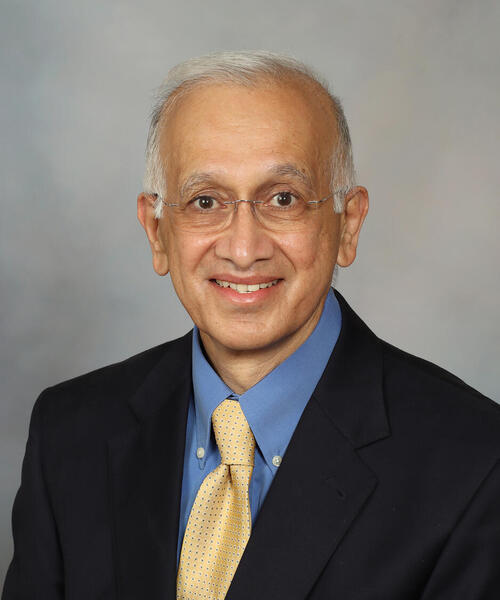 Patrick S. Kamath合作论文数Division of Gastroenterology and Hepatology, Department of Internal Medicine, Mayo Clinic19
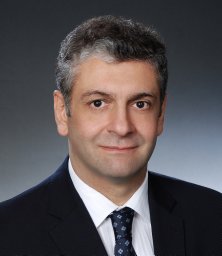 Ramazan Idilman合作论文数Department of Gastroenterology, Ankara University Medical School19Samir Shah合作论文数18Hasmik Ghazinyan合作论文数18Sukesh C Nair合作论文数18
 Mamun Mahtab合作论文数Interventional Hepatology Division, Bangabandhu Sheikh Mujib Medical University;Department of Hepatology, Bangabandhu Sheikh Mujib Medical University18
 Shahinul Alam合作论文数18
 A. Kadir Dokmeci合作论文数18Shrestha Ananta合作论文数18George K.K. Lau合作论文数18Brian Bush合作论文数17
 Manoj KUMAR Sahu合作论文数17
 Santhosh E. Kumar合作论文数Departments of Hepatology, Christian Medical College17




