Objective: To identify constructs that are critical in shaping Veterans' experiences with Veterans Health Administration (VA) women's healthcare, including any which have been underexplored or are not included in current VA surveys of patient experience. Data Sources and Study Setting: From June 2022 to January 2023, we conducted 28 semi-structured interviews with a diverse, national sample of Veterans who use VA women's healthcare. Study Design: Using VA data, we divided Veteran VA-users identified as female into four groups stratified by age (dichotomized at age 45) and race/ethnicity (non-Hispanic White vs. all other). We enrolled Veterans continuously from each recruitment strata until thematic saturation was reached. Data Collection/Extraction Methods: For this qualitative study, we asked Veterans about past VA healthcare experiences. Interview questions were guided by a priori domains identified from review of the literature, including trust, safety, respect, privacy, communication and discrimination. Analysis occurred concurrently with interviews, using inductive and deductive content analysis. Principal Findings: We identified five themes influencing Veterans' experiences of VA women's healthcare: feeling valued and supported, bodily autonomy, discrimination, past military experiences and trauma, and accessible care. Each emergent theme was associated with multiple of the a priori domains we asked about in the interview guide. Conclusions: Our findings underscore the need for a measure of patient experience tailored to VA women's healthcare. Existing patient experience measures used within VA fail to address several aspects of experience highlighted by our study, including bodily autonomy, the influence of past military experiences and trauma on healthcare, and discrimination. Understanding distinct factors that influence women and gender-diverse Veterans' experiences with VA care is critical to advance efforts by VA to measure and improve the quality and equity of care for all Veterans.
AimThe purpose of this manuscript is to report the findings of a qualitative content analysis of interviews with VA Nurse Scientists about work life experiences, barriers, and facilitators across the enterprise.BackgroundThe VA enterprise is widely variable in terms of size, services, research activity, and budget. For this reason, the roles of nurses with a research-focused doctorate are also quite diverse.MethodsWe purposively sampled 18 PhD prepared Nurse Scientists based on a variety geographic locations, titles, and years in the field and who conduct research. We conducted semi-structured interviews over the virtual platform, WebEx. Interviews, averaging 1 h in length, were conducted between April and May 2021. We analyzed interviews using deductive and inductive content analysis.ResultsWe found five key factors affecting VA Nurse Scientists. Each factor emerged as an important issue influencing whether Nurse Scientists reported being successful, supported, and productive in their research. These include having: 1) mentorship, 2) supportive leadership 3) available resources, 4) respect and understanding from clinical and research colleagues who understand a Nurse Scientist's role in research, and 5) a career pathway.ConclusionsVA Nurse Scientists are leaders and innovators who generate evidence to improve health outcomes and promote equity in health and health care of Veterans, their families, and caregivers. Results from this project suggest that many Nurse Scientists need additional mentorship, resources, and networks to advance their development, increase their funding success, and maximize the impact of their role, ultimately enhancing care of Veterans and their families.
Background Colorectal cancer (CRC) prevention is a Veterans Affairs (VA) priority. Colonoscopy quality, especially adenoma detection rate (ADR), is critical for effective screening. Our research indicates considerable variation in ADR among VA providers. Even a slight increase in ADR can reduce fatal CRC rates, and audit and feedback strategies have improved ADR in other settings. A recent report identified deficiencies in VA colonoscopy quality, highlighting the need for standardized documentation and reporting. To address this, we developed the VA Endoscopy Quality Improvement Program (VA-EQuIP), which aims to improve colonoscopy quality through benchmarking and collaborative learning, aligning with VA's modernization priorities and HSR&D and QUERI goals of accelerating evidence-based implementation. Methods We will conduct a stepped wedge cluster randomized trial to evaluate whether VA-EQuIP improves provider ADR compared to usual care, the implementation of VA-EQuIP, site-level factors associated with colonoscopy quality improvement, and components of provider behavior change. Using mixed methods our study will measure outcomes like reach, implementation, adoption, maintenance of VA-EQuIP, and provider behavior change. The analysis will include primary and secondary outcomes, such as overall and screening ADR, cecal intubation rate, and bowel preparation quality, using mixed effects generalized linear models and interrupted time-series analyses. Adoption and implementation will be evaluated through usage statistics, surveys, and qualitative interviews to identify factors influencing success. Discussion This study will assess the impact of VA-EQuIP on colonoscopy quality metrics and factors associated with effective implementation. VA-EQuIP infrastructure allows for national-scale implementation and evaluation of quality reporting with minimal manual labor, guiding future quality improvement efforts to ensure optimal patient care.
Introduction: Women Veterans are diverse in terms of racial, ethnic, and gender identities and sexual orientation and may experience a variety of forms of discrimination and stigma in health care settings. Our objective was to understand discrimination experienced by women Veterans in the context of Veterans Health Administration (VA) care.Methods: We analyzed data from a series of semistructured telephone interviews with Veterans identified as females in the VA medical record who received VA health care in the past 12 months, purposively sampled by race/ethnicity and age (N = 28). The interview guide elicited experiences with VA health care, including discrimination. Interviews were audio-recorded, transcribed, and analyzed using inductive and deductive content analysis.Results: We identified themes regarding structural discrimination, interpersonal discrimination, and strategies employed in response to discrimination. Veterans described structural discrimination, including challenges with spaces not designed to accommodate disabilities or safety needs and care not sensitive to their gender, trauma histories, or sexual orientation. Interpersonal discrimination included harassment from other Veterans and biased treatment from VA providers and staff based on gender, appearance, and sexual orientation. Gender-based discrimination compounded across additional axes of marginalization including body size and stigma regarding mental illness. Experiences of discrimination undermined Veterans' sense of belonging and trust in VA and created barriers to accessing care. Veterans engaged in various strategies to protect themselves from discrimination and get needed care.Discussion: Quality improvement efforts that address the experience of women Veterans using VA health care must consider multiple forms and sources of discrimination and the intersection of gender-based discrimination with other forms of marginalization.
Introduction:The United States Veterans Health Administration (VHA) Office of Rural Health funds Enterprise-Wide Initiatives (system-wide initiatives) to spread promising practices to rural Veterans. The Office requires that evaluations of Enterprise-Wide Initiatives use the Reach, Effectiveness, Adoption, Implementation, and Maintenance (RE-AIM) framework. This presents a unique opportunity to understand the experience of using RE-AIM across a series of evaluations. The authors conducted a study to document the benefits and pitfalls of using RE-AIM, capture the variety of ways that the team captured the elements of RE-AIM, and develop recommendations for the future use of RE-AIM in evaluation.Materials and methods:The authors first conducted a document review to capture pre-existing information about how RE-AIM was used. They subsequently facilitated two focus groups to gather more detailed information from team members who had used RE-AIM. Finally, they used member-checking throughout the writing process to ensure accurate data representation and interpretation and to gather additional feedback.Results:Four themes emerged from the document review, focus groups, and member checking. RE-AIM: provides parameters and controls the evaluation scope, "buckets" are logical, plays well with other frameworks, and can foster collaboration or silo within a team. Challenges and attributes for each RE-AIM dimension were also described.Discussion:Overall, participants reported both strengths and challenges to using RE-AIM as an evaluation framework. The overarching theme around the challenges with RE-AIM dimensions was the importance of context. Many of these benefits and challenges of using RE-AIM may not be unique to RE-AIM and would likely occur when using any prescribed framework. The participants reported on the RE-AIM domains in a variety of ways in their evaluation reports and were not always able capture data as originally planned. Recommendations included: start with an evaluation framework (or frameworks) and revisit it throughout the evaluation, consider applying RE-AIM PRISM (Practical Robust Implementation Framework) to gain a broader perspective, and intentionally integrate quantitative and qualitative team members, regardless of the framework used.
Virtual Integrated Multi-Site Patient Aligned Care Team (V-IMPACT) was a Veterans Health Administration (VHA) initiative created to increase access to primary care for Veterans through Clinical Video Telehealth (CVT) appointments. Between January and August 2019, we conducted 48 semi-structured qualitative interviews with Veterans who had a V-IMPACT appointment. Many participants shared feelings of skepticism before their first appointments but for some, their opinions changed. Veterans talked about how their opinion of video care changed for the better when it made care more convenient or timelier or met their health care needs. For some Veterans, their opinion about video care stayed the same or worsened because they had a poor relationship or rapport with their provider, did not feel like they received needed care, or did not feel like video care was useful. These findings offer an opportunity for telecare providers to better understand and support patients and to deliver effective care in the context of rapidly growing telehealth modalities.
Rationale: Sleep disorders are highly prevalent, and the volume of referrals sent to sleep specialists frequently exceeds their capacity. To manage this demand, we will need to consider sustainable strategies to expand the reach of our sleep medicine workforce. The Referral Coordination Initiative (RCI) takes a team-based approach to streamlining care for new specialty care referrals by 1) incorporating registered nurses into initial decision-making, 2) integrating administrative staff for coordination, and 3) sharing resources across facilities. Although prior work shows that the RCI can improve access to sleep care, we have a limited understanding around staff experiences and perspectives with this approach. Objectives: To assess staff experiences with a team-based approach to sleep medicine referrals. Methods: From June 2019 to September 2020, we conducted semistructured interviews with staff members who interacted with the RCI in sleep medicine. We recruited a variety of staff, including RCI team members (nurses and medical support assistants), sleep specialists, and referring providers. Two analysts used content analysis to identify themes. Results: We conducted 48 interviews among 35 unique staff members and identified six themes: 1) efficiency, in which staff described the impacts of the RCI program regarding efficient use of staff time and resources; 2) patient access and experience, in which staff noted improvements to patients' ability to receive care; 3) staff well-being and satisfaction, in which specialists and RCI staff described how the RCI mitigated the adverse impact of triage volume on staff well-being; 4) sharing specialty knowledge, in which nurses and specialists discussed the challenges of sharing specialty knowledge and training nurses to triage; 5) nurse autonomy, in which staff discussed nurses' ability to make triage decisions in the RCI system and highlighted the crucial role that decision support tools play in supporting that autonomy; and 6) coordination and communication, in which staff noted the importance, challenges, and facilitators of coordination and communication across facilities and at the interface of primary and specialty care. Conclusions: Staff endorsed positive and negative experiences around the RCI system, identifying opportunities to further streamline the referral process in support of access, patient experience, and staff well-being.
Tonya Kaltenbach: YES financial relationship with a commercial interest;Medtronic:Consulting;Surgical Intuitive:Consulting;Olympus:Grant/Research Support | Jason Dominitz: NO financial relationship with a commercial interest | Samir Gupta: YES financial relationship with a commercial interest;Freenome:Grant/Research Support;Guardant:Consulting;CellMaxLife:Consulting | Yiwen Yao: NO financial relationship with a commercial interest | Grace McKee: NO financial relationship with a commercial interest | Travis Bailey: NO financial relationship with a commercial interest | Christian Helfrich: NO financial relationship with a commercial interest | Ashley Mog: NO financial relationship with a commercial interest | Morgan Millar: NO financial relationship with a commercial interest | Angela Presson: NO financial relationship with a commercial interest | Olga Patterson: NO financial relationship with a commercial interest | Mary Whooley: NO financial relationship with a commercial interest | Andrew Gawron: NO financial relationship with a commercial interest
Current debates about bathrooms and bathroom policy contribute to a long history of how space shapes norms and expectations about privacy and gender equity in the workplace. The military serves as a significant site of discussion, particularly as the Department of Defense moves forward with efforts to integrate women into combat positions. Relying on an analysis of 27 focus groups with a total of 198 participants we collected from Special Operations in the U.S. Army, we examine bathrooms as a site where male soldiers contest and resist female integration. Using Sasson-Levy and Katz’s concept of institutional de-gendering and re-gendering, we argue that men’s resistance to gender-neutral toilets is an effort to re-gender Special Forces and maintain the hegemonic masculine culture that acutely defines it.
The field of sleep medicine has been an avid adopter of telehealth, particularly during the COVID-19 pandemic. The goal of this study was to assess patients’ experiences receiving sleep care by telehealth. From June 2019 to May 2020, the authors recruited a sample of patients for semi-structured interviews, including patients who had 1 of 3 types of telehealth encounters in sleep medicine: in-clinic video, home-based video, and telephone. Two analysts coded transcripts using content analysis and identified themes that cut across patients and categories. The authors conducted interviews with 35 patients and identified 5 themes. (1) Improved access to care: Patients appreciated telehealth as providing access to sleep care in a timely and convenient manner. (2) Security and privacy: Patients described how home-based telehealth afforded them greater feelings of safety and security due to avoidance of anxiety-provoking triggers (eg, crowds). Patients also noted a potential loss of privacy with telehealth. (3) Personalization of care: Patients described experiences with telehealth care that either improved or hindered their ability to communicate their needs. (4) Patient empowerment: Patients described how telehealth empowered them to manage their sleep disorders. (5) Unmet needs: Patients recognized specific areas where telehealth did not meet their needs, including the need for tangible services (eg, mask fitting). Patients expressed both positive and negative experiences, highlighting areas where telehealth can be further adapted. As telehealth in sleep medicine continues to evolve, the authors encourage providers to consider these aspects of the patient experience. Donovan LM, Mog AC, Blanchard KN, et al. Patient experiences with telehealth in sleep medicine: a qualitative evaluation. J Clin Sleep Med. 2021;17(8):1645–1651.
In this introduction we explore the genealogies and methodologies of feminist disability studies (FDS). A feminist methodology is politically situated with a focus on the material conditions and social and cultural structures that marginalized people bear, experience, and resist. Methods, and the theories that underpin and create those methodological tools, can open or foreclose possibilities for praxis. Considering theory and method as mutually informative intellectual projects, we ask, how can our methods influence political investments that open up visionary possibilities and plans? How can we take a coalitional approach to disability politics as a method that is informed by collaboration, rather than appropriation? How can we put both our theories and methods to work in service of a justice-oriented praxis? Furthermore, we take a feminist disability studies lens to the concept of academic rigor. With the academy’s delegitimation of the production of marginalized knowledge by marginalized people, and the ensuing defenses and institutionalization of these knowledges as indeed rigorous, a feminist disability studies method proposes that we no longer defend the rigorousness of marginalized scholarship, but rather discard rigor as a benchmark for valid and valuable research.
Reviewed by: The Value of Homelessness: Managing Surplus Life in the United States by Craig Willse Ashley Mog THE VALUE OF HOMELESSNESS: Managing Surplus Life in the United States. By Craig Willse. Minneapolis: University of Minnesota Press. 2015. In The Value of Homelessness, Craig Willse brings together interviews with people who work in homeless services organizations in urban centers alongside careful historical tracing and his own experiences in homelessness activism. Through this study, he critically implores researchers in the social sciences to ask different questions about homelessness. Rather than using individuals as endemic of the problem of the unsheltered, he challenges us throughout this book to denaturalize the construction of the housing system and the racial capitalism that undergirds our current neoliberal milieu. He moves through a historicization of homelessness from 1930s New Deal programs to the current moment and argues that there are specific apparatuses that "produce and distribute housing insecurity and deprivation" (22): social science; social service programs; public policy at local, state, and federal levels, and federal governmental arms that are concerned with homelessness, such as the Department of Housing and Urban Development (HUD). Social services and social sciences shape the conversations about and resources allocated for the phenomenon of homelessness—both have been actively involved in creating the definitions that led to current governance around unsheltered populations. This governance directs what he calls "surplus life" through a proliferation of required expertise and economic imperatives. Surplus life is partially managed through a portion of the nonprofit industrial complex specifically focused on homeless services. Willse argues that these organizations work by gaining "financial backing through [a] promise to reduce the negative impact of those neoliberal surplus lives on social and economic order" (49-50). HUD additionally manages surplus life through "the databasing of homelessness" that requires programs to meet very specific requirements to receive funding (109), which then actually prevents the kinds of assistance that would alleviate the conditions of poverty that lead to homelessness. What masquerades as "helping" and "good" for unsheltered people is largely funded by organizations and governments that want the administration and obscurity of the social inequality created as a byproduct of reaping the benefits of racial capitalism. Through his careful critiques of the ways sociology has specifically theorized and methodologically conceptualized "homelessness," he asks anyone invested in social science to question the "limits of doing good" (177) through research. For example, he talks about the ways that Institutional Review Boards consider "ethical" research—as researchers we are asked to take special consideration of vulnerable populations. Doing this, while undoubtedly important, also has a universalizing effect on principles of protection: people in positions of power have a disproportionate access to shape their own narratives because "mechanisms developed to measure the ethics of research are embedded in the very institutional and governmental complexes we are trying to study" (178). How does one conduct research within an institution when that research's potential is to question the production of inequality by that very institution? Ultimately, he asks academics to think through our complicity in systems that lead to governing marginalized and vulnerable [End Page 89] populations. Questioning the "accepted configurations" (55) that we have of housing and homelessness crises, will enable us to move beyond accepting homelessness and housing insecurity as given, for example. As Willse argues, this could "undermine" rather than "underwrite" (182) the knowledge production that sustains surplus life. Ashley Mog Independent Scholar Copyright © 2019 Mid-America American Studies Association
In this article we discuss how an oral history project emerged through our involvement in a collaborative, creative project at the University of Kansas called Four Rehearsals and a Performance (FRAP). FRAP utilized improvisation in dance and music, bringing together community members across ability to explore how knowledge and community are created. Our analysis explores themes of embodiment, community, and how participants experienced the space of FRAP. We first describe how FRAP became a project, and then we discuss how our oral history project emerged as part of FRAP. After providing specific examples of themes and experiences shared by our interviewees, we reflect on the successes and failures of creating a fully accessible performance space. We consider this oral history a "queer oral history" following Horacio Roque Ramirez and Nan Alamilla Boyd's introduction in Bodies of Evidence, as it is a project with an "overtly political function and a liberating quality." Both FRAP and our oral history project explored the politics of which bodies are valued and which bodies are seen as capable of creative production.
coverage between the volumes, particularly regarding Wounded Knee and Little Bighorn, but also in the descriptions of such leaders as Crazy Horse and Red Cloud and of various agents and military men. Ricker gathered first-person accounts from individuals who had widely differing opinions on certain events and how they unfolded, but the collection size and multiple perspectives give scholars the diversity of viewpoints necessary for a good dissection of the topics under discussion. As with present-day oral history collections, the overall importance of this publication may be in part less about the individual accounts and more about the holistic view it provides as a body of the whole. Documenting all of these voices in the first place was Ricker’s triumph, and the assemblage of these voices in one place, in an easily accessible form, is Jensen’s.
Abortion and reproductive rights have been high on the policy agenda recently, with Nadine Dorries’ attempt to reform abortion laws and counselling services. Ashley Mog reviews a book charting the life of an early abortion rights campaigner.
This paper draws together two fields of study and activism: disability studies and transgender studies. I analyze disability and transgender identifications and communities through a comparative and intersectional lens. From conceptual terminology, to societal oppression, to discrimination within medical interactions, disability studies and transgender studies share common themes that this article evaluates to facilitate a broader understanding of their complementary and innovative potential for social change.
DISCUSSION: These results suggest that what primarily distinguishes highand low-performing sites is not a difference in barriers but rather in the GI clinical care process. Developing and disseminating patient education materials about the importance of diagnostic colonoscopy, eliminating in-person precolonoscopy visits when clinically appropriate, and involving GI in missed colonoscopy appointments and outside referrals should all be considered to increase follow-up colonoscopy rates. Our study illustrates the challenges of performing a timely colonoscopy after a positive FIT result and provides insights on improving the clinical care process for patients who are at substantially increased risk for colorectal cancer.
 Jason A. Dominitz合作论文数Department of Veterans Affairs/Gastroenterology Section, VA Puget Sound Health Care System/Division of Gastroenterology, University of Washington School of Medicine/Seattle Epidemiologic Research and Information Center, VA Puget Sound Health Care System/Health Services Research and Development, VA Puget Sound Health Care System/Division of Clinical Research, Fred Hutchinson Cancer Research Center Seattle4
 George Sayre合作论文数4
 Samir Gupta合作论文数Department of Medicine, Division of Gastroenterology, University of California San Diego3
 Mary Whooley合作论文数School of Medicine, University of California, San Francisco;Center for Healthcare Improvement and Medical Effectiveness, University of California, San Francisco3
 Angela Presson合作论文数Division of Epidemiology, Department of Internal Medicine, School of Medicine, University of Utah;Department of Pediatrics, School of Medicine, University of Utah3
 Lucas M Donovan合作论文数Case Western Reserve University School of Medicine3
 P. Adam Kelly合作论文数2Grace McKee合作论文数2Lynette Kelley合作论文数2Adnan S Syed合作论文数2Tiffany Nguyen-Vu合作论文数2
 Rachael Kenney合作论文数2Kate H. Magid合作论文数2Kelly Blanchard合作论文数2Samantha K Benson合作论文数2Laura J Spece合作论文数2
 Patterson Olga合作论文数Department of Biomedical Informatics, University of Utah2
 Jodie G. Katon合作论文数2Callegari Lisa S合作论文数Department of Obstetrics &Gynecology, University of Washington;Health Services Research and Development (HSR&D), Department of Veterans Affairs, VA Puget Sound Health Care System;Department of Obstetrics & Gynecology, University of Washington2
 Kristen E. Gray合作论文数2Palen Brian N合作论文数2
 Millar Morgan M合作论文数Sociology Program, Westminster College2
 Travis Bailey合作论文数2
 David H. Au合作论文数Division of Pulmonary, Critical Care and Sleep Medicine, Department of Medicine, University of Washington;Center of Innovation for Veteran-Centered and Value-Driven Care, University of Washington;Center for Care and Payment Innovation, United States Department of Veterans Affairs2Susan R Kirsh合作论文数2
 Susan L. Zickmund合作论文数School of Medicine, University of Pittsburgh2Sameer D. Saini合作论文数2Andrew Gawron合作论文数Northwestern University2Tonya Kaltenbach合作论文数Gastroenterology, Stanford University School of Medicine2
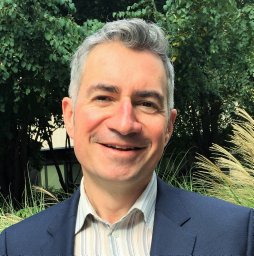 Christian D. Helfrich合作论文数Northwest HSR&D Center of Excellence, VA Puget Sound Healthcare System;Department of Health Services, University of Washington School of Public Health;Northwest HSR&D Center of Excellence, University of Washington School of Public Health2Candice Mueller合作论文数1Carmel Malvar合作论文数1Marcie Lee合作论文数1Robert Klocko合作论文数1
 Liam Oliver Lair合作论文数1Rachel Codden合作论文数1Jess Waggoner合作论文数1
 Megan Moldestad合作论文数1Chelsea E Manheim合作论文数1Yiwen Yao合作论文数1Jessica P. Young合作论文数1
 Alesha Doan合作论文数Sch Publ Affairs & Adm, Univ Kansas1
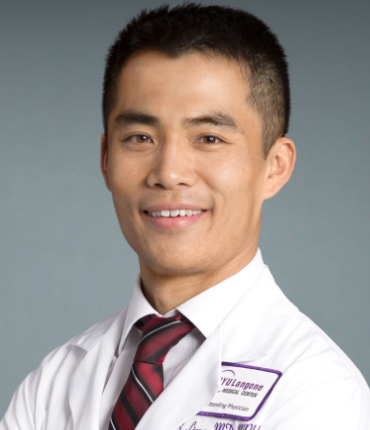 Peter S. Liang合作论文数Division of Gastroenterology and Hepatology, Department of Medicine, New York University1Battaglia Catherine合作论文数1Stevenson Lauren合作论文数1
 Shannon Portillo合作论文数1
 Elizabeth C Parsons合作论文数1
 Folasade P. May合作论文数Department of Medicine, VA Greater Los Angeles Healthcare System1
 Sheila Cox Sullivan合作论文数Central Arkansas Veterans Healthcare System1




