Panicle number per plant, grain number per panicle, and grain weight are three key factors influencing rice grain yield. Gn1a, a major QTL for grain number per panicle, encodes the cytokinin oxidase/dehydrogenase (CKX) OsCKX2. While the use of elite Gn1a alleles has been well documented in indica rice cultivars, their potential in japonica rice remains largely unexplored. In this study, we characterized three suppressor mutants of the rice cytokinin receptor mutant pal1/ohk4 and found that all causal genes were novel alleles of Gn1a identified through the MutMap approach. These three suppressor mutants caused single amino acid substitutions in the FAD-binding domain (G556D and G156D) and the cytokinin-binding domain (Y357C), resulting in significantly reduced enzymatic activity of OsCKX2 and elevated cytokinin levels in the panicle. Haplotype analysis of Gn1a using a natural population from the 3K Rice Genomes Project showed that G556D, G156D, and Y357C were novel alleles of Gn1a. G556, G156, and Y357 were highly conserved, whereas four natural variants G54A, A105V, H116R, and N535K identified in different haplotypes of Gn1a showed extremely low conservation. By backcrossing the suppressor mutants with their original wild-type Huaidao 5, an elite japonica rice variety, we developed improved lines carrying only the gn1a mutation. The improved lines showed a significant increase in grain number per panicle, grain weight, panicle number per plant, plant height, and stem thickness, leading to a 25.7%–28.7% increase in grain yield per plot compared with Huaidao 5. This study provides valuable Gn1a alleles for synergistic improvement of the three key yield factors and offers germplasm resources for high-yielding breeding in japonica rice.
Small Island Developing States (SIDS) frequently rely on firewood for cooking, resulting in adverse environmental, health, economic, and educational impacts. Addressing clean cooking energy needs is thus a priority for SIDS to meet Sustainable Development Goal 7 (SDG7). This study explores policy implications for clean energy access through a case study on Kavewa Island, Fiji, where biogas digesters and stoves were introduced across 22 households. A pre- and post-implementation analysis reveals significant benefits, including reduced firewood collection time, fertilizer production, and monthly savings for some households. Despite these gains, half of the households continue to use firewood daily, often due to family size or low income. Additionally, many respondents expressed concern over the vulnerability of biogas systems to adverse weather, highlighting the need for further resilience measures. Policy recommendations include prioritizing clean cooking initiatives in remote islands, funding for ongoing research and project evaluation, and capacity building to promote sustainable cooking practices. This case study suggests that biogas systems can contribute to the energy, social, and economic needs of remote communities, and that targeted policy support could facilitate a wider transition to clean cooking energy in Fiji, the Pacific, and other similar regions.
Rice is a major source of selenium (Se) globally; however, about one billion people experience Se deficiencies. Plants uptake and transport both sulfur (S) and Se using sulfate transporters (SULTRs). Our study aimed to identify rice SULTR genes involved in grain Se accumulation. Expression analysis of 12 rice SULTR genes in tissues at different developmental stages, and under Se and S treatments, revealed that OsSULTR3;1 is strongly expressed in rice grains and mainly induced by Se. Through heterologous expression of OsSULTR3;1 in yeast and the creation of OsSULTR3;1 overexpression and knockout lines, we showed that OsSULTR3;1 is responsible for the active uptake of both selenate and selenite. OsSULTR3;1 knockout and overexpression lines reduced and increased grain Se content by 69.6%, 68.7%, 33.3%, and 78.5%, 15.5%, and 57.5%, respectively, compared with the wild type. Our findings validate the function of OsSULTR3;1 in grain Se accumulation and provide information for breeding Se-enriched rice cultivars.
As an important yield component, the rice tiller number controls panicle number and determines grain yield. The regulation of rice tiller number by chloroplast pentatricopeptide repeat (PPR) proteins has not been reported. Here, we report a rice reduced culm number22 (rcn22) mutant which produces few tillers due to suppressed tiller bud elongation. Map-based cloning revealed that RCN22 encodes a chloroplast-localized P-type PPR protein. We found that RCN22 specifically binds to the 5’-UTR of RbcL mRNA (encoding the large subunit of Rubisco) and enhances its stability. The reduced RbcL mRNA abundance in rcn22 led to a lower photosynthetic rate and decreased sugar levels. Consequently, transcript levels of DWARF3 (D3) and TEOSINTE BRANCHED1 (TB1) (encoding negative regulators of tiller bud elongation) increased, whereas protein levels of a positive regulator DWARF53 (D53) decreased. Furthermore, high concentrations of sucrose could rescue the tiller bud growth defect of the rcn22 mutant. On the other hand, TB1 directly binds to the RCN22 promoter and downregulates its expression. The tb1/rcn22 double mutant showed a tillering phenotype similar to rcn22. Our results suggest that the TB1-RCN22-RbcL module plays a vital role in rice tiller bud elongation by affecting sugar levels.
Inflorescence architecture is important for rice (Oryza sativa) grain yield. The phytohormone cytokinin (CK) has been shown to regulate rice inflorescence development; however, the underlying mechanism mediated by CK perception is still unclear. Employing a forward genetic approach, we isolated an inactive variant of the CK receptor OHK4/OsHK4 gene named panicle length1, which shows decreased panicle size due to reduced inflorescence meristem (IM) activity. A 2-amino acid deletion in the long α-helix stalk of the sensory module of OHK4 impairs the homodimerization and ligand-binding capacity of the receptor, even though the residues do not touch the ligand-binding domain or the dimerization interface. This deletion impairs CK signaling that occurs through the type-B response regulator OsRR21, which acts downstream of OHK4 in controlling inflorescence size. Meanwhile, we found that IDEAL PLANT ARCHITECTURE1(IPA1)/WEALTHY FARMER'S PANICLE (WFP), encoding a positive regulator of IM development, acts downstream of CK signaling and is directly activated by OsRR21. Additionally, we revealed that IPA1/WFP directly binds to the OHK4 promoter and upregulates its expression through interactions with 2 TCP transcription factors, forming a positive feedback circuit. Altogether, we identified the OHK4-OsRR21-IPA1 regulatory module, providing important insights into the role of CK signaling in regulating rice inflorescence architecture.
Inflorescence architecture is important for rice (Oryza sativa) grain yield. The phytohormone cytokinin (CK) has been shown to regulate rice inflorescence development; however, the underlying mechanism mediated by CK perception is still unclear. Employing a forward genetic approach, we isolated an inactive variant of the CK receptor OHK4/OsHK4 gene named panicle length1 (pal1), which shows decreased panicle size due to reduced inflorescence meristem activity. A 2-amino acid deletion in the long α-helix stalk of the sensory module of OHK4 impairs the homodimerization and ligand-binding capacity of the receptor, even though the residues do not touch the ligand-binding domain or the dimerization interface. This deletion impairs CK signaling that occurs through the type-B response regulator OsRR21, which acts downstream of OHK4 in controlling inflorescence size. Meanwhile, we found that IDEAL PLANT ARCHITECTURE1(IPA1)/WEALTHY FARMER'S PANICLE (WFP), encoding a positive regulator of inflorescence meristem development, acts downstream of CK signaling and is directly activated by OsRR21. Additionally, we revealed that IPA1/WFP directly binds to the OHK4 promoter and upregulates its expression through interactions with two TCP transcription factors, forming a positive feedback circuit. Altogether, we identified the OHK4-OsRR21-IPA1 regulatory module, providing important insights into the role of CK signaling in regulating rice inflorescence architecture.
Rice inflorescence is one of the major organs in determining grain yield. The genetic and molecular regulation on rice inflorescence architecture has been well investigated over the past years. In the present review, we described genes regulating rice inflorescence architecture based on their roles in meristem activity maintenance, meristem identity conversion and branch elongation. We also introduced the emerging regulatory pathways of phytohormones involved in rice inflorescence development. These studies show the intricacies and challenges of manipulating inflorescence architecture for rice yield improvement.
Quantum-based classifiers and architecture are gaining lots of attention in image representation and cryptography. The proposed algorithm applies a quantum classifier to a computer vision system for leaf recognition which can be applied to a quantum computer. Images from ten species of leaves which are categorised into two groups, namely simple and palmately, are recognised using a quantum classifier. The pixels of images are transformed to qubit states using quantum Fourier transform (QFT) and Hadamard gates. The profile and structural features are extracted by applying 1D-convolution and controlled not (CNOT) gates. A quantum nearest neighbour search classifier is used to find the closest matching leaf based on probability. The results for different levels of image processing are evaluated and compared with the nearest neighbour classifier. The recognition rate of the quantum classifier for the best level of image processing is 97.33%. The recognition rate of the classifier is better than the nearest neighbour classifier and also has a low computation time.
Direct seeding (DS) of rice gained much attention due to labor scarcity and unavailability of water. However, reduced emergence and poor seedling establishment are the main problems of DS which causes significant yield losses. Herein, DS-associated seedling traits of three major rice groups, i.e., Indica (Ind), Japonica (Jap), and aus-type (Aus), were evaluated by using an improved mesocotyl elongation assay. The associations among different traits at the seedling and maturity stage were also studied. Significant variation was observed among the cultivars of different rice groups. The Aus group cultivars showed higher mean values for coleoptile (C, 3.85 cm), mesocotyl (MC, 4.17 cm), shoot length (SL, 13.64 cm), panicle length (PL, 23.44 cm), tillers number (T, 15.95), culm length (CL, 105.29 cm), and plant height (PH, 128.73 cm), while the Indica and Japonica groups showed higher mean values of grain length (GL, 8.69 mm), grain length/width ratio (GL/WR, 3.07), and grain width (GW, 3.31 mm), with 1000 grain weight (TGWt, 25.53 g), respectively. Pairwise correlation analysis showed that MC, C, and SL were positively correlated among themselves and with PL, CL, and PH. Moreover, based on principal component analysis (PCA), C, MC, SL, CL, and PH were identified as the major discriminative factors in the rice cultivars. This study describes the development of desired DS rice variety with long MC and semidwarf in height and suggests that Aus group cultivars can be used as the donor parents of favorable DS-associated traits in rice breeding programs.
Background Effective tiller number (ETN) has a pivotal role in determination of rice ( Oryza sativa L . ) grain yield. ETN is a complex quantitative trait regulated by both genetic and environmental factors. Despite multiple tillering-related genes have been cloned previously, few of them have been utilized in practical breeding programs. Results In this study, we conducted a genome-wide association study (GWAS) for ETN using a panel of 490 rice accessions derived from the 3 K rice genomes project. Thirty eight ETN-associated QTLs were identified, interestingly, four of which colocalized with the OsAAP1 , DWL2 , NAL1 , and OsWRKY74 gene previously reported to be involved in rice tillering regulation. Haplotype (Hap) analysis revealed that Hap5 of OsAAP1 , Hap3 and 6 of DWL2 , Hap2 of NAL1 , and Hap3 and 4 of OsWRKY74 are favorable alleles for ETN. Pyramiding favorable alleles of all these four genes had more enhancement in ETN than accessions harboring the favorable allele of only one gene. Moreover, we identified 25 novel candidate genes which might also affect ETN, and the positive association between expression levels of the OsPILS6b gene and ETN was validated by RT-qPCR. Furthermore, transcriptome analysis on data released on public database revealed that most ETN-associated genes showed a relatively high expression from 21 days after transplanting (DAT) to 49 DAT and decreased since then. This unique expression pattern of ETN-associated genes may contribute to the transition from vegetative to reproductive growth of tillers. Conclusions Our results revealed that GWAS is a feasible way to mine ETN-associated genes. The candidate genes and favorable alleles identified in this study have the potential application value in rice molecular breeding for high ETN and grain yield.
The research is financed by Fiji National University. Grant No. CV 176, Valelelevu, Fiji. Abstract The primary purpose of this paper is to recognise the essential factors that contribute to women farmer involvement in training events which, was used to determine significant independent variables for the five provinces of Central Division Fiji adding to 120 women farmers. The sampling was done in concern with any form of training provided in the agricultural, animal and crop sector alike. Considering the independent variables used to indicate the significant contributing factors influencing women participation in training, Marital status, age, tertiary education, extension services, access to market and the size of owned land played active roles. More interestingly, the variables that played insignificant influencers were the number of family members in the farmer household and the reason for farming. A logit analysis was used to display the results of significant and insignificant determining variables. Thus, the overall understanding of these variables through this study carried out in Fiji can lead to better decision making in regards to training programmes for women farmers and consequently producing positive agricultural development in Fiji which can become an efficient tool for agricultural ministry. Moreover, better agricultural policies for women farmers can be adopted based on their determinants to agricultural involvement. Keywords: Training programmes, women farm, participation, agriculture, gender and Fiji. DOI: 10.7176/JCSD/57-03 Publication date: March 31 st 2020
 Xueyong Li (李学勇)合作论文数Institute of Crop Science, Chinese Academy of Agricultural Sciences8
 Jinfeng Zhao (赵金凤)合作论文数Institute of Crop Sciences, Chinese Academy of Agricultural Sciences7
 Shoujiang Yuan (袁守江)合作论文数山东省水稻研究所6
 Yan Chun合作论文数4
 Fang Jingjing合作论文数4Xuefeng Yao (姚雪峰)合作论文数University of Chinese Academy of Sciences;Changchun Institute of Optics, Fine Mechanics and Physics, Chinese Academy of Sciences2Nividita Varun Chand合作论文数2Jiangyuan Shang (尚江源)合作论文数1
 Dmitry I Arkhipov合作论文数1
 Suyash Bhimgonda Patil合作论文数1Mengmeng Ren合作论文数1Nguyen Ngoc Mai合作论文数1
 Amit Krishan Kumar合作论文数State Key Lab Intelligent Control & Decis Complex, Beijing Inst Technol1
 Eric B. Yiadom合作论文数1Haiyang Qiu合作论文数1
 Muhammad Ramzan Khan合作论文数National Institute for Genomics and Advanced Biotechnology (NIGAB),, National Agricultural Research Centre (NARC),1Wei Sun合作论文数1
 Muhammad Uzair合作论文数National Institute for Genomics and Advanced Biotechnology (NIGAB),, National Agricultural Research Centre (NARC),1
 Constantinos Vassiliades合作论文数Department of Architecture, University of Cyprus1
 Ekaterina Savelieva合作论文数Timiryazev Inst Plant Physiol, Russian Acad Sci1
 Syed Adeel Zafar合作论文数Natl Agr Res Ctr, Natl Inst Genom & Adv Biotechnol1
 Shiyong Zhang (张士永)合作论文数Institute of Wetland Agriculture and Ecology, Shandong Academy of Agricultural Sciences1
 Li Lu合作论文数1
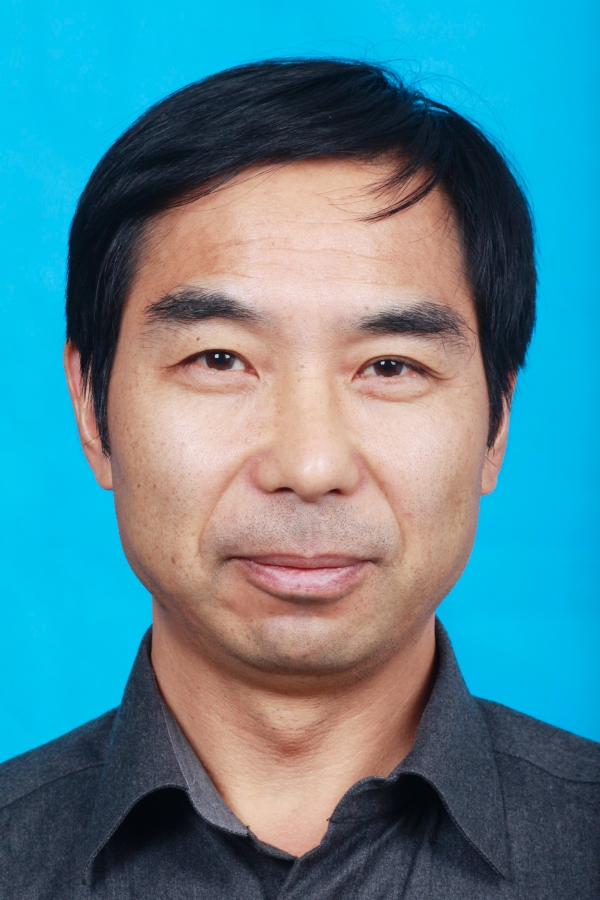 Zichao Li (李自超)合作论文数College of Agriculture and Biotechnology, China Agricultural University1
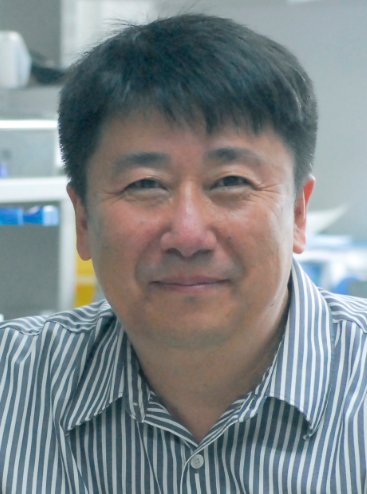 Chun-Ming Liu (刘春明)合作论文数Institute of Botany, Chinese Academy of Sciences;University of Chinese Academy of Sciences;New Rural Devlopment Institute, Peking University1
 Sergey N Lomin合作论文数1
 Wassim Dbouk合作论文数Southampton Marine and Maritime Institute, Faculty of Engineering and Physical Sciences, University of Southampton1
 Ravita D Prasad合作论文数1
 Assaf Mansour合作论文数School of Information Technology and Engineering, University of Ottawa1
 Georgy A Romanov合作论文数University of Berlin;Institute of Biology / Applied Genetics;Institute of Biology / Applied Genetics, University of Berlin1




