Peripheral artery disease (PAD) is quite prevalent, and its incidence will increase with aging of population. Pain is a key diagnostic feature of symptomatic PAD and has been linked to disease progression and poor quality of life. Symptom improvement is of utmost importance in PAD; therefore, optimal and comprehensive pain therapy is mandatory. However, the management of acute pain in PAD remains challenging due to the lack of high-quality evidence, the complex pathophysiological mechanisms of pain, and the high comorbidity of patients. On the other hand, inadequate pain control leads to several pathophysiological deviations, such as the aggravated neuroendocrine stress response, which may be detrimental in patients with PAD. Experts suggest that the management of acute pain in patients with vascular diseases should be oriented toward the underlying pathophysiological mechanisms of each modality and should follow a multifactorial approach. Although the exact pain pathways in PAD are still poorly understood and more probably multifactorial, they may be key to an effective, individualized, patient-centered, multimodal pain strategy. The aim of this review was to provide a holistic, beyond-opioids, individualized multimodal pain approach for patients with PAD.
Background: The clinical significance of combinations of inflammatory biomarkers in severe COVID-19 infection is yet to be proved. Although several studies have evaluated the prognostic value of biomarkers in patients with COVID-19, there are limited data regarding the value of the combination scores that could take full advantage of the prognostic value of several biomarkers and that could account for the heterogeneity of patients with severe COVID-19. We investigated the prognostic value of combination scores of admission values of inflammatory biomarkers in adults with severe COVID-19. Methods: Adults admitted to the Department of Respiratory Medicine of the UHL with severe COVID-19 (April-September 2021, NCT05145751) were included. Demographics, medical history, laboratory tests and outcome (high-flow nasal cannula (HFNC), admission to Intensive Care Unit (ICU) or death) were recorded. The optimal cut-off points of on admission values of C-reactive protein (CRP), CRP to lymphocyte ratio (CLR), lymphocyte to neutrophil ratio (LNR) and derived variation of neutrophil to lymphocyte ratio (dv-NLR (neutrophil/white blood count-lymphocyte)) for the predetermined outcome were defined. Based on the cut-off of CRP, LNR, dv-NLR and CLR, which were found to be predictors for HFNC, 3 scores were defined: CRP and LNR (C-CRP #1), CRP and dv-NLR (C-CRP #2), CRP and CLR (C-CRP #3). Likewise, based on the cut-off of CRP and CLR, which were found to be predictors for death, the score of CRP and CLR (C-CRP #3*) was defined. The combination scores were then classified as: 2 points (both biomarkers elevated); 1 point (one biomarker elevated) and 0 points (normal values). None of the biomarkers was predictive for the ICU admission, so no further analysis was performed. Binomial logistic regression analysis was used to establish the predictive role for each biomarker. Results: One hundred and fifteen patients (60% males, mean age 57.7 years) were included. Thirty-seven (32.2%) patients required HFNC, nine (7.8%) died and eight (7%) were admitted to ICU, respectively. As far as HFNC is concerned, the cut-off point was 3.2 for CRP, 0.231 for LNR, 0.90 for dv-NLR and 0.004 for CLR. Two points of C-CRP #1 and 2 points of C-CRP #3 predicted HFNC with a probability as high as 0.625 (p = 0.005) and 0.561 (p < 0.001), respectively. Moreover, 1 point of C-CRP #2 and 2 points of C-CRP #2 predicted HFNC with a probability of 0.333 and 0.562, respectively. For death, the optimal cut-off point for CRP was 1.11 and for CLR 3.2*1033. Two points of C-CRP #3* with an accuracy of 0.922 predicted mortality (p = 0.0038) in severe COVID-19. Conclusions: The combination scores of CRP and inflammatory biomarkers, based on admission values, are promising predictors for respiratory support using HFNC and for mortality in patients suffering from severe COVID-19 infection.
Background: We evaluated the 30-day postoperative outcome after elective endovascular aneurysm repair (EVAR) and the possible predictors for the 30-day postoperative outcome. Materials: Demographics, medical history, laboratory values, intensive care unit (ICU) admission and 30-day complications classified as major (major adverse cardiovascular events (MACEs), acute kidney injury (AKI) and death of any cause) and minor (postimplantation syndrome (PIS), postoperative delirium (POD), urinary tract infection (UTI) and technical graft failure) were documented (March 2016 to February 2019). Results: We included 322 patients. The majority were managed under general anesthesia (83%) with femoral cutdown (98.1%). Overall, 121 (37.5%) complications, mostly minor (n = 103, 31.9%), were recorded. In total, 11 patients (3.4%) developed MACEs, 5 (1.6%) experienced AKI and 2 (0.6%) died in the ICU. Moreover, 77 patients (23.9%) suffered from PIS, 11 from POD, 11 from UTI and 4 from technical graft failure. The multivariate logistic regression analysis revealed that aneurysm diameter (p = 0.01) and past smoking (p = 0.003) were predictors for complications. PAD was an independent predictor of MACEs (p = 0.003), preoperative neutrophil to lymphocyte ratio (NLR) of AKI (p = 0.003) and past smoking of PIS (p = 0.008), respectively. Conclusions: Our study showed that the 30-day morbidity after EVAR exceeded 35%. However, the majority of complications were minor, and the associated mortality was low. Aneurysm diameter and past smoking were independent predictors for postoperative outcome.
 Maria P Ntalouka合作论文数Dept Anaesthesiol, Univ Thessaly3Arnaoutoglou Eleni M合作论文数School of Medicine, University of Ioannina3Metaxia Bareka合作论文数Department of Anesthesiology, University Hospital of Larissa3
 Maria Mermiri合作论文数Dept Emergency Med, Univ Thessaly2Petroula Nana合作论文数2
 Miltiadis Matsagkas合作论文数Medical School, University of Ioannina2
 Alexandros G Brotis合作论文数University Hospital of Larissa, University of Thessaly2Paraskevi Kotsi合作论文数1Athanasios Pagonis合作论文数1
 Giannoukas Athanasios D合作论文数University Hospital of Larissa, University of Thessalia Medical School1
 Konstantinos N. Spanos合作论文数University Hospital of Larissa, University of Thessaly1
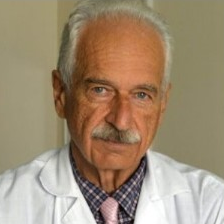 Konstantinos I. Gourgoulianis合作论文数Respiratory Medicine Department, University of Thessaly1
 Ioannis Pantazopoulos合作论文数School of Medicine, European University Cyprus;Medical School, University of Bern;Medical School, University of Thessaly1
 Konstantinos P. Stamoulis合作论文数Medical School, University of Athens1




