Post-traumatic priapism in the paediatric population poses a diagnostic and therapeutic challenge. Cavernous blood sampling is not well tolerated, and diagnostic uncertainty hinders management decisions. We present the use of Colour Doppler Ultrasound (CDU) to provide a definitive diagnosis of high-flow priapism and identification of an embolisation target which was then successfully embolised with gelfoam slurry with no clinical recurrence or complications at 6 months. Penile CDU is a reliable tool to diagnose arteriocavernous fistulae in children. Although conservative management remains first choice, safe and effective treatment of high-flow priapism in children can be achieved with gelfoam embolisation and identification of an embolisation target can aid the decision-making process.
INTRODUCTION:Vascular closure devices (VCDs) enable rapid hemostasis after femoral arterial access and support early mobilization and improved patient comfort. MYNX CONTROL is an extravascular polyethylene glycol-based closure system designed to seal femoral arteriotomies without leaving permanent intraluminal material. AREAS COVERED:This expert review summarizes the device concept and mechanism of action and critically appraises the available clinical evidence on technical success and access‑site complications in 5-7 Fr femoral arterial closure. Differences in reported outcomes across published cohorts are examined in the context of patient selection, femoral‑access characteristics, and procedural technique, with particular attention to factors that increase the risk of maldeployment. EXPERT OPINION:MYNX CONTROL can provide reliable hemostasis with a low incidence of major access‑site complications when appropriately deployed. As with most devices, its performance is strongly dependent on using the appropriate technique. It is widely accepted that reliance on tactile feedback alone is insufficient in challenging anatomy. Adjunctive imaging guidance enhances deployment accuracy and procedural safety.Optimal outcomes require careful access‑site selection and operator training that includes competence in vascular ultrasound.
BACKGROUND & OBJECTIVES:Chronic limb-threatening ischaemia (CLTI) not amenable to conventional revascularization options (no-option CLTI) is associated with high rates of major amputation and mortality. Promising results were reported following percutaneous deep venous arterialization (pDVA) using the LimFlow system. This study reports mid-to-long-term clinical and patency outcomes of pDVA in real-life single-centre settings. DESIGN:Retrospective, single-arm cohort study. METHODS:The study included patients with no-option CLTI (Rutherford classes 5 and 6) who underwent pDVA using the LimFlow between January 2020 and June 2024. Patients were designated "no-option" by a multidisciplinary team after exhausting conventional revascularization options. Primary outcome was amputation-free survival (AFS). Secondary outcomes included technical success, limb salvage (LS), primary and secondary patency (PP/SP), freedom from reintervention (FFR) and wound healing rates. RESULTS:Thirty-four patients (median age of 67 years; 79.4% diabetic) were included, with a median follow-up of 21 months (4-62 months). Technical success was 100%. At 24 months, AFS was 72% and LS was 88.6%. Full wound healing was achieved in 66% of patients, with a median time of 262 days from the index procedure. Kaplan-Meier analysis showed 24-month PP and SP rates of 46.3% and 76%, respectively. Freedom from reintervention was 58% at 24 months. Four major amputations (11.7%) were required. CONCLUSION:Percutaneous deep venous arterialization using the LimFlow system provides acceptable mid-term outcomes. Satisfactory AFS, LS, PP, SP and wound healing rates were achieved in these no-option CLTI options. Strict post-procedure surveillance and reintervention protocols are essential to maintain satisfactory outcomes.Clinical ImpactThe LimFlow system introduces a novel option for patients with no revascularization alternatives. It enables limb salvage in severe CLTI cases previously destined for amputation. By creating arterial flow through the venous system, it redefines vascular intervention strategies. Clinicians gain a new tool for "no-option" patients, expanding treatment eligibility. This may reduce major amputation rates and improve quality of life. The approach requires new technical skills and multidisciplinary collaboration. It shifts practice toward advanced endovascular innovation rather than palliative care. Patient selection and procedural expertise become critical for success. The study highlights the feasibility and safety of transcatheter arterialization. Overall, it represents a paradigm shift in managing advanced peripheral artery disease.
OBJECTIVE:The Bypass versus Angioplasty in Severe Ischaemia of the Leg (BASIL)-2 trial enrolled participants with chronic limb threatening ischaemia who required an infrapopliteal, with or without a femoropopliteal, revascularisation procedure to restore limb perfusion. Participants randomised to a vein bypass (VB) first revascularisation strategy were over one third more likely than those randomised to a best endovascular treatment (BET) first revascularisation strategy to die from any cause during a median follow up of 40.0 (interquartile range 20.9, 60.6) months. The aim of the present study was to describe the timing and causes of death in BASIL-2 as a first step towards trying to better understand why randomisation to a VB first revascularisation strategy was associated with this excess mortality. METHODS:A 10 person international panel comprising vascular and endovascular surgeons as well as vascular interventional radiologists, who had all been principal investigators in BASIL-2, took part in a modified Delphi consensus exercise to adjudicate the primary cause of death and, in particular, whether the cause was primarily cardiac or non-cardiac. RESULTS:In 151 of 168 deaths (89.9%), the Delphi panel achieved a consensus regarding the cause of death being probably cardiac or non-cardiac. In the BET group, 16 of 77 deaths (21%) were classified as probably cardiac compared with 32 of 91 (35%) in the VB group (unadjusted subdistribution hazard ratio 2.16, 95% confidence interval [CI] 1.20 - 3.87; unadjusted cause specific hazard ratio 2.15, 95% CI 1.19 - 3.90). At the point of randomisation, 64 of 344 (18.6%), 40 of 342 (11.7%), and 37 of 344 (10.8%) participants had a previous myocardial infarction (MI), percutaneous coronary intervention (PCI), and coronary artery bypass graft (CABG), respectively. There was no evidence of varying treatment effects for cause of death in subgroup analyses of previous PCI, CABG, or MI. CONCLUSION:The excess mortality observed in the VB first revascularisation strategy group in BASIL-2 was largely due to deaths that were adjudicated by the Delphi panel as probably primarily cardiac. These excess cardiac deaths were observed throughout follow up and there was no evidence of non-proportional hazards. Further work is ongoing to try to better understand the reasons for these findings.
A 44-year-old gentleman was referred to IR for varicocele embolization (VE) by the fertility clinic following investigation for oligospermia. A testicular ultrasound identified a left grade II varicocele. The patient had known anaphylaxis to water-soluble iodinated contrast. We planned to perform VE with a combination of alternative contrast agents. The procedure was performed under general anesthetic to mitigate the pain related to carbon dioxide angiography. Following standard venous access techniques of the right internal jugular vein, carbon dioxide was used as the main contrast agent with digital subtraction venogram, to confirm catheter selection of left testicular vein. This demonstrated a large varicocele. After coil deployment the gadolinium-based contrast agent Dotarem, was injected and venography used to confirm occlusion of the left testicular vein. Then a combination of 4 mL of 3% Fibro vein and 2 mL of Lipiodol was injected to achieve embolization of the testicular vein collaterals. The patient made an uneventful recovery. This is the first reported case of both carbon dioxide angiography and gadolinium being used in VE. It appears safe and effective. The use of alternative contrast media appears safe and effective in VE in those patients with contraindications to ionic agents. Due to their different properties, a combination of alternative contrast agents can be more effective than a single agent. We provide a pictorial review of the case and an educational summary on the indications and practical uses of various alternative contrast agents in IR procedures in a patient with a water-soluble iodinated contrast allergy.
Introduction Severe aorto-iliac steno-occlusive atherosclerotic disease is a major cause of morbidity and amputation in patients with peripheral arterial disease. While both open surgical and endovascular revascularisation are standard treatments in this patient group, there is no high-quality randomised evidence to determine which approach offers superior clinical and cost-effectiveness, leading to uncertainty and poor outcomes after intervention.Methods and analysis The EVOCC trial is a national, multicentre, parallel-group, superiority randomised controlled trial comparing open surgery to endovascular revascularisation in patients with symptomatic severe aorto-iliac occlusive disease. A total of 628 participants across 30 NHS sites in the UK will be randomised 1:1 to receive either open surgery or endovascular (minimally invasive) intervention. The primary outcome is amputation-free survival, defined as time to first event (major lower limb amputation or death). Secondary outcomes include mortality, cardiovascular events, hospital readmissions, re-interventions and quality-of-life measures. An internal pilot phase (10 sites, 6-month duration) will assess recruitment feasibility. A QuinteT Recruitment Intervention is integrated into the trial to optimise recruitment.Ethics and dissemination The trial has received ethical approval from a UK Research Ethics Committee (REC reference: 23/SW/0065; trial registration reference: ISRCTN14591444). Informed consent will be obtained from all participants.The EVOCC trial is the first RCT assessing the clinical and cost-effectiveness of open vs endovascular revascularisation for severe aorto-iliac disease worldwide. The results will provide robust evidence to inform clinical practice and healthcare policies globally. Results will be disseminated via patient groups, online lay summaries, a trial website, social media, presentations in conferences, a formal scientific publication in a medical journal and direct communications with policymakers across borders.Trial registration number ISRCTN14591444.
Introduction Peripheral arterial disease (PAD) commonly coexists with chronic kidney disease (CKD). Patients with symptomatic PAD often require endovascular revascularisation to relieve pain or salvage limbs. However, the iodinated intra-arterial contrast routinely used in these procedures is nephrotoxic, placing patients with CKD at increased risk of acute kidney injury (AKI) and long-term renal decline. Carbon dioxide (CO₂) delivered via automated injection is a potential alternative imaging contrast medium. This trial will evaluate whether using CO₂ instead of iodinated contrast reduces the risk of AKI and short-term renal function decline in this high-risk group.Methods and analysis This is a multicentre, open-label, prospective randomised controlled trial across six secondary-care National Health Service (NHS) vascular surgery centres. A total of 174 patients with PAD and CKD undergoing endovascular intervention will be randomised 1:1 to receive iodinated contrast (standard of care) or CO₂ via automated injector (Angiodroid). All perioperative care will follow local NHS protocols.The primary outcome is log serum creatinine at 2, 30 and 90 days postprocedure. Key secondary outcomes include: incidence and severity of AKI within 48 hours postprocedure, major adverse kidney events (death, dialysis or >25% estimated glomerular filtration rate decline) by 90 days, inpatient length of stay, procedural pain, quality of life, procedural success, reinterventions, acceptability and feasibility (patient/practitioner questionnaires) of using CO2, and cost-effectiveness (healthcare resource use analysis). A mixed-methods process evaluation will be undertaken with patients and clinicians.Ethics and dissemination The trial has been approved by an NHS ethical review committee (24/WA/0332) and patients have been involved in trial design. Findings will be disseminated to participants, clinicians and the wider public through patient groups, lay summaries, social media, conferences, peer-reviewed journals and NHS policy channels.Trial registration number ISRCTN23564393.
BACKGROUND:Endovascular technologies continue to evolve to meet the large and growing burden of peripheral arterial disease. The overall quality of published RCTs in endovascular treatments for peripheral arterial disease is low, resulting in uncertainty over treatment effectiveness. The aim of this study was to develop a framework to improve the design, conduct, and reporting of future clinical trials for infrainguinal endovascular treatments of peripheral arterial disease. METHODS:The authors undertook the design, development, and pilot testing of a novel framework. The study comprised four distinct phases. Phase 1 represented the development of a preliminary framework using content analysis of endovascular interventions described in previously published RCTs. Phase 2 consisted of focus groups with key stakeholders to further develop, revise, and achieve initial consensus on the framework. Phase 3 corresponded to the creation of a modified Delphi questionnaire to achieve final consensus on the framework. Phase 4 included cognitive interviews with professionals designing or undertaking endovascular lower limb trials to pilot test the framework. RESULTS:Content analysis of 228 endovascular interventions from 112 RCTs identified six key themes, relevant to endovascular peripheral arterial disease interventions, for the framework: expertise; setting; anaesthesia; imaging; intervention components (access; crossing lesion; treating lesion (lesion preparation; intervention; intervention optimization; bailout intervention; and treatment of non-target lesions); and closure of artery); and pharmacological interventions. Further refinements were made to the framework as a result of feedback from three focus groups and a Delphi questionnaire. The framework deconstructs an endovascular intervention into its component parts. The final framework can be accessed at www.endo-star.com. Pilot testing evaluated comprehension, clarity, and completeness of interpretation. CONCLUSION:The Endo-STAR framework deconstructs endovascular interventions into their key component parts and has been designed and pilot tested to enhance the quality of RCTs of endovascular interventions in peripheral arterial disease. It may be used to assist in developing future trial protocols, the standardization of infrainguinal endovascular interventions, the monitoring of adherence to the trial protocol, and as a standardized reporting guideline.
Background/Objectives: A knowledge gap persists regarding anticoagulation therapy after endovascular stent insertion for malignant superior vena cava obstruction (mSVCO). Guidelines are supported by retrospective studies with a radiological focus and lack specific drug recommendations. No studies to date have captured the multi-disciplinary nature of decision-making over time. Methods: This single-center retrospective service evaluation includes patients with solid organ malignancy who received a stent for mSVCO between July 2016 and May 2022. Patient and treatment characteristics, clinical outcomes and prescribing decisions were collected from medical records and analyzed. Results: Of 49 patients (55% female, mean age 59), 73% had metastatic extra-thoracic disease at stent insertion. Technical success was achieved in 98% of cases and 92% survived to discharge. Forty-eight patients were followed until death. Median survival was 2.4 months. Post-procedure imaging (performed in 55% of patients) revealed 10 (21%) cases of systemic venous thromboembolism and 7 cases of stent thrombosis. Forty-four (91%) patients received anticoagulation therapy (62% therapeutic dose low molecular weight heparin). Those with thrombotic complications were fitter pre-procedurally than the rest of the cohort. There was one case of major bleeding. Twenty-two instances of therapy modification occurred following the initial plan, including nine changes due to a patient preference for oral therapy. Conclusion: Patients undergoing stenting for mSVCO demonstrate high thrombotic risk and a poor prognosis. Anticoagulation plans are frequently modified post discharge due to changing risk profiles and patient preferences. Multi-disciplinary collaboration is essential to support patient-centered and individualized management. Future research should investigate direct oral anticoagulants and anti-platelet therapy and develop risk assessment tools for this population.
Central venous access catheter (CVC) devices are a critical part of care in patients with a variety of treatment needs but are not without complications. A 5-year-old male child with a background of autosomal recessive nephrotic syndrome developed a septic right atrial thrombus related to his dialysis line. Mechanical thrombectomy and line removal was complicated by tract haemorrhage, requiring the integrated management of thrombosis and haemorrhage. Haemostasis was achieved with combination of compression and sealing of the subcutaneous tract. This case provides an excellent example of tract haemorrhage demonstrated fluoroscopically. We discuss the available treatment options, which may need to be employed in urgent or emergent fashion, in paediatric patients with differing physiological reserves.
Objective: Intravascular ultrasound (IVUS) use is increasing for the treatment of infra-inguinal peripheral arterial disease for accurate vessel sizing and to aid in the intra-procedural identification of residual lesions and dissections. The aim of this study was to evaluate medium term outcomes following infra-inguinal IVUS use in the treatment of patients with chronic limb threatening ischaemia (CLTI).
Objective The aim of this study was to report the primary outcomes of a pilot study investigating the safety and efficacy of sirolimus drug-coated balloons (SELUTION) for endovascular postatherectomy treatment of native occluded femoropopliteal lesions in patients with chronic limb-threatening ischemia (CLTI).
Vascular access is the initial, very important, step of endovascular procedures. Various access sites include the common femoral artery, brachial artery, radial artery, popliteal artery, and distal tibial vessels (pedal arteries). Successful arterial access requires advanced knowledge of anatomy, as well as proper training and experience. Today, vascular access should be obtained using real-time, ultrasound guidance to reduce access time, patient discomfort, and puncture-related complications including dissection, arteriovenous communication, and bleeding. Nevertheless, high-level evidence to support this recommendation in peripheral procedures is limited and level A data are mainly derived from randomized cardiac trials investigating only radial and femoral access. Vascular closure devices (VCDs) for femoral access can be broadly categorized as active closure devices, compression assist devices, and external/topical hemostasis devices. There is high-level evidence demonstrating that their use is related to less time for ambulation and increased patient satisfaction. However, available data failed to clearly demonstrate a benefit in complications compared to standard manual compression in peripheral endovascular arterial procedures, and thrombotic and infectious complications reported following VCD use remain an issue. Heterogeneity noted in the literature, caused by the vast variety of devices, access sites, sheath sizes, clinical scenarios, and procedures, poses difficulties in data analysis and future study design. As a result, an individualized VCD use is currently suggested for ≥ 5 Fr femoral artery access not only to reduce time to hemostasis and ambulation and to improve patient comfort, but also to reduce bleeding complications in cases of femoral access with increased bleeding risk, deranged coagulation, and large-bore access, though a high level of evidence to support this later recommendation is limited.
BACKGROUND:Tracheobronchomalacia (TBM) and airway stenosis are recognized etiologies of airway obstruction among children. Their management is often challenging, requiring multiple interventions and prolonged respiratory support with associated long-term morbidity. Metallic or silicone stents have been used with mixed success and high complication rates. More recently biodegradable Ella stents (BES) provided an attractive interventional option. OBJECTIVES:We report our experience in the treatment of TBM and vascular airway compression using BES. We deliberately downsized them to minimize intraluminal granulation tissue formation. MATERIALS AND METHODS:Retrospective study over an 8-year period between November 2012 and December 2020 of pediatric patients with severe airway obstruction requiring airway stenting for extubation failure, malacic death spells, recurrent chest infections, or lung collapse. RESULTS:Thirty-three patients (5 tracheal and 28 bronchial diseases) required 55 BES during the study period. The smallest patient weighed 1.8 kg. Median age of patient at first stent implantation was 13.1 months (IQR 4.9-58.3). The majority of the bronchial stents were in the left main bronchus (93%), of which 57% for vascular compression. Repeat stents were used in 19 patients (57.7%), with a range of two to four times. We did not experience erosion, infection, or obstructive granuloma needing removal by forceps or lasering. Three stent grid occluded with secretions needing bronchoscopic lavage. Stent migration occurred in three patients. CONCLUSIONS:BES holds promise as a treatment option with low rate of adverse effects for a specific subset of pediatric patients with airway malacia or vascular compression. Further studies are warranted.
BACKGROUND:Chronic limb-threatening ischaemia is the severest manifestation of peripheral arterial disease and presents with ischaemic pain at rest or tissue loss (ulceration, gangrene, or both), or both. We compared the effectiveness of a vein bypass first with a best endovascular treatment first revascularisation strategy in terms of preventing major amputation and death in patients with chronic limb threatening ischaemia who required an infra-popliteal, with or without an additional more proximal infra-inguinal, revascularisation procedure to restore limb perfusion. METHODS:Bypass versus Angioplasty for Severe Ischaemia of the Leg (BASIL)-2 was an open-label, pragmatic, multicentre, phase 3, randomised trial done at 41 vascular surgery units in the UK (n=39), Sweden (n=1), and Denmark (n=1). Eligible patients were those who presented to hospital-based vascular surgery units with chronic limb-threatening ischaemia due to atherosclerotic disease and who required an infra-popliteal, with or without an additional more proximal infra-inguinal, revascularisation procedure to restore limb perfusion. Participants were randomly assigned (1:1) to receive either vein bypass (vein bypass group) or best endovascular treatment (best endovascular treatment group) as their first revascularisation procedure through a secure online randomisation system. Participants were excluded if they had ischaemic pain or tissue loss considered not to be primarily due to atherosclerotic peripheral artery disease. Most vein bypasses used the great saphenous vein and originated from the common or superficial femoral arteries. Most endovascular interventions comprised plain balloon angioplasty with selective use of plain or drug eluting stents. Participants were followed up for a minimum of 2 years. Data were collected locally at participating centres. In England, Wales, and Sweden, centralised databases were used to collect information on amputations and deaths. Data were analysed centrally at the Birmingham Clinical Trials Unit. The primary outcome was amputation-free survival defined as time to first major (above the ankle) amputation or death from any cause measured in the intention-to-treat population. Safety was assessed by monitoring serious adverse events up to 30-days after first revascularisation. The trial is registered with the ISRCTN registry, ISRCTN27728689. FINDINGS:Between July 22, 2014, and Nov 30, 2020, 345 participants (65 [19%] women and 280 [81%] men; median age 72·5 years [62·7-79·3]) with chronic limb-threatening ischaemia were enrolled in the trial and randomly assigned: 172 (50%) to the vein bypass group and 173 (50%) to the best endovascular treatment group. Major amputation or death occurred in 108 (63%) of 172 patients in the vein bypass group and 92 (53%) of 173 patients in the best endovascular treatment group (adjusted hazard ratio [HR] 1·35 [95% CI 1·02-1·80]; p=0·037). 91 (53%) of 172 patients in the vein bypass group and 77 (45%) of 173 patients in the best endovascular treatment group died (adjusted HR 1·37 [95% CI 1·00-1·87]). In both groups the most common causes of morbidity and death, including that occurring within 30 days of their first revascularisation, were cardiovascular (61 deaths in the vein bypass group and 49 in the best endovascular treatment group) and respiratory events (25 deaths in the vein bypass group and 23 in the best endovascular treatment group; number of cardiovascular and respiratory deaths were not mutually exclusive). INTERPRETATION:In the BASIL-2 trial, a best endovascular treatment first revascularisation strategy was associated with a better amputation-free survival, which was largely driven by fewer deaths in the best endovascular treatment group. These data suggest that more patients with chronic limb-threatening ischaemia who required an infra-popliteal, with or without an additional more proximal infra-inguinal, revascularisation procedure to restore limb perfusion should be considered for a best endovascular treatment first revascularisation strategy. FUNDING:UK National Institute of Health Research Health Technology Programme.
 Konstantinos Katsanos合作论文数Division of Clinical Laboratories, Department of Radiology, School of Medicine, University of Patras74
 Dimitrios Karnabatidis合作论文数School of Medicine, University of Patras60
 Dimitrios Siablis合作论文数52
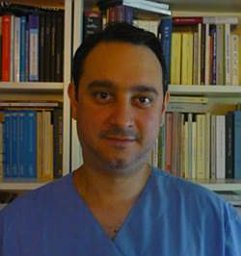 Stavros Spiliopoulos合作论文数School of Medicine, Patras University Hospital45
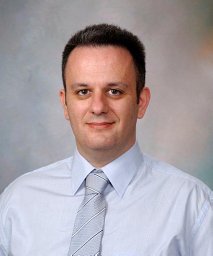 George C. Kagadis合作论文数Department of Medical Physics;School of Medicine;University of Patras;School of Medicine, University of Patras29
 Hany Zayed合作论文数Department of Vascular Surgery, King's College Hospital24Narayanan Thulasidasan合作论文数19
 Narayan Karunanithy合作论文数19
 Panagiotis M. Kitrou合作论文数School of Medicine, Patras University Hospital17
 Athanasios Saratzis合作论文数15
 Irfan Ahmed合作论文数12Tarun Sabharwal合作论文数11
 Ioannis Paraskevopoulos合作论文数University of Illinois USA10Panos Gkoutzios合作论文数8Aneeta Parthipun合作论文数8
 George C Nikiforidis合作论文数8
 Lukla Biasi合作论文数St. Georges Hospital NHS Trust, St George's Regional Vascular Institute7
 Iakovos Theodoulou合作论文数6Ioannis M. Tziolas合作论文数6
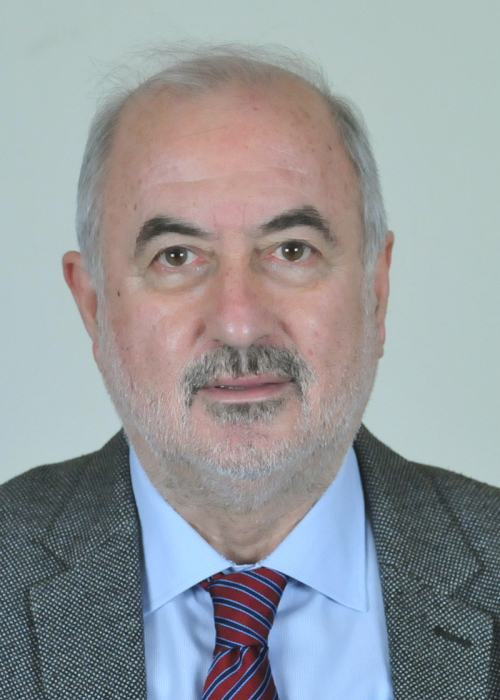 Pantelis Zebekakis合作论文数Pathology Clinic, Aristotle University of Thessaloniki6Lina S. Hatzistavri合作论文数6
 Miltiadis Krokidis合作论文数Department of Radiology, Guy’s and St. Thomas’ Hospitals6Romman Nourzaie合作论文数5
 Lorenzo Patrone合作论文数5D. Mulholland合作论文数5Prakash Saha合作论文数School of Cardiovascular Medicine & Sciences, Faculty of Life Sciences & Medicine, King’s College London5
 Ashish Patel合作论文数British Heart Foundation Centre of Research Excellence, School of Cardiovascular and Metabolic Medicine & Sciences, Faculty of Life Sciences & Medicine, King's College London5Christeas Nikolaos合作论文数5Panagiota Ravazoula合作论文数School of Medicine, University of Patras5Pantelis A. Sarafidis合作论文数5A. Lasaridis合作论文数5Talia Lea合作论文数4Robert Morgan合作论文数4
 Dimitrios Alexopoulos合作论文数National and Kapodistrian University of Athens Medical School, Attikon University Hospital4
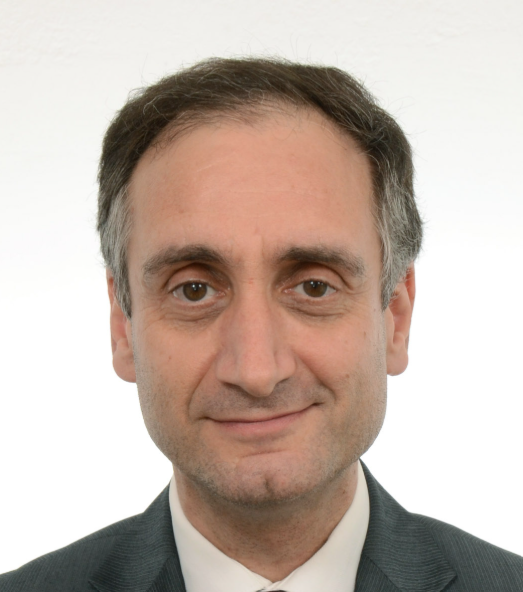 Stavros Kakkos合作论文数Department of Vascular Surgery, School of Medicine, University of Patras4Dimitris N Mihailidis合作论文数4Emmanuel Katsogridakis合作论文数University of Thessaly, University Hospital of Larissa4
 Matt Bown合作论文数Department of Cardiovascular Sciences, University of Leicester4C. Bent合作论文数3PA Sarafidis合作论文数3T. Lea合作论文数3J. Silickas合作论文数3Harishankar Nair合作论文数3Peter Mezes合作论文数3Renato Dourado合作论文数3Serafino Santonocito合作论文数3Trixie Yap合作论文数3N. Thulasidasan合作论文数3
 Alexandros Georgiou合作论文数3




