As violence and professional precarity intensify for journalists, resilience has become a central framework for understanding how journalists continue working under sustained risk. However, journalism studies research has largely conceptualized resilience through hierarchical models that distribute responsibility across bounded levels of authority. This conceptual article offers a critical synthesis of journalism studies research, resilience scholarship, ecological approaches, and public health prevention frameworks to examine how existing models align with contemporary threats toward journalists. We first map prevailing orientations to resilience (e.g., individual, organizational, and institutional) and show how these models can privilege episodic or reactive responses to journalistic harms and obscure gaps in coordinated interventions to mitigate violence. We then advance an ecological reorientation of journalistic resilience grounded in networked ecologies. We propose a three-part framework (individual-in-relation, collective, and networked) that conceptualizes resilience as a relational and cross-institutional capacity. Finally, we introduce public health prevention models as a translational lens for operationalizing ecological resilience as coordinated infrastructure spanning prevention, intervention, and recovery. This framework offers a conceptual foundation for studying and strengthening resilience across contemporary media environments.
BackgroundGenetic testing has become a common way of identifying a woman’s risk of developing hereditary breast and ovarian cancer; however, not all medical providers have the necessary information to support patients interested in genetic testing, nor do they always have the proper information for patients once they have been diagnosed. Therefore, many “previvors”—the name given to those who have tested positive for the BRCA genetic mutation—have taken to social media to inform others about the importance of genetic testing and explain to them how to understand their test results. Historically, those desiring to speak about their medical issues online have sought out structured support groups or chat rooms; however, many previvors today are instead posting on their own personal social media accounts and creating more niche communities. ObjectiveThis study aimed to examine why BRCA previvors are sharing content on their personal social media accounts and how posting online in this way serves a purpose for their larger community. MethodsA total of 16 semistructured interviews were conducted with individuals who posted about their experience being diagnosed with the BRCA genetic mutation and their subsequent treatment on their personal social media accounts, specifically for followers interested in their medical journey. The interviews were recorded, transcribed, and coded by an experienced qualitative researcher and a graduate student using inductive techniques, and a reflexive thematic analysis was applied to the transcripts. ResultsThe results suggest BRCA previvors want to control the narrative around their personalized medical experiences rather than participating in existing groups or chat rooms. Controlling their own story, rather than adding to existing narratives, gives previvors a sense of control. It also allows them to set boundaries around the types of experiences they have online when sharing their medical journey. Finally, previvors said they feel they are serving the larger BRCA community by each sharing their individual journeys, to hopefully avoid stereotyping and homogenizing the experience of patients with BRCA genetic mutations. ConclusionsResearch with the objective of understanding the experiences of BRCA previvors should include exploring how and why they talk about their journeys, especially due to the lack of knowledge BRCA previvors say many of their medical providers have. We suggest further research should examine how other patients with the BRCA genetic mutation, especially racial and ethnic minority patients, are navigating their own content creation, especially considering content moderation policies that social media platforms are continuing to implement that directly impact users’ ability to share about their medical experiences.
Building on the previous chapters, chapter 6, “Harassment and Disconnection from Journalism’s Digital Labor,” shows how traditional norms of public dialogue--framed by professional ideologies and governmental and legal norms--have become sites of contestation in online spaces as audiences resist or re-create the power structures that frame public dialogue, sometimes in deliberately inflammatory ways, such as trolling. We show how journalists themselves often engage with or are targeted by deliberately defamatory commentary and discussion that are seemingly part of online news flows and posted without any repercussions. With a focus on harassment, this chapter illustrates the disconnection practices that have allowed individual journalists to cope with online harassment while making recommendations for media organizations to establish a more systemic approach to deal with online abuse.
Chapter 5, “Connecting with Journalism in an Era of Misinformation,” explores some of the more disruptive and confrontational forms of engagement that come with professional use of social media for journalism. We argue that misinformation and disinformation during the COVID-19 pandemic reflected some of the issues related to intimate online connection between journalists and audiences, especially when audiences disconnect from broader social acceptance of journalism’s professional ideologies. Using case studies drawn from reportage during the pandemic, this chapter unpacks some of the strategies journalists used to safely and productively participate within online cultures that prioritize authenticity and sometimes deliberately disruptive content.
Newsroom norms and values have long been communicated through processes of social control, but this is being replaced with explicit policies, at least in the case of social media. Chapter 4, “Dis/connecting from Policy and Practice,” presents a discourse analysis spanning scholarly literature, industry press, and newsroom social media policies themselves. It finds that these policies are driven by corporate desire for identity and reputation management. The means to achieve this are a blanket prohibition on individual opinion, limits on interactivity and tone, and the removal of online privacy expectations for individual journalists. Inherent in these newsroom social media policies are several paradoxes that arise from newsrooms’ need to balance opportunity and risk and also from newsrooms seeking to balance editorial and social media logics in a hybrid media system.
Journalists are increasingly experiencing the negative consequences of online news transformations, such as trolling and harassment, as well as audience distrust. Despite acute need, intra-organisational efforts to support journalists’ online wellbeing have so far been limited. More recently, research has explored how journalists have turned to individual practices of disconnection, such as blocking, muting, or small breaks from online media to mediate the impacts of their everyday online labour (Bossio et al., 2024). Building on this research, this study explores how these individual practices are moving toward collective practices of disconnection. Using interviews with 21 journalists, this study traces how emergent collective practices might contribute to systemic change in journalism. We argue that in lieu of intra-organizational support, journalists seek to disconnect through informal sharing of experiences and support as well as collective efforts toward inter-organisational training and intra-organisational formalization mentoring programs.
Chapter 2, “Burning Out, Turning Off, and Disconnecting,” introduces the disconnection strategies journalists use to navigate professional use of social media. We argue that new forms of social media connection have also led to journalists’ frustration with increased affective labor, unsafe communication environments, and negative impact on professional reputations and personal well-being. Using interviews with professional journalists, we show how experiences of social media fatigue have resulted in a careful renegotiation of professional and personal boundaries around journalists’ social media use. These strategies of disconnection are influenced by the technological, social, and cultural affordances of specific media platforms, organizational and institutional constraints, and the online literacies and behaviors of journalists themselves.
One of the main ways journalists connect with audiences is through branding practices on social media. Chapter 3, “Maintaining Professional Connections through Branding,” identifies the origins of social media branding practices in journalism and explains their widespread adoption as a response to various crises in the industry. It then presents findings from several studies of journalists’ branding practices, describing the various forms and patterns these practices take. Journalistic branding on social media is fraught with several normative tensions, primarily between personal and professional approaches and between social media logics of engagement and editorial logics of independence. These tensions introduce competing goals and lead to journalists practicing strategies of connection and disconnection in their work on social media.
The Paradox of Connection addresses crucial questions about journalists’ media work in dynamic social media environments through a framework of online connection and disconnection. The focus of the book is the exploration of how journalists’ practices of connection and disconnection in social media environments are formed, negotiated, and maintained. This book argues that journalists’ pursuit of online and social media connection with audiences has resulted in new work practices, new efficiencies in production, and new forms of reporting. But for all the new and innovative forms of online connection that have changed journalism practice, there are also material effects on journalists and their work. Journalists’ interactions with the technological, social, and cultural features of online and social media environments, paired with the related values and competencies of journalistic work, have influenced new online work practices. These new online work practices are largely based on tactics for online connection and disconnection, which both shape and respond to the many complexities of working in dynamic and fast-changing media environments. Using case studies, policy analysis, and interviews with journalists themselves, the book shows how journalists respond to technical, organizational, and institutional influences on work practices in social media environments and their implications for relationships with audiences and, more broadly, with their traditional professional identities and norms.
PurposeIn the past few years, research focusing on misinformation, referred to broadly as fake news, has experienced revived attention. Past studies have focused on explaining the ways in which people correct it online and on social media. However, fewer studies have dealt with the ways in which people are able to identify fake news (i.e. fake news literacy). This study contributes to the latter by theoretically connect people’s general social media use, political knowledge and political epistemic efficacy with individuals’ fake news literacy levels.Design/methodology/approachA diverse and representative two-wave panel survey in the United States was conducted (June 2019 for Wave 1, October 2019 for Wave 2). We performed cross-sectional, lagged and autoregressive regression analyses to examined how social media us, people’s political knowledge and political epistemic efficacy are related to their fake news literacy.FindingsResults suggest that the more people used social media, were politically knowledgeable and considered they were able to find the truth in politics (i.e. epistemic political efficacy), the more likely they were to discern whether the news is fake. Implications of helping media outlets and policy makers be better positioned to provide the public with corrective action mechanisms in the struggle against fake news are discussed.Research limitations/implicationsThe measurement instrument employed in the study relies on subjects’ self-assessment, as opposed to unobtrusive trace (big) digital data, which may not completely capture the nuances of people’s social media news behaviors.Practical implicationsThis study sheds light on how the way people understand politics and gain confidence in finding political truth may be key elements when confronting and discerning fake news. With the help of these results, journalists, media outlets and policymakers may be better positioned to provide citizens with efficient, preemptive and corrective action mechanisms in the struggle against misinformation.Originality/valueRecent literature highlights the importance of literacy education to contest fake news, but little is known about what specific mechanisms would contribute to foster and reinvigorate people’s fake news literacy. This study helps address this gap.Peer reviewThe peer review history for this article is available at: https://publons.com/publon/10.1108/OIR-03-2024-0140
Genetic testing (GT) has become ubiquitous in the United States, either in clinical or direct-to-consumer markets. White and English-speaking populations have primarily benefited from this new technology, leaving other groups, like Hispanic populations, behind. Explanations for this disparity has cited a lack of awareness and knowledge of genetic testing purposes. Science communication from English-language media play an important role in setting initial attitudes and influencing decision-making for audiences. However, Spanish-language media have virtually no research published on documented potential effects for GT utilization despite the continued growth of Hispanic Spanish-speaking groups in the United States. Thus, this study characterized coverage of GT from two of the most prominent US Spanish-language media outlets, Telemundo and Univision. Over a 12-year time period, we identified 235 written articles of GT, mainly focusing on forensics applications, followed by gossip and health. There were 292 sources referenced across all 235 articles drawing from governmental agencies or officials, other news agencies, and medical institutions or officials. The findings suggest that coverage of GT among Spanish-language news outlets is limited. When Spanish-language news outlets do cover GT, they focus on aspects of intrigue or entertainment more than demystifying and explaining GT. Stories tend to cite other published articles, with author attribution often missing, leading to questions of comfort of Spanish-media to cover these topics. Further, the publishing process may lead to confusion of the purpose of genetic testing for health purposes and may bias Spanish-speaking groups towards genetic testing for health purposes. Thus, reconciliation and education initiatives around genetic testing purposes are needed for Spanish-speaking communities from not only media, but also genetics providers and institutions.
Chapter 1, “Journalism and the Paradox of Connection,” focuses on defining forms of connection--commercial, professional, and civic--that have emerged from journalists’ work on social media. This chapter shows how individual mediation of the potential influence of social media and its impact on journalists have led to a number of different professional strategies for connection online. Increasing professionalization of social media spaces has encouraged journalists and news organizations to present an always-on presence alongside the representation of an “authentic” online persona and more intimate engagement with audiences. Journalists, like other media workers, have also constructed and maintained professional online personas that brand their news reportage and themselves. Some journalists have incorporated more reciprocal forms of online connection with audiences, mediating their online personas with professional purpose.
Journalism research has shown that while attacks on journalists persist and intensify, countermeasures have largely been at the individual level, meaning that the burden of attacks has been left to journalists themselves. This article amplifies the need for systemic change by examining attacks on journalism from an occupational hazard lens. It draws on the case of violence against Filipino journalists to articulate a framework for institutional intervention.
Objective: We sought to understand BRCA previvors'perceptions of communication with genetic counselors and other healthcare providers. Methods: We conducted 16 qualitative interviews and utilized thematic analysis to develop patterns present in the narratives of previvors. Results: Interviews with previvors suggest genetic counselors and other providers often make assumptions about previvors' family planning and treatment needs based on perceived gender, age, and sexual orientation. Conclusion: BRCA patients require individualized attention when planning for their future and making healthcare decisions and we argue that implementing patient-centered care practices into the communication process can provide a higher quality of care. Innovation: This study offers an innovative lens through which scholars and healthcare providers may examine the experiences of BRCA previvors as they seek adequate care. Asking previvors to explain their perceptions of conversations with genetic counselors and healthcare providers offers insight into the communicative process of seeking care rather than the health outcomes of the care itself. Our findings suggest biases among providers related to gender, age, and sexual orientation are concerning elements of family planning communication that potentially interrupt previvors' abilities to express their care needs in a safe environment. We argue for an increased awareness of, and advocacy for, more inclusive conversations regarding treatment and family planning decisions.
Research on previvors, individuals with a genetic predisposition to develop hereditary breast and ovarian cancer but who have not yet been diagnosed with breast or other cancers, examines online information gathering and community support to alleviate uncertainty. However, research exploring online content published by previvors themselves is limited. We examined content published to Instagram and TikTok to explore how breast cancer previvors discussed their lived experience which included, but was not limited to, genetic testing, diagnosis with a BRCA1/2 pathogenic (i.e. risk-increasing) variant, the decision to undergo preventative measures like surgery and/or reconstruction, and how they cope after diagnosis and surgical procedures. In the findings, we explicate how many previvors feel a responsibility to share their authentic experience on social media in order to help others and mitigate their own feelings of uncertainty. This study offers a snapshot of how women are sharing breast cancer previvorship and building social connections with each other online.
 Valerie Belair-Gagnon合作论文数28
 Logan Molyneux合作论文数Journalism, University of Texas at Austin18
 Diana Bossio合作论文数Media & Commun, Swinburne Univ Technol13
 Mark Coddington合作论文数10
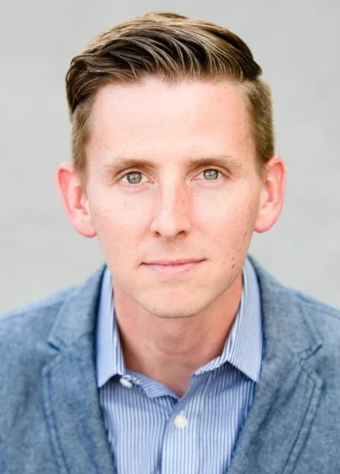 Seth C. Lewis合作论文数School of Journalism and Communication, University of Oregon9
 Brooke Weberling Mckeever合作论文数a School of Journalism and Mass Communications, University of South Carolina6
 Angela M. Lee合作论文数The University of Texas at Dallas5Kimberly A Kaphingst合作论文数5
 Chris Clarke合作论文数Dept Commun, George Mason Univ5
 Iris Chyi合作论文数School of Journalism and Media, Moody College of Communication, University of Texas at Austin4
 Love Brad合作论文数Department of Advertising and Public Relations, University of Texas in Austin4
 Graham Dixon合作论文数Department of Communication, Cornell University4
 Sean Lawson合作论文数Department of Science and Technology Studies;Rensselaer Polytechnic Institute;Department of Science and Technology Studies, Rensselaer Polytechnic Institute4
 Mariah Wellman合作论文数Dept Commun, Univ Utah3
 Homero Gil De Zúñiga Navajas合作论文数Department of Communication, College of Social Sciences, University of Vienna3
 Heather E. Canary合作论文数at the Polytechnic Campus Humanities & Arts Bell Hall, Arizona State University3Dominic L. Lasorsa合作论文数3
 Drew Bernard合作论文数2Sarah Francis合作论文数2Alexis Vega合作论文数2Ginger Zamora合作论文数2
 Tamar Wilner合作论文数William Allen White School of Journalism and Mass Communications, University of Kansas2Renita Coleman合作论文数2Michael Mackert合作论文数2sun ho jeong合作论文数Inst Commun Arts & Technol, Hallym Univ2
 Claudia Mellado合作论文数Pontificia Univ Catolica Valparaiso2
 Taylor Owen合作论文数Max Bell School of Public Policy, McGill University2Nadia Diamond-Smith合作论文数Venture Strategies for Health and Development, Berkeley, USA. ndiamond@jhsph.edu2
 Chavez-Yenter Daniel合作论文数Sparkman Center for Global Health, University of Alabama at Birmingham2Wright Jennifer合作论文数2
 Anne C Kirchhoff合作论文数Elyse R. Park, Massachusetts General Hospital;Joel S. Weissman, Brigham and Women's Hospital;Lisa R. Diller and Christopher J. Recklitis, Dana-Farber Cancer Institute;Anne C. Kirchhoff, Huntsman Cancer Institute;Wendy Leisenring, Fred Hutchinson Cancer Research Center;Ann C. Mertens, Emory University School of Medicine;James D. Reschovsky, Mathematica Policy Research;St Jude Children's Research Hospital;Dana-Farber Cancer Institute, Emory University School of Medicine2
 Mark Deuze合作论文数indiana university2
 Yelena P Wu合作论文数2
 Itai Himelboim合作论文数School of Journalism and Mass Communication, University of Minnesota2
 Carolyn Yaschur合作论文数Department of Journalism, The University of Texas at Austin2
 Cindy Royal合作论文数Texas State University2Jakob D. Jensen合作论文数1
 Rebekah Perkins合作论文数1Sarah Parsloe合作论文数1Ariel Durosky合作论文数1gina eosco合作论文数1Micky Daurelle合作论文数1
 Laura C. Farrell合作论文数1julie fudge合作论文数1Chris McCullough合作论文数1Sarah Abdelaziz合作论文数1Jay Bishoff合作论文数1
 Elana Newman合作论文数1Jonghee Kim合作论文数1




