A high-speed cell sorter capable of a throughput speed 4-5-fold greater than commercially available systems was developed and evaluated as a processing tool for isolating purified hematopoietic stem cell grafts. The clinical high-speed sorter (CHSS) serves as a single-pass, multiparameter processing tool that provides the means to isolate a highly purified population of cells from starting cell populations with extremely low frequencies. The sorter incorporates environmental barriers to create a sterile environment for cell processing. Monoclonal antibodies and reagents produced under good manufacturing practices (GMP) are used to isolate hematopoietic stem cells by means of the CHSS. Using this technology, the CD34+Thy-1+Lin- hematopoietic stem cell population has been isolated from normal adult bone marrow and mobilized peripheral blood. The sorted cells have been shown to be sterile and viable and to retain hematopoietic function.
Although human hematopoietic stem cells can be isolated based on cell surface antigen expression, their proliferative and developmental capacity must still be defined by their ability to produce multiple hematopoietic cell lineages for prolonged times in vivo. In order to derive a long-term in vivo multilineage SCID-hu graft we transplanted a human fetal bone and spleen adjacent to an HLA class I mismatched fetal thymus fragment in immunodeficient SCID mice (SCID-hu BTS). Grafts were analyzed at various times post transplant for cells expressing specific lineage markers. The bone marrow of SCID-hu BTS grafts maintained B cells and myeloid cells for at least 36 weeks post transplant. Analysis for progenitor content within grafts revealed that CD34+ cells, CFU-G/M, and CFU-GEMM were maintained in 94%(109/116), 100%(66/66) and 79%(52/66) up to 28 weeks. HSC (CD34(hi)Thy-1(+)Lin(-)) sorted from 20 week old SCID-hu BTS grafts demonstrated potent secondary multilineage reconstituting potential when injected into HLA mismatched SCID-hu bone grafts. In addition both immature and mature T-cells, derived from progenitors within the fetal bone, were found in 87%(101/116) of grafts analyzed up to 36 weeks in vivo. Injection of irradiated SCID-hu BTS grafts with CD34(+)Thy-1(+)Lin(-) umbilical cord blood cells produced B-cells, myeloid cells, T-cells and CD34(+) cells in individual grafts when analyzed 8 weeks post reconstitution, further demonstrating the multipotential nature of these HSC populations. This model is currently being used to define soluble factors or cells that are capable of enhancing human HSC engraftment.
Totipotential hematopoietic stem cells (HSC) have an extremely high proliferative potential, therefore they can differentiate into all hematopoietic lineages, generating a high number of hematopoietic progenitors and providing a long-lasting supply of blood-borne cells.1–3 Thus, a number of in vitro assays identify HSC on the basis of their capacity to derive multiple hematopoietic lineages and of their high proliferative potential in culture (reviewed in ref. 4). It is however commonly accepted that in vitro assays do not accurately reflect the global and physiological development of hematopoiesis and thus are not ideal for preclinical testing. Research on murine HSC has strongly benefited from in vivo experimentation which is not possible with human HSC for ethical reasons. To overcome these limitations, several xenogeneic models have been designed to support the in vivo development of human hematopoietic cells in surrogate animals.
The early stages of lymphoid cell formation were studied by testing the differentiative potential of phenotypically defined subsets of CD34+ bone marrow cells. A subpopulation of CD34+ Lin- CD45RA+ cells expressing CD10 was isolated by flow cytometry. Such cells are CD38+, HLA-DR+, do not express significant levels of Thy-1 and c-kit, lack erythroid, myeloid, megakaryocytic potential, and give rise only to lymphoid T, B, natural killer (NK), and dendritic cells (DC) in kinetics and titration experiments. Limiting dilution analysis demonstrates the existence of multipotential B/NK/DC progenitor clones in the CD34hi Lin-CD10+ adult bone marrow cell population. Thus, nonprimitive progenitors for lymphoid cells and for DCs can be distinct from those of myeloid, megakaryocytic, and erythroid cells, implying that the DC lineage is developmentally more closely related to the lymphoid lineage than to the myeloid lineage. This study provides new insights into the organization and development of the human lympho-hematopoietic system.
 christopher c fraser合作论文数2Hill Beth L合作论文数2Ronald Hoffman合作论文数2
 Anne Galy合作论文数Experimental Cellular Therapy Group SyStemix Incorporated2hideto kaneshima合作论文数1michael vardanega合作论文数1D Cen合作论文数1A Tsukamoto合作论文数1Combs J合作论文数1Rosler Elen S合作论文数Geron Corporation1Anne-Marie Buckle合作论文数1Robert Tushinski合作论文数1Marilyn Travis合作论文数1
 Dennis T Sasaki合作论文数and the Stanford Medical School Blood Center, Stanford University1Gun Hansteen合作论文数1Paul J Simmons合作论文数1Nobuko Uchida合作论文数1
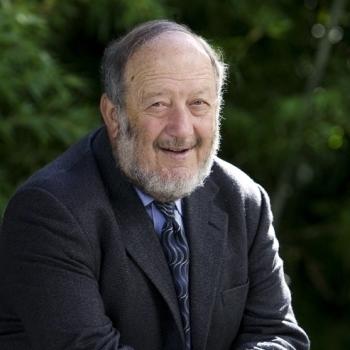 Irving Weissman合作论文数Department of Developmental Biology, Stanford University;Department of Biology and Neurosurgery, Stanford University;Department of Pathology, Stanford University1




