Exposed rocks on underwater mountains and ridges host abundant and diverse microbial communities. X-ray and microscopic analyses of volcanic rocks associated with Loihi seamount in Hawaii suggest that seafloor microbes may commonly be sustained by energy inputs from the water column.
Submersible exploration of the Samoan hotspot revealed a new, 300-m-tall, volcanic cone, named Nafanua, in the summit crater of Vailulu'u seamount. Nafanua grew from the 1,000-m-deep crater floor in < 4 years and could reach the sea surface within decades. Vents fill Vailulu'u crater with a thick suspension of particulates and apparently toxic fluids that mix with seawater entering from the crater breaches. Low-temperature vents form Fe oxide chimneys in many locations and up to 1-m-thick layers of hydrothermal Fe floc on Nafanua. High-temperature (81 degrees C) hydrothermal vents in the northern moat (945-m water depth) produce acidic fluids (pH 2.7) with rising droplets of (probably) liquid CO2. The Nafanua summit vent area is inhabited by a thriving population of eels (Dysommina rugosa) that feed on midwater shrimp probably concentrated by anticyclonic currents at the volcano summit and rim. The moat and crater floor around the new volcano are littered with dead metazoans that apparently died from exposure to hydrothermal emissions. Acid-tolerant polychaetes (Polynoidae) live in this environment, apparently feeding on bacteria from decaying fish carcasses. Vailulu'u is an unpredictable and very active underwater volcano presenting a potential long-term volcanic hazard. Although eels thrive in hydrothermal vents at the summit of Nafanua, venting elsewhere in the crater causes mass mortality. Paradoxically, the same anticyclonic currents that deliver food to the eels may also concentrate a wide variety of nektonic animals in a death trap of toxic hydrothermal fluids.
 Hubert Staudigel合作论文数Institute of Geophysics and Planetary Physics, Scripps Institution of Oceanography, University of California, San Diego8
 Alexis S. Templeton合作论文数Department of Geological Sciences, University of Colorado at Boulder8
 Bradley M. Tebo合作论文数Department of Chemistry, College of Arts & Sciences, University of Washington;Oregon Health and Science University4
 B Tebo合作论文数2B. M. Tebo合作论文数2l haucke合作论文数2
 Stanley R Hart合作论文数Department of Geology and Geophysics, Woods Hole Oceanographic Institution2
 Jasper Konter合作论文数Department of Geological Sciences, University of Texas at El Paso2Sandra Brooke合作论文数2
 Anthony A. P. Koppers (Anthony Koppers)合作论文数College of Earth, Ocean, and Atmospheric Sciences, Oregon State University2PAUL MCCOLD E TED合作论文数1
 Richard E Davis合作论文数NASA, Texas State Univ1Sam Webb合作论文数Stanford Synchrotron Radiation Lightsource, SLAC National Accelerator Laboratory1
 Daniel L Eldridge合作论文数Faculty of Science, Engineering and Technology, Swinburne University of Technology1
 Craig Young合作论文数Oregon Institute of Marine Biology, College of Arts and Sciences, University of Oregon1
 Harald Furnes合作论文数Department of Earth Science, University of Bergen1Ian Hudson合作论文数1
 Edward T. Baker合作论文数Joint Institute for the Study of the Atmosphere and Ocean, University of Washington1
 Christian Schroder合作论文数Planetary Science Department, Max Planck Institute for Solar System Research1
 Thomas P. Trainor合作论文数Department of Chemistry and Biochemistry, University of Alaska Fairbanks1
 Christopher R. German (Chris German)合作论文数Woods Hole Oceanographic Institution1
 Bruce W. Arey合作论文数Pacific Northwest National Laboratory1G. Klingelhoefer合作论文数1Ray M. Lee合作论文数1
 Douglas P Connelly合作论文数National Oceanography Centre, University of Southampton—Waterfront Campus1Adele J. Pile合作论文数1
 Craig L. Moyer合作论文数Biology Department;Western Washington University;Biology Department, Western Washington University1Robert A. Zierenberg合作论文数Department of Geology, University of California, Davis1
 Terry Plank合作论文数Department of Earth and Environmental Sciences, Lamont-Doherty Earth Observatory, Columbia University1Ian R. Hudson合作论文数1
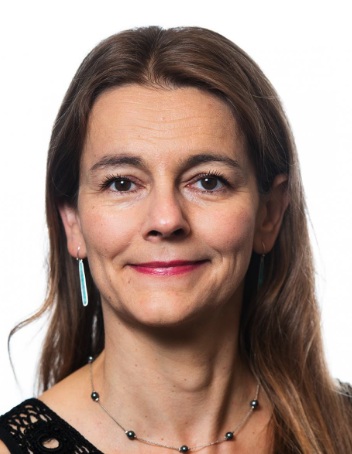 Alice Dohnalkova合作论文数Environmental Molecular Sciences Division, Pacific Northwest National Laboratory;Environmental Molecular Sciences Laboratory, Pacific Northwest National Laboratory1
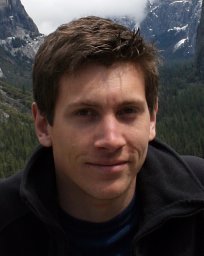 Daniel Jones合作论文数National Oceanography Centre DEEPSEAS Group, George Deacon Division1
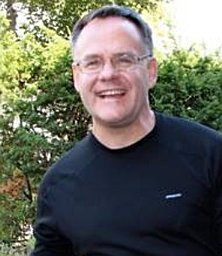 Peter Eng合作论文数The James Franck Institute, The University of Chicago;Physical Sciences Division, Center for Advanced Radiation Source, The University of Chicago1
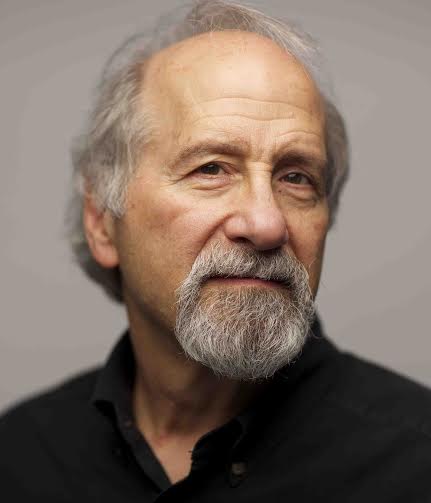 Theodore W. Pietsch合作论文数School of Aquatic and Fishery Science, College of the Environment. University of Washington1




