The 2023 wildfires in Canada resulted in substantial emissions to air. In this work, we used predicted concentrations of hazardous air pollutants (HAPs), fine particulate matter (PM2.5), and ozone across the U.S. and Canada to estimate the potential impacts of 2023 Canadian wildfire smoke on human health. HAPs from Canadian wildfires were estimated to increase lifetime population-weighted cancer inhalation risk by 1-in-1 million (500 excess cancer cases) and noncancer risk by a hazard index (HI) of 0.05 across the domain. The additional risk from HAPs in smoke was predicted to exceed a cancer risk of 100-in-1 million for 1,300 people and a HI of 1.0 for 110,000 people, all in Canada. In addition, 360,000 people in Canada were predicted to experience an increase in annual-mean PM2.5 of at least 5 μg m-3. Nearly 63 million people, 76% of which were in the U.S., were predicted to experience an increase in seasonal maximum daily 8-hour average ozone greater than 1 ppb. In Canada, ozone and PM2.5 associated with the 2023 fires were estimated to result in over 3x more attributable deaths per year than wildfire smoke in years 2013 through 2018.
This study describes results from the application of the Community Multiscale Air Quality (CMAQ) model’s Integrated Source Apportionment Method (ISAM) tool on a northern hemispheric domain and a U.S.-focused regional modeling domain. These CMAQ ISAM simulations are designed to characterize the air quality impacts of emission changes, to quantify changes in the contributions of anthropogenic versus natural and domestic versus international sources to U.S. air quality, and to assess spatial and temporal variations in these contributions. Results show that the modeled population-weighted peak summertime daily maximum 8-hour ozone mixing ratio averaged over the U.S. decreased from 84 to 72 ppb between 2005 and 2018 and that reductions in mobile source emissions drove a large portion of this decrease. Analysis of ISAM results for aerosols show a decrease in annual mean population-weighted fine particulate mass from 13.8 to 7.7 μg/m3 between 2005 and 2018 over the Eastern U.S. A majority of this decrease was caused by decreases in inorganic secondary aerosol species formed from SO2 and NOx emissions. Overall, these results demonstrate the effectiveness of U.S. emission controls and the increasing importance of large-scale modeling for a process-based understanding of U.S. air quality.
Understanding the impact of biomass burning, including wildfires, on air quality requires accurate quantification of associated surface-level pollution, which is often underpredicted due to chemical aging and variable confounding sources. Using methodology that incorporates decades of aerosol spectroscopy and isolates biomass burning across wood combustion types and fire sizes, we find that biomass burning contributes over 40% of organic 5 particulate matter across a majority of 43 measurement sites in the Northeastern U.S. We differentiate substantial contributions from wildfires, prescribed burns, and other anthropogenic activities, while finding that half of smoke originates from minor events that often go undetected. With biomass burning comprising an increasing fraction of pollution, transferable approaches to routinely estimate its impacts are critical to informing science and policy in a changing world.
Abstract. Urban secondary organic aerosol (SOA) contributes to degraded air quality which can affect human health. Improvements in Los Angeles (LA), CA air quality have mainly plateaued since 2010. In summer 2022, measurements were made to quantify the SOA formation potential (SOA-FP) in ambient LA air. Two oxidation flow reactors (OFRs) ingested ambient air: one was equipped with an electrically conductive polymer inlet that denuded lower volatility species, and the other was run without an inlet. This allowed the separate quantification of SOA-FP from higher vs. lower volatility precursors. To our knowledge these are the first direct measurements of these fractions. Measured ambient SOA was similar and total SOA-FP was lower in 2022 vs. 2010, consistent with higher ambient OH causing greater consumptions of SOA precursors in 2022. The dual-OFR measurements suggest ~31 % of the total SOA-FP is due to compounds with volatilities in the SVOC and lower IVOC ranges. Results are compared to two box models: one based on CRACMM and the other adapted from a recent Caltech publication. CRACMM predicted ambient OA well but underpredicted SOA-FP by about a factor of 2, while the Caltech model underestimated OA and overpredicted SOA-FP by a factor of 2.5. Our study finds terpenoids contribute to, but do not dominate, SOA-FP.
Per- and polyfluoroalkyl substances (PFAS) have been released into the environment for decades and are a concern for human and environmental health. PFAS are considered largely inert, but studies show that some PFAS can undergo chemical reactions that can impact their environmental behavior. In this work, the hydrolysis in particle and cloud water of three perfluorinated acyl fluorides, an important class of emissions from a global manufacturer, to perfluorinated carboxylic acids is added into a PFAS atmospheric model built upon the Community Multiscale Air Quality model (CMAQ-PFAS). Nearly all of the hydrolysis is predicted to proceed in the clouds, with minimal occurrence in particles. Henry's law constants increase by three or more orders of magnitude when acyl fluorides hydrolyze into carboxylic acids, increasing the predicted domain-wide annual deposition for these compounds. A larger relative increase in deposition is observed further from the facility, although predicted deposition 110 km away from the facility is lower than measurements by a factor of ∼20 or more. The reasons for this underprediction are discussed, and future research needs to better simulate and understand PFAS in the atmosphere are proposed.
Connecting changes in emissions to air quality is critical for evaluating the effects of a specific policy. Here, we introduce a methodology to aid in assessing the air quality impacts of changes in the energy system. A set of widely varying scenarios that describe alternative potential evolutions of the US energy system is constructed using the TIMES energy system model. For each scenario, an R script is used to communicate future emissions changes to the CMAQ photochemical air quality model. Example results are shown, and the development of the TIMES scenarios is described for users who wish to adapt them to alternate geographies. Possible use cases include evaluating the air quality effects of specific emissions reduction measures or of broad changes to dominant technologies in major sectors such as transportation.
Accurate representation of aerosol size distributions and total number concentrations is critical for evaluating particle impacts on climate, clouds, and public health. An Advanced Particle Microphysics model (APM) has been integrated into the USEPA's Community Multiscale Air Quality Modeling System (CMAQ) to improve its representation of aerosol size distribution. CMAQ is a state-of-the-science air quality model simulating the emission, transport, formation, evolution, and deposition of air pollutants. Unlike the original CMAQ's simplified modal approach, the sectional APM model distinguishes primary and secondary particles, keeps track of secondary species coated on each type of primary particle (black carbon, primary organic carbon, dust, and sea salt), and uses flexible binning for different particle types. This introduces 116 new APM-related tracers increasing computational cost by 83% but enabling high-size resolution aerosol simulations. The updated CMAQ-APM incorporates a ternary H2SO4-H2O-NH3 ion-mediated nucleation scheme to investigate particle formation and growth over the United States. Predicted monthly mean nucleation rates, particles larger than 10 nm (CN10), and cloud condensation nuclei (CCN) at 0.4% supersaturation (CCN0.4) in the surface in summer and winter of 2013 range from ~0.001 to ~2 cm-3 s-1, ~2,000-15,000 cm-3, and ~300-5,000 cm-3, respectively. Modeled CN10 and CCN0.4 generally align well with observations with normalized mean bias in the range of -6.42%-192.32% and 11.44%-36.06%, respectively. The incorporation of APM into CMAQ substantially improves the capability of CMAQ in representing size-resolved particles, especially ultrafine particles and CCN activation thresholds, hence offering a robust tool for quantifying aerosol-climate interactions and exposure risks.
Many greenhouse gas (GHG) emission reduction measures achieve simultaneous reductions in air pollutants. Human-Earth system models can estimate such emission changes in the energy system but using them in chemistry-transport models (CTMs) to study their air quality impacts involves resource-intensive emissions processing. This is greatly simplified by an emissions scaling approach linking state-level emissions estimated by a human-Earth system model to a CTM. A scenario continuing pre-2022 energy policy in the U.S. to 2050 shows widespread air quality improvements over the 2015 baseline from SO2 and NOx emission reductions of 50 - 80% from electricity generation and light-duty vehicles. Scenarios of GHG mitigation and vehicle electrification at the state and national level add further benefits. However, PM2.5 increases from increased use of wood heating and bioenergy suggest that additional PM2.5 management may be needed when using biofuels. This approach helps assess multiple future energy scenarios efficiently without sacrificing chemical detail in the air quality simulations.
NOAA’s Unified Forecasting System (UFS) is a community-based Earth modeling system that plans to provide a framework to efficiently incorporate research advances into NOAA’s operational forecasts. Currently, chemistry related code for different applications including weather, climate, air quality, and smoke and dust forecasting is incorporated into the UFS through different methods. This non-unified framework is inefficient, difficult for developers to maintain, and not conducive for adding capabilities within the UFS for research applications. Through this work, we plan to unify atmospheric chemistry and composition within the UFS by creating CATChem or the Configurable ATmospheric Chemistry module (https://catchem.readthedocs.io/). CATChem will be flexible such that users can select the correct level of chemical complexity for their research or operational application. CATChem will include the following processes: passive tracers, chemical kinetics, aerosols, photolysis, wet deposition, dry deposition, connections to emissions, and connection to physics schemes. We will link CATChem to the UFS to create UFS-Chem or the Unified Forecasting System with chemistry. When possible, we will use tools already developed or being developed by the research community like the Model Independent Chemistry Module (MICM), which is a component of the MUlti-Scale Infrastructure for Chemistry and Aerosols (MUSICA), led by NCAR.We will also add enhanced research capabilities into UFS-Chem, which will include: Options to use gas and aerosol chemical mechanisms of varying complexity. Options for passive tracers, i.e. long lived greenhouse gases, which will also allow benchmark verification of mass conservation across UFS-Chem. Ability to easily couple different mechanisms to different physics options. Development of a more flexible emissions processing system. Interfacing with state-of-science atmospheric composition data assimilation capabilities. Further investment of model evaluation tools like MELODIES-MONET (https://melodies-monet.readthedocs.io) that efficiently compare model results against a variety of observations. UFS-Chem will increase efficiency in code development, reduce costs for code maintenance, reduce time and effort for transitions to operations, and enhance collaborations with the research community. Continued engagement with the atmospheric chemistry and carbon cycle research communities are critical to ensure that research advances are efficiently and promptly included within the UFS, so that NOAA continues to provide state-of-the-art forecasts and monitoring of atmospheric composition to inform key societal challenges and policy. Here we present plans for UFS-Chem development and results for the first version of the global UFS configuration that includes full gas-phase tropospheric and stratospheric chemistry, which has been made possible through CATChem development.
New particle formation (NPF) often drives cloud condensation nuclei concentrations and the processes governing nucleation of molecular clusters vary substantially in different regions. The growth of these clusters from similar to 2 to >10 nm diameters is often driven by the availability of extremely low volatility organic vapors (ELVOCs). Although the pathways to ELVOC formation from the oxidation of biogenic terpenes are better understood, the mechanistic pathways for ELVOC formation from oxidation of anthropogenic organics are less well understood. We integrate measurements and detailed regional model simulations to understand the processes governing NPF and secondary organic aerosol formation at the Southern Great Plain (SGP) observatory in Oklahoma and compare these with a site within the Bankhead National Forest (BNF) in Alabama, southeast USA. During our two simulated NPF event days, nucleation rates are predicted to be at least an order of magnitude higher at SGP compared to BNF largely due to lower sulfuric acid (H2SO4) concentrations at BNF. Among the different nucleation mechanisms in WRF-Chem, we find that the dimethylamine (DMA) + H2SO4 nucleation mechanism dominates at SGP. We find that anthropogenic ELVOCs are critical for explaining the growth of particles observed at SGP. Treating organic particles as semisolid, with strong diffusion limitations for organic vapor uptake in the particle phase, brings model predictions into closer agreement with observations. We also simulate two non-NPF event days observed at the SGP site and show that low-level clouds reduce photochemical activity with corresponding reductions in H2SO4 and anthropogenic ELVOC concentrations, thereby explaining the lack of NPF.
We previously demonstrated that the bulk transport coefficients of uniaxial polycrystalline materials, including electrical and thermal conductivity, diffusivity, complex permittivity, and magnetic permeability, have Stieltjes integral representations involving spectral measures of self-adjoint random operators. The integral representations follow from resolvent representations of physical fields involving these self-adjoint operators, such as the electric field E and current density J associated with conductive media with local conductivity σ and resistivity ρ matrices. In this article, we provide a discrete matrix analysis of this mathematical framework which parallels the continuum theory. We show that discretizations of the operators yield real-symmetric random matrices which are composed of projection matrices. We derive discrete resolvent representations for E and J involving the matrices which lead to eigenvector expansions of E and J. We derive discrete Stieltjes integral representations for the components of the effective conductivity and resistivity matrices, σ^* and ρ^*, involving spectral measures for the real-symmetric random matrices, which are given explicitly in terms of their real eigenvalues and orthonormal eigenvectors. We provide a projection method that uses properties of the projection matrices to show that the spectral measure can be computed by much smaller matrices, which leads to a more efficient and stable numerical algorithm for the computation of bulk transport coefficients and physical fields. We demonstrate this algorithm by numerically computing the spectral measure and current density for model 2D and 3D isotropic polycrystalline media with checkerboard microgeometry.
Nighttime oxidation of monoterpenes (MT) via the nitrate radical (NO3) and ozone (O-3) contributes to the formation of secondary organic aerosol (SOA). This study uses observations in Atlanta, Georgia from 2011 to 2022 to quantify trends in nighttime production of NO3 (PNO3) and O-3 concentrations and compare to model outputs from the EPA's Air QUAlity TimE Series Project (EQUATES). We present urban-suburban gradients in nighttime NO3 and O-3 concentrations and quantify their fractional importance (F) for MT oxidation. Both observations and EQUATES show a decline in PNO3, with modeled PNO3 declining faster than observations. Despite decreasing PNO3, we find that NO3 continues to dominate nocturnal boundary layer (NBL) MT oxidation (F-NO3 = 60%) in 2017, 2021, and 2022, which is consistent with EQUATES (F-NO3 = 80%) from 2013 to 2019. This contrasts an anticipated decline in F-NO3 based on prior observations in the nighttime residual layer, where O-3 is the dominant oxidant. Using two case studies of heatwaves in summer 2022, we show that extreme heat events can increase NO3 concentrations and F-NO3, leading to short MT lifetimes (<1 hr) and high gas-phase organic nitrate production. Regardless of the presence of heatwaves, our findings suggest sustained organic nitrate aerosol formation in the urban SE US under declining NOx emissions, and highlight the need for improved representation of extreme heat events in chemistry-transport models and additional observations along urban to rural gradients. Plain Language Summary Monoterpenes are important precursors of secondary organic aerosol (SOA), which influence air quality and climate. At night, they react with the nitrate radical (NO3) and ozone (O-3). Trends in these two oxidants and their role on air quality in the southeastern United Sates (SE US) is partially dictated by changes in nitrogen oxide (NOx = NO + NO2) emissions which have declined in recent years. We find that NO3 dominates present-day monoterpene loss in the summer, and may continue to do so even as NOx concentrations decrease in the future. We show that heatwaves in the SE US further elevate both O-3 and NO3 concentrations at night, with a larger relative importance for NO3. We compare observations to a regional air quality model, and find the model overpredicts both oxidant concentrations. This overprediction may impact model-based studies of future nighttime chemistry.
This study describes a modeling framework, model evaluation, and source apportionment to understand the causes of Los Angeles (LA) air pollution. A few major updates are applied to the Community Multiscale Air Quality (CMAQ) model with a high spatial resolution (1 km × 1 km). The updates include dynamic traffic emissions based on real-time, on-road information and recent emission factors and secondary organic aerosol (SOA) schemes to represent volatile chemical products (VCPs). Meteorology is well predicted compared to ground-based observations, and the emission rates from multiple sources (i.e., on-road, volatile chemical products, area, point, biogenic, and sea spray) are quantified. Evaluation of the CMAQ model shows that ozone is well predicted despite inaccuracies in nitrogen oxide (NOx) predictions. Particle matter (PM) is underpredicted compared to concurrent measurements made with an aerosol mass spectrometer (AMS) in Pasadena. Inorganic aerosol is well predicted, while SOA is underpredicted. Modeled SOA consists of mostly organic nitrates and products from oxidation of alkane-like intermediate volatility organic compounds (IVOCs) and has missing components that behave like less-oxidized oxygenated organic aerosol (LO-OOA). Source apportionment demonstrates that the urban areas of the LA Basin and vicinity are NOx-saturated (VOC-sensitive), with the largest sensitivity of O3 to changes in VOCs in the urban core. Differing oxidative capacities in different regions impact the nonlinear chemistry leading to PM and SOA formation, which is quantified in this study.
Following seminal work in the early 1980s that established the existence and representations of the homogenized transport coefficients for two phase random media, we develop a mathematical framework that provides Stieltjes integral representations for the bulk transport coefficients for uniaxial polycrystalline materials, involving spectral measures of self-adjoint random operators, which are compositions of non-random and random projection operators. We demonstrate the same mathematical framework also describes two-component composites, with a simple substitution of the random projection operator, making the mathematical descriptions of these two distinct physical systems directly analogous to one another. A detailed analysis establishes the operators arising in each setting are indeed self-adjoint on an $L^2$-type Hilbert space, providing a rigorous foundation to the formal spectral theoretic framework established by Golden and Papanicolaou in 1983. An abstract extension of the Helmholtz theorem also leads to integral representations for the inverses of effective parameters, e.g., effective conductivity and resistivity. An alternate formulation of the effective parameter problem in terms of a Sobolev-type Hilbert space provides a rigorous foundation for an approach first established by Bergman and Milton. We show that the correspondence between the two formulations is a one-to-one isometry. Rigorous bounds that follow from such Stieltjes integrals and partial knowledge about the material geometry are reviewed and validated by numerical calculations of the effective parameters for polycrystalline media.
Sea ice regulates heat exchange between the ocean and atmosphere in Earth’s polar regions. The thermal conductivity of sea ice governs this exchange, and is a key parameter in climate modelling. However, it is challenging to measure and predict due to its sensitive dependence on temperature, salinity and brine microstructure. Moreover, as temperature increases, sea ice becomes permeable, and fluid can flow through the porous microstructure. While models for thermal diffusion through sea ice have been obtained, advective contributions to transport have not been considered theoretically. Here, we homogenize a multiscale advection–diffusion equation that models thermal transport through porous sea ice when fluid flow is present. We consider two-dimensional models of convective flow and use an integral representation to derive bounds on the thermal conductivity as a function of the Péclet number. These bounds guarantee enhancement in the thermal conductivity due to the added flow. Further, we relate the Péclet number to temperature, making these bounds useful for global climate models. Our analytic approach offers a mathematical theory which can not only improve predictions of atmosphere–ice–ocean heat exchanges in climate models, but can provide a theoretical framework for a range of problems involving advection–diffusion processes in various fields of application.
The US Environmental Protection Agency (EPA) estimates on-road vehicles emissions using the Motor Vehicle Emission Simulator (MOVES). We developed updated ammonia emission rates for MOVES based on road-side exhaust emission measurements of light-duty gasoline and heavy-duty diesel vehicles. The resulting nationwide on-road vehicle ammonia emissions are 1.8, 2.1, 1.8, and 1.6 times higher than the MOVES3 estimates for calendar years 2010, 2017, 2024, and 2035, respectively, primarily due to an increase in light-duty gasoline vehicle NH3 emission rates. We conducted an air quality simulation using the Community Multi-Scale Air Quality (CMAQv5.3.2) model to evaluate the sensitivity of modeled ammonia and fine particulate matter (PM2.5) concentrations in calendar year 2017 using the updated on-road vehicle ammonia emissions. The average monthly urban ammonia ambient concentrations increased by up to 2.3 ppbv in January and 3.0 ppbv in July. The updated on-road NH3 emission rates resulted in better agreement of modeled ammonia concentrations with 2017 annual average ambient ammonia measurements, reducing model bias by 5.8 % in the Northeast region. Modeled average winter PM2.5 concentrations increased in urban areas, including enhancements of up to 0.5 μg/m3 in the northeast United States. The updated ammonia emission rates have been incorporated in MOVES4 and will be used in future versions of the NEI and EPA's modeling platforms.
Throughout the U.S., summertime fine particulate matter (PM2.5) exhibits a strong temperature (T) dependence. Reducing the PM2.5 enhancement with T could reduce the public health burden of PM2.5 now and in the warmer future. Atmospheric models are a critical tool for probing the processes and components driving observed behaviors. In this work, we describe how observed and modeled aerosol abundance and composition vary with T in the present-day Eastern U.S., with specific attention to the two major PM2.5 components: sulfate (SO42-) and organic carbon (OC). Observations in the Eastern U.S. show an average measured summertime PM2.5-T sensitivity of 0.67 mu g/m(3)/K, with CMAQv5.4 regional model predictions closely matching this value. Observed SO42- and OC also increase with T; however, the model has component-specific discrepancies with observations. Specifically, the model underestimates SO42- concentrations and their increase with T while overestimating OC concentrations and their increase with T. Here, we explore a series of model interventions aimed at correcting these deviations. We conclude that the PM2.5-T relationship is driven by inorganic and organic systems that are highly coupled, and it is possible to design model interventions to simultaneously address biases in PM2.5 component concentrations as well as their responses to T.
Wildfires are an increasing source of emissions into the air, with health effects modulated by the abundance and toxicity of individual species. In this work, we estimate reactive organic compounds (ROC) in western U.S. wildland forest fire smoke using a combination of observations from the 2019 Fire Influence on Regional to Global Environments and Air Quality (FIREX-AQ) field campaign and predictions from the Community Multiscale Air Quality (CMAQ) model. Standard emission inventory methods capture 40-45% of the estimated ROC mass emitted, with estimates of primary organic aerosol particularly low (5-8x). Downwind, gas-phase species abundances in molar units reflect the production of fragmentation products such as formaldehyde and methanol. Mass-based units emphasize larger compounds, which tend to be unidentified at an individual species level, are less volatile, and are typically not measured in the gas phase. Fire emissions are estimated to total 1250 +/- 60 gC of ROC per kgC of CO, implying as much carbon is emitted as ROC as is emitted as CO. Particulate ROC has the potential to dominate the cancer and noncancer risk of long-term exposure to inhaled smoke, and better constraining these estimates will require information on the toxicity of particulate ROC from forest fires.
Polar sea ice is a critical component of Earth’s climate system. As a material, it is a multiscale composite of pure ice with temperature-dependent millimeter-scale brine inclusions, and centimeter-scale polycrystalline microstructure which is largely determined by how the ice was formed. The surface layer of the polar oceans can be viewed as a granular composite of ice floes in a sea water host, with floe sizes ranging from centimeters to tens of kilometers. A principal challenge in modeling sea ice and its role in climate is how to use information on smaller-scale structures to find the effective or homogenized properties on larger scales relevant to process studies and coarse-grained climate models. That is, how do you predict macroscopic behavior from microscopic laws, like in statistical mechanics and solid state physics? Also of great interest in climate science is the inverse problem of recovering parameters controlling small-scale processes from large-scale observations. Motivated by sea ice remote sensing, the analytic continuation method for obtaining rigorous bounds on the homogenized coefficients of two-phase composites was applied to the complex permittivity of sea ice, which is a Stieltjes function of the ratio of the permittivities of ice and brine. Integral representations for the effective parameters distill the complexities of the composite microgeometry into the spectral properties of a self-adjoint operator like the Hamiltonian in quantum physics. These techniques have been extended to polycrystalline materials, advection diffusion processes, and ocean waves in the sea ice cover. Here we discuss this powerful approach in homogenization, highlighting the spectral representations and resolvent structure of the fields that are shared by the two-component theory and its extensions. Spectral analysis of sea ice structures leads to a random matrix theory picture of percolation processes in composites, establishing parallels to Anderson localization and semiconductor physics and providing new insights into the physics of sea ice.
The Integrated Source Apportionment Method (ISAM) has been revised in the Community Multiscale Air Quality (CMAQ) model. This work updates ISAM to maximize its flexibility, particularly for ozone (O-3) modeling, by providing multiple attribution options, including products inheriting attribution fully from nitrogen oxide reactants, fully from volatile organic compound (VOC) reactants, equally from all reactants, or dynamically from NOx or VOC reactants based on the indicator gross production ratio of hydrogen peroxide (H2O2) to nitric acid (HNO3). The updated ISAM has been incorporated into the most recent publicly accessible versions of CMAQ (v5.3.2 and beyond). This study's primary objective is to document these ISAM updates and demonstrate their impacts on source apportionment results for O-3 and its precursors. Additionally, the ISAM results are compared with the Ozone Source Apportionment Technology (OSAT) in the Comprehensive Air-quality Model with Extensions (CAMx) and the brute-force method (BF). All comparisons are performed for a 4 km horizontal grid resolution application over the northeastern US for a selected 2 d summer case study (9 and 10 August 2018). General similarities among ISAM, OSAT, and BF results add credibility to the new ISAM algorithms. However, some discrepancies in magnitude or relative proportions among tracked sources illustrate the distinct features of each approach, while others may be related to differences in model formulation of chemical and physical processes. Despite these differences, OSAT and ISAM still provide useful apportionment data by identifying the geographical and temporal contributions of O-3 and its precursors. Both OSAT and ISAM attribute the majority of O-3 and NOx contributions to boundary, mobile, and biogenic sources, whereas the top three contributors to VOCs are found to be biogenic, boundary, and area sources.
 Pye Havala Olson Taylor合作论文数Division of Chemistry;Chemical Engineering;California Institute of Technology;Chemical Engineering, California Institute of Technology43
 Spyros Pandis合作论文数Center of Studies on Air Quality and Climate Change, Institute of Chemical Engineering of the Foundation for Research and Technology Hellas at Patras;Chemical Engineering Department, University of Patras18
 Karl Seltzer合作论文数16
 Jesse Bash合作论文数US Environmental Protection Agency13
 Elena Cherkaev合作论文数Department of Mathematics;University of Utah;Department of Mathematics, University of Utah11
 Lu Xu合作论文数Department of Energy, Environmental & Chemical Engineering, McKelvey School of Engineering, Washington University in St. Louis10
 Kenneth M Golden合作论文数Department of Mathematics;University of Utah10
 Christos Fountoukis合作论文数School of Chemical and Biomolecular Engineering;Georgia Institute of Technology;School of Chemical and Biomolecular Engineering, Georgia Institute of Technology10
 K. Wyat Appel合作论文数Air Resources Laboratory, National Oceanic and Atmospheric Administration10
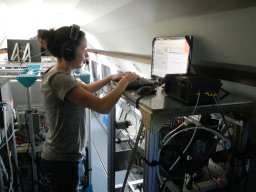 Emma L. D'Ambro合作论文数Res Triangle Pk, US EPA9Christine Allen合作论文数8William T. Hutzell合作论文数Atmospheric Modeling Division, National Exposure Research Laboratory, U. S. Environmental Protection Agency8
 Ilona Riipinen合作论文数Department of Chemical Engineering,Carnegie Mellon Universitynd8
 Henderson Barron H合作论文数7
 Rohit Mathur合作论文数Computational Exposure Division, National Exposure Research Laboratory, United States Environmental Protection Agency7
 Sergey L. Napelenok合作论文数Computational Exposure Division, US Environmental Protection Agency7
 Kristen Madsen Foley合作论文数7
 Allen Robinson合作论文数Department of Mechanical Engineering, Walter Scott, Jr. College of Engineering, Colorado State University;Department of Atmospheric Science, Walter Scott, Jr. College of Engineering, Colorado State University7
 B. Place合作论文数Department of Chemistry, Memorial University6
 Christian Hogrefe合作论文数Center for Environmental Measurement and Modeling, Office of Research and Development, Environmental Protection Agency6
 George Pouliot合作论文数National Exposure Research Laboratory, United States Environmental Protection Agency;Wyzant6Golam Sarwar合作论文数Center for Environmental Measurement and Modeling, Office of Research and Development, U.S. Environmental Protection Agency6Elyse A. Pennington合作论文数5
 Mandy Coggon合作论文数5
 Neil M. Donahue合作论文数Department of Chemistry, Mellon College of Science, Carnegie Mellon University;Department of Chemical Engineering, College of Engineering, Carnegie Mellon University5
 Rebecca S. Hornbrook合作论文数Atmospheric Chemistry Division, National Center for Atmospheric Research, Boulder, CO, USA5
 Christopher G. Nolte合作论文数Air Resources Laboratory, National Oceanic and Atmospheric Administration5
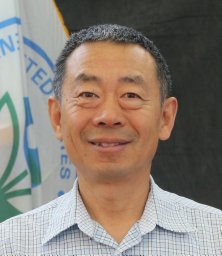 Daiwen Kang合作论文数Science and Technology Corporation5
 Christopher C. R. Allen合作论文数Sch Biol Sci, Queens Univ Belfast5
 Ivan R. Piletic合作论文数Stanford University5
 Nga Lee Sally Ng合作论文数School of Earth and Atmospheric Sciences, College of Sciences, Georgia Institute of Technology;School of Chemical and Biomolecular Engineering, College of Engineering, Georgia Institute of Technology5A. Megaritis合作论文数4Venkatesh Rao合作论文数4s farrell合作论文数Gillings School of Public Health, University of North Carolina at Chapel Hill4
 Emily Saunders合作论文数NASA Goddard Space Flight Center4
 Momei Qin (秦墨梅)合作论文数School of Environmental Science and Engiennring, Nanjing University of Information Science & Technology4
 Gentner Drew R合作论文数Dept Civil & Environm Engn, Univ Calif Berkeley4Baker Kirk R合作论文数U.S. Environmental Protection Agency, Research Triangle Park, NC, USA4
 Efstathiou Christos合作论文数4Skyllakou Ksakousti合作论文数Department of Chemical Engineering, University of Patras4David Patoulias合作论文数Department of Chemical Engineering, University of Patras4
 John H. Seinfeld合作论文数Division of Chemistry and Chemical Engineering, California Institute of Technology4
 William R. Stockwell (William Stockwell)合作论文数Department of Physics, College of Science, University of Texas at El Paso4
 Jonathan Pleim合作论文数National Exposure Research Laboratory, United States Environmental Protection Agency4
 Robert C. Gilliam合作论文数4
 Heather Simon合作论文数Department of Cardiovascular;Parke-Davis Pharmaceutical Research;Division of Warner-Lambert Company;Department of Cardiovascular, Parke-Davis Pharmaceutical Research4
 Carey J Jang合作论文数United States Environmental Protection Agency4James T. Kelly合作论文数3Fahim Sidi合作论文数3




