Italy, which hosts the largest number of UNESCO World Heritage Sites, is increasingly threatened by climate change, a major driver of physical, chemical and biological deterioration in built cultural heritage worldwide. This study evaluates future climate-driven risks to Italian heritage using high-resolution (~5.5 km) projections from seven bias-corrected CMIP6 models and six material damage functions. Under SSP3-7.0 (2070–2100), national mean temperature may exceed +4.0 °C, while relative humidity declines by ~4% and precipitation drops by ~84 mm. These shifts produce a general decrease in biomass, reduced lichen richness across central and southern regions, and enhanced thermoclastism in northern regions. In contrast, salt crystallization cycles (NaCl, Na₂SO₄) decline over most areas. The Composite Prioritization Index indicates a spatial reconfiguration of risk, with impacts increasingly concentrated in northern regions. Overall, climate change reshapes heritage threats rather than reducing them, strengthening some processes while weakening others, highlighting the need for adaptive and protection strategies.
Climate change education (CCE) is increasingly recognized as one critical aspect in coping with the climate crisis. One major area of debate is the ‘knowledge-behavior gap’ which expresses the concern that increased climate understanding does not necessarily lead to behavioral change. Thus, there is an urgent need for identifying interventions that are more effective to foster societal change. Using a rigorous search strategy informed by the preferred reporting items for systematic reviews and meta-analyses statement, we identified 146 articles evaluating effects of pedagogical interventions on cognition, attitude or behavior on schoolchildren or their entourage. Most analyzed documents (80%) claimed positive effects of the interventions on the searched outcomes. However, few studies explicitly focused on behavior as the outcome variable (18%), on adaptation to climate change consequences (3%), on the Global South (18%) or on rural areas (5%). Despite these shortcomings, we were able to identify some emerging themes in the literature concerning climate action through education. Alternative innovative pedagogical approaches, different to the classical teacher-centered classroom model tend to obtain better results. Similarly, since emotions act as mediators of all CCE outcomes, pedagogical interventions that harness them appear essential. Finally, we offer four critical recommendations: (i) strengthening CCE community practices, (ii) promoting non-classical, cross-curricular pedagogies grounded in locally and personally relevant contexts and stronger connections to nature, (iii) reporting context-specific educational intervention results more systematically, and (iv) building a common interdisciplinary language and methodological framework. Overall, our analysis sheds light on the highly dynamic climate education literature, global inequalities in the field, and emergent practices supporting effective intervention design and bridging the knowledge-action gap.
Floods rank among the most destructive natural disasters, and assessing flood vulnerability is critical in climate-sensitive regions like Colombia’s Guatiquía River watershed, which supports fragile high-mountain ecosystems. This study integrates geomorphological, hydroclimatic, and anthropogenic variables to develop a flood vulnerability map using geospatial tools and the Frequency Ratio (FR) method. Results highlight the middle-to-lower basin as the most flood-prone area, with 31.83% of the watershed classified as moderate-high (21.19%) to high vulnerability (10.64%), and largest areas of high vulnerability found in Puerto López (38% of its area within the watershed), followed by Villavicencio (18%), Restrepo (16%), and Cumaral (16%), which together comprise the main urban and agricultural centers in the study basin. Flood vulnerability is driven by flat slopes, higher frequency, intensity, and accumulation of heavy rainfall, elevated runoff, and high Curve Number (CN) values under wet conditions (up to 95.94), which reflect extensive urbanization and land transformation, meaning wide extension of impervious surfaces that add to the flooding conditioning factors. Moreover, sustained population density growth, particularly in Villavicencio (a department’s capital of 600,000 inhabitants), underscores the need for ongoing risk monitoring. These findings were supported by the Receiver Operating Characteristic (ROC) analysis, a method that evaluates the performance of binary classification models. The results showed strong predictive performance (AUC = 0.82). This represents the first comprehensive flood vulnerability assessment of the watershed and underscores the need for integrated and region-specific watershed management to mitigate evolving flood risks. Beyond providing robust baseline data, this study offers a replicable methodology for future research in similar high-Andean watersheds.
Climate change poses a disproportionately large and accelerating threat to today’s youth, who will confront its socio-environmental impacts across their lifetimes. Yet studies that explore how young people in the Global South perceive, emotionally respond to, and understand climate change are still scarce. Here, through a nationally representative survey of 2,220 Colombian youth (aged 18–32) we conducted, we examine young people's climate-related knowledge, emotions, and perceived efficacy of environmentally friendly behaviours in a Global South context. We also explore the role of socio-demographic variation in shaping those characteristics. Our findings reveal a high prevalence of negative “eco-emotions” (e.g., anxiety, fear) alongside widespread misconceptions about climate change causes and solutions. Most participants felt worried or fearful about climate change, yet only about one-third correctly identified fossil fuel use as the primary cause (with deforestation often mistakenly perceived as the leading driver). Respondents also overestimated the climate benefits of certain low-impact actions (e.g., banning single-use plastic bags, planting one tree) while under-recognizing higher-impact behaviours. Socio-demographic factors predicted distinct emotional and cognitive patterns: women and students reported more intense negative emotions, whereas rural and lower-income youth were less likely to demonstrate accurate climate change knowledge. Political orientation showed an influence on knowledge without the stark polarization observed elsewhere. Interestingly, colombian youth who fear comfort losses are 13 times more likely to dismiss eco-friendly actions. These findings underscore the need for climate education policy and practice with differential approaches across socio-economic levels in the Global South to empower young people as informed and emotionally-resilient agents of climate action.
Being part of education for sustainable development, ocean literacy and climate change education (CCE) are crucial components to the success of the 17 SDGs (Ferreira et al., 2021). Ocean literacy fosters an understanding of how the ocean impacts human lives and, conversely, how human activities affect the ocean (Santoro et al., 2018). Meanwhile, CCE encourages students to develop knowledge and soft skills essential for discussing and implementing mitigation and adaptation strategies related to climate change (Stevenson, Nicholls & Whitehouse, 2017).Our research aims to shed light on the scientific and pedagogical treatment of climate change and the ocean in school textbooks in France. In the educational scenario, school textbooks play a pivotal role in promoting both ocean literacy and CCE, as they serve as a central tool for bringing the curriculum to life (UNESCO, 2024). These educational resources are purposefully designed as integral parts of the learning process, enhancing teaching effectiveness (Gérard & Roegiers, 2009). However, ocean literacy and CCE appear to be insufficiently examined and understood in school textbooks, particularly regarding their contributions to teaching and learning (Bonilla & Quesada, 2024; Mogias, Boubonari & Kevrekidis, 2021; Román & Busch, 2016). Previous work suggests that greater attention should be given to the validity of the causes of climate change to avoid misconceptions, that well-established knowledge and concepts should be presented with the due evidence-based, and that progressively more complex activities addressing national impacts and solutions should be introduced in higher grades.A mixed-methods approach is used for the evaluation: 1) quantitative analysis of the number of pages, words, and iconographic representations of climate change and the ocean for each schoolbook analyzed and for the integrality of the corpus chosen; 2) qualitative analysis of the scientific knowledge (validity, level of certainty, etc.) presented in the schoolbooks.We propose a study with significant importance to the French school context. The ambition is to provide recommendations on the treatment of climate change and the ocean in school textbooks towards high quality education resources.ReferencesBonilla, D., & Quesada, B. (2024). Climate change content in Colombian schoolbooks. Environmental Education Research, 1–32. https://doi.org/10.1080/13504622.2024.2309592Ferreira, J. C., Vasconcelos, L., Monteiro, R., Silva, F. Z., Duarte, C. M., & Ferreira, F. (2021). Ocean literacy to promote sustainable development goals and agenda 2030 in coastal communities. Education Sciences, 11(2), 62.Gérard, F. M., & Roegiers, X. (2009). Des manuels scolaires pour apprendre. De Boeck Supérieur.Mogias, A. ; Boubonari, T., & Kevrekidis, T. (2021). Examining the presence of ocean literacy principles in Greek primary school textbooks, International Research in Geographical and Environmental Education, 30:4, 314-331, DOI: 10.1080/10382046.2021.1877953Román, D., & Busch, K. C. (2016). Textbooks of doubt: using systemic functional analysis to explore the framing of climate change in middle-school science textbooks, Environmental Education Research, 22:8, 1158-1180, DOI:10.1080/13504622.2015.1091878Santoro, F., Selvaggia, S., Scowcroft, G., Fauville, G., & Tuddenham, P. (2018). Ocean literacy for all: a toolkit. UNESCO Publishing.Stevenson, R.B., Nicholls, J. & Whitehouse, H. (2017). What Is Climate Change Education?. Curric Perspect 37, 67–71. https://doi.org/10.1007/s41297-017-0015-9UNESCO (2024). Greening Curriculum Guidance: Teaching and Learning for Climate Action. Available at: https://unesdoc.unesco.org/ark:/48223/pf0000390022?posInSet=1&queryId=09d6a944-d19a-4c39-84b6-7b98784b6b68
West Africa is undergoing rapid agricultural intensification driven by population growth, leading to significant anthropogenic land use and land cover change (LCC), including both deforestation and afforestation. These changes can profoundly affect the regional climate system by altering the surface energy balance, moisture fluxes, and atmospheric circulation, potentially exacerbating the vulnerability of human, ecological, and economic systems. Despite the ability of climate models to simulate LCC impacts, considerable uncertainties remain, particularly in simulations of precipitation and temperature responses. This study provides the first multidisciplinary systematic review of LCC impacts in West Africa. Data from 26 selected publications were eventually synthesized from an initial pool of nearly 6000 studies. Results indicate that deforestation generally contributes to regional warming, with significant historical temperature increases of +0.26 ± 0.12 °C and projected increases of +0.88 ± 0.25 °C under the future scenarios. Conversely, afforestation could have significantly cooled the climate, lowering temperatures by −0.24 ± 0.14 °C historically and −0.22 ± 0.14 °C in future scenarios, without even accounting for carbon sequestration. Deforestation decreases regional precipitation by 80 ± 58 mm yr ^−1 historically and −55 ± 102 mm yr ^−1 in future scenarios, while large-scale afforestation could substantially reduce droughts with increased precipitation, averaging +40 ± 67 mm yr ^−1 historically and 80 ± 58 mm yr ^−1 in future scenarios. These results emphasize the need to integrate LCC-induced climate effects into land-based mitigation strategies, climate policy, and assessment frameworks.
Table S1.Plant functional types (PFTs) simulated by each terrestrial biosphere model (TBM) and their grouping into forest-type classifications.Forest-type classifications TBM PFTs (forest-type classification in parentheses) CABLE-POP JULES LPJ-GUESS LPJmL ORCHIDEE SEIB-DGVM Table S2.Phenological longevity parameters (years) in the terrestrial biosphere model (TBM) ensemble.
Abstract Land use and climate changes both affect terrestrial ecosystems. Here, we used three combinations of Shared Socioeconomic Pathways and Representative Concentration Pathways (SSP1xRCP26, SSP3xRCP60, and SSP5xRCP85) as input to three dynamic global vegetation models to assess the impacts and associated uncertainty on several ecosystem functions: terrestrial carbon storage and fluxes, evapotranspiration, surface albedo, and runoff. We also performed sensitivity simulations in which we kept either land use or climate (including atmospheric CO2) constant from year 2015 on to calculate the isolated land use versus climate effects. By the 2080–2099 period, carbon storage increases by up to 87 ± 47 Gt (SSP1xRCP26) compared to present day, with large spatial variance across scenarios and models. Most of the carbon uptake is attributed to drivers beyond future land use and climate change, particularly the lagged effects of historic environmental changes. Future climate change typically increases carbon stocks in vegetation but not soils, while future land use change causes carbon losses, even for net agricultural abandonment (SSP1xRCP26). Evapotranspiration changes are highly variable across scenarios, and models do not agree on the magnitude or even sign of change of the individual effects. A calculated decrease in January and July surface albedo (up to −0.021 ± 0.007 and −0.004 ± 0.004 for SSP5xRCP85) and increase in runoff (+67 ± 6 mm/year) is largely driven by climate change. Overall, our results show that future land use and climate change will both have substantial impacts on ecosystem functioning. However, future changes can often not be fully explained by these two drivers and legacy effects have to be considered.
This paper presents a dynamic model and experimental results of a 7.2 kWp photovoltaic (PV) installation located at the Polytechnic University of Valencia (Spain). The modelling of the monocrystalline cells has been realised in TRNSYS and has been validated during an extensive experimental campaign from January 2001 to March 2003, using the data of a fully monitored PV field. The simulation results with TRNSYS provide an accurate prediction of the long-term performance. In addition to the dynamic models, algebraic methods such as the constant fill factor have also been applied.In the design of PV systems, there are several important uncertainties which have to be taken into account, such as the reduction of power with respect to the nominal power under Standard Test Conditions (STC), the choice of the meteorological database, and the models for the calculation of the radiation on tilted surface and of the cell temperature. These aspects are analyzed thoroughly in this paper, as well as the problems inherent to the PV power injection into the grid. (C) 2010 Elsevier Ltd. All rights reserved.
 Anja Rammig合作论文数School of Life Sciences, Technical University of Munich2
 C. Sánchez合作论文数1P Anthoni合作论文数1
 Andreas Krause合作论文数Karlsruhe Inst Technol, Inst Meteorol & Climate Res Atmospher Environm Re, Garmisch Partenkirchen, Germany1
 Christian Zang合作论文数Fakultät Wald und Forstwirtschaft, Hochschule Weihenstephan-Triesdorf1
 Leonard Amekudzi合作论文数Kwame Nkrumah University of Science and Technology1
 Ben Poulter合作论文数Spark Climate Solutions;Department of Geographical Sciences, College of Behavioral & Social Sciences, University of Maryland1
 Keith Murray合作论文数1D Lapola合作论文数1
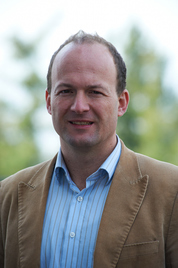 Harald Kunstmann合作论文数Karlsruhe Institute of Technology, Institute of Meteorology and Climate Research (IMK-IFU);Institute of Geography, University of Augsburg1R. Royo合作论文数1
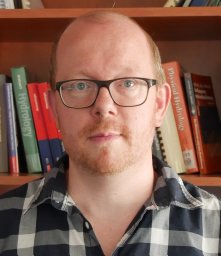 Jan Bliefernicht合作论文数1
 J. Payá合作论文数1
 Vanessa Haverd合作论文数Physical and Theoretical Chemistry Laboratory, Oxford University1
 Javier Canada合作论文数1
 Almut Arneth合作论文数Institute of Geography and Geoecology, Karlsruhe Institute of Technology1




