This study investigates the interaction between 4.0 GHz microwave radiation and bovine coronavirus (BCoV). Previous work by the authors at 5.6 GHz demonstrated mild (~74%) but statistically significant reductions in virus survival, attributed to a combination of thermal as well as non-thermal effects, such as Structure-Resonant Energy Transfer (SRET). This research aims to expand the frequency dataset to better elucidate the roles of thermal and non-thermal effects in radio frequency (RF)-induced viral inactivation. These experiments were performed in a waveguide containing a flowing aerosol stream and were limited to a single RF waveform: ∼2 μs square envelope, 4.0 GHz, 4.8 kHz repetition rate. Aerosol streams were exposed to RF electric field amplitudes in the range of 41.5 ± 5.2 kV/m. Under laminar flow conditions, 80% of the total collected aerosol stream spends 1.0 s or less in the RF exposure region. Analysis via TCID50 assays revealed no statistically significant reduction in virus survival compared to controls, nor significant changes in data variance or standard deviation. Results align with prior observations that higher frequencies (~7-8 GHz) produce more pronounced inactivation effects, while lower frequencies exhibit reduced efficacy. The findings underscore the frequency dependence of microwave inactivation mechanisms and highlight the need for further studies at higher frequencies. Bioelectromagnetics. 00:00-00, 2025. © 2025 Bioelectromagnetics Society.
Additive manufacturing of ceramics is revolutionizing the field of electromagnetics by providing functionally graded volumes in which lattice density can be controlled within a 3D volume. Periodic structures can now be 3D printed in electromagnetically-low-loss materials such as alumina. By modulating strut sizes within individual unit cells in a larger lattice, the density of a structure can be spatially varied arbitrarily by changing the ratio of ceramic material and interstitial space within each cell. The variations in density directly impact the effective permittivity for RF wavelengths of interest (typically between 5 and 10 times the length of the lattice unit cell size). In this study, four lattice architectures (Oct Vertex Centroid, IsoTruss, Fluorite, and Kelvin) were printed with vat-photopolymerization additive manufacturing to explore the printability of lattice volumes with relevant unit cell dimensions to yield a wide range of effective permittivity values enabling future development of novel ceramic lens structures.
Semiconductor opening switches are solid-state devices capable of delivering nanosecond, hundreds of kilovolts pulses by interrupting kiloamps of current. The interruption of the current occurs in a moderately doped p-region when a high electric field region (HFR) is formed. The HFR occurs because the reverse pumping current cannot be supported by the saturation velocity and majority carrier concentration of the doping level. However, the donor profile also significantly affects the pulse performance. A secondary prepulse occurs if a secondary HFR is formed at the interface of the background n-doping and N+ doping (X-n). By moving the location of X-n deeper into the diode, the effect of the prepulse is reduced. This article investigates the effect of the donor doping profile on the performance metrics of semiconductor opening switches through technology computer-aided design (TCAD) simulations and experimental results. Through a SILVACO TCAD optimization, we designed a P+/p/n-base/n/N+ where the intersection of the moderate p-region and intrinsic n-base region (X-p) is at 160 mu m and X-n is at 220 mu m. This profile is fabricated via silicon epitaxy. Experimentally, it is shown that a deep X-n (220 mu m) compared with a shallow X-n (300 mu m) reduces the rise time by >5x. In addition, the magnitude of current density during interruption affects the prepulse foot and pulse shape. At lower current densities without the graded donor profile, high peak voltages are not achieved. Comparing the experimental results to the TCAD simulations shows that the model is predictive under high-current densities in the semiconductor opening switch (SOS) regime.
The recent severe acute respiratory syndrome coronavirus 2 (SARS-CoV-2) pandemic had a tremendous impact on human life and global economics, motivating the invention of technology that can limit the spread of the virus from human to human in public areas. One candidate for such a purpose is radio frequency (RF) radiation, which was previously suggested to have a significant impact on viral integrity at exposure levels considered non-damaging to humans. However, these publications provided a limited explanation of the mechanism of action resulting in viral inactivation during RF exposure. One hypothesis was that structure resonance energy transfer (SRET) was occurring between the incident RF waves and the viral particle, which is highly dependent on the incident electric field strength. In this paper, we report exposures of bovine coronavirus (BCoV) to high peak power microwave (HPPM) pulses to validate the dependence of viral rupture on peak electric field as a critical parameter driving SRET. We tested 0.1-1.5 MW, 2 µs pulsed exposures of viral-containing buffer at 2.8, 5.6, 8.5, and 9.3 GHz up to 100,000 pulses and found no evidence of clinically significant E-field dependent decreases in viral infectivity. The findings reported in this manuscript do not support the hypothesis that SRET is a dominant mechanism behind RF-induced viral inactivation. Bioelectromagnetics. 00:00-00, 2025. © 2025 Published 2025. This article is a U.S. Government work and is in the public domain in the USA.
Key technologies and system components for a power beaming concept, based on a high-power mm-wave transmitter and thermomechanical conversion of the beamed energy to electrical power at the receiving station, are described. Outdoor testing was performed at a test range at Kirtland Air Force Base, New Mexico. The transmitting and receiving stations were located 350 m apart. The 95 GHz gyrotron oscillator within the transmitter system was operated at 90 kW, which after optics and antenna inefficiencies, resulted in approximately 68 kW of power in the main lobe of the Gaussian mm-wave beam at the location of the receiving station. A portion of the beam (37 kW) was intercepted by the aperture of the receiving station's beam collector and directed onto the surface of a heat exchanger which used an array of embedded ceramic susceptors to convert the incident mm-wave beam to heat which is transferred to the working fluid of a SOLO-161 Stirling engine generator unit. Of the 31 kW of mm-wave beam power concentrated at the surface of the heat exchanger by the beam collector, it is estimated that approximately 58% is converted to heat. Limitations on the operating duration of the transmitter at the time of the experiments prevented the Stirling engine generator from achieving full start-up and electrical power generation, necessitating future experiments to demonstrate full “end-to-end” electrical power delivery.
Experimental results from a study investigating the inactivation of bioaerosols containing Bovine Coronavirus (BCov) under repetitively pulsed radio frequency (RF) electromagnetic exposure will be presented. These experiments were performed in a waveguide containing a flowing aerosol stream and were limited to the use of a single RF waveform: ~2 μs square envelope, 5.6 GHz, 4.8 kHz repetition rate. Aerosol streams were exposed to pulsed RF electric field amplitudes in the range of 41.9 +/- 6.2 kV/m. Compared to the results of the control (no-RF) experiments, RF waveform exposure results in a 74% reduction in mean survival rate of the aerosolized BCov. RF exposure was also demonstrated to have a substantial impact on the variance of the experimental results, with the RF exposure data showing an 800% increase over the control results. Experimental results will then be compared to those from an analytic electromagnetic-heating inactivation model for aerosolized pathogens.
The fracture toughness of AlN ceramic matrix composites containing carbon (0.5 vol%), yttria (5.0 vol%), and Mo (0.0–4.0 vol%) was evaluated using Vickers indentation. The results of these measurements were compared to a carbon-free, commercial AlN (ST-200 ALN) as well as to AlN and AlN–Mo compositions from the literature. The presence of added carbon was found to correlate with a 21% reduction in fracture toughness of the 0.0 vol% Mo carbon-containing sample, compared to commercial ST-200 AlN, in both the A-orientation (indentation parallel to the pressing direction) and the B-orientation (indentation perpendicular to the pressing direction). Mo additions at small loading fractions (~ 0.25 vol%) were found to exhibit greater-than-expected increases in fracture toughness in the A-orientation, when compared to literature data on AlN–Mo composites. This increase in fracture toughness correlates to the removal of elemental carbon in the AlN matrix through reaction with the Mo additive, forming Mo 2 C, localized at the Mo particle sites. Further increasing Mo loading was observed to result in generally increasing fracture toughness values, as would be expected from literature data. Graphical abstract
Sensitive electronics must be protected from high-power microwave radiation. Here we demonstrate the first working prototype of a free-space reflective mm-wave limiter involving a nanolayer of phase-change material (vanadium dioxide) incorporated in a resonant cavity.
An active pulse compressor has been designed for operation at megawatt power levels at W-band frequencies. Low power tests at 95 GHz are reported. The pulse compressor consists of an 8-mirror quasioptical resonant ring, a quartz coupler, and a laser-driven semiconductor switch that dumps energy stored in the ring. The semiconductor switch is a half-wavelength thick, high resistivity silicon wafer. The number of focusing mirrors in the resonant ring can be varied from 2 to 6, adjusting the length of the resonator round trip time from 3.3 to 10 ns. Critical coupling was achieved in each configuration by varying the thickness of the quartz wafer used as a coupling element. The compressor demonstrated power gain ( $$P_{out} / P_{in}$$ ) of 37 in the 10 ns, 8-mirror configuration, limited by the 23 ns rise time of the 532 nm Nd:YAG laser used to drive the semiconductor switch. A laser that delivered 24 mJ in $$<10$$ ns would yield gain of 46 with the current design. Resonator losses measured in the 3.3 ns configuration could yield gain of 63, though this would require a laser that could deliver 24 mJ in $$\le 3.3$$ ns in the constructed device.
An apparatus for measuring the W-band (75–110 GHz) complex permittivity of dielectrics at 1000 °C was developed. This apparatus allows for measurements at approximately twice the temperature of previously published high temperature free-space measurement systems while maintaining similar precision. Challenges were addressed related to high temperature measurements, including temperature uniformity, the accuracy of temperature measurements, and preventing temperature related changes to mm-wave measurement systems. The details of complex permittivity extraction from the measured S-parameters are discussed. Sources of error related to permittivity measurement and mathematical models were identified and are discussed in detail herein. Thermally-cycled, mm-wave absorbing, aluminum nitride ceramic composites containing varying levels of molybdenum additives were measured over the range of 25 °C–1000 °C. These measurements were compared to the same composites before thermal cycling. It was found that ceramic composites are largely stable after thermal cycling in terms of dielectric properties despite the presence of visible surface modifications.
An active pulse compressor has been designed for operation at megawatt power levels at W-band frequencies. The results of low power tests at 95 GHz are presented. The pulse compressor consists of a 10 ns long, quasioptical resonant ring and a laser-driven semiconductor switch that dumps energy stored in the ring. Initial low power tests have demonstrated gain (Pout / Pin) greater than 25. This is limited by the 20 ns rise time of the laser used to drive the photoconductive switch. It is shown how a faster laser pulse could yield gain greater than 35, and design revisions could lead to gain greater than 50.
Millimeter-wave (mm-wave) communications and radar receivers must be protected from high-power signals, which can damage their sensitive components. Many of these systems arguably can be protected by using photonic limiting techniques, in addition to electronic limiting circuits in receiver front-ends. Here we demonstrate, experimentally and numerically, a free-space, reflective mm-wave limiter based on a multilayer structure involving a nanolayer of vanadium dioxide VO2, which experiences a heat-related insulator-to-metal phase transition. The multilayer acts as a variable reflector, controlled by the incident wave intensity. At low intensities VO2 remains dielectric, and the multilayer exhibits strong resonant transmittance. When the incident intensity exceeds a threshold level, the emerging metallic phase renders the multilayer highly reflective while safely dissipating a small portion of the input power, without damage to the limiter. In the case of a Gaussian beam, the limiter has a nearly constant output above the limiting threshold input.
Abstract A concept for a millimetre-wave (MMW) heat exchanger (HX) featuring AlN:Mo ceramic composite structures as electromagnetic absorbing elements (susceptors) has been recently introduced as a receiving device in power beaming applications. Earlier computational studies of electromagnetic and thermal processes have shown reasonable energy efficiency and exceptional uniformity of MMW-induced temperature fields in a single cubic susceptor with concentration of Mo doping on the level of 3–4% by volume. As part of ongoing research, a MMW HX comprised of an array of cylindrical susceptors is proposed to potentially enable increased robustness against thermal stress and reduced manufacturing cost. In this paper, we computationally study the effects driven by such a change and demonstrate feasibility of the designs based on multiple cylinders. We present the output of electromagnetic and coupled electromagnetic-thermal simulations of a prospective physical prototype of a HX with five cylinders on a square metal base plate. Three alternative layouts with four, nine, and sixteen cylindrical elements that are suggested by the highest density packing of equal circles in a square are also analyzed. It is shown that, in comparison with the previously studied case of a single cubic susceptor, energy efficiency of all systems with Mo = 3–4% is down from 50–55% to 35–45%. While temperature distribution within each individual cylinder remains highly uniform, maximum temperatures of different cylinders may be different by up to 30–40 °C; when the angle of incidence deviates from normal, this difference further increases: e.g. when the angle is 10°, in the sixteen-cylinder system, it may reach 120–130 °C.
Experiments have demonstrated high-power amplification (100 MW class) from a traveling wave amplifier driven by a modulated electron beam. The modulated electron beam is generated by applying a modulated voltage pulse from a nonlinear transmission line (NLTL) to the cathode of the electron gun. The system showed that over the designed operating range of the disk-on-rod (DoR) TWT amplifier (1.2–1.4 GHz), the peak frequency of the amplifier output tracked the peak frequency of the NLTL to within ±2%; however, the output was not phase stable. Measured RF energy gain for this frequency regime ranged from 1.5 at 1.2 GHz up to 5.0 at 1.4 GHz).
modules, including the sodium heat pipe, is briefly described. Similarities between the proposed SSE heat exchanger modules and the LeRC test modules for two test engines are presented. The benefits and weaknesses of using a sodium heat pipe to transport heat to a Stirling engine are discussed. Similarly, the problems encountered when using a true heat pipe, as opposed to a more simple reflux boiler, are described. The instruments incorporated into the modules and the test program are also outlined.
A heat exchanger, based on a millimeter-wave absorbing ceramic composite, is under development. This article describes a 1-D finite-difference model that is used in the design of the heat exchanger. The purpose of this model is to offer a design tool that can rapidly estimate the overall performance of the heat exchanger. This fast model allows for absorber performance to be evaluated over a wide parameter space as opposed to 3-D finite-difference time-domain methods, which provide accurate results but require substantially more computational resources. The model enables quick calculations by approximating the electric field such that the simulation runs on the slower thermal dynamics time scale without having to resolve the faster electromagnetic time scale. Example calculations were performed to illustrate the performance of a realistic absorber. These calculations used experimentally measured material properties for a molybdenum-loaded aluminum nitride (AlN:Mo) ceramic composite. Simulation results show dielectric tiles reaching equilibrium temperature in around 20 s and the samples absorbing up to 70% of the power from the millimeter-wave beam. Parameter studies over Mo loading percentage and boundary condition temperatures highlight the complexity of this coupled system. An AlN:Mo composite with 3% Mo (by volume) exhibits uniform power absorption across multiple boundary condition temperatures and suggests robustness to variety of possible experimental testing conditions.
A simple model describing the most significant impact of electromagnetic heating on pathogen-containing aerosols is presented. While the physics of ohmic heating are well understood, the connection between the unsteady temperature increase with net pathogen inactivation in an aerosolized electrolyte solution over a range of frequencies is not clear. The model is composed of two parts: a thermal model of electromagnetic heating of the droplets and a survival model describing the active pathogen population as a function of time. The droplets of saline solution, whose electrical conductivity depends on salt concentration and carrier frequency, are assumed to be small enough so that ambient air flows are sufficient to counter gravity, and the droplets are assumed to be equally spaced. As the droplets move with the ambient air, energy transport is limited to conduction, and within an adiabatic system, the mean spatial mode dominates the thermal transients of the air-droplet system. The kill rate of the pathogen depends on temperature, and the result of our thermal model informs the pathogen population through the Arrhenius kill rate. The model shows strong qualitative agreement with microwave inactivation of MS2 bacteriophages in aerosolized droplets. Inactivation is improved with larger electric field amplitudes, even for small duty cycles. We show that for a range of viruses with known activation energy, the thermal inactivation mechanism is more reliable for viruses with larger activation energy.
A reduced parameter model of fast laser-driven semiconductor switches of THz and mm-waves has been developed. The model predicts peak reflectivity and minimum transmissivity of switches, showing good agreement with experimental data, while requiring fewer inputs than published models. This simplification facilitated a systematic survey of laser parameters required for efficient switching. Laser energy density requirements are presented as a function of laser wavelength, laser pulse width, switched frequency, reflection angle, and semiconductor material (silicon or gallium arsenide). Analytical expressions have been derived to explain the dependence of laser requirements on switch parameters and to derive practical minima of required laser energy density. Diffusion is shown to quickly negate the shallow absorption advantage of laser wavelengths shorter than about 500 nm in silicon or 800 nm in gallium arsenide. Decreasing laser pulse width, to a derived limit, and switching S-polarized THz or mm-wave signals are shown to be means of lowering required laser energy. This is an especially useful result for devices operating at high power levels or THz frequencies, where extended switches are used in quasioptical systems.
A system capable of exposing a flowing aerosol stream to short duration (2-4 ns), high-power RF waveforms is described. The system utilizes a C-band gyromagnetic nonlinear transmission line source having peak power outputs ranging as high as 80 kW at a center frequency of 4.2 GHz. RF electric field magnitudes of up to 280 kV/m ± 17% are achieved within the aerosol flow region of the RF exposure apparatus.
A set of three apparatus enabling RF exposure of aerosolized pathogens at four chosen frequencies (2.8 GHz, 4.0 GHz, 5.6 GHz, and 7.5 GHz) has been designed, simulated, fabricated, and tested. Each apparatus was intended to operate at high power without leakage of RF into the local environment and to be compact enough to fit within biocontainment enclosures required for elevated biosafety levels. Predictions for the range of RF electric field exposure, represented by the complex electric field vector magnitude, that an aerosol stream would be expected to encounter while passing through the apparatus are calculated for each of the chosen operating frequencies.
 Ronald Gilgenbach合作论文数Nuclear Engineering and Radiological Sciences Department, College of Engineering, University of Michigan;Plasma, Pulsed Power, and Microwave Laboratory, College of Engineering, University of Michigan77
 Yue Ying Lau合作论文数Department of Nuclear Engineering and Radiological Sciences, University of Michigan62
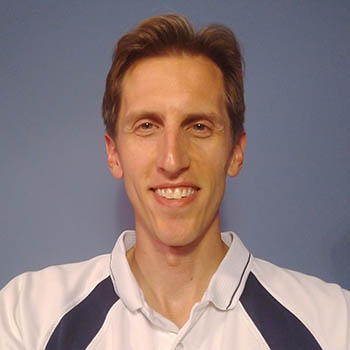 Nicholas Jordan合作论文数Nuclear Engineering and Radiological Sciences, College of Engineering, University of Michigan-Ann Arbor48
 David Simon合作论文数36David M French合作论文数36
 Geoffrey B. Greening合作论文数27
 Matthew Franzi合作论文数Nucl. Eng. & Radiol. Sci. Dept., Univ. of Michigan;c26Steven C. Exelby合作论文数18
 Drew A. Packard合作论文数Nuclear Engineering and Radiological Science, University of Michigan17
 John Luginsland合作论文数Air Force Research Laboratory17
 Phongphaeth Pengvanich合作论文数14
 Susan Heidger合作论文数13
 Peng Zhang合作论文数Dept. of Nucl. Eng. & Radiol. Sci., Univ. of Michigan;c;Dept. of Nucl. Eng. & Radiol. Sci., Univ. of Michigan12Zane W Cohick合作论文数11Martin S. Hilario合作论文数11
 V Bogdan Neculaes合作论文数11
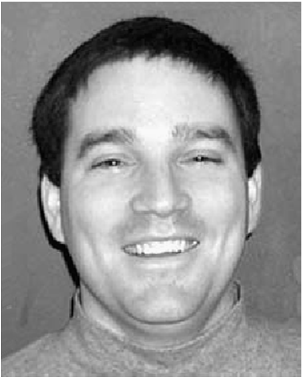 William M White合作论文数11
 Patrick Y. Wong合作论文数10
 Michael Jones合作论文数10T. A. Spencer合作论文数10Anthony E. Baros合作论文数9Sabrina S. Maestas合作论文数7Ian M. Rittersdorf合作论文数7
 Edward Cruz合作论文数7
 Samuel Schaub合作论文数Air Force Research Laboratory7Michael D Haworth合作论文数7
 Matthew Gomez合作论文数Sandia National Laboratories6
 James A. Schrock合作论文数6
 Wilkin Tang合作论文数6Peter Mardahl合作论文数6
 Hayden Steven C合作论文数6Dynys Frederick合作论文数6
 D. Price合作论文数6
 Michael Lanagan合作论文数Department of Engineering Science and Mechanics, College of Engineering, Penn State University;Department of Materials Science and Engineering, College of Earth and Mineral Sciences, Penn State University6E. J. Cruz合作论文数5P David Lepell合作论文数5Y. Hidaka合作论文数4J. C. Zier合作论文数4Thomas Montoya合作论文数4
 Christopher J. Swenson合作论文数4David Revelli合作论文数4Rachael O. Grudt合作论文数4Hammad Irshad合作论文数Lung Canc Program, Lovelace Resp Res Inst4Rodion Kononchuk合作论文数4
 Robert J. Thomas合作论文数Optical Radiation Branch, U.S. Air Force Research Laboratory;Optical Radiation Branch, U.S. Air Force Research Laboratory4
 David Chernin合作论文数4John C. Horwath合作论文数4
 Don Shiffler合作论文数4




