The commercialization of proton exchange membrane fuel cells is hampered by the sluggish kinetics of the oxygen reduction reaction and the high cost of platinum. Herein, we present a rapid method for synthesizing nitrogen-doped carbon-supported low-platinum ternary PtCuFe alloy catalysts in a rotating packed bed (PtCuFe/ NC-RPB), and systematically compare them with the corresponding sample prepared in a stirred tank reactor (PtCuFe/NC-STR) as well as a commercial Pt/C catalyst. The resulting PtCuFe/NC-RPB catalyst comprises uniformly sized (2-3 nm) nanoparticles that are well dispersed on the carbon support. In 0.1 M HClO4 solution, the PtCuFe/NC-RPB catalyst exhibits an electrochemically active surface area of 79.1 m2 center dot gPt-1 and a half-wave potential of 0.93 V. Its mass activity at 0.90 V is 0.77 A center dot mgPt-1, which is higher than that of PtCuFe/NC-STR and about 6 times that of the commercial Pt/C catalyst. After 10,000 cycles of accelerated durability testing, PtCuFe/ NC-RPB shows less degradation than both PtCuFe/NC-STR and commercial Pt/C. After 50,000 cycles, its degradation level is lower than that of PtCuFe/NC-STR and comparable to that of commercial Pt/C after 10,000 cycles. In H2-O2 single-cell tests, the cathode based on the RPB-synthesized catalyst delivers a slightly higher open-circuit voltage and a comparable current density at 0.8 V relative to commercial Pt/C. As the back pressure increases from 0 to 150 kPagauge, the peak power density rises from 1.01 to 1.61 W center dot cm-2, reaching 80-90% of the value achieved with commercial Pt/C. These results indicate that the high-gravity rotating packed bed as an effective strategy for producing high-performance, durable low-platinum fuel cell catalysts.
Rotor-stator mixers (RSMs), also known as high-shear mixers, are widely used in food, pharmaceutical, cosmetic, chemical, and energy processes because they can generate intense local shear and high energy dissipation. This review focuses on how rotor-stator geometric design governs heterogeneous mixing, with particular emphasis on liquid-liquid emulsification, solid-liquid nanoparticle deagglomeration, gas-liquid dispersion, and the associated mass-transfer and micromixing phenomena generated inside the rotor-stator head. By combining experimental results with computational fluid dynamics (CFD) studies, the review discusses how stator opening geometry, rotor tooth and blade design, rotor-stator gap width, and multi-row arrangements reshape local strain rate, turbulence dissipation, residence-time distribution, droplet or particle size, and power draw. Particular attention is given to current modelling strategies, including CFD, CFD-PBM coupling, and data-driven tools, while noting that most published work still concentrates on liquid-liquid systems and that geometry-selection criteria for different heterogeneous duties remain insufficiently unified. The review therefore highlights both the progress achieved and the remaining gaps that must be addressed to support more reliable scale-up and structure-guided design of RSMs.
The performance of FeNC single atom catalysts (SACs) is significantly influenced by the porous architecture of their N-doped carbon substrates. Although the pore structure of FeNC SACs has been widely investigated from a chemical methodology perspective, the role of synthesis process engineering has received much less attention. To address this, high-gravity technology is introduced during the precursor preparation stage to achieve intensive molecular mixing. This approach successfully yields FeNC SACs with a well-defined hierarchical micro-mesoporous structure. The resulting catalyst exhibits a narrower mesopore size distribution (4-6 nm), a higher specific surface area (800.3 m2·g-1), and a more positive half-wave potential (0.899 V) for the oxygen reduction reaction (ORR) compared to a reference sample produced in a conventional stirred tank reactor. Density functional theory (DFT) analysis further indicates that the abundant mesopores induce carbon defects, thereby enhancing the intrinsic ORR activity. Moreover, when integrated into a zinc-air battery and an anion-exchange membrane fuel cell, the catalyst delivers high peak power densities of 259.5 and 860 mW·cm-2, respectively, highlighting its potential for practical applications.
Methoxyamine hydrochloride (MOAH) was widely applied in the fields of medicines, pesticides, and functional dyes. MOAH was universally obtained by the hydrolysis of acetoxime methyl ether (AOME) in hydrochloric acid solution. However, studies of AOME hydrolysis mechanism and process intensification were scarce, which were pivotal for improving cognition and guiding production. In this work, the AOME hydrolysis was investigated by theory and experiment systematically. Hydrolysis reaction path of AOME was revealed and Gibbs free energy barriers were analyzed based on the DFT calculation. The results indicated that AOME protonation was spontaneous as hydrolysis initial step. Rotating packed bed (RPB) reactor was employed as process intensification setup for the hydrolysis of AOME for the first time, and effects of various factors on conversion and yield were studied. Compared with stirred tank reactor (STR), the reaction conversion and yield were improved by approximately two times using RPB reactor. The results further revealed that RPB reactor exhibited considerable application prospects for the production of MOAH with high efficiency.
As an important organosilicon intermediate, hexamethyldisiloxane (HMDSO) is widely used in the fabrication of silicone resins, functional coatings, and fine chemicals. However, the reaction kinetics remain insufficiently quantified, limiting process optimization. In this study, the reaction mechanism and pathway of HMDSO formation from chlorotrimethylsilane (CTMS) via hydrolysis were first elucidated using density functional theory simulations. The reaction network was simplified into two consecutive reactions: substitution and condensation. The reversibility and kinetic parameters of both reactions were experimentally determined using conductance and other methods, exhibiting that the substitution reaction is a rapid and irreversible process, while the condensation reaction is reversible and the rate-limiting step. Moreover, an apparent reaction model coupling reaction and mass transfer was developed for the practical liquid-liquid heterogeneous CTMS hydrolysis process. The predicted performance of the reaction by the model, including conversion ratio and reaction time, was in good agreement with experimental results.
Rare earth (RE) Y-type zeolite was synthesized in situ by acidic co-hydrolysis route and hydrothermal method. The key process parameters were optimized based on the RE utilization rate. The effect of inducing a rotating packed bed (RPB) in premixing and crystallization on crystallinity and RE utilization rate was further investigated. The results indicate that lanthanide (La) cations are successfully introduced into the sodalite cage of Y-type zeolite. The optimized conditions are that the molar ratio of Si/La is 150, premixing for 5 h, crystallization at 90 degrees C for 18 h, and calcination at 550 degrees C for 3.5 h. At this stage, the RE utilization rate reaches 74.5%. Compared with the conventional stirred tank reactor (STR), RPB can effectively shorten the premixing time and crystallization time by 4.3 h and 6 h, improve the crystallinity by 23% and RE utilization rate by 7.5%. The RE utilization rate is more than 80% by RPB, surpassing the effectiveness of using the one-exchange one-calcination process in the traditional liquid ion exchange process. It is expected to provide a reference for the in-situ efficient and green synthesis of RE zeolite. (c) 2025 The Chemical Industry and Engineering Society of China, and Chemical Industry Press Co., Ltd. All rights are reserved, including those for text and data mining, AI training, and similar technologies.
Reducing the salinity and alkalinity of saline-alkali water to decrease the accumulation of salt and alkali in soil is a novel strategy for improving saline-alkali soil. Herein, waste cotton stalks are converted into hydrothermal cotton stalk biochars (HTCSBCs) by controlling the reaction temperature and time. Quantum chemical calculations (QCC) indicate that the carbonyl (-C=O) and carboxyl (-COOH) on the surface of hydrothermal biochar (HTBC) interact strongly with the sodium ion (Na+). Reducing the hydrothermal temperature and extending the hydrothermal time are conducive to the formation of more -C=O and -CCOH on the surface of HTBC. HTCSBC120-10 (HTCSBC obtained through hydrothermal treatment at 120 °C for 10 h) shows a significant effect in reducing salinity and alkalinity. The total acidity of HTCSBC120-10 was 1.137 mol/kg. Under optimal conditions, in the sodium carbonate (Na2CO3) solution and the mixed alkali solution, the Na+ content decreased by 56.3% and 32.6%, respectively; the electrical conductivity (EC) decreased by 47.3% and 15.3%, respectively; and the pH dropped from 10.8 and 10.7 to 7.31 and 5.66, respectively. The adsorption capacity of HTCSBC120-10 for Na+ from Na2CO3 solution reaches 54 mg/g at normal temperature and pressure. The kinetic studies revealed that mass transfer during adsorption was primarily governed by interactions between the surface functional groups of HTCSBCs and Na+, and that the adsorption behavior followed a pseudo-second-order reaction. This work presents a straightforward, practical approach to designing and preparing HTBCs and provides foundational data supporting the use of HTCSBCs as adsorbents to reduce the salinity of saline-alkali water.
Photodegradation technology has emerged as an efficient methodology for wastewater treatment. In this study, the photochemical application performance of the innovative spinning disk reactor (SDR) with elliptical cylinder spoilers was investigated via the TiO2-assisted photodegradation of synthetic dyeing wastewater containing a binary mixture of typical azo dyes (Methylene Blue and Rhodamine B). The SDR generates a highly sheared film when liquid enters from the center of the disk. The photodegradation results proved that SDR with spoilers had higher photodegradation efficiency than that of the SDR with a flat disk. The overall removal efficiency could reach 80% in 25 minutes at optimal operating conditions. The overall removal efficiency and electrical energy per order of mixed dye wastewater for SDR with spoilers was 11.3% higher and 15.1% lower averagely than those of the conventional SDR with a flat disk, respectively. Compared with other photoreactors, the electrical energy per order was reduced for the SDR with spoilers. Furthermore, based on our reported SDR model for photodegradation reactions, the overall removal efficiency of dyeing wastewater could be reasonably predicted with deviations of +/- 20%. The photodegradation of mixed dye contaminants demonstrated the applicability of SDR with spoilers to real textile wastewater treatment.
Electrochemical CO2 reduction offers a promising route for converting CO2 into value-added chemicals and fuels; however, switching selectivity between C2+ and CH4 pathways by controlling interfacial reconstruction remains challenging. Herein, we report a simple and effective interface engineering strategy to address this issue. By tuning the thickness of the silica shell on Cu2O catalysts, the reaction pathway can be steered toward either C2+ products or CH4. Two distinct core-shell catalysts, Cu2O@tn-SiO2 (with a thin silica shell) and Cu2O@tk-SiO2 (with a thick silica shell), were synthesized using a wet-chemical method with controlled ammonia addition. For Cu2O@tn-SiO2, the thin SiO2 shell facilitates the formation of a Cu/Cu2O/SiO2 three-phase interface upon pre-reduction, favoring asymmetric coupling of *CO and *CHO intermediates and enabling C2+ production, with a maximum C2+ current density of -675.1 mA cm-2 and a faradaic efficiency (FE) of 80.9%. In contrast, the thick SiO2 shell in Cu2O@tk-SiO2 stabilizes the Cu2O/SiO2 interface, suppresses extensive reconstruction, and modulates the local availability and transfer of hydrogen species through Si-O-H containing interfacial sites, thereby favoring selective hydrogenation of *CHO toward CH4 with a peak partial current density of -464.4 mA cm-2 and an FE of 61.9%. Mechanistic studies support that the silica shell enhances structural stability, regulates intermediate adsorption, and tunes the interfacial hydrogen/water environment, collectively contributing to the observed switch in reaction pathway. This work provides a straightforward and effective strategy for designing copper-based catalysts with tunable product selectivity for practical CO2 electroreduction.
The cocrystallization technology of 6,8,10,12-hexanitro-2,4,6,8,10,12-hexazaisowurtzitane (CL-20) and 1-methyl-4,5-dinitroimidazole (4,5-MDNI) can reduce the mechanical sensitivity to achieve the safety application of CL-20 in the military and drilling industry. In this work, the decomposition mechanism of the CL-20/4,5-MDNI cocrystal was studied in detail through a series of reactive molecular dynamics (RMD) simulation, including the decomposition pathway and reaction kinetics. The potential energy and species were explored through RMD simulation during the decomposition process. It was found that the CL-20/4,5-MDNI cocrystal has a lower mechanical sensitivity relative to the pure CL-20 crystal (p-CL-20) for the larger hydrogen bonds ratio of the cocrystal by quantum chemistry method. In addition, it was noted that the calculated initial decomposition rate and heat release of the CL-20 in the cocrystal are lower than those of the p-CL-20, indicating that the reaction activity of the CL-20 was reduced by 4,5-MDNI. This work provides a theoretic guidance for the design and application of new energetic cocrystals.
1.The key to achieving China's dual carbon goals As pointed out in the CO2 Emissions in 2023 report released by the International Energy Agency,global carbon dioxide(CO2)emis-sions reached 37.4 billion tonnes in 2023[1],setting a new record high.The increase in CO2 emissions has exacerbated global warm-ing and led to a series of global climate problems.China is a major emitter of CO2,accounting for approximately one third of the world's total CO2 emissions[2].Therefore,at the 75th session of the United Nations General Assembly in 2020,China solemnly pro-mised to achieve a carbon peak by 2030 and carbon neutrality by 2060.Thus,there is a clear and urgent need for CO2 reduction and resource utilization technologies.
This work systematically investigated the crystallization process of NiAl-layered double hydroxide (NiAl-LDH) with a Ni(II)/Al(III) ratio of 3 under different crystallization conditions. The results showed that the prepared NiAl-LDH first exhibits sheet-like morphology, which transforms into a hexagonal platelet with further growth. The lateral size and thickness of the prepared NiAl-LDH are similar to 10-284 nm and similar to 2-31 nm, respectively. Based on the evolution of morphology, particle size and crystallinity, the growth mechanism of NiAl-LDH was first proposed. The growth of NiAl-LDH in the lateral dimension was governed by Ostwald ripening, while the increase in c direction was dominated by oriented particle attachment before precipitation and dissolution equilibrium. Afterward, the growth of NiAl-LDH was dominated by the oriented particle attachment, leading to further growth of NiAl-LDH. Moreover, a rotating packed bed (RPB) was first adopted to crystallize NiAl-LDH. The results show that RPB can greatly enhance the growth of NiAl-LDH.
Macroscopic assembly has been explored as a strategy to construct appealing materials. Yet, an open question remains: does macroscopic assembly always occur one by one? In this study, a new kind of silk-based hydrogel was developed through incorporating lignin-related compounds via 1-ethyl-3-(3-pyl)-carbodiimide/N-hydroxysuccinimide (EDC/NHS)-mediated coupling chemistry. Thanks to the hydrogen-bond, hydrophobic, and π-π interactions, the hydrogels possessed the capability of adhesive and macroscopic assembly, which could be further tuned by introducing iron ions, as Fe3+ can form coordination bonds with lignin. Examination of the three-body macroscopic assembly behavior of the silk/lignin-based hydrogels was conducted as an approach towards answering the above question. Under the experimental conditions tested in this study, the answer is yes. However, it would be premature to draw a definitive conclusion on this question. This study aims to highlight this issue and stimulate further interest and research in diverse macroscopic assembly systems.
Herein, to obtain the battery-grade Li2CO3, pyrolysis of LiHCO3 (the decomposition process) using the Higee-microwave coupled reactor (HMR) was realized with process optimization and AI modeling. The effects of the initial concentration of LiHCO3 solution, pyrolysis temperature, and rotational speed on the purity and yield of Li2CO3 were systematically investigated. The results show that the purity of the Li2CO3 decreases firstly and then increases with the increase of the initial concentration of LiHCO3 in the solution. The purity of Li2CO3 first increases and then decreases with the increase of pyrolysis temperature, and so as the rotational speed. Under optimal operating conditions, the purity of Li2CO3 products can reach up to 99.87 % which is higher than that obtained in the stirred tank reactor (STR), meeting the prescribed demand of purity of battery-grade Li2CO3 (>99.5 %). Moreover, the reaction rate in the HMR is nearly 9 times higher than that of STR. The AI model was established to predict the impact of operating conditions on Li2CO3 product. The results indicate that the predicted values were in good agreement with the experimental values (within deviations of +/- 10 %). This study provides a potential technology for the preparation of battery-grade Li2CO3.
Natural gas (NG) is considered one of the cleanest fossil fuel, but it contains certain amounts of methyl mercaptan (MM) and carbonyl sulfide (COS) when mining, which may potentially exert deleterious effects on the ecosystem. In order to simultaneously remove the MM and COS components from NG, five physical absorbents and five chemical absorbents were separately studied in this work. First, the stable dimer structures between organic sulfur molecules and absorbents were obtained by electrostatic potential (ESP) analysis. Through atoms in molecules (AIM) and reduced density gradient (RGD) calculation, the types of bonds and regions of weak interactions in molecules were explored. The simulation outcomes reveal that propylene carbonate (PC) exerts the greatest force on MM, whereas N-methylpyrrolidone (NMP) demonstrates the strongest force on COS. Next, the pKa values of five chemical absorbents were computed with 6-31G, 6-31 + G, 6-311G and 6-311 + G basis sets. The results show that 2-amino-2-methyl-1-propanol (AMP) and diisopropanolamine (DIPA) possess significantly higher pKa values, indicating their superior absorption capabilities for MM and COS. Finally, nine mixtures of absorbents were compounded using the physical and chemical absorbents selected above, and orthogonal experiments were carried out under three factors and three levels in a rotating packed bed (RPB). Consequently, the removal rates of MM and COS reached 46.8 % and 52.4 % under the optimal operating condition of 35 degrees C, 1400 rpm and a gas-liquid volume ratio of 10, respectively. This research provides an efficient strategy for simultaneously removing MM and COS from NG through quantum chemical screening absorbents.
Nitrohydrogenation is a common process in industry. Here, a highly efficient Ni-Al2O3 catalyst derived from Ni-Al layered double hydroxide synthesized in a rotating packed bed (RPB) was first applied in the hydrogenation of 3,4-dichloronitrobenzene (3,4-DCNB) to 3,4-dichloroaniline (3,4-DCA). Leveraging the enhanced mass transfer and micromixing performances by applying RPB, the phenomenon of particle agglomeration and uneven size distribution occurring during catalyst synthesis has been effectively mitigated. The effects of Ni mass fraction, reduction temperature, and time on the physical properties and catalytic performance of the catalyst were investigated. Results showed that the Ni-Al2O3 catalysts prepared under optimal conditions (Ni mass fraction of 78 wt %, reduction temperature of 500 degrees C, reduction time of 4 h) have small Ni particle sizes and high dispersion. When applied to 3,4-DCNB hydrogenation under optimized conditions (65 degrees C, 1.5 MPa of H2, 60 min, catalyst loading 12.55 mg/g), both conversion and 3,4-DCA selectivity approached 100%. Furthermore, the kinetic study on the 3,4-DCNB hydrogenation revealed that the reaction has an activation energy of 39.91 kJ/mol and a pre-exponential factor of 2.54 x 10⁴ min-1. This finding presents an innovative approach for preparing a highly efficient Ni-based catalyst for the hydrogenation of 3,4-DCNB to 3,4-DCA.
Compared to conventional packed beds (PBs), the rotating packed beds (RPBs) demonstrate superior selectivity for H2S. RPBs can selectively absorb more than 99 % of H2S in CO2-rich gas mixtures, while the co-absorption rate of CO2 in RPBs is only 1/9 of that in PB columns. Therefore, RPBs have been well applied in the gas purification for natural gas, blast furnace gas, and refinery gas. While, modeling the selective reaction process in RPBs under conditions of rapid liquid film renewal remains challenging. Here, a diffusion-reaction mass transfer model based on surface renewal theory is established. The model elucidates the mechanism behind the selective absorption of H2S, and also demonstrate how RPBs enhance liquid film absorption. Experimental data collected from an RPB operating under actual conditions were used to validate the model. The model demonstrates high precision in predicting the removal efficiency of H2S and CO2.
Carbonic anhydrase (CA) is a high-efficiency biocatalyst that significantly improves the absorption of CO2 by tertiary amine. This work aims to investigate kinetics behaviors from the perspective of enzymatic reaction mechanism. The influences of the CA concentration, type of tertiary amines, pH, and temperature on the reaction rate between CO2 and tertiary amine (v) and catalytic activity of CA (rp) were first investigated in a stopped-flow device. Adding 50 g center dot m-3 CA enhanced v in tertiary amine solutions by a factor ranging from 22 to 42 at 298 K and pH=9.5, demonstrating its excellent catalytic performance. The v increased with increasing CA concentration, pH, temperature, and tertiary amine's pKa. rp increased with the increase of CA concentration, as well as the decrease of temperature, pH, and tertiary amine's pKa. Proteomics analysis further revealed that conformational changes of the CA's secondary structure induced by high pH and temperature altered the expressions of the local active-site region and deactivated CA, ultimately leading to a decrease in rp. Additionally, the CA-catalysis kinetics equation accorded with the Michaelis-Menten model, with catalytic second-order rate constants on the magnitude of 107. Overall, this work provides a guideline for its industrial application in the CO2 capture process.
Highly efficient Co-based catalysts are significant for the selective hydrogenation of nitriles to amines. In this work, highly efficient mixed metal oxide (Co/MMO) catalysts confined with Co particles were prepared in a rotating packed bed (RPB), following the preparation processes of layered double hydroxides (LDH) coprecipitation and LDH-MMO transformation. The influences of the Co content, premixing mode, crystallizing mode, and time on the structure of the catalyst, as well as its catalytic performance for acetonitrile hydrogenation were investigated. It was found that CoAl-LDH can be formed in the Co content range of 43-71 wt % in RPB. In addition, enhancing micromixing performance in premixing and crystallizing processes is beneficial for the synthesis of particles with small size, uniform particle size, and high ratio of length (L) to thickness (T). Finally, the highly efficient Co/MMO catalyst with an acetonitrile conversion of 99.17% and ethylamine selectivity of 96.12% was prepared under optimal operating conditions. Compared with Raney-Co catalysts, the Co/MMO catalyst with a lower Co content has higher conversion and selectivity by 6.67 and 4.82%, respectively. These results provide a new strategy for preparing catalysts with high efficiency and low cost for selective hydrogenation of nitrile.
High-gravity desulfurization is an effective desulfurization technology. However, to achieve efficient desulfurization under low pressure drop conditions, it is necessary to enhance both the desulfurization efficiency and defoaming performance in a cocurrent-flow configuration. In this work, the cocurrent-flow rotating packed bed (CFRPB) coupled with cyclone separator was proposed. The results demonstrated that the CFRPB coupled with cyclone separator exhibited notable desulfurizing and defoaming efficiencies under low pressure drop, outperforming conventional RPBs. Under the optimal operating conditions, the desulfurizing efficiency, masstransfer coefficient, liquid content of outlet gas, and defoaming efficiency can reach 98 %, 626 mol/(m3 & sdot;s), 0.2 g/m3, and 93 %, respectively. Compared to using a standalone CFRPB, the liquid content of outlet gas decreased by 2.6 g/cm3, and the export concentration of SO2 reduced by 10 %-20 % to a minimum of 10 ppm. Taken together, this novel technology indicates significant application potential in the treatment of industrial sulfur-containing gases.
 Guangwen Chu (初广文)合作论文数Research Center of the Ministry of Education for High Gravity Engineering and Technology, Beijing University of Chemical Technology;The College of Chemical Engineering, Beijing University of Chemical Technology148
 Jianfeng Chen (陈建峰)合作论文数College of Chemical Engineering, Beijing University of Chemical Technology;State Key Laboratory of Organic-Inorganic Composites, Beijing University of Chemical Technology103
 Haikui Zou (邹海魁)合作论文数College of Chemical Engineering, Beijing University of Chemical Technology85
 Yong Luo (罗勇)合作论文数Research Center of the Ministry of Education for High Gravity Engineering and Technology, Beijing University of Chemical Technology;College of Chemical Engineering, Beijing University of Chemical Technology66
 Liangliang Zhang (张亮亮)合作论文数College of Chemical Engineering, Beijing University of Chemical Technology47
 Lei Shao (邵磊)合作论文数The College of Chemical Engineering, Beijing University of Chemical Technology32
 Moses NyoTonglo Arowo PhD.合作论文数Beijing University of Chemical Technology, Beijing Univ. of Chemical Technology25
 Kun Dong合作论文数17
 Yingjiao Li (李英教)合作论文数School of Chemistry and Chemical Engineering, Hainan University15
 Yan-Bin Li合作论文数12Tingting Qi合作论文数12
 Jiexin Wang (王洁欣)合作论文数Beijing University of Chemical Technology12
 Zequan Zeng (曾泽泉)合作论文数University of Chinese Academy of Sciences;Institute of Coal Chemistry, Chinese Academy of Sciences8Liang Yan合作论文数8
 Zhang-Nan Wen合作论文数7
 Meng-Jun Su合作论文数7
 Xiaofei Zeng (曾晓飞)合作论文数College of Chemical Engineering, Beijing University of Chemical Technology7Miaopeng Sheng合作论文数6Han-Zhuo Xu合作论文数6Lili Zhang合作论文数6Yu-Ning Dong合作论文数6Li Yingwen合作论文数6
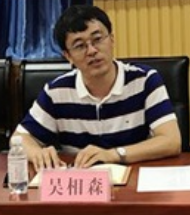 Xiangsen Wu (吴相森)合作论文数College of Chemical Engineering, Beijing University of Chemical Technology6Wei Liu (刘伟)合作论文数College of Chemical Engineering, Beijing University of Chemical Technology6
 Yang Xiang (向阳)合作论文数College of Chemical Engineering, Beijing University of Chemical Technology6Zhi-Hao Li合作论文数5Xiaoke Ma合作论文数5Wen-Cong Chen合作论文数5
 Yong Cai合作论文数5
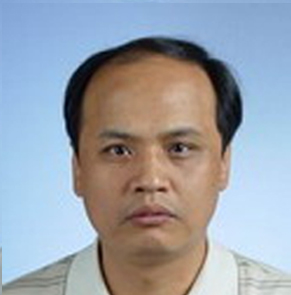 Jianming Chen (陈建铭)合作论文数College of Chemical Engineering, Beijing University of Chemical Technology5Peng-Ju Liang合作论文数4Zemeng Zhao合作论文数4Yi-Dong Zhang合作论文数4Bing Liu合作论文数4
 Dan Wang (王丹)合作论文数College of Chemical Engineering, Beijing University of Chemical Technology4
 Shanshan Lv (吕珊珊)合作论文数Zhejiang Academy of Agricultural Sciences4
 Jiwen Fu (付纪文)合作论文数College of Chemical Engineering, Beijing University of Chemical Technology4Yu-Gan Zhu合作论文数3
 Chuang Liang (梁闯)合作论文数3Xin Li合作论文数3Xiaokang Pei合作论文数3Xi-shuo Wang合作论文数3Ya-Zhao Liu合作论文数3Chenxia Xie合作论文数3Jiawei Teng合作论文数3jiawei tan合作论文数3Ying-Chun Xu合作论文数3Jiwei Wang合作论文数3




