1431 Ann M. Berger, PhD, RN, AOCN, is an associate professor, Susanna VonEssen, MD, MPH, is an associate professor, Brett R. Kuhn, PhD, is an associate professor, Barbara F. Piper, DNSc, RN, AOCN, FAAN, is an associate professor, Lynne Farr, PhD, is a professor, Sangeeta Agrawal, MSc, is a research analyst, James C. Lynch, PhD, is an assistant professor, and Patti Higginbotham, MS, RN, OCN, is a research assistant, all at the University of Nebraska Medical Center in Omaha. Funding for this research was awarded by an ONS Foundation research grant, supported by Ortho Biotech, Inc. (Submitted October 2001. Accepted for publication February 18, 2002.) (Mention of specific products and opinons related to those products do not indicate or imply endorsement by the Oncology Nursing Forum or the Oncology Nursing Society.)
Purpose: The main goal of this study is to discover the scientific evolution of Cancer-Related Symptoms in Complementary and Alternative Medicine research area, analyzing the articles indexed in the Web of Science database from 1980 to 2013.Design/Methodology/Approach: A co-word science mapping analysis is performed under a longitudinal framework(1980 to 2013). The documental corpus is divided into two subperiods,1980–2008 and 2009–2013. Thus, the performance and impact rates, and conceptual evolution of the research field are shown.Findings: According to the results, the co-word analysis allows us to identify 12 main thematic areas in this emerging research field: anxiety, survivors and palliative care,meditation, treatment, symptoms and cancer types, postmenopause, cancer pain, low back pain, herbal medicine, children, depression and insomnia, inflammation mediators, and lymphedema. The different research lines are identified according to the main thematic areas,centered fundamentally on anxiety and suffering prevention. The scientific community can use this information to identify where the interest is focused and make decisions in different ways.Research limitation: Several limitations can be addressed: 1) some of the Complementary and Alternative Medicine therapies may not have been included; 2) only the documents indexed in Web of Science are analyzed; and 3) the thematic areas detected could change if another dataset was considered.Practical implications: The results obtained in the present study could be considered as an evidence-based framework in which future studies could be built.Originality/value: Currently, there are no studies that show the thematic evolution of this research area.
IMPORTANCE Cancer-related fatigue (CRF) remains one of the most prevalent and troublesome adverse events experienced by patients with cancer during and after therapy.OBJECTIVE To perform ameta-analysis to establish and compare the mean weighted effect sizes (WESs) of the 4 most commonly recommended treatments for CRF-exercise, psychological, combined exercise and psychological, and pharmaceutical-and to identify independent variables associated with treatment effectiveness.DATA SOURCES PubMed, PsycINFO, CINAHL, EMBASE, and the Cochrane Library were searched from the inception of each database to May 31, 2016.STUDY SELECTION Randomized clinical trials in adults with cancer were selected. Inclusion criteria consisted of CRF severity as an outcome and testing of exercise, psychological, exercise plus psychological, or pharmaceutical interventions.DATA EXTRACTION AND SYNTHESIS Studies were independently reviewed by 12 raters in 3 groups using a systematic and blinded process for reconciling disagreement. Effect sizes (Cohen d) were calculated and inversely weighted by SE.MAIN OUTCOMES AND MEASURES Severity of CRF was the primary outcome. Study quality was assessed using a modified 12-item version of the Physiotherapy Evidence-Based Database scale (range, 0-12, with 12 indicating best quality).RESULTS From 17 033 references, 113 unique studies articles (11 525 unique participants; 78% female; mean age, 54 [ range, 35-72] years) published from January 1, 1999, through May 31, 2016, had sufficient data. Studies were of good quality (mean Physiotherapy Evidence-Based Database scale score, 8.2; range, 5-12) with no evidence of publication bias. Exercise (WES, 0.30; 95% CI, 0.25-0.36; P < .001), psychological (WES, 0.27; 95% CI, 0.21-0.33; P < .001), and exercise plus psychological interventions (WES, 0.26; 95% CI, 0.13-0.38; P < .001) improved CRF during and after primary treatment, whereas pharmaceutical interventions did not (WES, 0.09; 95% CI, 0.00-0.19; P = .05). Results also suggest that CRF treatment effectiveness was associated with cancer stage, baseline treatment status, experimental treatment format, experimental treatment delivery mode, psychological mode, type of control condition, use of intention-to-treat analysis, and fatigue measures (WES range, -0.91 to 0.99). Results suggest that the effectiveness of behavioral interventions, specifically exercise and psychological interventions, is not attributable to time, attention, and education, and specific intervention modes may be more effective for treating CRF at different points in the cancer treatment trajectory (WES range, 0.09-0.22).CONCLUSIONS AND RELEVANCE Exercise and psychological interventions are effective for reducing CRF during and after cancer treatment, and they are significantly better than the available pharmaceutical options. Clinicians should prescribe exercise or psychological interventions as first-line treatments for CRF.
Cancer-related fatigue (CRF) is the most common and distressing symptom reported by breast cancer survivors. The primary aim of this study was to translate and evaluate psychometrically for the first time a Spanish version of the Piper Fatigue Scale-Revised (S-PFS-R).
To empirically determine clinically meaningful cut-scores on the 0–10 response scale of the revised Piper Fatigue Scale (PFS-R) and its shorter version (PFS-12). Breast cancer survivors were classified (i.e., none, mild, moderate, or severe fatigue) based on the cut-scores, and relationships between these cut-scores and decrements in health-related quality of life (HRQOL) were examined.
Purpose of the research: Pain and fatigue are recognized as critical symptoms that impact QOL for patients with colon cancer. Barriers to optimum pain and fatigue relief include patient-related beliefs and attitudes about the treatment of cancer-related symptoms. The overall objective of this paper was to describe quality of life (QOL) and barriers to pain and fatigue management in patients with colon cancer.Methods and sample: This longitudinal, descriptive study included was conducted in the ambulatory clinic of one NCI-designated comprehensive cancer center. A cohort of 56 patients with colon cancer and a pain and/or fatigue of >= 4 (moderate to severe) was recruited. Subjects completed questionnaires to assess subjective ratings of overall QOL, fatigue, barriers to pain and fatigue, and pain and fatigue knowledge.Key results: The majority of subjects (58%) reported having moderate to severe (4-6) fatigue at the time of accrual. Overall QOL score was moderate (M = 5.20, SD = 1.43), and the social well-being subscale had the lowest score (M = 4.57, SD = 1.82). Patient barriers to pain and fatigue existed in attitudes and beliefs regarding addiction, tolerance, and that fatigue is an inevitable part of cancer and its treatments. Patient knowledge of pain and fatigue was high (77%-88% correct), but lack of knowledge persisted in areas such as addiction to pain medications and utilizing physical activity to manage fatigue.Conclusions: Several patient-related attitudes and beliefs may hinder optimum relief of symptoms such as pain and fatigue. Social well-being may be a major determinant of overall QOL for patients with colon cancer. (C) 2011 Elsevier Ltd. All rights reserved.
Brief, valid measures of fatigue, a prevalent and distressing cancer symptom, are needed for use in research. This study’s primary aim was to create a shortened version of the revised Piper Fatigue Scale (PFS-R) based on data from a diverse cohort of breast cancer survivors. A secondary aim was to determine whether the PFS captured multiple distinct aspects of fatigue (a multidimensional model) or a single overall fatigue factor (a unidimensional model). Breast cancer survivors (n = 799; stages in situ through IIIa; ages 29–86 years) were recruited through three SEER registries (New Mexico, Western Washington, and Los Angeles, CA) as part of the Health, Eating, Activity, and Lifestyle (HEAL) study. Fatigue was measured approximately 3 years post-diagnosis using the 22-item PFS-R that has four subscales (Behavior, Affect, Sensory, and Cognition). Confirmatory factor analysis was used to compare unidimensional and multidimensional models. Six criteria were used to make item selections to shorten the PFS-R: scale’s content validity, items’ relationship with fatigue, content redundancy, differential item functioning by race and/or education, scale reliability, and literacy demand. Factor analyses supported the original 4-factor structure. There was also evidence from the bi-factor model for a dominant underlying fatigue factor. Six items tested positive for differential item functioning between African-American and Caucasian survivors. Four additional items either showed poor association, local dependence, or content validity concerns. After removing these 10 items, the reliability of the PFS-12 subscales ranged from 0.87 to 0.89, compared to 0.90–0.94 prior to item removal. The newly developed PFS-12 can be used to assess fatigue in African-American and Caucasian breast cancer survivors and reduces response burden without compromising reliability or validity. This is the first study to determine PFS literacy demand and to compare PFS-R responses in African-Americans and Caucasian breast cancer survivors. Further testing in diverse populations is warranted.
BACKGROUND:Pain and fatigue are recognized as critical symptoms that impact quality of life (QOL) in cancer, particularly in palliative care settings. Barriers to pain and fatigue relief have been classified into three categories: patient, professional, and system barriers. The overall objective of this study was to test the effects of a clinical intervention on reducing barriers to pain and fatigue management in oncology.METHODS:This longitudinal, three-group, quasi-experimental study was conducted in three phases: phase 1 (usual care), phase 2 (intervention), and phase 3 (dissemination). A sample of 280 patients with breast, lung, colon, or prostate cancers, stage III and IV disease (80%), and a pain and/or fatigue of 4 or more (moderate to severe) were recruited. The intervention group received four educational sessions on pain/fatigue assessment and management, whereas the control group received usual care. Pain and fatigue barriers and patient knowledge were measured at baseline, 1 month, and 3 months post-accrual for all phases. A 3 × 2 repeated measures statistical design was utilized to derive a priori tests of immediate effects (baseline to 1 month) and sustained effects (baseline or 1 month to 3 months) for each major outcome variable, subscale, and/or scale score.RESULTS:There were significant immediate and sustained effects of the intervention on pain and fatigue barriers as well as knowledge. Measurable improvements in QOL were found in physical and psychological well-being only.CONCLUSION:A clinical intervention was effective in reducing patient barriers to pain and fatigue management, increasing patient knowledge regarding pain and fatigue, and is feasible and acceptable to patients.
BACKGROUND: Increasingly, early phase clinical trials involve pharmacodynamic (PD) and pharmacokinetic (PK) assays as well as frequent imaging studies. The authors conducted a prospective study examining patients' willingness to undergo such tests and the number of tests the patients would tolerate. METHODS: A prospective, correlative study was conducted using a self-reported questionnaire to measure patients' willingness on a scale from 1 (not willing) to 10 (very willing) to undergo various procedures (eg, tumor and skin biopsies, blood tests) and imaging studies (eg, magnetic resonance imaging, echocardiogram). In addition, correlations were assessed between the number and type of tests and demographics, previous test experience, inconvenience, and insurance coverage. Sixty-one patients (22 women and 39 men) with advanced malignancies were enrolled. Descriptive, nonparametric, and parametric inferential statistics were used. RESULTS: Overall willingness to undergo study-required tests was very high. Patients were most willing to undergo urine, blood, ultrasound, x-rays, echocardiogram, and computed tomography studies and were least willing to undergo tumor and skin biopsies and magnetic resonance imaging (all P <= .01). Significant inverse relations were observed between the frequency of a particular test and patient's willingness to undergo such tests. Inconvenience and prior negative experiences for more invasive tests (eg, skin biopsies) modestly affected willingness to undergo these tests again. College education, insurance coverage, and the requirement of tests for enrollment were correlated positively with willingness to undergo tests. CONCLUSIONS: The current findings provide the first prospectively collected data on patients' willingness to undergo FK/FD tests and imaging studies associated with early stage oncology drug trials and can serve as basis for further exploration toward the design of patient-friendly, biomarker-driven clinical studies in oncology. Cancer 2011;117:3276-83. (C) 2077 American Cancer Society
Studies seeking to explain mechanisms associated with or causing fatigue are increasing; however, the underlying causes of fatigue remain largely unknown. Thus, identifying and predicting which patients may be at risk for developing fatigue, and tailoring interventions accordingly, are difficult. Whether fatigue experienced by patients with cancer can be classified into specific clinically significant subtypes would be useful to determine. These clinical subtypes might improve understanding of underlying mechanisms and help tailor treatment accordingly. This article refers to fatigue associated with cancer or its treatment as cancer-related fatigue (CRF). Given this broad designation, meant to encompass the array of causal mechanisms and treatment options, the authors recommend that meaningful clinical subtypes be articulated and differentiated. This article therefore reviews CRF definitions and proposes a nonexhaustive set of clinical subtypes that are intended to help sharpen thinking about causality and, ultimately, treatment recommendations.
 Betty Ferrell合作论文数Division of Nursing Research and Education, Department of Population Sciences, City of Hope10
 Tami Borneman合作论文数10
 Virginia Sun合作论文数9
 Marianna Koczywas合作论文数8
 Gwen Uman合作论文数6
 Marylin Dodd合作论文数Department of Physiological Nursing, University of California, San Francisco;Center for Health and Community, University of California, San Francisco4Catherine M. Alfano合作论文数Division of Cancer Control and Population Sciences, National Cancer Institute4Rachel Ballard-Barbash合作论文数3Bryce B. Reeve合作论文数Department of Population Health Sciences, Duke University School of Medicine3Leslie R. Bernstein合作论文数3
 Steven M. Paul合作论文数St. Louis School of Medicine, Washington University;School of Science & Engineering, Tulane University3
 Angela M. Stover合作论文数Department of Health Policy and Management, Gillings School of Global Public Health, The University of North Carolina at Chapel Hill3
 Anne McTiernan合作论文数Department of Epidemiology, School of Public Health, University of Washington;Fred Hutchinson Cancer Research Center3Ashley Wilder Smith合作论文数3Susanna Vonessen合作论文数3Robert E. Slaughter合作论文数2Martin A Benjamin合作论文数2
 Manuel Arroyo-morales合作论文数2
 Lourdes Díaz-Rodríguez合作论文数Res Grp CTS1068, Andalusia Res Plan2
 Suzanne Dibble合作论文数2
 Carina Lundh Hagelin合作论文数Research &Development unit, Stockholms Sjukhem Foundation;Research & Development unit, Stockholms Sjukhem Foundation2
 Antonio Cuesta Vargas合作论文数Departamento de Psiquiatría y Fisioterapia, Facultad de Ciencias de La Salud, Universidad de Málaga;Faculty of Health Sciences, Univeristy of Malaga;School of Clinical Sciences, Faculty of Health, Queensland University of Technology2Ada M. Lindsey合作论文数2
 Ann Malone Berger合作论文数College of Nursing, University of Nebraska Medical Center2
 Mitesh J. Borad合作论文数Department of Oncology, Mayo Clinic Comprehensive Cancer Center2
 Karin Olson合作论文数Faculty of Nursing, University of Alberta2
 Daniel D. Von Hoff合作论文数Translational Genomics Research Institute;HonorHealth Clinical Research Institute;Mayo Clinic2Kathy B. Baumgartner合作论文数2Judith K. Payne合作论文数2
 Sandra A. Mitchell合作论文数Division of Cancer Control and Population Sciences Program Areas, National Cancer Institute, National Institutes of Health2Raoul Tibes合作论文数2
 Brett R Kuhn合作论文数Children's Sleep Disorders Center, Children's Hospital & Medical Center2Jose A. Moral-Munoz合作论文数1L Farr合作论文数1Anne Belcher合作论文数1ashley atkinson合作论文数1Phyllis Kaldor合作论文数1G Uman合作论文数1
 Amber S Kleckner合作论文数Sch Nursing, Univ Maryland1Curt Bay合作论文数Dept Interdisciplinary Hlth Sci, AT Still Univ1
 Bernadine Cimprich合作论文数School of Nursing, University of Michigan1
 Ramesh Ramanathan合作论文数ZielBio, Inc.1
 Mihaela Cristea合作论文数1
 Luke J Peppone合作论文数Department of Surgery, University of Rochester Medical Center;Cancer Center, University of Rochester1
 Enrique Herrera Viedma合作论文数Department of Computer Science and Artificial Intelligence, University of Granada1
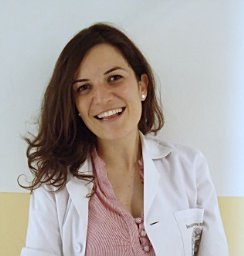 Cantarero-Villanueva Irene合作论文数Dept Phys Therapy, Univ Granada1
 Carolina Fernandez合作论文数Dept Phys Therapy, Univ Granada1
 Suzanne M. Miller合作论文数Fox Chase Cancer Center, Lewis Katz School of Medicine, Temple University1




