PURPOSE Although several agents targeting epidermal growth factor receptor ( EGFR) exon 20 insertions (ex20ins) have recently been approved by the US Food and Drug Administration, toxicities related to the inhibition of wild-type (WT) EGFR are common with these agents and affect overall tolerability. Zipalertinib (CLN-081, TAS6417) is an oral EGFR tyrosine kinase inhibitor (TKI) with a novel pyrrolopyrimidine scaffold leading to enhanced selectivity for EGFR ex20ins-mutant versus WT EGFR with potent inhibition of cell growth in EGFR ex20ins-positive cell lines. METHODS This phase 1/2a study of zipalertinib enrolled patients with recurrent or metastatic EGFR ex20ins-mutant non–small-cell lung cancer (NSCLC) previously treated with platinum-based chemotherapy. RESULTS Seventy-three patients were treated with zipalertinib at dose levels including 30, 45, 65, 100, and 150 mg orally twice a day. Patients were predominantly female (56%), had a median age of 64 years, and were heavily pretreated (median previous systemic therapies 2, range 1-9). Thirty six percent of patients had received previous non-ex20ins EGFR TKIs and 3/73 (4.1%) patients received previous EGFR ex20ins TKIs. The most frequently reported treatment-related adverse events of any grade included rash (80%), paronychia (32%), diarrhea (30%), and fatigue (21%). No cases of grade 3 or higher drug-related rash or diarrhea were observed at 100 mg twice a day or below. Objective responses occurred across all zipalertinib dose levels tested, with confirmed partial response (PR) observed in 28/73 (38.4%) response-evaluable patients. Confirmed PRs were seen in 16/39 (41%) response-evaluable patients at the dose of 100 mg twice a day. CONCLUSION Zipalertinib has encouraging preliminary antitumor activity in heavily pretreated patients with EGFR ex20ins-mutant NSCLC, with an acceptable safety profile, including low frequency of high-grade diarrhea and rash.
Immune checkpoint inhibitors (ICIs) have transformed non-small cell lung cancer (NSCLC) therapy, but only 25% of patients have durable responses. TG4010, a mucin 1 (MUC1) vaccine, has demonstrated activity in NSCLC. We conducted a multi-institutional study to determine the safety and activity of nivolumab plus TG4010 in ICI naïve NSCLC patients (NCT02823990). The target accrual was 29 evaluable patients. The primary endpoint was the response rate requiring at least 10/29 responders. The study was terminated early due to slow accrual after enrolling 13 patients. The treatment was well tolerated. The most common adverse effects were fatigue (grades 1-3) and injection site reactions (grades 1-2). TG4010+ICI had limited benefit in NSCLC with 1 of 12 (8.3%) evaluable patients responding, 2 with disease control, and 9 progressing on therapy. The median overall survival was 7.23 months. One patient with a HER2 driver mutation (which prognosticates poor ICI response) achieved an ongoing durable complete response. This exceptional responder had significant baseline upregulation of GSEA pathways linked to interferon signaling, which may be critical for generating vaccine directed immune responses. In general, therapy decreased MUC1 expression in tumors and PD-1 on T cells and upregulated pathways of adaptive and innate immune responses within tumors and circulating immune cells. However, TCR sequencing demonstrated no T cell clonal expansion or epitope spreading, which may explain the lack of clinical benefit. TG4010+ICI appears to have limited benefit. Further study is needed to optimize the clinical efficacy, which may include a role in NSCLC with driver mutations or in combination with cytotoxic therapy.
Background:Despite high response rates to epidermal growth factor receptor (EGFR) inhibitors, patients with advanced EGFR mutant non-small cell lung cancer (NSCLC) generally experience disease progression within 2 years. We evaluated whether consolidative radiation therapy (RT) to residual sites of disease at the time of expected best response to EGFR inhibition prolongs disease control. Methods:This multicentre, single-arm phase 2 trial was conducted at two sites in the USA. Eligible patients (aged ≥18 years) had advanced EGFR mutant (exon 19 or 21) NSCLC not restricted by number, site, or size of metastases; ECOG 0-2; and no prior treatment with EGFR or immune checkpoint inhibitors. Patients with stable or responding disease after 8 weeks of osimertinib 80 mg orally daily received radiation therapy (RT) to persisting lesions, followed by continued osimertinib until progression or intolerance. The primary endpoint was progression-free survival (PFS) in all participants who received at least one dose of osimertinib, assessed radiographically every 8 weeks. Secondary endpoints were toxicity, duration on osimertinib, and overall survival (OS). This trial is registered with Clinicaltrials.gov, NCT03667820. Findings:Between Oct 15, 2018, and July 1, 2021, 42 patients (32 female, 10 male) were enrolled and initiated osimertinib, of whom 32 (76%) received consolidative RT, primarily stereotactic RT. The most common reasons RT was not administered were insufficient residual disease (10%) and inadequate response (5%). At a median follow-up of 35.7 months, median PFS was 32.3 months (95% CI, 21.9-51.7), median OS was 45 months (95% CI, 39.3-56.4), and median duration of osimertinib was 32.4 months. Osimertinib-related toxicities, including skin, nail, and gastrointestinal events, occurred at expected rates and were almost always grade 1-2. Two patients (5%) developed pneumonitis, including one grade 4 event. Interpretation:These findings show osimertinib plus consolidative RT was well tolerated and demonstrates promising efficacy in patients with advanced EGFR mutant NSCLC. Because this approach may be less complex and less toxic than multi-agent targeted therapy regimens for this population, the results of ongoing randomised trials testing similar strategies are awaited. Funding:AstraZeneca and the Biostatistics Shared Resource, UT Southwestern Harold C. Simmons Comprehensive Cancer Center.
Background: Family caregivers are central to the delivery of serious illness care and also have needs related to their role and experience. One aspect of the family caregiver quality of life (QOL) that has received less attention is caregiver spirituality.Objectives: The research objectives for this analysis were (1) Describe spirituality in oncology family caregivers. (2) Determine the impact of palliative care interventions on spirituality and related variables in oncology family caregivers. (3) Describe findings from the research literature related to spirituality in family caregivers. The authors include two nurse researchers (BF, TB) and a physician (MK) who conducted these studies and a board-certified chaplain (PG) who contributed his expertise in chaplaincy.Design: This study synthesized data from seven earlier studies by the investigators from their research in family caregiving and also compared findings to the literature.Setting/Subjects: Subjects were family caregivers (n = 1039) of patients with cancer from studies conducted primarily in the Western United States.Measurements: The key spirituality instruments used were the Functional Assessment of Chronic Illness Therapy tool and the City of Hope QOL tool. Results: Spirituality was identified as important to family caregivers and most caregivers reported a religious affiliation. Living with uncertainty was consistently reported as the worst aspect of QOL/spirituality. Having a sense of purpose and meaning was the highest rated area.Conclusions: The authors' research synthesis and the literature support the importance of additional research and clinical focus in family caregiver spirituality in serious illness care.
Abstract Background Combination chemotherapy and immunotherapy regimens have significantly improved survival for patients with previously untreated advanced non–small cell lung cancer (NSCLC). Improvements in overall survival (OS) in two separate pembrolizumab trials have demonstrated survival improvements over chemotherapy alone, regardless of PD-L1 status. The optimal chemotherapy backbone for combination with immunotherapy is unknown. We hypothesized nab-paclitaxel may be a well-suited platinum partner to use in combination with checkpoint inhibitor therapy for both adenocarcinoma and squamous histology and conducted a phase I/II trial to assess the efficacy of this regimen in advanced NSCLC. Methods Adult patients with previously untreated, stage IIIB/IV NSCLC (any histology) with an Eastern Cooperative Oncology Group performance status of 0-1, any PD-L1 expression, and no EGFR mutations or ALK translocations, received carboplatin area under the curve (AUC) 6 day 1, nab-paclitaxel 100 mg/m2 days 1, 8, 15, and pembrolizumab 200 mg day 1 q21 days for 4 cycles followed by maintenance pembrolizumab q3w. Co-primary endpoints were progression-free survival (PFS) and overall response rate (ORR). Results Forty-six evaluable patients enrolled, 14 in phase I and 32 in phase II, from June 2015 to July 2018 with a median duration of follow-up of 35.4 months. Median time from enrollment to data lock was 42 months. In the ITT population, the ORR was 35%, median PFS was 5.6 months (95% CI, 4.6-8.2), and median OS was 15.4 months (CI, 12.4-28.1). There were no statistical differences in PFS or OS by PD-L1 status. The 2- and 3-year landmark OS rates were 33% and 24%, respectively. Conclusion Carboplatin, nab-paclitaxel, and pembrolizumab are a safe and effective regimen for patients with both squamous and nonsquamous NSCLC. Although this study did not meet the prespecified endpoints, the median and landmark OS results are consistent with durable benefit of this regimen as seen in phase III trials for first-line treatment of advanced NSCLC.
8110 Background: Thymic carcinoma, a rare malignancy, presents treatment challenges due to its aggressiveness and poor response to standard chemotherapy. Angiogenic pathway activation is implicated in its pathogenesis. S1701 evaluated the efficacy and safety of ramucirumab, an anti-angiogenic monoclonal antibody, in combination with carboplatin-paclitaxel. Methods: We conducted a randomized phase II trial with patients having histologically confirmed, unresectable thymic carcinoma and no prior therapy for recurrent or metastatic disease. Patients were randomized to receive carboplatin-paclitaxel with or without ramucirumab for 6 cycles, followed by maintenance ramucirumab for patients without progression. The primary endpoint was progression-free survival (PFS), assessed by RECIST 1.1. Secondary endpoints included response rate, safety and toxicity. The primary analysis was done using a 1-sided 10% level log-rank test. Target sample size was 66 patients. Results: Between 2018-2022, 21 patients enrolled to ramucirumab plus carboplatin-paclitaxel (RCP, n = 8) and to the control arm (CP, n = 13). Three patients in the control arm were excluded from the efficacy analysis, as one was ineligible and 2 had non-measurable disease. No grade 4 or higher treatment-related adverse events occurred in the RCP arm, although 50% (4 out of 8) experienced grade 3 adverse events and 2 patients discontinued ramucirumab due to toxicity. There were no grade 3 or higher thromboembolic or bleeding events in the RCP arm. Among 9 evaluable patients for safety in the control arm (3 withdrew consent prior to initiating therapy), 11% encountered grade 4 neutropenia and 11% reported grade 3 thromboembolic events. Response rate favored the RCP arm, with an 88% [80% CI 59% - 99%] partial response rate compared to 40% [80% CI 19%-65%] in the control arm (Figure, p = 0.04). Disease control rate was higher in the RCP arm (100% vs 70%, p = 0.0897). At median follow-up time of 16.7 months, PFS was not different (hazard ratio [80% CI]: 0.51 [0.24 – 1.09]; p = 0.13). Median PFS was 8 months for RCP and 7 months for the control arm. At this time, OS remains immature. Conclusions: The addition of ramucirumab to CP led to higher response rates than CP alone. At this early analysis, PFS was not significantly improved; OS is pending. High-grade adverse events necessitate careful patient selection. Insights from S1701 emphasize the potential of targeting the angiogenic pathway, although larger trials are needed to confirm these findings. Future research should consider exploring larger multicenter trials and other combinations to improve outcomes. Challenges in enrollment emphasize the need for innovative strategies and larger collaborations in rare malignancies like thymic carcinoma. Funding: NIH/NCI/NCTN grant awards U10CA180888 and U10CA180819 and in part by Eli Lilly. Clinical trial information: 03694002.
8518 Background: Despite high response rates to EGFR inhibitors, patients with advanced EGFR mutant NSCLC generally experience disease progression within two years (osimertinib median PFS 18.9 months, median OS 38.6 months). We sought to determine whether administration of SABR to residual sites of disease at the time of expected best response to EGFR inhibition could prolong disease control. Methods: This was a multi-center single-arm phase 2 study. Eligible patients had advanced EGFR mutant (exon 19 or 21) NSCLC not restricted by number, site, or size of metastases; ECOG 0-2; no prior treatment with EGFR inhibitors or immune checkpoint inhibitors; and no history of interstitial lung disease. Patients with stable or responding disease after 8 weeks of osimertinib received SABR to persisting lesions, followed by continued osimertinib until progression or intolerance. At subsequent progression, patients could receive further SABR and continue osimertinib if deemed clinically feasible and appropriate. The primary endpoint was progression-free survival (PFS); secondary endpoints included duration on osimertinib, toxicity, and overall survival (OS). Results: A total of 43 patients (32 women, 11 men) were enrolled and initiated osimertinib, of whom 29 (67%) received SABR. Reasons SABR was not administered included inadequate response (9%), insufficient residual disease (19%), and other (5%). At a median follow-up of 35.7 months (95% CI, 28.8, 37.6), 42 evaluable patients had a median PFS of 32.6 months and a median OS of 45.7 months. The median duration of osimertinib was 31.5 months. Grade ≥3 toxicities included one incidence each (2%) of the following: pain at the site of radiation, paronychia, liver enzyme elevation, fatigue, hyponatremia, diarrhea, and pneumonitis. Conclusions: Osimertinib plus consolidative SABR appears to provide a PFS and OS benefit when considered against historical data with osimertinib alone. This treatment strategy may offer a well-tolerated and practical approach to improving outcomes for patients with advanced EGFR mutant NSCLC. Clinical trial information: NCT03667820 .
BACKGROUND:Spiritual care is a key domain of quality palliative care as defined by national palliative care guidelines. AIMS:The aim of this project was to synthesize data and research experience by the authors over 30 years related to spirituality in patients with cancer. The research objectives for this analysis were to: Describe spirituality in patients with cancer. Determine the outcomes of palliative care interventions on spirituality and related variables in patients with cancer in these studies conducted by the authors. Summarize methodological issues in conducting research related to spirituality in oncology patients. METHODS:A synthesis of 15 prior studies conducted by the authors was completed and also compared to current literature regarding spirituality in cancer and other serious illness. RESULTS:Findings demonstrate the broad scope of spirituality, key spiritual concerns in cancer and methodological approaches to assessing spirituality. CONCLUSION:Spirituality is a major concern for patients, yet limited training has been provided for clinicians who deliver this care. Additional studies are needed to advance this important aspect of palliative care.
PURPOSE:The mesothelin-targeting antibody-drug conjugate anetumab ravtansine was evaluated in combination with the programmed cell death-1 (PD-1) inhibitor pembrolizumab based on the common expression of mesothelin and reports of activity in mesothelioma. PATIENTS AND METHODS:A phase 1 safety run-in of the combination of anetumab ravtansine (6.5 mg/kg iv q3weeks) and pembrolizumab (200 mg, IV q3weeks) was conducted, followed by a phase 2 randomization to the combination or pembrolizumab alone at medical centers across the United States and Canada in the National Cancer Institute's Experimental Therapeutics Clinical Trials Network. Patients with pleural mesothelioma that expressed mesothelin and had previously received platinum-based therapy were eligible. RESULTS:In phase 1 (n = 12) only one dose limiting toxicity was observed and the rules for dose reduction were not met. In phase 2, there was no difference in the confirmed response rates between the combination group (n = 18, 2 partial responses [PR], 11 %) and the pembrolizumab group (n = 17, 1 PR, 6 %; z = -0.5523, p = 0.29116). The median PFS was 12.2 months (95 % CI 5.1-not evaluable [NE]) for the combination, and 3.9 months for pembrolizumab (95 % CI 2.1-NE)(HR=0.55, p = 0.20). Patients with high baseline levels of soluble mesothelin who received anetumab ravtansine had a median PFS of 5 months. CONCLUSIONS:The numeric difference in PFS between treatment groups was not statistically significant, likely related to a smaller than planned sample size. High levels of soluble mesothelin should potentially be considered to select against the use of mesothelin-targeting therapies in development that are neutralized by soluble mesothelin.
Lung cancer remains the most common malignancy and is recognized as having significant impact on quality of life. Advances in lung cancer treatment over the past decade have been significant, with new agents extending life, even in late-stage disease. The purpose of this study was to evaluate palliative care needs and use of supportive care services in a randomly selected sample (N = 99) of patients with lung cancer. Results indicated that despite treatment advances, these patients continue to have significant symptom and quality of life concerns and to receive limited palliative care or supportive care services. Integration of palliative care is needed in the new era of lung cancer treatment.
U31402-A-U102 is an ongoing study of HER3-DXd in NSCLC. Here, with a 23-month median follow-up, we present the first report of median overall survival (OS) for patients (pts) with EGFRm NSCLC after failure of prior EGFR TKI and platinum-based chemotherapy (PBC) treated with HER3-DXd 5.6 mg/kg IV Q3W. Other efficacy and safety measures are updated to include new data from cohort 3.
Introduction Immune checkpoint inhibitors (ICIs) produce a broad spectrum of immune-related adverse events (irAEs) affecting various organ systems. While ICIs are established as a therapeutic option in non-small cell lung cancer (NSCLC) treatment, most patients receiving ICI relapse. Additionally, the role of ICIs on survival in patients receiving prior targeted tyrosine kinase inhibitor (TKI) therapy has not been well-defined. Objective To investigate the impact of irAEs, the relative time of occurrence, and prior TKI therapy to predict clinical outcomes in NSCLC patients treated with ICIs. Methods A single center retrospective cohort study identified 354 adult patients with NSCLC receiving ICI therapy between 2014 and 2018. Survival analysis utilized overall survival (OS) and real-world progression free survival (rwPFS) outcomes. Model performance matrices for predicting 1-year OS and 6-month rwPFS using linear regression baseline, optimal, and machine learning modeling approaches. Results Patients experiencing an irAE were found to have a significantly longer OS and rwPFS compared to patients who did not (median OS 25.1 vs. 11.1 months; hazard ratio [HR] 0.51, confidence interval [CI] 0.39- 0.68, P-value <0.001, median rwPFS 5.7 months vs. 2.3; HR 0.52, CI 0.41- 0.66, P-value <0.001, respectively). Patients who received TKI therapy before initiation of ICI experienced significantly shorter OS than patients without prior TKI therapy (median OS 7.6 months vs. 18.5 months; P-value < 0.01). After adjusting for other variables, irAEs and prior TKI therapy significantly impacted OS and rwPFS. Lastly, the performances of models implementing logistic regression and machine learning approaches were comparable in predicting 1-year OS and 6-month rwPFS. Conclusion The occurrence of irAEs, the timing of the events, and prior TKI therapy were significant predictors of survival in NSCLC patients on ICI therapy. Therefore, our study supports future prospective studies to investigate the impact of irAEs, and sequence of therapy on the survival of NSCLC patients taking ICIs.
Supplementary Tables and Figures from Efficacy and Safety of Patritumab Deruxtecan (HER3-DXd) in EGFR Inhibitor–Resistant, EGFR-Mutated Non–Small Cell Lung Cancer
Background The HUDSON platform study (NCT03334617) explores investigational therapies in patients (pts) with NSCLC who progressed on immune checkpoint inhibitors (ICIs) to overcome immune resistance in the post-ICI setting. HUDSON allocated treatment based on biomarker selection or on time (<24 vs. ≥ 24 weeks) before progression on prior ICI. Here, we report on the results of Durvalumab (anti-PD-L1) + T-DXd (anti-HER2 antibody drug conjugate) treatment (module 6) in pts with HER2 overexpressing or HER2 mutant tumours. Methods Pts had documented advanced/metastatic NSCLC with centrally confirmed HER2 overexpression (HER2e) or activating mutations (HER2m), received platinum-based therapy and progressed on prior ICI. Pts received durvalumab 1120 mg iv and T-DXd 5.4 mg/kg iv every 3 weeks until disease progression or unacceptable toxicity. Primary endpoint was objective response rate (ORR) per RECIST 1.1 criteria; secondary endpoints included progression-free survival (PFS), overall survival (OS) and frequency of adverse events (AEs). Results A total of 43 pts (HER2e n=23, HER2m n=20) started therapy between 23/6/2020 and 16/9/2021. Differences in main demographic and disease characteristics at study entry were observed between HER2e and HER2m pts (sex, smoking status, extent of disease, primary resistance to prior ICI; extended report of the characteristics at the conference). Confirmed ORR was 26.1% (80% CI, 14.3–41.3) in HER2e pts and 35% (80% CI, 20.7–51.8) in HER2m pts. Median PFS was 2.8 mo (80% CI, 2.2–5.5) in HER2e pts and 5.7 mo (80% CI, 5.5–6.5) in HER2m pts. Median OS was 9.5 mo (80% CI, 6.6–12.4) in the HER2e group and 10.6 mo (80% CI, 8.9-NC) in the HER2m group. Median duration of follow-up in censored subjects was 16.5 mo (range, 7.3–24.2) in the HER2e pts and 17.1 mo (range, 4.4–27.6) in HER2m pts. Grade (G) ≥3 treatment emergent AEs (TEAEs) occurred in 55% of all pts (61% of HER2e pts, 50% of HER2m pts); the most common G ≥3 AEs were pneumonitis (none were fatal), pulmonary embolism and anemia. All grade and G≥3 treatment-related pneumonitis occurred in 9.3% (8.7% of HER2e pts, 10% of HER2m pts) and in 7% (8.7% of HER2e pts, 5% of HER2m pts) of all pts, respectively. Conclusions Durvalumab+T-DXd combination was tolerated and showed antitumor activity in HER2 altered NSCLC in the post-ICI setting, with a trend toward higher response in HER2m pts. The small sample size limits the overall conclusions of the study.
Inherent or acquired resistance to sotorasib poses a substantialt challenge for NSCLC treatment. Here, we demonstrate that acquired resistance to sotorasib in isogenic cells correlated with increased expression of integrin β4 (ITGB4), a component of the focal adhesion complex. Silencing ITGB4 in tolerant cells improved sotorasib sensitivity, while overexpressing ITGB4 enhanced tolerance to sotorasib by supporting AKT-mTOR bypass signaling. Chronic treatment with sotorasib induced WNT expression and activated the WNT/β-catenin signaling pathway. Thus, silencing both ITGB4 and β-catenin significantly improved sotorasib sensitivity in tolerant, acquired, and inherently resistant cells. In addition, the proteasome inhibitor carfilzomib (CFZ) exhibited synergism with sotorasib by down-regulating ITGB4 and β-catenin expression. Furthermore, adagrasib phenocopies the combination effect of sotorasib and CFZ by suppressing KRAS activity and inhibiting cell cycle progression in inherently resistant cells. Overall, our findings unveil previously unrecognized nongenetic mechanisms underlying resistance to sotorasib and propose a promising treatment strategy to overcome resistance.
BACKGROUNDFamily caregivers provide complex care for patients with cancer, including management of multiple symptoms associated with the disease and its treatment.OBJECTIVESThe objective of this pilot project was to develop and conduct feasibility testing of a family caregiver educational intervention for symptom management.METHODSThe intervention was conducted with 23 family caregivers of patients with lung or gynecologic cancer to evaluate feasibility testing and assessment of caregiver preparedness, quality of life, and psychological distress at baseline and three and seven weeks postintervention.FINDINGSFamily caregivers were very interested in education related to their role in symptom management, with management of constipation, dyspnea, and diarrhea as the highest priorities. The intervention was feasible and valuable in assisting family caregivers in assessing symptoms and making decisions regarding treatment choices.
235 Background: The CARG tox score can predict risk of chemotherapy-related tox in older adults with cancer. GAIN can reduce tox vs standard of care (SOC) among these patients (pts); GAIN’s impact across CARG risk groups is unknown. Methods: A secondary analysis of the GAIN randomized clinical trial (NCT02517034) of pts aged ≥65 (solid tumor diagnosis, starting a new chemotherapy) was performed. Pts were randomized 2:1 to receive GAIN vs SOC and were categorized into low (0-5), medium (6-9), and high (10-20) risk groups according to CARG score. The primary outcome was incidence of grade 3-5 tox. Chi-square/Fisher’s exact tests were used to compare outcomes (GAIN vs SOC, stratified by risk groups). Log-rank tests were used to compare 1-year survival across risk groups. Results: This analysis included 600 pts: 26.5% low risk, 45.2% medium risk, 28.3% high risk. Table shows pt/treatment characteristics. For pts with low/medium risk scores, GAIN demonstrated a 14.0% (95% CI 4.1%-23.9%) reduction in tox vs SOC (p = 0.006). No significant reduction in tox was observed among pts with high risk scores (p = 0.86). One-year survival (GAIN vs SOC) for each risk group was 73.6% vs 67.4% (low risk), 68.5% vs 64.5% (medium risk), and 57.3% vs 61.7% (high risk), respectively (log-rank p = 0.10). Conclusions: Older adults with low/medium, but not high, CARG risk scores benefit from GAIN. Additional strategies may be needed to improve outcomes for pts with high CARG risk scores. Clinical trial information: NCT02517034. [Table: see text]
EGFR-mutated lung adenocarcinoma patients who received tyrosine kinase inhibitors (TKIs) may initially respond to therapy, but over time, resistance eventually occurs. In a small population (5–10%), these patients can have a histological transformation to SCLC. Nine patients with EGFR-mutated lung adenocarcinoma who transformed to SCLC were evaluated at City of Hope. Patient clinical and pathology data, including multiple next-generation sequencing (NGS) results, clinical therapies, histology, and outcomes, were collected across multiple time points. Descriptive statistics were utilized to visualize and interpret the clinical therapeutic timeline and molecular transformation profiles for these patients. All patients received at least one line of EGFR TKI therapies prior to small cell lung cancer transformation, including erlotinib, afatinib, and osimertinib. Two patients also received chemotherapy prior to transformation (one with immunotherapy). The median months to small cell lung cancer transformation was 16 months, ranging from 4–49 months. The median overall survival (OS) was 29 months from diagnosis, with the minimum of 16 months and maximum of 62 months. The majority of patients had EGFR exon 19 deletion (n = 7, 77.8%), and no patients had a change of original oncogenic EGFR mutation over the different time points. Though a TP53 mutation was detected in eight patients (88.9%) either at the first biopsy or the subsequent biopsies, an RB1 alteration was only detected in one patient at presentation, and three patients upon subsequent biopsies (n = 4, 44.4%). Each patient had a unique molecular profile in the subsequent molecular testing post-transformation, but BRAF alterations occurred frequently, including BRAF rearrangement (n = 1), fusion (n = 1), and amplification (n = 1). Our results showed that EGFR-mutated lung adenocarcinoma to SCLC transformation patients have a unique histological, molecular, and clinical profile over multiple time points, with further heterogeneity that is not currently reported in the literature, and we suggest more work is required to better understand the molecular heterogeneity and clinical outcomes over time for this EGFR TKI resistance subtype.
9014 Background: Osimertinib (Osi) is standard of care in 1st line (1L) EGFR mut NSCLC and TKI resistant T790Mpos NSCLC but acquired resistance emerges; outcomes are less robust in T790Mneg, C797Xpos and EGFR exon 20 insertion (ex20ins) disease. We examined Osi with the EGFR monoclonal antibody Necitumumab (Neci) in select settings of EGFR TKI resistance. Methods: Pts were accrued to 5 expansion cohorts (ExC) at recommended phase 2 dose (RP2D) of Osi 80 mg daily and Neci 800 mg D1 + D8 of q21d cycle. ExC (18 pts/cohort): A) T790Mneg progressive disease (PD) on 1st/2nd gen TKI as last therapy, B) T790Mneg PD on 1st/2nd gen TKI and PD on 3rd gen TKI, C) T790Mpos PD on 1st/2nd gen TKI and PD on 3rd gen TKI, D) EGFR ex20ins PD on chemotherapy, E) PD on 1L osi. In ExC A-C, T790M was confirmed centrally (tissue) by ddPCR. Additional correlative studies include: tissue NGS (> 400 gene panel), EGFR FISH, plasma for PK and serial EGFR ctDNA by ddPCR. Adverse events were graded (Gr) by CTCAEv5; ORR, PFS by RECIST 1.1. Primary pre-specified efficacy endpoint ≥3/18 pts responding per cohort. Results: 101 patients accrued (100 evaluable). Efficacy is summarized in the Table. Drug related Gr 3 AEs were seen in 38% of pts, mainly rash (21%). ORR among all pts was 19% (95% CI 12-28%) that varied across cohorts (Table). In ExC A-C, 69% pts had detectable EGFR activating mutations in ctDNA, with decline in mutant allele frequency (AF) on treatment in 80% and ctDNA clearance in 33%. Conclusions: Osi/Neci is feasible and tolerable at the RP2D. EGFR ctDNA was detectable at baseline in the majority of pts with decrease in AF on treatment. Osi/Neci was active in select settings of EGFR-TKI resistance, meeting its prespecified efficacy endpoint in T790Mneg PD on 1st/2nd gen TKI as last therapy (ExC A), EGFR ex20ins post-chemo (ExC D) and PD on 1L osimertinib (ExC E). mPFS in the EGFR ex20ins cohort was within the range of current EGFR Exon 20 ins agents in development. EGFR monoclonal antibodies with osimertinib warrant further study in settings of de novo and acquired EGFR dependent resistance to EGFR-TKI. Clinical trial information: NCT02496663. [Table: see text]
Tyrosine kinase inhibitor (TKI) therapy is the recommended first-line treatment for metastatic non-small-cell lung cancer (NSCLC) positive for epidermal growth factor receptor (EGFR) gene mutation. However, most individuals treated with TKI therapy for EGFR-mutant NSCLC will develop tumor resistance to TKI therapy. Therapeutic strategies to overcome TKI resistance are the topic of several ongoing clinical trials. One potential strategy, which has been explored in numerous trials, is the treatment of progressive sites of disease with stereotactic body radiation treatment (SBRT) or stereotactic radiosurgery (SRS). We sought to review the literature pertaining to the use of local ablative radiation therapy in the setting of acquired resistance to TKI therapy and to discuss stereotactic radiation therapy as a strategy to overcome TKI resistance.
 Betty Ferrell合作论文数Division of Nursing Research and Education, Department of Population Sciences, City of Hope44
 K. Reckamp合作论文数41
 Mihaela Cristea合作论文数34
 Ravi Salgia合作论文数Department of Medical Oncology and Therapeutics Research, City of Hope27
 Tami Borneman合作论文数26
 Erminia Massarelli合作论文数Department of Medical Oncology, City of Hope National Medical Center23
 Vincent Chi-Ho Chung (鍾志豪)合作论文数Government of the Hong Kong Special Administrative Region22Isa Mambetsariev合作论文数City Hope Natl Med Ctr, Dept Med Oncol & Therapeut Res, Duarte, CA 91010 USA20
 David R. Gandara合作论文数Department of Internal Medicine, UC Davis Comprehensive Cancer Center19
 Pasi A. Jänne合作论文数Medical Oncology, Dana Farber Cancer Institute;Harvard Cancer Center, Harvard Medical School16
 Virginia Sun合作论文数16
 Jeremy Fricke合作论文数14
 Rebecca Pharaon合作论文数Department of Medical Oncology and Therapeutics Research, City of Hope National Medical Center14Gwen Uman合作论文数13
 Nora H Ruel合作论文数Departments of Urologic Oncology and Biostatistics (NHR),, City of Hope Cancer Center12
 Arti Hurria合作论文数Center for Cancer and Aging, Beckman Research Institute, City of Hope11
 Melissa Johnson合作论文数Sarah Cannon Research Institute11Thomas Smith合作论文数10
 Jonathan Wesley Riess合作论文数Department of Internal Medicine, University of California, Davis;Comprehensive Cancer Center, University of California, Davis;School of Medicine, University of California, Davis10Paul Frankel合作论文数10
 Marwan G. Fakih合作论文数Department of Medical Oncology&Therapeutics Research, City of Hope;Comprehensive Cancer Center, City of Hope;Briskin Center for Clinical Research, City of Hope9
 Jyoti D Patel合作论文数Hematology and Oncologys, Department of Medicine, Feinberg School of Medicine, Northwestern University8Williams Anna Cathy合作论文数8
 Barbara J Gitlitz合作论文数8
 Helena A. Yu合作论文数Weill Cornell Medical College;Memorial Sloan Kettering Cancer Center8Kelly Karen合作论文数8Edward M. Newman合作论文数8
 Barbara Piper合作论文数8
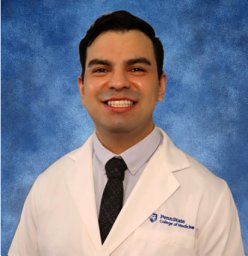 Angel R Baroz合作论文数Dept Med Oncol & Therapeut Res, City Hope Natl Med Ctr7
 Suresh S. Ramalingam合作论文数Department of Hematology-Oncology, School of Medicine, Emory University;Winship Cancer Institute, Emory University;Emory Healthcare7Katheria Vani合作论文数City of Hope National Medical Center7
 Heather Wakelee合作论文数Division of Oncology, Department of Medicine, Stanford University7
 Robert J. Downey合作论文数Memorial Sloan-Kettering Cancer Center7
 Enriqueta Felip合作论文数Vall d'Hebron Institute of Oncology;Oncology Department, Vall d'Hebron University Hospital7
 James Chih-Hsin Yang (楊志新)合作论文数Graduate Institute of Oncology, College of Medicine, National Taiwan University;Graduate Institute of Clinical Pharmacy, College of Medicine, National Taiwan University;National Taiwan University Cancer Center7
 Joseph Chao合作论文数City of Hope Comprehensive Cancer Center7
 Sumanta Kumar Pal合作论文数Department of Medical Oncology & Therapeutics Research, City of Hope;Bladder & Kidney Cancer7
 Dan J Raz合作论文数7
 Catherine Del Ferraro合作论文数7
 Ramaswamy Govindan合作论文数Divisions of Hematology & Oncology, Department of Medicine, School of Medicine, Washington University7
 William Dale合作论文数7
 Charles Williams合作论文数7
 Athanassios Argiris合作论文数Department of Medical Oncology, Sidney Kimmel Medical College, Thomas Jefferson University;1st Department of Medical Oncology, Hygeia Hospital7
 Gregory Peter Kalemkerian合作论文数University of Michigan7
 John C Grecula合作论文数The Ohio State University;James Cancer Hospital;The Arthur G. James Cancer Hospital and Richard J. Solove Research Institute7Dean Lim合作论文数7Richa Dua合作论文数6Ariel Chen合作论文数6Chandra P Belani合作论文数6




