Background/Objectives: Biofilm-related infections represent a major concern in clinical practice because of their poor responsiveness to standard antimicrobial treatments. Over the past decade, many efforts have been made to identify new compounds capable of inhibiting this particularly resistant form of bacterial life. Although several compounds have shown interesting anti-biofilm properties, none have reached the clinic. Methods: In the present work, we describe the synthesis and biological assessment as anti-biofilm agents, of a novel library of twenty-one imidazo[2,1-b][1,3,4]thiadiazol-2-yl]-1H-pyrrolo[2,3-b]pyridines. Results: The newly synthesized compounds were in vitro evaluated for their ability to prevent biofilm formation and to eradicate established biofilms in Staphylococcus aureus ATCC 25923 and Pseudomonas aeruginosa ATCC 15442. Additionally, the most potent compounds, 9g and 9u, were in vivo assayed for their safety profile and the anti-infective effect in a Galleria mellonella model. Conclusions: Derivatives 9g, 9i, 9n, 9q and 9u proved to be potent inhibitors of S. aureus biofilm showing BIC50 values lower than 15 µg/mL. Noteworthy, the in vivo results revealed the promising protective properties of compound 9u in the early stage of staphylococcal infection.
Heat shock proteins (HSPs) in all animals studied to date constitute potential indicators of stress, under various environmental conditions. The goal of this chapter is to show, for the first time, the suitability of the approach based on evaluation of the expression levels of heat shock proteins, as good indicators of stress induced in nematodes by the cultivation of resistant plant varieties or by other potential stressors.
Nematodes play a key role in ecological environments. Biotic indices based on soil nematode community are effectively used for assessing soil health status. This work represents the opportunity to investigate three different management practices continuously maintained for 40 or more decades on soils with the same geological origin. This unique feature allows us to reduce variables and link biotic with abiotic factors. Therefore, the nematode communities of three neighboring volcanic soils under different managements were examined. The maximum values in soil biodiversity were found in the forest environment in which all the trophic groups were detected and well balanced. Instead, in permanent grassing and carnation crop greenhouse (CG), biodiversity indices progressively decreased with the intensification of agricultural practices. Furthermore, CG showed a stronger dominance of a specific plant-parasitic nematode identified as Heterodera daverti. Nematode indicators demonstrated that changes in the nematode community gradually varied from anthropic to natural environments whereas soil properties were feebly correlated to nematode community indicators. In conclusion, we demonstrated that biodiversity and ecological indices applied to the soil nematode community are effective at detecting alterations due to anthropogenic impact. Nematodes seem to be susceptible to perceiving the soil dynamics.
Biofilm-associated infections pose significant challenges in healthcare settings due to their resistance to conventional antimicrobial therapies. In the last decade, the marine environment has been a precious source of bioactive molecules, including numerous derivatives with antibiofilm activity. In this study, we reported the synthesis and the biological evaluation of a new series of twenty-two thiadiazopyrimidinone derivatives obtained by using a hybridization approach combining relevant chemical features of two important classes of marine compounds: nortopsentin analogues and Essramycin derivatives. The synthesized compounds were in vitro tested for their ability to inhibit biofilm formation and to disrupt mature biofilm in various bacterial strains. Among the tested compounds, derivative 8j exhibited remarkable dispersal activity against preformed biofilms of relevant Gram-positive and Gram-negative pathogens, as well as towards the fungus Candida albicans, showing BIC50 values ranging from 17 to 40 µg/mL. Furthermore, compound 8j was in vivo assayed for its toxicity and the anti-infective effect in a Galleria mellonella model. The results revealed a promising combination of anti-infective properties and a favorable toxicity profile for the treatment of severe chronic biofilm-mediated infections.
The yellow-necked dry-wood termite Kalotermes flavicollis (Fabricius, 1793) (Blattodea: Kalotermitidae) is an important pest that infests wood in Europe. An increase in attacks by K. flavicollis has been seen in buildings and in churches in Palermo (Italy), with attacks on both structural elements and artefacts. Future climate changes are expected to lead to increasing temperatures, which will probably affect the pest status of this species, which is difficult to control. In this context, it is important to identify potential natural antagonists of K. flavicollis. During a survey of the K. flavicollis population, several dead individuals with evident fungal efflorescence were found. Therefore, a study aimed at the isolation and identification of these microorganisms was conducted. Fungal colonies isolated from mycelial structures grown on insects were identified based on morphological characteristics and DNA profiling. Three different species were identified: Aspergillus nomius, A. subramanianii, and A. tamarii. This is the first time that fungi have been recorded in association with the yellow-necked dry-wood termite and, in addition, this study reports the first association of A. subramanianii with Isoptera.
DGGE (denaturing gradient gel electrophoresis) is a nucleic acid separation technique applied to the evaluation of microbial biodiversity. This technique is quite rapid and cheap compared to other types of analysis. Here we describe the comparison of nematode communities inhabiting different ecosystems. After an ecologically representative sampling collection and the nematode extraction from soil, nematodes are centrifuged in Eppendorf tubes to facilitate DNA extraction. DNA from the whole community of each type of soil is extracted, amplified with primers for 18 S rDNA and used in DGGE analysis. The profiles of DGGE can be analyzed with appropriate software, and biodiversity indices can be estimated.
Natural pollinators, mainly represented by solitary apoidea, play an essential role in ecosystems and biodiversity. Their population has sharply declined recently, putting both flora and fauna biodiversity at risk. Many studies report that artificial nesting for reproducing solitary bees, also known as bee hotels, can support conservation and increase the number of pollinators. Unipa and LIPU Isola delle Femmine Nature Reserve wanted to create the first bee hotels in 2015 near the coast. In particular, the goal of this project was to protect and increase biodiversity on the islet of Isola delle Femmine, a peculiar and challenging to-balance environment where there are more than 200 botanical taxa present on the island, some of which are endemic to Sicilian north-western coast, including pollination by insects. In the current state of knowledge, it is the first case of installing bee hotels in a coastal area so close to the sea, which entailed a significant technical challenge in the construction using recycled material. The hotels built were wholly colonized in a very short period, and even when maintenance and replacement of materials were carried out in less than a week, the recolonization was rapid. Most individuals belonged to the Megachilidae family, which is characteristic of the Mediterranean. The bee hotels have also been a source of curiosity and insight for the reserve visitors. In conclusion, the bee hotel proved useful for colonizing pollinators and increasing reserve use.
The global decline in the number of pollinators has elicited considerable public attention. To the general public, honeybees are considered to be the primary pollinators. Also, a decline in managed honeybee stocks is alarming and could lead to declining pollination services and reduced ecosystem biodiversity, although the Apis mellifera is the least likely pollinator species on the planet to be at risk of extinction. A less-than-complete understanding of honeybees and their ecology may hinder their conservation. Ascertaining the public’s level of knowledge about, and perception of, a problem can help in solving it. This research focused mainly on honeybees because people are unlikely to be able to recognize the different species of Apoidea. Schools are ideal places for understanding the basic knowledge and attitudes regarding this insect. We aimed to understand the perception and knowledge of 12–14-year-old children towards honeybees as well as to verify the existence of a correlation between knowledge level and positive perception. Secondary school students can play a key role in the conservation of biodiversity as they are carriers of knowledge in families and will be future citizens. To this end, 231 students were given a 26-item questionnaire related to their perception and knowledge of honeybees. Results indicate that the students have a good understanding of the role that bees play in nature but do not have a completely clear idea of this insect’s interactions with the environment. Results also show that the children feel a certain fear of honeybees, although they respect them. The average score of the ecological branch test exceeded the average score of the perceptual one, indicating that the subjects had a more positive education than perception.
By 2030, the European Commission intends to halve chemical pesticide use and its consequent risks. Among pesticides, nematicides are chemical agents used to control parasitic roundworms in agriculture. In recent decades, researchers have been looking for more sustainable alternatives with the same effectiveness but a limited impact on the environment and ecosystems. Essential oils (EOs) are similar bioactive compounds and potential substitutes. Different studies on the use of EOs as nematicides are available in the Scopus database in the scientific literature. These works show a wider exploration of EO effects in vitro than in vivo on different nematode populations. Nevertheless, a review of which EOs have been used on different target nematodes, and how, is still not available. The aim of this paper is to explore the extent of EO testing on nematodes and which of them have nematicidal effects (e.g., mortality, effects on motility, inhibition of egg production). Particularly, the review aims to identify which EOs have been used the most, on which nematodes, and which formulations have been applied. This study provides an overview of the available reports and data to date, downloaded from Scopus, through (a) network maps created by VOSviewer software (version 1.6.8, Nees Jan van Eck and Ludo Waltman, Leiden, The Netherlands) and (b) a systematic analysis of all scientific papers. VOSviewer created maps with keywords derived from co-occurrence analysis to understand the main keywords used and the countries and journals which have published most on the topic, while the systematic analysis investigated all the documents downloaded. The main goal is to offer a comprehensive understanding of the potential use of EOs in agriculture as well as which directions future research should move toward.
Using plant extracts as eco-friendly reducing and stabilizing agents for the synthesis of nanoparticles has gained significant attention in recent years. The current study explores the green synthesis of silver nanoparticles (AgNPs) using the Avena fatua extract and evaluates their antifungal activity against Fusarium oxysporum f.sp. lycopersici (Fol), a fungal plant pathogen. A green and sustainable approach was adopted to synthesize silver nanoparticles before these nanoparticles were employed for anti-fungal activity. The primary indication that AgNPs had formed was performed using UV-vis spectroscopy, where a strong peak at 425 nm indicated the effective formation of these nanoparticles. The indication of important functional groups acting as reducing and stabilizing agents was conducted using the FTIR study. Additionally, morphological studies were executed via SEM and AFM, which assisted with more effectively analyzing AgNPs. Crystalline behavior and size were estimated using powder XRD, and it was found that AgNPs were highly crystalline, and their size ranged from 5 to 25 nm. Synthesized AgNPs exhibited significant antifungal activity against Fol at a concentration of 40 ppm. Furthermore, the inhibitory index confirmed a positive correlation between increasing AgNPs concentration and exposure duration. This study suggests that the combined phytochemical mycotoxic effect of the plant extract and the smaller size of synthesized AgNPs were responsible for the highest penetrating power to inhibit Fol growth. Moreover, this study highlights the potential of using plant extracts as reducing and capping agents for the green synthesis of AgNPs with antifungal properties. The study concludes that A. fatua extract can synthesize antifungal AgNPs as a sustainable approach with robust antifungal efficacy against Fol, underscoring their promising potential for integration into plant protection strategies.
The research was focused on the ability of wheat aphids Sitobion avenae, harboring bacterial secondary symbionts (BSS) Hamiltonella defensa or Regiella insecticola, to withstand exposure to fungal isolates of Beauveria bassiana and Metarhizium brunneum. In comparison to aphids lacking bacterial secondary symbionts, BSS considerably increased the lifespan of wheat aphids exposed to B. bassiana strains (Bb1022, EABb04/01-Tip) and M. brunneum strains (ART 2825 and BIPESCO 5) and also reduced the aphids' mortality. The wheat aphid clones lacking bacterial secondary symbionts were shown to be particularly vulnerable to M. brunneum strain BIPESCO 5. As opposed to wheat aphids carrying bacterial symbionts, fungal pathogens infected the wheat aphids lacking H. defensa and R. insecticola more quickly. When treated with fungal pathogens, bacterial endosymbionts had a favorable effect on the fecundity of their host aphids compared to the aphids lacking these symbionts, but there was no change in fungal sporulation on the deceased aphids. By defending their insect hosts against natural enemies, BSS increase the population of their host society and may have a significant impact on the development of their hosts.
Bacillus thuringiensis (Bt) is considered a potentially useful entomopathogen against red palm weevil (RPW) Rhynchophorus ferrugineus. We compared the effects of Bt on mature larvae, females, and males. The pathogenicity of Bt was evaluated, estimating: Median Lethal Dose (LD50), Median Lethal Time (LT50), Total Hemocyte Count (THC), and Differential Hemocyte Counts (DHC), and the expression of the stress protein Heat Shock Protein 70 (Hsp 70) in hemocytes and the brain. Mortality exhibited a positive trend with the dosage and duration of exposure to Bt. Larvae were more susceptible than adults, and the LD50 of females was almost double the value of that of the larvae. LT50 value was higher for females than for males and larvae. Treatment with sub-lethal doses of Bt induced a decrease in THC in larvae, females, and males. In treated larvae, plasmatocytes decreased, while oenocytes and spherulocytes increased. In treated females, all types of hemocytes decreased, while in males the number of plasmatocytes decreased and granulocytes increased. We also registered the stress response directly on hemocytes showing that, already at 3 h after eating Bt, the expression of the stress protein Hsp 70 was modulated. This effect was also observed in brain tissue at 6 h after treatment. The results confirm that Bt treatment induces a pathogenic state in larvae and adults of both sexes, with effects after only a few hours from ingestion; however, the effects are different in magnitude and in type of target.
In agriculture, more attention has been paid to limit the amount of chemical plant protection products. A potential alternative solution has been found in essential oils (EOs), which appear as promising candidates for their properties (safe, bioactive, biodegradable products) in managing plant diseases in agriculture. Therefore, a co-occurrence analysis was carried out on the available literature on Scopus database, through network maps created by VOSviewer software in order to identify the EOs used in agriculture, agricultural products and their target application. USA and India appeared as the most productive countries in terms of documents and citations followed by Iran and Italy. The co-occurrence analysis revealed eight, more frequently used, EOs in agricul-ture, in particular, they found more applications as antibacterial and insecticidal agents. On the contrary, any specific EO for nematicidal and acaricidal activity emerged from the analysis. The EOs with the largest applicability were Thymus (mainly T. vulgaris), Citrus, Rosmarinus officinalis, Origanum, Lavandula, Mentha, Ocimum (mainly O. basilicum). Thanks to EOs main features, is possible to invest more in the research, as demonstrated by the increasing trend of documents published in the last decades and the list of high-quality journals interested in this topic. An easier interpretation of the great amount of data enables to identify what has been investigated till nowadays to shape the potential future progression and prospective in this research field.
The European bee, Apis mellifera L. (Hymenoptera: Apidae), is a fundamental resource for the pollination of a great variety of botanical species used by humans for sustenance. Over the last few decades, bee colonies have become vulnerable to a new pest that has advanced beyond its native sub-Saharan territory: the small hive beetle, Aethina tumida Murray (Coleoptera: Nitidulidae). This currently presents a pressing problem in the United States and Australia, but it has also been recorded in Portugal and Italy and it is likely to spread in the rest of Europe too. This study represents a systematic review, based on EFSA guidelines, of the various control treatments for small hive beetles in order to identify the most effective methods as well as, those with no effects on bee colonies. The results show that the bulk of these studies were performed in the United States and that a number of treatments are suitable for the control of A. tumida, though some have negative effects on bees while others have low effectiveness or are ineffective. The best results are those with the entomopathogenic nematodes of the genus Steinernema and Heterorhabditis, but also with formic acid or diatomaceous earth. Various products containing insecticides have been effective, for example, Perizin (Bayer), GardStar (Y-Tex), CheckMite+ strips (Bayer), but Apithor (Apithor ) cannot be used in Europe because it contains Fipronil, which has been banned since 2013. Some common products like bleach and detergent have also been effective.
The cigarette beetle, Lasioderma serricorne F. (Coleoptera: Anobiidae) is an important food storage pest affecting the tobacco industry and is increasingly impacting museums and herbaria. Monitoring methods make use of pheromone traps which can be implemented using chili fruit powder. The objective of this study was to assess the response of L. serricorne to the volatile organic compounds (VOCs) from different chili powders in order to identify the main semiochemicals involved in this attraction. Volatiles emitted by Capsicum annuum, C. frutescens, and C. chinense dried fruit powders were tested in an olfactometer and collected and analyzed using SPME and GC-MS. Results indicated that C. annuum and C. frutescens VOCs elicit attraction toward L. serricorne adults in olfactometer, while C. chinense VOCs elicit no attraction. Chemicals analysis showed a higher presence of polar compounds in the VOCs of C. annuum and C. frutescens compared to C. chinense, with α-ionone and β-ionone being more abundant in the attractive species. Further olfactometer bioassays indicated that both α-ionone and β-ionone elicit attraction, suggesting that these compounds are candidates as synergistic attractants in pheromone monitoring traps for L. serricorne.
The nematofauna was studied in the early stages of a remediation trial at an industrial site where pyrite cinders had accumulated for 40 years in a large area and were then covered with mineral soil. The cinders were contaminated with several metals and metalloids. The soil of the experimental plots was derived from the mixture of cinders with the covering soil in a 1:1 ratio. Plots were amended with manure and sown with 3 metal resistant plants: Sorghum bicolor L., Helianthus annuus L., and Arundo donax L. Samples were taken : a) at the beginning of the trial on the pyrite cinders and covering soil, separately; b) from the mixture before the application of manure; c) from cultivated plots. Nematode communities were compared by using general composition, trophic structure, biodiversity and ecology indices. Nematofauna and other soil fauna were not detected in the pyrite cinders. Nematodes were recorded in the covering soil and after mixing with the cinders. In these early stages of the remediation process, amending and cropping increased nematode abundance and biodiversity compared to the initial situation of the pyrite cinders. The nematode community structures and all calculated indices showed an increase in the quality of the soil after the remediation process. Our results showed that phytoremediation brought about the repopulation of an extremely compromised area. Moreover, the analysis of nematofauna could be a useful tool for assessing the degree of soil disturbance and soil remediation
The herbaria are scientific tools of great importance that preserve extinct, rare, endemic, and common plant species and also have importance as Cultural Heritage for their historical and esthetical value. Herbaria can be infested by several insect pests feeding on dried plants, and their management is often complicated and difficult as the use of chemical insecticides can have negative drawbacks. This suggests a strong need for alternative control tools such as the use of semiochemicals to develop Integrated Pest Management (IPM) programs. In order to identify the main insect pests that determine the damages on the exsiccata stored in the Palermo Botanical Garden's Herbarium, one of the largest in the world, a survey of the botanical samples and their infestations was carried out. The survey pointed out that Lasioderma serricorne was the key pest of the herbarium. Consequently, experiments were conducted to evaluate and optimize the use of semiochemicals for monitoring and mass trapping L. serricorne. Two sex pheromone dispensers (polyethylene tubes and patch dispensers, made by tissue-not tissue glued with pheromone) were evaluated for their efficacy in terms of emission and insect attraction. A food attractant, Capsicum annuum dried fruit powder, was also evaluated as synergist of the pheromone. Results indicated that polyethylene tubes determined a pheromone emission more constant with time and attracted a higher number of insects in traps in comparison with patch dispensers. Moreover, the use of C. annuum fruit powder in the pheromone traps determined a significant increase of catches compared with the traps loaded with pheromone alone, suggesting the possibility that accumulation or synergist effects occur.
The GMO Panel was previously not in the position to complete the food/feed safety assessment of maize 5307 due to an inadequate 28-day toxicity study necessary for an appropriate assessment of eCry3.1Ab protein. Following a mandate from the European Commission, the GMO Panel assessed a supplementary 28-day toxicity study in mice on the eCry3.1Ab protein (1,000 mg/kg body weight (bw) per day) to complement its scientific opinion on application EFSA-GMO-DE-2011-95 for the placing on the market of the maize 5307 for food and feed uses, import and processing. The supplementary 28-day toxicity study did not show adverse effects. Taking into account the previous assessment and the new information, the GMO Panel concludes that maize 5307, as assessed in the scientific opinion on application EFSA-GMO-DE-2011-95 (EFSA GMO Panel, 2015) and in the supplementary toxicity study, is as safe and nutritious as its conventional counterpart in the scope of this application.
The general increase of the cultivation and trade of Bt transgenic plants resistant to Lepidoptera pests raises concerns regarding the conservation of animal and plant biodiversity. Demand for biofuels has increased the cultivation and importation of oilseed rape (Brassica napus L.), including transgenic lines. In environmental risk assessments (ERAs) for its potential future cultivation as well as for food and feed uses, the impact on wild Brassicaeae relatives and on non-target Lepidoptera should be assessed. Here we consider the potential exposure of butterflies as results of possible cultivation or naturalization of spilled seed in Sicily (Italy). Diurnal Lepidoptera, which are pollinators, can be exposed directly to the insecticidal proteins as larvae (mainly of Pieridae) through the host and through the pollen that can deposit on other host plants. Adults can be exposed via pollen and nectar. The flight periods of butterflies were recorded, and they were found to overlap for about 90% of the flowering period of B. napus for the majority of the species. In addition, B. napus has a high potential to hybridise with endemic taxa belonging to the B. oleracea group. This could lead to an exposure of non-target Lepidoptera if introgression of the Bt gene into a wild population happens. A rank of the risk for butterflies and wild relatives of oilseed rape is given. We conclude that, in environmental risk assessments, attention should be paid to plant-insect interaction especially in a biodiversity hotspot such as Sicily.
Phytotreatment capping in closed landfills is a promising, cost-effective, in situ option for sustainable leachate treatment and might be synergistically coupled with energy crops to produce renewable energy (e.g.: biodiesel or bioethanol). This study proposes to use 0.30 m of soil as growing substrate for plants cultivated on the temporary cover of closed landfills. Once the leachate phytotreatment process is no longer required, 0.70 m of the same soil would be added to attain the final top cover configuration. This solution would entail saving the costs of excavation and backfilling. However, worsening of the initial soil quality due to potential contaminant transfer from the liquid to the solid matrix must be avoided because EU legislation (such as that in Italy) fixes concentration limits for contaminants in soil. In this research, samples of soil used as substrate in a lab-scale leachate phytotreatment test with sunflowers were analysed to provide chemical characterization before, during, and at the end of the experiment. The results showed that the phytotreatment activity did not increase initial contaminant concentrations. These results are reinforced by those from ecotoxicological bioassays in which Eisenia fetida (earthworms), Lepidium sativum (cress), Folsomia candida (collembola), and Caenorhabditis elegans and Steinernema carpocapsae (nematodes) were used. It was observed that, by the end of the experiment, the substrate soil did not affect the earthworms, collembola and nematode behaviour, or the growth of cress.
 Fabien Nogué合作论文数Institut Jean-Pierre Bourgin (IJPB),, Université Paris-Saclay50
 Casacuberta Josep M合作论文数50Robaglia Christophe合作论文数50Sweet Jeremy合作论文数50Adinda De Schrijver合作论文数50
 Nils Rostoks合作论文数Faculty of Biology, University of Latvia50Huw D. Jones合作论文数Rothamsted Research Harpenden50
 Hanspeter Nägeli合作论文数Institute of Veterinary Pharmacology and Toxicology, University of Zurich;Department of Health Sciences and Technology, Eidgenossische Technische Hochschule Zurich50
 Christoph C. Tebbe合作论文数Institut für Agrarökologie, Bundesforschungsanstalt für Landwirtschaft (FAL),50
 Francesco Visioli合作论文数Dipartimento di Medicina Molecolare, Università degli Studi di Padova49Elsa Nielsen合作论文数49Andrew Nicholas Birch合作论文数48Antoine Messean合作论文数47Philippe Guerche合作论文数Laboratoire de Biologie Cellulaire, INRA46Wal Jean-Michel合作论文数45Mikolaj Antoni Gralak合作论文数44Konstantinos Paraskevopoulos合作论文数17Michele Ardizzone合作论文数16Antonio Fernandez合作论文数14
 Achim Gathmann合作论文数14Franco Maria Neri合作论文数13g c lozzia合作论文数12Fernando Álvarez合作论文数12Lanzoni Anna合作论文数12
 Vincenzo Arizza合作论文数Department of Animal Biology, University of Palermo12Franco Palla合作论文数Istituto di Biologia dello Sviluppo del Consiglio Nazionale delle Ricerche, via Ugo La Malfa 153, 90146, Palermo, Italy12Andrea Gennaro合作论文数10
 Yann Devos合作论文数10
 Domenico Schillaci合作论文数10Nikoletta Papadopoulou合作论文数9
 Matthew Ramon合作论文数8Olaru Irina合作论文数7
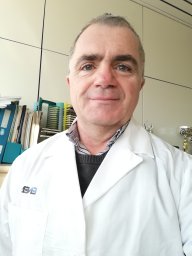 Salvatore Arpaia合作论文数Italian National Agency for New Technologies, Energy and Sustainable Economic Development, UTTRI-BIOTEC7
 Jose Angel Gomez Ruiz合作论文数6
 David Andow合作论文数Department of Entomology, College of Food, Agricultural and Natural Resource Sciences, University of Minnesota6
 Luca Sineo合作论文数6
 Hermann Broll合作论文数5
 Mirella Vazzana合作论文数5noemi billeci合作论文数4Landi S合作论文数4Claudia Zwahlen合作论文数4
 Silvia Landi合作论文数4
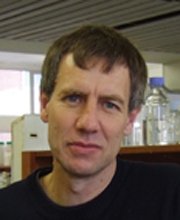 Neil Crickmore合作论文数Department of Biochemistry;University of Cambridge;Department of Biochemistry, University of Cambridge4Ezio Peri合作论文数Department of S.En.Fi.Mi.Zo., Università di Palermo4Rosaria Mulé合作论文数3
 Sara Basile合作论文数Fac Forestry & Wood Sci, Czech Univ Life Sci Prague3Silvia Federici合作论文数3Monica Celi合作论文数3
 Yi Liu合作论文数General Hospital of People's Liberation Army(Chinese PLA General Hospital,General Hospital of PLA,General Hospital of Chinese PLA,PLA General Hospital),Beijing,China3




