Background: Screening for carcinoid heart disease (CHD), has historically lacked consensus expert guidelines. In 2017, the North American Neuroendocrine Tumor Society (NANETS) released expert recommendations for CHD screening among NET patients to improve CHD detection. The objective of this study is to evaluate CHD screening trends and utility of screening guidelines over more than two decades at a single tertiary care center. Materials and methods: Patients with NETs referred for abdominal surgical evaluation at a single tertiary care center were included, 300 patients from 1999 to 2018 and 34 patients from 2021 to 2022. Lab values for the following NANETS-proposed criteria at any point during their treatments were recorded: NETs with liver metastasis, blood serotonin >5 times upper limit of normal (>1000 ng/mL), NT-ProBNP >260 pg/mL and clinical features suggestive of CHD. Results: 85 % (285/334) of patients included in this study met one or more expert-recommended CHD screening criteria. However, 40 % (132/285) of patients meeting one or more criteria received CHD screening via echocardiogram at some point following NET diagnosis. While rates of screening for patients increased from the first decade to the second decade (32 % vs 40.6 %), the rates were much higher after guideline publication (70 %, 24/34). Furthermore, patients meeting multiple screening criteria were more likely to have evidence of structural valve disease. Conclusions: Results of this study suggest that utilization of these four expert-recommended screening criteria have greatly increased rates of CHD screening via echocardiogram and could assist in improving early CHD detection, especially for patients meeting multiple criteria.
Background: Veno-venous (VV) extracorporeal membrane oxygenation (ECMO) is used as salvage therapy in severe cases of acute respiratory distress syndrome (ARDS) caused by the coronavirus disease 2019 (COVID-19). Obesity has been linked to worse disease severity and poor outcomes in COVID-19, but there is also a hypothesized obesity survival paradox whereby obese patients fare better in severe illness than their non-obese complement. The effect of obesity on ECMO outcomes in patients with COVID-19 is not well understood. Methods: We performed a retrospective analysis of all patients admitted to our institution who underwent VV ECMO cannulation for COVID-19 in the span of one year. These were separated by body mass index (BMI) with a cutoff of 35 kg/m2 (signifying class 2 obesity or higher) and compared with each other as well as a comparator group of patients with BMI >35 kg/m2 who underwent VV ECMO cannulation for any cause between 2016 and 1 March 2021. Disease severity was categorized using established scoring systems including Apache-II, Charleson-Dayeo, and Murray. Primary endpoints were 30 day mortality, survival to decannulation, and survival to discharge. Results: The study groups were similar in all respects with the exception of BMI. Illness severity, as classified by Charleson-Dayeo, Apache II, and Murray scores not significantly different between groups. The primary outcomes (30-day mortality, survival to decannulation, and survival to discharge) were not significantly different between groups. There was a trend toward more delayed inititation of ECMO therapy in the obese group that was not statistically significant. There was also a trend toward shorter duration of ECMO therapy that did not reach the threshold for statistical significance. Conclusions: There was no significant difference in outcomes between obese and non-obese patients undergoing VV ECMO for COVID-19. Trends toward shorter duration of ECMO and shorter intensive care unit (ICU) and hospital length of stay could represent the “obesity survival paradox” that has been described. Given similar outcomes, obesity should not be a contraindication to ECMO therapy for COVID-19.
Mitral valve-in-valve CT images and explanted valves in an en-bloc technique Central MessageTranscatheter mitral valve-in-valve explant is feasible and best performed in an en bloc manner with both valves removed at the same time.
Recognizing true from pseudo left ventricular aneurysm after myocardial infarction is paramount to guide clinical management and determine need for surgical urgency. We discuss a case of a postinfarction pseudoaneurysm that poses unique anatomic challenges and may hold a secret "DaVinci code" beyond current diagnostic criteria. (Level of Difficulty: Advanced.).
We report a case of esophagopericardial fistula after dilation for the recalcitrant peptic stricture complicated by tension pyopericardium and successfully managed with urgent esophagectomy.
We present the first reported case of a successful resection of a tricuspid valve metastatic endometrial stromal sarcoma lesion with valve preservation and repair.Central Picture Legend: Intraoperative photograph demonstrating bilobar mass attached to the subvalvular apparatus
BACKGROUND:Type B aortic dissection (TBAD), is defined as a dissection involving the aorta distal to left subclavian artery with the ascending aorta and the aortic arch not affected. TBAD is classified due to the time frame and presence of complications. Complicated TBAD (co-TBAD) patients have a greater mortality rate than uncomplicated TBAD (un-TBAD) and thoracic endovascular aortic repair (TEVAR) is considered the gold-standard intervention for these clinical challenges.METHODS:We undertook a systematic review of the literature regarding TEVAR intervention in co-TBAD and un-TBAD. A comprehensive search was undertaken across four major databases and was evaluated and assessed until June 2020.RESULTS:A total of 16,104 patients were included in the study (7772 patients co-TBAD and 8352 un-TBAD). A significantly higher proportion of comorbidities were seen in co-TBAD patients compared with un-TBAD. Acute dissection was more frequent in the co-TBAD group (73.55% vs. 66.91%), while chronic dissection was more common in un-TBAD patients (33.8% vs. 70.73%). Postprocedure stroke was higher in co-TBAD (5.85% vs. 3.92%; p < .01), while postprocedural renal failure was higher in un-TBAD patients (7.23 vs. 11.38%; p < .01). No difference was observed in in-hospital mortality however the 30 days mortality was higher in the co-TBAD group. One-year survival was higher in the uncomplicated group but this difference was not observed in the 5-year survival.CONCLUSION:In our analysis we can appreciate that despite significantly higher comorbidities in the co-TBAD cohort, there was no difference in in-hospital mortality between the two groups and the 5-year survival did not have any difference.
Non-A non-B aortic dissections are an infrequent occurrence and represent a small proportion of aortic dissections. Treating this life-threatening medical emergency often requires surgeons to undertake some one of the most challenging surgical or endovascular cases in medicine. This literature review aims to define and classify non-A non-B dissections, describe their epidemiology as well as their pathology. This review also aims to discuss the range of surgical techniques employed in their treatment and management and to investigate the patient outcomes associated with each technique.
ObjectiveTo define optimal intact parathyroid hormone (iPTH) cut-off threshold predictive of hypocalcemia after total thyroidectomy for safe and effective postoperative management.MethodsThis prospective single center study was done in 2 phases. In phase I, predictors of symptomatic hypocalcemia were analyzed and the receiver operating characteristic curve was used to define the optimal iPTH cut-off threshold predictive of hypocalcemia. Phase II studied giving prompt prophylactic supplemental calcium and vitamin D to all patients who had iPTH levels below the calculated threshold, while phase I patients were given prompt selective supplementation if they had postoperative hypocalcemia or symptoms.ResultsUnivariate analysis of patients in phase I showed that postoperative iPTH was the only significant variable that can predict symptomatic hypocalcemia. Using receiver operating characteristic curve and Youden index, the confirmed optimal cut-off threshold predictive of hypocalcemia was iPTH 19.95 pg/mL, with area under the curve of 0.903, 100% sensitivity, negative predictive value, and highest Youden index, while iPTH 15 pg/mL and iPTH 10 pg/mL were less optimal. Symptomatic hypocalcemia occurred in 30% of the phase I cohort who received selective supplementation versus 3% of those in the phase II cohort who received prophylactic supplementation. Return to emergency department and need for intravenous calcium were also significantly better in phase II.ConclusioniPTH cut-off for post-thyroidectomy hypocalcemia was 19.95 pg/mL. Low-risk patients were discharged with no supplementation while all high-risk patients received prompt calcium and vitamin D supplementation, which led to effective hypocalcemia management and safe 24-hour discharge.
Blunt aortic injuries (BAI) have historically been considered an indication for emergent surgical intervention. Nevertheless, the observation that the outcome of the concomitant traumatic injuries has a major impact on prognosis and the rise of thoracic endovascular aortic repair (TEVAR) as an effective therapy for BAI have significantly changed in recent years the treatment algorithm of this condition. Our objective was to identify findings associated with the aortic injury which would be the best predictor of prognosis, with the objective of guiding the decision-making process for selecting the optimal timing of aortic repair. We reviewed blunt aortic injuries from 3 Level I Trauma Centers from July 2008 to December 2016. We analyzed overall and BAI-related 30-day mortality in relation to: hemodynamics, timing of treatment, TEVAR vs open repair, and aortic injury grade as defined by the Society for Vascular Surgery. Based on computed tomographic angiography (CT scan) imaging, we selected the radiologic aortic findings most indicative of high mortality risk, which we defined as “Radiographic Severe Injury” (RSI): (1) total/partial aortic transection, (2) active contrast extravasation, or (3) the association of 2 of more of the following: contained contrast extravasation > 10 mm, periaortic hematoma, and/or mediastinal hematoma with thickness > 10 mm, or significant left pleural effusion. Of a total of 76 consecutive patients, 50 (66%) underwent immediate repair, 24 (31%) delayed aortic repair, and 2 (3%) died prior to repair. 58 patients (76%) had TEVAR, while 16 (24%) had open repair. Overall mortality was 18% and BAI-related mortality was 13%. In BAI-related mortalities, 70% of patients had RSI. Patients with high risk of overall mortality had hypotension and tachycardia (SBP < 100, HR ≥ 100), high ISS, and required vasopressors. Factors only associated with BAI-related mortality included RSI. CT scan findings suggestive of RSI are predictive of mortality associated with BAI. Radiologic assessment of the severity of the aortic injury with characterization for the presence of RSI may represent the key factors to determine the optimal timing of treatment of the aortic injury and guide the overall treatment strategy. IV.
Abstract Background Our previous multicenter study suggested that a bundled intervention was associated with lower rates of complex S. aureus surgical site infections (SA SSIs) among patients undergoing cardiac or orthopedic operations in community hospitals. We aimed to evaluate the effect of this bundle in patients undergoing neurosurgical (NSG) operation, cardiac operation, or hip/knee arthroplasty at an academic health center. Methods This pragmatic quasi-experimental study included adult patients who underwent one of the procedures between June 1, 2012 and September 30, 2015 except those whose operations were done to treat infection. The bundle involved screening patients for SA nasal carriage, decolonizing carriers with intranasal mupirocin and chlorhexidine-gluconate bathing, and perioperative prophylaxis with vancomycin and cefazolin for patients who carried MRSA. The primary outcome was complex SA SSIs. To analyze changes in SSI rates, we used Poisson regression in time-series analysis. We used breast operations as a non-equivalent control group. Results One hundred forty-one complex SA SSIs occurred after 23,920 operations during the pre-intervention period (July 2004 to June 2012) and 28 occurred after 11,588 operations during intervention period (July 2012 to September 2015) (rate ratio [RR] 0.41; 95% confidence interval [CI] 0.27–0.61; Figure 1). During the same period, the complex SA SSI rate after breast operations did not decrease (RR 1.96; 0.82–4.65). Neurosurgeons implemented other interventions before implementing the full bundle in period 4 (Figure 2). The rate of complex SA SSIs after NSG operations decreased significantly only after the bundle was implemented (period 1 vs. 4, RR 0.22; 0.11–0.46). During the intervention period, 53% of patients received all bundle elements appropriate for their carriage status and 39% received some bundle elements. The complex SA SSI rate decreased significantly among patients who fully adhered (RR 0.23; 0.09–0.57) and among patients who partially adhered or not adhered (RR 0.56; 0.39–0.81).Figure 1.Figure 2. Conclusion Despite suboptimal adherence, the complex SA SSI rate decreased after implementing the evidence-based bundle but did not decrease in the non-equivalent control. Implementation science could help improve bundle adherence. Disclosures All authors: No reported disclosures.
Background: The general goals of endovascular management in chronic distal thoracic aortic dissection are optimizing the true lumen, maintaining branch patency, and promoting false lumen (FL) thrombosis. Distal seal can be challenging in chronic distal thoracic aortic dissection due to the well-established secondary fenestrations and fibrotic septum. We describe our approach of distal landing zone optimization (DLZO) to enable full-diameter contact of the distal endoprosthesis. Materials and Methods: Our experience includes 19 procedures in 16 patients (12 male, age 68 +/- 8 years) between May 2014 and November 2017. A history of previous ascending repair for type A dissection was present in 8 patients. Treatment indication was enlarging aneurysm in all subjects, and 4 patients had associated chronic visceral or distal ischemia. Point septal fenestrations were expanded by serial balloon dilation and/or wire-pull approaches. Balloon molding was used to ensure complete endograft apposition and FL collapse. Results: One death occurred due to aortic perforation during wire-pull fenestration in a patient with heavily calcified and angulated aorta. The remaining procedures were accomplished safely and successfully. Balloon fenestration was used in 16 procedures, alone or in combination with a limited wire pull component. Adjunct procedures for distal seal included surgeon-modified fenestrated stent graft (3), iliac branch device (3), parallel superior mesenteric artery stent-graft (1), renal artery or superior mesenteric artery stent-graft (4), iliac stent (3), and plug obliteration of FL (5). Reintervention was required in 3 patients due to delayed loss of seal after the initial procedure (3, 8, and 12 months). Two were managed by repeat DLZO and distal extension. The third had distal extension via a surgeon-modified fenestrated stent-graft component. Follow-up imaging was available in 14 patients (16.0 +/- 12.5 months, range: 1-33), with stable or regressed sac diameter with complete or near-complete thrombosis of the FL in all patients. Conclusions: DLZO enabled creation of a distal seal zone in all patients. Residual retrograde filling of the FL is a marker of procedure failure, especially when seal segment length or feasible endoprosthesis oversizing are marginal. Insufficient landing segment can be circumvented with the use of a fenestrated or branched device to accomplish seal in the visceral aorta or iliac bifurcation. Adjunct FL ablation is also a valuable technique to promote FL thrombosis.
The role of percutaneous technology for aortic valve replacement therapy has been well established in the literature. However, transcatheter therapies for mitral valve disease are still in a very early phase. Successful transcatheter valve implantation in mitral valves with calcified annulae via different access sites has been reported. Most of the procedures that have been done are not well described or illustrated. We describe here the technique for performing a double transcatheter valve replacement in the native calcified aortic and mitral annulus utilizing a percutaneous transfemoral approach.
Transmyocardial laser revascularization is an established therapy for refractory coronary artery disease. However, utilization of the technology is not as widespread as expected. This is despite the fact that the efficacy of the technology has been established in multiple prospective randomized trials. Furthermore, only about 5% of transmyocardial laser revascularization cases annually are performed in a minimally invasive fashion. We report a case of a female patient treated in a minimally invasive thoracoscopic fashion.
There have been significant developments in diagnostic and therapeutic options for patients with neuroendocrine tumors (NETs). Key phase 3 studies include the CLARINET trial, which evaluated lanreotide in patients with nonfunctioning enteropancreatic NETs; the RADIANT-2 and RADIANT-4 studies, which evaluated everolimus in functioning and nonfunctioning NETs of the gastrointestinal tract and lungs; the TELESTAR study, which evaluated telotristat ethyl in patientswith refractory carcinoid syndrome; and the NETTER-1 trial, which evaluated Lu-177-DOTATATE in NETs of the small intestine and proximal colon (midgut). Based on these and other advances, the North American Neuroendocrine Tumor Society convened a multidisciplinary panel of experts with the goal of updating consensus-based guidelines for evaluation and treatment of midgut NETs. The medical aspects of these guidelines (focusing on systemic treatment, nonsurgical liver-directed therapy, and postoperative surveillance) are summarized in this article. Surgical guidelines are described in a companion article.
OBJECTIVES This study sought to examine the prevalence of mitral stenosis (MS) and its impact on in-hospital and 1-year clinical outcomes among patients undergoing transcatheter aortic valve replacement (TAVR). BACKGROUND Patients with coexisting severe aortic stenosis and MS are increasingly being considered for TAVR. METHODS The study cohort included 44,755 patients (age >= 18 years) who underwent TAVR during November 1, 2011, to September 30, 2015, and were registered in Society of Thoracic Surgeons/American College of Cardiology Transcatheter Valve Therapies (TVT) Registry. One-year outcomes were assessed by linking TVT registry data of this cohort to patient-specific Centers for Medicare & Medicaid Services administrative claims data (n = 31,453). The primary outcome was the composite of death, stroke, heart failure-related hospitalization, and mitral valve intervention at 1 year. RESULTS MS was present in 11.6% of cohort (mean age, 82 years; 52% males), being severe in 2.7%. Severe MS was associated with higher in-hospital mortality rates (5.6% vs. 3.9% for nonsevere MS and 4.1% for no MS; p = 0.02). In contrast to those without MS, severe MS group had significantly higher risk for the primary outcome, mortality (1 year), and heart failure-related hospitalization (1 year) (adjusted hazard ratio: 1.2 [95% confidence interval (CI): 1.1 to 1.4], 1.2 [95% CI: 1.0 to 1.4], and 1.3 [95% CI: 1.1 to 1.5], respectively; p < 0.05 for all). CONCLUSIONS Approximately one-tenth of patients undergoing TAVR have concomitant MS. Severe MS is an independent predictor of 1-year adverse clinical outcomes following TAVR. The higher risk for long-term adverse events must be considered when evaluating patients with combined aortic stenosis and MS for TAVR. (c) 2018 by the American College of Cardiology Foundation.
AIMS Concomitant severe calcific aortic and mitral stenosis is a relatively uncommon but very challenging valvular heart disease to manage. We sought to evaluate the feasibility of a fully percutaneous approach to replace both stenotic native mitral and aortic valves using SAPIEN 3 valves. METHODS AND RESULTS An 87-year-old woman with chronic kidney disease stage 3, pul-monary hypertension, chronic obstructive pulmonary disease, a permanent pacemaker, and atrial fibrillation was referred with Class III heart failure symptoms. Her echocardiogram showed a decreased ejection fraction at 45%, severe mitral stenosis (mean gradient 13 mmHg, area 0.8 cm2) with severe MAC, and severe AS (mean gradient 35 mmHg, area 0.6 cm2). Surgical risk was felt to be very high after evaluation by our cardiothoracic sur-gery group (Society of Thoracic Surgeons risk score of 19%). She underwent simultaneous and fully percutaneous trans-femoral TAVR and transseptal TMVR using SAPIEN 3 valves. Post-implant TEE showed trace paravalvular mitral regurgitation and a mean gradient of 4 mmHg and mean aortic gradient of 8 mmHg with trace paravalvular leak. There was no LVOT obstruction. The patient was discharged seven days after the intervention. CONCLUSIONS After careful evaluation by experienced Heart Teams, combined native stenotic mitral and aortic valves can be percutaneously replaced using transcatheter SAPIEN 3 valves via transfemoral access in carefully selected high surgical risk patients.
 Parekh Kalpaj R合作论文数Dept Cardiothorac Surg, Univ Iowa12
 Domenico Calcaterra合作论文数Dipartimento di Ingegneria Idraulica, Geotecnica ed Ambientale, Naples University9
 Firas Zahr合作论文数4
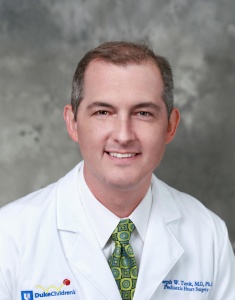 Joseph W Turek合作论文数Department of Surgery, School of Medicine, Duke University School of Medicine4Callum Howard合作论文数3Ali S Nasr合作论文数3John Keech合作论文数3W J Sharp合作论文数3
 Mohammed Idhrees合作论文数Department of Cardiovascular and Thoracic Surgery, Sree Chitra Thirunal Institute for Medical sciences and Technology3John D. Corson合作论文数3Christopher Bunch合作论文数Nuffield Department of Clinical Medicine, University of Oxford3Rachael M. Nicholson合作论文数3Phillip A. Horwitz合作论文数3Yoshikazu Suzuki合作论文数3Ronnie Word合作论文数3
 Jamal Hoballah合作论文数3Timothy F. Kresowik合作论文数3Karam Karam合作论文数2Leonardo Picca合作论文数2Anuradha Ponnapalli合作论文数2Olivia Atari合作论文数2Anthony M Swatek合作论文数2Jonathan Sheridan合作论文数Jenner Inst, Univ Oxford2
 Wahaj Munir合作论文数2
 Anthony L Panos合作论文数2Singhal Arun K合作论文数2Iannettoni Mark D合作论文数2Hashimi Samad合作论文数2Hanada Satoshi合作论文数2Evgeny V. Arshava合作论文数2
 James Howe合作论文数Department of Surgery, Carver College of Medicine, University of Iowa2
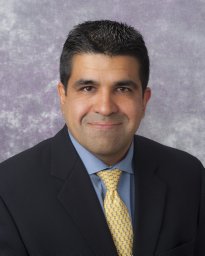 Jay K. Bhama合作论文数Michael E. DeBakey Department of Surgery, Baylor College of Medicine2Joseph S. Dillon合作论文数2Jennifer A. Chan合作论文数1Panos N Vardas合作论文数1Mel J Sharafuddin合作论文数1Robert Farivar合作论文数1Benjamin Kirk合作论文数1Michael J. Bates合作论文数1Alexandra J Sharp合作论文数1Trevor A. Davis合作论文数1Robert S Farivar合作论文数1Sashini Iddawela合作论文数1Abdalla Bashir合作论文数1
 Michael P Gailey合作论文数1Lee Joseph合作论文数1Bryan Mouser合作论文数1Mohamad Omar Abu-Hijleh合作论文数1
 Albert Pai合作论文数1




