Recently, there has been great progress in the ability of artificial intelligence (AI) algorithms to classify dermatological conditions from clinical photographs. However, little is known about the robustness of these algorithms in real-world settings where several factors can lead to a loss of generalizability. Understanding and overcoming these limitations will permit the development of generalizable AI that can aid in the diagnosis of skin conditions across a variety of clinical settings. In this retrospective study, we demonstrate that differences in skin condition distribution, rather than in demographics or image capture mode are the main source of errors when an AI algorithm is evaluated on data from a previously unseen source. We demonstrate a series of steps to close this generalization gap, requiring progressively more information about the new source, ranging from the condition distribution to training data enriched for data less frequently seen during training. Our results also suggest comparable performance from end-to-end fine tuning versus fine tuning solely the classification layer on top of a frozen embedding model. Our approach can inform the adaptation of AI algorithms to new settings, based on the information and resources available.
We introduce SigLIP 2, a family of new multilingual vision-language encoders that build on the success of the original SigLIP. In this second iteration, we extend the original image-text training objective with several prior, independently developed techniques into a unified recipe -- this includes captioning-based pretraining, self-supervised losses (self-distillation, masked prediction) and online data curation. With these changes, SigLIP 2 models outperform their SigLIP counterparts at all model scales in core capabilities, including zero-shot classification, image-text retrieval, and transfer performance when extracting visual representations for Vision-Language Models (VLMs). Furthermore, the new training recipe leads to significant improvements on localization and dense prediction tasks. We also train variants which support multiple resolutions and preserve the input's native aspect ratio. Finally, we train on a more diverse data-mixture that includes de-biasing techniques, leading to much better multilingual understanding and improved fairness. To allow users to trade off inference cost with performance, we release model checkpoints at four sizes: ViT-B (86M), L (303M), So400m (400M), and g (1B).
Purpose: Many breast centers are unable to provide immediate results at the time of screening mammography which results in delayed patient care. Implementing artificial intelligence (AI) could identify patients who may have breast cancer and accelerate the time to diagnostic imaging and biopsy diagnosis. Methods: In this prospective randomized, unblinded, controlled implementation study we enrolled 1000 screening participants between March 2021 and May 2022. The experimental group used an AI system to prioritize a subset of cases for same-visit radiologist evaluation, and same-visit diagnostic workup if necessary. The control group followed the standard of care. The primary operational endpoints were time to additional imaging (T-A) and time to biopsy diagnosis (T-B). Results: The final cohort included 463 experimental and 392 control participants. The one-sided Mann-Whitney U test was employed for analysis of T-A and T-B. In the control group, the T-A was 25.6 days [95% CI 22.0-29.9] and T-B was 55.9 days [95% CI 45.5-69.6]. In comparison, the experimental group's mean T-A was reduced by 25% (6.4 fewer days [one-sided 95% CI > 0.3], p<0.001) and mean T-B was reduced by 30% (16.8 fewer days; 95% CI > 5.1], p=0.003). The time reduction was more pronounced for AI-prioritized participants in the experimental group. All participants eventually diagnosed with breast cancer were prioritized by the AI. Conclusions: Implementing AI prioritization can accelerate care timelines for patients requiring additional workup, while maintaining the efficiency of delayed interpretation for most participants. Reducing diagnostic delays could contribute to improved patient adherence, decreased anxiety and addressing disparities in access to timely care.
We introduce Gemma 3, a multimodal addition to the Gemma family of lightweight open models, ranging in scale from 1 to 27 billion parameters. This version introduces vision understanding abilities, a wider coverage of languages and longer context - at least 128K tokens. We also change the architecture of the model to reduce the KV-cache memory that tends to explode with long context. This is achieved by increasing the ratio of local to global attention layers, and keeping the span on local attention short. The Gemma 3 models are trained with distillation and achieve superior performance to Gemma 2 for both pre-trained and instruction finetuned versions. In particular, our novel post-training recipe significantly improves the math, chat, instruction-following and multilingual abilities, making Gemma3-4B-IT competitive with Gemma2-27B-IT and Gemma3-27B-IT comparable to Gemini-1.5-Pro across benchmarks. We release all our models to the community.
Excellence in a wide variety of medical applications poses considerable challenges for AI, requiring advanced reasoning, access to up-to-date medical knowledge and understanding of complex multimodal data. Gemini models, with strong general capabilities in multimodal and long-context reasoning, offer exciting possibilities in medicine. Building on these core strengths of Gemini, we introduce Med-Gemini, a family of highly capable multimodal models that are specialized in medicine with the ability to seamlessly use web search, and that can be efficiently tailored to novel modalities using custom encoders. We evaluate Med-Gemini on 14 medical benchmarks, establishing new state-of-the-art (SoTA) performance on 10 of them, and surpass the GPT-4 model family on every benchmark where a direct comparison is viable, often by a wide margin. On the popular MedQA (USMLE) benchmark, our best-performing Med-Gemini model achieves SoTA performance of 91.1 strategy. On 7 multimodal benchmarks including NEJM Image Challenges and MMMU (health medicine), Med-Gemini improves over GPT-4V by an average relative margin of 44.5 capabilities through SoTA performance on a needle-in-a-haystack retrieval task from long de-identified health records and medical video question answering, surpassing prior bespoke methods using only in-context learning. Finally, Med-Gemini's performance suggests real-world utility by surpassing human experts on tasks such as medical text summarization, alongside demonstrations of promising potential for multimodal medical dialogue, medical research and education. Taken together, our results offer compelling evidence for Med-Gemini's potential, although further rigorous evaluation will be crucial before real-world deployment in this safety-critical domain.
In this report, we introduce the Gemini 1.5 family of models, representing the next generation of highly compute-efficient multimodal models capable of recalling and reasoning over fine-grained information from millions of tokens of context, including multiple long documents and hours of video and audio. The family includes two new models: (1) an updated Gemini 1.5 Pro, which exceeds the February version on the great majority of capabilities and benchmarks; (2) Gemini 1.5 Flash, a more lightweight variant designed for efficiency with minimal regression in quality. Gemini 1.5 models achieve near-perfect recall on long-context retrieval tasks across modalities, improve the state-of-the-art in long-document QA, long-video QA and long-context ASR, and match or surpass Gemini 1.0 Ultra's state-of-the-art performance across a broad set of benchmarks. Studying the limits of Gemini 1.5's long-context ability, we find continued improvement in next-token prediction and near-perfect retrieval (>99 as Claude 3.0 (200k) and GPT-4 Turbo (128k). Finally, we highlight real-world use cases, such as Gemini 1.5 collaborating with professionals on completing their tasks achieving 26 to 75 categories, as well as surprising new capabilities of large language models at the frontier; when given a grammar manual for Kalamang, a language with fewer than 200 speakers worldwide, the model learns to translate English to Kalamang at a similar level to a person who learned from the same content.
This paper presents PaLI-3, a smaller, faster, and stronger vision language model (VLM) that compares favorably to similar models that are 10x larger. As part of arriving at this strong performance, we compare Vision Transformer (ViT) models pretrained using classification objectives to contrastively (SigLIP) pretrained ones. We find that, while slightly underperforming on standard image classification benchmarks, SigLIP-based PaLI shows superior performance across various multimodal benchmarks, especially on localization and visually-situated text understanding. We scale the SigLIP image encoder up to 2 billion parameters, and achieves a new state-of-the-art on multilingual cross-modal retrieval. We hope that PaLI-3, at only 5B parameters, rekindles research on fundamental pieces of complex VLMs, and could fuel a new generation of scaled-up models.
We present the training recipe and results of scaling up PaLI-X, a multilingual vision and language model, both in terms of size of the components and the breadth of its training task mixture. Our model achieves new levels of performance on a wide-range of varied and complex tasks, including multiple image-based captioning and question-answering tasks, image-based document understanding and few-shot (in-context) learning, as well as object detection, video question answering, and video captioning. PaLI-X advances the state-of-the-art on most vision-and-language benchmarks considered (25+ of them). Finally, we observe emerging capabilities, such as complex counting and multilingual object detection, tasks that are not explicitly in the training mix.
Sparse mixture of expert architectures (MoEs) scale model capacity without significant increases in training or inference costs. Despite their success, MoEs suffer from a number of issues: training instability, token dropping, inability to scale the number of experts, or ineffective finetuning. In this work, we propose Soft MoE, a fully-differentiable sparse Transformer that addresses these challenges, while maintaining the benefits of MoEs. Soft MoE performs an implicit soft assignment by passing different weighted combinations of all input tokens to each expert. As in other MoEs, experts in Soft MoE only process a subset of the (combined) tokens, enabling larger model capacity (and performance) at lower inference cost. In the context of visual recognition, Soft MoE greatly outperforms dense Transformers (ViTs) and popular MoEs (Tokens Choice and Experts Choice). Soft MoE scales well: Soft MoE Huge/14 with 128 experts in 16 MoE layers has over 40x more parameters than ViT Huge/14, with only 2% increased inference time, and substantially better quality.
Multimodal models are becoming increasingly effective, in part due to unified components, such as the Transformer architecture. However, multimodal models still often consist of many task- and modality-specific pieces and training procedures. For example, CLIP (Radford et al., 2021) trains independent text and image towers via a contrastive loss. We explore an additional unification: the use of a pure pixel-based model to perform image, text, and multimodal tasks. Our model is trained with contrastive loss alone, so we call it CLIP-Pixels Only (CLIPPO). CLIPPO uses a single encoder that processes both regular images and text rendered as images. CLIPPO performs image-based tasks such as retrieval and zero-shot image classification almost as well as CLIP-style models, with half the number of parameters and no text-specific tower or embedding. When trained jointly via image-text contrastive learning and next-sentence contrastive learning, CLIPPO can perform well on natural language understanding tasks, without any word-level loss (language modelling or masked language modelling), outperforming pixel-based prior work. Surprisingly, CLIPPO can obtain good accuracy in visual question answering, simply by rendering the question and image together. Finally, we exploit the fact that CLIPPO does not require a tokenizer to show that it can achieve strong performance on multilingual multimodal retrieval without modifications.
A representation-learning strategy for machine-learning models applied to medical-imaging tasks improves model robustness and training efficiency and mitigates suboptimal out-of-distribution performance. Machine-learning models for medical tasks can match or surpass the performance of clinical experts. However, in settings differing from those of the training dataset, the performance of a model can deteriorate substantially. Here we report a representation-learning strategy for machine-learning models applied to medical-imaging tasks that mitigates such 'out of distribution' performance problem and that improves model robustness and training efficiency. The strategy, which we named REMEDIS (for 'Robust and Efficient Medical Imaging with Self-supervision'), combines large-scale supervised transfer learning on natural images and intermediate contrastive self-supervised learning on medical images and requires minimal task-specific customization. We show the utility of REMEDIS in a range of diagnostic-imaging tasks covering six imaging domains and 15 test datasets, and by simulating three realistic out-of-distribution scenarios. REMEDIS improved in-distribution diagnostic accuracies up to 11.5% with respect to strong supervised baseline models, and in out-of-distribution settings required only 1-33% of the data for retraining to match the performance of supervised models retrained using all available data. REMEDIS may accelerate the development lifecycle of machine-learning models for medical imaging.
Training large, deep neural networks to convergence can be prohibitively expensive. As a result, often only a small selection of popular, dense models are reused across different contexts and tasks. Increasingly, sparsely activated models, which seek to decouple model size from computation costs, are becoming an attractive alternative to dense models. Although more efficient in terms of quality and computation cost, sparse models remain data-hungry and costly to train from scratch in the large scale regime. In this work, we propose sparse upcycling -- a simple way to reuse sunk training costs by initializing a sparsely activated Mixture-of-Experts model from a dense checkpoint. We show that sparsely upcycled T5 Base, Large, and XL language models and Vision Transformer Base and Large models, respectively, significantly outperform their dense counterparts on SuperGLUE and ImageNet, using only ~50% of the initial dense pretraining sunk cost. The upcycled models also outperform sparse models trained from scratch on 100% of the initial dense pretraining computation budget.
Predictive artificial intelligence (AI) systems based on deep learning have been shown to achieve expert-level identification of diseases in multiple medical imaging settings, but can make errors in cases accurately diagnosed by clinicians and vice versa. We developed Complementarity-Driven Deferral to Clinical Workflow (CoDoC), a system that can learn to decide between the opinion of a predictive AI model and a clinical workflow. CoDoC enhances accuracy relative to clinician-only or AI-only baselines in clinical workflows that screen for breast cancer or tuberculosis (TB). For breast cancer screening, compared to double reading with arbitration in a screening program in the UK, CoDoC reduced false positives by 25% at the same false-negative rate, while achieving a 66% reduction in clinician workload. For TB triaging, compared to standalone AI and clinical workflows, CoDoC achieved a 5-15% reduction in false positives at the same false-negative rate for three of five commercially available predictive AI systems. To facilitate the deployment of CoDoC in novel futuristic clinical settings, we present results showing that CoDoC's performance gains are sustained across several axes of variation (imaging modality, clinical setting and predictive AI system) and discuss the limitations of our evaluation and where further validation would be needed. We provide an open-source implementation to encourage further research and application.
Medicine is inherently multimodal, with rich data modalities spanning text, imaging, genomics, and more. Generalist biomedical artificial intelligence (AI) systems that flexibly encode, integrate, and interpret this data at scale can potentially enable impactful applications ranging from scientific discovery to care delivery. To enable the development of these models, we first curate MultiMedBench, a new multimodal biomedical benchmark. MultiMedBench encompasses 14 diverse tasks such as medical question answering, mammography and dermatology image interpretation, radiology report generation and summarization, and genomic variant calling. We then introduce Med-PaLM Multimodal (Med-PaLM M), our proof of concept for a generalist biomedical AI system. Med-PaLM M is a large multimodal generative model that flexibly encodes and interprets biomedical data including clinical language, imaging, and genomics with the same set of model weights. Med-PaLM M reaches performance competitive with or exceeding the state of the art on all MultiMedBench tasks, often surpassing specialist models by a wide margin. We also report examples of zero-shot generalization to novel medical concepts and tasks, positive transfer learning across tasks, and emergent zero-shot medical reasoning. To further probe the capabilities and limitations of Med-PaLM M, we conduct a radiologist evaluation of model-generated (and human) chest X-ray reports and observe encouraging performance across model scales. In a side-by-side ranking on 246 retrospective chest X-rays, clinicians express a pairwise preference for Med-PaLM M reports over those produced by radiologists in up to 40.50% of cases, suggesting potential clinical utility. While considerable work is needed to validate these models in real-world use cases, our results represent a milestone towards the development of generalist biomedical AI systems.
Heteroscedastic classifiers, which learn a multivariate Gaussian distribution over prediction logits, have been shown to perform well on image classification problems with hundreds to thousands of classes. However, compared to standard classifiers, they introduce extra parameters that scale linearly with the number of classes. This makes them infeasible to apply to larger-scale problems. In addition heteroscedastic classifiers introduce a critical temperature hyperparameter which must be tuned. We propose HET-XL, a heteroscedastic classifier whose parameter count when compared to a standard classifier scales independently of the number of classes. In our large-scale settings, we show that we can remove the need to tune the temperature hyperparameter, by directly learning it on the training data. On large image classification datasets with up to 4B images and 30k classes our method requires 14X fewer additional parameters, does not require tuning the temperature on a held-out set and performs consistently better than the baseline heteroscedastic classifier. HET-XL improves ImageNet 0-shot classification in a multimodal contrastive learning setup which can be viewed as a 3.5 billion class classification problem.
The ubiquitous and demonstrably suboptimal choice of resizing images to a fixed resolution before processing them with computer vision models has not yet been successfully challenged. However, models such as the Vision Transformer (ViT) offer flexible sequence-based modeling, and hence varying input sequence lengths. We take advantage of this with NaViT (Native Resolution ViT) which uses sequence packing during training to process inputs of arbitrary resolutions and aspect ratios. Alongside flexible model usage, we demonstrate improved training efficiency for large-scale supervised and contrastive image-text pretraining. NaViT can be efficiently transferred to standard tasks such as image and video classification, object detection, and semantic segmentation and leads to improved results on robustness and fairness benchmarks. At inference time, the input resolution flexibility can be used to smoothly navigate the test-time cost-performance trade-off. We believe that NaViT marks a departure from the standard, CNN-designed, input and modelling pipeline used by most computer vision models, and represents a promising direction for ViTs.
Effective scaling and a flexible task interface enable large language models to excel at many tasks. We present PaLI (Pathways Language and Image model), a model that extends this approach to the joint modeling of language and vision. PaLI generates text based on visual and textual inputs, and with this interface performs many vision, language, and multimodal tasks, in many languages. To train PaLI, we make use of large pre-trained encoder-decoder language models and Vision Transformers (ViTs). This allows us to capitalize on their existing capabilities and leverage the substantial cost of training them. We find that joint scaling of the vision and language components is important. Since existing Transformers for language are much larger than their vision counterparts, we train a large, 4-billion parameter ViT (ViT-e) to quantify the benefits from even larger-capacity vision models. To train PaLI, we create a large multilingual mix of pretraining tasks, based on a new image-text training set containing 10B images and texts in over 100 languages. PaLI achieves state-of-the-art in multiple vision and language tasks (such as captioning, visual question-answering, scene-text understanding), while retaining a simple, modular, and scalable design.
We propose a simple pairwise sigmoid loss for image-text pre-training. Unlike standard contrastive learning with softmax normalization, the sigmoid loss operates solely on image-text pairs and does not require a global view of the pairwise similarities for normalization. The sigmoid loss simultaneously allows further scaling up the batch size, while also performing better at smaller batch sizes. With only four TPUv4 chips, we can train a Base CLIP model at 4k batch size and a Large LiT model at 20k batch size, the latter achieves 84.5% ImageNet zero-shot accuracy in two days. This disentanglement of the batch size from the loss further allows us to study the impact of examples vs pairs and negative to positive ratio. Finally, we push the batch size to the extreme, up to one million, and find that the benefits of growing batch size quickly diminish, with a more reasonable batch size of 32k being sufficient. We hope our research motivates further explorations in improving the quality and efficiency of language-image pre-training.
We introduce Three Towers (3T), a flexible method to improve the contrastive learning of vision-language models by incorporating pretrained image classifiers. While contrastive models are usually trained from scratch, LiT (Zhai et al., 2022) has recently shown performance gains from using pretrained classifier embeddings. However, LiT directly replaces the image tower with the frozen embeddings, excluding any potential benefits from training the image tower contrastively. With 3T, we propose a more flexible strategy that allows the image tower to benefit from both pretrained embeddings and contrastive training. To achieve this, we introduce a third tower that contains the frozen pretrained embeddings, and we encourage alignment between this third tower and the main image-text towers. Empirically, 3T consistently improves over LiT and the CLIP-style from-scratch baseline for retrieval tasks. For classification, 3T reliably improves over the from-scratch baseline, and while it underperforms relative to LiT for JFT-pretrained models, it outperforms LiT for ImageNet-21k and Places365 pretraining.
This report introduces a new family of multimodal models, Gemini, that exhibit remarkable capabilities across image, audio, video, and text understanding. The Gemini family consists of Ultra, Pro, and Nano sizes, suitable for applications ranging from complex reasoning tasks to on-device memory-constrained use-cases. Evaluation on a broad range of benchmarks shows that our most-capable Gemini Ultra model advances the state of the art in 30 of 32 of these benchmarks - notably being the first model to achieve human-expert performance on the well-studied exam benchmark MMLU, and improving the state of the art in every one of the 20 multimodal benchmarks we examined. We believe that the new capabilities of the Gemini family in cross-modal reasoning and language understanding will enable a wide variety of use cases. We discuss our approach toward post-training and deploying Gemini models responsibly to users through services including Gemini, Gemini Advanced, Google AI Studio, and Cloud Vertex AI.
 Neil Houlsby合作论文数Anthropic19
 Joan Puigcerver合作论文数Google10
 Carlos Riquelme合作论文数Stability AI10
 Vivek Natarajan合作论文数Google8
 Freyberg Jan合作论文数8
 Greg Corrado合作论文数Google8
 Alan Karthikesalingam合作论文数Google Health8
 Lucas Beyer合作论文数Meta8
 Andreas Peter Steiner合作论文数Google Research7
 Shekoofeh Azizi合作论文数Google Research7
 Xiaohua Zhai (翟晓华)合作论文数Meta7
 Rodolphe Jenatton合作论文数Bioptimus7
 Xi Chen合作论文数Google Research6
 Aaron Loh合作论文数Univ Hlth Network, Toronto, ON, Canada6
 Xiao Wang合作论文数Google DeepMind6
 Jesse Berent合作论文数Communications and Signal Processing research Group
Electrical and Electronic Engineering Dept6
Jesse Berent合作论文数Communications and Signal Processing research Group
Electrical and Electronic Engineering Dept6 Daniel Keysers合作论文数Google DeepMind6
 Alexander Kolesnikov合作论文数Meta6Efi Kokiopoulou合作论文数5
 André Susano Pinto合作论文数Google5
 Keran Rong (荣克然)合作论文数Google DeepMind5
 Jim Winkens合作论文数Google Hlth5
 Scott Mayer McKinney合作论文数OpenAI5
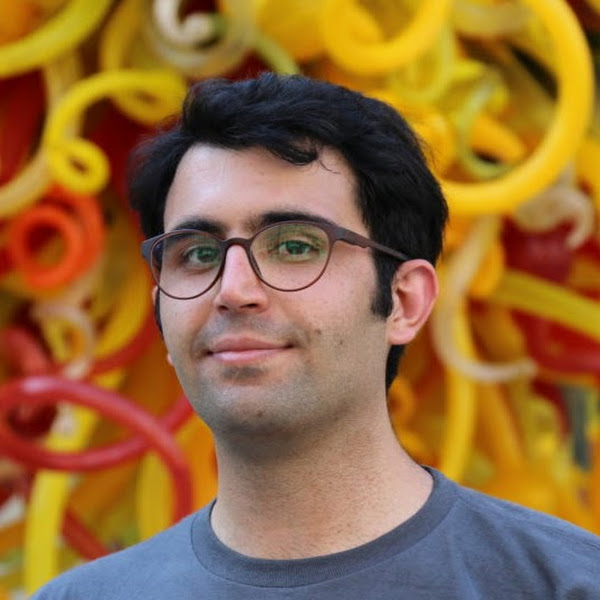 Mostafa Dehghani合作论文数Google DeepMind5
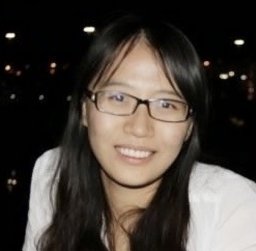 Yuan Liu合作论文数Dept Elect Engn & Comp Sci, Vanderbilt Univ5
 Yossi Matias合作论文数Google Research;Tel Aviv University;Verily Life Sciences;SandboxAQ;Israeli Advanced Technology Industries5
 Radu Soricut合作论文数Google DeepMind5
 Dale Webster合作论文数Google5Laura Culp合作论文数4
 Filip Pavetic合作论文数Google DeepMind4
 Simon Kornblith合作论文数Anthropic4
 Siamak Shakeri合作论文数Google DeepMind4
 Piotr Padlewski合作论文数Reka AI4
 Jean-Baptiste Alayrac合作论文数DeepMind4Josip Djolonga合作论文数Google Brain4
 Mario Lučić合作论文数Google DeepMind4
 Dustin Tran合作论文数xAI4
 Ibrahim Alabdulmohsin合作论文数Google DeepMind4
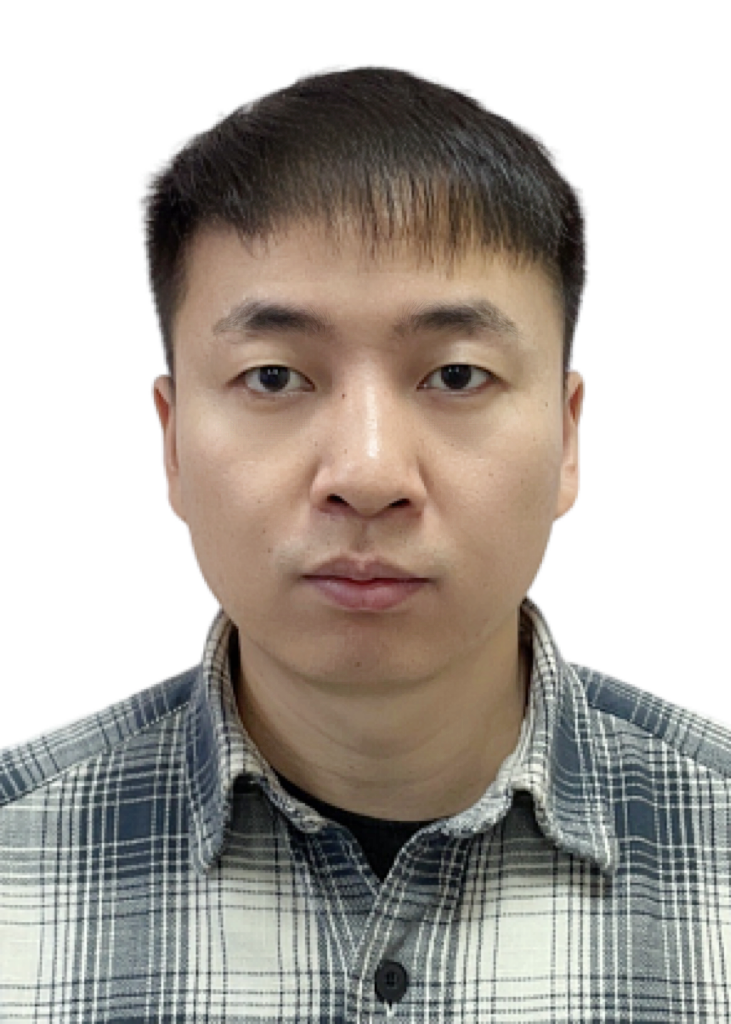 Yun Liu (刘云)合作论文数College of Computer Science, Nankai University4
 Mark Collier合作论文数University of Minnesota4
 S. Sara Mahdavi合作论文数Google DeepMind4
 Balaji Lakshminarayanan合作论文数Google DeepMind4Minh Giang合作论文数3Eli Collins合作论文数3Umesh Telang合作论文数3Zach Beaver合作论文数3Joelle K. Barral合作论文数3
 Kiran Vodrahalli合作论文数Google DeepMind3
 Erica Moreira合作论文数Google DeepMind3




