This paper introduces two comprehensive datasets containing information on digital ads in U.S. federal elections from Meta (including Facebook and Instagram) and Google (including YouTube) for the 2022 midterm general election period. We collected ads published on these platforms utilizing their ad transparency libraries and web scraping techniques and added labels to make them more comparable. The collected data underwent processing to extract audiovisual and textual information through automatic speech recognition (ASR), face recognition, and optical character recognition (OCR). Additionally, we performed several classification tasks to enhance the utility of the dataset. The resulting datasets encompass a rich array of features, including metadata, transcripts, and classifications. These datasets provide valuable resources for researchers, policymakers, and journalists to analyze the digital election advertising landscape, campaign strategies, and public engagement. By offering detailed and structured data, our work facilitates diverse reuse possibilities in fields such as political science, communication studies, and data science, enabling comprehensive analysis and insights into the dynamics of digital political campaigns.
When it comes to the study of the messaging of online political campaigns, theory suggests that platform divergence should be common, but much research finds considerable convergence across platforms. In this research, we examine variation across digital and social media platforms in the types of paid campaign messages that are distributed, focusing on their goals, tone, and the partisanship of political rhetoric. We use data on the content of paid election advertisements placed on YouTube, Google search, Instagram, and Facebook during the 2020 elections in the United States, examining all federal candidates who advertised on these platforms during the final 2 months of the campaign. We find that YouTube is most distinct from the other platforms, perhaps because it most resembles television, but convergence better describes the two Meta platforms, Facebook and Instagram.
The COVID-19 pandemic quickly became a political and health communication crisis whose impact varied by geographic location in the United States. Although local television is known to be an important source of public information, little is known about how it covered the pandemic. We analyze the volume and content of local TV coverage of masks from 758 stations across all 210 U.S. media markets in the first 22 months of the pandemic to assess how often news mentions masks and the extent to which mask wearing is framed as a contentious issue by highlighting controversy and partisan cues. Overall, we find widespread but variable attention to masks throughout the pandemic at levels frequently matching or exceeding the initial coverage of the CDC recommendation to wear face coverings. Controversial coverage of face masks peaks in late summer 2021 at roughly 23%, amid the rise of the new Delta variant, although partisan controversy comprises a relatively small portion of mask-related television news. Case rates, population size and density of the market, and partisanship of the local area are associated with volume and content of mask coverage, but these relationships vary over time. We also find evidence that stations owned by the Sinclair Broadcasting Group air fewer stories about masks and more controversy including partisan conflict in their mask coverage. The results add further support to the notion that the messaging surrounding COVID-19 on television varies in part based on geographic location and corresponding demographics but may also vary based upon ideological commitments of station owners.
Previous research has documented that political information in the mass media can shape attitudes and behaviors beyond voter choice and election turnout. The current study extends this body of work to examine associations between televised political campaign advertising (one of the most common forms of political communication people encounter) and worry about crime and violence in the context of the 2016 U.S. presidential election. We merge two large datasets—Kantar/CMAG data on televised campaign advertisement airings ( n = 3,767,477) and Simmons National Consumer Survey (NCS) data on television viewing patterns and public attitudes ( n = 26,703 respondents in the United States)—to test associations between estimated exposure to campaign ads about crime and crime worry, controlling for demographics, local crime rates, and political factors. Results from multivariate models show that estimated cumulative exposure to campaign ads about crime is associated with higher levels of crime worry. Exposure to campaign ads about crime increased crime worry among Republicans, but not Democrats.
Early care and education (ECE), or the care young children receive before entering formal schooling, can take multiple forms and is delivered in different settings, such as a center, church, or public school. Federal and state governments regularly fund ECE programs and policies through the Child Care and Development Block Grant Act (CCDBG). Many families, however, face significant challenges in access, cost, and quality of ECE programs, and ECE professionals report substantial challenges in the workplace (e.g., inadequate training) and beyond (e.g., low wages). Policies addressing issues related to ECE were proposed in 2021, but stalled on the U.S. federal policy agenda. In this study, we examine the ECE content of local television news coverage both for its representations of and for its potential influences on ECE policy agendas. We use data from local stations affiliated with the major networks (ABC, NBC, CBS, and FOX) in media markets across the U.S., airing before and during the pandemic. We analyze elements of coverage that could affect public recognition of ECE-related issues, including how problems were framed (e.g., news coverage highlighting scandals or adverse events at ECE facilities) and solutions identified (e.g., public policy). We find that during 2018 and 2019, more coverage highlighted scandalous activity than public policy. The reverse was true, however, during the early period of the pandemic (from mid-March through June of 2020). Researchers and health professionals were seldom included in stories in either sample, and very few stories offered context about the benefits of ECE for health and well-being. These coverage patterns have implications for the public’s understanding of ECE policy and the perceived need for reform. Policymakers, advocates, and researchers looking to advance support for ECE should consider ways to use local television news to present health and policy-relevant information to broad segments of the public.
Introduction: This study analyzes age-differentiated Reddit conversations about ENDS. Methods: This study combines 2 methods to (1) predict Reddit users’ age into 2 categories (13–20 years [underage] and 21–54 years [of legal age]) using a machine learning algorithm and (2) qualitatively code ENDS-related Reddit posts within the 2 groups. The 25 posts with the highest karma score (number of upvotes minus number of downvotes) for each keyword search (i.e., query) and each predicted age group were qualitatively coded. Results: Of 9, the top 3 topics that emerged were flavor restriction policies, Tobacco 21 policies, and use. Opposition to flavor restriction policies was a prominent subcategory for both groups but was more common in the 21–54 group. The 13–20 group was more likely to discuss opposition to minimum age laws as well as access to flavored ENDS products. The 21–54 group commonly mentioned general vaping use behavior. Conclusions: Users predicted to be in the underage group posted about different ENDS-related topics on Reddit than users predicted to be in the of-legal-age group.
Objective:To understand how equity appeared in news about food assistance from 2021.Methods:We assessed a national sample of news articles (N=298) for equity arguments and language about racial and health equity.Results:Only 28% of coverage argued that food assistance programs promote equity. Just 6% mentioned people of color or named racial disparities in food access.Discussion:Narratives that explain how food assistance programs reduce inequities could deepen their policy appeal and broaden public perceptions around recipients.Health Equity Implications:There are opportunities for news coverage to expand the discussion of how food assistance programs improve racial and health equity outcomes.
Efforts to expand access to health insurance in the United States are key to addressing health inequities and ensuring that all individuals have access to health care during the coronavirus disease 2019 pandemic. Yet, attempts to expand public insurance programs, including Medicaid, continue to face opposition in state and federal policymaking. Limited policy success raises questions about the health insurance information environment and the extent that available information signals both available resources and the need for policy reform. In this study, we explore one way that consumers and policymakers learn about health insurance-television advertisements-and analyze content in ads that could contribute to an understanding of who needs health insurance or who deserves to benefit from policies to expand insurance access. Specifically, we implement a content analysis of health insurance ads airing throughout 2018 on broadcast television or national cable, focusing on the depictions of people in those ads. Our findings indicate that individuals depicted in ads for Medicaid plans differ from those in ads for non-Medicaid plans. Groups that comprise large populations of current Medicaid enrollees, children and pregnant people, were more likely to appear in ads for non-Medicaid plans than in ads for Medicaid plans. This has implications for potential enrollees' understanding of who is eligible as well as the general public's and policymakers' perspectives on who should be targeted for current or future policies.
The objective of this research was toexamine the health messages conveyed in public service announcements (PSAs) affiliated with the U.S. federal government response to the COVID-19 pandemic in 2020. To do so, we conducted a content analysis of 132 federally-affiliated PSAs that were aired 170,820 times between March 12 and December 16, 2020. Using a quantitative coding instrument, we analyzed health behavioral guidance, messages about groups, people depicted, and other PSA features. We calculated frequencies of exposure to messages at the airing-level to account for the varying number of times each PSA was aired. Far more PSAs aired between March and June than between July and December. The most common health guidance was to stay at home (80.7%), practice social distancing (61.9%), and wash hands (54.5%); 36.1% of airings included guidance to wear masks. Few PSAs referenced group differences in risk of infection or transmission, nor did they reference scientific evidence or the future availability of vaccines.PSAs aired in 2020 missed opportunities to convey important information to the public and to center health equity in public communication.
Televised public service announcements were one of the ways that the U.S. federal government distributed health information about the COVID-19 pandemic to Americans in 2020. However, little is known about the reach of these campaigns or the populations who might have been exposed to the information these ads conveyed. We conducted a descriptive analysis of federally-affiliated public service announcement airings to assess where they were aired and the market-level social and demographic characteristics associated with the airings. We found no correspondence between airings and COVID-19 incidence rates from March to December 2020, but we found a positive association between airings and the Democratic vote share of the market, adjusting for other market demographic characteristics. Our results suggest that PSAs may have contributed to divergent exposure to health information among the U.S. public during the first year of the COVID-19 pandemic.
Federal funding cuts to enrollment outreach and marketing of the Affordable Care Act (ACA) marketplace options in 2017 has raised questions about the adequacy of the information the public has received, especially among populations vulnerable to uninsurance. Using health insurance ads aired from January 1, 2018, through December 21, 2018, we conducted a content analysis focused on (a) the messaging differences by ad language (English vs. Spanish) and (b) the messaging appeals used by nonfederally sponsored health insurance ads in 2018. The results reveal that privately sponsored ads focused on benefit appeals (e.g., prescription drugs), while publicly sponsored ads emphasized financial assistance subsidies. Few ads, regardless of language, referenced the ACA explicitly and privately sponsored Spanish-language ads emphasized benefits (e.g., choice of doctor) over enrollment-relevant details. This study emphasizes that private-sponsored television marketing may not provide specific and actionable health insurance information to the public, especially for the Spanish-speaking populations.
Political candidates use campaign communication to signal to the public which policy issues they consider important. However, the factors that shape political discourse related to the social determinants of health have not been adequately studied. We examined the volume and predictors of attention to three issues-jobs, income inequality, and early childhood education-among campaign ads in 2011-2012 (N = 10,467 ads, aired 4,025,771 times) and in 2015-2016 (N = 9926 ads, aired 3,809,887 times). While attention to jobs was common in campaign ads (41% and 21% of ads in 2011-2012 and 2015-2016), attention to economic inequality (11% and 4%) and early childhood education (0.4% and 0.9%) was much less common. Campaign-related factors (especially partisanship) explain much of the variation, as compared to community demographic conditions, although campaign ads referenced jobs more often in areas with higher unemployment in 2015-2016. Future research should explore political responsiveness to the factors that shape health in communities.
IMPORTANCE Many individuals eligible for coverage in the Patient Protection and Affordable Care Act (ACA) marketplace remain unenrolled because of information barriers. Whether the private sector or the public sector should conduct outreach to address these barriers is a topic of active debate. OBJECTIVE To determine whether cuts to the funding of the ACA navigator program were associated with changes in the volume of private sector advertising. DESIGN, SETTING, AND PARTICIPANTS Using data from the 2015 to 2019 open enrollment periods, this economic evaluation analyzed the changes in advertising associated with 2017 to 2019 cuts to navigator program funding. A difference-in-difference analysis was used to compare outcomes before and after the cuts in counties with higher and lower exposure to the navigator program. Health insurance advertising was measured using data from Kantar/Campaign Media Analysis Group in collaboration with the Wesleyan Media Project, the most comprehensive data available on local broadcast and national cable advertising. The data set included all counties that met the eligibility criteria for the navigator program from 2015 through 2019. Data were analyzed from August 2021 to May 2022. EXPOSURES Counties were classified as having higher or lower exposure to the navigator program according to the intensity of program activity in 2016, before the funding cuts. Counties served only by statewide navigator programs were categorized as lower exposure, while those also served by local navigator programs were categorized as higher exposure. MAIN OUTCOMES AND MEASURES Number of privately sponsored television advertisement airings for the ACA individual health insurance marketplace during the 2015 to 2019 open enrollment periods in each county, adjusted for population. RESULTS All counties in 33 states that met the eligibility criteria for the navigator program from 2015 through 2019 were included in the analysis (2435 counties). Cuts to the navigator program were not associated with changes in the number of privately sponsored health insurance advertisements aired. Results were similar under several alternative approaches including an event study specification. CONCLUSIONS AND RELEVANCE In this study of the association between television advertising and navigator funding in the ACA marketplaces, private sector entities did not increase their advertising to compensate for declines in government-sponsored navigator activity. This finding can inform policy debates about the extent to which the private sector adjusts in response to changes in government outreach, and thus improve the design of state waivers and federal funding allocations.
Access to paid family and medical leave (“paid leave”) has bipartisan support among lawmakers in the United States, but the issue remains stalled on the public policy agenda. The U.S. does not currently have a federal paid leave policy, and unpaid leave—guaranteed by the Family and Medical Leave Act of 1993—is all that is available to the majority of workers. In this study, we examine the content of local television news as representations of, and potential influence on, paid leave policy agendas. To do so, we analyze the extent to which local television news coverage describes the problem of lack of employment leave, and whether coverage highlights public policy as a solution. We use data from local television stations affiliated with the four major networks (ABC, NBC, CBS, and FOX) in all 210 media markets in the U.S. during a period pre-pandemic, from October 2018 until July 2019. We find that 64% of local television news coverage related to paid leave discussed the issue in the context of public policy. Coverage more often cited early-stage policy actions such as a policy idea - reflected in 40% of stories discussing stages of public policymaking – or the introduction of a bill – detailed in 22% of these stories. This coverage aligns with actual policy activity at the state-level during the same time period. News coverage infrequently included elements that could shape public understanding of paid leave as a population health issue, such as including health-related sources of providers or researchers. Policymakers, advocates, and researchers looking to advance public support for paid leave should consider efforts to use local television news as a vehicle to present health and policy-relevant information to broad segments of the public and set the agenda for policy reform.
BACKGROUND:Social media are important for monitoring perceptions of public health issues and for educating target audiences about health; however, limited information about the demographics of social media users makes it challenging to identify conversations among target audiences and limits how well social media can be used for public health surveillance and education outreach efforts. Certain social media platforms provide demographic information on followers of a user account, if given, but they are not always disclosed, and researchers have developed machine learning algorithms to predict social media users' demographic characteristics, mainly for Twitter. To date, there has been limited research on predicting the demographic characteristics of Reddit users.OBJECTIVE:We aimed to develop a machine learning algorithm that predicts the age segment of Reddit users, as either adolescents or adults, based on publicly available data.METHODS:This study was conducted between January and September 2020 using publicly available Reddit posts as input data. We manually labeled Reddit users' age by identifying and reviewing public posts in which Reddit users self-reported their age. We then collected sample posts, comments, and metadata for the labeled user accounts and created variables to capture linguistic patterns, posting behavior, and account details that would distinguish the adolescent age group (aged 13 to 20 years) from the adult age group (aged 21 to 54 years). We split the data into training (n=1660) and test sets (n=415) and performed 5-fold cross validation on the training set to select hyperparameters and perform feature selection. We ran multiple classification algorithms and tested the performance of the models (precision, recall, F1 score) in predicting the age segments of the users in the labeled data. To evaluate associations between each feature and the outcome, we calculated means and confidence intervals and compared the two age groups, with 2-sample t tests, for each transformed model feature.RESULTS:The gradient boosted trees classifier performed the best, with an F1 score of 0.78. The test set precision and recall scores were 0.79 and 0.89, respectively, for the adolescent group (n=254) and 0.78 and 0.63, respectively, for the adult group (n=161). The most important feature in the model was the number of sentences per comment (permutation score: mean 0.100, SD 0.004). Members of the adolescent age group tended to have created accounts more recently, have higher proportions of submissions and comments in the r/teenagers subreddit, and post more in subreddits with higher subscriber counts than those in the adult group.CONCLUSIONS:We created a Reddit age prediction algorithm with competitive accuracy using publicly available data, suggesting machine learning methods can help public health agencies identify age-related target audiences on Reddit. Our results also suggest that there are characteristics of Reddit users' posting behavior, linguistic patterns, and account features that distinguish adolescents from adults.
Previous qualitative studies and data science studies using Reddit for tobacco research are limited by the lack of available demographic information. Social media investigations are often limited to manual qualitative coding or machine learning classification in isolation. This study combines both machine learning methods and manual qualitative coding to provide contextual age nuance to social media analysis. By being able to predict a Redditor’s age using publicly available data, the most popular posts can be analyzed and qualitatively coded to provide nuanced comparisons on thematic topics by age group. The current study combines these two methods to 1) predict Reddit users’ age into two categories (13-20, 21-54) and 2) qualitatively code Electronic Nicotine Delivery System [ENDS] related Reddit posts within the two age groups. We identified Reddit posts on three topics: Vaping in General, Tobacco 21 Minimum Age Laws, and Flavor Restriction Policies. An age algorithm was used to predict Reddit users’ ages (13-20 or 21-54 year old users). The 25 posts with the highest karma score (number of upvotes minus number of downvotes) for each query and each predicted age group were qualitatively coded. The top three, two of which were part of the query, out of nine, topics that emerged were “Flavor Restriction Policies”, “Tobacco 21 Policies”, and “Use”. Tobacco 21 and Flavor Restriction Policy posts were prominent coding categories. Opposition to flavor restriction policies was a prominent sub-category for both groups, but more common in the 21-54 group. The 13-20 group was more likely to discuss opposition to minimum age laws as well as access to flavored ENDS products. The 21-54 group more commonly mentioned general vaping use behavior. Users predicted to be in the 13-20 age group posted about different ENDS-related topics on Reddit than users predicted to be in the 21-54 age group. Future studies could use these complementary methods with social media data to gain insights from target audiences.
OBJECTIVES The Trump administration ended television advertising for the Health Insurance Marketplace prior to the 2018 open enrollment period, leaving insurers as the predominant source of health insurance advertising. Prior research findings are mixed on the effectiveness of private advertising on Marketplace enrollment, but no work to date has examined how competitive changes in health insurance markets are related to marketing patterns. This study provides the first evidence on how insurers are altering their marketing in response to changes in competition. STUDY DESIGN This study links data capturing Marketplace participation (CMS Qualified Health Plan Landscape files) by county and health insurance advertising (Kantar Media/Campaign Media Analysis Group) by media market for the 2014 through 2018 open enrollment periods. METHODS We used population-weighted county fixed effects models to estimate the relationship between year-over-year changes in Marketplace competition and changes in (1) total private advertising and (2) advertising per insurer. RESULTS Going from multiple insurers to a single insurer resulted in 465 fewer private ads aired within a county during open enrollment (P < .01), a 17% to 38% reduction. Losing monopoly status is associated with a drop in advertising of 452 airings per insurer (P < .01), and becoming a monopolist is associated with 293 more airings per insurer (P < .01). CONCLUSIONS Insurers are not replacing the decline in government-sponsored advertising. We find that insurers behave as if they are responding to strategic incentives, advertising more when they become a monopolist but not filling the hole left by their former competitor, which has implications for the volume of messages seen by consumers.
Online political advertising is becoming increasingly popular as political campaigns recognize the utility of social network platforms, like Facebook, for reaching and engaging with voters. Yet, contrary to the wealth of information about campaign advertising on TV, little is known about advertising online, as comprehensive data only recently became available to scholars. Moreover, the newly available data is often aggregated, incomplete, and imprecise. Here, we present an analysis of Facebook political ad data, supplemented with funding-related meta-data obtained through human coding and a partnership with the Center for Responsive Politics. Through computational tools—namely, network analysis—we aim to use this data to describe and categorize political ad funding behavior on Facebook. Specifically, we focus on the geographic concentration of ads, and discover that most ads reach an audience in a single geographic region (i.e., U.S. state) or in a wide range of regions, and very few reach an audience spanning a small number of regions. We use this observation to partition funding entities into three groups based on their relationships to regionally-concentrated ads. We then examine the differences between these groups via bipartite networks connecting funding entities to their geographic audiences, as well as content they support. Our findings reveal that geographic impressions play an important role in online political advertising, and can be used to classify funding entities. As a result, this study represents a step toward ensuring political funding transparency and demystifying online political advertising more broadly.
Despite increased availability of subsidized coverage in the Affordable Care Act (ACA) marketplace, many consumers remain unenrolled because of information barriers. Whether outreach to consumers to address these barriers should be conducted by the private sector or public sector is a topic of active policy debate. We studied the impact of cuts to a major public sector program conducting such outreach - the ACA navigator program - on private sector outreach. The analysis examined the effect of the 80% cut in program funding for federally-facilitated marketplace states under the Trump administration for the 2018 open enrollment period as a natural experiment, exploiting county-level differences in the navigator program prior to funding cuts in a difference-in-difference analysis. Health insurance advertising was measured using data from Kantar/CMAG in collaboration with the Wesleyan Media Project for the 2015 through 2019 open enrollment periods. The results did not show any significant change in private sector advertising in response to cuts to the public sector navigator program, including total number of advertisements or advertisements specific to the marketplace or other non-Medicaid, non-Medicare plans. In our main specification, private sector advertisements targeting the marketplace or other non-Medicare, non-Medicaid health insurance sources decreased by 1 advertisement annually in response to the funding cuts, a 0% change compared to the 1,655 advertisements aired at baseline. Placebo tests showed no change in airings by private sponsors related to Medicare in response to navigator program cuts, as expected, and findings remained similar under alternate specifications. These data can inform current policy debates about the extent to which private sector efforts substitute for public sector outreach efforts to assist marketplace consumers.
CONTEXT:Understanding the role of drug-related issues in political campaign advertising can provide insight on the salience of this issue and the priorities of candidates for elected office. This study sought to quantify the share of campaign advertising mentioning drugs in the 2012 and 2016 election cycles and to estimate the association between local drug overdose mortality and drug mentions in campaign advertising across US media markets.METHODS:The analysis used descriptive and spatial statistics to examine geographic variation in campaign advertising mentions of drugs across all 210 US media markets, and it used multivariable regression to assess area-level factors associated with that variation.FINDINGS:The share of campaign ads mentioning drugs grew from 0.5% in the 2012 election cycle to 1.6% in the 2016 cycle. In the 2016 cycle, ads airing in media markets with overdose mortality rates in the 95th percentile were more than three times as likely to mention drugs as ads airing in areas with overdose mortality rates in the 5th percentile.CONCLUSIONS:A small proportion of campaign advertising mentioned drug-related issues. In the 2016 cycle, the issue was more prominent in advertising in areas hardest hit by the drug overdose crisis and in advertising for local races.
 Erika Franklin Fowler合作论文数Departments of Political Science and Communications, University of Wisconsin-Madison32
 Gollust Sarah E合作论文数Div Hlth Policy & Management, Univ Minnesota28
 Jeff Niederdeppe合作论文数Department of Communication, College of Agriculture and Life Sciences, Cornell University21
 Colleen L. Barry合作论文数Jeb E. Brooks School of Public Policy, Cornell University13
 Margaret Tait合作论文数Sch Publ Hlth, Univ Minnesota7
 Shafer Paul R合作论文数5
 David Anderson合作论文数Duke Margolis Center for Health Policy4
 Mario Navarro合作论文数4
 Sachini Bandara合作论文数Mental Health, Bloomberg School of Public Health, Johns Hopkins University4
 Annice E Kim合作论文数4
 Pinar Karaca-Mandic合作论文数Div Hlth Policy & Management, Univ Minnesota4
 Tali Schneider合作论文数4
 Colleen Bogucki合作论文数3Pavel Oleinikov合作论文数3
 Aldenise Ewing合作论文数3Sarah Perez-Sanz合作论文数Sch Publ Hlth, Univ Minnesota3Thomas Bukowski合作论文数3Caroline Kery合作论文数RTI Int, Ctr Data Sci, Res Triangle Pk, NC 27709 USA3
 Alene Kennedy Hendricks合作论文数Health Policy and Management, Bloomberg School of Public Health, Johns Hopkins University3
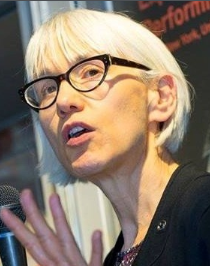 Ann Forsyth合作论文数Department of Urban Planning and Design, Harvard University;Graduate School of Design, Harvard University3
 Kevin J. Krizek合作论文数University of Colorado Boulder3Robert Chew合作论文数2Emmett Tabor合作论文数2Nathaniel W Lee合作论文数2Brendan Welch合作论文数2
 Jiawei Liu合作论文数2
 Cynthia Pando合作论文数2
 Markus Neumann合作论文数Wesleyan Univ2Rebecca Myerson合作论文数2
 Chris Frenier合作论文数Div Hlth Policy & Management, Univ Minnesota2Steven T Moore合作论文数2
 Jielu YAO合作论文数2Cydney McGuire合作论文数Paul H. O'Neill School of Public and Environmental Affairs., University of Indiana2Kimberly T Arnold合作论文数2
 Jessie Kemmick Pintor合作论文数Dornsife Sch Publ Hlth, Drexel Univ2Andrew D. Wilcock合作论文数2Cahn Zachary合作论文数Rollins School of Public Health, Emory University2
 Claudia Ximena Aguado Loi合作论文数Department of Aging and Mental Health Disparities, University of South Florida2
 Travis N. Ridout合作论文数Washington State University2
 Michael M. Franz合作论文数Department of Government and Legal Studies, Bowdoin College2Rosemary J. Avery合作论文数2Dinorah Martinez Tyson合作论文数2Robert F. Chew合作论文数1Kim Garcia合作论文数1Hina Mahmood合作论文数1Matthew E Eggers合作论文数1Andrew Wilcock合作论文数1Breeze Floyd合作论文数1eliza jane loomis合作论文数1




