Violence against women is a significant public health, criminal, and social problem, but survey research with a focus on homeless women's experiences of violence is limited. Using self-report data from a probability sample of 974 homeless women in Los Angeles County, California, this study examines severity of homelessness, social and family characteristics, subsistence activities, and alcohol and drug abuse or dependence as predictors of major violence (i.e., being kicked, bitten, hit with a fist or object, beaten up, choked, burned, or threatened or harmed with a knife or gun). One third of the women experienced major violence during the year before they were interviewed. Greater severity of homelessness, engaging in subsistence activities, and victimization during childhood were significant predictors of major violence. Analyses suggested that drug dependence might influence victimization risk through sex trade. Major violence against homeless women requires attention from multiple service sectors.
Lifetime contraceptive use as reported by a representative sample of 764 homeless women in Los Angeles was examined overall and for different age and ethnic subgroups and contrasted with expressed willingness to use specific methods. Over 80% of the women reported condom use. However, less than 5% had ever used female condoms, although 38% of the overall sample and 73% of the teenagers said they were willing to try them. Similar gaps between reported use and endorsement were found for other particular methods. Native Americans had relatively low use of virtually all contraceptive methods, and over 80% of African-Americans rejected implants. Our findings suggest that age-related factors and ethno-cultural perceptions may deter some homeless women from using contraception. In any case, gaps between realized use and willingness to use may represent missed opportunities to prevent the high rates of unintended pregnancies and sexually transmitted infections found among homeless women.
OBJECTIVES:(1) To present the Behavioral Model for Vulnerable Populations, a major revision of a leading model of access to care that is particularly applicable to vulnerable populations; and (2) to test the model in a prospective study designed to define and determine predictors of the course of health services utilization and physical health outcomes within one vulnerable population: homeless adults. We paid particular attention to the effects of mental health, substance use, residential history, competing needs, and victimization.METHODS:A community-based probability sample of 363 homeless individuals was interviewed and examined for four study conditions (high blood pressure, functional vision impairment, skin/leg/foot problems, and tuberculosis skin test positivity). Persons with at least one study condition were followed longitudinally for up to eight months.PRINCIPAL FINDINGS:Homeless adults had high rates of functional vision impairment (37 percent), skin/leg/foot problems (36 percent), and TB skin test positivity (31 percent), but a rate of high blood pressure similar to that of the general population (14 percent). Utilization was high for high blood pressure (81 percent) and TB skin test positivity (78 percent), but lower for vision impairment (33 percent) and skin/leg/foot problems (44 percent). Health status for high blood pressure, vision impairment, and skin/leg/foot problems improved over time. In general, more severe homeless status, mental health problems, and substance abuse did not deter homeless individuals from obtaining care. Better health outcomes were predicted by a variety of variables, most notably having a community clinic or private physician as a regular source of care. Generally, use of currently available services did not affect health outcomes.CONCLUSIONS:Homeless persons are willing to obtain care if they believe it is important. Our findings suggest that case identification and referral for physical health care can be successfully accomplished among homeless persons and can occur concurrently with successful efforts to help them find permanent housing, alleviate their mental illness, and abstain from substance abuse.
OBJECTIVES:This study evaluated the effect of patients' socioeconomic status on use of coronary angiography, bypass grafting, and angioplasty across health insurance categories.METHODS:Multiple logistic regression was used to compute the odds of receiving each procedure among 206 233 ischemic heart disease patients residing in urban California zip codes from 1991 through 1993.RESULTS:Residents of high socioeconomic status areas were more likely (odds ratios [ORs] = 1.20-1.41) and residents of low socioeconomic status areas were less likely (ORs = 0.79-0.84) than residents of middle socioeconomic status areas to undergo each procedure. These effects were common among Medicare and health maintenance organization patients and uncommon for privately insured and uninsured patients.CONCLUSIONS:The effect of socioeconomic status varies across health insurance categories.
OBJECTIVES: This study examined whether disparities in the use of cardiovascular procedures exist among African Americans, Latinos, and Asians relative to White patients, within health insurance categories. METHODS: Hospital discharge records (n = 104,952) of Los Angeles Country, California, residents with possible coronary artery disease were analyzed. RESULTS: After adjustment for confounders, lower odds of procedure use were found for African American and Latino patients for most types of insurance. Asians and Pacific Islanders had odds of procedure use similar to those of White patients. Disparities were absent among the privately insured. CONCLUSIONS: Racial and ethnic disparities in procedure rates were evident in all types of insurance except private insurance.
The purpose of this study was to compare the use of eight hospital-based procedures (appendectomy, cesarean section, coronary artery angioplasty (PTCA), coronary artery bypass grafting (CABG), carotid endarterectomy, hysterectomy, mastectomy, and transurethral prostate resection) in South Central Los Angeles (SCLA) to the remainder of Los Angeles County. The authors used age- and gender-adjusted procedure rates and population-weighted multivariate regression techniques, adjusting for illness proxies, physician distribution, hospital distance, income, and ethnicity variation to quantitate the effect of SCLA residence. Four procedures were performed at significantly lower rates among residents of SCLA: PTCA, CABG, carotid endarterectomy, and cesarean section. In multivariate regression models, SCLA was also a significant predictor for appendectomy, mastectomy, and transurethral prostatectomy (TURP). The SCLA effect was diminished but not eliminated when ethnicity variables were incorporated into regression models. The use of selected procedures by residents of SCLA frequently differs from that of residents of the remainder of Los Angeles County. Some differences are not attributable to level of health, income, ethnicity, or the availability of medical resources.
OBJECTIVES. The purpose of the study was to compare use of invasive cardiovascular procedures among Latino, Asian, African-American, and White patients. METHODS. In a cross-sectional study of hospital discharge data, multiple logistic regression was used to model use of coronary artery angiography, bypass graft surgery, and angioplasty among adult Los Angeles County residents discharged from California hospitals between 1986 and 1988 with primary diagnoses consistent with possible ischemic heart disease. RESULTS. After potential demographic, socioeconomic, and clinical confounders, including hospital procedure volume, were controlled, Latinos were less likely than Whites to undergo angiography (odds ratio [OR] = 0.90) and bypass graft surgery (OR = 0.87). African Americans were less likely to receive bypass graft surgery (OR = 0.62) and angioplasty (OR = 0.80). Asians were as likely as Whites to receive each procedure. The impact of adjustment for hospital procedure volume was greater for Latinos and Asians than for African Americans. CONCLUSIONS. Administrative data suggest that disparities in use of invasive cardiovascular procedures are not limited to African Americans. Hospital procedure volume appears to be an important factor related to such disparities. The causes of racial/ethnic differences in reported procedure rates remain unclear.
Four hundred forty-three impoverished medical patients, many of whom were homeless, were studied to determine whether homelessness is an independent predictor of current substance use. Twenty-four percent of the sample of patients were frequent alcohol users (i.e., daily or almost daily), and 18% had recently used illegal drugs (cocaine, heroin, PCP, LSD). Marijuana use was not included in the drug use variable. Bivariate analyses revealed that frequent alcohol was associated with being homeless, male, less educated, a veteran, unemployed, and having more children. Frequent alcohol users also were more likely to be sexually active, have had suicidal thoughts, a previous psychiatric hospitalization or felony conviction, an accident or injury, and poor physical health. Self-reported use of illegal drugs was associated with being younger, U.S. born, never married, having a poor mood, and a mental health problem or substance use by a parent. Use of illegal drugs was associated with being homeless, male, less educated, sexually active, and having a previous felony conviction or psychiatric hospitalization. Once demographic and family characteristics were controlled for, housing status was not related to either frequent alcohol or illegal drug use. Substance use among impoverished patients was a reflection of their historical social backgrounds rather than of their current housing status. Helping these patients to obtain stable housing may not impact the substance use of homeless persons.
As part of a community-based survey of 529 homeless adults, the authors analyzed factors associated with their use of mental health services. Homeless persons who had had a previous psychiatric hospitalization were the least likely to sleep in an emergency shelter, had been homeless nearly twice as long as the rest of the sample, had the worst mental health status, used alcohol and drugs the most, and were the most involved in criminal activities. The majority had not made an outpatient mental health visit in 5 years. It is suggested that diverse systems of care are needed for homeless persons.
To understand the educational needs of faculty general internists in academic hospital environments, surveys of general internal medicine division chiefs, department of medicine chairmen, and members of the Society for Research and Education in Primary Care Internal Medicine were undertaken. Results indicated considerable interest in faculty development activities among all physicians sampled. Division chiefs and department chairmen viewed such activities as feasible, potentially effective, and were willing to assume considerable responsibility in providing educational opportunities to their faculty. Although some physicians viewed self-learning as a potentially effective educational method, the vast majority preferred learning in a small group taught by an expert. Specific content areas for faculty development were assessed, as were the skills thought to be essential for personal job satisfaction, academic promotion, and organizational effectiveness.
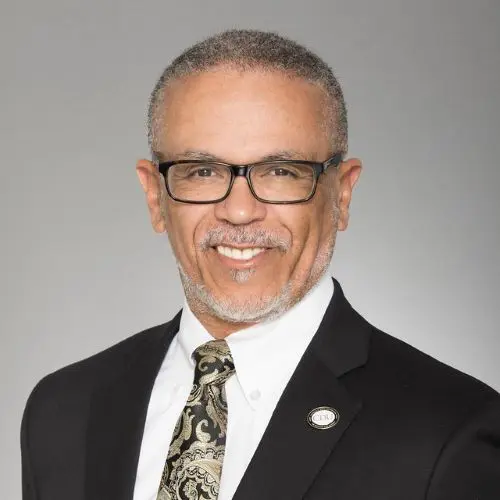 David M. Carlisle合作论文数Charles R Drew University of Medicine and Science8
 MF SHAPIRO合作论文数7
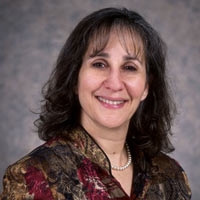 Lillian Gelberg合作论文数Department of Family Medicine, David Geffen School of Medicine, University of California at Los Angeles/Health, University of California at Los Angeles5
 Robert H. Brook合作论文数RAND Corporation.2
 Suzanne L Wenzel合作论文数2Lawrence S. Linn合作论文数2P Koegel合作论文数1RH BROOK合作论文数1Wh Rogers合作论文数1
 Carole Browner合作论文数Department of Anthropology, College of Social Sciences, University of California1
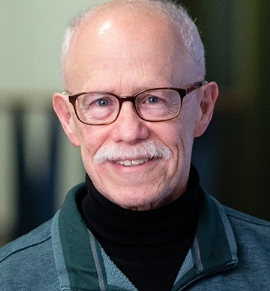 Hal Morgenstern合作论文数Department of Epidemiology, School of Public Health, University of Michigan;Department of Environmental Health Sciences, School of Public Health, University of Michigan;Department of Urology, School of Medical, University of Michigan1
 Michael C Lu合作论文数School of Public Health, University of California, Berkeley1




