BACKGROUND:Equitable access to care is a cornerstone of inclusive and fair societies, yet Deaf patients continue to encounter entrenched barriers in Canadian health care systems that compromise safety, trust, and health outcomes. We aimed to characterize the experiences of culturally Deaf community members with accessing and navigating health care, and to identify priorities for creating equitable and culturally safe care. METHODS:We conducted a qualitative co-design study grounded in a critical-interpretive paradigm in partnership with Deaf Services Canada, a nonprofit organization that provides services to members of the Deaf community. We recruited participants from multiple regions across Ontario, Canada, including urban centres, rural communities, and northern Ontario. We recruited Deaf adults, family members, interpreters, and advocates, and conducted 8 focus groups using American Sign Language (ASL)-English interpreters. We rooted reflexive thematic analysis in the sociocultural model of deafness. We carried out coding and theme development collaboratively through iterative discussions, ensuring that the analytic process reflected diverse perspectives, reinforced trustworthiness, and remained accountable to experiences of the Deaf community. RESULTS:We included 23 participants. A total of 14 identified as culturally Deaf and 9 identified as hearing, with overlapping roles as family members (n = 7), interpreters (n = 5), and advocates (n = 7). Five intersecting themes were generated: limited access to care is embedded in a system that privileges hearing and spoken language; structural barriers in appointment-booking processes reinforce exclusion; interpreting services are inconsistently valued and implemented, compromising communication; communication roadblocks within the medical team compromise equitable care; and agency and adaptive strategies persist despite systemic barriers. INTERPRETATION:Deaf community experiences highlight how the privileging of spoken language and hearing norms operates both structurally and interpersonally to shape and constrain health care access and navigation. Embedding Deaf cultural responsivity in health-professional education, standardizing provision of interpreting services, and integrating culturally safe communication pathways are critical first steps toward advancing health equity for this underrecognized group.
BACKGROUND:Opioid-based patient-controlled analgesia (PCA) is widely used after head and neck cancer surgery but carries risks such as dependence, sedation, and respiratory depression. Multimodal analgesia (MMA) may offer acceptable pain control with fewer adverse effects. METHODS:We retrospectively analyzed patients who underwent oral cavity resection with free flap reconstruction over 18 months. An MMA regimen of scheduled acetaminophen, celecoxib, and gabapentin was compared to PCA. Outcomes included opioid use, pain scores, and complications. RESULTS:A total of 237 patients were included (PCA: n = 120; MMA: n = 117). The mean age was 64.3 years (SD = 13.2). Opioid use was significantly lower in the MMA group on all postoperative days (PODs), with the greatest mean differences on POD 1 (MD = 75.3) and POD 2 (MD = 31.9) (both p < 0.001). Pain scores were significantly lower in the MMA group on all PODs (p < 0.05). CONCLUSIONS:MMA can provide comparable pain control while significantly reducing opioid use following oncologic oral cavity resection with free flap reconstruction.
Importance: Thyroid radiofrequency ablation (RFA) is a minimally invasive alternative to surgery for thyroid nodules. Despite strong international evidence, thyroid RFA was only approved by Health Canada in April 2023. Understanding the experiences of early adopters can inform the broader adoption of RFA in Canada and other healthcare systems. Objective: To describe the implementation experiences of early adopters of thyroid RFA in Canada and identify barriers and facilitators to adoption. Design: Multiple methods. Setting: All 8 listed RFA facilities in Canada. Participants: Physicians performing thyroid RFA (n = 9). Main Outcome Measures: Survey and semi-structured interviews. Results: Most participants reported low RFA volumes (median [IQR] = 2.0 [0.6-3.0] cases/month) and short wait times (1.5 [1.0-2.0] months). For thyroid surgery on similar nodules, participants performed higher volumes (7.5 [6.0-10.2] cases/month, P = .01) and had longer wait times (6.0 [5.5-8.5] months, P < .01). Four major themes emerged: (1) financial barriers and inequity; (2) impact on the healthcare system; (3) learning curve; and (4) motivators and facilitators. Financial barriers were driven by the RFA generator ($40 500 CAD) and single-use probes ($1500-$2500 CAD). RFA was funded privately out-of-pocket in most physician practices (n = 7) and rarely publicly covered (n = 2). Motivators and facilitators included patient-centred benefits, professional development, institutional support, and potential resource savings. Conclusions: Thyroid RFA adoption in Canada is in its infancy, characterized by low procedural volumes, few providers, and geographical disparities. Early adopters reported positive experiences with RFA. However, inconsistent funding models, billing codes, and policy frameworks have resulted in inequitable access for patients. Relevance: Many healthcare systems are in the early stages of RFA adoption, similar to Canada. This study identifies key experiences, barriers, and facilitators applicable to physicians, leaders, and policymakers globally who are interested in adopting RFA.
Background: Thyroid radiofrequency ablation (RFA) is a minimally invasive treatment for thyroid nodules. However, the health system costs of thyroid RFA are not well defined in the current literature. As its use expands, the objective of this study was to conduct a micro-costing analysis comparing RFA and hemithyroidectomy in outpatient and inpatient settings. Methods: A retrospective micro-costing analysis of 112 hemithyroidectomies and 42 thyroid RFAs was performed between January 2023 and May 2025 at two tertiary hospitals in Toronto, Canada. Costs were calculated in 2025 Canadian Dollars from the perspective of a publicly funded, single-payer health care system using a bottom-up approach across a one-year patient care cycle from initial consultation to one year of follow-up. Deterministic one-way sensitivity analyses were performed to assess cost-equivalence thresholds and the impact of procedural volume, repeat ablation, and delayed future surgery. Results: The base-case cost of RFA was $3985.05 over a one-year care cycle, including initial consultation and follow-up. RFA procedure costs accounted for $3107.61 (78.0%), which were primarily driven by consumables and supplies ($2022.21, 50.7%). Mean hemithyroidectomy costs were $4730.48 for outpatient cases and $5739.39 for inpatient cases, with an overall mean cost of $5613.28 across a one-year care cycle. For all hemithyroidectomy cases, procedure costs were driven primarily by operating room facility fees ($2344.86, 41.8%), physician fees for the surgeon and anesthesiologist ($943.38, 16.8%), and laboratory and pathology services ($486.12, 8.7%). Sensitivity analyses demonstrated that cost equivalence between RFA and outpatient hemithyroidectomy occurred when 13.3% of patients required delayed surgery and 18.7% required repeat RFA. For inpatient hemithyroidectomy, cost equivalence was reached when 31.3% required delayed surgery and 44.0% required repeat RFA. Conclusions: Over one year, the base-case cost for thyroid RFA was $1628.23 lower (29.0%) than the mean cost of all hemithyroidectomies. The cost savings of thyroid RFA are driven by eliminating the need for operating room and inpatient admission resources. Nodule regrowth requiring repeat ablation or delayed surgery is a critical factor that significantly affects the overall cost of RFA. Ultimately, proper patient selection, ablation technique, and evidence-informed implementation are needed to fully realize RFA’s clinical and economic benefits.
Objective: Parental anxiety and/or catastrophizing may bias the interpretation of children's pain , adminis- tration of analgesia post-tonsillectomy. We aimed to determine whether high levels of parental anxiety and/or catastrophizing impact child pain intensity interpretation and administration of analgesia. Methods: Child-parent dyads were recruited from a tertiary care institution between July 2017-December 2019. Preoperative parental anxiety and catastrophizing were assessed using self-report measures. Postoperative data on child and parent pain intensity, as well as analgesia use, were collected up to 2 weeks post-surgery. Multi- variable logistic regression models were created to assess predictors of postoperative child pain intensity and analgesia use. Results: Our cohort included 234 child-parent dyads. Median child age was 5 years (IQR, 4-6) , 9.0 % of children (n = 21) had a medical comorbidity. Both child- and parent-reported pain intensity were highest on postoperative day 2 (3.65 [SD = 3.08] and 3.67 [SD = 2.51], respectively). Parental catastrophizing did not predict analgesia use at home, although a minimal significant decrease in the odds of analgesia administration was observed on postoperative day 7 (OR 0.932, p = 0.017). Maximal parental anxiety did not predict higher odds of increased child postoperative pain intensity on any postoperative day. Conclusion: Parental catastrophizing prior to tonsillectomy has minimal predictive value for analgesia use postoperatively. Children may be successfully advocating for their own pain control as parental anxiety and catastrophizing do not appear to be unduly influencing analgesia administration. Future studies should explore the impact of parental anxiety on vulnerable pediatric populations who may be unable to self-advocate for pain management.
BACKGROUND:Speech-language pathologists serve a critical role within multidisciplinary head and neck cancer care teams. Provision of speech-language pathology services for head and neck cancer patients varies by region and is not well characterized. METHODS:A mixed methods scoping assessment was conducted with a purposive sample of speech-language pathologists from designated comprehensive head and neck cancer centers. Each speech-language pathologist completed a 31-item survey and 60-min semi-structured interview. RESULTS:Analysis of survey responses and qualitative interviews identified three major themes: unsuitable infrastructure; multilevel barriers; and the need to champion speech-language pathology services. Speech-language pathologists consistently reported inadequate resources, inequitable services, and increasing job responsibilities associated with growing patient complexity and caseloads. CONCLUSIONS:Significant systemic barriers impede the effective delivery of speech-language pathology services in head and neck cancer care. Our findings and recommendations create an important foundation for healthcare agency decisions on the allocation and funding of speech-language pathology services.
ImportanceLong wait times for medical care have been exacerbated following the pandemic in many health systems. Single-entry models (SEMs) have been proposed as a strategy to manage growing surgical backlogs and increase timeliness and quality of care by creating a single queue and centralizing the referral triage process.ObjectiveThe primary objective was to evaluate the perceptions of SEMs among community otolaryngologists for managing surgical backlogs. The secondary objectives were to better understand their experiences with the current system and to investigate their recommendations for implementing an SEM.DesignInterpretive Description.SettingOntario, Canada.ParticipantsNine community-based otolaryngologists.Intervention/ExposuresNot available.MethodsVirtual semi-structured interviews were conducted with study participants. Data were independently analyzed using inductive and deductive methods by multiple team members. Results were triangulated, and a final coding framework was developed collaboratively from which themes were identified.Main Outcome MeasuresPerceptions of SEMs as well as recommendations for design and implementation.ResultsThree thematic domains and 9 subdomains were identified from our interview data: (1) factors affecting the utility of SEMs; (2) opinions and buy-in of physicians; and (3) opportunities to improve equity.Conclusions and RelevanceWe identified a number of factors that should be considered in supporting community-based otolaryngologists to adopt SEMs as a strategy for ensuring timely and equitable access to care. Clinical leaders and specialty organizations play a pivotal role for such changes to succeed. Implementing SEMs may be an important step toward increasing equity, quality, efficiency, and cost-effectiveness in otolaryngology.
Background Dentists serve a crucial role in managing treatment complications for patients with head and neck cancer, including post-radiation caries and oral infection. To date, dental services for head and neck cancer patients in Ontario, Canada have not been well characterized and considerable disparities in allocation, availability, and funding are thought to exist. The current study aims to describe and assess the provision of dental services for head and neck cancer patients in Ontario. Methods A mixed methods scoping assessment was conducted. A purposive sample of dentist-in-chiefs at each of Ontario’s 9 designated head and neck cancer centres (tertiary centres which meet provincially-set quality and safety standards) was invited to participate. Participants completed a 36-item online survey and 60-minute semi-structured interview which explored perceptions of dental services for head and neck cancer patients at their respective centres, including strengths, gaps, and inequities. If a centre did not have a dentist-in-chief, an alternative stakeholder who was knowledgeable on that centre’s dental services participated instead. Thematic analysis of the interview data was completed using a mixed deductive-inductive approach. Results Survey questionnaires were completed at 7 of 9 designated centres. A publicly funded dental clinic was present at 5 centres, but only 2 centres provided automatic dental assessment for all patients. Survey data from 2 centres were not captured due to these centres’ lack of active dental services. Qualitative interviews were conducted at 9 of 9 designated centres and elicited 3 themes: (1) lack of financial resources; (2) heterogeneity in dentistry care provision; and (3) gaps in the continuity of care. Participants noted concerning under-resourcing and limitations/restrictions in funding for dental services across Ontario, resulting in worse health outcomes for vulnerable patients. Extensive advocacy efforts by champions of dental services who have sought to mitigate current disparities in dentistry care were also described. Conclusions Inequities exist in the provision of dental services for head and neck cancer patients in Ontario. Data from the current study will broaden the foundation for evidence-based decision-making on the allocation and funding of dental services by government health care agencies.
BACKGROUND:Long surgical wait times have long plagued health systems in Canada and abroad. This backlog and associated strain on health human resources has been exacerbated by the COVID-19 pandemic, affecting surgeries of varying degrees of urgency across all surgical specialties, including head and neck surgery. Single-entry models (SEMs) are being increasingly studied as one possible strategy to help manage surgical wait times, and a growing number of health systems have implemented SEMs within departments such as otolaryngology-head and neck surgery. We sought to evaluate the views of head and neck surgeons at all 8 designated head and neck cancer centers across Ontario on the role of SEMs in managing surgical backlogs. RESULTS:We interviewed 10 Ontario head and neck surgeons on the role of SEMs in managing wait times within the field. The following themes were elicited from interview transcripts: (1) anticipated positive impact, (2) barriers to implementation, (3) patient experience, and (4) roadmap to implementation. Participants agreed that SEMs may have utility for certain types of surgeries if implemented to address local needs. They also believe this model would have the greatest impact if employed together with other approaches, such as increasing operating room time or nursing availability. CONCLUSION:Our results highlighted the necessity for a nuanced approach to single-entry model implementation in head and neck surgery. While participants recognized the utility of SEMs for high-volume and low-variation surgeries, participants remained divided on the optimal approach to triaging patients necessitating more complex oncologic treatments. Deliberate collaboration among stakeholder organizations and senior surgeons will be critical if SEMs are to succeed in an intricate and political healthcare environment.
Background Radiation therapy is a mainstay of treatment for brain tumors, but delayed complications include secondary malignancy which may occurmonths to years after treatment completion. Methods We reviewed themedical records of a 41- year-old female treated with 60 Gy of radiation for a recurrent astrocytoma, who 6 years later developed a locally advanced sinonasal teratocarcinosarcoma. We searched MEDLINE, Embase, and Web of Science to conduct a scoping review of biopsy- proven sinonasal malignancy in patients who previously received cranial irradiation for a brain tumor. Results To our knowledge, this is the first report of a patient to present with a sinonasal teratocarcinosarcoma after receiving irradiation for a brain tumor. Our scoping review of 1,907 studies produced 14 similar cases of secondary sinonasal malignancy. Median age of primary cancer diagnosis was 39.5 years old (standard deviation [SD]: 21.9), and median radiation dose was 54 Gy ( SD: 20.3). Median latency time between the primary cancer and secondary sinonasal cancer was 9.5 years (SD: 5.8). Olfactory neuroblastoma was the most common sinonasal cancer (n = 4). Fifty percent of patients died from their sinonasal cancer within 1.5 years. Conclusion Patients who receive radiation exposure to the sinonasal region for treatment of a primary brain tumor, including low doses or scatter radiation, may be at risk of a secondary sinonasal malignancy later in life. Physicians who monitor atrisk patients must be vigilant of symptoms which may suggest sinonasal malignancy, and surveillance should include radiographic review with careful monitoring for a secondary malignancy throughout the entire irradiated field.
OBJECTIVE:Percutaneous tracheostomy is routinely performed in adult patients but is seldomly used in the pediatric population due to concerns regarding safety and limited available evidence. This study aims to consolidate the current literature on percutaneous tracheostomy in the pediatric population. METHODS:A systematic review following the Preferred Reporting Items for Systematic Reviews and Meta-Analyses guidelines was conducted. MEDLINE, EMBASE, CINAHL, and Web of Science were searched for studies on pediatric percutaneous tracheostomy (age ≤18). The Joanna Briggs Institute and ROBINS-I tools were used for quality appraisal. RESULTS:Twenty-one articles were included resulting in 143 patients. Patient age ranged from 2 days to 17 years, with the largest subpopulation of patients (n = 57, 40 %) being adolescents (age between 12 and 17 years old). Main indications for percutaneous tracheostomy included prolonged ventilation (n = 6), respiratory insufficiency (n = 5), and upper airway obstruction (n = 5). One-third (n = 47) of percutaneous tracheostomies were completed at the bedside in an intensive care unit. Select studies reported on surgical time and time from intubation to tracheostomy with a mean of 13.8 (SD = 7.8) minutes (n = 27) and 8.9 (SD = 2.8) days (n = 35), respectively. Major postoperative complications included tracheoesophageal fistula (n = 4, 2.8 %) and pneumothorax (n = 3, 2.1 %). There were four conversions to open tracheostomy. CONCLUSION:Percutaneous tracheostomy had a similar risk of complications to open surgical tracheostomy in children and adolescents and can be performed at the bedside in a select group of patients if necessary. However, we feel that consideration must be given to the varying anatomical considerations in children and adolescents compared with adults, and therefore suggest that this procedure be reserved for adolescent patients with a thin body habitus and clearly demarcated and palpable anatomical landmarks who require a tracheostomy. When performed, we strongly support using endoscopic guidance and a surgeon who has the ability to convert to an open tracheostomy if required.
Autografts and allografts are commonly used in microtia reconstruction. We aimed to systematically review and compare these reconstructive materials in pediatric congenital microtia reconstruction. A systematic review of the literature was performed. MEDLINE, Embase, PubMed, Web of Science, and CINAHL databases were searched for original studies on congenital microtia reconstruction in pediatric patients since database inception to 2021. Microtia grade was stratified as high or low. Meta-analysis of pooled proportions and continuous variables was performed using inverse variance weighting with a random effects model to compare between the autograft and allograft groups. Sixty-eight studies with a total of 5,546 patients used autografts (n = 5,382) or alloplastic implants (n = 164). Four other studies used prosthesis, cadaveric homografts, or tissue engineering. The allograft group was on average younger than the autograft group (8.4 vs. 11.1 years). There were no syndromic patients in the allograft group, compared to 43% in the autograft group. Patients treated with allografts had higher microtia grade than those treated with autograft (98 vs. 72%). Autografts were more commonly utilized by plastic surgeons and allografts by otolaryngologists (95 vs. 38%). No autografts and 41% of allografts were done concurrently with atresiaplasty or bone conduction implant. Satisfaction rates were similarly high (>90%) with similar complication rates (<10%). Microtia reconstruction using autografts and allografts had similar satisfaction and complication rates. Allografts were preferred for younger patients and concurrent hearing restoration. Further large-scale studies are required to evaluate the long-term efficacy of these reconstructive techniques.
A previous version of this article indicated that the Canadian Dental Association (CDA) advises most Canadians to visit a dentist every 6 months. The authors would like to correct this statement and clarify that according to the CDAwebsite, ‘The Canadian Dental Association recommends routinely scheduled reexamination and preventive care as an essential component of maintaining optimal oral health.’ The original article has been updated.
BACKGROUND:The COVID-19 pandemic has exacerbated pre-existing challenges with respect to access to elective surgery across Canada, and a single-entry model (SEM) approach has been proposed as an equitable and efficient method to help manage the backlog. With Ontario's recent investment in centralized surgical wait-list management, we sought to understand the views of health system leaders on the role of SEMs in managing the elective surgery backlog.METHODS:We used the qualitative method of interpretive description to explore participant perspectives and identify practical strategies for policy-makers, administrators and clinical leaders. We conducted semistructured interviews with health system leaders from across Ontario on Zoom between March and June 2021. We used snowball and purposive sampling. Inclusion criteria included Ontario health care leaders, fluent in English or French, in positions relevant to managing the elective surgery backlog. Exclusion criteria were individuals who work outside Ontario, or do not hold relevant roles.RESULTS:Our interviews with 10 health system leaders - including hospital chief executive officers, surgeons, administrators and policy experts - resulted in 5 emergent domains: perceptions of the backlog, operationalizing and financing SEMs, barriers, facilitators, and equity and patient factors. All participants emphasized the need for clinical leaders to champion SEMs and the utility of SEMs in managing wait-lists for high-volume, low-acuity, low-complexity and low-variation surgeries.INTERPRETATION:Although SEMs are no panacea, the participants in our study stated that they believe SEMs can improve quality and reduce variability in wait times when SEMs are designed to address local needs and are implemented with buy-in from champions. Health care leaders should consider SEMs for improving surgical backlog management in their local jurisdictions.
As a key component of overall health and quality of life, oral health is recognized by public health organizations globally as a basic human right. Dentists are oral health experts involved in the primary prevention of oral injury and the detection and management of oral diseases. As regulated healthcare professionals, dentists identify and treat dental caries, gum disease, oral cancers, and edentulism, among other conditions. Oral diseases that go undetected and/or untreated burden patients with increased severity of disease and worse health outcomes. The Canadian Dental Association (CDA) recommends routinely scheduled reexamination and preventive care as an essential component of maintaining optimal oral health. Investments by the federal government into dental services for high-risk groups have failed to resolve pervasive oral health disparities among Canadians related to dental care affordability, accessibility, and availability. Vulnerable groups across Canada, including children, seniors in long-term care, Indigenous peoples, new immigrants with refugee status, people with special needs, and the low-income population, have been identified as having challenges accessing regular dental care. Herein, an equity-focused commentary on the current climate of oral healthcare in Canada is presented. We outline how addressing disparities in Canadian dental care will require the engagement of physicians on multiple levels of care, negotiation with both dentists and policymakers, as well as sustained oral health data collection to inform provincial and national decision-making/strategies.
Background: The long-term consequences of traumatic brain injury can create major barriers to community integration. Peer support represents a sustainable model of support across this transition. The objective of the current study was to determine the feasibility of conducting a randomized controlled trial on the Ontario Brain Injury Association Peer Support Program and the preliminary effectiveness of the program on community integration, mood, health-related quality of life, and self-efficacy; Methods: A pilot feasibility randomized controlled trial with an embedded qualitative component was conducted. Mentees with moderate-to-severe traumatic brain injury (n = 13) were randomized to a weekly intervention or waitlist control group. Interviews were conducted with a subset of mentees and peer mentors (n = 10). Integration of the quantitative and qualitative data was completed using a joint display approach; Results: No statistically significant results were found for community integration, mood, or self-efficacy; however, changes in these outcomes were accompanied by moderate-to-large effect sizes. Within health-related quality of life, the mean pain score of the intervention group was significantly lower than that of the control group at the two-month timepoint but not at completion. Interviews revealed proximal improvements in knowledge, skills, and goals, and identified two domains related to trial acceptability: (1) environmental context and resources, and (2) reinforcement; Conclusions: Given the conceivable importance of proximal improvements in domains such as knowledge, skills, and/or goals for the attainment of more distal outcomes, modifications to the existing Peer Support Program may be warranted. The introduction of program recommendations which promote discussion around particular domains may help facilitate long-term improvements in health outcomes.
Introduction Traumatic brain injury (TBI) is estimated to affect 10 million people annually, making it a leading cause of morbidity and mortality worldwide. One cost-effective intervention that has been shown to minimize some of the negative sequelae after TBI is peer support. However, the evidence supporting the benefits of peer support for individuals with TBI is sparse and of low quality. Integrated knowledge translation (iKT) may be one approach to optimizing the evaluation of peer support programs among individuals with TBI. Therefore, the objectives are: (1) To understand key informants’ perspectives of the barriers and facilitators of participating in peer support research and programs among individuals with TBI; (2) to understand key informants’ perspectives on the perceived impacts of peer support programs on individuals with TBI; and, (3) to demonstrate how an iKT approach can inform the development and implementation of a pilot feasibility randomized controlled trial (RCT). Methods A qualitative descriptive approach using one-on-one semi-structured interviews was used. Purposive sampling of 22 key informants included 8 peer support mentors, 4 individuals with TBI who received peer support, 3 caregivers of individuals with TBI, 4 peer support program staff, and 3 academics in peer support and/or TBI. Results There were five main themes related to the barriers and facilitators to participating in peer support research and programs: knowledge, awareness, and communication; logistics of participating; readiness and motivation to participate; need for clear expectations; and matching. There were three main themes related to the perceived impact of peer support: acceptance, community, social experiences; vicarious experience/learning through others: shared experiences, role-modelling, encouragement; and “I feel better.” Discussions with our Research Partner led to several significant adaptations to our trial protocol, including removing the twice/week intervention arm, shortening of the length of trial, and changing the measure for the community integration outcome. Discussion/Conclusion This is the first study to use an iKT approach to inform a trial protocol and the first to assess the barriers and facilitators to participating in peer support research.
CONTEXT: Transition from the pediatric to the adult health care system is a complex process that should include medical, psychosocial, educational, recreational, and vocational considerations. OBJECTIVE: In this systematic review, we aim to synthesize the evidence on transitional care interventions (TCIs) to improve the quality of life (QoL) for adolescents and young adults with childhood-onset disabilities, including neurodevelopmental disorders. DATA SOURCES: Four electronic databases (Medline, Embase, PsycINFO, and Cumulative Index to Nursing and Allied Health Literature) were searched. STUDY SELECTION: In the included studies, researchers examined TCIs for adolescents and young adults (12–24 years of age) with childhood-onset disabilities. Studies were experimental, quasi-experimental, and observational studies published in the last 26 years. DATA EXTRACTION: Two reviewers independently completed study screening, data extraction, and risk-of-bias assessment. RESULTS: Fifty-two studies were included. Five studies reported on QoL, but statistically significant improvements were noted in only 1 of these studies. Significant improvements were also found in secondary outcomes including disability-related knowledge and transitional readiness. TCIs targeted patients, families and/or caregivers, and health care providers and exhibited great heterogeneity in their characteristics and components. LIMITATIONS: Inconsistent reporting on interventions between studies hindered synthesis of the relationships between specific intervention characteristics and outcomes. CONCLUSIONS: Although there is limited evidence on the impact of TCIs on the QoL for youth with childhood-onset disabilities, there is indication that they can be effective in improving patient and provider outcomes. The initiation of transition-focused care at an early age may contribute to improved long-term health outcomes in this population.
BACKGROUND: Transition from the pediatric to adult health care system is a complex process requiring multidisciplinary considerations. Despite the significant detrimental health outcomes associated with poor transition, there exists only a paucity of evidence on the most effective transitional care interventions for adolescents with chronic health disabilities. This study aims to synthesize and prioritize the evidence on transitional care interventions to improve the quality of life for adolescents and young adults with childhood-onset disabilities, including neurodevelopmental disorders. METHODS: Included studies examined transitional care interventions for adolescents and young adults (12 to 24 years of age) with childhood-onset disabilities. MEDLINE, EMBASE, PsycINFO, and CINAHL were comprehensively searched for relevant experimental, quasi-experimental, and observational studies published in the last 26 years. Two reviewers independently completed study screening, data extraction, and risk of bias assessment using the Revised Cochrane Risk of Bias Tool and ROBINS-I. RESULTS: Fifty-two studies reporting on a range of neurological conditions were included in the systematic review. Five studies reported on quality of life, but statistically significant improvements were noted in 1 study only. Studies found statistically significant improvements in disease-related knowledge (n=5), satisfaction (n=5), self-advocacy and management skills (n=12), and transitional readiness for patients (n=4). Transitional care interventions targeted patients, families and/or caregivers, and health care providers, and displayed great heterogeneity in their characteristics. CONCLUSIONS: There is limited evidence on the impact of transitional care interventions on quality of life for adolescents and young adults with childhood-onset disabilities. Transitional care interventions can be effective in improving both patient and provider outcomes, including disease-related knowledge, documentation of transitional issues, satisfaction, self-advocacy and management skills, and transitional readiness. Future research should investigate and prioritize methods of increasing the long-term efficacy of transitional care. The initiation of transition at an early age could conceivably contribute to long-term outcome improvements.
BackgroundNeurological disorders may negatively impact community integration and/or quality of life. Peer support has emerged as a potential strategy to enhance patients' efficacy in managing their own health. This review examines the key characteristics and impact of peer support interventions for adults with acquired brain injury, cerebral palsy, and spina bifida on community integration and quality of life.MethodsEligible studies reported on peer support interventions for adults (16years of age or older) with acquired brain injury, cerebral palsy, or spina bifida. Only randomized controlled trials published in English in the last 10years were included. MEDLINE, EMBASE, PsycINFO, and CINAHL were used to conduct the literature search. Two reviewers independently screened studies, abstracted data, and evaluated the risk of bias (for individual study elements and overall) using the Cochrane Risk of Bias Tool.ResultsThe systematic review included 6 trials reporting on acquired brain injury only. Of these studies, 4 reported on stroke and 2 reported on traumatic brain injury. Two studies found significant improvements in quality of life following peer support. No studies reported significant results on community integration. Considerable heterogeneity existed in the key characteristics of interventions.ConclusionsThere are a limited number of studies on the impact of peer support interventions for adults with acquired brain injury, cerebral palsy, or spina bifida on community integration and quality of life. Standardization of key intervention characteristics may aid the global adoption of peer support as a formalized, evidence-based practice.
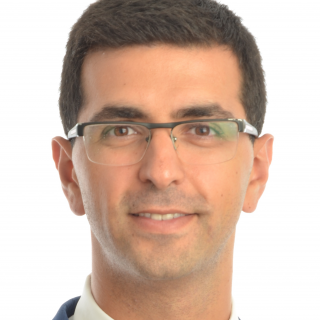 Antoine Eskander合作论文数Department of Otolaryngology - Head & Neck Surgery, Faculty of Arts and Science, University of Toronto5
 Dorothy Luong合作论文数4
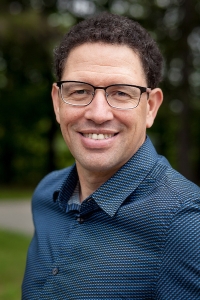 Mark Bayley合作论文数Department of Medicine, Temerty Faculty of Medicine, University of Toronto4Sarah Munce合作论文数Rehabilitation Sciences Institute, Temerty Faculty of Medicine, University of Toronto4
 Justin Shapiro合作论文数3Michelle Nelson合作论文数Clinical Public Health Division, Dalla Lana School of Public Health, University of Toronto3
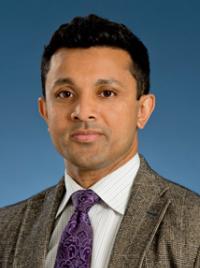 John De Almeida合作论文数Department of Otolaryngology-Head & Neck Surgery, Temerty Faculty of Medicine, University of Toronto;Institute of Health Policy, Management and Evaluation, University of Toronto;Department of Otolaryngology-Head & Neck Surgery, University Health Network;Mount Sinai Hospital3
 Yvonne Chan合作论文数Department of Otolaryngology - Head and Neck Surgery, Temerty Faculty of Medicine, University of Toronto;Unity Health Toronto - St. Michael's Hospital3
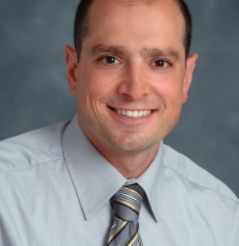 David Urbach合作论文数Department of Surgery, Temerty Faculty of Medicine, University of Toronto;Women's College Hospital3
 Monika Kastner合作论文数Faculty of Medicine, University of Toronto3Jade Goodman合作论文数2Ruth Wilcock合作论文数2
 Jennifer M Siu合作论文数2Carla Thoms合作论文数2
 Amirpouyan Namavarian合作论文数2Janet Chung合作论文数2Charlotte Axelrod合作论文数2
 John Shepherd合作论文数2
 Frances Wright合作论文数Department of Surgery, Temerty Faculty of Medicine, University of Toronto2
 Nancy Salbach合作论文数Department of Physical Therapy, Temerty Faculty of Medicine, University of Toronto2
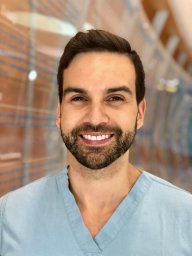 Christopher W Noel合作论文数Dalla Lana School of Public Health, University of Toronto2Perrier Laure合作论文数2Nikolaus E. Wolter合作论文数2Susan B. Jaglal合作论文数2
 Lesley Gotlib Conn合作论文数Office of Interprofessional Education, University of Toronto and University Health Network2
 Jonathan Irish合作论文数Department of Otolaryngology-Head and Neck Surgery, Temerty Faculty of Medicine, University of Toronto2Amanda Woo合作论文数1Emily Wener合作论文数1Melanie L Gilbert合作论文数1
 Lennox Huang合作论文数1Joanne Zee合作论文数1Pabiththa Kamalraj合作论文数1
 Hedyeh Ziai合作论文数1Nick Blanas合作论文数1Jessica Z Song合作论文数1Saruchi Bandargal合作论文数1Tanya Chen合作论文数1Stephanie Ka Ching Lau合作论文数1
 Hugh Andrew Jinwook Kim合作论文数1Sharon Tzelnick合作论文数1
 Erin Watson合作论文数1
 Onil Bhattacharyya合作论文数Joannah and Brian Lawson Centre for Child Nutrition, Temerty Faculty of Medicine, University of Toronto1
 Shane Sweet合作论文数Rehabilitation Sciences Institute, Temerty Faculty of Medicine, University of Toronto1
 Rosemary Martino合作论文数Krembil Research Institute, University of Toronto1
 Shauna Kingsnorth合作论文数Rehabilitation Sciences Institute, Temerty Faculty of Medicine, University of Toronto;Holland Bloorview Kids Rehabilitation Hospital;Department of Occupational Science and Occupational Therapy, University of Toronto1
 Alene Toulany合作论文数Institute of Health Policy, Management and Evaluation, University of Toronto;Division of Adolescent Medicine, Department of Paediatrics, University of Toronto1
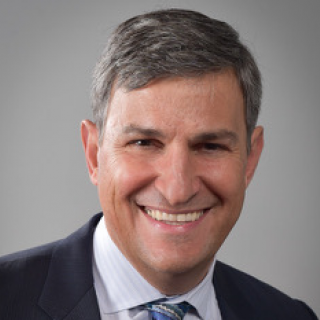 Andres M. Gantous合作论文数Department of Otolaryngology - Head & Neck Surgery, University of Toronto;St. Joseph's Health Centre1
 Dale H. Brown合作论文数Department of Otolaryngology - Head & Neck Surgery, Temerty Faculty of Medicine, University of Toronto;Cancer Clinical Research Unit, Princess Margaret Cancer Centre1
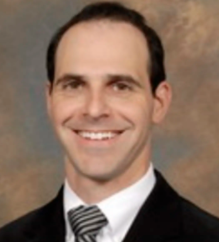 Evan J. Propst合作论文数Department of Otolaryngology-Head & Neck Surgery, Temerty Faculty of Medicine, University of Toronto1




