Abstract Whether clonal hematopoiesis (CH) in follicular lymphoma (FL) patients affects clinical outcome or is merely a bystander phenomenon is unclear. We leveraged the Phase III Fondazione Italiana Linfomi FOLL12 trial, which treated patients with advanced‐stage FL with R‐CHOP or R‐Bendamustine, to evaluate the role of myeloid CH at baseline and after chemoimmunotherapy (CIT). A total of 528 serial blood samples from 242 FL were analyzed by CAPP‐Seq. At baseline, CH occurred in 35.5% patients with DNMT3A (N = 41, 16.9%) and TET2 (N = 29, 12.0%) being the most frequently mutated genes. After a median follow‐up of 8.2 years, CH at baseline did not impact progression‐free survival (PFS), overall survival (OS), or risk of transformation (P = 0.660, P = 0.230, and P = 0.584, respectively), but instead associated with therapy‐related hematological toxicities driven by TET2 mutations. CH dynamics after the genotoxic pressure imposed by CIT was evaluated in 211 patients provided with sequential samples. CIT significantly expanded both prevalence and size of CH, with clones affected by DNA damage response (DDR) gene mutations exhibiting the highest fitness. Distinct selective pressures were observed between R‐CHOP and R‐Bendamustine, with the latter creating a tighter bottleneck that facilitates the emergence of fitter CH clones preferentially carrying TP53 mutations. Patients acquiring fit DDR clones (N = 37) had inferior long‐term outcomes, including independent increased risk of second malignancies (hazard ratio [HR] 2.63, P = 0.035) that developed in 28 patients, and shorter OS (HR 3.28, P = 0.008). CH emerges as a novel and potentially valuable biomarker in FL, capable of predicting long‐term toxicities that are key endpoints in indolent lymphoid malignancies characterized by long‐lasting survival.
The present study comprehensively dissects the molecular landscape of elderly mantle cell lymphoma (MCL) patients enrolled in the phase II V-RBAC trial of the Fondazione Italiana Linfomi. Of the 140 patients enrolled in the trial, 132 had available gDNA extracted from lymph node biopsies or bone marrow aspirates and were included in the analysis. A CAPP-Seq assay targeting 146 genes relevant to MCL pathogenesis was employed to identify gene mutations and copy number variations. ATM was the most frequently mutated gene, detected in 55 patients (41.7%), followed by TP53 and KMT2D in 31 patients (23.5%). ATM deletion was observed in 32 patients (24%), while CDKN2A loss in 29 (22%). Beyond TP53 mutations, three other molecular lesions, including CDKN2A loss, CD36 mutations and single-hit ATM abnormalities (either mutation or deletion) were independently associated with progression-free survival after adjustment for high-risk trial-defining features, namely Ki-67 >30% and blastoid variant. Notably, patients harboring single-hit ATM alterations without any additional risk factors achieved durable long-term remission, while CD36 mutations were associated with adverse survival. Both findings represent previously unrecognized aberrations that in this cohort independently and inversely associated with survival. The four variables were integrated into a 4-factor molecular prognostic model internally validated using a bootstrapping approach, which identified four distinct patient subgroups with significantly different outcomes. These findings support the importance of i) molecular profiling in MCL, ii) risk-adapted trials like V-RBAC, and iii) the integration of other biological markers with TP53 mutations for a more precise risk assessment in MCL. (NCT03567876)
The prognostic significance of impaired renal function in Waldenström macroglobulinaemia (WM) remains poorly defined. We conducted a nationwide multicentre study to evaluate its clinical characteristics and prognostic impact in symptomatic patients. We analysed 402 symptomatic WM patients, stratified according to renal function at diagnosis (creatinine clearance <60 mL/min/1.73 m2). Renal dysfunction was identified in 119 patients (29.6%). Renal biopsy was performed in 33 cases. Patients with reduced renal function were older (median age 76 vs. 67 years, p < 0.0001), had lower haemoglobin levels (10.8 vs. 11.8 g/dL, p = 0.008) and higher 24-h proteinuria (0.29 vs. 0.20 g, p = 0.04). Comorbidities of renal interest were similarly distributed between groups. Renal dysfunction was associated with inferior median overall survival (139 vs. 203 months, p < 0.001) and progression-free survival (PFS) (80 vs. 106 months, p = 0.002). Among patients aged <70 years, renal dysfunction remained associated with shorter PFS (77 vs. 121 months, p = 0.005). Importantly, worsening renal function did not correlate with increasing age. In this setting, first-line chemoimmunotherapy was associated with improved median PFS. Thus, renal dysfunction at diagnosis may represent an underrecognized, independent adverse prognostic factor in symptomatic WM.
We report the case of a stage 4 mantle cell lymphoma patient, resistant to conventional first- and second-line therapies, treated with CAR-T cells. The therapy was initially efficacious, with an appreciable CAR-T cells expansion in vivo. However, downregulation of CD19 expression on malignant B cells led to sudden therapy failure.
7074 Background: Bone marrow biopsy (BMB) is an invasive staging procedure for follicular lymphoma (FL) and its results are needed to calculate FLIPI2 and PRIMA-PI scores. Beyond conventional biopsy bone marrow can also be assessed through FDG-PET bone staging (PETb). We report preliminary data on a comparison of BMB and PETb in assessing BM involvement among FL patients enrolled in the FIL-FOLL12 trial. Methods: Untreated stage II–IV FL patients requiring therapy were included. Patients were balanced according to treatment received and arm. BMBs were assessed by morphology and immunohistochemistry. PET/CT scans were reviewed by two expert nuclear medicine physicians. Pathological bone uptake (PETb+) was defined as mono- or multifocal, or diffuse FDG uptake in bone segments higher than liver activity (SUVmax). Results: This analysis included 179 patients; no significant differences in disease characteristics were observed between the revised cohort and the remaining patients enrolled in the FOLL12 trial. High-risk FLIPI2 was noted in 35.4%, and β2-microglobulin was increased in 53% of patients. BMB involvement was present in 58.5% (median infiltration 30%, range 0.5–95%). PETb was positive in 38 cases (21%), including 14% with focal or multifocal involvement and 7% with diffuse increased uptake. Concordant results between BMB and PETb were observed in 53.6%: among 103 BMB+ patients, 30 were PETb+ (29%). PETb identified BM involvement in 8 cases missed by BMB. While BMB+ was not associated with a different risk of PFS compared to BMB-, we observed a significant impact of PETb+ on PFS: PETb+ had 41% 5-year PFS (CI 25-72, p=0.003), while BMB+/PETb- showed 74% (CI 62-83, p=0.27) and BMB-/PETb- 66%(CI 52-72, reference).We then calculated FLIPI2 and PRIMA-PI using either conventional BMB or PETb to define BM involvement. The agreement between BMB and PETb scores was 87% for FLIPI2 and 67% for PRIMA-PI and the main disagreement was due to reallocation to lower risk groups; FLIPI2 0-2 patients raised from 65% to 74.3% according to FLIPI2-PET. FLIPI2 was confirmed prognostic for PFS and its c-Harrel increased from 0.582 to 0.602 when BMB was substituted with PETb (Table 1), with a 52% (CI 39-64) 5-Year PFS for conventional high risk FLIPI2 shifting to 41% (CI26-56) for high risk FLIPI2-PET. Conclusions: Although BMB detects marrow involvement in most patients, this does not uniformly translate into adverse prognosis. PETb, while less sensitive, identifies metabolically active and prognostically relevant bone disease. A FDG-PET-based assessment of bone involvement could refine risk stratification in FL and spare BMB in most patients Score HR for High risk CI c-Harrell FLIPI2 2.03 1.25-3.31 0.582 FLIPI2-PET 2.58 1.57-4.26 0.602 PRIMA-PI 1.23 0.67-2.23 0.537 PRIMA-PI-PET 1.47 0.85-2.54 0.550
Maintenance treatment in elderly patients with relapsed or refractory (R/R) follicular lymphoma (FL) remains an area of investigation. RENOIR was a multicenter, phase III, open-label randomized trial conducted by the Fondazione Italiana Linfomi (FIL) in elderly patients with R/R FL after one or two prior therapies. Patients achieving partial or complete response (PR/CR) after 4-6 cycles of standard rituximab-based chemotherapy were randomized 1:1 to maintenance with rituximab alone (R, standard arm) or rituximab plus lenalidomide (R2, experimental arm). The primary endpoint was 2-year progression-free survival (PFS) from randomization with an expected HR =0.5. A total of 152 patients (median age 71 years) were enrolled. After induction, 129 (85%) achieved an overall response (CR 58%) and were randomized to R (n=65) or R2 (n=64). At a median follow-up of 68 months, the 2-year PFS was 73% in the R2 arm and 64% in the R arm (HR 0.73, 95% CI 0.46-1.16, p=.183). An unplanned hypothesis- generating subgroup analysis showed a greater 2-year PFS benefit with R2 in patients aged <70y (HR=0.35): R2 96% vs R 69%. Two-year overall survival (OS) rates were similar (R2 80% vs R 89%; HR 1.12). Grade 3/4 adverse events were more frequent in R2, mainly neutropenia and gastrointestinal disorders. In conclusion, the primary endpoint of the study was not met and R2 maintenance did not significantly improve 2-year PFS in elderly patients with R/R FL, though a numerically benefit was observed. R2 showed a more favorable benefit/risk profile in patients <70 years whereas in older patients careful consideration of individual tolerability is warranted. Trial registration: RENOIR study (NCT02390869) clinicaltrial.gov.
BACKGROUND:Bendamustine and rituximab combined with intermediate-dose cytarabine (RBAC) is one of the standard initial treatments for older, fit patients with mantle cell lymphoma. We aimed to investigate whether the addition of venetoclax to RBAC would improve progression-free survival in patients with high-risk mantle cell lymphoma. METHODS:FIL_V-RBAC was a multicentre, single-arm, phase 2 study done in 35 institutions of the Fondazione Italiana Linfomi in Italy. Treatment-naive patients with a histological diagnosis of mantle cell lymphoma, aged 65 years or older and fit according to the Fondazione Italiana Linfomi modified comprehensive geriatric assessment (or younger than 65 years and ineligible for high-dose chemotherapy with Eastern Cooperative Oncology Group performance status of 2 or less), were classified after enrolment as having low-risk or high-risk disease, based on the presence of blastoid morphology, Ki67 30% or higher, TP53, or 17p deletion. Patients with a low-risk profile received RBAC intravenously (rituximab 375 mg/m2 and day 1; bendamustine 70 mg/m2 on days 1 and 2; and cytarabine 500 mg/m2 on days 1, 2, and 3) every 4 weeks for 6 cycles. Patients with a high-risk profile received four cycles of RBAC followed by fixed-duration oral venetoclax consolidation (4 months, 800 mg/day) and maintenance (20 months, 400 mg/day). The primary endpoint was 2-year progression-free survival for patients with a high-risk profile who received at least one dose of RBAC. This trial was registered with ClinicalTrials.gov, NCT03567876, and this is the final report. FINDINGS:Between Sept 10, 2018, and July 26, 2021, 155 patients were screened for inclusion, 140 of whom were enrolled and analysed for study endpoints. Median age was 72 (IQR 69-76), 107 (76%) patients were male, 33 (24%) were female, and all were White. 54 (39%) patients had a high-risk profile (28 [20%] with TP53 mutations, 19 [14%] with 17p deletions, 34 [24%] with Ki67 ≥30%, and 13 [9%] with a blastoid morphology) and 86 (61%) had a low-risk profile. After a median follow-up of 45 months (IQR 40-55), the 2-year progression-free survival in the high-risk group was 60% (95% CI 48-74) and the median progression-free survival was 37 months (95% CI 19-not reached). The most frequent grade 3 or worse adverse events during venetoclax consolidation were neutropenia (12 [28%] of 43 patients), followed by thrombocytopenia (three [7%]) and skin reactions (three [7%]). During venetoclax maintenance, the most frequent grade 3 or worse adverse events were neutropenia (seven [19%] of 37 patients), followed by thrombocytopenia (two [5%]) and anaemia (two [5%]). One (1%) of 140 patients had a treatment-related death (tumour lysis syndrome during first induction with RBAC in a patient with a high-risk profile). INTERPRETATION:To our knowledge, this is the first prospective study to stratify patients with mantle cell lymphoma to different treatments according to their risk profile. Our results suggest that the addition of fixed-duration venetoclax improves the performance of RBAC in patients with a high-risk disease profile. Our findings point to the importance of identifying patients with high-risk disease at initial diagnosis. FUNDING:Fondazione Italiana Linfomi-Ente del Terzo Settore, Leukemia and Lymphoma Society, and Ministry of Health, Italy, and AbbVie. TRANSLATION:For the Italian translation of the abstract see Supplementary Materials section.
Brentuximab vedotin (BV) plus doxorubicin, vinblastine and dacarbazine (AVD) demonstrated to improve survival compared to ABVD as frontline treatment of advanced stage Hodgkin Lymphoma (HL). We retrospectively collected data of 99 stage IV HL patients treated off-protocol with BV-AVD to evaluate the predictive role of interim-PET. Median age was 36 years (range: 18-82); 83.8% patients completed all planned 6 cycles and 80.8% obtained complete response at PET6. Median follow-up was 14.4 months; 1-year progression-free survival (PFS) and overall survival were 84.1% (CI 95%: 77-91.9) and 96.9% (CI 95%: 93.6-100). PET2-negative patients had a superior 1-year PFS compared to PET2-positive patients: 90.0% vs 46.2% (p < .001). At multivariable analysis, PET2 positivity retained unfavorable statistical significance in PFS: HR 4.6 (95% CI: 1.4-15.2, p = .009). BV-AVD was confirmed to be effective in a real-world setting, while PET2-positive patients displayed a remarkably lower 1-year PFS than that previously reported and might benefit from a PET-driven approach.
Background: Patients with activated (ABC) subtype diffuse large B-cell lymphoma (DLBCL) exhibit inferior outcomes following R-CHOP treatment. Current evidence indicates that covalent irreversible Bruton tyrosine kinase inhibitors (BTKi) have shown higher responses in non-germinal center (non-GCB) DLBCLs compared to GCB. In untreated non-GCB DLBCLs, phase 3 PHOENIX study (Younes et al. J Clin Oncol. 2019; 37:1285-95) showed that adding ibrutinib (I) to R-CHOP (R-CHOP-I) did not improve outcomes in the intent-to-treat population. However, patients aged < 60y treated with R-CHOP-I experienced significantly improved progression-free survival (PFS) and overall survival (OS) compared with those receiving R-CHOP alone. The FIL_RI-CHOP trial aims to assess whether combining R-CHOP-I, followed by ibrutinib maintenance, is safe and improves PFS in young, untreated patients with high-risk ABC DLBCL. Methods: This is a prospective, multicenter, single-arm, phase II trial enrolling patients aged ≥18 and <65 years with newly diagnosed ABC-DLBCL at poor prognosis (IPI ≥2). An initial R-CHOP cycle (cycle 1) was permitted as standard-of-care (step 1), to allow timely treatment initiation while a central pathology review and Cell of Origin (COO) assessment were performed. COO subtyping was determined using the NanoString's Lymphoma Subtyping (LST) gene expression signature. Patients with confirmed ABC-DLBCL (step 2) received the experimental treatment (R-CHOP + Ibrutinib 560 mg/day continuously) from cycle 2 to cycle 6, followed by two additional cycles of rituximab plus ibrutinib (cycles 7 and 8), and 18 months of ibrutinib maintenance for those achieving at least partial response post-induction. The primary endpoint is 2-year PFS. Secondary endpoints include overall response rate (ORR), complete (CRR), event-free survival (EFS), OS and safety. This preliminary analysis evaluates safety and response rate at the end of induction (EOI). Results: From July 2019 to August 2024, 279 patients were registered across 39 Fondazione Italiana linfomi (FIL) sites; 215 (76%) fulfilled eligibility criteria, were enrolled in step1, and received R-CHOP while awaiting the COO results. COO was classified as GCB in 139 of 215 patients (65%) and as ABC in 75 of 215 patients (35%), with 28/75 (37%) being double expressors. Among ABC-DLBCL cases, concordance with the Hans algorithm was 95% (71/75). All 75 ABC-DLBCLs proceeded to Step 2, and received experimental treatment. Median age was 57 years (IQR 50–60); 58.7% were male. Advanced Ann Arbor stage (III–IV) was observed in 72 of 75 patients (96%), elevated LDH levels in 58 (77.3%), involvement of ≥2 extranodal sites in 33 (44%) and IPI > 2 in 34 (46%). After 4 cycles, interim total-body CT scan showed an ORR of 90.7%, with 21.3% (16/ 75) complete responses (CR) and 69.3% (52/75) partial responses. At the EOI, assessed by PET-CT, ORR was 85.33% with a metabolic CR of 72%. A total of 64 patients initiated ibrutinib maintenance. Eleven patients (14.6%) discontinued treatment during the induction phase, prior to initiating maintenance therapy. Reasons for discontinuations were: disease progressions in 5 (6.6%), consent withdrawal in 2 (2.6%), and adverse events (AEs) in 4 (5.3%) – including 1 sudden death, 1 covid infection, 1 prolonged cytopenia and 1 gastrointestinal disorders. Neutropenia was the most common hematological toxicity (grade 3–4 per cycle: 6%; per patient: 13%), whereas febrile neutropenia was rare (≤2%). Extra-hematological AEs were primarily low-grade gastrointestinal and neurological disorders. Three cardiac events (grade 1-2) were reported; infections occurred in 24% of patients. Conclusions: These findings demonstrate that central pathology review and NanoString's LST COO assessment are feasible without delaying treatment initiation. The addition of ibrutinib to R-CHOP appears feasible and effective, achieving >70% metabolic CR with a manageable safety profile in young, high-risk ABC-DLBCL patients. R-CHOP plus ibrutinib may represent a safe, effective, and potentially cost-effective treatment strategy in this population. Final results including the impact of ibrutinib maintenance will be presented at the meeting.
Abstract Background: R-CHOP remains the standard of care for fit elderly patients with diffuse large B-cell lymphoma (DLBCL), while modified regimens such as R-mini-CHOP or substituting conventional doxorubicin with its liposomal formulation (R-COMP) are preferred for unfit or frail individuals. Vitamin D (VitD) deficiency has been associated with worse outcomes in DLBCL. The Elderly Prognostic Index (EPI), combining simplified Geriatric Assessment (sGA), hemoglobin, and IPI, is the first index specifically designed for this population. The PREVID study aimed to test whether VitD supplementation before and during treatment could improve survival in older patients. Methods: PREVID is a multicenter, randomized trial conducted by the Fondazione Italiana Linfomi (FIL). Patients aged ≥65 years with untreated DLBCL underwent a standardized prephase with oral prednisone before starting chemoimmunotherapy (R-CHOP, R-mini-CHOP, R-COMP, or R-mini-COMP). Patients were randomized 1:1 to a reference arm (prephase only) or an experimental arm (prephase plus VitD). In the experimental arm, cholecalciferol 25,000 IU/day was administered for 7 days (if baseline 25(OH)VitD was 20–40 ng/mL) or 14 days (if <20 ng/mL), followed by weekly maintenance during treatment. If VitD levels were still <30 ng/mL at cycle 2, a second loading phase was given. All patients underwent sGA before treatment. The primary endpoint was progression-free survival (PFS); secondary endpoints included overall survival (OS) and correlation with EPI and baseline VitD levels. Results: Between 2020 and 2024, a total of 343 patients were enrolled; after the exclusion of 29 screening failures, 314 were evaluable (156 reference arm, 158 experimental arm). Median age was 76 years (range 65–91). According to sGA, 56% of patients were classified as fit, 30% as unfit, and 14% as frail, with similar distribution across study arms. Based on EPI scores, 20.4% were low risk, 49.4% intermediate, and 30.2% high risk, again with balanced representation between study arms. Induction treatments (R-CHOP 29%; R-mini-CHOP 10%; R-COMP 34%; R-mini-COMP 27%) were equally distributed between the two arms (Chi² p=0.066). A total of 239 patients completed all 6 cycles (117 ref, 122 exp), and 230 were evaluable for response. VitD levels significantly increased in the experimental arm post-prephase (p<0.001), while they remained unchanged in the reference arm (p=0.242). After a median follow-up of 21 months (range 1–48), the 3-year PFS was 61% (95% CI, 50–71) in the reference arm and 59% (95% CI, 49–67) in the experimental arm (p=0.405). Baseline VitD levels <16 ng/mL were associated with inferior 3-year PFS (53% vs. 66%, p=0.036) in both arms. EPI was prognostic: patients with high-risk EPI had significantly shorter PFS (HR 2.76, 95% CI 1.45–5.26, p=0.002) and OS (HR 4.40, 95% CI 1.70-11.40, p=0.002). sGA stratification (fit vs. unfit and frail) also correlated with outcome, with PFS 69% vs 49% at 3 years (HR 2.01, 95% CI, 1.34-3.01, p=0.001). At data cutoff, 59 deaths were recorded (19% of the entire cohort). The 3-year OS was 77% (95% CI, 66–85) in the reference arm and 72% (95% CI, 62–80) in the experimental arm. There was no statistically significant difference in OS (HR 1.26, 95% CI 0.76–2.11; p=0.373), and this remained true after adjusting for sGA, IPI, and treatment (adjusted HR 1.21, 95% CI 0.71–2.06; p=0.477). When stratified by treatment regimen, no statistically significant difference in PFS was observed between the reference and experimental arms within the R-CHOP or R-COMP groups. In terms of toxicity, higher rates of grade 3–4 neutropenia were seen in the experimental arm (27.6% vs 15.3% p=0.014) without an increase in infection rates. Conclusions: This is the first randomized trial evaluating VitD supplementation in older DLBCL patients. Although supplementation effectively corrected biochemical deficiency, it did not improve PFS or OS, and low baseline VitD remained a negative prognostic factor. EPI was strongly prognostic in stratifying risk for both PFS and OS. In conclusion, while VitD deficiency retains prognostic value, the reason behind this mechanism remains unknown.
Background. The FOLL12 study demonstrated that in High tumor burden patients with Follicular lymphoma (FL) treated with immunochemotherapy (ICT), standard rituximab maintenance (RM) was associated with improved Progression Free Survival (PFS) compared with a response-adapted post-induction approachbased on metabolic response and molecular assessment of minimal residual disease (MRD). We here present updated results of study endpoints after a median follow up of 7.9 years. Methods. The FOLL12 study enrolled adult patients with gr1-3a FL, advanced stage and high tumor burden. Eligible patients were randomly assigned to receive ICT with either R-CHOP or R-Bendamustine followed by standard RM or a response-adapted post-induction approachbased on metabolic response and molecular assessment of minimal residual disease (MRD).End of Induction (EOI) metabolic response was centrally defined applying the 5-point Deauville scale (DS) that defined Complete metabolic response (CMR) in case of DS 1-3. MRD was defined according to nested PCR assessment of IGH::BCL2 rearrangement on bone marrow and peripheral blood and was evaluated only for patients with a molecular marker (MM) at baseline assessment. Post induction therapy in the experimental arm consisted of: CMR and MRD- patients, observation; CMR and MRD+ (EOI or Follow up) 4 weekly rituximab until MRD- for up to 3 courses; no CMR, one dose of ibritumomab tiuxetan followed by standard RM. The primary study endpoint was Progression Free Survival (PFS). Results. A total of 807 patients were randomized and 786 were eligible for this updated analysis. After a median follow-up of 7.9 years (range 0.1 to 12.3 years), median PFS was not achieved and 5 and 10-year PFS rates were 67% (95%IC 63-70%) and 54% (49-58). Also with this updated follow up the standard RM arm was associated with improved PFS rates vs the response adapted arm (Exp. vs STD HR 1.54, 95%CI 1.23-1.93). After first progression 270 patients received a second line therapy mainly represented by an alternative ICT combination. PFS and OS rates after first relapse were 41% and 78% at 5 years respectively without difference comparing the main therapeutic options. Overall, after the induction 85 second malignancies were reported, including 37 hematologic malignancies and 48 solid cancers out of 744 patients. The cumulative risk of 2nd malignancy at 5 year was 13.2%, with a trend for higher risk for patients treated with RB vs R-CHOP (HR adjusted for age, sex, FLIPI2, study arm 1.48 (CI95% 0.96– 2.28). The 5-year cumulative risk of tFL from start of induction was 4.2%. with significant higher risk associated with the use of RB vs R-CHOP (HR adjusted for age, sex, FLIPI2 and Arm 2.26, CI95% 1.10 – 4.63). Overall 15 late infections were reported starting from the end of induction therapy, corresponding to a rate of 1.4% and 2.9% in RCHOP and RB, respectively (logrank p=0.022). Out of 101 deaths, 33 were due to progressive disease, 13 infections, 12 second malignancy 28 for other non lymphoma related causes and 15 for unknown reasons, resulting in 5 and 10-year Overall Survival (OS) rates of 92% (90-94) and 82% (78-86), respectively. Comparing study arms no differences were observed in terms of OS rates (HR 1.20, 95%CI 0.81–1.77). Conclusions. This long term updated analysis of the FOLL12 study demonstrated that high tumor burden FL patients initially treated with ICT are offered excellent outcomes with more than half of the patients who don't relapse after first line therapy and with very high survival rates. Also with the longer follow up standard RM was associated with improved PFS vs the response adapted approach but still no difference in term of OS was observed. While similar excellent results are achieved in terms of long term outcomes the choice of initial ICT may result in different risks in terms of late events mainly represented by second malignancies, tFL and infections.
Background: This study presents a young man with hereditary spherocytosis (HS) who underwent intensive chemotherapy for newly diagnosed diffuse large B-cell lymphoma (DLBCL) and achieved complete remission. This case challenges the idea of HS as a barrier to standard DLBCL treatment. Discussion: By meticulously monitoring blood counts and providing timely transfusions, the team successfully mitigated potential complications associated with chemotherapy-induced stress on red blood cells. Conclusions: This experience underscores the importance of a multidisciplinary approach and tailored treatment plans for patients with co-existing conditions, suggesting that HS should not automatically disqualify them from potentially curative therapies for aggressive lymphomas.
Background: Post-transplant lymphoproliferative disorders (PTLDs) are rare lymphomas that arise as complications of solid organ transplantation (SOT) and hematopoietic stem cell transplantation (HSCT), with a cumulative incidence of approximately 1% at 10 years. The Fondazione Italiana Linfomi (FIL) initiated the multicenter, observational, retrospective FIL_PTLD cohort study to assess PTLD management across Italian hematology centers. Primary objectives include the characterization of clinical features and survival outcomes, as well as the identification of prognostic factors affecting disease progression and mortality. Methods: Adult patients diagnosed with PTLD between January 2011 and December 2021 were retrospectively included. As of this preliminary analysis, 217 patients have been enrolled across 15 centers. Overall survival (OS) was measured from PTLD diagnosis, estimated using Kaplan-Meier method, and compared across groups with Cox model. Results: The median time from transplantation (SOT or HSCT) to PTLD diagnosis was 7.7 years, with shorter latency (p<0.001) observed in EBV-positive cases (2.0 years, range 0.58-11.58) compared to EBV-negative cases (8.25 years, range 5.08-14.75). Early-onset PTLD (within 2 years post-transplant) occurred in 24.0% of patients, while 76.0% had late-onset disease. Most cases followed SOT (92.1%), including kidney (37.5%), liver (36.0%), heart (19.0%), and lung (5.0%) transplants. Only 7.8% occurred after HSCT and 2.5% after combined transplants. The predominant histological subtype was monomorphic PTLD (90.8%), with diffuse large B-cell lymphoma in 68.2%, Burkitt lymphoma in 8.3%, lymphoplasmacytic lymphoma in 2.3%, marginal zone lymphoma in 4.6%, and classical Hodgkin lymphoma in 2.8%. Serum LDH was elevated in 58.6% of cases. Ann Arbor stage at diagnosis was advanced (stage III–IV) in 63.9% of patients. EBV-encoded RNA (EBER) status was available for 147 patients: 44.2% were EBV-positive, with 41.5% diagnosed early and 58.5% late post-transplant. Extranodal involvement was observed in 58.1% of cases, including central nervous system disease in 6.3%. Treatment consisted of immunosuppression reduction alone (11.4%), rituximab monotherapy (44.0%), chemoimmunotherapy (32.0%), chemotherapy alone (6.3%), other approaches (2.2%; surgery or steroids), or no treatment (3.4%). Overall response rates included complete response in 52.1%, partial response in 17.9%, stable disease in 11.4%, and progressive disease in 18.6%. With a median follow-up of 86 months (interquartile range: 52–128), 5-year and 10-year overall survival (OS) rates were 58% (95% CI, 50–66) and 51% (95% CI, 42–59), respectively. Multivariable analysis with Cox model identified age (HR per 1-y 1.02; p = .018), advanced stage (HR 2.61; p = .004), and ECOG performance status ≥2 (HR 2.23; p = .005) as independent predictors of inferior OS. EBER positivity (HR 1.65; p = .105), elevated LDH (HR 1.50; p = .157), and extranodal localization (HR 1.46; p = .277) were not significantly associated with survival. Conclusion: PTLD in adults predominantly arises after SOT and frequently presents in the late-onset form. Treatment approaches were heterogeneous across centers. Advanced age, poor performance status, and advanced stage at diagnosis were associated with worse overall survival.
Follicular lymphoma (FL) is an indolent disease characterized by multiple relapses and eventual refractoriness to therapy. Despite advancements in therapeutic approaches, FL treatment algorithm and management remain not well-established, necessitating both ongoing research into novel therapeutic strategies and in stating patient journey. We propose a comprehensive overview of current standard treatments for relapsed or refractory (R/R) FL, including chemoimmunotherapy and stem cell transplantation, and insights into emerging therapies such as chimeric antigen receptor (CAR) T-cell therapy and bispecific antibodies. We discuss the efficacy and safety profiles of these innovative treatments, their integration into the therapy armamentarium, and the potential they hold in altering the natural history of FL. Additionally, we propose a therapeutic flow depending on POD24 (i.e., progression of disease within 24 months), transformed disease, early relapse and fast/low progression, with the aim to provide a useful tool to all physicians dealing with this disease for achieving sustained remission and improving the quality of life in patients with R/R FL.
The R-miniCHOP regimen is the standard first-line treatment for diffuse large B-cell lymphoma (DLBCL) in older unfit or frail patients. Recent research suggests that replacing doxorubicin with non-PEGylated liposomal doxorubicin (NPLD) is safe and effective for DLBCL. However, the outcomes of DLBCL patients receiving NPLD as part of a reduced-intensity regimen approach have yet to be investigated. This study aimed to assess non-fit DLBCL patients enrolled in the Elderly Project (EP) conducted by the Fondazione Italiana Linfomi (FIL) who were treated with R-miniCHOP or R-miniCOMP. The primary and secondary endpoints were overall survival (OS) and progression-free survival (PFS), respectively. Of the 1163 cases within the EP cohort, we identified 176 patients (18%) who resulted unfit or frail at simplified geriatric assessment (sGA) and received either R-miniCHOP (89 cases; 51%) or R-miniCOMP (87 cases; 49%). Both cohorts exhibited similar clinical characteristics, a similar distribution of unfit and frail cases using the sGA and similar Elderly Prognostic Index (EPI) scores. After a median follow-up of 28 months, the 3-year OS and PFS rates were 61% and 54% respectively, with no significant difference between R-miniCHOP and R-miniCOMP. Notably, the therapeutic regimen had no significant impact on OS (HR 1.07, 95% CI: 0.63-1.82, p = 0.798) or PFS (HR 1.00, 95% CI: 0.62-1.6, p = 0.999) even after adjusting for propensity score (PS) and inverse probability weighting (IPW). A comprehensive survival analysis within vulnerable geriatric categories (unfit and frail patients) confirmed non-significant variations in predictive efficacy between R-miniCHOP and R-miniCOMP. Of note the independent prognostic role of EPI is confirmed for both OS and PFS. This study suggests that R-miniCHOP is still the preferred treatment for unfit and frail older DLBCL. The role of R-miniCOMP for specific subgroups of older DLBCLs warrants confirmation in larger studies.
 Luigi Rigacci合作论文数56
 Ferrero Simone合作论文数33Luca Nassi合作论文数32Vittorio Ruggero Zilioli合作论文数32
 Federica Cavallo合作论文数Department of Molecular Biotechnology and Health Sciences, Molecular Biotechnology Center, University of Turin30
 Alberto Fabbri合作论文数28
 Marco Ladetto合作论文数Ospedale Civile Santi Antonio e Biagio e Cesare Arrigo;Dipartimento di Biotecnologie Molecolari e Scienze per la Salute, Università degli studi di Torino28
 Stefano Luminari合作论文数Dipartimento Chirurgico, Medico, Odontoiatrico e di Scienze Morfologiche, University of Modena and Reggio Emilia28Michele Spina合作论文数27
 Alberto Bosi合作论文数Dipartimento di Medicina Sperimentale e Clinica, Università di Firenze27
 Monica Balzarotti合作论文数27Annalisa Arcari合作论文数27
 Emanuele Cencini合作论文数27Barbara Botto合作论文数Dept Hematol, AOU Citta Salute & Sci25
 Andrea Evangelista合作论文数Unit of Clinical Epidemiology, Città della Salute e della Scienza di Torino25
 Francesco Merli合作论文数24Alessandro Re合作论文数24
 Luca Arcaini合作论文数Dipartimento di Medicina Molecolare, Università di Pavia24Umberto Vitolo合作论文数23Stefan Hohaus合作论文数22Alice Di Rocco合作论文数22Carola Boccomini合作论文数22
 Alessandra Tucci合作论文数ASST-Spedali Civili di Brescia21Luigi Marcheselli合作论文数Department of Oncology and Hematology, University of Modena and Reggio Emilia21
 Caterina Stelitano合作论文数20
 Pier Luigi Zinzani合作论文数Department of Medical and Surgical Sciences, Università di Bologna19Caterina Patti合作论文数Dept Hematol 1, Azienda Osped Riuniti Villa Sofia Cervello19Guido Gini合作论文数Division of Ophthalmology;Hospital of Prato;Division of Ophthalmology, Hospital of Prato19Michele Merli合作论文数Fondazione IRCCS Policlinico San Matteo, University of Pavia – Viale C. Golgi19Annalisa Chiappella合作论文数17Sofya Kovalchuk合作论文数16
 Gianluca Gaidano合作论文数Department of Translational Medicine, Amedeo Avogadro University of Eastern Piedmont;Interdisciplinary Research Center on Autoimmune Diseases, Amedeo Avogadro University of Eastern Piedmont;Division of Hematology, Department of Oncology, Amedeo Avogadro University of Eastern Piedmont16Monica Tani合作论文数16Filippo Ballerini合作论文数16Elsa Pennese合作论文数15Carlo Visco合作论文数Centro di Studi per la Chimica del Farmaco e dei Prodotti Biologicamente Attivi del CNR, University of Padua15Tisi Maria Chiara合作论文数Institute of Hematology Institute of Pathological Anatomy, Catholic University S. Cuore14
 Vincenzo Pavone合作论文数13Musuraca Gerardo合作论文数13Pagani Chiara合作论文数13
 Alessandro Pulsoni合作论文数Dipartimento Di Medicina Traslazionale E Di Precisione, Sapienza University of Rome13
 Dario Marino合作论文数13Del Giudice Ilaria合作论文数12
 Jacopo Olivieri合作论文数Department of Internal Medicine, Università Politecnica delle Marche12
 Elisa Genuardi合作论文数12
 Francesco Annunziato合作论文数Università Degli Studi di Firenze12
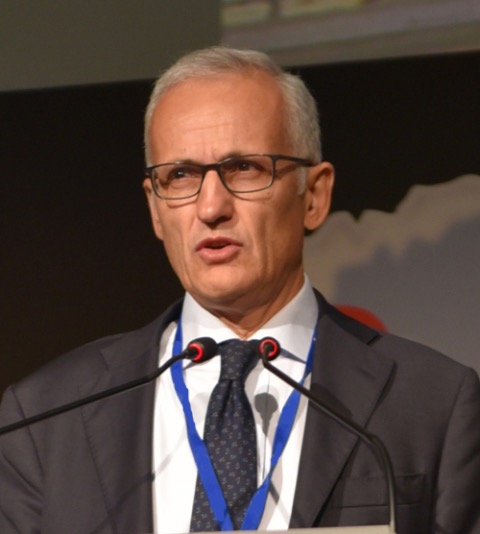 Paolo Corradini合作论文数Dipartimento di Fisiopatologia Medico-Chirurgica e dei Trapianti, Università degli Studi di Milano12Valentina Tabanelli合作论文数S Orsola-Malpighi Hospital, University of Bologna12
 Vittorio Stefoni合作论文数Alma Mater Studiorum - Università di Bologna;Ematologia11




