Effect of ATSP-7041 Delivered by MIND or ICV on Tumor Growth in a Murine Orthotopic PDX Model of DIPG
BACKGROUND:Central compartment atopic disease (CCAD) is an early stage of type 2 chronic rhinosinusitis characterized by type 2 inflammation and frequent olfactory dysfunction, primarily due to olfactory cleft (OC) obstruction. OBJECTIVE:A novel OC computed tomographic scoring system was developed to evaluate multisectional obstruction patterns in CCAD, identify key regions of OC obstruction, and examine their associations with olfactory function and eosinophilic inflammation. METHODS:A prospective cross-sectional study enrolled 257 adults with primary bilateral chronic rhinosinusitis. Participants were divided into a development cohort (n = 177) and a validation cohort (n = 80), with 75 allergic rhinitis patients as controls. A Multisection Olfactory Cleft Opacity Staging System (MOCOS) was developed to assess apical and middle-lower opacification by evaluating 6 coronal sections. Peripheral blood was analyzed for inflammatory endotypes. Risk factors were identified for CCAD and the relative importance of variables associated with olfactory dysfunction analyzed. RESULTS:Scores fell into 3 distinct zones according to OC subtype: a disease signature zone, which is predictive of CCAD diagnosis; an olfactory functional zone, which correlates with smell loss severity; and an eosinophilic inflammation zone, which is linked to systemic type 2 inflammation. Opacification progression from the disese signature zone to the olfactory function zone drives both the onset and progressive worsening of the olfactory dysfunction. CONCLUSIONS:MOCOS permitted us to identify a trizone OC model in CCAD, revealing a biphasic opacification progression that drives olfactory dysfunction onset and progression, thereby refining disease classification and elucidating its underlying pathogenesis to inform targeted therapy.
The therapeutic goal in chronic airway diseases is shifting from symptom control to disease remission. Disease-modifying therapies, including biologics and allergen immunotherapy, have made remission achievable in patients with severe asthma, chronic rhinosinusitis with nasal polyps (CRSwNP), or allergic rhinitis (AR). This EUFOREA consensus aims to establish practical guidance for inducing and maintaining remission in global airway diseases. An international panel of experts in pneumology, rhinology, and allergology convened in Rome (October 2025) to review current evidence and develop consensus statements. The panel achieved consensus on key principles: (i) remission is a therapeutic target independent of disease severity prior to treatment initiation and should not be reserved for severe cases; (ii) CRSwNP with nonallergic eosinophilic asthma, and AR with allergic asthma should be considered features of a single disease rather than comorbidities; (iii) remission should be assessed by each subspecialty separately while warranting combined approaches; (iv) pragmatic definitions prioritizing achievability and clinical utility are recommended; and (v) a 4-week recall window is preferred to assess symptom control within the evaluation of remission and a 12-month period is suggested as the minimal period to define remission. Remission represents an ambitious yet achievable goal, with practical guidance for optimizing patient outcomes.
Nose-to-brain (N2B) drug delivery offers a promising alternative to circumvent the blood–brain barrier and deliver therapeutic agents directly to the central nervous system. Among the intranasal pathways, targeting the olfactory mucosa is particularly attractive due to its direct anatomical and functional connection to the brain. However, effective deposition and retention of drug-loaded formulations in the olfactory region remain significant challenges, owing to complex nasal anatomy, mucociliary clearance, and limited surface area. This review critically examines the physiological and anatomical barriers to olfactory targeting and highlights recent advances in nanoparticle-based strategies designed to enhance mucosal deposition and transport. Various formulation approaches—including mucoadhesive polymers, surface-functionalized nanocarriers, and stimuli-responsive systems—are discussed alongside innovative delivery devices and administration techniques tailored for olfactory mucosal delivery. In vitro, ex vivo, and in vivo models used to evaluate these strategies are reviewed, as are safety, regulatory, and translational considerations. Finally, the review explores emerging technologies such as patient-specific delivery platforms and smart nanoparticles, offering a forward-looking perspective on the future of N2B therapeutics for neurological disorders.
KEY POINTS:Revision surgery in patients on biologic therapy with lower preoperative CoSI scores (<70, reflecting previously incomplete surgery) resulted in significantly greater improvement in SNOT-22 after revision surgery compared to patients with previously adequate surgery. Incomplete prior surgery, as assessed by the CoSI, remains a likely correctable contributor to symptomatology even in patients receiving biologics.
BACKGROUND:Chronic rhinosinusitis (CRS) is a prevalent, heterogeneous inflammatory disease associated with significant morbidity. Systemic corticosteroids (SCS) are commonly prescribed for their anti-inflammatory effects, but cumulative exposure carries risks, including metabolic, cardiovascular, and skeletal complications. Despite widespread use, evidence-based guidance on optimal indications, timing, and duration of SCS in CRS remains inconsistent. METHODOLOGY/PRINCIPAL:An evidence-based review was performed using MEDLINE, EMBASE, and Cochrane databases (2013-2023). Studies were screened and categorized into two primary groups: CRS with (CRSwNP) or without (CRSsNP) nasal polyps. Within CRSwNP, evidence was subcategorized by indication, including (1) polyp size reduction, (2) olfactory dysfunction, (3) comorbid disease, and (4) perioperative use, encompassing pre- and postoperative SCS administration. The CRSsNP category included studies evaluating SCS in non-polypoid disease, with or without comorbidities. Recommendations were graded according to evidence quality and the balance of benefit versus harm. RESULTS:Short courses of SCS provide consistent, short-term improvements in nasal polyp size, nasal congestion, and olfactory function in CRSwNP, but benefits wane within weeks unless followed by intranasal corticosteroids. Preoperative SCS improves intraoperative visualization, though comparable nonsteroidal techniques exist. Routine postoperative SCS are not supported, showing no meaningful advantage over topical therapy. No additional benefit was seen in comorbid subgroups. Evidence in CRSsNP is limited, with possible benefit only in early disease or select medically managed cases. Repeated use contributes to cumulative toxicity. CONCLUSIONS:SCS have a narrow, time-limited role in CRS. Stewardship should emphasize optimized topical therapy, appropriate sinus surgery, and biologics to minimize systemic steroid exposure.
Diffuse intrinsic pontine glioma (DIPG) is a lethal pediatric brain tumor with limited therapeutic progress due to its infiltrative brainstem location, blood-brain barrier (BBB), and resistance to systemic agents. We present a novel strategy for targeted central nervous system (CNS) delivery of ATSP-7041, a stapled peptide dual inhibitor of human double minute 2 (HDM2) and X (HDMX), using the minimally invasive nasal depot (MIND) technique. In p53-wild-type, PPM1D-mutant DIPG neurospheres (BT869), ATSP-7041 exhibited ∼125-fold greater antitumor activity than the HDM2-selective antagonist RG7388, consistent with elevated HDMX expression. MIND delivery in mice achieved sustained ATSP-7041 distribution across brain regions, including the pons, with peak levels at 72 hours and persistence for up to 14 days. In a patient-derived orthotopic xenograft model of DIPG, a single MIND-administered ATSP-7041 depot reduced tumor burden and prolonged survival compared with controls. This feasibility study provides proof of concept for on-target p53 reactivation in DIPG using a BBB-penetrant dual HDM2/HDMX inhibitor delivered by the MIND platform. The findings support a translational path for ALRN-6924, the clinical analogue of ATSP-7041, in DIPG and potentially other brain tumors that retain wild-type p53 but remain incurable because of drug resistance and restricted CNS access.
Environmental microplastic pollution is rising, and the recent literature reflects these conditions primarily by focusing on the effects of microplastics in the human lung and gut region. Despite the specific prevalence of airborne microplastics, the bulk of the existing literature neglects the point of initial contact of microplastics with the human body, namely the upper airway, specifically the nasal region. This review aims to highlight recent findings surrounding the effects of microplastics in the nose in both in vitro and clinical models. Areas of particular interest include changes in cell morphology, microplastic permeation, cytotoxicity, and inflammatory effects. Although permeation and toxicity findings vary across studies, the literature collectively indicates hazards to cellular health and potential impacts on patient quality of life.
INTRODUCTION:Nose-to-brain drug delivery provides a promising noninvasive route to bypass the blood-brain barrier through direct nasal cavity-brain connections. Therapeutic agents reach the central nervous system via systemic circulation or olfactory/trigeminal nerve pathways. Only the olfactory epithelium enables direct brain transport through olfactory neurons, bypassing the blood-brain barrier, while the respiratory epithelium primarily supports systemic absorption before CNS access via trigeminal nerves. AREAS COVERED:This review examines anatomical and functional differences between olfactory and respiratory epithelia, focusing on receptor, lectin, microbial, and enzymatic expression variations, particularly species-specific differences. These distinctions create opportunities for selective olfactory epithelium targeting. Key studies using formulation strategies and physical delivery methods to enhance olfactory-specific drug delivery are discussed, alongside analytical techniques for assessing olfactory accumulation. A systematic literature search across major databases through June 2025 supports these findings. EXPERT OPINION:Despite decades of research, nose-to-brain drug delivery faces unresolved challenges. Major limitations include imprecise targeting of the olfactory epithelium and the lack of standardized in vitro and in vivo models for determining exact transport mechanisms and enabling cross-comparisons. Addressing these gaps is essential for advancing targeted nose-to-brain drug delivery systems.
Ectrodactyly-ectodermal dysplasia-clefting syndrome (EECS) and its association with lacrimal drainage disorders are well known. EECS has p63 gene mutations which affect the ectodermal, orofacial, and limb development along with developmental delay affecting the entire body. Complex lacrimal drainage anomalies typically require endoscopic guidance through the nose for successful outcomes. p63 gene mutations affect the nasal structural development, making the surgical access as well as the outcomes in complex lacrimal drainage disorders difficult to predict and achieve. The present case describes a multidisciplinary approach of the oculoplastic and rhinology services in managing a complex lacrimal drainage disorder.
BACKGROUND:Microplastics and nanoplastics (MNPs) have emerged as ubiquitous environmental contaminants; these particles have been detected in mucus and irrigation fluids, and at greater concentrations in patients with sinusitis and allergic rhinitis. Emerging evidence at other mucosal surfaces, including the gut and lung, suggests that MNPs exacerbate epithelial barrier dysfunction and induce inflammatory responses. Despite their relevance, the impact of inhaled plastics on the nasal epithelium, the initial point of contact for airborne plastics, remains underexplored. METHODS:Submerged RPMI 2650 nasal epithelial cultures and air-liquid interface (ALI) cultures of primary human nasal epithelial cells were dosed with polystyrene (PS) MNPs, with a focus on the effects of 100 nm nanoplastics and surface charge alterations. Analyses of secreted cytokines, transcriptomic changes, epithelial integrity, and histologic appearance were performed. RESULTS:Note that 100 nm PS nanoplastics caused transcriptomic inflammatory and oxidative stress pathway activation in RMPI 2650 submerged cultures, with conserved inflammatory gene signatures in the ALI exposure model as well. Dose-dependent elevations in IL-8 and TNFα were observed after ALI exposure to 1 µm PS microplastics, and 100 nm PS nanoplastics elicited early elevations in IL-6, IL-8, and TNF, with more pronounced effects from amine-modified particles, while no cytotoxicity, barrier disruption, or type-2 alarmin induction was observed. Scanning electron microscopy revealed ciliary disruption and particle adherence. CONCLUSIONS:PS MNPs cause inflammatory cytokine responses in nasal epithelial cells over even a short timeframe, in addition to ciliary blunting and transcriptional evidence of significant inflammation and stress response. This sinonasal model can help answer critical questions about the pathogenicity of plastic exposures.
OBJECTIVE:There is limited consensus on endoscopic skull base surgery (ESBS) reconstruction principles. This study aims to generate comprehensive themes regarding ESBS reconstruction by pooling the experiences of ESBS experts, with comparison to a literature review of current published evidence. METHODS:Structured qualitative interviews of ESBS experts regarding postoperative management and reconstruction of various defect locations were conducted. RESULTS:A total of 68 experts comprising 40 academic teams across 13 countries with an average of 18 years of ESBS experience were included. We propose 10 stepwise algorithms for common skull base reconstruction scenarios based on these expert interviews. When available, the nasoseptal flap is used for all high_flow cerebrospinal leak defects. Multilayered reconstruction is favored at all anatomical subsites with increasing number of layers for increasing defect size and complexity. Heterogeneity exists in terms of inlay technique and materials, free grafting versus various pedicled flap options for low-flow defects or in the absence of a nasal septum, nasal packing, tissue sealant, lumbar drain use, and postoperative management. Commonalities and discrepancies between experts were summarized. CONCLUSION:Skull base reconstruction and post-ESBS management is highly complex with a wide variety of practice patterns and expert strategies. Further research of higher quality evidence is warranted to identify optimal management patterns, though the current work aims to inform surgeons on these controversial areas by drawing from numerous experiences.
 Suzanne K. Freitag合作论文数Infectious Disease Institute, Department of Ophthalmology, Harvard Medical School, Harvard University;Center for Thyroid Eye Disease and Orbital Surgery, Massachusetts Eye and Ear, Mass General Brigham31
 Sarina K Mueller合作论文数31
 Angela L. Nocera合作论文数30
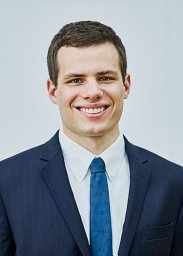 Workman Alan D合作论文数Perelman School of Medicine, University of Pennsylvania26
 Mansoor Amiji合作论文数Department of Pharmaceutical Sciences, School of Pharmacy and Pharmaceutical Sciences, Bouve College of Health Sciences, Northeastern University26
 Rodney J. Schlosser合作论文数Department Otolaryngology, College of Medicine, Medical University of South Carolina;Department Head and Neck Surgery, College of Medicine, Medical University of South Carolina26
 Stacey Tutt Gray合作论文数Harvard Medical School, Harvard University;Department of Otolaryngology–Head and Neck Surgery, Massachusetts Eye and Ear25
 Palmer James N合作论文数23
 Eric H. Holbrook合作论文数Division of Rhinology, Massachusetts Eye and Ear, Harvard Medical School, Harvard University;Department of Otolaryngology Head and Neck Surgery, Harvard Medical School, Harvard University21
 Dawei Wu (武大伟)合作论文数Peking University Third Hospital/Capital Medical University/Harvard Medical School20Olaf Wendler合作论文数14
 Noam A. Cohen合作论文数Penn Rhinology Laboratory, Department of Otorhinolaryngology, Perelman School of Medicine, University of Pennsylvania;Monell Chemical Senses Center13
 Marcel Menon Miyake合作论文数Department of Otorhinolaryngology, Santa Casa de Misericórdia de São Paulo13
 Han Xue合作论文数Department of Biomedical Engineering, Boston University12
 Ralph B. Metson合作论文数Department of Otolaryngology, Massachusetts General Hospital;Department of Otolaryngology Head and Neck Surgery, Harvard Medical School12Iro Heinrich合作论文数11
 Towia Aron Libermann合作论文数Divisions of Immunology and Nephrology, Beth Israel Deaconess Medical Center;Harvard Medical School, Harvard University11
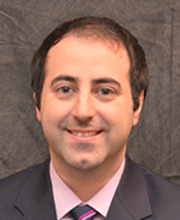 George A. Scangas合作论文数Department of Otolaryngology Head and Neck Surgery, Harvard Medical School, Harvard University11
 Daniel Robert Lefebvre合作论文数Department of Ophthalmology, Harvard Medical School, Harvard University;Massachusetts Eye and Ear11
 Sedaghat Ahmad R合作论文数Massachusetts Eye & Ear Infirm, Dept Otolaryngol, 243 Charles St, Boston, MA 02114 USA10Kim Jonghan合作论文数10
 William T Curry合作论文数10Eric W Wang合作论文数9David Kennedy合作论文数9
 D'Souza Anisha A合作论文数Department of Pharmaceutical Sciences and Technology, Institute of Chemical Technology (Elite status), N. P. Marg, Matunga (East), Mumbai 400019, India.9
 Yongxiang Wei (魏永祥)合作论文数Beijng Anzhen Hospital, Capital Medical University9
 Peter H. Hwang合作论文数Otolaryngology, Head and Neck Surgery Department, Stanford University9
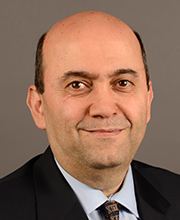 Nicolas Y. Busaba合作论文数Department of Otolaryngology Head and Neck Surgery, Harvard Medical School, Harvard University9Alexander G. Chiu合作论文数9Amber Luong合作论文数Head and Neck Institute, Cleveland Clinic Foundation9
 Derrick T. Lin合作论文数Harvard Medical School, Harvard University9Yao William C合作论文数8Feldman Rachel E合作论文数8Gregory H. Bird合作论文数7
 Jason D. Bloom合作论文数7Mariella G Filbin合作论文数Department of Pediatric Oncology, Dana-Farber Boston Children's Cancer and Blood Disorders Center, Boston, MA 02215, USA; Broad Institute of Harvard and MIT, Cambridge, MA 02142, USA.7Aria Jafari合作论文数7
 Nithin D. Adappa合作论文数Department of Otorhinolaryngology – Head & Neck Surgery, Perelman School of Medicine, University of Pennsylvania7Marina Godes合作论文数7
 Richard Harvey合作论文数Development and Stem Cell Laboratory, Victor Chang Cardiac Research Institute;Developmental and Regenerative Biology Division, Victor Chang Cardiac Research Institute;University of New South Wales7Paul A. Gardner合作论文数Department of Neurological Surgery, University of Pittsburgh School of Medicine7Bradford A. Woodworth合作论文数7Kristen Finn合作论文数6Smrithi Padmakumar合作论文数6Wormald Peter John合作论文数6Singleton Amy合作论文数Department of Biomedical Engineering, Boston University6
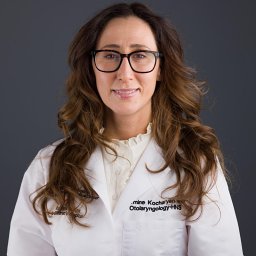 Kocharyan Armine合作论文数Department of Otology and Laryngology, Harvard Medical School6
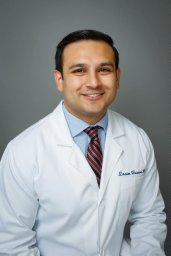 Husain Qasim合作论文数Department of Otolaryngology - Head &New Jersey Medical School, Rutgers University;New Jersey Medical School, Rutgers University6
 Catherine Banks合作论文数6




