Overall survival. A: Complete cohort. B: Stratified by WHO grading. C: Stratified by treatment indication.
To evaluate progression-free survival (PFS), overall survival (OS), local control (LC), and radiotherapy-related toxicities in the treatment of adult intracranial ependymoma. A retrospective analysis was performed of WHO grade 2–3 adult intracranial ependymoma patients (≥ 18 years) treated with surgery alone or surgery and adjuvant radiotherapy between 2000 and 2024. Kaplan-Meier analyses were used to estimate PFS and OS. Acute and late treatment-related toxicities were characterized. Fifty-eight patients met the inclusion criteria. Median age was 39 years (interquartile range [IQR] 25–51), and median follow-up was 51 months (IQR 23–103). Overall, 76
Abstract Purpose: Outcomes for grade 2 and 3 meningiomas are poor. A few studies suggest a benefit from radiotherapy dose escalation. This trial evaluates the safety and efficacy of dose escalation with intensity-modulated proton therapy (IMPT) for grade 2 and 3 meningiomas. Patients and Methods: This prospective single-arm phase I trial enrolled patients with grade 2 meningioma with residual disease or recurrence or patients with grade 3 meningioma after gross total resection. Patients underwent dose-escalated IMPT to 66 Gy relative biological effectiveness [Gy(RBE)] for grade 2 gross disease and 63 Gy(RBE) for grade 3 tumor beds. The primary endpoint was acute dose-limiting toxicity (DLT). Secondary endpoints included progression-free survival (PFS), overall survival (OS), and late toxicity. Results: Twenty-one patients with 16 grade 2 and 5 grade 3 meningiomas were enrolled and treated between 2016 and 2023. The median clinical and radiographic follow-up periods were 3.4 and 3.2 years, respectively. No DLT was observed. Five new late grade 3 toxicities occurred in four patients. Three treatment failures were observed in two grade 2 and one grade 3 tumors. Two deaths occurred in patients with grade 2 meningiomas. The 1-, 2-, and 3-year PFS rates were 100%, 95%, and 88.2%, respectively. The corresponding OS rates were 100%, 95%, and 95%, respectively. Conclusions: This first prospective trial investigating dose-escalated IMPT for high-grade meningiomas demonstrated a favorable early safety profile and clinical outcomes. Phase II and III studies are warranted to confirm the superiority of dose escalation for high-grade meningiomas.
BACKGROUND:To determine if dose escalation improves outcomes for chondrosarcomas (CHS) of the base of the skull (BOS) and the cervical spine (CS). METHODS:A prospective, randomized, dose-escalation trial was designed for patients with CHS of the BOS and CS. Patients were randomly assigned to 70 Gy (RBE) or 76 Gy (RBE). The primary endpoint was local failure (LF). Secondary endpoints included overall survival (OS), cancer-specific survival (CSS), progression-free survival (PFS), and treatment-related toxicities. RESULTS:Between 1987 and 2007, 105 patients were randomized, median follow-up was 29.2 years (IQR, 26.7-32.4). Forty-six patients were assigned to 70 Gy (RBE) and 59 were assigned to 76 Gy (RBE). LF at 5-, 10-, and 20 years were 7%, 9%, and 11% for 70 Gy (RBE), and 10%, 15%, and 19% for 76 Gy (RBE) (P = .16). Like LF rates, there was no benefit in dose escalation for OS (P = .28) and CSS (P = .22). Progression-free survival at 5-, 10-, and 20 years was 93%, 89%, and 77% for the low-dose group and 83%, 71%, and 59% for the high-dose group (P = .069). Late RT injury ≥ grade 3 was reported in a total of 19 (18%) patients across both dose levels, with 11% in the low-dose group and 24% in the high-dose group (P = .13). CONCLUSIONS:This is the first and largest trial of patients with grade I/II BOS and CS CHS evaluating dose escalation for tumor control. Proton-based RT is effective and safe for these tumors, but there is no apparent benefit in dose escalation. CLINICAL TRIAL INFORMATION:NCT00592748.
BACKGROUND:Lower grade gliomas (LGGs) typically affect younger adults and are associated with long-term survival. Treatment-related toxicities, especially neurocognitive and neuroendocrine effects, are a concern. Proton therapy may reduce these risks by minimizing radiation exposure to healthy brain tissue. This study evaluates the safety and efficacy of proton therapy in LGG patients, focusing on neurocognitive, neuroendocrine, and quality-of-life (QOL) outcomes. METHODS:This single-institution, prospective phase 2 trial enrolled 60 patients with WHO grade 1-2 gliomas or IDH-mutant grade 3 gliomas. Proton therapy was delivered at 54 Gy(RBE) or 59.4 Gy(RBE) by tumor grade. The primary endpoint was progression-free survival (PFS); secondary endpoints included overall survival (OS), neurocognitive and neuroendocrine function, and QOL. Neurocognitive testing occurred at baseline and biennially. Quality-of-life was assessed using the FACT-Brain questionnaire. Toxicities were graded per CTCAE v4.0. RESULTS:With a median follow-up of 7.0 years, 5-year PFS and OS were 79.1% and 85.6%, respectively. Progression-free survival was highest in IDH-mutant, 1p/19q co-deleted gliomas (100%) and lowest in IDH-wildtype tumors (62.5%). New neurocognitive deficits occurred in 26% of patients at 5 years. Neuroendocrine dysfunction occurred in 5.3%, with only one case attributed to radiation. Quality-of-life declined transiently at 6 months, with 15% showing a clinically meaningful decline at 5 years. No late grade 3 toxicities were observed; one case of grade 4 radionecrosis occurred. CONCLUSIONS:Proton therapy for LGG can offer effective disease control with modest long-term toxicity. These findings support its use as a standard radiation modality and highlight the need for comparative trials with photon therapy.
2059 Background: Chimeric Antigen Receptor (CAR) T cells for glioblastoma (GBM) have been limited by the challenge of targeting a single tumor antigen in a heterogeneous disease. To address this barrier, we generated a novel engineered T-cell product (CARv3-TEAM-E) that targets the EGFRvIII antigen while also secreting T-cell-Engaging Antibody Molecules (TEAMs) against wild-type EGFR. Methods: The INCIPIENT clinical trial is a first-in-human study of CARv3-TEAM-E in patients with GBM (NCT05660369). Patients with recurrent GBM were treated with intraventricular CARv3-TEAM-E T cells (10E6 cells per infusion) and one of three pre-treatment regimens: no lymphodepletion (N=3), lymphodepleting chemotherapy with cyclophosphamide and fludarabine (LDC) (N=7), or cyclophosphamide, fludarabine, and rituximab (LDC+R) (N=3). The primary objective was safety and tolerability. Immune cells were profiled in the cerebrospinal fluid (CSF) and peripheral blood by flow cytometry. Results: CAR T manufacturing was successful for all patients. There were no dose-limiting toxicities (DLT). Three patients were treated without LDC; all developed anti-CAR and/or anti-TEAM antibodies (i.e., anti-therapy antibodies) after a single infusion of CARv3-TEAM-E. Subsequently, 7 patients were treated with LDC prior to CARv3-TEAM-E, 5 of which underwent serial infusions (range 2-5 infusions). Four patients had reinfusions after which CAR T cells were not detected in the CSF. We therefore added rituximab to the LDC regimen. In the 3 individuals pre-treated with LDC+R, CAR T cells were detected in CSF not only after initial infusion (range 21-28 days) but also following repeat infusion in all patients (range 3-15 days post-reinfusion). Anti-therapy IgG was not detected in patients treated with LDC+R, as compared to 9/10 patients who developed an antibody response when rituximab was not administered. As of 12/15/2025, 10/13 patients are alive 6-30 months after first infusion, with 7 alive >14 months. Conclusions: Intraventricular CARv3-TEAM-E infusions were well-tolerated after LDC+R pre-conditioning and no DLTs were noted. The addition of Rituximab abrogated anti-therapy antibody formation and prolonged CAR T-cell persistence in 3/3 patients. Survival data reflect continued promise of CARv3-TEAM-E in patients with recurrent glioblastoma. Clinical trial information: NCT05660369 .
Glioblastoma is a highly aggressive primary brain tumor in adults with limited treatment options. Although there has been continuing interest in employing the immune system to combat this disease, monoclonal antibody therapies, such as checkpoint modulating agents, have yet to demonstrate clinically transformative outcomes. Conversely, adoptive cell therapies including chimeric antigen receptor (CAR)-T cell therapies have shown early indications of efficacy in select GBM patients. In a recent report, a first-in-human trial of CARv3-TEAM-E T cells engineered to target the epidermal growth factor receptor variant III tumor-specific antigen (EGFRvIII) as well as wild-type EGFR through secretion of a T-cell-engaging antibody molecule (TEAM) demonstrated preliminary evidence of CAR activity. We now report the findings of single-cell RNA sequencing (scRNA-seq) of cells isolated from the cerebrospinal fluid (CSF) of CARv3-TEAM-E treated GBM patients. Longitudinal CSF sampling in these patients was performed through an Ommaya reservoir. Using scRNA-seq, we demonstrate the ability to detect transduced CARv3-TEAM-E expressing T cells in the CSF from these patients. In this cohort, we assess the expression of cytotoxic effector gene expression programs over the course of longitudinal sampling. Unsupervised analysis shows promising early evidence of the expression of these cytotoxic effector gene expression programs. We further compare expression signatures in the CSF-sampled T cells to those present in the CARv3-TEAM-E infusion products. In summary, our results elucidate the longitudinal dynamics of T cell gene expression programs in the setting of this first-in-human trial of CARv3-TEAM-E T cells in GBM patients.
Glioblastoma (GBM) has proved difficult to treat, and there is dire need for more effective therapies. In a single arm phase IIa trial (NCT02455557), treatment of newly diagnosed GBM patients with the peptide vaccine SurVaxM resulted in promising median progression-free and overall survival. To investigate molecular features that associate with GBM responsiveness to SurVaxM, retrospective whole exome and RNA sequencing was performed on patient tumors (n = 34) collected prior to standard of care treatment plus SurVaxM. Differential gene expression and mutational profiles were characterized between patients with short-term (OS < 18 months) or long-term (OS ≥ 18 months) overall survival. Greater expression of interferon, complement, and humoral immunity signatures were associated with long-term survival. Deconvolution of transcriptomes identified enrichment of intratumoral memory B cell populations in long-term survivors that were validated by CD20 staining in matched samples. A five-gene expression signature and a B cell specific signature predicted survival within the SurVaxM-treated cohort, however, these signatures were not associated with improved outcomes in a similarly treated population obtained from The Cancer Genome Atlas (TCGA) that did not receive immunotherapeutic intervention. Although prospective validation is ongoing, the findings in this discovery cohort specify molecular features of GBM associated with better overall survival and potential responsiveness to immunotherapy with SurVaxM.
Mutations in isocitrate dehydrogenase (IDH) are a significant prognostic and biological factor leading to slower growth and T cell suppression within diffuse gliomas. However, the effect of IDH and its downstream metabolites specifically on intratumoral myeloid cells remains underexplored. Utilizing patient tumor samples, we performed RNA-sequencing and quantitative immunofluorescence on IDH-wildtype glioblastoma and IDH-mutant grade 4 astrocytoma cases. We then engineered the murine GL261 glioma cell line to harbor mutant IDH, comparing transcriptomic and cell-level changes in IDH-wildtype versus IDH-mutant murine tumors. We identified greater hallmarks of productive inflammation in IDH-mutant tumors compared to IDH-wildtype tumors. We also saw transcriptomic enrichment of suppressive macrophage and myeloid-derived suppressor cell (MDSC) signatures in IDH-wildtype tumors, which was confirmed at the cellular level. Furthermore, engineering the IDH mutation into murine tumors appeared sufficient to recapitulate many of the transcriptomic and cellular shifts observed among patient samples. Our data show that mutant IDH is associated with greater inflammatory signatures and fewer suppressive myeloid cells in human gliomas, and that delivering mutant IDH to murine tumors is sufficient to drive these microenvironment changes. This work advances our understanding of key myeloid cell populations that may be targeted by future immunotherapy strategies.
Glioblastoma (GBM) is a devastating primary brain tumor of adults with few treatment options. While there has been long-standing interest in engaging the immune system to combat this disease, monoclonal antibody therapies – including checkpoint modulating agents – have yet to result in widespread clinically meaningful outcomes. By contrast, adoptive cell therapies including chimeric antigen receptor (CAR)-T cell therapies have demonstrated promising early indications of efficacy in select GBM patients. However, heterogeneity of target molecule expression remains a significant barrier to long-term disease control. In a recent report, a first-in-human trial of CARv3-TEAM-E T cells engineered to target the epidermal growth factor receptor variant III tumor-specific antigen (EGFRvIII) as well as wild-type EGFR through secretion of a T-cell-engaging antibody molecule (TEAM) showed preliminary evidence of CAR activity. We now report the results of single cell RNA-sequencing (scRNA seq) of lymphocytes isolated from the cerebrospinal fluid (CSF) of CARv3-TEAM-E treated GBM patients. Longitudinal CSF sampling in these patients was performed via an Ommaya reservoir. Sampled cells were interrogated by scRNA Seq. We demonstrate the ability to detect transduced CARv3-TEAM-E expressing T cells in the CSF from these patients. Unsupervised analysis revealed evidence of the expression of cytotoxic effector gene expression programs, which we explore over the course of longitudinal sampling in this initial cohort. Additionally, we compare expression signatures in the CSF-sampled T cells to those present in the CARv3-TEAM-E infusion products. Taken together, our findings offer insight into the longitudinal dynamics of T cell gene expression programs in the setting of this first-in-human trial of CARv3-TEAM-E T cells in GBM patients. Christopher Mount, Demi Gerovasilis, Sophia Kovatsis, Jun Zhong, Md Raihan Chowdhury, Maxx King, William T. Curry, Elizabeth R. Gerstner, Kathleen M. Gallagher, Bryan D. Choi, Mario Suva, Marcela V. Maus. Single cell RNA sequencing of cerebrospinal fluid lymphocytes in CARv3 TEAM E treated glioblastoma patients [abstract]. In: Proceedings of the American Association for Cancer Research Annual Meeting 2025; Part 2 (Late-Breaking, Clinical Trial, and Invited Abstracts); 2025 Apr 25-30; Chicago, IL. Philadelphia (PA): AACR; Cancer Res 2025;85(8_Suppl_2):Abstract nr LB358.
Purpose:While adjuvant radiation therapy (RT) may prolong progression-free survival in resected atypical meningiomas, whether such progression-free survival benefit outweighs potential treatment toxicities remains controversial. Here, we compare the acute and late toxicity outcomes of atypical meningiomas managed with upfront adjuvant RT versus surveillance. Methods and Materials:In our prior single-institution retrospective study of 230 patients with resected atypical meningiomas between 2000 and 2015, adjuvant RT was associated with a significantly lower risk of progression/recurrence compared with surveillance (hazard ratio, 0.21; P < .01), with 36% of surveillance patients eventually requiring salvage RT. In this study, the acute (≤6 months) and late (>6 months) RT toxicities from the same patient cohort for those who received adjuvant (n = 51) versus salvage RT (n = 64) were compared. Additionally, treatment toxicity at the last follow-up was compared between the adjuvant RT (n = 51) and the surveillance (n = 179) groups. Toxicities were graded per the Common Terminology Criteria for Adverse Events v5.0. Results:RT in the adjuvant compared with the salvage setting was generally associated with greater RT toxicities both in the acute (90% vs 69%, P < .01) and late (57% vs 33%, P = .01) setting. While there was no significant difference in grade 3 to 4 acute toxicities, late grade 3 to 4 toxicities were present in 14% of the adjuvant group versus 3% of the salvage RT group (P = .04). Radionecrosis was present in 18% of adjuvant RT versus 8% of salvage RT group (P = .11). Between the adjuvant RT and surveillance groups, any treatment-related toxicity at the last follow-up was greater in the adjuvant RT group (31% vs 15%, P < .01), with a trend toward greater grade 3 to 4 toxicities (8% vs 3%, P = .10). There was no difference in the rate of cerebrovascular accident (4% vs 4%, P = .99). Conclusions:Adjuvant RT may be associated with greater acute and late treatment toxicities, which can significantly impact the quality of life of patients with atypical meningioma. Potential RT toxicity should be carefully weighed against tumor control benefits in deciding the optimal use and timing of RT.
2008 Background: Chimeric Antigen Receptor (CAR) T cells for glioblastoma (GBM) have been limited by the challenge of targeting a single tumor antigen in a heterogeneous disease. To address this barrier, we generated a novel engineered T-cell product (CARv3-TEAM-E) that targets the EGFRvIII antigen while also secreting T-cell-Engaging Antibody Molecules (TEAMs) against wild-type EGFR. Methods: The INCIPIENT clinical trial is a first-in-human study of CARv3-TEAM-E in patients with recurrent GBM (NCT05660369). Patients were treated with intraventricular CARv3-TEAM-E T cells (10E6 cells per infusion). A subset of patients were conditioned with lymphodepleting chemotherapy (LDC) consisting of cyclophosphamide and fludarabine. Immune cells were profiled in the cerebrospinal fluid (CSF) and peripheral blood of patients by flow cytometry. Results: CAR T cells were detected in the CSF of all patients for an average of 33.6 days ( SD = 10.33). Granulocytes, NK cells, B cells, and monocytes appeared in the CSF immediately after infusion, decreasing to low levels over the course of several weeks. TEAM-positive T cells persisted in CSF until (median) day 33.6 ( SD = 10.8) with a range of 21-56 days. CAR T cells were transiently detected in the peripheral blood of 9/10 patients at an average of 14 days ( SD = 3.5) after infusion. Prior to infusion, CAR T cells were predominantly CD4-positive and remained as such in the CSF over time. Those in the periphery exhibited CD4-to-CD8 polarization. Of patients who received multiple infusions, 3 out of 6 had CAR-positive T cells in the CSF after a second infusion, although their persistence was short-lived and was not detected in the periphery following repeat infusions. LDC increased engraftment of CAR T cells in CSF but not in peripheral blood. Patients with poor CAR persistence demonstrated the development of anti-CARv3-TEAM-E antibodies in the CSF and serum, which increased with reinfusion. Conclusions: Following initial infusion, intraventricularly delivered CARv3-TEAM-E T cells were detected in the CSF and peripheral blood in patients with recurrent GBM. Reduced persistence was observed with subsequent infusions. This corresponded with the emergence of anti-CARv3-TEAM-E antibodies in treated patients. Clinical trial information: NCT05660369 .
 Daniel Cahill合作论文数Stephen E. and Catherine Pappas Center for Neuro-Oncology, Massachusetts General Hospital, Harvard Medical School, Harvard University;Department of Neurosurgery, Massachusetts General Hospital, Harvard Medical School, Harvard University92
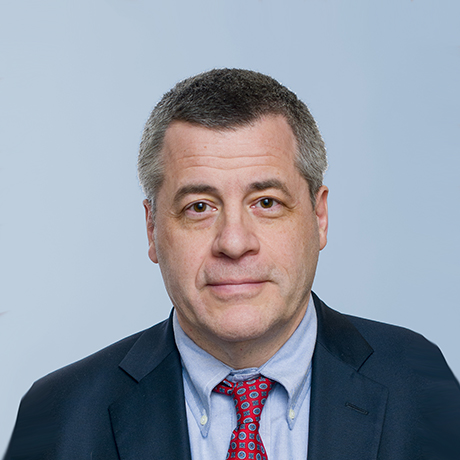 Fred Barker合作论文数Department of Neurosurgery, Massachusetts General Hospital;Stephen E. and Catherine Pappas Center for Neuro-Oncology, Mass General Cancer Center, Massachusetts General Hospital;Harvard Medical School67
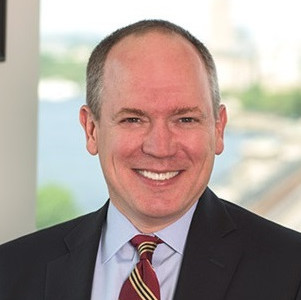 Tracy Batchelor合作论文数Harvard Medical School;Department of Neurology, Brigham and Women's Hospital;Cancer Center, Mass General Research Institute, Massachusetts General Hospital66
 Bob S. Carter合作论文数56
 Hiroaki Wakimoto合作论文数Mass General Research Institute;Harvard Medical School;Massachusetts General Hospital56
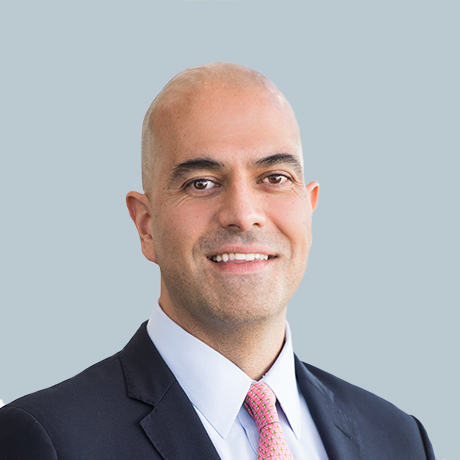 Brian V. Nahed合作论文数Department of Neurosurgery, Massachusetts General Hospital and Harvard Medical School55
 Bryan D. Choi合作论文数Department of Surgery, Duke University Medical Center51
 Anthony Iafrate合作论文数Department of Pathology, Massachusetts General Hospital Cancer Center;Harvard Medical School37Andrew S. Chi合作论文数Laura and Isaac Perlmutter Cancer Center, NYU Langone Health/Department of Neurosurgery, NYU Langone Health37
 Robert L. Martuza合作论文数Department of Neurosurgery, Harvard Medical School;Massachusetts General Hospital34
 Jay S. Loeffler合作论文数Department of Radiation Oncology, Massachusetts General Hospital;Department of Radiation Oncology, Harvard Medical School32
 Elizabeth Gerstner合作论文数Mass General Research Institute;Harvard Medical School;Massachusetts General Hospital32
 David N. Louis合作论文数Department of Pathology, Massachusetts General Hospital;Mass General Research Institute, Massachusetts General Hospital;Department of Pathology, Brigham and Women's Hospital;Harvard Medical School30Lelic Nina合作论文数29
 Helen Shih合作论文数MGH Proton Therapy Centers, Massachusetts General Hospital;Harvard Medical School28
 Patrick Y. Wen合作论文数Department of Neurology, Harvard Medical School;Center For Neuro-Oncology, Dana-Farber Cancer Institute28
 Kensuke Tateishi (立石健祐)合作论文数Department of Medical Life Science, Graduate School of Medical Life Science, Yokohama City University;Neurosurgical Oncology Laboratory, Yokohama City University27
 Priscilla Brastianos合作论文数Division of Medical Sciences, Harvard Medical School25
 Derrick T. Lin合作论文数Harvard Medical School, Harvard University24
 David Reardon合作论文数Center for Neuro-Oncology, Dana-Farber Cancer Institute;Harvard Medical School23Jones Pamela S合作论文数22
 Anat Stemmer-Rachamimov合作论文数C. S. Kubik Laboratory for Neuropathology, Massachusetts General Hospital;Department of Pathology, Massachusetts General Hospital;Harvard Medical School20Maria Martinez-Lage合作论文数19
 Stacey Tutt Gray合作论文数Harvard Medical School, Harvard University;Department of Otolaryngology–Head and Neck Surgery, Massachusetts Eye and Ear19
 Jorg Dietrich合作论文数18
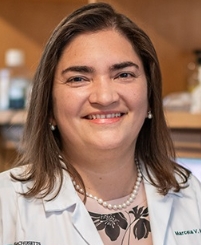 Marcela Valderrama Maus合作论文数Mass General Research Institute, Massachusetts General Hospital;Harvard Medical School;Broad Institute18Shota Tanaka合作论文数The University of Tokyo Hospital18
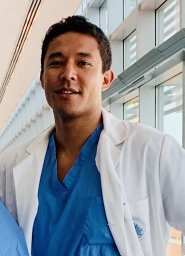 Leland G Richardson合作论文数17
 Eric H. Holbrook合作论文数Division of Rhinology, Massachusetts Eye and Ear, Harvard Medical School, Harvard University;Department of Otolaryngology Head and Neck Surgery, Harvard Medical School, Harvard University17
 Kevin Oh合作论文数Massachusetts General Hospital;Harvard Medical School16
 Glenn Dranoff合作论文数Department of Immuno-oncology and Hematology Research, Novartis Institutes of Biomedical Research16Julie J. Miller合作论文数15
 Dora Dias-Santagata合作论文数Massachusetts General Hospital;Harvard Medical School, Harvard University15
 Pankaj K. Agarwalla合作论文数Department of Neurosurgery, New Jersey Medical School15
 Franziska Loebel合作论文数15
 Shankar Ganesh M合作论文数Center for Neurologic Diseases, Brigham and Women's Hospital and Harvard Medical School, Boston, MA, USA15
 Samuel Rabkin合作论文数Mass General Research Institute, Massachusetts General Hospital;Harvard Stem Cell Institute, Harvard Medical School;Department of Microbiology, Harvard Medical School14
 Rishab Ramapriyan合作论文数Univ Texas MD Anderson Canc Ctr, Dept Radiat Oncol, Houston, TX 77030 USA14
 Jing Sun合作论文数Department of Medicine, University of Pennsylvania14
 Darrell Borger合作论文数Oncology Therapeutic Area Unit, Takeda Oncology14James Kim合作论文数Univ Texas Southwestern Med Ctr, Hamon Ctr Therapeut Oncol Res, Dallas, TX 75390 USA13
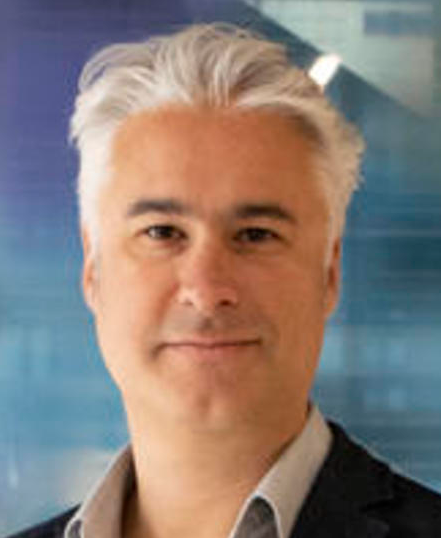 Mario Suva合作论文数Harvard Stem Cell Institute, Harvard University;Massachusetts General Hospital13
 Andrzej Niemierko合作论文数Mass General Research Institute, Massachusetts General Hospital;Harvard Medical School, Harvard University13Frigault Matthew J合作论文数Perelman School of Medicine, University of Pennsylvania12Lindsay K Klofas合作论文数12Anoop P. Patel合作论文数Department of Neurosurgery, Massachusetts General Hospital and Harvard Medical School;Department of Pathology and Center for Cancer Research, Massachusetts General Hospital and Harvard Medical School;Massachusetts Institute of Techonology, MIT),;Howard Hughes Medical Institute;Howard Hughes Medical Institute, MIT12
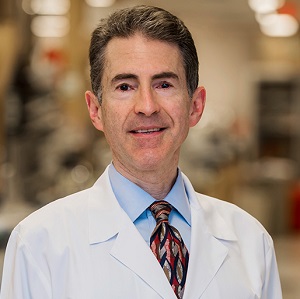 Leif Ellisen合作论文数Center for Cancer Research, Mass General Research Institute, Massachusetts General Hospital;Harvard Medical School12
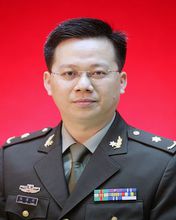 Juxiang Chen (陈菊祥)合作论文数第二军医大学附属长征医院11
 Matthew Vander Heiden合作论文数Koch Institute for Integrative Cancer Research, Massachusetts Institute of Technology;MIT Koch Institute for Integrative Cancer Research11




