Marine fuel oil (MFO) spills in tropical coastal environments are under-characterized despite increasing risk from maritime activities. Microbial and geochemical responses to the June 2024 Pasir Panjang MFO spill on Singapore’s intertidal sediments were analyzed in real time over 185 days. Using metagenomics and hydrocarbon profiling, microbial community shifts and hydrocarbon degradation were quantified across visibly oiled (high-impact) and clean (low-impact) sites. Microbiomes at all sites adapted rapidly to the spill through increased diversity and abundance of genes encoding alkane and aromatic compound degradation, detoxification, and biosurfactant production. Oil deposition intensity strongly influenced microbial succession and hydrocarbon-degrading gene profiles, and this reflected early toxicity constraints in heavily oiled areas. The persistence of hydrocarbon degradation genes beyond hydrocarbon detection in sediments suggested long-term functional priming may occur. The study provides novel genome-resolved insight into the microbial response to MFO pollution, advances understanding of marine environmental biodegradation, and provides urgently needed baseline data for oil spill response strategies in Southeast Asia and beyond.
Coral-associated microbes have essential roles in promoting and regulating host function and health. As climate change advances and other environmental perturbations increasingly impact corals, it is becoming ever more important that we understand the composition of the microbial communities hosted. Without this baseline it is impossible to assess the magnitude and direction of any future changes in microbial community structure. Here, we characterised both the bacterial and Symbiodiniaceae communities in four coral species (Diploastrea heliopora, Porites lutea, Pachyseris speciosa, and Pocillopora acuta) collected from Sabah, Malaysia. Our findings reveal distinct microbial communities associated with different coral species tending to reflect the varied life history strategies of their hosts. Microbial communities could be differentiated by collection site, with shifts in Symbiodiniaceae communities towards more stress tolerant types seen in samples collected on the shallow Sunda Shelf. Additionally, we identified a core microbiome within species and a more discrete core between all species. We show bacterial and Symbiodiniaceae communities are structured by host species and appear to be influenced by host life history characteristics. Furthermore, we identified a core microbiome for each species finding that several amplicon sequence variants were shared between hosts, this suggests a key role in coral health regardless of species identity. Given the paucity of work performed in megadiverse regions such as the Coral Triangle, this research takes on increased importance in our efforts to understand how the coral holobiont functions and how it could be altered as climate change advances.
Many species of shark are threatened with extinction, a consequence of overfishing to supply the shark fin and meat trade, or through bycatch. While the shark fin trade is comparatively well understood and documented, the trade in shark meat is remains understudied, even though it is larger than the fin trade in terms of value and volume. The species composition of the shark meat trade along with their geographic origin of capture remains largely unknown; this is problematic because it makes the design of effective conservation measures to prevent the overexploitation of sharks and the associated loss of biodiversity challenging. Our work here is the first to comprehensively survey of the shark meat trade in retail establishments from a region of the world that has global significance in the shark product trade. It suggests that local fishing pressure on one or few stocks or populations, rather than complex international supply chains support the trade in shark meat products destined for human consumption. Importantly, it provides a critical assessment and documentation of the species involved. This work has relevance in our efforts to protect sharks and arrest the ongoing biodiversity crisis.
Gerromorpha Popov, 1971 is a fascinating and diverse insect lineage that evolved about 200 Mya to spend their entire life cycle on the air-water interface and have since colonized all types of aquatic habitats. The subfamily Halobatinae Bianchi, 1896 is particularly interesting because some species have adapted to life on the open ocean-a habitat where insects are very rarely found. Several attempts have been made to reconstruct the phylogenetic hypotheses of this subfamily, but the use of a few partial gene sequences recovered only a handful of well-supported relationships, thus limiting evolutionary inferences. Fortunately, the emergence of high-throughput sequencing technologies has enabled the recovery of more genetic markers for phylogenetic inference. We applied genome skimming to obtain mitochondrial and nuclear genes from low-coverage whole-genome sequencing of 85 specimens for reconstructing a well-supported phylogeny, with particular emphasis on Halobatinae. Our study confirmed that Metrocorini Matsuda, 1960, is paraphyletic, whereas Esakia Lundblad, 1933, and Ventidius Distant, 1910, are more closely related to Halobatini Bianchi, 1896, than Metrocoris Mayr, 1865, and Eurymetra Esaki, 1926. We also found that Ventidius is paraphyletic and in need of a taxonomic revision. Ancestral state reconstruction suggests that Halobatinae evolved progressively from limnic to coastal habitats, eventually attaining a marine lifestyle, especially in the genus Halobates Eschscholtz, 1822, where the oceanic lifestyle evolved thrice. Our results demonstrate that genome skimming is a powerful and straightforward approach to recover genetic loci for robust phylogenetic analysis in non-model insects. Graphical Abstract
Shark fins are a delicacy consumed throughout Southeast Asia. The life history characteristics of sharks and the challenges associated with regulating fisheries and the fin trade make sharks particularly susceptible to overfishing. Here, we used DNA barcoding techniques to investigate the composition of the shark fin trade in Singapore, a globally significant trade hub. We collected 505 shark fin samples from 25 different local seafood and Traditional Chinese Medicine shops. From this, we identified 27 species of shark, three species are listed as Critically Endangered, four as Endangered and ten as Vulnerable by the International Union for Conservation of Nature (IUCN). Six species are listed on CITES Appendix II, meaning that trade must be controlled in order to avoid utilization incompatible with their survival. All dried fins collected in this study were sold under the generic term “shark fin”; this vague labelling prevents accurate monitoring of the species involved in the trade, the effective implementation of policy and conservation strategy, and could unwittingly expose consumers to unsafe concentrations of toxic metals. The top five most frequently encountered species in this study are Rhizoprionodon acutus, Carcharhinus falciformis, Galeorhinus galeus, Sphyrna lewini and Sphyrna zygaena. Accurate labelling that indicates the species of shark that a fin came from, along with details of where it was caught, allows consumers to make an informed choice on the products they are consuming. Doing this could facilitate the avoidance of species that are endangered, and similarly the consumer can choose not to purchase species that are documented to contain elevated concentrations of toxic metals.
Abstract Background The processes that shape microbial biogeography are not well understood, and concepts that apply to macroorganisms, like dispersal barriers, may not affect microorganisms in the same predictable ways. To better understand how known macro-scale biogeographic processes can be applied at micro-scales, we examined seagrass associated microbiota on either side of Wallace’s line to determine the influence of this cryptic dispersal boundary on the community structure of microorganisms. Communities were examined from twelve locations throughout Indonesia on either side of this theoretical line. Results We found significant differences in microbial community structure on either side of this boundary (R2 = 0.09; P = 0.001), and identified seven microbial genera as differentially abundant on either side of the line, six of these were more abundant in the West, with the other more strongly associated with the East. Genera found to be differentially abundant had significantly smaller minimum cell dimensions (GLM: t923 = 59.50, P < 0.001) than the overall community. Conclusion Despite the assumed excellent dispersal ability of microbes, we were able to detect significant differences in community structure on either side of this cryptic biogeographic boundary. Samples from the two closest islands on opposite sides of the line, Bali and Komodo, were more different from each other than either was to its most distant island on the same side. We suggest that limited dispersal across this barrier coupled with habitat differences are primarily responsible for the patterns observed. The cryptic processes that drive macroorganism community divergence across this region may also play a role in the bigeographic patterns of microbiota.
Aim: As climate change increasingly threatens the world's coral reefs, enhancing their resilience by improving population connectivity for key reef species is crucial for ensuring their persistence. Here, we evaluate the population genomic structure of two common coral species, Pocillopora acuta and Porites sp., chosen due to their divergent life histories. Thousands of single-nucleotide polymorphisms (SNPs) were sequenced and analysed to infer regional connectivity patterns in Southeast Asia, a region that harbours a tremendous diversity of marine life. Location: Coasts of the Malay Peninsula and northern Borneo, covering similar to 1 million km(2). Method: NextRAD genotyping-by-sequencing of 185 Porites sp. and 221 Pocillopora acuta colonies. Libraries were prepared and sequenced on Illumina NovaSeq 6000. Genotyping involved initial quality controls, allele frequency filtering and checks for contamination. Genetic structure was assessed with Bayesian clustering, and relationships between genetic variation and environmental factors were studied through redundancy analysis. Contemporary gene flow was estimated using BayesAss. Results: We observed panmixia among the broadcasting Porites sp. populations, while for the brooding Pocillopora acuta, the Malay Peninsula acts a strong barrier to dispersal between the Malacca Strait and the southern South China Sea. Moreover, its genomic structure seems to follow current marine ecoregion delineation. By analysing contemporary migrant movement, we can prioritise reef localities for conservation. In particular, localities at the Andaman Coral Coast are contemporarily isolated from the other localities, and Tioman is identified as a major larval source for both species. Main Conclusion: Our analyses highlight contrasting population differentiation patterns between the two species that can be explained by the disparity in their reproductive strategies. These findings are important for biodiversity managers in Southeast Asia; incorporation of regional connectivity considerations into conservation planning can help safeguard ecosystem resilience and persistence.
Symbiotic dinoflagellates in the genus Symbiodiniaceae play vital roles in promoting resilience and increasing stress tolerance in their coral hosts. While much of the world’s coral succumb to the stresses associated with increasingly severe and frequent thermal bleaching events, live coral cover in Papua New Guinea (PNG) remains some of the highest reported globally despite the historically warm waters surrounding the country. Yet, in spite of the high coral cover in PNG and the acknowledged roles Symbiodiniaceae play within their hosts, these communities have not been characterized in this global biodiversity hotspot. Using high-throughput sequencing of the ITS2 rDNA gene, we profiled the endosymbionts of four coral species, Diploastrea heliopora, Pachyseris speciosa, Pocillopora acuta, and Porites lutea, across six sites in PNG. Our findings reveal patterns of Cladocopium and Durusdinium dominance similar to other reefs in the Coral Triangle, albeit with much greater intra- and intergenomic variation. Host- and site-specific variations in Symbiodiniaceae type profiles were observed across collection sites, appearing to be driven by environmental conditions. Notably, the extensive intra- and intergenomic variation, coupled with many previously unreported sequences, highlight PNG as a potential hotspot of symbiont diversity. This work represents the first characterization of the coral-symbiont community structure in the PNG marine biodiversity hotspot, serving as a baseline for future studies.
Overfishing and unsustainable practices have caused drastic declines in shark populations worldwide; these decreases are largely attributed to the demand for shark products (e.g., fins and meat) and shark bycatch associated with the global fishing industry. In an effort to understand the species composition of the shark fin trade in Singapore – a globally significant trade hub, we collected and genetically identify a total of 6840 shark fins collected between January 2021 and February 2022. We then adopted a Bayesian modelling approach to understand how the identified species contributed to the overall trade within Singapore. The Singapore market appears distinct in terms of species composition when compared to the markets of Hong Kong and mainland China. In Singapore 81
The global decline of shark populations, largely driven by overfishing to supply the shark fin trade, poses a significant threat to marine ecosystems. Southeast Asia, and particularly Singapore, is a key hub for the transit and trade of shark fins that contribute to the exploitation of these apex predators. Through the use of DNA barcoding techniques, this study aimed to determine what species of shark are involved in the Singapore shark fin trade. Fins were collected from markets, dried goods shops and traditional Chinese medicine halls throughout Singapore. In total, DNA was extracted from 684 fins collected in January 2024 and PCR amplification targeted a fragment of the mitochondrial COI gene for species identification. Results revealed fins from 24 species across 16 genera, with 19 species listed on CITES Appendices II, and 16 listed as threatened on the IUCN Red List (critically endangered = 2, endangered = 4, vulnerable = 10). The top five most frequently identified species were Carcharhinus falciformis, Galeorhinus galeus, Rhizoprionodon oligolinx, Sphyrna lewini and Rhizoprionodon acutus. Of these, four are listed on CITES Appendix II and four are listed as threatened on the IUCN Red List.
Coral-associated bacteria and Symbiodiniaceae are critical for maintaining the health of their coral hosts. Factors that are known to affect the coral microbiome include biogeography, seasonality, and environmental change, but longitudinal studies are sorely lacking. Many temporal studies rarely extend beyond a year, limiting the conclusions that can be drawn. In this study, we characterised both the bacterial and Symbiodiniaceae communities in three species of corals—Merulina ampliata, Pachyseris speciosa, and Porites lutea—found in an equatorial reef over a two-year period. Furthermore, we investigated the effect of monsoon seasons on the pattern of bacterial and Symbiodiniaceae communities using metabarcoding methods. We found significant differences in bacterial communities through time and space, but no consistent patterns of diversity between seasons and environmental conditions (temperature and rainfall) were observed. Conversely, Symbiodiniaceae communities did not differ over time and space. Taken together, our results suggest that bacterial communities, even within a stable climate regime, were highly dynamic through time, but were not affected by monsoonal variations. Finally, network analyses of bacteria and Symbiodiniaceae revealed multiple potential biogeochemical processes that worked in tandem between the members of the coral holobiont to support holobiont functioning. Longitudinal studies on host-associated microbial diversity are critical for drawing relevant conclusions about the long-term effects of environmental change on the coral holobiont, and for directing conservation efforts.
BACKGROUND:Microbes have fundamental roles underpinning the functioning of our planet, they are involved in global carbon and nutrient cycling, and support the existence of multicellular life. The mangrove ecosystem is nutrient limited and if not for microbial cycling of nutrients, life in this harsh environment would likely not exist. The mangroves of Southeast Asia are the oldest and most biodiverse on the planet, and serve vital roles helping to prevent shoreline erosion, act as nursery grounds for many marine species and sequester carbon. Despite these recognised benefits and the importance of microbes in these ecosystems, studies examining the mangrove microbiome in Southeast Asia are scarce.cxs RESULTS: Here we examine the microbiome of Avicenia alba and Sonneratia alba and identify a core microbiome of 81 taxa. A further eight taxa (Pleurocapsa, Tunicatimonas, Halomonas, Marinomonas, Rubrivirga, Altererythrobacte, Lewinella, and Erythrobacter) were found to be significantly enriched in mangrove tree compartments suggesting key roles in this microbiome. The majority of those identified are involved in nutrient cycling or have roles in the production of compounds that promote host survival.CONCLUSION:The identification of a core microbiome furthers our understanding of mangrove microbial biodiversity, particularly in Southeast Asia where studies such as this are rare. The identification of significantly different microbial communities between sampling sites suggests environmental filtering is occurring, with hosts selecting for a microbial consortia most suitable for survival in their immediate environment. As climate change advances, many of these microbial communities are predicted to change, however, without knowing what is currently there, it is impossible to determine the magnitude of any deviations. This work provides an important baseline against which change in microbial community can be measured.
The advent of molecular systematics has revolutionized our knowledge of biodiversity, revealing undiscovered cryptic lineages across the tree of life. Correspondingly, an increasing number of nudibranch species complexes have been found and described through integrative taxonomic approaches. Pteraeolidia 'semperi' (Nudibranchia: Cladobranchia: Aeolidioidea) presently represents a species complex, possessing ambiguous systematics and an underestimated diversity. Sequencing and phylogenetic reconstructions based on the cytochrome c oxidase subunit I marker from 48 samples of P. 'semperi' collected from Singapore's southern waters, as well as morphological analyses including scanning electron microscopy of the radula, suggest that P. 'semperi' comprises several distinct cryptic lineages. We further characterized the Symbiodiniaceae communities of P. 'semperi' from Singapore using metabarcoding of the internal transcribed spacer 2 gene. Pteraeolidia 'semperi' from Singapore was found to predominantly host Cladocopium and Durusdinium symbionts, and was significantly structured by biogeography. This study elucidates the present taxonomic diversity of P. 'semperi' in Singapore and contributes to the growing body of work on the diversity of algal symbionts associated with this enigmatic taxon.
As human activities release increasingly more fossil fuel-derived emissions directly into the atmosphere, terrestrial, aquatic, or marine ecosystems, the biomagnification and bioaccumulation of toxic metals in seafood is an ever more pressing concern. As apex predators, sharks are particularly susceptible to biomagnification and bioaccumulation. The consumption of shark fin is frequent throughout Asia, and their ingestion represents a pathway through which human exposure to potentially unsafe levels of toxic metals can occur. Shark fins processed for sale are difficult, if not impossible to identify to the species level by visual methods alone. Here, we DNA-barcoded 208 dried and processed fins and in doing so, identified fourteen species of shark. Using these identifications, we determined the habitat of the shark that the fin came from and the concentrations of four toxic metals (mercury, arsenic, cadmium, and lead) in all 208 samples via inductively coupled plasma mass spectrometry. We further analyzed these concentrations by habitat type, either coastal or pelagic, and show that toxic metal concentrations vary significantly between species and habitat. Pelagic species have significantly higher concentrations of mercury in comparison to coastal species, whereas coastal species have significantly higher concentrations of arsenic. No significant differences in cadmium or lead concentrations were detected between pelagic or coastal species. Our results indicate that a number of analyzed samples contain toxic metal concentrations above safe human consumption levels.
Herbivorous insects require an active lignocellulolytic microbiome to process their diet. Stick insects (phasmids) are common in the tropics and display a cosmopolitan host plant feeding preference. The microbiomes of social insects are vertically transmitted to offspring, while for solitary species, such as phasmids, it has been assumed that microbiomes are acquired from their diet. This study reports the characterization of the gut microbiome for the Gray's Malayan stick insect, Lonchodes brevipes, reared on native and introduced species of host plants and compared to the microbiome of the host plant and surrounding soil to gain insight into possible sources of recruitment. Clear differences in the gut microbiome occurred between insects fed on native and exotic plant diets, and the native diet displayed a more species-rich fungal microbiome. While the findings suggest that phasmids may be capable of adapting their gut microbiome to changing diets, it is uncertain whether this may lead to any change in dietary efficiency or organismal fitness. Further insight in this regard may assist conservation and management decision-making.
Despite the increasing recognition and importance surrounding bacterial and fungal interactions, and their critical contributions to ecosystem functioning and host fitness, studies examining their co-occurrence remain in their infancy. Similarly, studies have yet to characterise the bacterial and fungal communities associated with nudibranchs or their core microbial members. Doing this can advance our understanding of how the microbiome helps a host adapt and persist in its environment. In this study, we characterised the bacterial and fungal communities associated with 46 Pteraeolidia semperi nudibranch individuals collected from four offshore islands in Singapore. We found no distinct spatial structuring of microbial community, richness, or diversity across sampling locations. The bacterial genera Mycoplasma and Endozoicomonas were found across all samples and islands. The fungal genus Leucoagaricus was found with the highest occurrence, but was not found everywhere, and this is the first record of its reported presence in marine environments. The co-occurrence network suggests that bacterial and fungal interactions are limited, but we identified the bacterial family Colwelliaceae as a potential keystone taxon with its disproportionately high number of edges. Furthermore, Colwelliaceae clusters together with other bacterial families such as Pseudoalteromonadaceae and Alteromonadaceae, all of which have possible roles in the digestion of food.
Southeast Asia is a major shark product trade hub, and many of the world’s largest shark product selling markets are located in the region. Malaysia is the second largest importer of shark fins in the world, approximately 2500 metric tonnes of fins were imported between 2000 and 2016. The country is also a major shark fisher—the eighth largest in the world in terms of yearly catch. Yet the composition of the species of shark involved in the Malaysian trade remains largely unknown. Not knowing the composition of the sharks involved in the fin trade in a major trade hub presents challenges when it comes to determining conservation goals, setting appropriate catch quotas and establishing new, or revisiting previous conservation listings. Using a fragment of the mtDNA COI gene we attempted to DNA barcode 147 dried shark fins. We identified a number of fins that belonged to species listed on either CITES appendix I, or II, and the composition of the sharks identified in samples collected from Peninsular Malaysia appears to be different from that of other trade hubs within the region. Given these differences, we suggest that further DNA barcoding studies be performed throughout the region at regularly repeated intervals to build a more comprehensive picture of the sharks involved in the trade within the region and globally, this information will be useful to policy makers and conservation planners.
Seafood is one of the most processed and imported foods worldwide and is vulnerable to mislabelling and product substitution practices. The consequences of these practices are diverse, ranging from enabling the further depletion of already overfished stocks to the harvesting of endangered species. A potential consequence of seafood mislabelling is "fish laundering" where illegally caught fish are deliberately mislabelled to avoid regulations. As a maritime nation, Singapore relies heavily on seafood as a source of nutrition with an average seafood consumption of 22 kg per capita. In this study, we used mitochondrial DNA barcoding of the cytochrome c oxidase Subunit-I to investigate the prevalence of seafood mislabelling in retail outlets throughout Singapore. We successfully barcoded and identified 42 different species, of which 23 were mislabelled based upon comparison to the FDA Seafood List or local species names meaning they were sold under names not reflecting their true genetic identity. In total, 26% of the samples we identified were mislabelled. The three most frequently mislabelled fish were Anoplopoma fimbria (Sablefish) sold as Black Cod, Dissostichus eleginoides (Patagonian toothfish) sold as Cod or Seabass, and Pangasianodon hypophthalmus (Iridescent shark) sold as Dory or Bocourti. Mislabelling of seafood products can have serious negative implications on human health, erode customer confidence in the products they consume and make marine conservation planning challenging.
Understanding the drivers of algal endosymbiont communities hosted by reef corals is a requisite for predicting coral resilience. For the biodiverse reefs of Southeast Asia, few studies have characterised the spatial variability of Symbiodiniaceae communities amongst reefs and investigated species and environmental effects on community structure and diversity. To profile the endosymbionts associated with reef corals inhabiting Southeast Asia, three common species, Pachyseris speciosa, Pocillopora acuta and Diploastrea heliopora, were sampled from 10 reef sites along the coasts of the Malay Peninsula. The nuclear internal transcribed spacer 2 region of Symbiodiniaceae was targeted for high-throughput sequencing, and the SymPortal framework was used to establish the identities of endosymbiont genera and types. Effects of environmental variables on endosymbiont community structure and diversity were then tested. Analyses revealed that Symbiodiniaceae diversity in this region is higher than previously known. Endosymbiont communities are structured significantly by host species and are relatively invariant in D. heliopora, with P. speciosa associating strongly with both Cladocopium and Durusdinium while P. acuta and D. heliopora are dominated by Durusdinium. Environmental parameters influence Symbiodiniaceae communities and diversity distinctly between host species. In particular, higher sea surface temperature (SST) affects endosymbiont diversity positively for P. acuta while higher SST range affects diversity negatively for P. speciosa and D. heliopora. Overall, this study has uncovered the hidden diversity of Symbiodiniaceae types previously unrecorded in the region and established a baseline for future comparative studies on how Southeast Asian reef corals acclimatise and adapt to changing environments through the natural variation of endosymbiont communities.
R code for analysing 16S of microbial communities from sub-bottom sediment cores
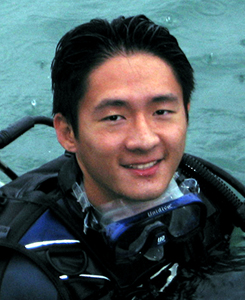 Danwei Huang合作论文数Reef Ecology Lab, National University of Singapore;Lee Kong Chian Natural History Museum;Department of Biological Sciences, National University of Singapore;Tropical Marine Science Institute, National University of Singapore;Centre for Nature-based Climate Solutions, National University of Singapore26
 Irma Arlyza合作论文数Pusat Penelitihan Oseanografi, Lembaga Ilmu Pengetahuan Indonesia16
 Stephen A. Karl合作论文数15Jen Nie Lee合作论文数13
 Lutfi Afiq-Rosli合作论文数Dept Biol Sci, Natl Univ Singapore12
 Zahn Geoffrey合作论文数10Zheng Bin Randolph Quek合作论文数7Nicole Li Ying Lee合作论文数6
 Golam Rabbani合作论文数5Nathaniel Soon合作论文数4Ismael Kunning合作论文数4Yin Cheong Aden Ip合作论文数4
 Jain Sudhanshi合作论文数Dept Biol Sci, Natl Univ Singapore4Kibat Caroline合作论文数4Mana Ralph合作论文数4
 Jillian LS Ooi合作论文数School of Plant Biology, The University of Western Australia;School of Earth and Environment, The University of Western Australia;The UWA Oceans Institute, The University of Western Australia;Faculty of Arts and Social Sciences, Universiti Malaya;The University of Western Australia, Universiti Malaya4Bar Feldman合作论文数3Mariana Quesada Urera合作论文数3Ren Min Oh合作论文数3
 Jia Jin Marc Chang合作论文数3
 Oren Levy合作论文数Department of Neurology, Columbia University3
 Kevin Chien-Yu Lee合作论文数2Ian French合作论文数2Trevor Millar合作论文数2Ming Sheng Ng合作论文数2Bertrand Chengxiang Yan合作论文数2Yan Hong Poh合作论文数2
 Elena Bollati合作论文数2Lacee Bowen合作论文数2
 Ying Chang合作论文数Division of Science, Yale-NUS College2
 Ying Giat Seah合作论文数Fac Fisheries & Food Sci, Univ Malaysia Terengganu UMT2
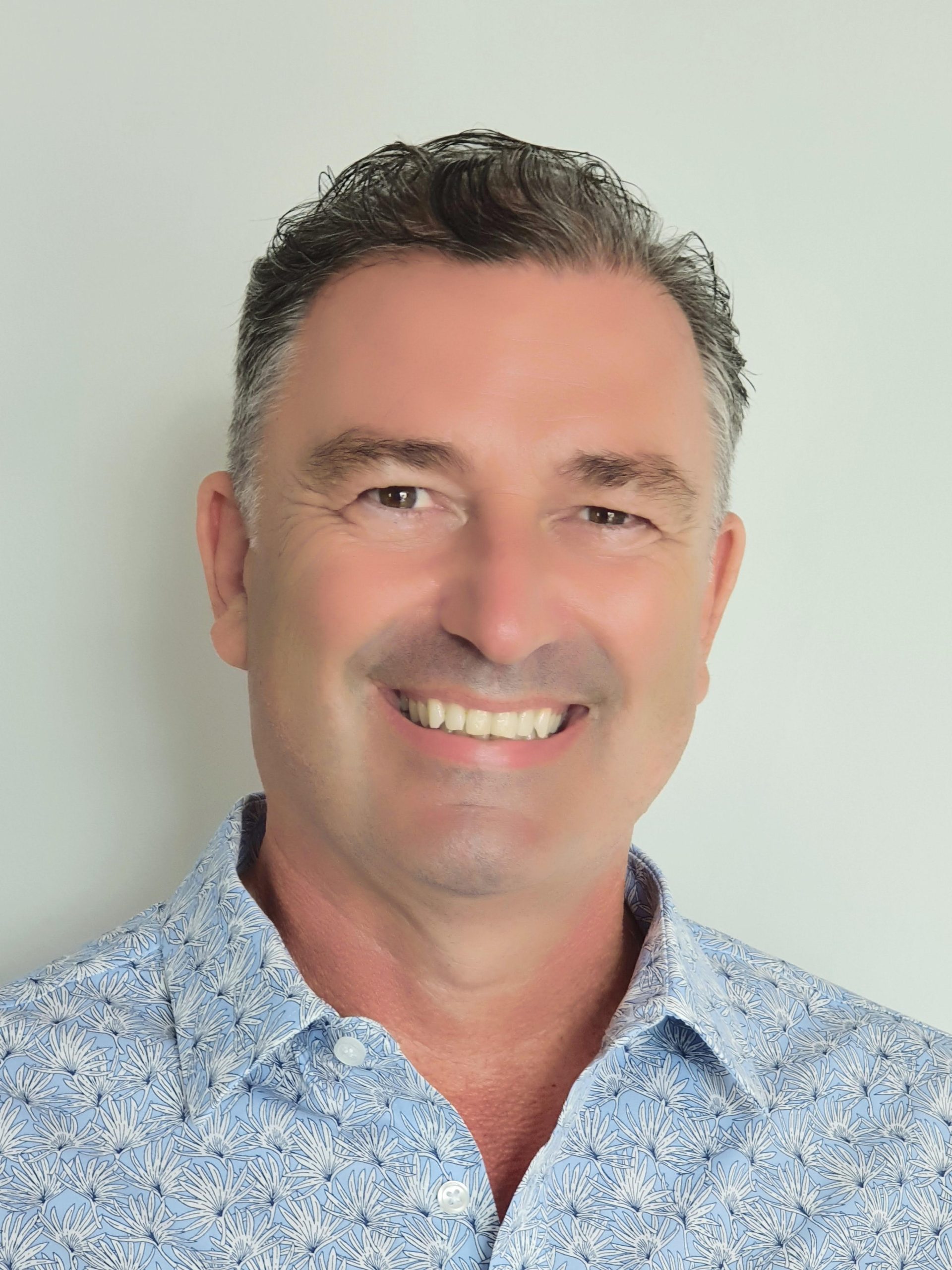 Stephen Pointing合作论文数Department of Biological Sciences, Faculty of Science, National University of Singapore;Yale-NUS College, National University of Singapore2
 Zarinah Waheed合作论文数Institut Penyelidikan Marin Borneo, Universiti Malaysia Sabah;Naturalis Biodiversity Center2
 Tanzil Jani T I合作论文数Singapore-Deft Water Alliance, National University of Singapore;Section Computational Science, University of Amsterdam;Singapore-MIT Alliance in Research and Technology;University of Amsterdam, Singapore-MIT Alliance in Research and Technology2
 Whitney Jonathan合作论文数2Lanna Cheng合作论文数2
 Loke Ming Chou合作论文数Marine Biology Laboratory, National University of Singapore2
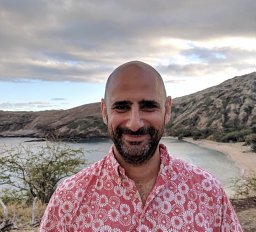 Anthony Amend合作论文数Department of Plant and Microbial Biology, University of California at Berkeley2Magnolia W. Morelli合作论文数1Ernie Vilela合作论文数1Josh Leon合作论文数1Matthew E. Nargol合作论文数1Wei Long Ow Yong合作论文数1Shonali Natu合作论文数1Susan Waller合作论文数1Lauren Semon合作论文数1Nish Shyam合作论文数1Celine Liu合作论文数1Katie King-Miaow合作论文数1




