The different types of muscle fibres respond in a specific way to hypertrophy or atrophy. The mechanisms underlying these heterogeneous adaptations remain poorly understood. Using single-nucleus RNA sequencing, we propose that fast glycolytic fibres show genetic limitations to hypertrophy induced by mechanical overload. We show that a prior fibre transition, achieved by reducing SIX1 protein expression (hypomorphism), enhances and accelerates overload-induced hypertrophy, bypassing the genetic limitations of fast glycolytic fibres. In contrast and unexpectedly, Six1 knockout in myofibers abolished overload-induced hypertrophy and instead caused atrophy of IIb/IIx fibers, despite the induction of a strong slow oxidative phenotype. In particular, Six1 deletion leads to metabolic defects caused by inhibition of glycolysis, AMPK and mitochondrial biogenesis. Our findings highlight the critical role of SIX1/AMPK/glycolysis-dependent aerobic metabolism in muscle growth and suggest that fibre type transitions, coupled with preserved metabolic function, may optimise hypertrophic responses. ### Competing Interest Statement The authors have declared no competing interest.
Objectives:Traumatic brain injury (TBI) is a major cause of mortality and long-term neurological disabilities. Adenosine monophosphate-activated protein kinase (AMPK), a key cellular energy sensor, plays a critical role in maintaining energy homeostasis. Loss of AMPK phosphorylation following TBI impairs the restoration of cellular energy homeostasis and promotes inflammation. In this study, we investigated whether post-TBI loss of AMPK worsens functional impairments, amplifies inflammation, and exacerbates tissue damage in a mouse model of TBI. Methods:Adult male C57BL/6 wild-type (WT) and (AMPKα1-KO) mice were subjected to TBI or sham surgery. Behavioral assessments were performed at 24 h post-TBI, followed by mice were anesthetized, and their brains were rapidly collected for histological and biochemical analyses. To further support our findings, mixed glial cells isolated from WT and AMPKα1-KO pups were treated with lipopolysaccharides and interferon-gamma (LI) (0.1 μg/ml LPS and 20 ng/ml IFNg) for 6 h to induce an inflammatory response. Results:Our results show that TBI reduces AMPK phosphorylation in WT mice and that AMPK loss correlates with worsened behavioral deficits, enhanced NLRP3 inflammasome activation, and elevated levels of pro-inflammatory mediators, including IL-1β. Similarly, AMPKα1-KO glial cells exhibited greater activation of NLRP3 inflammasome and higher expression of pro-inflammatory markers, such as IL-1β, IL-6, TNF-α, iNOS, and Cox 2, compared with WT cells. Conclusions:Collectively, our results demonstrate that AMPKα1 is a critical endogenous regulator of glial-driven neuroinflammation and secondary tissue damage following TBI. Restoring AMPKα1 activity after TBI may therefore represent a promising therapeutic strategy to attenuate neuroinflammation and limit TBI-associated neurological damage.
AimsAcute hypoglycaemia promotes pro-inflammatory cytokine production, increasing the risk for cardiovascular events in diabetes. AMP-activated protein kinase (AMPK) is regulated by and influences the production of pro-inflammatory cytokines. We sought to examine the mechanistic role of AMPK in low glucose-induced changes in the pro-inflammatory cytokine macrophage migration inhibitory factor (MIF), which is elevated in people with diabetes.MethodsMacrophage cell line Raw264.7 cells, primary macrophage bone marrow-derived macrophages obtained from wild-type mice or AMPK gamma 1 gain-of-function mice, were used, as were AMPK alpha 1/alpha 2 knockout mouse embryonic fibroblasts (MEFs). Allosteric AMPK activators PF-06409577 and BI-9774 were used in conjunction with inhibitor SBI-0206965. We examined changes in protein phosphorylation/expression using western blotting and protein localisation using immunofluorescence. Metabolic function was assessed using extracellular flux analyses and luciferase-based ATP assay. Cytokine release was quantified by enzyme-linked immunosorbent assay (ELISA). Oxidative stress was detected using a fluorescence-based reactive oxygen species (ROS) assay, and cell viability was examined using flow cytometry.ResultsMacrophages exposed to low glucose showed a transient and modest activation of AMPK and a metabolic shift towards increased oxidative phosphorylation. Moreover, low glucose increased oxidative stress and augmented the release of macrophage MIF. However, pharmacological activation of AMPK by PF-06409577 and BI-9774 attenuated low glucose-induced MIF release, with a similar trend noted with genetic activation using AMPK gamma 1 gain-of-function (D316A) mice, which produced a mild effect on low glucose-induced MIF release. Inhibition of NF & kgreen;B signalling diminished MIF release and AMPK activation modestly but significantly reduced low glucose-induced nuclear translocation of NF & kgreen;B.ConclusionsTaken together, these data indicate that pharmacological AMPK activation suppresses the release of MIF from macrophages caused by energy stress, suggesting that AMPK activation could be a useful strategy for mitigating hypoglycaemia-induced inflammation.
AMPK acts downstream of the tumor suppressor LKB1, yet its role in cancer has been controversial. AMPK is activated by biguanides, such as metformin and phenformin, and metformin use in diabetics has been associated with reduced cancer risk. However, whether this is mediated by cell-autonomous AMPK activation within tumor progenitor cells has been unclear. We report that T-cell-specific loss of AMPK-α1 caused accelerated growth of T cell acute lymphoblastic leukemia/lymphoma (T-ALL) induced by PTEN loss in thymic T cell progenitors. Oral administration of phenformin, but not metformin, delayed onset and growth of lymphomas, but only when T cells expressed AMPK-α1. This differential effect of biguanides correlated with detection of phenformin, but not metformin, in thymus. Phenformin also enhanced apoptosis in T-ALL cells both in vivo and in vitro. Thus, AMPK-α1 can be a cell-autonomous tumor suppressor in the context of T-ALL, and phenformin may have potential for the prevention of some cancers.
Metabolic reprogramming controls protective and pathogenic T helper 17 (TH17) cell responses. When naïve T cells are differentiated into TH17 cells in vitro, the presence of the cytokine activin A promotes their maturation into a nonpathogenic state. Here, we found that nonpathogenic TH17 cells induced by activin A displayed reduced aerobic glycolysis and increased oxidative phosphorylation (OXPHOS). In response to activin A, signaling through the adenosine A2A receptor (A2AR) and AMP-activated protein kinase (AMPK) enhanced OXPHOS and reprogrammed pathogenic TH17 cells toward nonpathogenic states that did not induce central nervous system autoimmunity in a mouse model of multiple sclerosis. In pathogenic TH17 cells, the transcriptional coactivator p300/CBP-associated factor (PCAF) increased acetylation at histone 3 Lys9 (H3K9ac) of genes involved in aerobic glycolysis and TH17 pathogenic programs. In contrast, in nonpathogenic activin A-treated TH17 cells, AMPK signaling suppressed PCAF-mediated H3K9ac modification of genes involved in aerobic metabolism and enhanced H3K9ac modification of genes involved in OXPHOS and nonpathogenic TH17 programs. Together, our findings uncover A2AR-AMPK signaling as a central metabolic checkpoint that suppresses TH17 cell pathogenicity.
Cryotherapy is a commonly used strategy for skeletal muscle recovery, although the efficacy of its use has been controversial. Therefore, more research is needed to understand under what circumstances it should be used. This study aimed to examine the cell-autonomous effects of acute cold exposure on primary mouse myoblasts, focusing on metabolic signaling through the AMPK/mTORC1 pathway. In it, we hypothesized that cold exposure (COLD) would impair myoblast proliferation, differentiation, and protein synthesis in an AMPK-dependent manner. Wild-type (WT) and AMPK double-knockout (dKO) myoblast cultures were treated at 37 °C or 26 °C to evaluate AMPK-dependent effects. As expected, 30 min of cold exposure activated AMPK and decreased mTORC1 activity and protein synthesis; however, mTORC1 and protein synthesis were downregulated independently of AMPK activation. Additionally, cold exposure suppressed proliferation 6 h post-treatment in WT, but not dKO, myoblasts. On the other hand, in differentiated WT and dKO cells, cold treatment did not influence myotube size, although dKO myotubes exhibited decreased fusion index and increased size compared to WT. These findings offer new insights into the cell-autonomous metabolic effects of cryotherapy in skeletal muscle and indicate that while COLD-induced AMPK activation contributes to impaired myoblast proliferation, AMPK is not necessary for the COLD-induced inhibition of the mTORC1 pathway and protein synthesis.
Metabolic reprogramming controls protective and pathogenic T helper 17 (T H 17) cell responses. When naïve T cells are differentiated into T H 17 cells in vitro, the presence of the cytokine activin A promotes their maturation into a nonpathogenic state. Here, we found that nonpathogenic T H 17 cells induced by activin A displayed reduced aerobic glycolysis and increased oxidative phosphorylation (OXPHOS). In response to activin A, signaling through the adenosine A 2A receptor (A 2A R) and AMP-activated protein kinase (AMPK) enhanced OXPHOS and reprogrammed pathogenic T H 17 cells toward nonpathogenic states that did not induce central nervous system autoimmunity in a mouse model of multiple sclerosis. In pathogenic T H 17 cells, the transcriptional coactivator p300/CBP-associated factor (PCAF) increased acetylation at histone 3 Lys 9 (H3K9ac) of genes involved in aerobic glycolysis and T H 17 pathogenic programs. In contrast, in nonpathogenic activin A–treated T H 17 cells, AMPK signaling suppressed PCAF-mediated H3K9ac modification of genes involved in aerobic metabolism and enhanced H3K9ac modification of genes involved in OXPHOS and nonpathogenic T H 17 programs. Together, our findings uncover A 2A R-AMPK signaling as a central metabolic checkpoint that suppresses T H 17 cell pathogenicity.
AMP-activated protein kinase (AMPK) plays a central role in regulating cell energy balance. When activated, AMPK suppresses energy-consuming pathways, such as lipid and protein synthesis, while increasing nutrient availability through the activation of autophagy. These pathways downstream of AMPK activation contribute to SARS-CoV-2 infection, which hijacks autophagy and accumulates lipid droplets in viral factories to support viral replication. Here, we assessed the antiviral activity of the direct pan-AMPK allosteric activator MK-8722 in vitro. MK-8722 efficiently inhibited infection of Alpha and Omicron SARS-CoV-2 variants in Vero76 and human bronchial epithelial Calu-3 cells at micromolar concentration. This inhibition relied on restoring the autophagic flux, which redirected newly synthesized viral proteins for degradation, and reduced lipid metabolism, which affected viral factories. Furthermore, MK-8722 treatment increased the type I interferon (IFN-I) response. Post-infection treatment with MK-8722 was enough to inhibit efficient viral replication and restore the IFN-I response. Finally, MK-8722 treatment did not alter the SARS-CoV-2-specific CD8+ T cell response mounted upon Spike vaccination. Overall, by activating AMPK, MK-8722 acts as an effective antiviral against SARS-CoV-2 infection, even when applied post-exposure, paving the way for preclinical tests aimed at inhibiting viral replication and improving patients' symptoms. IMPORTANCE:Coronavirus disease 2019, caused by SARS-CoV-2 infection, has led to severe acute respiratory syndrome with very high mortality. Despite available vaccines and public health measures, new SARS-CoV-2 variants emerge with increased transmissibility requiring the development of novel therapeutic strategies. Recently, the AMP-activated protein kinase (AMPK), a cellular energy sensor, has emerged as a potential broad-spectrum antiviral target, as AMPK can modulate the intracellular environment in turn impeding viral replication. This study aims to evaluate the potential of pharmacological activation of AMPK to inhibit SARS-CoV-2 infection and replication. Our findings demonstrate that AMPK activation induces significant alterations in host cellular lipid metabolism that disrupt viral factories essential for SARS-CoV-2 replication. Furthermore, by enhancing autophagy, a process crucial for the degradation and clearance of viral particles, AMPK activation facilitates the elimination of the virus. Therefore, targeting AMPK signaling pathways could offer a promising therapeutic approach for the treatment of SARS-CoV-2 infections.
The dietary intervention of calorie restriction(CR)is known to have the most profound effects on healthspan and lifespan across several species.In two recent back-to-back articles pub-lished in Nature,Qu et al.[1,2]revealed that lithocholic acid(LCA),a singular secondary bile acid found to be elevated in the serum of calorie-restricted mice,is sufficient to mimic the effects of CR by delaying the onset of age-associated pheno-types in mice,and promoting lifespan extension in nematodes and flies.The authors showed that the anti-ageing effects of LCA are mediated through a conserved mechanism resulting in the activation of the lysosomal adenosine-monophosphate(AMP)-activated protein kinase(AMPK)pathway through the TUB-like protein 3(TULP3)-sirtuin(SIRT)-vacuolar H+-ATPase(v-ATPase)axis to mediate the benefits of CR.
AMP-activated protein kinase (AMPK) plays a crucial role in governing essential cellular functions such as growth, proliferation, and survival. Previously, we observed increased vulnerability to bacterial ( Staphylococcus aureus) endophthalmitis in global AMPKa1 knockout mice. In this study, we investigated the specific involvement of AMPKa1 in myeloid cells using LysMCre;AMPKa1flmice. Our findings revealed that whereas endophthalmitis resolved in wild-type C57BL/6 mice, the severity of the disease progressively worsened in AMPKa1-deficient mice over time. Moreover, the intraocular bacterial load and inflammatory mediators (e.g., IL-1b, TNF-a, IL-6, and CXCL2) were markedly elevated in the LysMCre;AMPKa1flmice. Mechanistically, the deletion of AMPKa1 in myeloid cells skewed macrophage polarization toward the inflammatory M1 phenotype and impaired the phagocytic clearance of S. aureus by macrophages. Notably, transferring AMPK-competent bone marrow from wild-type mice to AMPKa1 knockout mice preserved retinal function and mitigated the severity of endophthalmitis. Overall, our study underscores the role of myeloid-specific AMPKa1 in promoting the resolution of inflammation in the eye during bacterial infection. Hence, therapeutic strategies aimed at restoring or enhancing AMPKa1 activity could improve visual outcomes in endophthalmitis and other ocular infections. The Journal of Immunology, 2024, 213: 1656-1665.
The capacity to effectively adapt metabolism to environmen-tal demands is crucial for cell viability,proliferation,and function.Recent discoveries in Cell Research have highlighted the role of the lysosomal pool of AMPK in promoting glutaminolysis during glucose shortage through the activa-tion of a PDZD8-GLS1 axis.
ABSTRACT Regular exercise elicits adaptations in glucose and lipid metabolism that allow the body to meet energy demands of subsequent exercise bouts more effectively and mitigate metabolic diseases including fatty liver. Energy discharged during the acute exercise bouts that comprise exercise training may be a catalyst for liver adaptations. During acute exercise, liver glycogenolysis and gluconeogenesis are accelerated to supply glucose to working muscle. Lower liver energy state imposed by gluconeogenesis and related pathways activates AMP-activated protein kinase (AMPK), which conserves ATP partly by promoting lipid oxidation. This study tested the hypothesis that AMPK is necessary for liver glucose and lipid adaptations to training. Liver-specific AMPKα1α2 knockout (LAKO) and wild type (WT) mice completed sedentary and exercise training protocols. Liver nutrient fluxes were quantified at rest or during acute exercise following training. Liver metabolites and molecular regulators of metabolism were assessed. Training increased liver glycogen in WT mice, but not in LAKO mice. The inability to increase glycogen led to lower glycogenolysis, glucose production, and circulating glucose during acute exercise in trained LAKO mice. Deletion of AMPKα1α2 attenuated training-induced declines in liver diacylglycerides. In particular, training lowered the concentration of unsaturated and elongated fatty acids comprising diacylglycerides in WT mice, but not in LAKO mice. Training increased liver triacylglycerides and the desaturation and elongation of fatty acids in triacylglycerides of LAKO mice. These lipid responses were independent of differences in tricarboxylic acid cycle fluxes. In conclusion, AMPK is required for liver training adaptations that are critical to glucose and lipid metabolism. NEW & NOTEWORTHY This study shows that the energy sensor and transducer, AMP-activated protein kinase, is necessary for an exercise training-induced: i) increase in liver glycogen that is necessary for accelerated glycogenolysis during exercise, ii) decrease in liver glycerolipids independent of TCA cycle flux, and iii) decline in the desaturation and elongation of fatty acids comprising liver diacylglycerides. The mechanisms defined in these studies have implications for use of regular exercise or AMPK-activators in patients with fatty liver.
The cellular mechanisms underlying axonal morphogenesis are essential to the formation of functional neuronal networks. We previously identified the autism-linked kinase NUAK1 as a central regulator of axon branching through the control of mitochondria trafficking. However, (1) the relationship between mitochondrial position, function and axon branching and (2) the downstream effectors whereby NUAK1 regulates axon branching remain unknown. Here, we report that mitochondria recruitment to synaptic boutons supports collateral branches stabilization rather than formation in mouse cortical neurons. NUAK1 deficiency significantly impairs mitochondrial metabolism and axonal ATP concentration, and upregulation of mitochondrial function is sufficient to rescue axonal branching in NUAK1 null neurons in vitro and in vivo. Finally, we found that NUAK1 regulates axon branching through the mitochondria-targeted microprotein BRAWNIN. Our results demonstrate that NUAK1 exerts a dual function during axon branching through its ability to control mitochondrial distribution and metabolic activity.
Metabolic programming underpins inflammation and liver macrophage activation in the setting of chronic liver disease. Here, we sought to identify the role of an important metabolic regulator, AMP-activated protein kinase (AMPK), specifically within myeloid cells during the progression of nonalcoholic steatohepatitis (NASH) and whether treatment with metformin, a firstline therapy for diabetes and activator of AMPK could stem disease progression. Male and female Prkaa1 fl / fl /Prkaa2 fl / fl (Flox) control and Flox- LysM -Cre & thorn; (MacKO) mice were fed a low-fat control or a choline-deficient, amino acid defined 45% Kcal high -fat diet (CDAHFD) for 8 weeks, where metformin was introduced in the drinking water (50 or 250 mg/kg/day) for the last 4 weeks. Hepatic steatosis and fibrosis were dramatically increased in response to CDAHFD-feeding compared to low-fat control. While myeloid AMPK signaling had no effect on markers of hepatic steatosis or circulating markers, fibrosis as measured by total liver collagen was significantly elevated in livers from MacKO mice, independent of sex. Although treatment with 50 mg/kg/day metformin had no effect on any parameter, intervention with 250 mg/kg/ day metformin completely ameliorated hepatic steatosis and fibrosis in both male and female mice. While the protective effect of metformin was associated with lower final body weight, and decreased expression of lipogenic and Col1a1 transcripts, it was independent of myeloid AMPK signaling. These results suggest that endogenous AMPK signaling in myeloid cells, both liver -resident and infiltrating, acts to restrict fibrogenesis during CDAHFD-induced NASH progression but is not the mechanism by which metformin improves markers of NASH.
PDF file - 61K, Supplemental figure 1: Characterization of astrocytes with HRasV12 expression and/or Pten deletion.
During acute exercise the liver increases glycogenolysis and the energetically costly process of gluconeogenesis to supply glucose to the working muscle. In response to exercise training, the liver undergoes adaptations in glucose and lipid metabolic pathways to more effectively meet the ATP demand of the next exercise bout. We tested the hypothesis that the energy sensor and master regulator of ATP provision, AMP-activated protein kinase (AMPK), is necessary for liver glucose and lipid adaptations to exercise training. This was accomplished by studying mice with liver-specific deletion of AMPK α1 and α2 subunits (KO) and wild type (WT) littermates undergoing sedentary and exercise training protocols. In vivo isotope infusions combined with 2H/13C metabolic flux analysis quantified liver nutrient fluxes at rest and during treadmill running. Liver metabolite concentrations and the expression of molecular regulators of liver nutrient metabolism were evaluated. The results of this study showed that liver glycogen deposition in response to exercise training was impaired in KO compared to WT mice and that this lower glycogen availability resulted in diminished glycogenolysis, glucose production, and circulating glucose during acute exercise. Exercise training decreased liver diacylglycerides (DAGs) in both genotypes, however, the response was less pronounced in KO mice. Moreover, exercise training led to higher liver triacylglycerides (TAGs) in KO mice. A lack of AMPK action prevented exercise training from promoting the desaturation of DAG fatty acyl chains as evidenced by higher 16:1/16:0 and 18:1/18:0 ratios in KO mice. Unexpectedly, the differences in DAG fatty acyl chain composition between genotypes were not observed in TAGs. Together, these results suggest that AMPK is a critical regulator of the liver glycogen and lipid availability and selectively remodels DAG fatty acyl chain composition in response to exercise training. Disclosure C.C.Hughey: None. D.Bracy: None. L.Lantier: None. M.Foretz: None. B.Viollet: None. D.Wasserman: None. Funding National Institutes of Health (DK050277, DK054902, DK059637, DK020593)
 Marc Foretz合作论文数Unitk de Bactkriologie Molhdaire et Mkdicale;Institut Pasteur;Unitk de Bactkriologie Molhdaire et Mkdicale, Institut Pasteur276
 Fabrizio Andreelli合作论文数Department of Endocrinology, Diabetologia and Nutrition, E. Herriot Hospital56Sophie Vaulont合作论文数45
 Bruno Guigas合作论文数35
 Kei Sakamoto合作论文数Univ Dundee, Coll Life Sci, MRC Prot Phosphorylat Unit, Dundee DD1 5EH, Scotland32
 Luc Bertrand合作论文数Christian de Duve International Institute of Cellular and Molecular Pathology, and University of Louvain Medical School31Jocelyne Leclerc合作论文数26
 Horman Sandrine合作论文数Institute of Cellular Pathology, Université catholique de Louvain;Metabolic Research Unit;Institute of Cellular Pathology, Université catholique de Louvain and26Jørgen F. P. Wojtaszewski合作论文数26
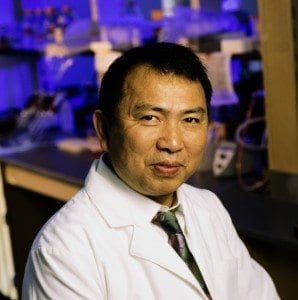 Ming-Hui Zou (邹明辉)合作论文数Byrdine F. Lewis College of Nursing and Health Professions, Georgia State University;Center for Molecular and Translational Medicine, Georgia State University24
 Christophe Beauloye合作论文数Division of Cardiology, University of Louvain Medical School21Louise Lantier合作论文数20
 Erik A. Richter合作论文数Department of Nutrition, Exercise and Sports, University of Copenhagen19
 Louis Hue合作论文数International Institute of Cellular and Molecular Pathology, Louvain University Medical School17Rémi Mounier合作论文数16
 Jonas T. Treebak合作论文数15Jerome Tamburini合作论文数14
 Rasmus Kjøbsted合作论文数Department of Nutrition, Exercise and Sports, University of Copenhagen13
 Jesper Bratz Birk合作论文数13
 David Carling合作论文数Institute of Clinical Sciences, Faculty of Medicine, Imperial College London;MRC Laboratory of Medical Sciences13sophie hebrard合作论文数12J. Leclerc合作论文数12
 Grahame Hardie合作论文数School of Life Sciences, University of Dundee12Mark H. Rider合作论文数Christian de Duve International Institute of Cellular and Molecular Pathology, and University of Louvain Medical School12
 Didier Vertommen合作论文数Institut de Duve, Université Catholique de Louvain12Séverine Olivier合作论文数11
 Joachim Fentz合作论文数11
 David H. Wasserman合作论文数Department of Molecular Physiology & Biophysics, School of Medicine, Vanderbilt University;Mouse Metabolic Phenotyping Center, School of Medicine, Vanderbilt University11
 Bernard Thorens合作论文数Center for Integrative Genomics, Faculty of Biology and Medicine, Universite de Lausanne11
 Andreas Daiber合作论文数Zentrum für Kardiologie, Universitätsmedizin der Johannes Gutenberg-Universität Mainz11
 Juleen Zierath合作论文数Department of Surgical Sciences, Integrative Physiology Karolinska Institutet;Marie Krogh Center for Metabolic Research, Copenhagen University;Department of Molecular Medicine and Surgery, Karolinska Institutet;Department of Physiology and Pharmacology, Karolinska Institutet10Jørgensen Sebastian B合作论文数10Hughey Curtis C合作论文数10
 Thomas Muenzel合作论文数Department of Cardiology, University Medical Center Mainz;Center of Cardiology, Johannes Gutenberg Universität Mainz10Matthias Oelze合作论文数10
 André Marette合作论文数Département De Médecine, Faculté De Médecine, Université Laval;Institut Sur La Nutrition Et Les Aliments Fonctionnels, Université Laval10Didier Bouscary合作论文数9
 Renee Ventura-Clapier合作论文数9
 Jean-Louis Vanoverschelde合作论文数9Mithieux Gilles合作论文数9Eberhard Schulz合作论文数9
 Shailendra Giri合作论文数Department of Biochemistry;graduate Institute of Medical Education and Research, Post;Department of Biochemistry|Postgraduate Institute of Medical Education and Research9
 Dietbert Neumann合作论文数Department of Pathology, School for Cardiovascular Disease, Maastricht University9Peter Schjerling合作论文数Muscle Research Centre;Dept . of Molecular Muscle Biology;Dept . of Molecular Muscle Biology, Muscle Research Centre9
 Christophe Magnan合作论文数8N. Taleux合作论文数8Véronique Fauveau合作论文数8Adrien Grenier合作论文数8




