We developed a stepwise method to transform Chlorella sorokiniana microalgal biomass into a potent biostimulant. The method, including maceration, high-pressure homogenization, and enzymatic hydrolysis, preserves the bioactive properties of the biomass as a biostimulant while minimizing plant inhibitory effects. Fractions were characterized individually, and optimal concentrations were determined using a rapid Arabidopsis root assay. A blend of optimal concentrations of fractions was identified as the most stimulating extract, increasing the root elongation by 25%. When applied to tomato plants and monitored using high-throughput plant phenotyping, the blend displayed a 25 % reduction in mineral fertilizer use. Metabolomic analysis of the tomato plants showed significantly enhanced carbon and nitrogen metabolism in the leaves. Our findings indicate that the stepwise processing not only produces an effective biostimulant but also generates substantial residual biomass for a potential multiproduct biorefinery approach that can improve the overall techno-economic outlook.
Mycosporine-like amino acids (MAAs) are biomolecules known for their unique ultraviolet (UV) protective properties in nature. Albeit their widespread commercial use is limited due to low biosynthetic yields, complex purification processes, and high production costs. This study, for the first time, assessed the MAA production capacity and UV protection potential of hydroethanolic extracts from the Antarctic psychrotolerant green microalga Coccomyxa subellipsoidea, without subjecting them to additional purification steps beyond those performed using a fraction collector HPLC. Microalgae were exposed to UVA or UVB radiation for various durations alongside high light to enhance MAA synthesis. Following 72 h of increased PAR and UVB exposure, which led to maximum yield, fatty acid methyl esters and MAA analyses were conducted on the same biomass. The UV-driven induction of MAA production was accompanied by an increase of up to 22 % in the saturation of fatty acids. Spectroscopic and chromatographic analyses confirmed the presence of mycosporine-glycine and shinorine in the hydroethanolic extract which had an in vitro sun protection factor equivalent of 7.3. Elevated antioxidant activity and total phenolic content highlight the richness of bioactive compounds in the extract. Moreover, the extracts exhibited significant stability under various light and dark storage conditions with a maximum loss of 30 % over 60 days. In conclusion, the MAAs obtained from C. subellipsoidea through a cost-effective and purification-free approach demonstrate impressive SPF, stability, and antioxidant properties. This indicates their potential to help develop new biobased, stable UV filters for cosmetics, offering a sustainable alternative to synthetic ones.
Worldwide, where the demand for novel and greener solutions for sustainable agricultural production is increasing, the use of eco-friendly products such as seaweed-derived biostimulants as pre-sowing treatment represent a promising and important approach for the future. Cystoseira barbata, a brown seaweed species abundant in the Mediterranean Region, was collected from the Marmara Sea and subjected to water, alkali, and acidic extractions, and the biostimulant activity of these extracts was tested on wheat (Triticum durum cv. Saricanak-98) using different rates through application to the seeds or germination medium (substrate) applications. The different extracts were characterized by mineral, total phenolic, free amino acid, mannitol, polysaccharide, antioxidant concentrations and hormone-like activity. The effects of the extracts on growth parameters, root morphology, esterase activity, and mineral nutrient concentrations of wheat seedlings were investigated. Our results suggest that the substrate application was more effective in enhancing the seedling performance compared to the seed treatment. High rates of seaweed extracts applied to substrates increased the shoot length and fresh weight of wheat seedlings by up to 20 and 25%, respectively. The substrate applications enhanced the root fresh weights of wheat seedlings by up to 25% when compared to control plants. Among the biostimulant extract applications, the water extract at the highest rate yielded the most promising results in terms of the measured parameters. Cystoseira barbata extracts with different compositions can be used as effective biostimulants to boost seedling growth. The local seaweed biomass affected by mucilage problems, has great potential as a bioeconomy resource and can contribute to sustainable practices for agriculture.
In this study, two different green microalgae, Chlamydomonas nivalis (C. nivalis) and Nannochloropsis gaditana (N. gaditana), were cultivated in open ponds and the harvested wet biomass was converted to bio-crude by hydrothermal liquefaction (HTL) with/without catalyst. Catalytic HTL experiments were performed by using copper -exchanged zeolites including Cu-MOR, Cu-ZSM-5, and Cu-SSZ13, synthesized by recently developed supercritical ion exchange method using scCO2. The composition of all bio-crudes was analyzed by elemental analysis and GC/MS. First, the effects of different operating conditions on the yields of the products and the biocrude composition were determined for non -catalytic process. Temperature, duration, and water/algae biomass ratio in the feed were the process parameters investigated in the ranges of 250-350 degrees C, 10-60 min, and 5-20 wt %, respectively. For C. nivalis, 300 degrees C, 60 min, and water/algae ratio of 4 were the optimum conditions which led to maximum bio-crude yield of 18.8 wt%, while 300 degrees C, 30 min, and water/algae ratio of 9 were the optimum ones for N. gaditana at which the maximum bio-crude yield of 34.0 wt% was observed. Bio-crude yield of N. gaditana was improved using Cu-MOR, while using catalysts for the case of C. nivalis resulted in more gasification with no positive effect on bio-crude yield. Moreover, elemental analysis showed that the fraction of nitrogen and oxygen in biocrude decreased in catalytic HTL runs, in line with the GC/MS results showing that the concentration of hydrocarbons and cyclic compounds increased in the presence of catalysts accompanied by a decrease in concentration of nitrogenous compounds.
Bioassays are the main tool to decipher bioactivities from natural resources thus their selection and quality are critical for optimal bioprospecting. They are used both in the early stages of compounds isolation/purification/identification, and in later stages to evaluate their safety and efficacy. In this review, we provide a comprehensive overview of the most common bioassays used in the discovery and development of new bioactive compounds with a focus on marine bioresources. We present a comprehensive list of practical considerations for selecting appropriate bioassays and discuss in detail the bioassays typically used to explore antimicrobial, antibiofilm, cytotoxic, antiviral, antioxidant, and anti-ageing potential. The concept of quality control and bioassay validation are introduced, followed by safety considerations, which are critical to advancing bioactive compounds to a higher stage of development. We conclude by providing an application-oriented view focused on the development of pharmaceuticals, food supplements, and cosmetics, the industrial pipelines where currently known marine natural products hold most potential. We highlight the importance of gaining reliable bioassay results, as these serve as a starting point for application-based development and further testing, as well as for consideration by regulatory authorities.
Download This Paper Open PDF in Browser Add Paper to My Library Share: Permalink Using these links will ensure access to this page indefinitely Copy URL Copy DOI
Aquaculture has been one of the fastest-growing food production systems sectors for over three decades. With its growth, the demand for alternative, cheaper and high-quality feed ingredients is also increasing. Innovation investments on providing new functional feed alternatives have yielded several viable alternative raw materials. Considering all the current feed ingredients, their circular adaption in the aquafeed manufacturing industry is clearly of the utmost importance to achieve sustainable aquaculture in the near future. The use of terrestrial plant materials and animal by-products predominantly used in aquafeed ingredients puts a heavily reliance on terrestrial agroecosystems, which also has its own sustainability concerns. Therefore, the aquafeed industry needs to progress with functional and sustainable alternative raw materials for feed that must be more resilient and consistent, considering a circular perspective. In this review, we assess the current trends in using various marine organisms, ranging from microorganisms (including fungi, thraustochytrids, microalgae and bacteria) to macroalgae and macroinvertebrates as viable biological feed resources. This review focuses on the trend of circular use of resources and the development of new value chains. In this, we present a perspective of promoting novel circular economy value chains that promote the re-use of biological resources as valuable feed ingredients. Thus, we highlight some potentially important marine-derived resources that deserve further investigations for improving or addressing circular aquaculture.
Natural Products (NP) are essential for the discovery of novel drugs and products for numerous biotechnological applications. The NP discovery process is expensive and time-consuming, having as major hurdles dereplication (early identification of known compounds) and structure elucidation, particularly the determination of the absolute configuration of metabolites with stereogenic centers. This review comprehensively focuses on recent technological and instrumental advances, highlighting the development of methods that alleviate these obstacles, paving the way for accelerating NP discovery towards biotechnological applications. Herein, we emphasize the most innovative high-throughput tools and methods for advancing bioactivity screening, NP chemical analysis, dereplication, metabolite profiling, metabolomics, genome sequencing and/or genomics approaches, databases, bioinformatics, chemoinformatics, and three-dimensional NP structure elucidation.
Microalgae and cyanobacteria are diverse groups of organisms with great potential to benefit societies across the world. These organisms are currently used in food, feed, pharmaceutical and cosmetic industries. In addition, a variety of novel compounds are being isolated. Commercial production of photosynthetic microalgae and cyanobacteria requires cultivation on a large scale with high throughput. However, scaling up production from lab-based systems to large-scale systems is a complex and potentially costly endeavor. In this review, we summarise all aspects of large-scale cultivation, including aims of cultivation, species selection, types of cultivation (ponds, photobioreactors, and biofilms), water and nutrient sources, temperature, light and mixing, monitoring, contamination, harvesting strategies, and potential environmental risks. Importantly, we also present practical recommendations and discuss challenges of profitable large-scale systems associated with economical design, effective operation and maintenance, automation, and shortage of experienced phycologists.
PTEN and PIK3CA mutations are the most prevalent PI3K pathway alterations in prostate, breast, colorectal, and endometrial cancers. p110β becomes the prominent PI3K isoform upon PTEN loss. In this study, we aimed to understand the molecular mechanisms of PI3K dependence in the absence of PTEN. Using online bioinformatical tools, we examined two publicly available microarray datasets with aberrant PI3K activation. We found that the rate-limiting enzyme of cholesterol biogenesis, SQLE, was significantly upregulated in p110β-hyperactivated or PTEN-deficient mouse prostate tumors. Concomitantly, the expression of cholesterol biosynthesis pathway enzymes was directly correlated with PI3K activation status in microarray datasets and diminished upon PTEN re-expression in PTEN-null prostate cancer cells. Particularly, PTEN re-expression decreased SQLE protein levels in PTEN-deficient prostate cancer cells. We performed targeted metabolomics and detected reduced levels of cholesteryl esters as well as free cholesterol upon PTEN re-expression. Notably, PTEN-null prostate and breast cancer cell lines were more sensitive to pharmacological intervention with the cholesterol pathway than PTEN-replete cancer cells. Since steroid hormones use sterols as structural precursors, we studied whether cholesterol biosynthesis may be a metabolic vulnerability that enhances antihormone therapy in PTEN-null castration-resistant prostate cancer cells. Coinhibition of cholesterol biosynthesis and the androgen receptor enhanced their sensitivity. Moreover, PTEN suppression in endocrine therapy-resistant luminal-A breast cancer cells leads to an increase in SQLE expression and a corresponding sensitization to the inhibition of cholesterol synthesis. According to our data, targeting cholesterol biosynthesis in combination with the hormone receptor signaling axis can potentially treat hormone-resistant prostate and breast cancers.
Bu çalışmada besleyici öğeler açısından zengin, farklı fonksiyonel gıdalarda kullanımı giderek yaygınlaşan Chlorella vulgaris türü mikroalglerde bulunan B vitamini içeriklerinin 125°C sıcaklıkta ve 35 dakikalık pişirme koşulları altında değişimi incelenmiştir. Ultra yüksek performanslı sıvı kromatografisi-yüksek çözünürlüklü kütle spektrometresi (UHPLC-HR/MS) kullanılarak gerçekleştirilen ölçümlerde 35 dakikalık pişirme süresi sonrası B1 (tiamin), B2 (riboflavin), B3 (niasin), ve B6 (piridoksin) vitaminlerinin pişirme işlemine maruz bırakılmayan kontrol grubuna kıyasla istatistiki olarak anlamlı şekilde (p0.05) gözlenmiştir. Otuz beş dakikalık uzun ısıl işlemlerinin, kalın bir hücre çeperine sahip Chlorella vulgaris mikroalg türünde daha fazla B vitamini açığa çıkmasına yardımcı olabileceği; böylelikle ısıl işlemlere karşı hassas olan ve pişirme sonrası bozunduğu bilinen B vitaminlerinin, Chlorella vulgaris türü mikroalglerde pişirme sırasında korunarak fonksiyonel gıda ürünlerinde kullanılabileceği değerlendirilmiştir.
The black mussel Mytilus galloprovincialis is an ideal organism for studying adaptation as it inhabits highly variable environments. We examined its acclimation to long-term, time-series osmostress utilizing RNA-seq based transcriptomics approaches. In our results, osmotic homeostasis was enhanced by alterations of membrane permeability and nitrogen metabolism. Cholinergic ciliary stimulation and calcium signaling were involved in the response. Genes encoding protein turnover, carbohydrate metabolism/catabolism, nucleotide metabolism, arachidonic acid metabolism, aerobic and anaerobic energy metabolisms, and apoptosis were all inversely regulated with salinity. In addition to the existing literature, we encountered two important metabolic regulations; first, involvement of anaerobic to aerobic metabolism that was suggested in bivalves before, and second, regulation of PEPCK with OXPHOS and glycolysis genes. These two regulations attracted our attention, especially in terms of their similarities to the metabolic regulations seen in cancer cells. Although there are many types/causes of cancer, there are common adaptations that support survival/proliferation, such as the aforementioned metabolic regulations and apoptosis suppression. In our study, parallel with these metabolic regulations, p53 and p63 originated apoptosis were present with the participation of TP53 apoptosis effector (PERP), TLRs, and TNFSF14. Understanding genes/pathways/modifications that trigger the mechanism that sets off cell death in this context in our study can be promising for cancer and in developing therapeutic and protective products such as vaccines.
Phycocyanin is a water-soluble, blue-colored phycobiliprotein mainly found in cyanobacteria and Rhodophyta. Major commercial interest exists on phycocyanin as an important ingredient for food, pharmaceutical and cosmetics applications. Despite the common interest from industry, there is no dedicated method for optimized extraction of phycocyanin from different species. Yet, biomass type and choice of pretreatment have major influences on the extraction yield and final purity of phycocyanin. Various impurities such as cell debris and other photosynthetic pigments also decrease the quality of extracted phycocyanin. In this study, wet and lyophilized biomass samples from several cyanobacteria (including a local isolate) and a red microalga species were harvested and pretreated with bead-beating, mortar and pestle homogenization, freeze–thaw cycling and sonication techniques. High concentration yielding phycocyanin extracted from Phormidium sp., Synechocystis sp., Desertifilum tharense, Nostoc sp., and Galdieria sulphuraria were purified by ammonium sulfate fractionation combined with acetate buffer elution method. Bead-beating was found to be the most efficient pretreatment technique for the extraction of phycocyanin from the majority of tested biomass samples. Phycocyanin from Synechocystis sp. and Phormidium sp. was further purified with anion exchange chromatography. Overall, food grade phycocyanin (purity ratio A620/A280 > 0.7) extraction was achieved for all tested biomass samples except Scytonema sp. Biomass samples from Synechocystis sp. yielded analytical grade phycocyanin (purity ratio > 4), one of the highest values observed in literature.
Chlorella vulgaris has gained popularity in recent years as a functional food ingredient with its highly nutritious profile. In this study, we have explored the effects of baking at 125 C for 15 min to C. vulgaris CCAP 211/11b on the biomass's water soluble carbohydrate and protein contents, total lipids, and soluble vitamins (B1, B2, B3, B5, B7, B9, B12 and C). Control (raw) and experimental (baked) groups' average soluble carbohydrate content varied between 26 and 27%, soluble proteins 21-23%, and total lipids 7-9% of dried cell weight indicating no sig-nificant effects of baking process on C. vulgaris. Results of liquid chromatography-mass spectrometer (LC-MS/MS) showed that baking also had no significant effect on vitamins except B3. Vitamins B1, B2, and B3 were higher in baked samples compared to the control group. Overall, C. vulgaris deemed suitable for addition to functional food recipes with short baking durations considering the durability of main biochemical components as well as water soluble vitamins.
Microalgae and cyanobacteria can produce a large portfolio of biocompounds, commonly pursued by several industries. Despite the general interest and knowledge of microalgae cultivation and processing, optimizing product quality and generating higher yields are always desired. Meanwhile, a majority of valuable metabolites are often synthesized at higher quantities upon exposure to stress, creating an inverse correlation between biomass productivity and product titres. As metabolism combines both anabolic and catabolic reactions, it is utmost important to comprehend key gene regulation and pathway mechanisms to understand final accumulation of target metabolites. In this chapter, we have provided a general overview of 'omics' tools covering genomics, transcriptomics, metabolomics, and proteomics to understand metabolic pathways related to commercial scale production of key microalgae and cyanobacteria metabolites, such as carotenoids (beta-carotene, astaxanthin, lutein, fucoxanthin), omega fatty acids, and phycocyanin. Information provided in this chapter is meant to demonstrate the power of these tools to help improve production metrics of metabolites relevant to commercial scale production.
Algae have become one of the most environmentally sustainable feedstocks for several products in energy, food, agriculture, and health sectors driven with a bioeconomy perspective. Meanwhile, algae also carry huge potential of carbon capture and nutrient removal from gaseous or aqueous waste streams, respectively. Once their superior photosynthetic capabilities can be combined with diverse functions of bacteria capable of biotransforming hazardous contaminants, the applications for biological wastewater treatment expand considerably. This chapter addresses the recent developments in algae–bacteria consortia for the treatment of domestic and industrial waste streams. Algae species can tolerate extreme conditions and have the capability to remove both organic and inorganic contaminants under photoautotrophic conditions. Certain species of bacteria also capable of biotransforming key hazardous pollutants can be used to establish mutually beneficial consortia based on carbon-oxygen exchange with algae. As a result, low-cost, high-performance (de)centralized biological treatment systems can be for offered for hard-to-treat industrial and conventional domestic wastewater streams.
Chlorococcum novae-angliae is a terrestrial green microalgae species with remarkable potential to synthesize omega-3 (ω-3) and omega-6 (ω-6) fatty acids. In this study, Chlorococcum novae-angliae has been subjected to varying growth conditions (light, nitrogen, salinity, and temperature) to investigate the accumulation of ω-3 and ω-6 fatty acids. Among tested growth conditions, eicosapentaenoic acid, α-linoleic acid, γ-linoleic acid, and arachidonic acid were enhanced by nitrogen limitation. Significant increases were observed in concentration of linoleic acid, an essential precursor molecule for the production ω-6 fatty acids under decreased nitrogen concentrations. Despite the lowest biomass growth, monounsaturated fatty acids and docosahexaenoic acid were increased by 14.4% and 8.7% under low light intensities, respectively. Meanwhile, the highest concentrations of palmitic acid (C16:0), stearic acid (C18:0), and oleic acid (18:1cis-9) were also detected under nitrogen limitation. Total lowest fatty acid concentrations were obtained under increased salinity while low temperature conditions heavily inhibited cellular growth.
Algae, which has high photosynthetic efficiency, non-arable land requirement and the ability to utilize salt or brackish water, is a promising renewable source for biofuel and other value-added biochemical production. Examination of the economic viability of such algae-based bioproducts is trending. The results of the examinations indicate that many parameters are decreasing the viability of the commercialization of algal biofuels and other commodity products. This chapter covers several different components of an integrated algal biorefinery, as an alternative approach to democratize algal products by decreasing the costs of production. The main sections touch base on strain improvements and other upstream components followed by sustainability issues. The chapter is finalized with the techno-economic assessments (TEA) of algal biorefineries with various production scenarios. The major components affecting the total cost of algal biochemical production are indicated by TEA, and their effect on the viability of the biorefineries are discussed.
 Sharon Walker合作论文数College of Engineering, Drexel University14
 Mohsen Ghafari合作论文数Dept Civil Struct & Environm Engn, Univ Buffalo7
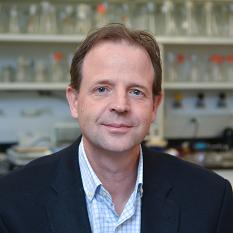 Jodan Peccia合作论文数School of Engineering & Applied Science, Yale University7
 Fahri Koray Sakarya合作论文数Institute of Environmental Sciences, Bogazici University6
 Bayram Engin合作论文数6
 Eryn Matich合作论文数6
 Carl H. Bolster合作论文数Agricultural Research Service, United States Department of Agriculture5
 Blaine A. Pfeifer合作论文数Dept Chem & Biol Engn, SUNY Buffalo5
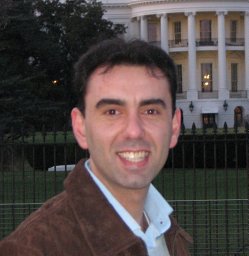 Hamid Rismani-Yazdi合作论文数Department of Chemical Engineering, Yale University5
 Metin Duran合作论文数Civil and Environmental Engineering Department, Villanova University5
 Duygu Ozcelik合作论文数4
 Susana P Gaudencio合作论文数4
 Ulas Tezel合作论文数School of Civil and Environmental Engineering, Georgia Institute of Technology4
 G. Ekin Atilla-Gokcumen合作论文数4
 Diana S. Aga合作论文数Department of Chemistry, College of Arts and Sciences, University at Buffalo;Research and Education in Energy, Environment, and Water Institute, University at Buffalo4Deena Butryn合作论文数3
 Lucie Novoveská合作论文数Ocean4Biotech3Deniz Tasdemir合作论文数3
 Ana Rotter合作论文数Department of Biotechnology and Systems Biology, National Institute of Biology3
 Ivo Safarik合作论文数3
 Marlen Vasquez合作论文数Department of Civil and Environmental Engineering, University of Cyprus3
 Giovanna Cristina Varese合作论文数Department of Plant Biology, University of Turin3Deniz Yurtsever合作论文数3
 Lada Lukic-Bilela合作论文数3
 Sema Sirin合作论文数2Luke Scannell合作论文数2Hyunjung Kim合作论文数2
 Johannes Kisser合作论文数2
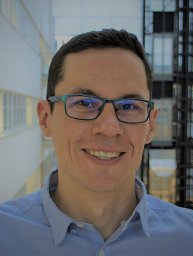 Erik Chovancek合作论文数Dept Plant Physiol, Slovak Univ Agr2Maria Wirth合作论文数2
 Tjasa Griessler Bulc合作论文数Faculty of Civil and Geodetic Engineering, University of Ljubljana2
 Katja Klun合作论文数Natl Inst Biol, Marine Biol Stn2Evita Strode合作论文数2
 Julie Zimmerman合作论文数Center for Green Chemistry and Green Engineering, School of the Environment, Yale University;Department of Chemical and Environmental Engineering, School of Engineering and Applied Sciences, Yale University2
 Celine Rebours合作论文数2
 Aida Bani合作论文数Faculty of Agronomy and Environment, Agricultural University of Tirana2
 Martina Jokel合作论文数Laboratory of Molecular Plant Biology, University of Turku2
 David M. Blersch合作论文数2Martinez Alexia合作论文数2
 Scott A. Bradford合作论文数Agricultural Research Service, U.S. Department of Agriculture2
 Grietje Zeeman合作论文数Environmental Technology, Wageningen University & Research2
 Emine Ertekin Yildizcan合作论文数2
 Ibrahim C. Haznedaroglu合作论文数Hacettepe University Hospital;Hacettepe University Medical School in Ankara2
 Jonne Kotta合作论文数Department of Marine Systems, Estonian Marine Institute, Faculty of Science and Technology, University of Tartu2
 Virginia Del Solar合作论文数Facultad de Química, Universidad de Oviedo2Dolja K Pavlova合作论文数University of Sofia;Faculty of Biology;Department of Botany;Faculty of Biology, University of Sofia2
 Orhan Tufan Eroldoğan合作论文数Dept Aquaculture, Cukurova Univ2
 Bart De Gusseme合作论文数Laboratory of Microbial Ecology and Technology (LabMET),, Ghent University2
 Zeynep Cetecioglu Gurol合作论文数Department of Industrial Biotechnology, KTH Royal Institute of Technology2




