Mitosis in cell treated with eribulin+CENP-E inhibitor. Although the multipolar spindle is focused into a bipolar spindle early in mitosis, the cell enters anaphase with multiple polar chromosomes and both daughter cells die.
Mitotic Arrest Deficient 1 (MAD1), an essential component of the mitotic spindle assembly checkpoint, is commonly overexpressed in breast cancers where it serves as a marker of poor prognosis. MAD1 overexpression is sufficient to permit nontransformed cells to form orthotopic mammary tumors and to promote tumorigenesis in a recently described mouse model with inducible expression of endogenous Mad1. However, the mechanism of MAD1 upregulation in cancer is unclear. Here we report a 440 bp region of the MAD1L1 promoter that confers a repressive phenotype on MAD1L1 transcription. Bioinformatics analysis implicated Histone Deacetylase 1 (HDAC1) in MAD1L1 transcriptional regulation. Consistent with this, HDAC1 localizes to the MAD1L1 promoter and HDAC inhibition increases MAD1 mRNA and protein expression. The MAD1L1 repressive region contains a partial binding site for RE1-Silencing Transcription factor (REST), which utilizes HDAC1 as a cofactor. REST overexpression decreases MAD1 expression. Moreover, breast cancer patient samples show a significant negative correlation between REST and MAD1L1 mRNA expression. These results support a model in which an altered transcriptional program downstream of loss of the tumor suppressor REST, which normally represses MAD1L1 transcription by recruiting HDAC1-containing repressive complexes, contributes to MAD1 overexpression in breast cancer.
Continuous chromosome missegregation over successive mitotic divisions, known as chromosomal instability (CIN), is common in cancer. Increasing CIN above a maximally tolerated threshold leads to cell death due to loss of essential chromosomes. Here, we show in two tissue contexts that otherwise isogenic cancer cells with higher levels of CIN are more sensitive to ionizing radiation, which itself induces CIN. CIN also sensitizes HPV-positive and HPV-negative head and neck cancer patient derived xenograft (PDX) tumors to radiation. Moreover, laryngeal cancers with higher CIN prior to treatment show improved response to radiation therapy. In addition, we reveal a novel mechanism of radiosensitization by docetaxel, a microtubule stabilizing drug commonly used in combination with radiation. Docetaxel causes cell death by inducing CIN due to abnormal multipolar spindles rather than causing mitotic arrest, as previously assumed. Docetaxel-induced CIN, rather than mitotic arrest, is responsible for the enhanced radiation sensitivity observed in vitro and in vivo, challenging the mechanistic dogma of the last 40 years. These results implicate CIN as a potential biomarker and inducer of radiation response, which could provide valuable cancer therapeutic opportunities. Statement of Significance:Cancer cells and laryngeal tumors with higher chromosome missegregation rates are more sensitive to radiation therapy, supporting chromosomal instability as a promising biomarker of radiation response.
Abstract Drugs that perturb microtubules are commonly used to treat breast cancers of all subtypes in both early stage and metastatic disease, but they are effective in only approximately 50% of patients. High concentrations of microtubule-targeting agents can elicit mitotic arrest in cell culture models; however, recent evidence from primary and metastatic breast cancers has revealed that these agents only accumulate at intratumoral levels capable of inducing abnormal multipolar mitotic spindles, not mitotic arrest. Although the maintenance of multipolar spindles can generate cytotoxic rates of chromosomal instability (CIN), focusing of aberrant multipolar spindles into normal bipolar spindles can dramatically reduce CIN and confer resistance to microtubule poisons. Here, we showed that inhibition of the mitotic kinesin centromeric-associated protein-E (CENP-E) overcomes resistance caused by focusing multipolar spindles. Clinically relevant microtubule-targeting agents used a mechanistically conserved pathway to induce multipolar spindles without requiring centrosome amplification. Focusing could occur at any point in mitosis, with earlier focusing conferring greater resistance to antimicrotubule agents. CENP-E inhibition increased CIN on focused spindles by generating chromosomes that remained misaligned at spindle poles during anaphase, which substantially increased death in the resulting daughter cells. CENP-E inhibition synergized with diverse, clinically relevant microtubule poisons to potentiate cell death in cell lines and suppress tumor growth in orthotopic tumor models. These results suggest that primary resistance to microtubule-targeting drugs can be overcome by simultaneous inhibition of CENP-E. Significance: The increased incidence of polar chromosomes induced by inhibition of the mitotic kinesin CENP-E exacerbates chromosomal instability, reduces daughter cell viability, and improves sensitivity to microtubule-targeting therapies.
Mitotic Arrest Deficient 1 (gene name MAD1L1), an essential component of the mitotic spindle assembly checkpoint, is frequently overexpressed in colon cancer, which correlates with poor disease-free survival. MAD1 upregulation induces two phenotypes associated with tumor promotion in tissue culture cells-low rates of chromosomal instability (CIN) and destabilization of the tumor suppressor p53. Using CRISPR/Cas9 gene editing, we generated a novel mouse model by inserting a doxycycline (dox)-inducible promoter and HA tag into the endogenous mouse Mad1l1 gene, enabling inducible expression of HA-MAD1 following exposure to dox in the presence of the reverse tet transactivator (rtTA). A modest 2-fold overexpression of MAD1 in murine colon resulted in decreased p53 expression and increased mitotic defects consistent with CIN. After exposure to the colon-specific inflammatory agent dextran sulfate sodium (DSS), 31% of mice developed colon lesions, including a mucinous adenocarcinoma, while none formed in control animals. Lesion incidence was particularly high in male mice, 57% of which developed at least one hyperplastic polyp, adenoma or adenocarcinoma in the colon. Notably, mice expressing HA-MAD1 also developed lesions in tissues in which DSS is not expected to induce inflammation. These findings demonstrate that MAD1 upregulation is sufficient to promote colon tumorigenesis in the context of inflammation in immune-competent mice.
This file contains supplementary figures S1-S4. These illustrate correlation of ploidy from chromosome 17 FSIH versus 6-chromosome FISH, chromosome spreads of cell lines, additional dose-response curves, and data demonstrating DPBQ does not operate by binding DNA or by inhibiting topoisomerase II.
Table S3. Results from multivariable regression, related to Figure 3.
Figure S4. Misaligned chromosomes are the predominant mitotic error in breast cancer organoids. A. Biopsies of primary breast cancer were grown in Matrigel suspension into patient-derived organoids (PDOs), which were prepared for immunofluorescence and confocal imaging. B. Representative images of mitotic cells with misaligned chromosomes observed in PDOs. C. Frequency of mitotic defects assessed in PDOs from 10 patients. P values derived from unpaired t-test.
Chromosomal instability (CIN), the persistent reshuffling of chromosomes during mitosis, is a hallmark of human cancers that contributes to tumor heterogeneity and has been implicated in driving metastasis and altering responses to therapy. Though multiple mechanisms can produce CIN, lagging chromosomes generated from abnormal merotelic attachments are the major cause of CIN in a variety of cell lines, and are expected to predominate in cancer. Here, we quantify CIN in breast cancer using a tumor microarray, matched primary and metastatic samples, and patient-derived organoids from primary breast cancer. Surprisingly, misaligned chromosomes are more common than lagging chromosomes and represent a major source of CIN in primary and metastatic tumors. This feature of breast cancers is conserved in a majority of breast cancer cell lines. Importantly, though a portion of misaligned chromosomes align before anaphase onset, the fraction that remain represents the largest source of CIN in these cells. Metastatic breast cancers exhibit higher rates of CIN than matched primary cancers, primarily due to increases in misaligned chromosomes. Whether CIN causes immune activation or evasion is controversial. We find that misaligned chromosomes result in immune-activating micronuclei substantially less frequently than lagging and bridge chromosomes and that breast cancers with greater frequencies of lagging chromosomes and chromosome bridges recruit more stromal tumor-infiltrating lymphocytes. These data indicate misaligned chromosomes represent a major mechanism of CIN in breast cancer and provide support for differential immunostimulatory effects of specific types of CIN. Significance:We surveyed the single-cell landscape of mitotic defects that generate CIN in primary and metastatic breast cancer and relevant models. Misaligned chromosomes predominate, and are less immunostimulatory than other chromosome segregation errors.
Microtubule-targeted agents are commonly used for cancer treatment, though many patients do not benefit. Microtubule-targeted drugs were assumed to elicit anticancer activity via mitotic arrest because they cause cell death following mitotic arrest in cell culture. However, we recently demonstrated that intratumoral paclitaxel concentrations are insufficient to induce mitotic arrest and rather induce chromosomal instability (CIN) via multipolar mitotic spindles. Here, we show in metastatic breast cancer and relevant human cellular models that this mechanism is conserved among clinically useful microtubule poisons. While multipolar divisions typically produce inviable progeny, multipolar spindles can be focused into near-normal bipolar spindles at any stage of mitosis. Using a novel method to quantify the rate of CIN, we demonstrate that cell death positively correlates with net loss of DNA. Spindle focusing decreases CIN and causes resistance to diverse microtubule poisons, which can be counteracted by addition of a drug that increases CIN without affecting spindle polarity. These results demonstrate conserved mechanisms of action and resistance for diverse microtubule-targeted agents. Trial registration: clinicaltrials.gov, NCT03393741.
Cancer cells with higher CIN are more sensitive to radiation therapy in vitro and in vivo. This was true for different types of mitotic errors and in different cancer models implying this is likely tumor type agnostic. Importantly, laryngeal tumors with higher baseline levels of CIN had an improved response to definitive radiation therapy, implying increased radiation sensitivity. These studies have potential implications for personalization of radiation dose.
Figure S1 shows that there are equivalent levels of CIN in p53-/- and CENP-E+/-;p53-/- lymphomas
Chromosome segregation during mitosis is highly regulated to ensure production of genetically identical progeny. Recurrent mitotic errors cause chromosomal instability (CIN), a hallmark of tumors. The E6 and E7 oncoproteins of high-risk human papillomavirus (HPV), which causes cervical, anal, and head and neck cancers (HNC), cause mitotic defects consistent with CIN in models of anogenital cancers, but this has not been studied in the context of HNC. Here, we show that HPV16 induces a specific type of CIN in patient HNC tumors, patient-derived xenografts, and cell lines, which is due to defects in chromosome congression. These defects are specifically induced by the HPV16 oncogene E6 rather than E7. We show that HPV16 E6 expression causes degradation of the mitotic kinesin CENP-E, whose depletion produces chromosomes that are chronically misaligned near spindle poles (polar chromosomes) and fail to congress. Though the canonical oncogenic role of E6 is the degradation of the tumor suppressor p53, CENP-E degradation and polar chromosomes occur independently of p53. Instead, E6 directs CENP-E degradation in a proteasome-dependent manner via the E6-associated ubiquitin protein ligase E6AP/UBE3A. This study reveals a mechanism by which HPV induces CIN, which may impact HPV-mediated tumor initiation, progression, and therapeutic response.
Table S2. Patient characteristics of matched primary and metastatic cases
Figure S2 shows the sex-specific survival advantage of p53 heterozygous male mice is not caused by differences in tumor spectrum.
Figure S3 shows that reduction of CENP-E extends tumor latency only in tumors where it causes high CIN.
Misaligned chromosome that persists through anaphase onset
 Mark Burkard合作论文数28
 Jun Wan合作论文数Department of Cell and Regenerative Biology, University of Wisconsin;Physiology Training Program, University of Wisconsin;University of Wisconsin, University of Wisconsin17
 Lauren M Zasadil合作论文数15John B. Tucker合作论文数13
 Ryan A Denu合作论文数13Avtar Roopra合作论文数12Sean D. Ryan合作论文数11Laura C Funk合作论文数10
 Don W. Cleveland合作论文数Department of Cellular and Molecular Medicine, School of Medicine, University of California, San Diego;Division of Genomics and Precision Medicine, Department of Medicine, School of Medicine, University of California, San Diego;Laboratory of Cell Biology, Ludwig Cancer Research10Charanjeet Kaur合作论文数9McGregor Stephanie合作论文数9Ruth Sullivan合作论文数8Sarah C. Bonema合作论文数7
 Rebeca Garcia-Varela合作论文数Tecnol Monterrey7
 Robert Lera合作论文数University of Wisconsin Carbone Cancer Center;Hematology/Oncology Division, Department of Medicine, and7Laffin Jennifer J合作论文数7Britigan Eric M C合作论文数6Christina M. Scribano合作论文数5Craig Kanugh合作论文数4amber lasek合作论文数4Alka Choudhary合作论文数4
 Jon Audhya合作论文数Department of Biomolecular Chemistry, School of Medicine and Public Health, University of Wisconsin-Madison4Kari Wisinski合作论文数4
 Karla Esbona合作论文数4
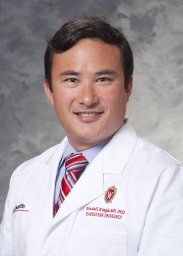 Randall Kimple合作论文数Department of Human Oncology, School of Medicine and Public Health, University of Wisconsin-Madison;Carbone Cancer Center, University of Wisconsin-Madison4
 Ashok Singh合作论文数3
 Joshua Lang合作论文数Department of Medicine, School of Medicine and Public Health, University of Wisconsin-Madison3
 Amber S Zhou合作论文数3Silk Alain D合作论文数3
 David Beebe合作论文数Department of Biomedical Engineering, College of Engineering, University of Wisconsin–Madison;Wisconsin Institutes for Medical Research, School of Medicine and Public Health, University of Wisconsin–Madison;Flambeau Diagnostics;Onexio Biosystems;Salus Discovery3
 Yang Hu (胡洋)合作论文数School of Medicine, Tongji University3Jamie M. Sperger合作论文数3
 Pippa F Cosper合作论文数3Kim Oxendine合作论文数2Jennifer L. Schehr合作论文数2Laura Hrycyniak合作论文数2Ning Jin合作论文数2
 Adam Johnson合作论文数Genentech, Inc.2
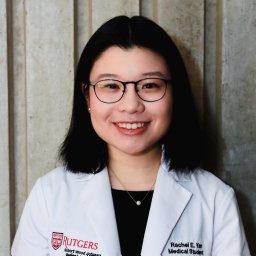 Rachel Yan合作论文数Department of Neurological Surgery, Rutgers Robert Wood Johnson Medical School2Freywald Andrew合作论文数2
 Denis L Lee合作论文数2
 Vizeacoumar Frederick S合作论文数2
 Jiaquan Yu合作论文数Koch Institute for Integrative Cancer Research, Massachusetts Institute of Technology2Zhu Fen合作论文数Department of Cell and Regenerative Biology, University of Wisconsin2Saha Sandeep合作论文数2Lager Angela合作论文数2
 Hyunjung Kim合作论文数Department of Physics, Sogang University2
 Paul Lambert合作论文数McArdle Laboratory for Cancer Research, Department of Oncology, School of Medicine and Public Health, University of Wisconsin-Madison2




