Beetroot juice is a food high in nitrate and is associated with cardiometabolic health benefits and enhanced exercise performance through the production of nitric oxide in the nitrate–nitrite–nitric oxide pathway. Since various food components influence this pathway, the aim of this trial was to study the effect of beetroot juice alone and in conjunction with vitamin C or protein on the acute response to plasma nitrate and nitrite levels in healthy middle- to older-aged adults. In this cross-over trial, each participant received, in a randomized order, a single dose of Beet It Sport® alone; Beet It Sport®, plus a 200 mg vitamin C supplement; and Beet It Sport® plus 15 g of whey protein. Plasma levels of nitrate and nitrite were determined prior to and at 1 and 3 h after intervention. Log plasma nitrate and nitrite was calculated to obtain data that were normally distributed, and these data were analyzed using two-way within-factors ANOVA, with time and treatment as the independent factors. There were no statistically significant differences for log plasma nitrate (p = 0.308) or log plasma nitrite (p = 0.391) values across treatments. Log plasma nitrate increased significantly from pre-consumption levels after 1 h (p < 0.001) and 3 h (p < 0.001), but plasma nitrate was lower at 3 h than 1 h (p < 0.001). Log plasma nitrite increased from pre to 1 h (p < 0.001) and 3 h (p < 0.001) with log values at 3 h higher than at 1 h (p = 0.003). In this cohort, we observed no differences in log plasma nitrate and nitrite at 1 h and 3 h after co-ingesting beetroot juice with vitamin C or a whey protein supplement compared to beetroot juice alone. Further research needs to be undertaken to expand the blood-sampling time-frame and to examine factors that may influence the kinetics of the plasma nitrate to nitrite efficacy, such as differences in fluid volume and osmolarity between treatments employed.
Being overweight or obese is a primary modifiable risk factor that exacerbates disease progression and mobility disability in older knee osteoarthritis (OA) patients. Lifestyle interventions combining exercise with dietary weight loss (EX+DWL) yield meaningful improvements in mobility and weight loss that are superior to EX or DWL alone. Unfortunately, community access to practical, sustainable weight management interventions remains limited and places knee OA patients at increased risk of mobility disability. The Collaborative Lifestyle Intervention Program in Knee Osteoarthritis patients (CLIP-OA), was a two-arm, 18 month randomized-controlled, comparative effectiveness trial designed to contrast the effects of an evidence-based, theory-driven EX+DWL intervention, personalized to patient needs and delivered by our community partners, with those of the Arthritis Foundation's Walk With Ease (WWE) standard of care self-management program in the treatment of knee OA patients with overweight or obesity. The primary outcome of the CLIP-OA trial was mobility performance assessed using the 400-m walk test (400MWT). Secondary outcomes included weight loss, pain, select quality of life and social cognitive variables, and cost-effectiveness of intervention delivery. Findings from the CLIP-OA trial will determine the comparative and cost-effectiveness of the EX+DWL and WWE interventions on key clinical outcomes and has the potential to offer a sustainable medium for intervention delivery that can promote widely accessible weight management among knee OA patients with overweight or obesity. Trial Registration: NCT02835326.
Background: Achievement of 5-10% weight loss (WL) among older adults living with obesity considerably improves prognosis of health-related outcomes; however, concomitant declines in bone mineral density (BMD) limit overall benefit by increasing fracture risk. Declines in mechanical loading contribute to WL-associated BMD loss, with pilot data signaling the addition of external weight replacement (via weighted vest use) during intentional WL mitigates bone loss at weight bearing sites to a similar degree as resistance exercise training (RT). Definitive data in support of weighted vest use as a potential strategy to mitigate WL-associated bone loss in this population are needed. Methods: In the Incorporating Nutrition, Vests, Education, and Strength Training (INVEST) in Bone Health trial (NCT04076618), 192 older adults (60-85 years) who are overweight (BMI = 27 kg/m(2)) with at least one obesityrelated risk factor or obese (BMI = 30-40 kg/m(2)) will be randomly assigned to participate in one of three 12-month intervention groups: WL alone, WL + weighted vest use (WL + VEST), or WL + RT. The primary aim is to determine the effects of WL + VEST compared to WL alone and WL + RT on indicators of bone health and subsequent fracture risk. Discussion: Determining effective, translatable strategies that minimize bone loss during intentional WL among older adults holds public health potential. The INVEST in Bone Health trial offers an innovative approach for increasing mechanical stress during intentional WL in the absence of RT. If successful, findings from this study will provide evidence in support of a scalable solution to minimize bone loss during intentional WL among older adults with obesity.
Chronic, multisite pain is a common phenomenon in aging and is associated with a host of negative health outcomes. It is a complex and multifaceted condition that may be exacerbated by weight gain and long periods of inactivity. Unfortunately, older adults suffering from chronic pain have unique barriers limiting access to center-based behavior change interventions. The MORPH study first adapted and iteratively refined an evidence-based group-mediated intervention for delivery in the home via mHealth tools (a smartphone app, teleconferencing software, wearable activity monitor, smart weight scale). This was followed by a pilot randomized controlled trial (RCT) meant to assess feasibility of the MORPH intervention, and to examine initial effects on physical function, pain, weight, and sedentary behavior. We recruited low-active and obese older adults with multisite pain to partake in a series of N-of-1 refinement studies (N = 5 total) or a 12-week pilot RCT delivered largely in the home (N = 28 assigned to active intervention or wait-list control). The refinement phase identified several key technological (e.g., selection of a new smart weight scale) and user interface (e.g., clarification of in-app phrasing) modifications that were made before initiating the RCT phase. Analyses of covariance, controlling for baseline values, sex, and age indicated effects favoring the intervention across all domains of interest: there was a substantially clinically meaningful difference in short physical performance battery scores (0.63 points, η2 = 0.08), a moderate-to-large difference in PROMIS pain intensity scores (5.52 points, η2 = 0.12), a large difference in body weight (2.90 kg, η2 = 0.207), and a moderate effect on adjusted ActivPAL-assessed sedentary time (64.90 min, η2 = 0.07) with a small effect on steps (297.7 steps, η2 = 0.01). These results suggest a largely-home delivered movement and weight loss program for older adults with pain is feasible and recommendations are provided for future programs of this nature. Clinical Trial Registration: ClinicalTrials.gov, Identifier: NCT03377634.
ABSTRACT Mounting evidence implicates bariatric surgery as a cause of increased skeletal fragility and fracture risk. Bisphosphonate therapy reduces osteoporotic fracture risk and may be effective in minimizing bone loss associated with bariatric surgery. The main objective of this pilot randomized controlled trial (RCT; Clinical Trial No. NCT03411902) was to determine the feasibility of recruiting, treating, and following 24 older patients who had undergone sleeve gastrectomy in a 6 month RCT examining the efficacy of 150‐mg once‐monthly risedronate (versus placebo) in the prevention of surgical weight‐loss–associated bone loss. Feasibility was defined as: (i) >30% recruitment yield, (ii) >80% retention, (iii) >80% pills taken, (iv) <20% adverse events (AEs), and (v) >80% participant satisfaction. Study recruitment occurred over 17 months. Seventy participants were referred, with 24 randomized (34% yield) to risedronate (n = 11) or placebo (n = 13). Average age was 56 ± 7 years, 83% were female (63% postmenopausal), and 21% were black. The risedronate group had a higher baseline BMI than the placebo group (48.1 ± 7.2 versus 41.9 ± 3.8 kg/m2). The 10‐year fracture risk was low (6.0% major osteoporotic fracture, 0.4% hip fracture); however, three individuals (12.5%, all risedronate group) were osteopenic at baseline. Twenty‐one participants returned for 6‐month follow‐up testing (88% retention) with all (n = 3) loss to follow‐up occurring in the risedronate group. Average number of pills taken among completers was 5.9 ± 0.4 and 6.0 ± 0.0 in the risedronate and placebo groups, respectively (p = 0.21), with active participants taking >80% of allotted pills. Five AEs (3.7% AE rate) were reported; one definitely related, four not related, and none serious. All participants reported high satisfaction with participation in the study. Use of bisphosphonates as a novel therapeutic to preserve bone density in patients who had undergone a sleeve gastrectomy appears feasible and well‐tolerated. Knowledge gained from this pilot RCT will be used to inform the design of an appropriately powered trial. Clinical Trial Registration http://clinicaltrials.gov/show/NCT03411902. Weight Loss With Risedronate for Bone Health. © 2020 The Authors. JBMR Plus published by Wiley Periodicals LLC on behalf of American Society for Bone and Mineral Research.
Among older adults with severe obesity, the sleeve gastrectomy (SG) procedure yields rapid weight loss and cardiometabolic improvement; however, it is also associated with significant bone loss and increased fracture risk. Bisphosphonate use reduces osteoporotic fracture risk and may be effective in minimizing bariatric surgery associated bone loss; yet, this hypothesis has not been formally tested. PURPOSE: The purpose of this study is to determine the feasibility of recruiting, enrolling, treating, and following 24 SG patients (40+ years old) into a randomized controlled trial (RCT) examining the efficacy of Risedronate, a bisphosphonate, use (versus placebo) in the prevention of bariatric surgery associated bone loss. METHODS: Feasibility metrics include recruitment, retention, adherence, and adverse event reporting. Self-reported demographic characteristics and dual energy X-ray absorptiometry (DXA) acquired T-scores and 10-year major osteoporotic fracture (MOF) and hip fracture risk were also collected at baseline. RESULTS: Study recruitment occurred over 17 months (3/5/18-8/31/19). A total of 70 patients met initial eligibility criteria and were referred by the clinic; of those, 32 were screened by telephone (n=8 excluded after screening), and 24 were randomized to Risedronate or placebo (recruitment yield: 34%; n=12/group). On average, participants were 56±7 years old at baseline, with a BMI of 44.8±6.1 kg/m2. The majority of the study sample was female (83%), white (79%), and postmenopausal (75%). Three participants (12%) presented with osteopenia, and MOF and hip fracture risk was low (5.0±3.2% and 0.3±0.4%, respectively). Data collection is ongoing. As of 11/3/2019, two participants have withdrawn, three mild adverse events have been reported (out of 125 contacts; one related and two unrelated), and among active participants, 95% of pills (124 out of 131 total) have been taken (n=22>80% compliant with medication protocol). CONCLUSIONS: Use of Risedronate as a novel therapeutic to preserve bone density among SG patients appears feasible and well tolerated. Forthcoming intervention effects will be used to generate effect size estimates to appropriately power a subsequent trial.
BACKGROUNDIncreasing protein content of the diet might be an effective strategy to preserve muscle mass in older adults undergoing caloric restriction, thereby preserving muscle function.METHODSNinety-six older adults (70.3 ± 3.7 years, 74% women, 27% African American) with obesity (35.4 ± 3.3 kg/m2; 47% total body fat) were randomized to a 6-month higher protein (providing 1.2-1.5 g/kg/d) weight loss (WL) program, utilizing the Medifast 4&2&1 Plan, or to weight stability (WS). Dual-energy x-ray absorptiometry-acquired total body mass and composition, and fast gait speed over 400 m was assessed at baseline, 3, and 6 months.RESULTSAt baseline, dual-energy x-ray absorptiometry-acquired total body, fat, and lean masses were 95.9 ± 14.6, 44.6 ± 7.6, and 48.7 ± 9.5 kg, respectively, and 400-m gait speed was 1.17 ± 0.20 m/s. Total body mass was significantly reduced in the WL group (-8.17 [-9.56, -6.77] kg) compared with the WS group (-1.16 [-2.59, 0.27] kg), with 87% of total mass lost as fat (WL: -7.1 [-8.1, -6.1] kg; -15.9% change from baseline). A differential treatment effect was not observed for change in lean mass (WL: -0.81 [-1.40, -0.23] kg vs WS: -0.24 [-0.85, 0.36] kg). Four-hundred-meter gait speed was also unchanged from baseline although trends suggest slightly increased gait speed in the WL group [0.01 (-0.02, 0.04) m/s] compared with the WS group [-0.02 (-0.05, 0.01) m/s].CONCLUSIONIntentional weight loss using a high-protein diet is effective in producing significant total body mass and fat mass loss, while helping preserve lean body mass and mobility, in relatively high-functioning older adults with obesity.
ObjectiveTo examine the long‐term effects of exercise modality during weight loss on body composition and associations between body composition and physical function changes.MethodsTwo hundred forty‐nine older adults (66.9 ± 4.7 years, 71% women, 32% African American, BMI: 34.4 ± 3.7 kg/m2) were randomized to weight loss (WL; n = 82), WL plus aerobic training (WL + AT; n = 86), or WL plus resistance training (WL + RT; n = 81) for 18 months. Dual‐energy x‐ray absorptiometry–acquired body composition, 400‐m walk time, and knee extensor strength were measured at baseline and at 6 and 18 months.ResultsTotal body mass loss was enhanced when WL was combined with exercise (WL: −5.7 ± 0.7 kg, WL + AT: −8.5 ± 0.7 kg, WL + RT: −8.7 ± 0.7 kg; P < 0.01). Total body fat mass loss was significantly greater in WL + AT (−6.8 ± 0.6 kg, −16.4%) and WL + RT (−7.8 ± 0.5 kg, −19.0%) than WL (−4.8 ± 0.6 kg, −10.9%); both P < 0.01. Lean mass loss was greatest in WL + AT (−1.6 ± 0.3 kg, −3.1%) compared with WL + RT (−0.8 ± 0.3 kg, −1.5%) or WL (−1.0 ± 0.3 kg; −2.0%); both P ≤ 0.02. Change in 400‐m walk time was associated with change in fat mass (β/SD = +6.1 s; P < 0.01), while change in knee extensor strength was associated with change in lean mass (β/SD = +1.6 Nm; P < 0.01).ConclusionsWL + RT results in less lean mass lost than WL + AT; WL plus exercise yields greater fat mass loss than WL alone.
A complication of cardiovascular disease (CVD) and the metabolic syndrome (MetS) among older adults is loss of mobility. The American Heart Association has identified weight management as a core component of secondary prevention programs for CVD and is an important risk factor for physical disability. The American Society for Nutrition and the Obesity Society have highlighted the need for long-term randomized clinical trials to evaluate the independent and additive effects of diet-induced weight loss (WL) and physical activity in older persons on outcomes such as mobility, muscle function, and obesity related diseases. Here we describe the rationale, design, and methods of a translational study, the Cooperative Lifestyle Intervention Program-II (CLIP-II). CLIP-II will randomize 252 obese, older adults with CVD or MetS to a weight loss only treatment (WL), aerobic exercise training (AT) + WL, or resistance exercise training (RT) + WL for 18 months. The dual primary outcomes are mobility and knee extensor strength. The interventions will be delivered by YMCA community partners with our staff as trainers and advisers. This study will provide the first large scale trial to evaluate the effects of diet-induced WL on mobility in obese, older adults with CVD or MetS as compared to WL combined with two different modes of physical activity (AT and RT). Because uncertainty exists about the best approach for promoting WL in older adults due to concerns with the loss of lean mass, the design also permits a contrast between AT + WL and RT + WL on muscle strength.
OBJECTIVE:Our primary objective was to determine the long-term effects of physical activity (PA) and weight loss (WL) on body composition in overweight/obese older adults. Secondarily, the association between change in body mass and composition on change in several cardiometabolic risk factors and mobility was evaluated. DESIGN AND METHODS:288 older (X ± SD: 67.0 ± 4.8 years), overweight/obese (BMI 32.8 ± 3.8 kg/m² ) men and women participated in this 18-month randomized, controlled trial. Treatment groups included PA + WL (n = 98), PA-only (n = 97), and a successful aging (SA) health education control (n = 93). DXA-acquired body composition measures (total body fat and lean mass), conventional biomarkers of cardiometabolic risk, and 400-m walk time were obtained at baseline and 18 months. RESULTS:Fat mass was significantly reduced from (X ± SE) 36.5 ± 8.9 kg to 31.7 ± 9.0 kg in the PA + WL group (p < 0.01), but remained unchanged from baseline in the PA-only (-0.8 ± 3.8 kg) and SA (-0.0 ± 3.9 kg) group. Lean mass losses were three times greater in the PA + WL groups compared to PA-only or SA groups (-2.5 ± 2.8 kg vs. -0.7 ± 2.2 kg or -0.8 ± 2.4 kg, respectively; p < 0.01); yet due to a larger decrease in fat mass, percent lean mass was significantly increased over baseline in the PA + WL groups (2.1% ± 2.6%; p < 0.01). Fat mass loss was primarily responsible for WL-associated improvements in cardiometabolic risk factors, while reduction in body weight, regardless of compartment, was significantly associated with improved mobility. CONCLUSION:This 18-month PA + WL program resulted in a significant reduction in percent body fat with a concomitant increase in percent body lean mass. Shifts in body weight and composition were associated with favorable changes in clinical parameters of cardiometabolic risk and mobility. Moderate PA without WL had no effect on body composition.
PURPOSE: Objective measurement of physical activity (PA) has not been conducted in overweight, older adults with CVD or the metabolic syndrome. The purpose of the present investigation was to objectively evaluate the levels of PA in this population at baseline and after 6 months of intervention. METHODS: Fifty-three of seventy four participants had at least 5 days of sufficient accelerometer data at baseline and 6 months for analysis. The number of steps/day, PA energy expenditure/day (PAEE), and minutes of light and moderate/vigorous physical activity per/day were evaluated. Patients were then randomized to an education control (CON), PA, or PA + diet intervention. Participants in both PA groups were instructed to exercise at moderate intensity for at least 150 minutes/week. Data at 6 months for the 3 groups were compared using analysis of covariance and adjusted for baseline measures, age, and gender. RESULTS: At baseline, the number of steps, PAEE, and minutes of light PA and mod/vig-PA were not significantly different between the groups and averaged 4924 ± 1940 steps/day, 167±169 kcal/day, 40±13 min/day, and 15 ± 10 min/day, respectively. As seen in the table below, at 6-months, participants in the PA and PA + diet groups had a significantly greater number of average steps, PAEE, minutes of light-PA and mod-PA each day than those in the CON group. CONCLUSION: The results of this investigation indicate that overweight older adults with CVD or the metabolic syndrome have lower levels of PA than generally observed in healthy older adults. These preliminary analyses suggest that the PA intervention effectively increased PA to appropriate levels for this population.Table
American Association of Cardiovascular and Pulmonary Rehabilitation Annual Meeting and Scientific Abstracts: September 18–21, 2008, indianapolis, indiana 2: 45 PM–4: 15 PM, Thursday, September 18, 2008, Scientific Oral Presentations: New Investigator Presentations
PURPOSE: There is a lack of objective data regarding the pattern of physical activity (PA) of obese older adults with CVD or the metabolic syndrome. The Cooperative Lifestyle Intervention Program (CLIP) study was designed to examine effects of a PA and weight loss intervention on mobility disability of older (60-79 years) overweight/ obese adults with CVD or the metabolic syndrome. The purpose of the current investigation was to evaluate the pattern of PA in these participants at baseline and to take a preliminary look at changes during the intervention in a small subset of participants. METHODS: One-hundred and two overweight/obese older adults with CVD or the metabolic syndrome wore an accelerometer for 7 days, except while sleeping or bathing. Eighty-two (male 22, female 60) had at least 5 days of complete data. For these individuals, we evaluated the number of steps/day, PA energy expenditure/day (PAEE), and minutes of moderate intensity physical activity per/day (mod-PA). Nine subjects wore the accelerometer for 7 days at 6 months of the 18-month intervention. These nine subjects (male 2, female 7) were in either the PA only group or PA plus weight loss group. Both groups had been encouraged to walk for 180 min/week. In this subgroup, we compared baseline PA to the patterns observed after 6 months of the intervention. RESULTS: At baseline, the number of steps, PAEE, and minutes of mod-PA averaged 4717±1867steps/day, 160±70 kcal/day, and 6±6 min/day, respectively. In the 9 participants studied at 6-months, we observed significant increases from baseline in the number of steps, PAEE, and minutes of mod-PA: 4405±1966 vs. 7561±2586 steps/day (p<0.01), 149±83 vs. 257±97 kcal/day (p<0.01), and 6.2±6.6 vs. 12.9±10.5 min/day (p<0.05), respectively. CONCLUSIONS: These results indicate that overweight/obese older adults, predominantly women with CVD or the metabolic syndrome, have lower levels of PA than generally observed (6,000–8,500 steps/day) in healthy older adults. Although based on a very small sample, the PA intervention in CLIP appears to be effective in increasing PA in this population.
We would like to report an individualized enhanced adherence intervention study in adults with diabetes. Adherence to a diabetes regimen has led to investigations of behavior in the form of interventions designed to promote self-management. Bandura's social cognitive theory provides a comprehensive theoretical framework for the examination of human behavior.1 Self-efficacy, defined by Bandura2 is a belief in one's capabilities to successfully overcome the demands of a situation in order to achieve a desired outcome. It is a significant predictor of regimen adherence, including areas of blood glucose testing, exercise and diet, and glycemic control.4–6 We utilized a framework of social cognitive theory for our study, Bringing Diabetes General Education to Life (BRIDGE). We compared the effects of an individualized enhanced adherence intervention (IEAI) for individuals with Type 2 diabetes. We evaluated the effects of the adherence-based intervention (BRIDGE) on glucose control by analyzing SMBG, glycosylated hemoglobin (A1C), and fasting laboratory glucose in this pilot study. An intervention emphasizing follow-up SMBG, exercise and self-management techniques was utilized. Subjects were randomized into an attention control group or the IEAI group. In each of the months 1, 3, and 5, control group participants received a 1-hour educational session that emphasized material previously presented in diabetes education classes. Educational material was also mailed to these participants in the form of a newsletter during months 2 and 4. In contrast, those randomized into the IEAI group received a 6-month behavioral intervention consisting of a series of group and individual sessions. The aim of the program was to employ strategies and techniques for enhancing self-efficacy in carrying out a personal diabetes treatment plan. Blood glucose monitors (Accu-Chek Advantage®, Mannheim, Germany) were provided to the participants and uploaded by computer. Laboratory glucose and A1C by venipuncture were obtained at baseline, 3, and 6 month visits. We analyzed data using SPSS (Version 11.5). Descriptive statistics were employed to characterize the sample, and simple independent measured t-tests were used to examine potential differences between the intervention and control groups at baseline. Analyses of covariance were performed for intervention versus control group at 3 and 6 months using baseline data as the covariate. In Table 1 we present our baseline (no statistical difference between groups) and outcome variables. The A1C averages reveal that the control group increased from baseline by an average of approximately 0.5% compared to the intervention group's decreased average of about 0.2%. Morning glucose labs in the control group were at an average value of 144.8 ± 54 mg/dl compared to the intervention group that decreased to 101.5 ± 23.8 mg/dl. The intervention group performed SMBG 2.33 times per day, while the control group tested 1.39 times per day. A significant difference was found between groups at 3 months (p<0.05). Those who underwent the intervention demonstrated greater mean SMBG daily testing (2.47 times per day) at month 3, in comparison to the control group (1.03 times per day, p<0.05). This study indicates that an intervention based on social cognitive theory can have an impact on the behaviors necessary to improve glycemic control. According to Bandura, self-efficacy not only predicts behavior, but also the extent to which the behavior is executed. To read this study in its entirety, visit: http://www1.wfubmc.edu/NR/rdonlyres/10A98B0F-21D4-4C49-83C1-071BB0E0B803/0/BRIDGE12407.pdf Table 1. Glycemia data for control and intervention (Mean ± SD with 95% CI)
 W. Jack Rejeski合作论文数Department of Health & Exercise Science, Wake Forest University7
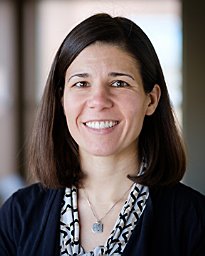 Beavers Kristen M合作论文数Dept Hlth & Exercise Sci, Wake Forest Univ6
 Barb Nicklas合作论文数Internal Medicine, Gerontology & Geriatric Medicine, Wake Forest University School of Medicine;Sticht Center for Healthy Aging and Alzheimer’s Prevention, Wake Forest University School of Medicine4
 Daniel P. Beavers合作论文数Department of Statistics, Baylor University4
 Walter T. Ambrosius合作论文数Department of Biostatistics and Data Science, Division of Public Health Sciences, Wake Forest University School of Medicine4
 Sherri Ford合作论文数3Sheedy Jessica L合作论文数3
 Peter H. Brubaker合作论文数Department of Health and Exercise Science, Wake Forest University3
 Anthony P. Marsh合作论文数Department of Health & Exercise Science, Wake Forest University;College of Liberal Arts and Sciences, Wake Forest University;Graduate School of Arts and Sciences, Wake Forest University3Kylie K. Reed合作论文数2Ashlyn A. Swafford合作论文数2
 Jessica Kiel合作论文数2
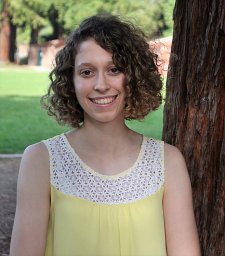 Katelyn A Greene合作论文数Center for Injury Biomechanics, Wake Forest School of Medicine2
 Jamy Ard合作论文数School of Medicine, Wake Forest University;Wake Forest Baptist Health Weight Management Center2
 Jill Gaukstern合作论文数2
 Ashley A Weaver合作论文数Center for Injury Biomechanics, Virginia Tech-Wake Forest University;Wake Forest University School of Medicine;Virginia Tech-Wake Forest University, Wake Forest University School of Medicine2
 Jason Fanning合作论文数Department of Kinesiology and Community Health, University of Illinois at Urbana-Champaign.2
 Gary D Miller合作论文数2Christie E. Williams合作论文数Crop Production and Pest Control Research Unit, USDA-ARS2Adolfo Z. Fernandez合作论文数2Lori A. Amico合作论文数2Jonathan H. Burdette合作论文数2Edward Ip合作论文数1Ryan M Miller合作论文数1Christopher D. Coleman合作论文数1Peri C. Gearren合作论文数1Marcy Haynam合作论文数1Ashley R Morgan合作论文数1Charlotte Crotts合作论文数1S. Delanie Lynch合作论文数1Stephanie Hohn合作论文数1Kathryn Dispennette合作论文数1Jessica Bowman合作论文数1linda arterburn合作论文数1Daniel E Kammire合作论文数1
 Zachary L Chaplow合作论文数Department of Human Sciences, Kinesiology, The Ohio State University1Kevin Hackshaw合作论文数1
 Katherine L Hsieh合作论文数Dept Phys Therapy, Georgia State Univ1
 Erik Groessl合作论文数Herbert Wertheim School of Public Health & Human Longevity Science, University of California, San Diego1
 Victoria R. DeScenza合作论文数Department of Human Sciences, Kinesiology, The Ohio State University1
 James Janssen合作论文数1Kirk Julienne K合作论文数1
 Brielle Paolini合作论文数1
 Stephen N. Davis合作论文数Department of Medicine, School of Medicine, University of Maryland;University of Maryland Medical Center1Brooks Amber合作论文数1
 Xiaochen Zhang合作论文数College of Medicine, The Ohio State University1
 Ciaran Fairman合作论文数1
 Hiroaki Tanaka合作论文数1Shannon L. Mihalko合作论文数1




