Background Cardiac death or myocardial infarction still occurs in patients undergoing contemporary percutaneous coronary intervention (PCI). We aimed to identify adverse clinical and vessel characteristics related to hard outcomes after PCI and to investigate their individual and combined prognostic implications. Methods and Results From an individual patient data meta‐analysis of 17 cohorts of patients who underwent post‐PCI fractional flow reserve measurement after drug‐eluting stent implantation, 2081 patients with available clinical and vessel characteristics were analyzed. The primary outcome was cardiac death or target‐vessel myocardial infarction at 2 years. The mean age of patients was 64.2±10.2 years, and the mean angiographic percent diameter stenosis was 63.9%±14.3%. Among 11 clinical and 8 vessel features, 4 adverse clinical characteristics (age ≥65 years, diabetes, chronic kidney disease, and left ventricular ejection fraction <50%) and 2 adverse vessel characteristics (post‐PCI fractional flow reserve ≤0.80 and total stent length ≥54 mm) were identified to independently predict the primary outcome (all P<0.05). The number of adverse vessel characteristics had additive predictability for the primary end point to that of adverse clinical characteristics (area under the curve 0.72 versus 0.78; P=0.03) and vice versa (area under the curve 0.68 versus 0.78; P=0.03). The cumulative event rate increased in the order of none, either, and both of adverse clinical characteristics ≥2 and adverse vessel characteristics ≥1 (0.3%, 2.4%, and 5.3%; P for trend <0.01). Conclusions In patients undergoing drug‐eluting stent implantation, adverse clinical and vessel characteristics were associated with the risk of cardiac death or target‐vessel myocardial infarction. Because these characteristics showed independent and additive prognostic value, their integrative assessment can optimize post‐PCI risk stratification. Registration URL: https://www.clinicaltrials.gov; Unique identifier: NCT04684043. www.crd.york.ac.uk/prospero/. Unique Identifier: CRD42021234748.
BACKGROUND Given its high resolution, optical coherence tomography (OCT) may be a useful clinical tool to optimize stent deployment. METHODS We reviewed 100 patients with post-PCI OCT who had angiographically optimized coronary stent implantation to determine the frequency of further intervention based on OCT pathology. OCT pathology was classified as "significant" if an OCT finding prompted further intervention. RESULTS OCT pathology was found in 90% of patients and considered significant in 52%. Stent strut malapposition by OCT was the most common reason for prompting further treatment, with approximately one-half due to relative stent undersizing. Based on OCT findings, 42% underwent balloon dilation, 9% underwent another stent implantation, and 3% underwent treatment with a glycoprotein IIb/IIIa inhibitor. Minor plaque protrusion was present in 11%, which prompted no further intervention. CONCLUSION Post-PCI OCT in angiographically optimized vessels was helpful in improving stent deployment in more than one-half of the cases. Our findings suggest that post-PCI OCT may be a clinically useful tool in angiographically optimized stenting. Prospective studies will provide further clarity on the place of OCT in this setting.
![Graphic][1] Myocardial infarction is a major cause of death and disability worldwide. Coronary atherosclerosis is a chronic disease with stable and unstable periods. During unstable periods with activated inflammation in the vascular wall, patients may develop a myocardial infarction. Myocardial infarction may be a minor event in a lifelong chronic disease, it may even go undetected, but it may also be a major catastrophic event leading to sudden death or severe haemodynamic deterioration. A myocardial infarction may be the first manifestation of coronary artery disease, or it may occur, repeatedly, in patients with established disease. Information on myocardial infarction attack rates can provide useful data regarding the burden of coronary artery disease within and across populations, especially if standardized data are collected in a manner that demonstrates the distinction between incident and recurrent events. From the epidemiological point of view, the incidence of myocardial infarction in a population can be used as a proxy for the prevalence of coronary artery disease in that population. Furthermore, the term myocardial infarction has major psychological and legal implications for the individual and society. It is an indicator of one of the leading health problems in the world, and it is an outcome measure in clinical trials and observational studies. With these perspectives, myocardial infarction may be defined from a number of different clinical, electrocardiographic, biochemical, imaging, and pathological characteristics. In the past, a general consensus existed for the clinical syndrome designated as myocardial infarction. In studies of disease prevalence, the World Health Organization (WHO) defined myocardial infarction from symptoms, ECG abnormalities, and enzymes. However, the development of more sensitive and specific serological biomarkers and precise imaging techniques allows detection of ever smaller amounts of myocardial necrosis. Accordingly, current clinical practice, health care delivery systems, as well as epidemiology and clinical trials all require a … [1]: /embed/inline-graphic-1.gif
Probably the most frequently asked question of me by SCAI members is “How can I serve the Society?” The frequency of the question itself demonstrates the tremendous reservoir of expertise and desire in the Society to serve the common good. My usual response is that one way that will serve the Society well is to become involved in a Society committee. The committee you choose should be the one that best suits your particular interest. One of the most unique characteristics of SCAI is its open committee structure. The Society welcomes all members in good standing into virtually all of its many Committees. Why? Because the Committees are the heart of the Society's productivity, making it important to have as many participants at the table as possible. As has been said, “many hands make light work” or, in SCAI's case, many members make for a fast-growing, relevant, and productive professional medical society. The Committees are also the “germination centers” for Society leadership. Virtually all current and past officers were involved and ultimately chaired one or more committees. Through this involvement, members become truly vested in the welfare of the Society and, more importantly, in the Society as a legitimate vehicle to advance the field of interventional cardiology with all its ramifications. Most SCAI Committees meet in person approximately three times each year at major medical meetings such as the Society's own Annual Scientific Session as well as at the TCT and ACC conferences. The schedule for these meetings is posted on www.scai.org and the doors are always open to new members. In between gatherings, the Committees conduct business via conference calls, list-serves, email, and occasional small-group meetings. The Society's inclusive, highly participatory governance structure is one aspect of SCAI of which I am most proud. I believe the Society's “open door” policy on welcoming new members into committees—rather than by appointment only, as in so many medical societies—is in part responsible for the phenomenal growth SCAI has experienced in recent years. Because SCAI welcomes members to almost all the committee tables, members can be truly active in matters that matter to them. Each member decides individually how involved he or she wants to be, and in which capacities. This is part of a broader goal, one at the core of your Society's philosophy: SCAI is a PHYSICIAN-DRIVEN organization, and always will be. We are a society of doctors, working together to provide the best possible care for our patients. As members, we determine the overall policies and direction of our Society, and are assisted by very capable staff to carry out those policies. I think it's clear why it behooves SCAI to always keep extra seats at the committee tables, but maybe you are asking how it helps you, a busy interventionalist with plenty on your plate, to get involved in an SCAI Committee (or Committees!). It's a fair question. We do, after all, ask that, once you've found the committee that you like, you attend at least one of the in-person meetings per year. Here's why, from my perspective, as the Society's President and a member who initially began participating in SCAI through committee activity. First, participating in SCAI committees provides enormous professional satisfaction. At committee meetings, you interact with a group of truly outstanding individuals who you might otherwise never have met. They ultimately become your friends, colleagues you can call to discuss a tough case, or confidants to discuss the next steps you'll take in your career. There is a wonderful camaraderie among SCAI committee members, and it extends far beyond the halls of the convention center or hotel where Committees often meet. Second, getting involved in SCAI can be a good career move. You'll meet, and get to know, the thought leaders in invasive and interventional cardiology. And, wearing my International Committee co-chair hat, I should point out that those leaders are global in scope. Some of our views on the best medical care or medical approach on a particular subject are clearly broadened by this type of interaction. What better way to meet a new collaborator for a study you're conducting or to connect with a more established cardiologist who could become a mentor or just someone to bounce ideas off of? Third, by participating in SCAI Committees, you may find yourself becoming, increasingly interested in helping to govern your Society in a leadership role. I can say with certainty that every SCAI President in the past decade (if not longer) started out as an active, interested Committee member. And, finally, the most important practical reason to be involved is that through SCAI Committees, you can play a role in shaping the future of your profession. You personally can help to get the voice of invasive/interventional cardiology heard, loud and clear, where it is most needed for the betterment of our patients. What is involved in participating in an SCAI Committee? As I mentioned above, everyone decides for himself or herself how to participate. You might be interested in specific advocacy issues, such as fair Medicare reimbursement or availability and reimbursement to all physicians who are trained and competent in imaging modalities such as CT and MRI. If so, SCAI's Advocacy and Government Relations Committee might be the one for you. Once you know the issues well, you might volunteer to talk to elected officials and their staff, or you might review and comment on new policies under consideration by CMS or the FDA. Perhaps your interest is education. There's plenty to do! SCAI's Education Committee and Training Standards Committee are eager for new members to help plan educational programs, identify speakers for the Society's growing list of excellent programs, update existing training guidelines, or develop new ones such as our recent Clinical Competence Statement on Carotid Stenting [1]. Or you might help craft a guideline or statement for the Society; these documents are crucial to the autonomy of our profession, as they demonstrate that we interventionalists are responsibly monitoring our own practice (before, I should add, external parties step in to do it for us). If you are interested in patient/consumer education, you might join the Society's Public Relations Committee. You can volunteer as a spokesperson in your community (when SCAI is contacted by journalists with questions about cardiovascular care) or work with our staff to develop communications for our patients or the media. Or you might be interested in serving as a mentor to early-career interventionalists through our new Interventional Career Development Committee. I could go on and on with examples, but the important point is that there are many ways to get involved. I urge you to review the following table which provides information about SCAI's Committees. I'm sure you will find something of interest to you and, if you have an idea not listed here, please let me know (email me at [email protected]). You might be the source for SCAI's next big undertaking. As you can see, the breadth and scope of options for active participation in SCAI are enormous. Which Committee sparked your interest? Please pick one right now and get involved. Pick up the phone or send an email. We look forward to hearing from you and seeing you at a committee meeting soon. I want to close by stating that there is one other reason to volunteer on behalf of the Society. It is a more personal reason. I am glad that Bill Parmley, a man of great substance and accomplishment, stated it so well in a recent article [2]: “There is a principle of power related to service that transforms us forever. We will never be the same again after we have experienced the joy of serving others…” I welcome your thoughts on service to the Society: please contact me at [email protected].
In the early 1990s, I joined SCAI, never expecting that I would someday be the Society's President. I am very proud to be serving SCAI and you, its members, particularly at this time of tremendous growth in both our profession and our Society. SCAI now numbers over 3,400 members, and I have every reason to expect that this growth will continue unabated. Our expanding ranks, combined with the Society's proactive and successful efforts in advocacy, development of guidelines and standards, and education, have made SCAI the voice of interventional cardiology. The responsibility that comes with representing you, your patients, and our profession as a whole is something that the Society's Trustees, Committee Chairs, staff, and I all take very seriously. To that end, as I reported in last month's installment of the President's Page, the Board of Trustees recently approved unanimously a comprehensive Strategic Plan that will keep SCAI moving forward for the next three to five years, and beyond.(1) The Strategic Plan was developed through a very broad-based, participatory process involving dozens of SCAI members from the spectrum of our community. The executive summary of the strategic plan can be found on the SCAI website at www. scai.org. The strategic vision includes plans to expand and enhance SCAI's activities in all areas relevant to the Society's mission. The goals outlined in the Strategic Plan are our blueprint for carefully charting the future of our profession and for ethically and responsibly representing the best interests of our patients in all spheres. As you know, such responsibility requires investing in the future so that SCAI, as your professional medical society, can help to control and guide its own evolution. After thorough analysis and deliberation, the Board of Trustees determined that, in order to successfully move forward with the Strategic Plan and to prepare for challenges ahead, it is necessary either to implement a dues increase or to reduce vital Society functions. To ensure that your needs and interests continue to be met, the Board recently unanimously approved a $100 dues increase (U.S. Fellows and Members) so as to enable fulfillment of our current and planned activities. I am, of course, honored to be a part of SCAI for many reasons, but I am particularly proud of the Society's inclusive approach to membership and priority setting. I believe that few professional medical societies are as “transparent” as SCAI. Nor are many as independent. SCAI's sound fiscal foundation enables it to serve you without regulation or imposition from outside bodies. You can count on your Society to speak up, talk straight, and tell it like it is. In that spirit, I want to share with you just what SCAI intends to do with your extra dues dollars. I feel confident you will find it worth the investment. First, you'll continue receiving and having access to all the valuable, tangible benefits of membership that you tell us you appreciate: your subscription to this Journal, packed with the latest research and case studies pertinent to practice; bimonthly updates on the Society's activities in SCAI News & Highlights; and extensive education and updates on scai.org, including the membership directory, downloadable guidelines and slides, and your portal to CCI Online. As I mentioned above, SCAI has become the voice of interventional cardiology in the advocacy arena. While we often partner with other organizations (such as the ACC), SCAI is the only professional society that works solely and tirelessly for you. This is tremendously important in our advocacy efforts, as evidenced by some recent successes in an increasingly difficult environment. Last year, we welcomed on to SCAI's talented staff an experienced, full-time advocacy and guidelines expert, who has worked relentlessly on our behalf and that of our patients to make sure that your voice is listened to by government and private payers. For example, SCAI has been working to convince Congress to fix the flawed system used to calculate physician reimbursement for treating Medicare patients. SCAI's advocacy efforts persuaded the Centers for Medicare and Medicaid Services (CMS) to recognize that higher insurance costs are associated with the complex interventional procedures we offer our patients. Our efforts yielded a more promising outlook than other medical societies expected. Your dues dollars have been hard at work in that effort, and they resulted in good progress. However, the challenges ahead promise to be even more intense — Congress still must be convinced to take legislative action to repeal across-the-board cuts for Medicare fees. We continue to work with medical societies in other disciplines to try to prevent the planned cutback in Medicare reimbursement. Another high-priority item on our advocacy agenda is to protect the role of interventional cardiologists in cardiovascular imaging. The radiological community has launched a major campaign to drastically limit most medical specialists' access to advanced imaging modalities, such as 64-slice computed tomography. SCAI is a founding member of a large, multispecialty coalition countering this effort by the radiological community, and it is making good headway. But there is much work ahead, and focused efforts require increased vigilance. Midway through my term as President, I have received a steady stream of positive feedback about the leadership role that SCAI has taken in developing and delivering best-practice information for the interventional cardiologist. Take, for example, SCAI's role in the updated SCAI/ACC/AHA Practice Guidelines on Percutaneous Coronary Intervention: SCAI was ably represented by four members on the writing committee, and the final document is a thorough compilation of recommendations regarding the latest advances in techniques, devices, and medications for treating our patients. I must also point to SCAI's role as a leader in the medical community with regard to cutting-edge carotid artery stenting procedures. SCAI took up the reins in a major and ongoing effort to make sure this challenging procedure is implemented with appropriate care. First, your Society led the effort to develop a multispecialty clinical competence statement on carotid stenting. Then, SCAI built a high-quality educational system for helping physicians to achieve competency. The idea here was that it isn't enough to describe what competency is; we also have to give physicians the tools and opportunities to achieve competency. I want to personally assure you that your Society will continue this kind of forward-thinking service for you. With our new model for training in carotid stenting, you get a glimpse at your Society's penchant for innovation and creativity. With new programs like our Cardiac CT course, with the always-improving “Best of the Best” programming you'll find at the Scientific Sessions in Chicago, and with the host of new jointly sponsored and cosponsored programs, you get a view of the breadth and substance your Society plans to deliver. High-quality, timely education has been your Society's core mission since the founding days of Drs. Mason Sones and Mel Judkins. Your dues helps SCAI to continue delivering unbiased education. As I close, I want to assure you that the Board of Trustees and I considered the decision to implement a dues increase very seriously. We would not have taken this step without absolute confidence that doing so will enable us to serve you and your patients even better in the years ahead. I trust that you, too, will see that it represents an excellent value. If you have any questions or feedback on this or other topics related to your membership, please contact me at [email protected].
We determined the effects of cyclooxygenase-1 (COX-1; SC-560), COX-2 (SC-58125), and inducible nitric oxide synthase (iNOS; 1400W) inhibitors on atorvastatin (ATV)-induced myocardial protection and whether iNOS mediates the ATV-induced increases in COX-2. Sprague-Dawley rats received 10 mg ATV.kg(-1).day(-1) added to drinking water or water alone for 3 days and received intravenous SC-58125, SC-560, 1400W, or vehicle alone. Anesthesia was induced with ketamine and xylazine and maintained with isoflurane. Fifteen minutes after intravenous injection rats underwent 30-min myocardial ischemia followed by 4-h reperfusion [infarct size (IS) protocol], or the hearts were explanted for biochemical analysis and immunoblotting. Left ventricular weight and area at risk (AR) were comparable among groups. ATV reduced IS to 12.7% (SD 3.1) of AR, a reduction of 64% vs. 35.1% (SD 7.6) in the sham-treated group (P < 0.001). SC-58125 and 1400W attenuated the protective effect without affecting IS in the non-ATV-treated rats. ATV increased calcium-independent NOS (iNOS) [11.9 (SD 0.8) vs. 3.9 (SD 0.1) x 1,000 counts/min; P < 0.001] and COX-2 [46.7 (SD 1.1) vs. 6.5 (SD 1.4) pg/ml of 6-keto-PGF(1alpha); P < 0.001] activity. Both SC-58125 and 1400W attenuated this increase. SC-58125 did not affect iNOS activity, whereas 1400W blocked iNOS activity. COX-2 was S-nitrosylated in ATV-treated but not sham-treated rats or rats pretreated with 1400W. COX-2 immunoprecipitated with iNOS but not with endothelial nitric oxide synthase. We conclude that ATV reduced IS by increasing the activity of iNOS and COX-2, iNOS is upstream to COX-2, and iNOS activates COX-2 by S-nitrosylation. These results are consistent with the hypothesis that preconditioning effects are mediated via PG.
I am delighted to report to you the results of the Society’s strategic planning session held this summer. The meeting’s purpose was to chart a course for the Society for the next few years. In preparation for this meeting of the Society’s leadership and representative members, nine work groups were organized to develop formal written proposals to present at the meeting. Each work group was asked to formulate three concrete goals achievable over the next three years. These reports were presented to the assembly of nearly 50 participants, who then were asked to prioritize the eight most important goals. The final ‘‘white paper’’ was approved by the Society’s Board of Trustees on October 20, 2005. The rest of this President’s Page is the text of the Executive Summary of this document. It would be of great value to the Society if, after reading this summary, you would share with me any comments you have by e-mailing president@scai.org.
A 41-year-old man underwent diagnostic coronary angiography for the evaluation of chest pain. In 1965 (at the age of 2 years), he had undergone tetralogy of Fallot repair that had been complicated by accidental damage to the left anterior descending coronary artery (LAD), which arose anomalously from the right sinus of Valsalva (RSV) and crossed the right ventricular outflow tract. At that time, he underwent direct implantation of the left internal mammary artery into the left ventricular myocardium (Vineberg procedure) as a remedy. The coronary angiogram showed a patent right coronary artery, a patent anomalous left circumflex artery arising from the RSV, and an occluded anomalous LAD from the RSV, which was reconstituted by collateral vessels from the left circumflex artery (Fig. 1). The left internal mammary artery that had been implanted directly into the left ventricular myocardium was found to be atretic (Fig. 2). The left ventricular ejection fraction was estimated at 0.50, with mild septal hypokinesis. Medical treatment was advised for the patient. Fig. 1 Left anterior oblique view shows an occluded left anterior descending coronary artery (arrows) reconstituted by collateral vessels from the left circumflex artery. Fig. 2 The left internal mammary artery (LIMA) graft that was implanted directly into left ventricular myocardium (Vineberg procedure) was atretic (arrow).
In this, my last President's Page, I would like to speculate on the future of our Society and its value to the invasive/interventional cardiology profession and our patients. I choose to not look back at the Society's accomplishments of the past year (although I am pleased with our tangible progress: last summer's “vision” conference with its attendant three-year blueprint, new educational courses, new/updated guidelines and standards, and global partnerships in education and patient care). Rather, I'd like to discuss the attributes that have helped SCAI thrive for the past thirty years. I am referring, of course, to our most important resource: hundreds of physician volunteers dedicated to the Society's principles, goals, and growth. The question posed in my first President's Page was this: “Small Was Good; Will Big Be Better? [1]” After a year serving as your President, my answer to this question is that SCAI's continuing growth is, and will continue to be, positive for our specialty and our patients as long as we keep alive the spirit and commitment of the Society's 77 founding members. That spirit is one of volunteerism: a willingness to serve the common interests of our specialty and our patients. Drs. Mason Sones, Melvin Judkins, and others who established the Society in 1976 embodied this willingness. The field of invasive cardiology was young and interventional cardiology germinating when these pioneers identified an important need for an organization whose mission was to guide and advance the discipline. In the ensuing years, the Society's membership and activities have expanded, but our founding principles remain constant: physicians working together via a professional interventional cardiology society dedicated to optimizing patient care through education, representation, and standards-setting. Three decades later, invasive/interventional cardiology continues to move forward at an amazing speed. More than ever, we continue to need and welcome individuals committed to the common good and to promote excellence in practice. During my presidency, it has been an extraordinary pleasure to meet and forge friendships with many SCAI volunteers whose ideas, talents, and service to SCAI are an extension of their commitment to their profession, communities, and patients. They bring to the Society the perfect combination of enthusiasm, maturity, competence, and integrity — qualities that have again and again enabled the Society to respond appropriately, nimbly, and often proactively to issues of all kinds. Through their service, SCAI has been able to deliver quality education in established and evolving areas, represent the discipline in health policy and advocacy matters, develop practice guidelines and other standards-setting documents, and participate in international efforts to advance the science of our field. We have come to understand that we are a world community with more commonalities than differences in our work. The Society is global in scope. The steady growth in global membership and involvement with the “best and brightest” from throughout the world has made the Society that much more representative and “relevant.” But…yes, we can and must always do more! We have also recognized that, in advancing our specialty and helping our patients, volunteers need not be limited to those trained in one discipline. Our specialty is based on cognitive and technical requirements. Physicians from different training backgrounds may have attained these prerequisites. The Society recognizes and thanks the commitment and voluntarism of physicians and organizations of various specialties who have assisted SCAI in its mission. In one particularly memorable “quiet conversation” with a group of well-known and committed Society members, I was urged as the current President to make the Society more “relevant” by having it represent better and advance more effectively the interests of the interventional community. Yes, I said, you have identified our mission, and, yes, I added, the Society can always strive to do better! The increasingly broad and complex nature of our specialty underscores the importance of enlarging the pool of our knowledgeable and committed volunteers, each with his or her unique combination of interests, ideas, and abilities. The Society actively encourages your participation, because, of course, it is your Society. There are presently hundreds of SCAI members who embody this spirit of volunteerism, and they are everywhere, in each of the 69 countries where our more than 3,400 members live and work. I have met only a small percentage of these physicians, but they have, and continue to, inspire me. It has been an honor to serve alongside each of you. Doing so has filled me with optimism about the future of our Society, our profession, our patients, and our world. Thank you again for the honor of serving as your President. It has been my privilege to represent you. I look forward to enthusiastically continuing my service to our society for many years to come.
A 45 year old woman with hypertension presented to the hospital with complaints of exertional chest pain for two days. Her ECG was unremarkable and cardiac biomarkers were within normal limits. During her diagnostic coronary angiogram, multiple attempts to cannulate the right coronary artery (RCA) with the right Judkins catheter …
Background: We tested the hypothesis of whether carvedilol delays morphologic degeneration and improves functional outcome compared with metoprolol tartrate in patients with hibernating myocardium undergoing surgical revascularization. We have previously shown that patients with chronic hibernating myocardium undergo progressive cellular degeneration and fibrosis.Methods: Twenty patients with multivessel coronary artery disease revascularization and hibernating myocardium as assessed by technetium-99m perfusion scintigraphy and fluorine-18-fluorodeoxyglucose positron emission tomography were randomized to receive either carvedilol or metoprolol tartrate for at least 2 months before surgery, and this was continued for 7 months postoperatively. Left ventricular ejection fraction and regional wall motion abnormalities were assessed by left ventriculography at baseline and 7 months postoperatively. Intraoperative transmural needle biopsy samples were obtained for microscopic analysis.Results: Postoperatively, the ejection fraction increased from 31% +/- 5% to 44% +/- 4% (P < .005) in the carvedilol group (n = 10), and from 30% +/- 6% to 40% 6% in the metoprolol tartrate group (P < .05 vs preoperatively and vs carvedilol). Wall motion abnormalities in the carvedilol group improved from -2.1 +/- 0.4 to -0.6 +/- 0.5 (P < .05) and from -2.3 +/- 0.5 to -1.6 +/- 0.6 in the metoprolol tartrate group (P < .05 vs preoperatively and vs carvedilol). Microscopic analysis after 72 +/- 18 days of either treatment showed mild cardiomyocyte degeneration and moderate-to-severe fibrosis (28% +/- 7%) in the carvedilol group compared with moderate cardiomyocyte degeneration and moderate-to-severe fibrosis (33% +/- 6%) in the metoprolol tartrate group. Apoptosis, as assessed by the terminal deoxynucleotidyl transferase nick end labeling method, was observed in only 1 patient in each group.Conclusions: Carvedilol treatment of hibernating myocardium results in improved functional recovery after revascularization compared with metoprolol tartrate, and this might partially be related to reduced cardiomyocyte degeneration.
This review aims to provide a synthesis of the published evidence regarding the rationale and clinical benefits of cardiac resynchronization therapy (CRT) with implantable atrial-synchronized biventricular pacing (BVP) devices in patients with moderate to advanced heart failure and intra- and interventricular conduction delays. In addition, it addresses clinical and technical issues that have yet to be resolved, such as the selection of the most suitable candidates for CRT; the usefulness of combining BVP with automatic defibrillation backup; the value of CRT in patients with atrial fibrillation; the importance of alternative sites of pacing, such as the atrial septum and the right ventricular (RV) outflow tract; the harmful effects of the long-standing practice of producing an iatrogenic left bundle branch block by conventional RV pacing in patients receiving standard permanent pacemakers; the question of precisely where on the left ventricle optimal pacing is achieved; and the potential applications of CRT in patients with pediatric or congenital heart disease. Considering how major advances have been achieved since the first clinical application of CRT in 1994, one can be optimistic about the future of the electrotherapeutic management of heart failure.
“Younger physicians don't join professional societies.” “What does a professional association have to do with ME?” How many times have you heard these words expressed as conventional wisdom? In many fields (including medicine), that opinion is, unfortunately, all too close to reality. In our own field, for example, dramatic changes in both the business and the science sides of medicine, the demands of the workplace, and the responsibilities of family make it more and more challenging to devote scarce time to one's professional association. Almost two years ago, one of our colleagues had an idea to counter this trend. As we prepared for our scheduled round of SCAI committee meetings (in this case, at our Annual Scientific Sessions in San Diego), a challenge was issued: What if we asked our core group of experienced SCAI Fellows and Members (those who contribute the most time and effort to our committees) to bring one of their younger colleagues to the next committee gatherings? Furthermore, what if we used that opportunity to listen to them and invite their more active participation in our Society? The concept was that by exposing those younger colleagues to the wide variety of activities being pursued by the Society, they would become more involved in ways worthwhile both to them and to SCAI. Even more important, we would demonstrate to those younger physicians that their voices are heard and have a meaningful voice in the governance of their Society. In this case, concept rapidly turned into reality, a reality that went beyond our greatest expectations! I personally thank my colleague Lloyd W. Klein, M.D., FSCAI, for coming up with this idea, and for working closely with staff and colleagues to move this concept forward. I also thank my predecessors as SCAI President, Drs. John McB. Hodgson, M.D., FSCAI, and Michael Cowley, M.D., FSCAI, for nurturing this initiative during the past two years. Equally significant, the roots of this idea can also be traced back to our friend and colleague Vijay Kalaria, M.D., FSCAI, who for several years has contributed a series of columns to SCAI's newsletter, specifically targeted to the issues and opportunities involved with establishing oneself as a new interventional cardiologist. Dr. Kalaria's columns have been invaluable in defining the challenges involved and in framing the debate, thereby encouraging the Society to begin this new committee. At our San Diego Scientific Sessions, several of your colleagues responded to Dr. Klein's idea, bringing with them younger colleagues who had either recently joined their practice, were about to join, or had moved into the community. Those individuals were welcomed at our Interventional Committee meeting and other committee meetings. A draft mission statement; A list of three things they would like to accomplish in the near term; A temporary chair or co-chair; An outline of an overall charge to the Committee; and A game plan for accomplishing said charge. The initial group (approximately a dozen young interventionalists) responded enthusiastically and energetically. More important, the group has continued its efforts in very focused ways. Since that initial meeting, the group has expanded to pursue a variety of activities to help new interventionalists who are just embarking on their careers to meet their professional goals. The group has been active, vocal, and highly engaged, focusing on issues specific to recent entrants to the field of interventional cardiology. They also changed the committee's name to the Interventional Career Development Committee, reflecting one of their primary goals: to help early-career interventionalists to launch and develop their careers. In the remainder of this column, I'd like to give you an overview of the types of activities they have been pursuing. I would also like to urge younger interventionalists who have not been active on this committee to join (contact Andrea Frazier at [email protected] for details). What has the Committee accomplished or started in the past two years? The short answer: a lot ! The Committee has begun developing a mentoring program, where an established SCAI member is the contact, or “go-to,” person for four or five new members. SCAI mentors provide practical help with the nuts-and-bolts aspects of setting up a practice, including reimbursement, billing, and coding issues. I have been very pleased that the Committee's co-chairs, Drs. Michael Lim and John Young, have led this new committee with enthusiasm and a spirit of inclusiveness. As an example, Dr. Lim has encouraged the Committee to develop the mentoring initiative, noting that “they teach nothing anywhere in our training about how to run a practice or how to be a partner in a practice. That is why junior interventionalists are hungry to have contact and discussions with more senior people who can guide them.” Dr. Lim and his colleagues are working with Bonnie Weiner, M.D., MSEC, MBA, FSCAI, the Society's Internet “guru,” to set up computer programs that will facilitate interactions and foster discussions with other SCAI members. “The idea is for us to be able to go to the Internet and get advice on how to handle certain problems, difficult patients, and cases. We're also working on ways to bring together the early and more experienced interventionalists at SCAI's national meeting every spring to encourage dialogue,” reports Dr. Lim. Similarly, Dr. Young emphasized that “there are lots of people within SCAI who don't realize that experienced members are only a phone call away. This fact needs to be disseminated to the newer members.” My colleagues and I have been equally impressed with the Committee's fast start in developing opportunities for writing, research, and publication — areas of career development where mentorship is crucial. The overarching goal of the Committee is to develop opportunities for career development that are relevant to practice. The group is making plans to recruit senior interventionalists for new-device proctoring and for assistance in getting junior interventionalists involved in clinical trial work. Dr. Mort Kern, an SCAI Past President, has been instrumental in supporting these goals. Mort has been tireless in working with the Committee closely to provide mentorship in how to get research funding and the all-important area of how to get published. Fellowship research award programs Fellowship training programs An expanding SCAI job bank, for job seekers and employers Recent salary survey data Advice on how to get papers published, by Dr. Kern Extensive board review materials, such as didactic slide sets A link to CardioVillage, a comprehensive CME resource prepared by the University of Virginia SCAI “mini-guidelines” downloadable to your PDA Even more content is on the way, and we welcome your contributions. The subcommittee has also suggested the establishment of SCAI-sponsored training for new procedures, and I am encouraging the Committee to partner with our CME Committee to that end. Dr. Young reports that the Committee has major plans in this area, insightfully noting that “Interventional cardiology is a bit unique in that new devices or new technology are constantly evolving, and it's very difficult to maintain training in all of these areas once you leave formal fellowship training. We would like to have SCAI offer proctoring and training for these new procedures, or have access to affiliated centers where this training can be done.” When I was an “early-career angiographer” (admittedly a few years ago), one of the most useful things for me was simply to get to know others in the field, both those starting out and those more established. Since the field was much (much!) smaller back then, it was a little easier to get to know all experienced senior physicians, forging relationships that have helped me throughout my career and are even more valuable today. With the growth in, and globalization of, our field, forging those networks can be much harder to do, but potentially be enormously valuable. Thus, one of the simplest, yet most valuable, functions the Interventional Career Development Committee has been doing is to provide forums for all of us — those just starting out and those more established — to get to know one another. To that end, the Committee plans to set up a separate forum at future SCAI Scientific Sessions so that interventionalists-in-training can become acquainted with the Society before they finish their fellowship training. “Hopefully, when they go into practice, they will be interested in joining the Society,” Dr. Young emphasizes. My goal as President is to encourage all of us as a society to support, encourage, and participate in those efforts. In summary, Dr. Lim recently observed, “I'm amazed at how fast we've gained acceptance and appreciation by the Society as a whole. We have been universally encouraged in every aspect by all members. It's a pleasant surprise. It wasn't expected, but it's very nice to see.” Dr. Young has been equally heartened by the response to this important initiative. Dr. Klein recently summed it all up very nicely when he said, “The Society is to be applauded for supporting its younger members. Their support shows that SCAI is sensitive to the needs of its membership. The leadership understands that some members are in the young-career category and we want them to feel enfranchised about what goes on.” Drs. Lim, Young, and Klein, I couldn't have said it better! For more information about SCAI's ICD Committee, contact Andrea Frazier at [email protected] or 800-992-7224. I would like to hear your thoughts on this topic: contact me at [email protected]
 Sudhakar Reddy合作论文数71
 Srinivas Murali合作论文数Department of Biomedical Engineering,Carnegie Mellon University41
 Bartley P. Griffith合作论文数School of Medicine, University of Maryland;Breethe, Inc.;Edwards Lifesciences LLC;ABIOMED, Inc.22
 AM Valdes合作论文数20
 Joseph G Verbalis合作论文数Division of Endocrinology and Metabolism, Department of Medicine, Georgetown University18JA KOLESAR合作论文数17RL HARDESTY合作论文数17BG DENYS合作论文数15TR TOKARCZYK合作论文数14T Generalovich合作论文数14
 Robert L. Kormos合作论文数McGowan Institute for Regenerative Medicine, University of Pittsburgh;University of Pittsburgh Medical Center;Abbott14Salvatore Rosanio合作论文数11
 Joe Armitage合作论文数10R Salerni合作论文数10William P. Follansbee合作论文数10DJ GRANDIS合作论文数9Ja Shaver合作论文数9
 Milton Packer合作论文数Baylor University Medical Center;Imperial College London9Kirkwood F. Adams合作论文数9GA Stouffer合作论文数8RJ RUFFNER合作论文数8
 Yochai Birnbaum合作论文数Baylor College of Medicine8Kristian Thygesen合作论文数8
 Lars Rydén合作论文数Department of Medicine, Karolinska Institutet8
 Christopher Defilippi合作论文数Inova Heart and Vascular Institute8T. Estrada-Quintero合作论文数8AR BETSCHART合作论文数7P.A. Poole-Wilson合作论文数7Runge M S合作论文数7
 John Cleland合作论文数School of Cardiovascular & Metabolic Health, University of Glasgow7
 Barry Massie合作论文数University of California San Francisco7
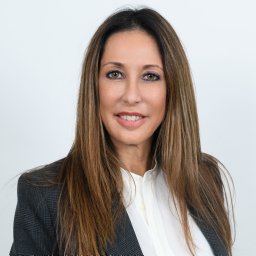 Monica Tocchi合作论文数Department of Internal Medicine, University of Texas Medical Branch at Galveston7R J Parmar合作论文数6Tr Zerbe合作论文数6Js Sandhu合作论文数6EI CURTISS合作论文数6Er Schwarz合作论文数6
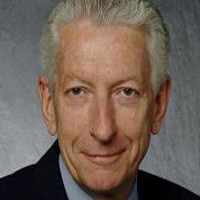 Paul W Armstrong合作论文数Department of Medicine, Faculty of Medicine & Dentistry, University of Alberta;Virtual Coordinating Centre for Global Collaborative Cardiovascular Research, University of Alberta6
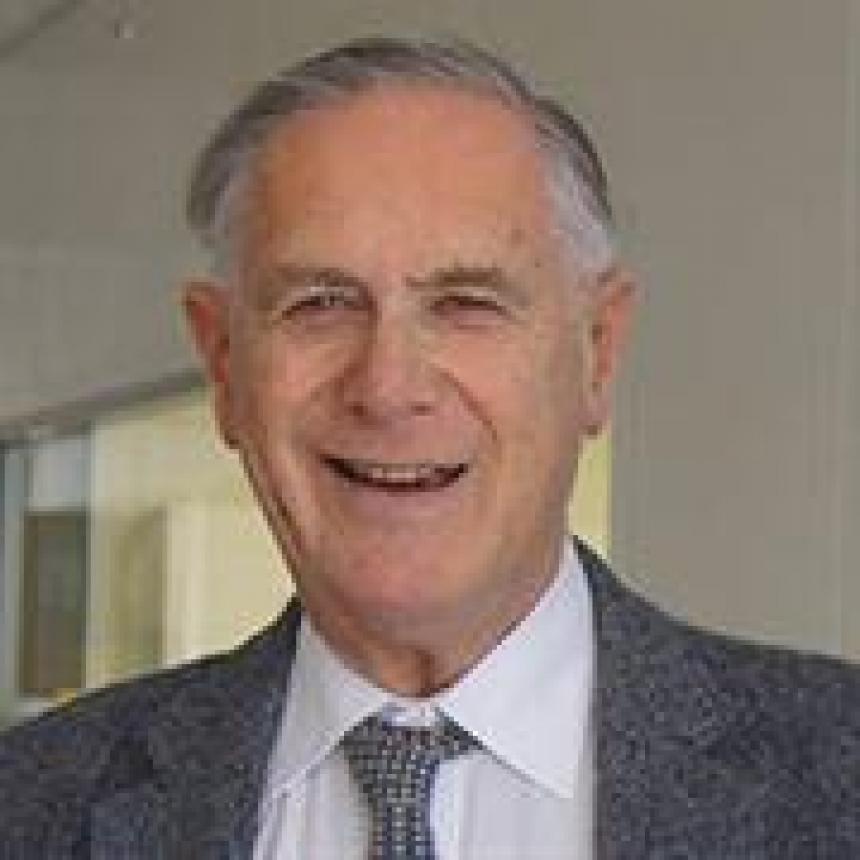 John Horowitz合作论文数The Queen Elizabeth Hospital;Faculty of Health and Medical Sciences, The University of Adelaide;Adelaide Medical School, The University of Adelaide6J Otero合作论文数5L VASSILAROS合作论文数5Ce Lawless合作论文数5Jb Young合作论文数5YM CANNON合作论文数5
 Peter Rahko合作论文数Department of Medicine, School of Medicine and Public Health, University of Wisconsin-Madison5Fw Wang合作论文数5DS SCHULMAN合作论文数5Mihai Gheorghiade合作论文数5
 Shaul Atar合作论文数Division of Cardiology, Cedars-Sinai Medical Center5




