Surface defects directly affect the operational stability of commutators, which are critical motor components. However, variations in industrial production conditions (e.g., batches, manufacturing processes, and environmental factors) cause data distribution shifts, which can result in performance degradations in the deployed models. The existing methods are usually limited to weight optimization and overlook the effect of model architectural plasticity on cross-domain performance. To address this, an architecture-level adaptive detection method for metal production condition shifts that enables the reconstruction of source-domain models in the target domain without target labels is proposed in this article. First, a dual-branch teacher-student search space framework enables label-free architecture-level adaptation to the target domain through self-training. Second, a source-domain knowledge inheritance mechanism reuses historical experience to avoid redundant optimization. Finally, a visual foundation model bias correction module is introduced to stabilize the training process by generating reliable pseudolabels. Experimental results show that the proposed method outperforms 10 state-of-the-art approaches, achieving the highest mIoU scores of 85.03% and 86.96% on the commutator dataset. Moreover, it requires only 0.7-2 h of search adaptation, reducing search time by more than 75% compared with that of traditional NAS.
The thermal error of machine tools is one of the most critical factors affecting machining accuracy. Compared to conventional temperature sensor-based acquisition methods, thermographic imaging enables comprehensive characterization of the global temperature field within the measurement space, thereby preventing the inherent data loss associated with discrete point-based sampling. Existing image processing models are predominantly developed for discrete prediction tasks such as classification, while thermal error modeling fundamentally constitutes a continuous regression problem. This study proposes a novel multistage thermal error prediction framework with a collaborative architecture. Thermal images are first processed through the classification mode to generate category numbers. Based on the category number, the corresponding regression prediction model is selected to enter the precision prediction mode with using multi-source heterogeneous information as input. During the training phase, each category-specific regression model is trained independently and finally all regression models trained for different categories are integrated together to achieve invoking trained submodules selectively based on real-time classification feedback. The thermal image dataset labeled according to thermal error values is constructed to train a ConvNeXt-based classification model. The ConvNeXt-based classification model achieves an average Z-axis classification accuracy of 44.22
Al-Li alloys present significant challenges for conventional fusion-based additive manufacturing (AM) due to their low evaporation temperature and high reactivity with oxygen. As a solid-state process, friction stir additive manufacturing (FSAM) is expected to eliminate melting and solidification during processing, thereby overcoming these limitations. This study investigates the FSAM of 2195 Al-Li alloy through temperature measurements and numerical simulations. The research focuses on the temperature at the center of the deposited region and the phase evolution before and after FSAM. The results indicate that during FSAM, the temperature at the center of the deposited zone ranges from 458 to 497 °C. In terms of phase constitution, the T3-tempered alloy primarily consists of an α-Al matrix and the δ’ (Al3Li) phase. The T8-tempered alloy contains α-Al, θ’ (Al2Cu), and T1 (Al2CuLi) phases. In the nugget zone (NZ), the peak temperature exceeds 450 °C. As a result, the T1 and θ’ phases dissolve, leaving only a small amount of δ’/β’ precipitates. This study presents a preliminary investigation based on a single-layer FSAM process. These findings provide a foundation for optimizing FSAM process parameters for Al-Li alloys.
The internal flow of a semi-open axial flow fan is highly three-dimensional and unsteady due to the absence of a confined passage. The evolution of complex vortical structures, such as the tip leakage vortex (TLV) and corner separation vortex (CSV), remains poorly understood. This study used high-resolution particle image velocimetry (PIV) to conduct multi-region, multi-view measurements of the flow field in a semi-open fan for an outdoor air conditioning unit. The generation, development, and breakdown of the TLV were analyzed, revealing transient nonuniform flow and wake evolution. Dynamic mode decomposition (DMD) was applied to extract dominant frequencies and spatial modes. The results show that the TLV has a dominant frequency of 98.5 Hz (2.19 times the rotational frequency), accounting for 88.5% of the total energy, and exhibits periodic shedding and asymmetric breakdown. The CSV dominates at 16.44 Hz, slightly above blade rotation, and interacts with the TLV. In the wake region, the dominant frequency is 248.45 Hz, arising from the nonlinear superposition of TLV harmonics, the CSV frequency, and the blade passing frequency. This study provides an experimental basis and a low-dimensional coherent structure model for internal flow diagnostics and the structural optimization of semi-open axial flow fans.
To address the insufficient hardness and wear resistance of FeCrCo alloys, inspired by biological shell architectures, a FeCrCo/WC composite with a shell-mimetic laminated structure was fabricated via laser-directed energy deposition (L-DED). By comparing the WC/FeCrCo shell-mimetic laminated structure and the pure FeCrCo deposit with respect to microstructure, hardness, phase composition, and wear resistance, the influence of WC particle distribution and interlayer interfacial coupling on the tribological performance is investigated. The results show that the WC/FeCrCo shell-mimetic structure exhibits excellent interlayer bonding and a refined microstructure. The average microhardness of the shell-mimetic structure increases by 27.60% compared to that of the pure FeCrCo deposit, which is attributed to grain refinement, the strengthening effect of WC particles, and the formation of carbide phases. Under loads of 90 N, 120 N, and 150 N, the wear amounts of the WC/FeCrCo shell-mimetic laminated structure decrease by 80.77%, 75.56%, and 73.68%, respectively, compared with those of the pure FeCrCo deposit. The enhanced wear resistance could be attributed to the synergistic effects of improved microhardness and the superior load-bearing and load-sharing capabilities of WC particles.
Surface defect detection in Surface Mount Device (SMD) manufacturing is challenged by frequent distribution shifts caused by variations in component placement—such as translation and rotation—as well as batch-specific differences in bonding wire configurations. To address these issues, we propose a Background-Adaptive Neural Network (BANet) that enhances detection robustness by learning comparative representations between test samples and positive references. BANet incorporates a Foreground Attention Mechanism (FAM) to suppress texture variation noise through improved foreground-background discrimination, and a Spatial Transformer Module (STM) to correct geometric distortions via affine transformations. Extensive experiments on three benchmark datasets demonstrate that BANet consistently outperforms state-of-the-art methods, confirming its strong generalization ability and practical potential for robust defect detection under diverse and variable production scenarios.
Industries such as 3C are increasingly incorporating titanium alloy structural components, leading to a significant demand for machining tools. The geometric parameters of these tools are crucial for their lifespan. However, the current reliance on manual design and iterative processes hampers rapid and high-quality tool design, adversely affecting product quality, production speed, and costs. To tackle this industrial challenge, it is essential to explore intelligent prediction paradigms for geometric parameter design. Achieving end-to-end prediction of multiple geometric parameters for cutting tools remains a complex task, with limited research on small-sample multi-task tabular data. This article proposes a novel deep transfer learning framework (Phy-MTDTL) for multi-task tabular data, integrating two pre-training and transfer paradigms while incorporating physical knowledge. This approach addresses challenges in multi-task prediction, small sample sizes, and the interpretability of industrial tabular data modeling. The framework introduces an innovative paradigm for high-precision and highqualification-rate intelligent prediction of multiple geometric parameters, paving the way for new research directions in cutting tool design. The integration of physical knowledge is reflected in three aspects: dataset, model structure, and evaluation indicators, enhancing the interpretability and credibility of the proposed method. Experimental results demonstrate the framework's effectiveness, showing significantly superior prediction accuracy and physical pass rates exceeding 90 % across five different geometric parameter prediction tasks compared to current transfer learning models. Additionally, the incorporation of physical knowledge enhances transfer prediction performance for small-sample tabular data. These results indicate that the study has significant industrial applicability and value.
Photon counting optical time-domain reflectometry (PC-OTDR), leveraging single photon detection, offers superior spatial resolution and high dynamic range in the testing of optical fiber links. However, the dead time and afterpulsing of the single photon detector could cause distortions on the PC-OTDR trace, especially for the fiber links with strong local reflections, such as the Fresnel reflection from fiber connection, the influence of which has yet to be investigated. In this work, we study the influences of local reflections with different strengths, then propose and demonstrate a scheme of multiple time-gating with narrow temporal filtering to mitigate these influences. Distortions are observed in a simulation system with a relative intensity of local reflection greater than 25.0 dB. To mitigate these distortions, we employ an optical intensity modulator driven by periodic electronic signals with different relative delays to manipulate the optical signal, and then process the measured traces with narrow temporal filtering. A trace without distortion is obtained in the simulation system, where a local reflection with a relative intensity of 37.5 dB is tolerated using our scheme. Furthermore, a PC-OTDR trace of a 70-m-long fiber link is obtained without distortion, where the relative intensity of the Fresnel reflection reaches 35.2 dB. Our results reveal the influence of local reflection on the PC-OTDR trace, and pave an available avenue for the testing of fiber links with strong local reflections.
The use of additive manufacturing technology for the lightweight design of complex lattice structures is becoming increasingly popular, but research on lattice structure design and strength evaluation still relies on the visual comparison of stress distributions and lacks quantitative assessment data. Given this perspective, this study explored the effects of structural parameters (relative density, cell size, and sample size) on the compressive strength of diamond lattice structures prepared by Stereolithography (SLA) and revealed the underlying mechanisms through stress distribution simulations and the calculation of characteristic stress distribution parameters (structural efficiency and stress concentration coefficient). The results showed that a greater relative density can increase structural efficiency, but it hardly affects the stress concentration coefficient, and smaller cell sizes and larger sample sizes increase the stress concentration coefficient without affecting the structural efficiency. Lattice structures with a greater relative density, higher structural efficiency, and a larger stress concentration coefficient exhibit higher compressive strength according to the lattice strength formula, which indicates that lattice strength is determined by the product of structural efficiency, stress concentration coefficient, relative density, and material strength. The relevant conclusions could guide the analysis of lattice stress distribution and the design of lattice structures.
Accurately predicting the future wear of cutting tools with variable geometric parameters remains a significant challenge. Existing methods lack the capability to model long-term temporal dependencies and predict future wear values—a key characteristic of world models. To address this challenge, we introduce the Tool-Multimodal Generative Pre-trained Transformer (Tool-MMGPT), a novel and scalable multimodal large language model (MLLM) architecture specifically designed for tool wear prediction. Tool-MMGPT pioneers the first tool wear world model by uniquely unifying multimodal data, extending beyond conventional static dimensions to incorporate dynamic temporal dimensions. This approach extracts modality-specific information and achieves shared spatiotemporal feature fusion through a cross-modal Transformer. Subsequently, alignment and joint interpretation occur within a unified representation space via a multimodal-language projector, which effectively accommodates the comprehensive input characteristics required by world models. This article proposes an effective cross-modal fusion module for vibration signals and images, aiming to fully leverage the advantages of multimodal information. Crucially, Tool-MMGPT transcends the limitations of traditional Large Language Models (LLMs) through an innovative yet generalizable method. By fundamentally reconstructing the output layer and redefining training objectives, we repurpose LLMs for numerical regression tasks, thereby establishing a novel bridge that connects textual representations to continuous numerical predictions. This enables the direct and accurate long-term forecasting of future wear time series. Extensive experiments conducted on a newly developed multimodal dataset for variable geometry tools demonstrate that Tool-MMGPT significantly outperforms state-of-the-art (SOTA) baseline methods. These results highlight the model's superior long-context modeling capabilities and illustrate its potential for effective deployment in environments with limited computational resources.
To address the anisotropy of mechanical properties and the challenge of removing support materials in lattice structures fabricated using fused deposition modeling (FDM), this study is inspired by traditional woodworking mortise and tenon joints. A hexagonal interlocking mortise lattice structure was designed, and mortise and tenon lattice structures (MTLSs) with various parameters were fabricated. Compared with the traditional integrated forming lattice structure (IFLS), the MTLS exhibits maximum reductions in side surface roughness (Ra), printing time, and material consumption of 74.87%, 25.55%, and 52.21%, respectively. In addition to enhancing surface quality and printing efficiency, the MTLS also exhibited superior mechanical properties. The uniaxial compression test results show that the specific strength, energy absorption (EA), and specific energy absorption (SEA) of the MTLS exhibit maximum increases of 51.22%, 894.59%, and 888.39%, respectively, compared with the IFLS. Moreover, the effects of strut angle and thickness on the lattice structure were analyzed. Smaller strut angles and larger strut thicknesses endowed greater strength, while smaller angles contributed to higher energy absorption. This study proposes a novel approach for designing lattice structures in additive manufacturing.
The high damage rate of mechanical cutting and low harvesting efficiency of stem mustard is a major constraint to the sustainable development of its industry. In this study, a reciprocating cutter device tailored for stem mustard was designed for stem mustard under special growing conditions in southwest China. A reciprocating cutter model was developed based on ANSYS/LS-DYNA. Parameters considered include cutting height (X1), angle of incision (X2), forward speed (X3) and single run displacement (X4). Cutting force (F) and cutting power (P) were identified as evaluation metrics. A multifactor quadratic regression model was developed for the orthogonal combinatorial testing procedure using the Box–Behnken design methodology. Cutting force and cutting power obtained by applied derivation of regression equations were 41.4 N and 36.756 W, respectively. Response surface methodology and analysis of variance (ANOVA) were used to determine the optimum operating parameters of the cutting tools used for machining, which were determined to be X1 = 1.45 mm, X2 = 12°, X3 = 0.5 m/s and X4 = 93 mm. The maximum cutting success rate of 94% and the minimum damage rate of 6% on stemmed mustard under the optimum combination of cutting parameters were verified through several field trials. The results of this study provide valuable technical insights into the optimal design of harvesting equipment for stem and leaf mustard to improve the success rate and reduce the damage rate.
The titanium matrix composites (TMCs) fabricated via Directed Energy Deposition (DED) effectively overcome the issue of coarse columnar grains typically observed in additively manufactured titanium alloys. In this study, systematic annealing heat treatments were applied to in situ (TiB + TiC)/Ti-6Al-4V composites to refine the microstructure and tailor mechanical properties. The results reveal that the plate-like α phase in the as-deposited composites gradually transforms into an equiaxed morphology with increasing annealing temperature and holding time. Notably, when the annealing temperature exceeds 1000 °C, significant coarsening of the TiC phase is observed, while the TiB phase remains morphologically stable. Annealing promotes decomposition of acicular martensite and stress relaxation, leading to a reduction in hardness compared to the as-deposited state. However, the reticulated distribution of the TiB and TiC reinforcement phases contributes to enhanced tensile performance. Specifically, the as-deposited composite achieves a tensile strength of 1109 MPa in the XOY direction, representing a 21.6% improvement over the as-cast counterpart, while maintaining a ductility of 2.47%. These findings demonstrate that post-deposition annealing is an effective strategy to regulate microstructure and achieve a desirable balance between strength and ductility in DED-fabricated titanium matrix composites.
In this study, the newly developed Ti35421 (Ti3Al5Mo4Cr2Zr1Fe wt.%) alloy was prepared by laser directed energy deposition (L-DED) because it contains several major elements that can refine grains, which is expected to enable the transformation from columnar to equiaxed grains. The results show that the L-DED Ti35421 alloy is predominantly composed of equiaxed grains and features various α-phase morphologies, including grain boundary α, lath α, and acicular α′ structures. These microstructural features are attributed to the rapid cooling conditions during processing. Such a microstructure enhances the alloy’s tensile strength (1446 MPa) while leading to limited ductility (1.7%). Following the solution and aging treatment, the grain boundary α phase undergoes coarsening, while the matrix β phase transforms into numerous fine lamellar α phases. This leads to a reduction in strength but an improvement in ductility. Therefore, the optimal heat treatment process for the L-DED Ti35421 alloy is determined to be a two-stage procedure: first, heating at 780 °C for 2 h followed by air cooling, and subsequently heating at 575 °C for 8 h with air cooling. Under this treatment, the alloy exhibits excellent mechanical properties, including a tensile strength of 1196 MPa, a yield strength of 1162 MPa, an elongation of 6.8%, and a reduction in area of 16.7%. Since there are no continuous grain boundaries in α, the rolled Ti35421 alloy exhibits better ductility than the L-DED Ti35421 alloy. This article is a revised and expanded version of a poster presentation entitled “Microstructure and mechanical properties of Ti-3Al-5Mo-4Cr-2Zr-1Fe alloy fabricated by laser deposition manufacturing”, which was accepted and presented at the 15th World Conference on Titanium (Ti-2023), Edinburgh, UK, 12–16 June 2023.
Directly applying original high-dimensional data as the input for machine learning leads to curse of dimensionality, decline of generalization ability and even misleading conclusion. Feature engineering technique, which can effectively reduce feature size and data dimension, is the core of data mining. However, feature selection has strong interpretability and low computational expense but cannot explore deep information. Feature extraction can capture deep and complex information but has the large computational cost and poor interpretability. To integrate the advantages of two feature engineering techniques, a novel method based on feature subset selection and multi-feature extraction is proposed in this paper. The proposed method first performs feature selection to generate initial feature subsets through an improved binary nutcracker optimization algorithm. Then initial feature subsets with preliminary dimensionality reduction are used for feature extraction through dynamic convolution to generate optimal feature subsets. The method for feature selection is compared as an independent part with five high-performing metaheuristic wrapper-based methods and five widely used filter-based methods. The complete method incorporating dynamic convolution as a feature extraction method is compared with the proposed method without feature extraction, the proposed method without feature selection and six other effective feature dimensionality reduction methods. All these methods are experimentally analyzed and comparatively evaluated on twenty datasets with various sizes. The results demonstrate the superior performance of the proposed method compared to other similar techniques.
Compared with traditional lightweight corrugation and honeycomb cores, the novel cellular structure exhibiting a negative Poisson's ratio possesses distinctive mechanical deformation features, making it suitable for modeling lightweight sandwich structures. Therefore, the concept of combining the auxetic honeycomb core with folded corrugations is proposed to construct a new type of corrugation star-shaped honeycomb (SSH) hybrid core for studying the dynamic behavior of sandwich panels subjected to low-velocity impact. Integrate Hertz elasticity theory and first-order shear deformation theory (FSDT) to develop an equivalent analytical model, and derive the equations of motion through Hamilton principle. To model contact force interactions during dynamic processes, a spring-mass model is utilized. Analytical solutions are derived for predicting transverse displacement with Duhamel's principle and Navier's method. Numerical simulations are conducted using the Abaqus commercial software, and the validity of the results is confirmed by comparing them with findings in the existing literature. Based on this, effective strategies for enhancing the sandwich panel's resistance to low-velocity impacts are proposed by examining the influence of different side length ratios, thickness ratios, and cell concave angles. In comparison to the corrugation re-entrant hexagonal honeycomb hybrid core sandwich panel structure, the corrugation SSH hybrid core sandwich panel structure reduces transverse displacement by 33.6% at the same impact velocity.
Chatter is a common state in milling and turning, which will reduce the machining quality of parts. For taking adequate measures to avoid chatter, chatter detection is necessary. However, chatter recognition still has many difficulties for both turning and milling. Due to the material removal effect, the chatter frequency will change. The existing frequency band extraction methods, such as ensemble empirical mode decomposition (EEMD) and wavelet packet transform, can not fully reflect the chatter information. As a result, a novel online chatter recognition method is proposed based on spectrum characteristics, which can be applied to the chatter recognition for both turning and milling under the combination of multiple cutting parameters black simultaneously. Firstly, we carried out the hammering experiment to obtain the frequency response function and modal frequency of the machining system before and after machining. The signal distribution characteristics of turning and milling signals are analyzed. Four features sensitive to chatter are extracted, including spectral standard deviation, frequency spectral expectation (FSE), spectral skewness, and relative power spectral entropy (RPE). Taking these features as inputs, a chatter recognition model is established based on an extreme gradient boosting (XGBoost) algorithm. Finally, we conducted the turning and milling tests. The experimental results show that the proposed chatter recognition model can be effective under different cutting parameters for turning and milling. Besides, results also show the chatter recognition model has extraterritorial applicability.
In order to study the feasibility of forming microtexture at the surface of 7050 aluminum alloy by laser-induced cavitation bubble, and how the density of microtexture influences its tribological properties, the evolution of the cavitation bubble was captured by a high-speed camera, and the underwater acoustic signal of evolution was collected by a fiber optic hydrophone system. This combined approach was used to study the effect of the cavitation bubble on 7050 aluminum alloy. The surface morphology of the microtexture was analyzed by a confocal microscope, and the tribological properties of the microtexture were analyzed by a friction testing machine. Then the feasibility of the preparation process was verified and the optimal density was obtained. The study shows that the microtexture on the surface of a sample is formed by the combined results of the plasma shock wave and the collapse shock wave. When the density of microtexture is less than or equal to 19.63%, the diameters of the micropits range from 478 μm to 578 μm, and the depths of the micropits range from 13.56 μm to 18.25 μm. This shows that the laser-induced cavitation bubble is able to form repeatable microtexture. The friction coefficient of the sample with microtexture is lower than that of the untextured sample, with an average friction coefficient of 0.16. This indicates that the microtexture formed by laser-induced cavitation bubble has a good lubrication effect. The sample with a density of 19.63% is uniform and smooth, having the minimum friction coefficient, with an average friction coefficient of 0.14. This paper provides a new approach for microtexture processing of metal materials.
Surface defect segmentation is a critical task in industrial quality control. Existing neural network architectures often face challenges in providing both real-time performance and high accuracy, limiting their practical applicability in time-sensitive, resource-constrained industrial setting. To bridge this gap, we introduce A-Net, an A-shape lightweight neural network specifically designed for real-time surface defect segmentation. Initially, A-Net introduces a pioneering A-shaped architecture tailored to efficiently handle both low-level details and high-level semantic information. Secondly, a series of lightweight feature extraction blocks are designed, explicitly engineered to meet the stringent demands of industrial defect segmentation. Finally, rigorous evaluations across multiple industry-standard benchmarks demonstrate A-Net’s exceptional efficiency and high performance. Compared to the well-estabilished U-Net, A-Net achieves comparable or superior intersection over union (IoU) scores with gains of −0.21%, −0.3%, +4.7%, and +5.94% on NEU-seg, DAGM-seg, MCSD-seg, and MT dataset, respectively. Remarkably, A-Net does so with only 0.39M parameters, a 98.8% reduction, and 0.44G floating point operations (FLOPs), a 99% decrease in computational load. Besides, A-Net shows extremely fast inference speed on edge device without GPU because of its low FLOPs. A-Net contributes to the development of effective and efficient defect segmentation networks, suitable for real-world industrial applications with limited resources.
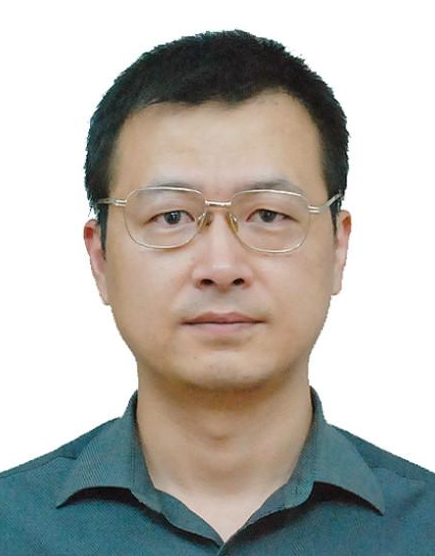 Xinyong Mao (毛新勇)合作论文数Manufacturing Equipment and Nc Machining, Huazhong University of Science and Technology65
 Hongqi Liu (刘红奇)合作论文数National NC System Engineering Technology Research Center, School of Mechanical Science & Engineering, Huazhong University of Science and Technology59
 Fangyu Peng (彭芳瑜)合作论文数National Nc System Engineering Research Center, School of Mechanical Science and Engineering, Huazhong University of Science and Technology58
 Songping He (贺松平)合作论文数School of Mechanical Science & Engineering, Huazhong University of Science and Technology37
 Kuanmin Mao (毛宽民)合作论文数School of Mechanical Science and Engineering, Huazhong University of Science and Technology30
 Hai Gu合作论文数24
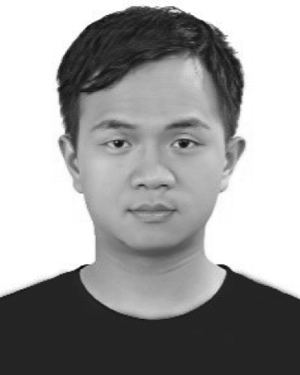 Tongzhi Niu合作论文数21
 Bo Luo合作论文数20Jie Jiang合作论文数18Jie Zhang合作论文数18
 Fengguang Luo (罗风光)合作论文数School of Optical and Electronic Information, Huazhong University of Science and Technology18
 Rong Yan (闫蓉)合作论文数School of Mechanical Science and Engineering, Huazhong University of Science and Technology;State Key Laboratory of Intelligent Manufacturing Equipment and Technology, Huazhong University of Science and Technology15
 Xuchu Jiang (姜旭初)合作论文数School of Statistics and Mathematics, Zhongnan University of Economics and Law14
 Shuanlong Niu合作论文数Digital Manufacturing Equipment and Technology, School of Mechanical Science and Engineering, Huazhong University of Science and Technology, Wuhan, China12
 Kai Li (李凯)合作论文数College of Mechanical and Electrical Engineering, Central South University11Chaochao Qiu合作论文数11
 Huanlao Liu (刘焕牢)合作论文数School of Mechanical Engineering, Guangdong Ocean University11
 Zhenrong Wang合作论文数10
 Weifeng Li合作论文数10
 Cai Hui合作论文数10Yili Peng合作论文数10
 Hanmin Shi (师汉民)合作论文数Huazhong University of Science and Technology,Wuhan10Caihua Hao合作论文数8ShuaiLong Yang (杨帅龙)合作论文数8JianHua Sun (孙健华)合作论文数8
 Yunfei Zhou (周云飞)合作论文数School of Mechanical Science & Engineering, Huazhong University of Science and Technology8Xin Tan合作论文数7
 Liu Yang (杨柳)合作论文数College of Engineering, China Agricultural University7
 Xiaoqi Tang (唐小琦)合作论文数School of Mechanical Science & Engineering, Huazhong University of Science and Technology7Tao Wu (吴涛)合作论文数华中科技大学软件学院7Long-Wen Wang合作论文数7weiwei xiao合作论文数6Ling Yin合作论文数Huazhong Univ Sci & Technol, Sch Mech Sci & Engn, Wuhan 430074, Peoples R China6
 Xinbing Wang (王新兵)合作论文数Wuhan National Laboratory for Optoelectronics, Huazhong University of Science and Technology6
 Liangshan Xiong (熊良山)合作论文数School of Mechanical Science and Engineering, Huazhong University of Science and Technology6
 Deming Liu (刘德明)合作论文数School of Optical and Electronic Information, Huazhong University of Science and Technology6
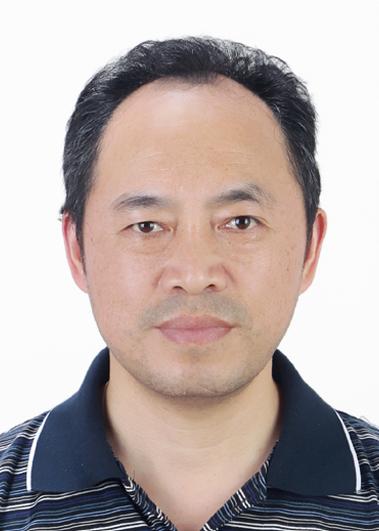 Duluo Zuo (左都罗)合作论文数Wuhan National Laboratory for Optoelectronics, School of Integrated Circuit, Huazhong University of Science and Technology6
 Zhihua Yu (余志华)合作论文数中国地质大学(武汉)自动化学院6
 Xinggang Wang (王兴刚)合作论文数Artificial Intelligence Institute, School of Electronic Information and Communications, Huazhong University of Science and Technology6Weilin Zhou合作论文数6
 Yuanhong Qiu合作论文数5Anlan Yu合作论文数5HongLiang Tian (田红亮)合作论文数5Xi Li (李曦)合作论文数5Manyi Chen (陈满意)合作论文数School of Mechanical and Electronic Engineering, Wuhan University of Technology5Yu Huang (黄钰)合作论文数College of Informatics, Huazhong Agricultural University5
 Zhijuan Zhu (朱志娟)合作论文数School of Mechanical Science and Engineering, Huazhong University of Science and Technology5
 Zhengcheng Duan (段正澄)合作论文数School of Mechanical Science & Engineering, Huazhong University of Science and Technology5
 Lixin Tang (唐立新)合作论文数School of Mechanical Science & Engineering, Huazhong University of Science and Technology5




