Recently, many methodologies have utilized image restoration networks to enhance the quality of novel view synthesis. Although they have achieved remarkable results, there remain two challenges. (1) Most of them employ CNN-based restoration networks, which cannot effectively model long-range dependencies, resulting in limited reconstruction performance. (2) They fail to effectively restore texture details in the image, thereby leaving synthetic images with deficiencies in realism. To address the issues above, we propose a novel framework named LDMTrans, which combines an efficient latent diffusion model and Transformer to enhance the quality of novel view images rendered by NeRF. Specifically, we introduce a conditional latent diffusion model (CLDM) and apply it in a highly compact latent space, requiring only a few simple iterations to generate NeRF scene prior knowledge (SPK) with high-frequency texture information. Furthermore, we design a Priori-Guided Transformer, which takes low-resolution images and depth maps rendered by NeRF as input, and utilizes SPK generated by CLDM to reconstruct super-resolution images with rich high-frequency details. Experimental results validate that our proposed method outperforms state-of-the-art methods on two benchmark datasets both quantitatively and visually. LDMTrans can seamlessly integrate into any NeRF-based novel view synthesis method as a plugin, effectively enhancing the quality of synthesized images and significantly accelerating the rendering speed for a 4K image.
Existing general image inpainting works require the user to customize a mask to indicate the region to be inpainted. However, the mask is often hard to calibrate accurately in real-world applications, e.g., graffiti removal. Blind image inpainting aims to automatically restore the degraded image into the visually reasonable one without a priori mask to indicate the area to be repaired. So far, most proposed blind inpainting methods convert the task into general inpainting by predicting the mask before inpainting. However, these methods are highly dependent on mask prediction results, which may produce inferior inpainting results if the prediction is inaccurate. To address this issue, we propose a two-stage blind inpainting framework with two novel designs: (1) cross-space contrastive learning, to remove the noise in the degraded images and realize the automatic inpainting in the latent space by reducing the distance of the degraded images and the corresponding complete images in the latent space; and (2) mask-aware adversarial training, to minimize the mutual information between the inpainted feature and the noise. Extensive experiments prove that our blind inpainting framework performs better on multiple datasets than the state-of-the-art methods.
Recently, 3D Gaussian Splatting (3DGS) has demonstrated remarkable capabilities in scene synthesis and reconstruction. However, existing approaches predominantly focus on simple scenes, but struggle to reconstruct intricate structures in complex scenarios due to sparse initialization and deficient geometric optimization. Meanwhile, the computational burden in large-scale scenes severely restricts overall efficiency. In this paper, we present GaussianCraft, a novel fine-grained 3DGS framework that achieves state-of-the-art performance in large-scale surface reconstruction through three key innovations: First, we introduce a multi-view aware initialization strategy that integrates point positions, normals, and scales from multi-view information into Gaussian fields to enhance spatial coverage and local geometric representation, enabling sufficient initialization. Second, we devise a geometric refinement term based on gradient regularization, which suppresses high-frequency perturbations in geometric optimization, stably guiding Gaussian centers toward multi-view consistent surfaces while preserving thin and hollow structures. Third, we propose a visibility-in-block partitioning mechanism for large scenes and high-resolution images, significantly improving computational efficiency. Extensive experiments on large-scale aerial photogrammetry benchmarks demonstrate the superiority of our method: GaussianCraft achieves the highest geometric accuracy with an average F1-score of 0.755 among current GS-based methods while requiring only half the training time. Qualitative evaluations on complex, large-scale scenes with intricate structures reveal pronounced improvements in structure preservation and surface completeness.
Constructing photorealistic Free-Viewpoint Videos (FVVs) of dynamic scenes from a set of posed 2D images has been an intriguing yet challenging task in computer vision. Methods based on neural rendering achieve high-fidelity image quality in FVV construction. However, most of these methods are unable to achieve real-time rendering and often require complete video sequences to train. Despite the existence of some online training methods capable of rendering FVVs in real time, they struggle to meet the requirements for storage and training time for downstream applications. To overcome this problem, we propose Struct-GStream, which can achieve efficient FVV streaming using structured 3D Gaussians (3DGs). Specifically, we introduce dynamic anchor points to generate structured 3DGs to construct basic scenes and model approximate scene movements based on the assumption of local rigidity in object motion. Besides, we introduce a global free 3DGs patching strategy involving free 3DGs' generation, pruning, and optimization to patch and model deficient areas and emerging objects. Our method achieves fast training at low bitrates while maintaining high rendering quality. Extensive experiments demonstrate that Struct-GStream significantly outperforms existing online training methods for FVV construction in terms of training time, storage, and rendering quality while maintaining competitive rendering speed.
Personalized text-to-image generation aims to learn new concepts from user-provided images and subsequently generate diverse scenes or styles of the concepts from input prompts. Most existing methods usually require a set of images (typically 3-5) for each concept, which can be cumbersome. Although several methods allow personalized generation with a single reference image, they often require heavy model training and suffer from many issues such as domain-specific applicability, insufficient fidelity, and limited editability. To address these problems, we propose a novel one-shot personalized text-to-image generation method called ConceptCraft, which explicitly separates the reference image into object and background regions and treats them as two distinct concepts to learn, significantly improving the personalization performance. Specifically, we incorporate two unique identifiers into the text prompts: one followed by the object’s class name and the other by the word “background”. To bind these two identifiers to the reference image’s object and background respectively, we introduce a mask-aware object preservation loss and a mask-aware background preservation loss to optimize their corresponding token embeddings under well-designed text conditions, enabling both object and background personalization. In addition, we also develop an identifier regularization scheme to enhance our editability, allowing the synthesis of personalized images across a broader range of scenes and styles without changing the identity. Extensive qualitative and quantitative experiments are conducted to verify the effectiveness and superiority of our method.
Graphical User Interface (GUI) agent is pivotal to advancing intelligent human-computer interaction paradigms. Constructing powerful GUI agents necessitates the large-scale annotation of high-quality user-behavior trajectory data (\textit{i.e.}, intent–trajectory pairs) for training. However, manual annotation methods and current GUI agent data mining approaches typically face three critical challenges: high construction cost, poor data quality, and low data richness. To address these issues, we propose M$^2$-Miner, the first low-cost and automated mobile GUI agent data-mining framework based on Monte Carlo Tree Search (MCTS). For better data mining efficiency and quality, we present a collaborative multi-agent framework, comprising InferAgent, OrchestraAgent, and JudgeAgent for guidance, acceleration, and evaluation. To further enhance the efficiency of mining and enrich intent diversity, we design an intent recycling strategy to extract extra valuable interaction trajectories. Additionally, a progressive model-in-the-loop training strategy is introduced to improve the success rate of data mining. Extensive experiments have demonstrated that the GUI agent fine-tuned using our mined data achieves state-of-the-art performance on several commonly used mobile GUI benchmarks. Our work will be released to facilitate the community research.
Large-scale road surface reconstruction supports high-definition mapping, autonomous-driving perception, annotation, and simulation. Existing road-specialized optimization methods can produce high-quality road representations, but they typically require per-scene training and scene-dependent coverage design around the driving trajectory, limiting scalable reconstruction over newly collected roads. To address these limitations, we introduce RoadVGGT, a road-structure-aware feed-forward framework that reconstructs compact Gaussian road surfaces without test-time per-scene optimization. RoadVGGT uses a geometric foundation model to exploit multi-view images together with provided pose and depth observations, and predicts dense pixel-aligned Gaussian attributes through a learned Gaussian head. To make these dense predictions usable for large road surfaces, we align them into a consistent metric world coordinate system and fuse redundant Gaussians on the road-aligned XY plane through confidence-weighted grid fusion. Category-aware grouping and road--sidewalk junction protection further control fusion around vulnerable road structures. The resulting representation supports RGB and semantic bird's-eye-view maps, elevation estimation, and novel view synthesis. RoadVGGT eliminates the need for per-scene optimization in prior methods, reconstructs complete road surfaces with a compact Gaussian representation, and improves image quality, semantic mapping, and elevation accuracy. Extensive experiments demonstrate the potential of geometric foundation models for scalable feed-forward road surface reconstruction.
Subject-driven generation, which aims to synthesize visual content for a given identity V* with specific attributes, has garnered increasing attention in recent years. While existing methods demonstrate impressive identity consistency for both single and multiple identities, they often lack user-specified spatial control. Recent approaches, such as OminiControl-2 and EasyControl, enable inpainting conditioned on a single identity but fall short in multi-identity scenarios. In this paper, we introduce BoundID, a dataset synthesis pipeline for generating multi-identity images with bounding box annotations, and introduce Inpaint-Anywhere, a diffusion transformer framework for multi-identity inpainting. Given multiple identity references and corresponding masks, our method simultaneously generates all desired identities at precise locations while achieving both high identity and prompt fidelity. Extensive experiments show that Inpaint-Anywhere achieves state-of-the-art performance in multi-identity inpainting.
3D Gaussian Splatting, known for enabling high-quality static scene reconstruction with fast rendering, is increasingly being applied to multi-view dynamic scene reconstruction. A common strategy involves learning a deformation field to model the temporal changes of a canonical set of 3D Gaussians. However, these deformation-based methods often produce blurred renderings and lose fine motion details in highly dynamic regions due to the inherent limitations of a single, unified model in representing diverse motion patterns. To address these challenges, we introduce Motion-Aware Partitioning of Deformable 3D Gaussian Splatting (MAPo), a novel framework for high-fidelity dynamic scene reconstruction. Its core is a dynamic score-based partitioning strategy that distinguishes between high- and low-dynamic 3D Gaussians. For high-dynamic 3D Gaussians, we recursively partition them temporally and duplicate their deformation networks for each new temporal segment, enabling specialized modeling to capture intricate motion details. Concurrently, low-dynamic 3DGs are treated as static to reduce computational costs. However, this temporal partitioning strategy for high-dynamic 3DGs can introduce visual discontinuities across frames at the partition boundaries. To address this, we introduce a cross-frame consistency loss, which not only ensures visual continuity but also further enhances rendering quality. Extensive experiments demonstrate that MAPo achieves superior rendering quality compared to baselines while maintaining comparable computational costs, particularly in regions with complex or rapid motions.
Accurate medical image segmentation is a core task in biomedical engineering and computer-assisted image analysis. Prompt-based segmentation models, such as Med-SAM, allow anatomical structures or lesions to be delineated from sparse user inputs, but two-dimensional clinical images often contain small targets, weak boundaries, heterogeneous lesion textures, and modality-specific noise. These factors can reduce the reliability of prompt-conditioned masks when early structural cues are weakened during deep encoder propagation. We propose HBF-BCER MedSAM, a prompt-preserving enhancement framework that primarily strengthens MedSAM image-encoder representations while retaining the original point- and box-prompt interface. Historical Branch Fusion (HBF) reinjects cross-layer structural summaries from previous enhanced blocks, whereas Balanced Convolutional Expert Routing (BCER) performs soft pixel-wise weighting of heterogeneous convolutional experts in bottleneck space under a load-balancing constraint. Experiments on REFUGE2, ISIC2016, and TNMIX under matched simulated-prompt protocols show consistent improvements over the matched MedSAM baseline. Dice/IoU increased from 82.1%/73.8% to 91.0%/83.7% for REFUGE2 optic cup segmentation, from 87.5%/78.6% to 95.9%/92.4% on ISIC2016, and from 81.6%/75.1% to 91.4%/85.1% on TNMIX. Qualitative comparisons, convergence analysis, and ablation studies further support the effectiveness of preserving historical structural evidence and applying adaptive local expert weighting for prompt-conditioned medical image segmentation.
Fine-grained visual reasoning in multimodal large language models (MLLMs) is bottlenecked by single-pass global image encoding: key evidence often lies in tiny objects, cluttered regions, subtle markings, or dense charts. We present TikArt (Thinking Aperture), an aperture-guided agent that formulates multimodal reasoning as sequential evidence acquisition over regions of interest. TikArt follows a Think–Aperture–Observe (TAO) loop that interleaves language reasoning with two aperture actions: Zoom, which extracts rectangular crops, and Segment, which invokes an off-the-shelf segmenter to produce object-centric mask-based views for irregular targets. A mandatory Observation step after every aperture action writes local evidence back into text, yielding interpretable aperture trajectories and persistent linguistic memory. Built on Qwen3-VL-8B, TikArt is trained with GRPO-style reinforcement learning under a two-stage curriculum. To stabilize long-horizon tool-integrated learning, we introduce Relative Uncertainty Reduction (RUR), a dense reward computed by a frozen evaluator that favors evidence-building trajectories and mitigates degenerate tool use. Experiments on high-resolution reasoning, general multimodal understanding, and both referring and reasoning-oriented segmentation show consistent gains over the backbone, demonstrating that aperture-guided observation improves fine-grained visual reasoning and transfers naturally to pixel-level grounding.
The goal of Open-Vocabulary Compositional Zero-Shot Learning (OV-CZSL) is to recognize attribute-object compositions in the open-vocabulary setting, where compositions of both seen and unseen attributes and objects are evaluated. Recently, prompt tuning methods have demonstrated strong generalization capabilities in the closed setting, where only compositions of seen attributes and objects are evaluated, i.e., Compositional Zero-Shot Learning (CZSL). However, directly applying these methods to OV-CZSL may not be sufficient to generalize to unseen attributes, objects and their compositions, as it is limited to seen attributes and objects. Normally, when faced with unseen concepts, humans adopt analogies with seen concepts that have the similar semantics thereby inferring their meaning (e.g., "wet" and "damp", "shirt" and "jacket"). In this paper, we experimentally show that the distribution of semantically related attributes or objects tends to form consistent local structures in the embedding space. Based on the above structures, we propose Structure-aware Prompt Adaptation (SPA) method, which enables models to generalize from seen to unseen attributes and objects. Specifically, in the training stage, we design a Structure-aware Consistency Loss (SCL) that encourages the local structure's consistency of seen attributes and objects in each iteration. In the inference stage, we devise a Structure-guided Adaptation Strategy (SAS) that adaptively aligns the structures of unseen attributes and objects with those of trained seen attributes and objects with similar semantics. Notably, SPA is a plug-and-play method that can be seamlessly integrated into existing CZSL prompt tuning methods. Extensive experiments on OV-CZSL benchmarks demonstrate that SPA achieves competitive closed-set performance while significantly improving open-vocabulary results.
Arbitrary-scale image super-resolution methods have achieved impressive results. However, they struggle to reconstruct detailed texture information when the upsampling factor is greater than 4 & times;. To mitigate this issue, we propose a novel approach combining prompting and diffusion prior for arbitrary-scale image super-resolution, named ProDiff. Specifically, we introduce a diffusion prior generation network to learn diffusion priors that conform to the distribution of high-resolution image detail information. Next, a prior fusion module is designed to integrate diffusion priors into the backbone. Additionally, we design a scale-aware prompt block, which generates input-conditioned prompts based on images with varying degrees of degradation, then merges these prompts with corresponding scale information to dynamically enhance the backbone's ability to represent details. Extensive experiments on benchmark datasets demonstrate that ProDiff achieves SOTA performance in arbitrary-scale super-resolution tasks. Codes are released at https://github.com/GuangYuanKK/ProDiff.
3D Gaussian Splatting has demonstrated remarkable real-time rendering capabilities and superior visual quality in novel view synthesis for static scenes. Building upon these advantages, researchers have progressively extended 3D Gaussians to dynamic scene reconstruction. Deformation field-based methods have emerged as a promising approach among various techniques. These methods maintain 3D Gaussian attributes in a canonical field and employ the deformation field to transform this field across temporal sequences. Nevertheless, these approaches frequently encounter challenges such as suboptimal rendering speeds, significant dependence on initial point clouds, and vulnerability to local optima in dim scenes. To overcome these limitations, we present FRoG, an efficient and robust framework for high-quality dynamic scene reconstruction. FRoG integrates per-Gaussian embedding with a coarse-to-fine temporal embedding strategy, accelerating rendering through the early fusion of temporal embeddings. Moreover, to enhance robustness against sparse initializations, we introduce a novel depth- and error-guided sampling strategy. This strategy populates the canonical field with new 3D Gaussians at low-deviation initial positions, significantly reducing the optimization burden on the deformation field and improving detail reconstruction in both static and dynamic regions. Furthermore, by modulating opacity variations, we mitigate the local optima problem in dim scenes, improving color fidelity. Comprehensive experimental results validate that our method achieves accelerated rendering speeds while maintaining state-of-the-art visual quality.
Promptable medical segmentation models can be sensitive to small targets, weak boundaries, heterogeneous texture, and inaccurate user prompts. We propose HBF-BCER, a prompt-preserving adaptation of the SAM ViT-B architecture for medical image segmentation. Historical Branch Fusion (HBF) reinjects aligned bottleneck summaries from previous enhanced encoder blocks, while Balanced Convolutional Expert Routing (BCER) applies load-balanced, pixel-wise soft weighting to heterogeneous convolutional experts. The evaluation uses fixed held-out evaluation sets, three training seeds, matched original SAM ViT-B, image-encoder and mask-decoder full fine-tuning, decoder-adapter, LoRA, and DoRA baselines, repeated prompt perturbations, paired statistics, and internal module ablations. HBF-BCER achieved Dice scores of 96.69±0.12% and 92.24±0.18% for REFUGE2 disc and cup, 96.18±0.31% for ISIC2016, and 92.08±0.19% for TNMIX. Image-encoder and mask-decoder full fine-tuning produced slightly higher Dice for the REFUGE2 disc and TNMIX, whereas HBF-BCER produced higher Dice for the REFUGE2 cup and ISIC2016 and the lowest HD95 on all four targets. Among the four paired comparisons with available per-image outputs, HBF-BCER showed significant gains for REFUGE2 cup versus SAM + Adapter and LoRA and for TNMIX versus SAM + Adapter; the ISIC2016 difference versus full fine-tuning was not significant. The method reduced trainable parameters by 81.5% relative to image-encoder and mask-decoder full fine-tuning but increased total parameters, FLOPs, and inference latency. These results support HBF-BCER as a parameter-efficient training strategy rather than a generally lightweight or uniformly superior model.
Although large pretrained stable diffusion (SD) models can generate high-quality images from prompts, they cannot generate images that are consistent with the fine-grained characteristics of a specific identity V* (e.g., an anime character). Subject-driven generation focuses on exploring and leveraging the prior knowledge within a model to achieve the goals of ID and context preservation. There have been efforts, such as DreamBooth, to conduct subject-driven generation; however, they suffer from ID and context mistakes. An ID mistake means a feature loss of V*, and a context mistake means that the generated image does not align with the given prompt. To rectify these problems, in this paper, we propose masked fine-tuning for efficient feature learning of V*, then propose IP-Controller for decomposing and optimizing cross-attention maps of V* and prompt words other than V*. Specifically, we generate the cross-attention map using a vanilla input prompt and decompose it into an ID cross-attention map (matching V*) and a context cross-attention map (matching prompt words other than V*). Next, we generate fitter ID and context cross-attention maps on the basis of the input ID and context prompts, respectively. We optimize the ID and context cross-attention maps with the fitter ID and context cross-attention maps, respectively, so that the diffusion process pays fitter attention for specific contents. Experiments show that IP-Controller correctly integrates the core features of V* and the semantic context of the prompt words other than V* and generates high-quality images for the given prompt.
Recent large pre-trained text-to-image models possess massive prior knowledge, which can generate high-quality images with a simple prompt. However, when we need to generate a personalized object with a specific attribution description, namely, an identity V*, it cannot generate images that match the desired identity. Existing personalization methods for text-to-image models have the following three problems: (1) low identity fidelity, (2) low prompt fidelity and (3) low quality. To address the above issues, we propose a dual-direction fine-tuning method that guides the large pre-trained text-to-image model to generate images corresponding to the input prompt. Specifically, we input a class label into a large pre-trained text-to-image model to generate class-generalized images and caption these images using a Bootstrapping Language–Image Pre-training (BLIP) image-captioning model, obtaining class-generalized prompts. The two fine-tuning directions are ID-strengthen and ID-weaken directions. For the ID-strengthen direction, we append up-weighted V* at the beginning of a class-generalized prompt to obtain an ID-strengthen prompt, then we use the reference images of V* and the ID-strengthen prompt to fine-tune the pre-trained model. For the ID-weaken direction, we append down-weighted V*, obtain an ID-weaken prompt, and fine-tune the pre-trained model. In addition, we propose an attentive attribution alignment strategy to align the semantic information of the weighted prompts to the class-generalized prompts. Qualitative and quantitative experiments show that our method improves identity fidelity and prompt fidelity while maintaining high visual quality.
Monocular dynamic scene reconstruction is a challenging task due to the inherent limitation of observing the scene from a single viewpoint at each timestamp, particularly in the presence of object motion and illumination changes. Recent methods combine Gaussian Splatting with deformation modeling to enable fast training and rendering; however, their performance in real-world scenarios strongly depends on accurate point cloud initialization. When such initialization is unavailable and random point clouds are used instead, reconstruction quality degrades significantly. To address this limitation, we propose an optimization strategy that relaxes the requirement for accurate initialization in Gaussian-Splatting-based monocular dynamic scene reconstruction. The scene is first reconstructed under a static assumption using all monocular frames, allowing stable convergence of background regions. Based on reconstruction errors, a subset of Gaussians is then activated as dynamic to model motion and deformation. In addition, an annealing jitter regularization term is introduced to improve robustness to camera pose inaccuracies commonly observed in real-world datasets. Extensive experiments on established benchmarks demonstrate that the proposed method enables stable training from randomly initialized point clouds and achieves reconstruction performance comparable to approaches relying on accurate point cloud initialization.
Diverse cross-domain style transfer for 3D scenes is a specialized task that requires algorithms to generate results with consistent target domain characteristics but different styles. In this paper, we build upon Neural Radiance Fields (NeRF) and modify the network architecture of the radiance field’s shading module to accept a noise vector as input. We also propose a teacher encoder network that separately encodes the content images and the style-transferred images. The coloring module learns the mapping from noise to diverse style-transferred outputs under the supervision of the teacher network, thereby establishing a mapping from spatial coordinate features and noise vectors to point-wise color values. We then apply volume rendering to integrate the sampled point colors into pixel colors, ultimately generating rendered images that exhibit the target domain appearance. Extensive experiments on the LLFF forward-facing dataset and the Tanks and Temples dataset demonstrate the effectiveness of our proposed method. Our approach successfully achieves 3D scene style transfer into artistic styles such as Ukiyo-e and Van Gogh.
Transformer-based approaches have recently made significant advancements in 3D human pose estimation from 2D inputs. Existing methods typically either consider the entire 2D skeleton for global features extraction or break it into independent parts for local features learning. However, capturing the spatial dependencies of the entire 2D skeleton does not effectively facilitate learning local spatial features, while partitioning the skeleton into independent segments disrupts the relevance of individual joints to the whole. In this paper, we propose a novel Origin-centric Part Transformer (OPFormer) block to address this issue through two steps: Skeleton Separation and Skeleton Recombination. Skeleton Separation separates the 2D skeleton into several distinct parts, enabling the extraction of fine-grained local spatial features that accurately reflect the geometric structure of the human body. Secondly, we introduce the concept of a human skeleton Origin, which serves as a central hub to reconnect different parts through Skeleton Recombination. The resulting local features, when fused with global features from the Spatial Transformer Encoder, yield more accurate 3D results. Comprehensive experiments conducted on the Human3.6M and MPI-INF-3DHP benchmark datasets verify that our approach attains state-of-the-art performance. It should be emphasized that OPFormer achieves a Mean Per Joint Position Error (MPJPE) of 37.6mm on the Human3.6M dataset without any additional training data.
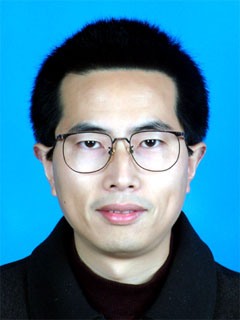 Wei Xing (邢卫)合作论文数College of Computer Science and Technology, Zhejiang University;Department of Computer Science & Technology, Zhejiang University72
) Dongming Lu (鲁东明)合作论文数College of Computer Science and Technology, Zhejiang University49
Dongming Lu (鲁东明)合作论文数College of Computer Science and Technology, Zhejiang University49 Zhizhong Wang合作论文数College of Computer Science and Technology, Zhejiang University30
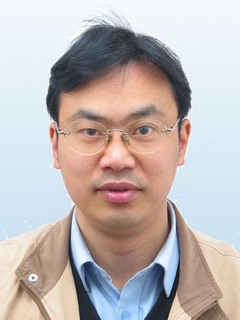 Huaizhong Lin (林怀忠)合作论文数Institute of Computer Software, College of Computer Science and Technology, Zhejiang University30
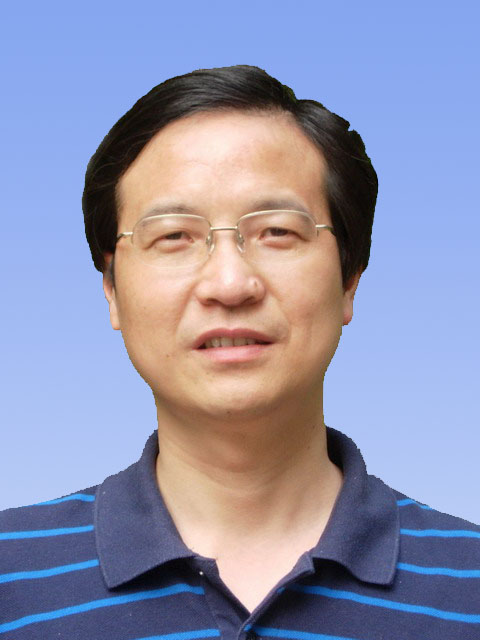 Duanqing Xu (许端清)合作论文数Institute of Artificial Intelligence, College of Computer Science and Technology, Zhejiang University;Computer Basic Teaching Center, Zhejiang University30Zhiwen Zuo合作论文数College of Computer Science and Technology, Zhejiang University27
 Haibo Chen合作论文数School of Computer Science and Engineering, Zhejiang University27
 Jian Bai (白剑)合作论文数College of Optical Science and Engineering, Zhejiang University18
 Zhanjie Zhang合作论文数Sch Artificial Intelligence & Comp Sci, Jiangnan Univ17Ailin Li合作论文数Zhejiang University, Hang Zhou, China17Jiakai Sun合作论文数14
 Jiafu Chen合作论文数Computer Science and Technology Department, Zhejiang University12
 Zhijie Lin (林志杰)合作论文数ByteDance12
 Guangyuan Li合作论文数School of Computer and Control Engineering, Yantai University12
 Zhongyang Luo (骆仲泱)合作论文数Institute of Thermal Power Engineering, College of Energy Engineering, Zhejiang University;State Key Laboratory of Clean Energy Utilization, Zhejiang University12Jing Hou合作论文数10
 Kaiwei Wang (汪凯巍)合作论文数College of Optical Science and Engineering, Zhejiang University;National Research Center for Optical Instrumentation, Zhejiang University10Tianyi Chu合作论文数Zhejiang University8Jian-Ping Jiang合作论文数8
 Xiangdong Zhou (周向东)合作论文数College of Textile and Clothing Engineering of Soochow University8
 Kefa Cen (岑可法)合作论文数College of Energy Engineering, Zhejiang University;Institute for Thermal Power Engineering, Zhejiang University8
 Lianli Gao (高联丽)合作论文数School of Computer Science and Engineering, University of Electronic Science and Technology of China8Zehua Lan合作论文数7Yan Hao合作论文数7
 JianYong Xuan合作论文数7
 Jingkuan Song (宋井宽)合作论文数School of Computer Science and Technology, Tongji University7
 Xiang Gao (高翔)合作论文数Dalian University of Technology7Lin Sihuan合作论文数6
 Xin Yang (杨鑫)合作论文数School of Computer Science and Technology, Dalian University of Technology6Qihang Mo合作论文数5Quanwei Zhang合作论文数5Junsheng Luan合作论文数5Huiming Zhang合作论文数Zhejiang Univ, Coll Comp Sci & Technol, Hangzhou 310027, Peoples R China5
 Xiao Huang合作论文数School of System Design and Intelligent Manufacturing (SDIM),, Southern University of Science and Technology (SUSTech),5
 Dalong Zhang合作论文数5Wenhui Fei合作论文数4Boyan Ji合作论文数4
 Yujie Luo合作论文数State Key Lab Modern Opt Instrumentat, Zhejiang Univ4
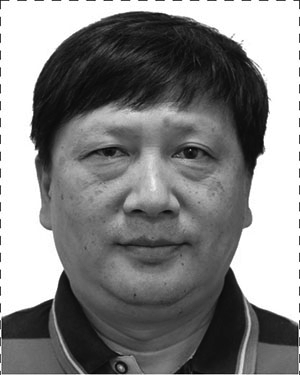 Chuan Xie合作论文数4
 Pan Li合作论文数Zhejiang Univ, Dept Comp Sci & Technol, Hangzhou, Zhejiang, Peoples R China4
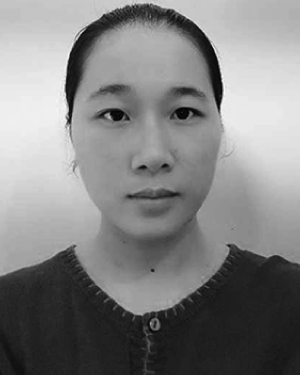 Dan Zhang合作论文数4
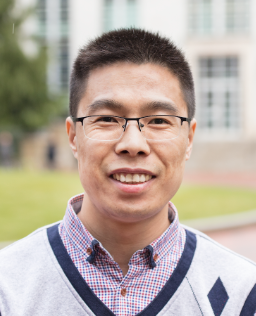 Jun Li (李俊)合作论文数School of Computer Science and Engineering, Nanjing University of Science and Technology4
 Jian Yang (杨健)合作论文数Department of Computer Science and Technology, College of Computer Science, Nankai University;School of Computer Science and Engineering, Nanjing University of Science and Technology4
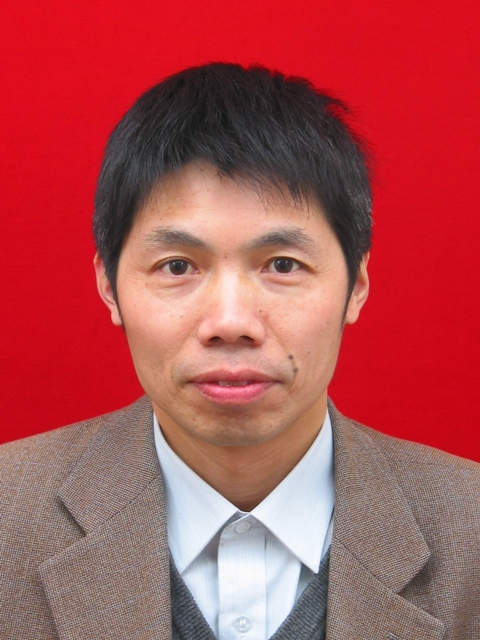 Mengxiang Fang (方梦祥)合作论文数College of Energy Engineering, Zhejiang University;Institute for Thermal Power Engineering, Zhejiang University4
 Yongzhi Zhao (赵永志)合作论文数College of Energy Engineering, Zhejiang University4
 Jinyang Zheng (郑津洋)合作论文数College of Energy Engineering, Zhejiang University4
 Yun Wang (汪赟)合作论文数Department of Computer Science, College of Computing, City University of Hong Kong3Chen Rao合作论文数College of Computer Science and Technology, Zhejiang University3




