Hypoxia-induced cell proliferation, angiogenesis and EMT may be involved in Benign prostatic hyperplasia (BPH) development. Puerarin is an extract of traditional Chinese medicine and has anti-oxidative stress, anti-inflammation and anti-tumor activities. We proposed to explore the therapeutic effect of Puerarin on BPH development and the possible mechanism of its action. HIF-1 signaling pathway molecules in human BPH samples were assayed. Hypoxia-induced cells model of BPH cells (BPH-1) as well as BPH model in vivo were established and the effect of Puerarin on cell proliferation was measured by EDU staining and CCK8. The level of ROS, SOD was detected using commercially available kits. Formation of HIF-1α/HIF-1β Dimers and HIF-1α-HIF-1β/ AKT1/AP-1 expression was measured and located using immunofluorescence, immunohistochemistry and wester blotting. Results indicated that Puerarin could inhibit cell proliferation, angiogenesis and EMT in hypoxia-induced BPH-1 and prostate of BPH mice. Mechanistically, Puerarin significantly downregulates the HIF-1α-HIF-1β/AKT1/AP-1 signaling axis under hypoxic conditions. These therapeutic effects were substantially attenuated by either the HIF-1α agonist deferoxamine (DFO) or genetic overexpression of HIF-1α/β. Notably, HIF-1β knockdown completely abolished HIF-1α-mediated pathological progression in BPH, including cellular proliferation, angiogenesis, and EMT processes. Our results suggested that hypoxia-induced cell proliferation, angiogenesis and EMT may positively correlate with BPH development and Puerarin might suppress BPH through regulated HIF-1α- HIF-1β/AKT1/ AP-1 especially dimer of HIF-1α and HIF-1β.
OBJECTIVES:To explore and correlate the ultrasonic, clinical, and pathological characteristics of malignant ovarian tumors in children for early diagnosis and pathological typing. METHODS:A retrospective analysis was performed on the ultrasonic examination results, clinical data, and laboratory indicators of 49 cases of pathologically confirmed malignant ovarian tumors in children from January 2020 to December 2024. RESULTS:(1) Pathological types: Germ cell tumors accounted for 75.5% (immature teratoma 59.5%, endodermal sinus tumor and mixed germ cell tumor each 16.2%), sex cord-stromal tumors accounted for 16.3%, and lymphoma accounted for 8.2%. (2) Ultrasonic characteristics: Tumors were predominantly large (>10 cm, 73.5%), solid (51.0%), with irregular contours (81.6%), calcification (57.1%), and high-risk ovarian-adnexal reporting and data system (O-RADS) 4-5 (98.0%). (3) Significant differences were observed among different pathological types: Germ cell tumors were mostly unilateral, large-sized, and accompanied by calcification, with significantly elevated alpha-fetoprotein (AFP); sex cord-stromal tumors were solid without calcification, and 37.5% were associated with precocious puberty; lymphoma was predominantly bilateral, small-sized, and solid, with elevated lactate dehydrogenase (LDH). (4) Clinical features: Pubertal patients accounted for 32.7%; the primary presenting symptoms were abdominal pain/distension (55.1%). CONCLUSIONS:Childhood malignant ovarian tumors are predominantly germ cell tumors, manifesting as large, solid-predominant, calcified lesions with high-risk ultrasound features. Ultrasonic, clinical, and laboratory features vary significantly by pathological type. Integrating these characteristics (including O-RADS and tumor markers) enables preoperative pathological diagnosis, supporting early multi-dimensional and personalized management.
Prostate cancer progression to advanced disease is accompanied by extensive metabolic rewiring, yet the upstream regulatory mechanisms remain incompletely defined. Here, we showed that the rRNA m6A methyltransferase METTL5 was progressively upregulated during prostate cancer progression and was associated with poor patient survival. Mechanistically, METTL5 catalyzed N6-methyladenosine (m6A) modification at A1832 of 18S rRNA, thereby enhancing overall translational output and promoting prostate cancer cell proliferation in vitro and tumor growth in vivo. Integrative transcriptomic and proteomic analyses further revealed that METTL5-dependent rRNA modification preferentially increased translation of mRNAs harboring a GCACGN(2-4)CC motif within their 5 ' untranslated regions. Among these targets, the transcription factor IRF7 was selectively upregulated and directly induced DNA2 transcription. DNA2, a mitochondrial nuclease required for mitochondrial DNA maintenance, preserves oxidative phosphorylation capacity in prostate cancer cells. Disruption of the METTL5/IRF7/DNA2 axis led to mitochondrial dysfunction, increased reactive oxygen species, and compensatory mitophagy, ultimately suppressing tumor growth. Notably, neither IRF7 nor METTL5 overexpression rescued the growth defects caused by DNA2 depletion, supporting a hierarchical organization of this pathway with DNA2 as an essential downstream effector. Finally, therapeutic inhibition of METTL5 using locked nucleic acids markedly suppressed prostate cancer growth in vivo without evident systemic toxicity, underscoring translational potential. Collectively, our findings uncover an unappreciated mechanism linking rRNA modification to mitochondrial homeostasis through selective translational control, providing new insights into metabolic regulation and revealing actionable vulnerabilities in advanced prostate cancer.
Dysregulated aerobic glycolysis represents a defining metabolic feature of renal cell carcinoma (RCC), yet the regulatory networks driving this metabolic shift remain incompletely elucidated. In the present study, we found that the deubiquitinase Josephin domain-containing protein 2 (JOSD2) is necessary for both glycolytic and proliferative activities in RCC. Furthermore, JOSD2 is significantly upregulated in RCC and its high expression correlates with poor clinical outcomes. Functional studies demonstrated that JOSD2 enhances RCC cell growth, metastatic capacity, and glycolytic activity in vitro and in vivo. Mechanistically, JOSD2 directly interacts with the transcription factor CREB1 and prevents its proteasomal degradation by removing K48-linked polyubiquitin chains, thereby stabilizing the CREB1 protein. Meanwhile, CREB1 transcriptionally upregulates JOSD2 by binding to its promoter, forming a reciprocal regulatory circuit between the two molecules. Reciprocal activation between JOSD2 and CREB1 leads to increased expression of key glycolytic regulators, including GLUT1, HK2, and PFKP, thereby driving metabolic reprogramming in RCC cells. Importantly, the tumor-promoting functions of JOSD2 were found to be largely dependent on CREB1 activity. Together, these results support a role for the JOSD2-CREB1 reciprocal axis in glycolysis-associated RCC progression and suggest its potential prognostic and therapeutic relevance.
OBJECTIVES:Current surgical interventions for pelvic fracture urethral injury (PFUI) are constrained by multiple limitations. This study aimed to introduce the prior exposure maneuvers urethroplasty (PEM-U) in complex posterior anastomotic urethroplasty for PFUI. METHODS:From February 2018 to March 2023 at Shanghai Ninth People's Hospital, 78 patients with complex PFUI underwent transperineal anastomotic urethroplasty, 39 patients of whom underwent classic Webster urethral urethroplasty in which bodies splitting or an inferior pubectomy after transection of bulbar urethra (Group A), and the other 39 patients underwent improved urethral urethroplasty (Group B), in which using PEM-U (corporeal bodies splitting or an inferior pubectomy before transection of bulbar urethra). Postoperative evaluations were performed at 1, 3, 6, and 12 months after catheter removal. Success was defined as a urine flow rate ≥15 mL/s, no difficulty in urination, and no further intervention was required. RESULTS:There was no statistical difference in the length of urethral defect between 39 patients (mean age 43.7 years) in Group A and 39 patients (mean age 41.3 years) in Group B. The average operation time of Group A was 115 min (range, 90-150 min), and that of Group B was 93 min (range, 85-115 min) (p = 0.012). The blood loss was 265 mL (range, 100-650 mL) in Group A and 214 mL (range, 90-350 mL) in Group B (p = 0.015). The success rate was 89.7% in the classical group and 92.3% in the improved group. CONCLUSION:The PEM-U was effective for treating complex PFUI cases, improving surgical efficacy, reducing the operation time, and the amount of blood loss.
Accurate prostate cancer (PCa) diagnosis remains difficult because of tumor heterogeneity and the challenge of integrating multimodal clinical information. We developed Prost-LM, a multimodal large language model that jointly embeds MRI-derived features, numerical PSA values, and free-text clinical reports into a unified semantic space to enable deep cross-modal reasoning. Trained and validated on a large multi-center cohort of 3940 patients, Prost-LM achieved strong diagnostic performance, with an internal validation AUC of 0.954 for distinguishing PCa from benign conditions, outperforming MRI-only models (AUC = 0.868, P < 0.001). For detecting clinically significant PCa (Gleason score ≥ 7), Prost-LM reached an AUC of 0.955. Additionally, the model provides interpretable diagnostic decisions to support clinical verification. These results suggest Prost-LM can improve automated PCa diagnosis and support precision oncology through multimodal AI.
CXCL13+ T cells and LAMP3+ dendritic cells (DCs) are pivotal players in orchestrating anti-tumor immune responses, particularly within tumor tertiary lymphoid structures (TLS). However, their heterogeneity, differentiation trajectories, and clinical relevance in bladder cancer remain incompletely defined. This study integrated single-cell RNA sequencing (scRNA-seq) data (16 bladder cancer patients, 113,905 post-quality-control cells) and spatial transcriptomics to characterize CXCL13+ T cell/LAMP3+ DC subsets, their differentiation pathways (via Velocyto trajectory analysis), and intercellular crosstalk (via receptor-ligand mapping). A risk model (DTscore) was constructed using marker genes of these cells and validated in the IMvigor210 (atezolizumab-treated bladder cancer) and TCGA-BLCA cohorts. scRNA-seq clustering identified 10 immune and 3 nonimmune cell types, with T cells stratified into 8 subpopulations (including CD4+CXCL13+ T cells and CD8+CXCL13+ T cells) and DCs into 9 subgroups (including LAMP3+ DCs). Receptor-ligand mapping and spatial transcriptomics confirmed functional crosstalk between CXCL13+ T cells and LAMP3+ DCs via key pairs (e.g., CCR7-CCL19, CXCR5-CXCL13, PDCD1-CD274) within TLS. The DTscore was developed using 8 marker genes (TSHZ2, ALOX5AP, GADD45G, TXN, CHN1, CCL19, CXCL13, ICA1) and exhibited robust prognostic and predictive performance: In the IMvigor210 cohort, high DTscore correlated with significantly poorer overall survival (OS) and a 3.27-fold lower immunotherapy response rate (11% vs. 36%, p = 4.23e-07); multivariate Cox regression confirmed DTscore as an independent OS predictor (hazard ratio = 1.97, p < 0.001). DTscore retained prognostic value in TCGA-BLCA (OS: p = 0.003; disease-specific survival: p < 0.001) and effectively predicted atezolizumab response even in the "immune desert" phenotype (p = 0.04). Combining DTscore with tumor mutational burden/tumor neoantigen burden yielded an AUC of 0.8122 for response prediction. Additionally, high DTscore was associated with higher OS hazard ratios in patients with wild-type TTN, RB1, EP300, or FGFR3 (all p < 0.01), while FGFR3 mutations correlated with lower immune checkpoint/CXCL13 expression. This study delineates the heterogeneity and interactions of CXCL13+ T cell/LAMP3+ DC subsets in bladder cancer TLS and validates DTscore as a robust tool for predicting OS and immunotherapy response, offering a potential guide for personalized bladder cancer treatment.
BackgroundUreteral stricture (US), characterized by fibrotic remodeling of the ureteral wall, represents an obstructive urological disorder with incompletely characterized pathophysiological mechanisms. This study integrates single-cell RNA sequencing (scRNA-seq) with immunohistochemical validation in human tissues to investigate the molecular and cellular mechanisms underlying US pathogenesis.MethodsSpecimens of US (n = 7) and normal ureters (n = 8) were collected from patients prospectively. Single-cell RNA sequencing was performed to dissect the transcriptomic landscape of US, with subsequent immunohistochemical and immunofluorescence staining employed to validate key molecular and cellular findings at the protein level.ResultsIn US tissues, we identified significant downregulation of urothelial cell-specific gene signatures, accompanied by attenuated intercellular crosstalk between urothelial cells and fibroblasts. The urothelial cells exhibited reduced expression of reactive oxygen species (ROS)-associated functional clusters, with ANXA1 gene demonstrating particularly pronounced downregulation compared to control samples. Additionally, fibroblasts in US tissues displayed decreased expression of the THBS1 subtype and significant reduction in fibroblast-specific FPR2 receptor.ConclusionsOur findings establish that impaired urothelial cell function and disrupted urothelial-fibroblast communication are critically associated with or contributing to fibrotic remodeling in US. Specifically, control urothelial cells secrete ANXA1 as a ligand to interact with the fibroblast-expressed FPR2 receptor, maintaining fibroblast homeostasis. Clinically, these insights provide novel theoretical foundations for US prevention and highlight potential therapeutic targets for antifibrotic intervention.
Renal fibrosis, a progressive pathological feature of chronic kidney disease (CKD), is driven by impaired autophagic processes and persistent immune activation. The molecular mechanisms that interconnect these pathways remain inadequately understood. This study investigates the role of regulator of G-protein signaling 19 (RGS19), a novel autophagy-associated gene, in the pathogenesis of renal fibrosis. By analyzing transcriptomic data from the Gene Expression Omnibus (GEO) and applying machine learning algorithms, RGS19 was identified as a key fibrosis-related gene. In both in vitro and in vivo renal fibrosis models, we validated its functional role, focusing on autophagic flux and immune responses. We observed that RGS19 expression was elevated in fibrotic kidneys and correlated with increased CD8 + T cell infiltration. Knockdown of RGS19 using siRNA led to reduced p62 accumulation, suppressed rapamycin (p-mechanistic target of rapamycin (mTOR)) activity, and restored LC3B-II levels, reflecting enhanced autophagic flux. Additionally, the secretion of T cell chemoattractants, such as C-X-C motif chemokine ligand 9 (CXCL9) and C-X-C motif chemokine ligand 10 (CXCL10), was diminished. Notably, targeted delivery of RGS19 siRNA via RDYH58 nanoparticles effectively alleviated renal fibrosis in murine models by reducing collagen deposition and immune cell infiltration. These findings suggest that RGS19 plays a central role in linking autophagy dysfunction with immune activation in renal fibrosis and highlight its potential as a therapeutic target for CKD.
BACKGROUND:The progression of prostate cancer (PCa) to a castration-resistant state (CRPC) remains a major clinical challenge. Resistance to second-generation androgen receptor (AR) antagonists like enzalutamide often involves the reactivation of AR signaling, frequently through intratumoral androgen synthesis. The molecular drivers that regulate this adaptive resistance mechanism are not fully understood. GPR133 (also known as ADGRD1) is an adhesion G protein-coupled receptor with emerging roles in various cancers, but its function in prostate cancer is unknown. While androgen signaling is classically mediated by the nuclear AR, GPR133 has recently been identified as a novel membrane androgen receptor, though its functional relationship with the AR pathway in prostate cancer is unknown. METHODS:We analyzed GPR133 expression in patient-derived PCa tissues and its correlation with clinical outcomes using publicly available datasets and our patients' samples. We employed gain- and loss-of-function approaches in vitro to test whether GPR133 specifically mediates resistance to enzalutamide. RNA sequencing was used to identify downstream pathways regulated by GPR133. The role of the downstream effector HSD3B1 was assessed using siRNA-mediated silencing. The therapeutic implications of GPR133 expression were validated in vivo using xenograft mouse models. RESULTS:GPR133 expression is significantly downregulated in prostate cancer tissue compared to benign tissue and is further decreased in CRPC. Low GPR133 expression correlates with poorer disease-free survival. Silencing GPR133 conferred robust resistance to enzalutamide in vitro and in vivo. Conversely, overexpression of GPR133 could further sensitize cancer cells to enzalutamide. Mechanistically, loss of GPR133 transcriptionally upregulated key enzymes in the steroid hormone biosynthesis pathway, most notably HSD3B1. This upregulation led to elevated intracellular testosterone levels and sustained androgen receptor (AR) signaling, characterized by the persistent expression of AR target genes despite enzalutamide treatment. Silencing HSD3B1 reversed the enzalutamide resistance induced by GPR133 knockdown. CONCLUSIONS:Our findings identify GPR133 as a novel tumor suppressor in prostate cancer. Loss of GPR133 expression is a key event in the progression to CRPC that promotes therapeutic resistance by activating the intratumoral androgen synthesis pathway. GPR133 may serve as a valuable prognostic biomarker and a potential therapeutic target for advanced prostate cancer.
To predict the pathological subdiagnosis of benign prostatic hyperplasia (BPH‐PS) with the overarching aim of mitigating finasteride overtreatment, we conducted a study integrating clinical, pathological, and radiomic data from BPH patients at our center. The study comprised a retrospective analysis of data and a prospective cohort of BPH patients undergoing pharmacological treatment for six months. Sixty patients (mean age: 68.5 ± 7.1 years) with 360 histopathological whole‐slide images (WSIs) were included in the retrospective cohort. Three gland recognition models were developed and trained to identify glandular structures in WSIs, facilitating the calculation of gland ratios. The optimal model, based on Artificial Neural Network—Multilayer Perceptron (ANN‐MLP), achieved an intraclass correlation coefficient (ICC) of .948 ( p < .001) compared to manual annotation. Radiomic features and habitat analysis were extracted from apparent diffusion coefficient (ADC). Patients were categorized into two groups, BPH with predominantly glandular hyperplasia (BPH‐G) and BPH with predominantly stromal hyperplasia (BPH‐S). An optimal ADC cut‐off value of 1.110×10 −3 mm 2 /s was determined to calculate the Habitat Score. The Habitat Score demonstrated superior predictive performance for BPH‐PS, with an area under the curve (AUC) value of .902. A total of 161 patients (mean age: 64.3 ± 7.0 years) were enrolled in a prospective cohort study. By comparing the changes in prostate volume under MRI before and after medication, it was found that the volume reduction rate of BPH‐G was significantly higher than that of BPH‐S ( p < .001). In conclusion, the ADC value was associated with the gland ratio and could be utilized to predict BPH‐PS, which suggested that the therapeutic efficacy of finasteride could be anticipated by diagnosing BPH‐PS.
Mitochondrial stress-induced mitophagy plays a critical role to maintain cellular homeostasis; however, in cancer cells, this process may also contribute to drug resistance. Our previous work identified CDK12 as a critical regulator of prostate cancer (PCa) cell survival under sustained enzalutamide exposure, though the precise mechanism remains to be elucidated. In this study, we hypothesize that CDK12 plays a key role in mitophagy regulation under mitochondrial stress, potentially modulating PCa cell resistance to enzalutamide, the first-line clinical medication in PCa therapy. Utilising multiple in vitro PCa cell models, we demonstrate that both CDK12 knockdown and pharmacological inhibition with THZ531 impaired mitophagy following treatment with enzalutamide and mitophagy inducer CCCP. Mechanistically, our finding reveal that CDK12 inhibition disrupts FOXO3-induced BNIP3 transcription, thereby preventing receptor-mediated mitophagy and sensitising PCa cells to enzalutamide. This study identifies the CDK12-FOXO3-BNIP3 pathway as a novel regulatory mechanism governing mitophagy under mitochondrial stress. Importantly, these results underscore CDK12's role in preserving mitochondrial function and promoting PCa cell survival during enzalutamide treatment. These findings highlight the therapeutic potential of targeting the CDK12-BNIP3-mitophagy axis in combination with antiandrogen therapies, offering a promising strategy to overcome drug resistance in PCa and improve clinical outcomes.
With the rising incidence of benign prostatic hyperplasia (BPH) due to societal aging, accurate and early diagnosis has become increasingly critical. The clinical challenges associated with BPH diagnosis, particularly the lack of specific biomarkers that can differentiate BPH from other causes of lower urinary tract symptoms (LUTS). Here, matrix-assisted laser desorption/ionization mass spectrometry (MALDI MS) metabolomic detection platform utilizing urine and serum samples is applied to explore metabolic information and identify potential biomarkers in designed cohort. The nanoparticle-assisted platform demonstrated rapid analysis, minimal sample consumption, and high reproducibility. Employing a two-step grouping screening approach, the identification of urinary metabolic patterns (UMPs) is automated to distinguish healthy individuals from LUTS group, followed by the use of serum metabolic patterns (SMPs) to accurately identify BPH cases within the LUTS cohort, achieving an area under the curve (AUC) of 0.830 (95% CI: 0.802-0.851). Furthermore, eight BPH-sensitive metabolic markers are identified, confirming their uniform distribution across age groups (p > 0.05). This research contributes valuable insights for the early diagnosis and personalized treatment of BPH, enhancing clinical practice and patient care.
Background Penoscrotal Paget's disease (PPD) is a rare malignant skin tumor, and consensus on reconstruction, treatment strategies, and prognosis remains elusive. We aimed to elucidate the clinical features, surgical outcomes, and prognosis, proposing a tailored Perineal Reconstruction (PR) strategy. Methods We conducted a retrospective cohort study using pathologically confirmed 233 PPD cases from a large tertiary hospital pathology registry between May 2004 and February 2021. Clinical features, surgical treatment patterns, sexual function, and prognosis were analyzed. Kaplan-Meier analysis, univariate and multivariate Cox regression were performed to identify prognostic factors. Results PR strategy-based reconstruction was applied on all postsurgical defects. Kaplan-Meier analysis indicated worse disease free-survival (DFS) in the high-PR score (≥4) group compared to the low-PR score (≤3) group. Age, tumor thickness, and lymph node invasion emerged as independent predictors of overall survival (OS). Conclusions Early evaluation and intervention are crucial to prevent vertical and lymph node invasion. Wide local excision provides low recurrence, high overall survival rates, and acceptable sexual function. The PR strategy serves as a promising approach to assess lesions, guide reconstruction, and predict prognosis, potentially improving treatment and management of this rare malignancy.
To address SPECT’s radioactivity, complexity, and costliness in measuring renal function, this study employs artificial intelligence (AI) with non-contrast CT to estimate single-kidney glomerular filtration rate (GFR) and split renal function (SRF). 245 patients with atrophic kidney or hydronephrosis were included from two centers (Training set: 128 patients from Center I; Test set: 117 patients from Center II). The renal parenchyma and hydronephrosis regions in non-contrast CT were automatically segmented by deep learning. Radiomic features were extracted and combined with clinical characteristics using multivariable linear regression (MLR) to obtain a radiomics-clinical-estimated GFR (rcGFR). The relative contribution of single-kidney rcGFR to overall rcGFR, the percent renal parenchymal volume, and the percent renal hydronephrosis volume were combined by MLR to generate the estimation of SRF (rcphSRF). The Pearson correlation coefficient (r), mean absolute error (MAE), and Lin’s concordance coefficient (CCC) were calculated to evaluate the correlations, differences, and agreements between estimations and SPECT-based measurements, respectively. Compared to manual segmentation, deep learning-based automatic segmentation could reduce the average segmentation time by 434.6 times to 3.4 s. Compared to single-kidney GFR measured by SPECT, the rcGFR had a significant correlation of r = 0.75 (p < 0.001), MAE of 10.66 mL/min/1.73 m2, and CCC of 0.70. Compared to SRF measured by SPECT, the rcphSRF had a significant correlation of r = 0.92 (p < 0.001), MAE of 7.87
Prostate cancer (PCa) progression is driven by intricate molecular mechanisms involving dysregulated signaling networks and posttranslational modifications of key regulatory proteins. In this study, we identify a novel oncogenic pathway wherein cyclin-dependent kinase 12 (CDK12) physically interacts with and phosphorylates forkhead box A1 (FOXA1) at serine 234 (S234). Phosphorylation at this residue markedly enhances FOXA1 transcriptional activity, leading to up-regulation of downstream targets including murine double minute 2 (MDM2), a critical negative regulator of the p53 tumor suppressor. Mechanistically, this CDK12-FOXA1-MDM2 axis destabilizes p53, attenuates apoptotic signaling, and promotes PCa cell survival and proliferation. Therapeutic targeting of CDK12 using the small-molecule inhibitor THZ531 or RNA interference effectively abrogates FOXA1 phosphorylation, restores p53 stability, reactivates apoptotic pathways, and suppresses tumor growth. Notably, the identification of S234 as a functional phosphorylation site in FOXA1 reveals a previously uncharacterized posttranslational regulatory mechanism in PCa biology. These findings establish the CDK12-FOXA1-MDM2 axis as a pivotal driver of PCa progression and underscore the therapeutic potential of targeting FOXA1 phosphorylation to restore tumor suppressor function and induce apoptosis in PCa. Our work provides a mechanistic framework for developing precision therapies aimed at disrupting this oncogenic cascade in PCa.
Prostate cancer (PCa) has previously been established as a cold tumor with highly complex tumor environment. Transforming growth factor (TGF)-β1 plays pro-oncogenic roles in PCa. TGF-β3, another isoform of the TGF-β family, is reported to have different and even opposite regulatory roles to TGF-β1. However, the effect of TGF-β3 in PCa has not been elucidated. TGF-β3 expression and its association with multiple clinicopathological characteristics were analyzed immunohistochemically in human PCa specimens. The antitumor effect of TGF-β3 and its combination with immunochemotherapy was observed by subcutaneous xenograft tumor model. RNA-seq of mouse tumor tissues identified differentially expressed genes (DEGs) that were enriched in vascular biological processes. The angiogenesis effect of TGF-β3 was evaluated using tube formation assay. Hypoxic area, NG2+ pericytes, Col IV+ basement membrane, adhesion molecules and immune cells were analyzed by immunofluorescence. Vascular permeability was measured by Evans blue staining. The flow cytometry was conducted to examine the composition of tumor-infiltrating CD8+ T cells. Low TGF-β3 expression in prostate cancer (PCa) was correlated with higher Gleason scores and pathological T stage. While intratumoral TGF-β3 injection demonstrated antitumor effects in vivo, it did not directly affect PCa cell proliferation, migration or invasion in vitro. GO analysis revealed significant enrichment of DEGs in vascular-related biological process. TGF-β3 treatment normalized tumor vascular architecture and reduced vascular leakage. This vascular normalization upregulated endothelial adhesion molecules and enhanced CD8+ T cell infiltration, suppressing tumor growth. Critically, TGF-β3-induced vascular normalization synergized with anti-PD-L1 immunotherapy or paclitaxel chemotherapy, enhancing CD8+ T cell or drug infiltration and significantly boosting therapeutic efficacy. TGF-β3 potentially acts as a protective factor in PCa by promoting vascular normalization and remodeling of the tumor environment, which facilitates infiltration of CD8+ T cells or drugs, significantly enhancing their antitumor effects.
With the ever-increasing burden of urological diseases, the need for developing novel imaging biomarkers and therapeutics to manage these disorders has never been greater. Extracellular vesicles (EVs) are natural membranous nanoparticles and widely applied in both diagnostics and therapeutics for many diseases. A growing body of research has demonstrated that EVs can be engineered to enhance their efficiency, specificity, and safety. We systematically examine the strategies for achieving targeted delivery of EVs as well as the techniques for engineering them in this review, with a particular emphasis on cargo loading and transportation. Additionally, this review highlights and summarizes the wide range of imaging biomarkers and therapeutic applications of engineered EVs in the context of urological diseases, emphasizing the potential applications in urological malignancy and kidney diseases.
Ureteral strictures pose significant challenges in urological surgery, requiring precise localization of stenotic segments for effective resection. Traditional rigid ureteroscopy-assisted techniques involve positioning limitations and procedural inefficiencies. This study evaluates the safety and efficacy of a novel approach combining flexible ureteroscopy and laparoscopy for ureteroureterostomy, focusing on improved intraoperative navigation and reduced procedural complexity. A retrospective analysis was conducted in 12 patients (7 males, 5 females; median age 50 years) undergoing laparoscopic ureteroureterostomy with flexible ureteroscopy between July 2023 and August 2024. All strictures were located in the upper ureter (length: 8–23 mm). Key innovations included lateral positioning, a flexible ureteroscope sheath (external/internal diameter: 12 Fr /10 Fr), and real-time ureteral light guidance. Surgical parameters (operative time, blood loss), perioperative outcomes, and follow-up data (median 10 months) were analyzed. Biochemical recovery (serum creatinine normalization) and radiological recovery (urography patency) were primary endpoints. All procedures were completed without conversion to open surgery. Median operative time was 175 min (range: 130–225), with intraoperative bleeding of 22.5 mL (range: 20–50). Flexible ureteroscopy enabled repeated lumen verification (median 6 insertions) without ureteral trauma. Postoperatively, hydronephrosis resolved in all patients, with no anastomotic leaks or restenosis. Median hospital stay was 5.5 days (range: 3–9); one patient experienced transient fever. Biochemical and radiological recovery was achieved in all cases. Follow-up imaging (median 10 months) confirmed sustained ureteral patency and improved renal function. The integrated flexible ureteroscopy-laparoscopy approach enhances surgical precision and efficiency for upper ureteral strictures, mitigating positioning limitations and reducing iatrogenic injury. While initial outcomes demonstrate safety and efficacy, long-term follow-up and prospective multicenter trials are warranted to validate durability. This technique represents a promising advancement in minimally invasive ureteral reconstruction.
Metabolic rewiring is a starter for lineage plasticity, which is an important driver of prostate development, tumorigenesis and treatment resistance. Androgen-targeted therapies are central to prostate cancer (PCa) management, yet the mechanisms leading prostate development—particularly the metabolic signaling within basal cells during treatment—remain poorly understood. To fulfill this gap, we used multiple models to reveal the metabolic alterations in prostate basal cells. Our study reveals the role of the RBP4-STRA6 axis in modulating retinol metabolism and transporting retinol from adipocyte into prostate cells, contributing to prostate development and basal cell differentiation during androgen deprivation. Through multi-omics analyses, we demonstrate that RBP4-STRA6 axis dependent retinol metabolism is increased with androgen deprivation. Retinol metabolism rewiring is modulated by the androgen receptor (AR) and can regulate basal cell plasticity under androgen deprivation therapy (ADT). Retinol metabolism maintains prostate basal cell lineage plasticity during hormone therapy through the PPARγ signaling pathway, compensating for the AR signaling pathway inhibition by sustaining energy homeostasis and promoting basal cell differentiation. Notably, we identified a basal cell cluster (BC5) characterized by high Retinol metabolism and activated PPARγ signaling pathway, which plays a crucial role in basal-luminal differentiation and prostate growth. This study underscores the importance of RBP4-STRA6 dependent Retinol metabolism, mediating the crosstalk between adipocytes and prostate basal cells, in maintaining prostate development during hormone therapy and provides a foundation for future clinical interventions and diet strategies aimed at enhancing the sensitivity of androgen deprivation in prostate diseases.
 Zhong Wang (王忠)合作论文数Shanghai Ninth People’s Hospital, Shanghai Jiao Tong University School of Medicine28
 Guopeng Yu (郭鹏宇)合作论文数22
 Bao Hua合作论文数14Xu Huan合作论文数14Ming Zhan合作论文数Shanghai Jiao Tong Univ, Sch Med, Renji Hosp, Dept Biliary Pancreat Surg, Shanghai, Peoples R China13Yushan Liu合作论文数13Yuanshen Mao合作论文数12Xin Gu合作论文数12
 Lin Zhou (周琳)合作论文数郑州大学第一临床学院11Shangqing Song (宋尚卿)合作论文数11
 Linhui Wang (王林辉)合作论文数School of Health Science and Engineering, University of Shanghai for Science and Technology;Changhai Hospital of Shanghai10Chen Yan-bo合作论文数10
 Qi Chen (陈奇)合作论文数Renji Hospital, Shanghai Jiao Tong University School of Medicine10
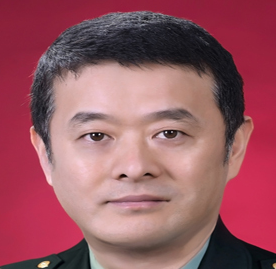 Yinghao Sun (孙颖浩)合作论文数Naval Medical University10Haisong Tan合作论文数9Chao Lu合作论文数9Li Wenfeng合作论文数9
 Jiangyi Wang合作论文数9WenZhi Li (李文智)合作论文数7Meng Gu合作论文数7Long Li (李龙)合作论文数6Hanqi Lei合作论文数5Jun Pang合作论文数5
 Michelle Downes合作论文数Department of Laboratory Medicine and Pathobiology, Temerty Faculty of Medicine, University of Toronto5
 Jianhua Wang (王建华)合作论文数Department of Civil Engineering, Shanghai Jiaotong University5Dachao Zheng合作论文数5Minglun Li合作论文数Department of Radiation Oncology, University Hospital Tuebingen5Chong Liu合作论文数4Ya-Jun Cheng合作论文数4
 Yun Zou合作论文数Shanghai Jiao Tong Univ, Sch Med, Shanghai Peoples Hosp 9, Dept Plast & Reconstruct Surg, Shanghai, Peoples R China4Xiang Wan合作论文数4WeiXin Pan (潘惟昕)合作论文数4
 Qing Yang (杨庆)合作论文数Shanghai Ninth People's Hospital, Shanghai Jiao Tong University School of Medicine4
 Shuqiu Chen (陈恕求)合作论文数Zhongda Hospital, Southeast University4Yiting Yao合作论文数3Binyuan Yan合作论文数The Seventh Affiliated Hospital, Sun Yat-sen University3Chengbang Wang合作论文数3
 Dajun Gao合作论文数3
 Anjelica Hodgson合作论文数Lab Med Program, Univ Hlth Network3Chao Han合作论文数3Weihong Xu合作论文数3
 Cao Fei合作论文数3Yiduo Wang合作论文数3
 Huang Jinsheng合作论文数3
 J-F Lu (陆建飞)合作论文数3Long LI (李龙)合作论文数3
 Ming Chen合作论文数Department of Pathology, Duke University School of Medicine3JiaFeng Lu (陆家凤)合作论文数3




