Dr. Dongzhen Lyu is an assistant professor at Wenzhou University, a 2024 Alexander von Humboldt Fellow, and an IEEE senior member (since 2026), focusing on prognostics and health management. He has developed the cumulative-informed prognostics framework integrating life of charge (LOC), life of power (LOP), life of distance (LOD), and other life of X (LOX) indicators, bridging laboratory conditions with real-world applications in lithium-ion battery aging and lifespan extension. He holds 18 international patents in this field since 2021.Dr. Bin Zhang is at the University of South Carolina and became an ASME Fellow in 2023. His research focuses on prognostics, intelligent systems, robotics, and machine learning. He has authored more than 200 papers and serves or has served as an editor for leading journals and as a steering committee member for international conferences.Dr. Zhibin Zhao from Xi’an Jiaotong University specializes in sparse signal processing and machine learning for machinery health monitoring, complex system modeling, and healthcare applications.Dr. Tao Yang is with the School of Energy and Power Engineering, Huazhong University of Science and Technology. His research includes modeling and simulation of thermal equipment, condition monitoring, and fault diagnosis of rotating machinery.Dr. Zhiwei Gao, at Northumbria University, is the recipient of the Alexander von Humboldt Research Fellowship (2004) and the RAEng/Leverhulme Trust Research Fellowship (2024), and he was elevated to IEEE Fellow in 2023. His research focuses on monitoring, diagnosis, and control and their applications in offshore energy systems, electric vehicles and batteries.Dr. Enrico Zio, a professor at PSL University and Politecnico di Milano, won the Humboldt Research Award in 2020 and became an IEEE Fellow in 2023. His work focuses on modeling failure-repair-maintenance processes in components and complex systems.Dr. Jiawei Xiang is a professor at Wenzhou University and a 2010 Alexander von Humboldt Fellow. He is a Fellow of IET, with research interests in condition monitoring, structural health, numerical simulation, signal processing, and vibration analysis.
Prognostics and health management face persistent challenges due to the discrepancy between controlled laboratory aging tests and the complex, variable conditions encountered in real-world operations. To bridge this gap, we propose a novel prognostic framework designed to symmetrize aging behaviors observed in laboratory and field environments. Central to our approach is the introduction of a cumulative-informed LOX (Life of X) paradigm, which systematically defines multiple derived LOX metrics along with their practical implications. Building on this paradigm, we develop prognostic concepts compatible with diverse state of X (SOX) indicators, with key aspects of data preparation, model design, and implementation defined to ensure flexibility and extensibility. As an example implementation, we apply this framework to battery systems, validating it across laboratory and field aging data at both cell and pack levels. The results demonstrate significant improvements in prognostic reliability, stability, and cross-domain generalization compared with the existing models. This work offers new insights into the relationship between laboratory and field aging behaviors, providing guidance for future cross-domain prognostic modeling.
Bearing health is a critical factor to ensure the safety and productivity of industrial systems. In the past decade, deep learning-based methods have achieved notable success in bearing fault diagnosis. However, their performance degrades under varying operating conditions, where changes in speed and load significantly impact the diagnostic accuracy. Existing deep learning architectures often lack interpretability and rarely incorporate the intrinsic characteristics of bearing fault signals, limiting their practical application in real-world scenarios. To address these challenges, this paper proposes a multiscale discriminative convolutional neural network (MS-DCNN) for the diagnosis of bearing failures under variable speed conditions. The method integrates speed information with monitoring data to construct a fused information map, allowing the network to better capture the complex patterns of fault signals. A multiscale discriminative learning strategy is employed to enhance the network’s ability to extract informative features related to fault modes. The proposed approach is validated through two experimental case studies that demonstrate superior diagnostic accuracy and training efficiency compared to existing methods.
Accurate prediction of lithium-ion battery state of health (SOH) is crucial for improving the safety, reliability, and operational efficiency of battery management systems (BMSs). However, many data-driven methods still struggle to maintain robust forecasting performance when degradation trajectories differ across cells, especially in later-stage aging. To address this issue, this study developed a robustness-oriented SOH prediction framework, termed Ada-TL, by integrating a Transformer encoder, an LSTM regressor, and adaptive hyperparameter tuning. Cycle-level health indicators were extracted from the publicly available CALCE dataset and transformed into a compact representation for supervised learning. The Transformer module captures non-local dependencies within each input window, whereas the LSTM summarizes sequential degradation dynamics. The number of attention heads, the initial learning rate, and the L2 regularization coefficient are adaptively optimized to reduce manual trial-and-error in model configuration. Experimental results on four CS2 cells show that Ada-TL consistently outperformed BP, CNN-LSTM, and the fixed-hyperparameter baseline in overall SOH prediction accuracy, achieving RMSE values of 0.0210-0.0310, MAE values of 0.0163-0.0262, and MAPE values of 4.17-9.30%. Additional late-stage and cumulative-drift analyses further indicate that Ada-TL provided more stable post-knee tracking and better control of long-horizon bias accumulation, with late-stage RMSE reduced to 0.0169-0.0217 across the four cells. An ablation study also showed that the KPCA-based three-dimensional representation improved the overall test-set accuracy on most cells while reducing input dimensionality. These results suggest that the main value of Ada-TL lies in robustness-oriented SOH forecasting under cell-to-cell variability.
In practical applications, the lack of fault data for train bogies often limits the effectiveness of bogie fault diagnosis. To address the issue of insufficient samples of gear and bearing faults in bogies, this paper constructs a digital twin model of high-speed train bogies, which can simulate various types of fault data for gears and bearings. This model can meet the data requirements for training fault diagnosis models and realizes the application of digital twins in the operation and maintenance of high-speed train bogies. A digital twin model of high-speed train bogies is established, and a digital twin-supported operation and maintenance system for high-speed train bogies is constructed. Based on the analyzed bogie dynamics model, a bogie dynamics simulation model is built and verified through simulation analysis. Various fault dynamics models for gears and bearings are constructed, and simulation analysis is conducted for each type of fault. Fault features are extracted and analyzed, providing data support for digital twin-supported fault diagnosis.
An efficient formation-keeping strategy is essential for unmanned surface vehicles (USVs) to achieve complex cooperation missions in the Marine Internet of Things (MIoT) system. However, traditional methods make generating an efficient strategy to adapt to different formation patterns difficult in dynamic MIoT. To address this, we enhance the Deep Deterministic Policy Gradient (DDPG) algorithm and propose a novel formation control strategy generation approach. First, we design a generic reward mechanism based on the virtual leaderfollower strategy to adapt to different formation patterns, simplify the design process, and optimize the formation control. Then, we adopt the intrinsic curiosity module (ICM) to alleviate the problem of sparse rewards and the prioritized experience replay (PER) mechanism to improve the utilization of experience and accelerate the learning rate. In addition, a Gaussian noise model is integrated into the DDPG approach to simulate various external disturbances, which can improve the robustness of the generated strategy. Finally, we built a virtual simulation environment based on Unity3D and conducted field tests to verify the feasibility and superiority of our approach.
Autonomous collision avoidance technology is the core of unmanned surface vehicles (USVs). Deep reinforcement learning (DRL) is a new approach to avoid collision for USVs. However, most research is based on the assumption of a fixed number of obstacles and ignores the collision prediction to improve safety. To address this problem, a novel "prediction-decision" collision avoidance model based on the deep deterministic policy gradient (DDPG) is proposed. First, a radiation-shaped state space is designed to make the DDPG that can be used in time-varying scenarios with stochastic obstacles. Then, the velocity obstacle (VO) is combined with the state space for training to realize the collision prediction. Subsequently, reward functions are designed using a reward-shaping technique to improve training efficiency and safety. Finally, virtual simulation experiments based on Unity3D and field tests are conducted to verify the algorithm's performance. The results show that it can take safe collision avoidance actions in unknown environments and with generalization ability.
As a crucial role in the prognostic and health management of mechanical equipment, fault diagnosis encounters serious challenges, such as the scarcity of fault samples, the high cost of sample labeling, the distribution discrepancy, and the data island between multiple users. Federated transfer learning (FTL)-based diagnosis methods provide a feasible and effective solution for such challenges, aiming to transfer and generalize models across domains by leveraging data from diverse sources under the preserving framework of data privacy. However, no dedicated research review comprehensively summarizes FTL-based fault diagnosis methods because its application in fault diagnosis is still in the preliminary exploration stage. Therefore, this paper develops a systematic literature review for the technique and application of FTL-based machinery fault diagnosis. This review introduces the related definition and diagnosis procedure of FTL. Then, detailed discussion and analysis are conducted on the three core elements of FTL, including privacy-preserving paradigm, federated communication framework, and distribution alignment mechanism; next, based on whether the data from the target client can be accessed during the training phase, relevant FTL-based diagnosis approaches are comprehensively discussed. Ultimately, this review is expected to help researchers better understand this intelligent diagnostic technology based on FTL, inspiring them to contribute.
The phase diversity (PD) algorithm based on population optimization has been widely used in wavefront sensing due to advantages such as a simple optical path, no customized sensors, and low cost. However, this method requires a large amount of computation, and the optimization process is seriously disturbed by local extreme values, with the calculation time increasing with the size of the population. Therefore, it is unsuitable for scenarios with limited computing power and energy consumption, such as space optical systems. The field programmable gate array (FPGA) is a device widely used in the aerospace field with high flexibility, reconfigurability, high reliability, and low power consumption. Based on the characteristics of FPGA parallel computing, this paper analyzes and improves the phase diversity algorithm and the particle swarm optimization (PSO) used for its solution, making it suitable for a parallel algorithm architecture, and finally realizing FPGA board-level verification. The results show that this work can improve the computational speed and performance of the phase diversity algorithm based on population optimization.
Batteries are a cornerstone of expanding sustainable infrastructure. Battery behavior has an impact on consumers recharging their electric vehicles, industries designing battery-powered equipment, large-scale electric grid performance, warranties for electronics, and safety for everyday users. Correctly planning, executing, and succeeding in battery deployment relies on an accurate understanding of how batteries function and fail. We sought out researchers on the leading edge of battery diagnostic and prognostic techniques to describe where the field is headed. In this Voices piece, they provide their expert opinions—including evolving definitions, data as a key resource, future battery formats, and diagnostics motivating industry investment—to portray the future of battery diagnostics and prognostics.
As a medium of information exchange between the network world and the physical world, the reliability of consumer electronics has been widely concerned by researchers. Maintenance support based on remaining useful life (RUL) prediction is an important means to protect consumer electronics. However, most existing deep learning-based RUL prognostic methods can only perform point prediction of RUL by simply establishing a regression mapping between monitoring data and RUL. The lack of quantifying the uncertainty of prediction and measuring the confidence of the prediction model in decision-making makes these existing methods unreliable to maintenance activities. To this end, this paper proposes a probabilistic deep learning-based RUL prediction method via Bayes by Backprop. In this method, a deep convolutional neural network is integrated with a bidirectional gated recurrent network to explore long-term dependence and nonlinear mapping relationship in degraded time-sequence data. A reparameterization strategy is derived to endow the neural network with varying weights based on Bayesian variational inference to capture epistemic uncertainty in prediction. In addition, l1 norm penalty is used as a constraint of variational loss function to make the network sparse and reduce the computational cost. The effectiveness of the proposed method is verified on hard disk datasets.
Subtype classification and clinical staging of Parkinson’s disease (PD) hold significant clinical importance, enabling clinicians to develop more precise treatment plans and rehabilitation strategies. Most studies rely on clinical rating scales for subtype classification and staging, lacking more scientifically rigorous and quantitative classification methods. To address this issue, we developed an IMU-based wearable device consisting of a base and wearable modules. The base module is responsible for charging and data transmission, while the wearable module collects lower limb movement data. Using this device, we collected lower limb motion data from 26 PD patients and performed data preprocessing, including posture estimation. We extracted multiple gait parameters from PD patients and investigated the effectiveness of machine learning methods in PD subtype classification and staging. Various train-test split methods were applied for validation, achieving a maximum classification accuracy of 88%. The results indicate that using a limited number of IMUs for PD subtype classification and clinical staging is feasible.
The cooperative pursuit of an evader unmanned surface vehicle (USV) by multiple pursuer USVs presents significant challenges in dynamic maritime scenarios due to environmental uncertainties and evasive maneuvers. This study develops an innovative cooperative containment framework, termed IHA-MATD3. First, a virtual trajectory optimization mechanism is developed through enhanced Hindsight Experience Replay (HER), effectively utilizing failed pursuit experiences while maintaining policy stability. Second, we design the critic networks with a Multi-Head Self-Attention (MHSA) mechanism to enhance global state perception and inter-agent coordination. Third, we innovatively design a dual team-individual reward mechanism to optimize collective efficiency and autonomous decision-making based on a novel roundup model combining the Apollonius circle with geometric collaboration principles. The evader USV utilizes game-theoretic escape strategies to ensure realistic adversarial behavior. Comprehensive ablation studies confirm our method's superior convergence characteristics and performance metrics. Visualization experiments conducted in Unity3D further validate the approach's robustness under a dynamic environment and unanticipated evasion strategy.
Monitoring of steer-by-wire (SBW) system under intermittent faults is challenging since it isdifficult to obtain the priori knowledge of monotonous degradation feature of intermittent faultdue to its stochastic nature. To deal with this issue, this paper develops a prognosis method forthe SBW system under unknown degradation features based on the concept of competitivedegradation process (CDP). With the aid of fault diagnosis module, the possible faultycomponents can be determined, where the fault isolation estimators and the expanded analyticalredundancy relations are used to improve the isolabilities of sensor faults. For each faultycomponent, three degradation features are defined and the monotonicity of each feature isunknown beforehand. To judge the monotonicity of the feature, the competition index isdeveloped in the CDP and the feature is applicable (i.e. monotonous) if the predefined criterioncan be satisfied using the established dataset of the feature. Once the applicable features aredetermined, the corresponding degradation models are built for remaining useful life prediction.Experiment results are presented to illustrate the performance of the proposed method
This paper proposes a stochastic process based remaining useful life (RUL) prediction method for hybrid systems in the presence of intermittent fault. The failure of an intermittently faulty component is determined as a fault appearance with its severity exceeding failure threshold. This failure process is referred to as an event-triggered cooperative failure process (ETCFP). To depict the ETCFP in the hybrid system, a doubly stochastic process model is developed. In this model, the fault occurrence process is characterized by a compound non-homogeneous Poisson process with mode- and degradation-dependent fault occurrence rate and random external impacts, while the degradation process is composed of the external impacts and a Wiener process with the mode-dependent drift coefficient. Then, a multi-stage expectation maximization algorithm is proposed to estimate the unknown parameters in the doubly stochastic process model. In this approach, the stochastic integrals are approximated by the numerical integration with progressively refined step sizes at each stage. After that, the formulation of RUL distribution is derived based on the failure mechanism of ETCFP. To solve the RUL distribution that consists of stochastic integrals, a particle filter based numerical method is employed. Finally, the experimental study is carried out on a hybrid circuit system to show the effectiveness of the proposed method.
The modelling of performance degradation and lifespan prediction in lithium-ion batteries is crucial for their efficient and stable operation. However, research on performance degradation and lifespan prediction under the setting of multiple cell groups has not yet received sufficient attention. To address this gap, we designed and conducted degradation experiments on battery cells and packs, highlighting and demonstrating the disparities between individual battery cells and packs. This realistic disparity ultimately motivated our investigation and development of a transfer-driven prognostic approach for lithium-ion battery packs. First, we utilized the Euclidean distance for normalizing cell-level trajectories and introduced a two-stage decomposition approach for feature stabilization and differential model construction. Subsequently, we developed a cell-pack transfer pipeline based on Euclidean distance to mitigate domain discrepancies. Finally, we achieved simultaneous trajectory distribution prediction using a probability-based approach incorporating the unscented transform. Our prediction approach achieved a stabilized prediction error below 5% at both the cell level and the pack level for both early and real-time lifetime predictions, offering a valuable contribution to the field of lithium-ion battery pack performance prognosis.
In this paper, a prognosis-enabled state of charge (SOC) estimation method is proposed, which initiates and emphasizes a novel prognosis strategy for estimating remaining dischargeable time (RDT) and SOC. A large number of battery in-operation discharge experiments with monthly SOH degradation are provided to introduce and demonstrate the influence of long-term SOH degradation in SOC estimation methods. The joint estimation, prediction, and uncertainty management of SOH, RDT, and SOC are accommodated with differential model decomposition (DMD), Bayesian filtering, and neural networks. The proposed method achieves SOC estimation through an inverse design philosophy, facilitating parallel closed-loop referencing for conventional SOC estimation methods. The proposed method is validated in real-time using data from four battery cells, monitored throughout their monthly capacity degradation. Compared with the widely accepted second-order equivalent circuit model, the proposed method achieves a comprehensive superior performance, where the estimation error is less than 1% with an SOH over 80% (in industrial application scenarios), and the absolute improvement in estimation error can be over 14% with an SOH around 35% (in Over-Service-SOH application scenarios).
Prognostics and health management (PHM) has garnered significant attention in industrial fields, particularly due to its successful application in managing battery degradation. However, current approaches are inadequate in addressing multiple thresholds, including both theoretical formulation and practical computational complexity. These limitations hinder the development and implementation of threshold-varying assessments, thereby impeding the advancement of PHM application. This article investigates prognostic applications with different failure thresholds and highlights the importance of failure threshold selection. In addition, theoretical evaluation and analysis are provided for multiple threshold settings, encompassing both discrete and continuous series. This introduces a novel technical domain for prognostic applications. The effectiveness of threshold-varying assessment is verified with several different approaches on real battery degradation experiments. Furthermore, we demonstrate the practical significance of threshold-varying assessments in enabling on-demand scheduling for maintenance or replacement of spare parts. Most importantly, to meet the real-time requirements of practical prognostic applications, this article also discusses the computational complexity of threshold-varying assessment and finds an applicable solution for this common difficulty.
 Danwei Wang (王郸维)合作论文数School of Electrical and Electronic Engineering, Nanyang Technological University48
 Keliang Zhou (周克亮)合作论文数School of Automation, Wuhan University of Technology34
 Guangxing Niu合作论文数Univ South Carolina, Dept Elect Engn, Columbia, SC 29208 USA32
 Jingcheng Wang (王景成)合作论文数Department of Automation, School of Electronic Information and Electrical Engineering, Shanghai Jiao Tong University29
 Melvin Ye (叶永强)合作论文数College of Automation Engineering, Nanjing University of Aeronautics and Astronautics26
 Bohui Wang (王博辉)合作论文数School of Cyber Science and Engineering, Faculty of Electronic and Information Engineering, Xi'an Jiaotong University23
 George Vachtsevanos合作论文数Intelligent Control Systems Laboratory, School of Electrical and Computer Engineering, College of Engineering, Georgia Institute of Technology20
 Dongzhen Lyu合作论文数China EU Inst Clean & Renewable Energy, Huazhong Univ Sci & Technol18
 Enhui Liu合作论文数University of South Carolina, Columbia, SC, USA18
 Marcos E. Orchard合作论文数Dept Elect Engn, Univ Chile17
 Yigang Wang (王毅刚)合作论文数Institute of Graphics and Image, School of Computer Science, Hangzhou Dianzi University15
 Tao Yang (杨涛)合作论文数School of Energy and Power Engineering, Huazhong University of Science and Technology14
 Wuzhao Yan合作论文数Department of Electrical Engineering, University of South Carolina, Columbia, SC, USA13
 Xuan Wang合作论文数Department of Electrical Engineering, University of South Carolina, Columbia, South Carolina 29208, United States11
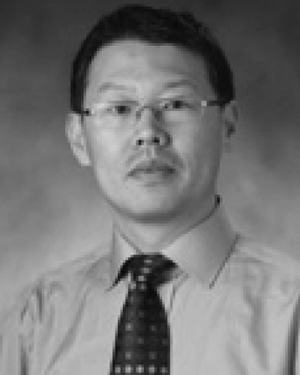 Liang Tang合作论文数10
 Romano Patrick合作论文数10
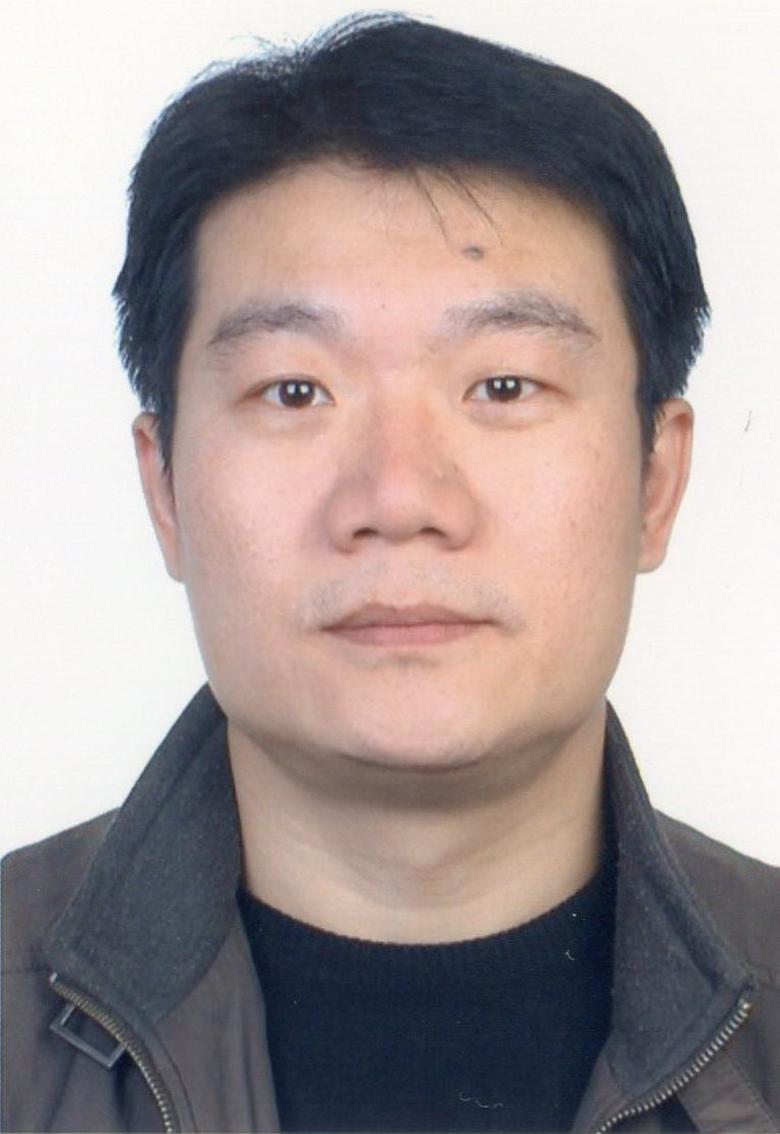 Weisheng Chen (陈为胜)合作论文数School of Aerospace Science and Technology, Xidian University10
 Xiaocheng Li合作论文数Shanghai Jiao Tong Univ, Dept Automat, Shanghai 200240, Peoples R China8
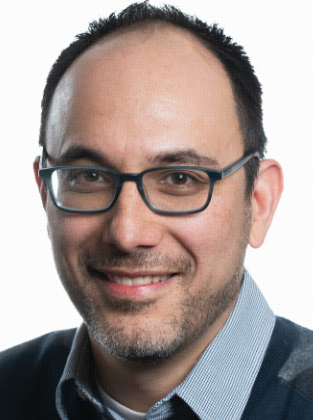 Jonathan DeCastro合作论文数Toyota Research Institute8
 Tao Liu (刘涛)合作论文数School of Mechanical Engineering, Zhejiang University8
 Zhichao Liu合作论文数7
 Shijie Tang合作论文数ABB7
 Enrico Zio合作论文数Dipartimento di Energia, Politecnico di Milano;Ecole de Mines, ParisTech, PSL University7
 Ming Yu (郁明)合作论文数School of Electrical Engineering and Automation, Hefei University of Technology7
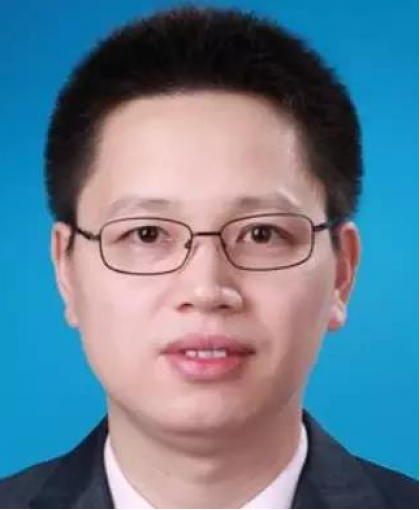 Guangquan Zhao (赵光权)合作论文数Department of Automatic Test and Control, School of Electronics and Information Engineering, Harbin Institute of Technology7
 Chris Sconyers合作论文数7
 Paul Ziehl合作论文数Dept Civil & Environm Engn, Univ S Carolina7Yq Ye合作论文数6
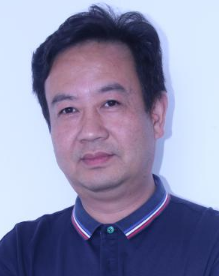 Jiawei Xiang (向家伟)合作论文数College of Mechanical and Electrical Engineering, Wenzhou University6
 Gang Chen (陈刚)合作论文数School of Energy and Power Engineering, Huazhong University of Science and Technology5
 Hai Lin (林海)合作论文数College of Computer Science and Technology, Zhejiang University;State Key Lab of CAD&CG, Zhejiang University5
 Zhengqiang Zhang (张正强)合作论文数College of Engineering, Qufu Normal University5
 Xiaofeng Wang合作论文数Department of Electrical Engineering, Molinaroli College of Engineering and Computing, University of South Carolina5
 Kai F. Goebel合作论文数Department of Civil, Environmental and Natural Resources Engineering, Lulea University of Technology5Michael Golda合作论文数4
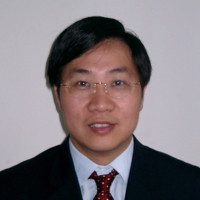 Zhengrong Xiang (向峥嵘)合作论文数School of Automation, Nanjing University of Science and Technology4
 Yu Wang (王宇)合作论文数School of Mechanical Engineering, Xi'an Jiaotong University4
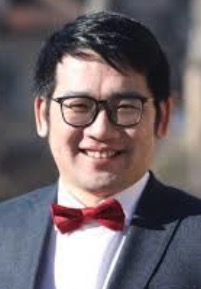 Yongheng Yang (杨永恒)合作论文数College of Electrical Engineering, Zhejiang University4
 Datong Liu (刘大同)合作论文数School of Electronics and Information Engineering, Harbin Institute of Technology4
 Carl S. Byington合作论文数Impact Technologies4
 Huihe Shao (邵惠鹤)合作论文数上海交通大学自动化系4
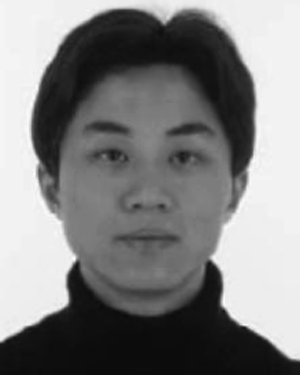 Chaochao Chen合作论文数4
 Michael J. Roemer (Mike Roemer)合作论文数Singularity4Taimoor Khawaja合作论文数4
 Wanchun Dou (窦万春)合作论文数School of Computer Science, Nanjing University4Craig Moore合作论文数3Liyun Xu合作论文数3
 John Weddington合作论文数3
 Chenyu Xiao合作论文数Hefei Univ Technol, Sch Elect Engn & Automat, Hefei 230009, Peoples R China3




