Patients on chemotherapy often use multiple resources to obtain information on wide-ranging issues, including prognosis, treatments, diet, exercise, and safety precautions. Websites from national and international cancer organizations are a common source of information. In this commentary, we discuss the strength of evidence associated with some common recommendations and provide examples of the unintended consequences of some of this advice. We hope that this commentary will stimulate more careful consideration of the risks and benefits when drafting these patient-facing materials.
Abstract Background Breast cancer is the most common cancer globally, with rising incidence in developing countries like Sri Lanka. While advancements in treatment have improved survival rates, the post-treatment Quality of Life (QOL) of breast cancer survivors remains a critical concern. This study evaluates the QOL among Sri Lankan women with breast cancer and its association with treatment modalities. Methods A cross-sectional study was conducted among 221 women who had undergone primary breast cancer surgery with a curative intent at least 12 months prior. Participants were recruited from the National Cancer Institute, Maharagama, between 2020 and 2022. Validated Sinhala and Tamil translations of the EORTC QLQ-C30 and QLQ-BR23 questionnaires were used to assess QOL. Demographic and clinical data were obtained from the Cancer Sri Lanka Database. Statistical analysis was performed using SPSS version 24. Results The mean global health score was 62.6 (SD = 23.4). Functional scores for physical, role, emotional, cognitive, and social domains were satisfactory, while sexual functioning and enjoyment scores were notably low (14.5 and 18.9, respectively). Fatigue, pain, insomnia, and financial difficulties were the most prominent concerns. Radiotherapy was associated with significantly lower global health scores (p < 0.05), and chemotherapy was linked to a more negative future perspective (p < 0.01). No significant associations were found between QOL scores and the type of breast or axillary surgery. Conclusion Sri Lankan women with treated breast cancer generally report good QOL comparable to global standards. However, sexual health remains a significant concern, particularly among older women. Fatigue, pain, and financial difficulties are notable concerns. Radiotherapy was associated with lower global health scores, while chemotherapy was observed to be associated with a more pessimistic future outlook. Addressing sexual health and financial burdens, particularly for younger patients, is essential. Future research should employ updated assessment tools and consider sociocultural factors to better understand treatment-related QOL in this population.
PURPOSE:Use of chemotherapy at the end of life (EOL) is discouraged, but evidence to guide decisions on the use of novel systemic anticancer treatment (SACT) agents is lacking. We examined trends of use among SACT types and association with health services use at the EOL. MATERIALS AND METHODS:We analyzed Canadian Ontario Cancer Registry data for adults diagnosed with solid tumors or hematologic malignancies within 5 years of death who received SACT between March 2015 and March 2021. Receipt of SACT in the last 30 days of life was categorized as chemotherapy alone, chemotherapy and immunotherapy, immunotherapy alone, and targeted therapy alone. Outcomes included high health services use, including multiple (≥2) emergency department (ED) visits, multiple (≥2) hospitalizations, or any (≥1) intensive care unit admission, and hospital deaths. Segmented linear regression estimated monthly trends; multivariable logistic regression estimated adjusted odds ratios (aORs) of outcomes for various SACT types. RESULTS:Among 68,963 patients, 18,337 (26.6%) received SACT at the EOL. From March 2015 to March 2020, use of SACT at the EOL increased (0.072% per month; P < .001), mainly driven by increased use of immunotherapy alone (0.064% per month; P < .001). Adjusted odds of high health services use and hospital death were more than two-fold greater among patients receiving SACT at the EOL (vs. none); individual aORs of high health services use and hospital death were 2.20 and 2.72 for chemotherapy alone, 2.36 and 3.10 for chemotherapy and immunotherapy, 1.92 and 2.27 for immunotherapy alone, and 1.75 and 2.37 for targeted therapy alone, respectively. CONCLUSION:Use of SACT at the EOL increased significantly over time, driven by increased use of immunotherapy. SACT use at the EOL, regardless of its type, was associated with high health services use and hospital death. Guidelines on the use of SACT at the EOL should include novel cancer treatments.
The goals of treatment for people with advanced cancer are to prolong survival and improve symptoms and health-related quality of life (HRQOL). Although many phase 3 randomised clinical trials seek to evaluate HRQOL during treatment, informing individual patients about expected HRQOL outcomes is challenging, as the common method of analysis and reporting compares averages for randomised groups, and clinicians find these data difficult to apply in clinical practice. Symptomatic patients with advanced cancer would like to know the probability that a proposed treatment might improve their survival or their dominant symptoms, and the probability of having treatment-related side-effects. When specifying HRQOL endpoints, we recommend that trialists develop HRQOL hypotheses about which dominant symptoms might be improved due to the initiation of the investigational treatment, and whether aspects of functioning and overall HRQOL will also improve despite the side-effects of the treatment. Validated, disease-specific, patient-reported outcome measures should be used to assess the relevant HRQOL concepts. Changes in HRQOL should be reported as the proportion of patients who have a specified improvement (or deterioration) in these relevant HRQOL scales (ie, as a response criterion), and harmonised standards for such a response criterion are needed.
11015 Background: The use of alternative endpoints, such as progression-free survival, has increased over time in phase III randomized clinical trials (RCTs). However, PFS and other alternative endpoints are often not valid surrogates for overall survival (OS) and quality of life (QOL), and may be less relevant to patients. We sought to determine the proportion of phase III oncology RCTs with OS or QOL superiority. A secondary goal was to evaluate the approach of QOL analyses, since “change-from-baseline” approaches may bias results (Bland and Altman. Trials. 2011;12:264). Methods: We performed a meta-epidemiological study of two-arm, superiority-design, interventional phase III oncology RCTs screened from ClinicalTrials.gov. RCT publications were reviewed for alternative endpoint, OS, and QOL results by at least two investigators. Alternative endpoint and OS superiority were defined for the experimental arm vs control arm according to the pre-specified statistical criteria for each RCT. QOL superiority was defined by either statistically significant or minimal clinically important differences (MCID). QOL was sub-classified as global QOL, defined by the composite summary measure obtained using the patient-reported outcome instrument, or domain QOL, referring to measures obtained from instrument subscales. Results: We included 791 RCTs published between 2002 and 2024, representing 555,580 enrolled patients. Primary RCT results were published between 2002 and 2024. Alternative primary endpoints were most common (n = 495, 63%). The primary endpoint was met in 53% of the RCTs (n = 420). Alternative endpoint superiority was shown in 55% of the RCTs (n = 434). OS was reported by 705 RCTs (89%), and OS superiority was shown in 28% of the RCTs (n = 221). Patient-reported outcomes were collected in 61% of the RCTs (n = 482), and 34% of the RCTs published global QOL results (n = 271). Most global QOL analyses were change-from-baseline (55%, n = 148). Global QOL superiority was shown in 11% of the RCTs (n = 84). In a sensitivity analysis of QOL subscale outcomes, 80 trials (10%) showed superiority in at least one QOL domain. Collectively, in 32% of the RCTs (n = 257), superiority of either OS or global QOL was demonstrated. In 6% of all RCTs (n = 48), both OS and global QOL superiority was shown. Conclusions: Phase III, superiority design oncology RCTs are commonly interpreted as “positive.” However, this is usually based on improvements in unvalidated alternative endpoints. Gains in either OS or QOL are uncommon, and exceedingly rare in combination. QOL appears both under-evaluated and under-reported. Furthermore, the majority of phase III QOL analyses, which are based on change-from-baseline comparisons, may be misleading. To increase the meaningfulness of late-phase research, future trial designs and regulatory processes should be re-focused towards OS and methodologically rigorous QOL improvements.
Importance:Alternative end points, such as progression-free survival, are increasingly used in phase 3 randomized clinical trials (RCTs). However, alternative end points are often not valid surrogates for overall survival and quality of life (QOL) and may be less relevant to patients. Objective:To determine the proportion of phase 3 RCTs with overall survival or QOL superiority. Design and Setting:Meta-epidemiological study of 2-group, superiority-design, interventional phase 3 oncology RCTs screened from ClinicalTrials.gov and published between 2002 and 2024. Main Outcomes and Measures:Alternative end-point, overall survival, and QOL superiority in the experimental group vs the reference/control group according to prespecified statistical criteria for each RCT. A secondary goal was to evaluate the quality of QOL analyses, since approaches unadjusted for baseline scores may bias results. Results:A total of 791 RCTs representing 555 580 enrolled patients were included. Alternative primary end points were most common (n = 495 [63%]). The primary end point was met in 53% of the RCTs (n = 420); alternative end-point superiority was shown in 55% (n = 434). Overall survival superiority was shown in 28% (n = 221). Patient-reported outcomes were collected in 61% of the RCTs (n = 482), but global QOL results were published in only 34% (n = 271). Most between-group global QOL analyses did not adjust for baseline scores (223 [82%]). Global QOL superiority was shown in 11% (n = 84). Among all RCTs, 32% (n = 257) demonstrated either overall survival or global QOL superiority. Superiority of both overall survival and global QOL was shown in 6% (n = 48). Among 434 RCTs with a positive alternative end point, only a minority showed superiority of either overall survival (185 [43%]) or global QOL (67 [15%]). Conclusions and Relevance:Findings of superiority-design phase 3 oncology RCTs are commonly interpreted as positive. However, this is mostly based on improvements in alternative end points. Gains in either overall survival or QOL are uncommon, even when alternative end-point findings are positive. QOL appears both underevaluated and underreported; furthermore, the majority of phase 3 QOL analyses are unadjusted for baseline scores, which lose efficiency and add bias compared with adjusted analyses. To increase the meaningfulness of late-phase research, future trial designs and regulatory processes should be refocused toward overall survival and QOL improvements.
BACKGROUND:Preclinical and observational studies suggest that exercise may improve cancer outcomes. However, definitive level 1 evidence is lacking. METHODS:In this phase 3, randomized trial conducted at 55 centers, we assigned patients with resected colon cancer who had completed adjuvant chemotherapy to participate in a structured exercise program (exercise group) or to receive health-education materials alone (health-education group) over a 3-year period. The primary end point was disease-free survival. RESULTS:From 2009 through 2024, a total of 889 patients underwent randomization to the exercise group (445 patients) or the health-education group (444 patients). At a median follow-up of 7.9 years, disease-free survival was significantly longer in the exercise group than in the health-education group (hazard ratio for disease recurrence, new primary cancer, or death, 0.72; 95% confidence interval [CI], 0.55 to 0.94; P = 0.02). The 5-year disease-free survival was 80.3% in the exercise group and 73.9% in the health-education group (difference, 6.4 percentage points; 95% CI, 0.6 to 12.2). Results support longer overall survival in the exercise group than in the health-education group (hazard ratio for death, 0.63; 95% CI, 0.43 to 0.94). The 8-year overall survival was 90.3% in the exercise group and 83.2% in the health-education group (difference, 7.1 percentage points; 95% CI, 1.8 to 12.3). Musculoskeletal adverse events occurred more often in the exercise group than in the health-education group (in 18.5% vs. 11.5% of patients). CONCLUSIONS:A 3-year structured exercise program initiated soon after adjuvant chemotherapy for colon cancer resulted in significantly longer disease-free survival and findings consistent with longer overall survival. (Funded by the Canadian Cancer Society and others; CHALLENGE ClinicalTrials.gov number, NCT00819208.).
Ariadna Tibau, MD, PhD; Thomas J. Hwang, MD; Alejandra Romano, MD; Maria Borrell, MD; Ignasi Gich, MD, PhD; Consolacion Molto, MD, PhD; Aaron S. Kesselheim, MD, JD, MPH
PURPOSE:To better understand the priorities that guide patients with multiple myeloma, we surveyed patients on four different treatment scenarios, each of treatment strategies shown to improve progression-free survival (PFS) but offering similar overall survival (OS) outcomes. METHODS:We conducted a survey using the HealthTree Cure Hub by the HealthTree Foundation, the largest online portal for people with plasma cell dyscrasias. RESULTS:The primary analysis cohort included 466 participants with myeloma, while an additional 297 responses from patients with smoldering myeloma or monoclonal gammopathy of uncertain significance were analyzed separately. When presented with either three-drug or four-drug frontline treatment for their myeloma, where four drugs offered better PFS, similar OS, and slightly increased toxicity, 56% of participants chose four drugs. For one-off consolidation treatment after induction, analogous to autologous transplant, which improved PFS but not OS, 50% of participants chose the consolidation. For maintenance therapy, where maintenance with two drugs offered better PFS, but similar OS and increased toxicity than one drug, 17% of participants chose two-drug maintenance. When evaluating a scenario for multiply relapsed disease, where a treatment improved PFS with increased toxicity, and no impact on OS, 7% of participants elected to receive this treatment. CONCLUSION:Our findings show that many patients choose not to receive treatments that improve PFS if they do not positively affect OS and lead to substantial clinical, financial, and/or time toxicities.
Despite the high incidence of gastric cancer in states throughout India, literature from the Indian context is sparse. Our overall objective was to determine the work-up, management and outcomes of patients with gastric cancer in a high-volume cancer centre in South India. Consecutive patients with a diagnosis of gastric cancer who were assessed in Regional Cancer Centre Trivandrum from January 1, 2018 to December 31, 2019 were included. Follow-up was conducted prospectively in person or by telephone. Patient, staging, disease, treatment, and outcomes data were collected and descriptively reported (mean, standard deviation, median, interquartile range). Overall survival (OS) was determined by the Kaplan–Meier method and factors associated with survival by multivariable Cox regression analyses [hazard ratio (HR), 95
9018 Background: The Common Sense Oncology (CSO) movement advocates for high-quality, patient-centered cancer care by emphasizing evidence-based, patient-relevant outcomes and equitable access to care through improved evidence generation, interpretation, and communication. A key part of CSO’s mission is training oncologists to incorporate these principles into their practice. Therefore, this study aimed to evaluate how competencies in global postgraduate medical oncology curricula align with CSO principles. Methods: We conducted a document analysis of publicly available postgraduate medical and clinical oncology curricula. Curricula were identified through: (1) searches in Education Source, EMBASE, and PubMed using the terms 'oncology', 'curriculum', and 'competency-based'; (2) a grey literature search; and (3) requests to medical education experts. Curricula in English, Spanish, Italian, Portuguese, or Hebrew were included to ensure regional representation, while accounting for the research team’s language proficiency. Competencies were categorized into eight domains aligned with CSO principles, including critical appraisal, cost and value of cancer care, communication about outcomes and treatment risks, equity in accessing cancer care, ethical principles, and integration of psychosocial oncology, survivorship, and palliative care. Two team members reviewed each curriculum, resolving discrepancies collaboratively, with unresolved cases adjudicated by the first or senior author. Results: We analyzed 16 curricula (Australia/New Zealand, Brazil, Canada, the European Union, India, Ireland, Italy, Japan, Mexico, Nigeria, Pakistan, Spain, the United Kingdom, the United States, and the ESMO/ASCO joint curriculum). Ten (63%) were from high-income regions, and six (37%) were from low/ middle-income countries (LMIC). The most frequently identified domains were critical appraisal (94% of curricula), communication (94%), palliative care (94%), and cost/value of care (88%). Less frequent domains were equity in accessing cancer care (56%), ethical principles (56%), and survivorship care (63%). Four (25%) curricula, all from high-income regions, covered all CSO-relevant domains, while three (19%) addressed four or fewer. Competencies related to equity and ethics were found in 70% of high-income curricula but only in 33% of LMIC. Conclusions: Competencies reflecting CSO principles were identified in global oncology curricula, with emphasis on critical appraisal, communication, palliative care, and psychosocial oncology. Competencies related to equity, ethical principles and survivorship care were less frequently observed. Notable gaps were observed between high-income countries and LMIC, though language limitations may have influenced our findings. Our results will inform the development of a globally relevant competency framework for common sense in oncology.
Importance:Although patients enrolled in trials have superior survival outcomes compared with those in routine practice, it is unknown whether such differences extend to contact days, a measure of time toxicity. Objective:To evaluate differences in contact days for patients with advanced stage non-small cell lung cancer (NSCLC) receiving care in trials or routine practice. Design, Setting, and Participants:This population-based, retrospective, matched cohort study assessed adults from Ontario, Canada, who were diagnosed with advanced-stage NSCLC between January 1, 2010, and December 31, 2017, and who died between January 1, 2010, and December 31, 2019. The maximum follow-up time from diagnosis was 2 years. Data analysis was performed from May 5, 2024, to October 22, 2024. Exposure:Patients receiving specific, systemic, palliative-intent, cancer-directed drug(s) as part of a trial were matched 1:1 with patients who received the same drug(s) after approval in routine practice in the same line of treatment. Main Outcomes and Measures:Contact days (days with in-person health care contact) were identified through administrative claims data. Models were fitted with cubic splines to describe trajectories of weekly percentage of contact days. Results:Of the 250 patients (mean [SD] age, 63.6 [9.2] years; 140 [56.0%] male), 125 were trial participants and 125 were receiving care in routine practice. Trial participants were younger (median [IQR] age, 63 [56-69] years vs 64 [58-70] years in routine care patients; standardized difference, 0.21) and had fewer comorbidities (eg, hypertension [45 (36.0%) vs 59 (47.2%); standardized difference, 0.23]). Median (IQR) contact days from diagnosis to death were higher for trial participants compared with those in routine practice (79 [62-104] vs 68 [46-98] days; standardized difference, 0.26). However, trial participants had a longer median (IQR) overall survival (eg, 12.8 [8.7-18.0] vs 10.5 [5.2-14.7] months; standardized difference, 0.46) and a slightly lower median percentage of contact days after adjusting for survival (20.3% [95% CI, 18.1%-21.7%] vs 21.2% [95% CI, 19.3%-25.7%]). During treatment, trial participants experienced a lower median percentage of contact days (18.4% [95% CI, 16.3%-20.8%] vs 25.5% [95% CI, 20.7%-30.3%]); inpatient care accounted for 18.5% (95% CI, 11.1%-29.6%) of on-treatment contact days for trial participants vs 40.0% (95% CI, 30.0%-47.6%) in routine practice. Normalized contact-day trajectories were U-shaped for all groups, with lower peaks and troughs among trial participants. Conclusions and Relevance:In this population-based cohort study, patients receiving systemic therapy as part of trials experienced a lower percentage of contact days, accounted for by greater hospitalization rates in routine practice. Addressing the predominantly outpatient, protocol-mandated visits may represent opportunities to decrease trial-related time toxicity.
BACKGROUND:Given the intensive resources required to conduct economic analyses in clinical trials, a key need is identifying scalable measures of costs. Contact days-days with health care contact outside the home-may represent such a practical measure. METHODS:We conducted a secondary analysis of a trial that evaluated two pre-transplant chemotherapy regimens for lymphoma. We used trial resource use and patient-reported data to calculate contact days, direct costs, and indirect costs such as lost productivity. We assessed the association between the number of contact days and cost outcomes using linear regression models and Pearson correlation coefficients. RESULTS:Contact days were moderately correlated with direct costs (r = .47, $762/ contact day, P < .0001), and strongly correlated with direct costs in the DHAP arm (r = 0.60, $727/ contact day, P < .0001). Contact days were very weakly correlated with pooled indirect costs (r 0.19, $60/ contact day, P = .0003). Among the 3 indirect cost outcomes, the relationship was strongest with paid caregiving hours (r = 0.33, 1.8 hours/ contact day, P < .0001) and weakest for unpaid hours provided by informal care partners (r = .06, .7 hours/ contact day, P = .247). Results were robust when zeroing out costs of hospitalization in the arm receiving inpatient chemotherapy and when evaluating indirect costs among patients working full-time. CONCLUSIONS:Contact days have the potential as a surrogate measure of direct health system costs, which deserves further exploration. The weak correlation with indirect cost outcomes suggests that the extent of true patient and care partner burdens extends beyond just the number of contact days.Trial registration: ClinicalTrials.gov Identifier: NCT00078949.
OBJECTIVE:To describe the impact of COVID-19 on oncology care providers' self-reported perceived stress, resilience, moral distress, anxiety, and depression in Colombia. METHODS:During 2020, a cross-sectional survey was carried out among oncology care providers. The Perceived Stress Scale, Connor-Davidson Resilience Scale, Moral Distress Thermometer, and the PHQ-4 were used. Basic socio-demographic and occupational characteristics are described, and bivariate and multivariate analyses were done to investigate their association with a high PHQ-4 score (>6). RESULTS:148 participants (mean age 43.1 years, 54.6% women, 72.3% medical specialists) were recruited. The major source of stress was not being infected, but spreading COVID-19. A low prevalence of depression/anxiety was found, as well as low resilience and moral distress. Women reported lower resilience and higher depression/anxiety. History of depression and lack of adequate coping strategies were associated with higher levels of depression/anxiety. CONCLUSIONS:The impact of the COVID-19 pandemic on the mental health of oncology care providers was mild, probably due to the protection for oncology patients during this period; however, women reported a greater impact. The association of demographic and clinical variables with higher levels of depression/anxiety should inform further preventive measures to reduce the impact of prolonged public health crises on healthcare providers' mental health.
BACKGROUND:Discussants of potentially practice-changing randomized clinical trials (RCTs) at major cancer meetings have an important responsibility to place new research in the context of current cancer care, to assess the generalizability of the data, to evaluate whether the outcomes are meaningful to patients, and to convey this information effectively and objectively to a diverse audience. Without a standard approach to critiquing clinical trial design or results discussants may overlook key weaknesses in their commentary. COMMON SENSE ONCOLOGY (CSO):The CSO initiative was launched in 2023 and is now comprised of an international collective of > 1000 clinicians, academics, policymakers, and patients. Its primary vision is that patients should have access to cancer treatments that provide meaningful improvements in outcomes, irrespective of where they live. To do this, one focus is to try to improve evidence generation and reporting. GUIDANCE FOR DISCUSSANTS:As part of this work, the CSO RCT Working Group has identified key elements for use in the development of discussant presentations to facilitate a balanced high-quality examination of RCTs. Elements include assessment of: a) Study design: evaluation of the study question, selection of population and control arm, use of blinding, choice of primary and secondary endpoints; b) Study results: treatment delivery, use of crossover, impact of censoring, unplanned analyses, patient reported outcomes, adverse effects; and c) Conclusions: Appraise the value and generalizability of trial results and, when positive results are claimed, assess if they offer meaningful benefits over current standard(s) of care in outcomes of importance to patients.
BACKGROUND:People receiving treatment for advanced cancer invest substantial portions of their survival time receiving healthcare, labelled the 'time toxicity' of treatment. Although qualitative research has examined the impact of time burden on patients and their caregivers, its influence on treatment decision-making is unclear. OBJECTIVE:Our objective was to explore treatment decision-making with patients with advanced gastrointestinal cancer, their caregivers, and oncologists, and unmask the role of time burden in those decisions. The objective was to inform the design of a subsequent discrete-choice experiment (DCE) investigating the importance of time burden in treatment decision-making. METHODS:A two-step process was used. Factors relevant to treatment decision-making were discussed as part of semi-structured interviews. Responses were analysed using thematic analysis with a focus on measurable themes relevant to the development of candidate attributes for a DCE. Second, we reviewed stated-preferences studies in the field of treatment decision-making in cancer and compared the results with the candidate attributes identified from interviews. RESULTS:Interviews with 45 participants (20 patients, 10 caregivers,15 gastrointestinal oncologists; 53% metropolitan) revealed 4 themes and 6 candidate attributes: expected survival benefit of treatment, impact of physical side effects, effect on day-to-day functioning, route of administration, healthcare contact days, and planned length of the treatment course. Review of 45 published studies yielded no additional attributes. CONCLUSIONS:This study identified six candidate attributes for a forthcoming DCE on time burden in advanced cancer care. These findings support growing efforts to quantify and address time toxicity in cancer treatment decision-making.
BACKGROUND:The World Health Organization (WHO) Essential Medicines List (EML) and resource-stratified guidelines both prioritize high-value medicines. We compared the 2023 EML cancer medicines list with global cancer statistics, examined the proportion of EML therapies recommended by resource-stratified guidelines, and identified gaps that merit evaluation by the WHO EML Committee. METHODS:We compared the 2023 EML medicines for adult cancers with cancer incidence and mortality data from GLOBOCAN 2022. We cross-referenced the EML with 2 resource-stratified guidelines (National Comprehensive Cancer Network [NCCN] and National Cancer Grid [NCG] of India) and evaluated preferred treatments in resource-stratified guidelines that were not recommended by the EML. RESULTS:The 2023 EML included 64 cancer medicines for 219 tumor-specific indications. The greatest number of medicines are listed for leukemia (37/219 [17%]) and lymphoma (33/219 [15%]). Although some common cancers (eg, hepatocellular carcinoma) have no EML-listed medicines because of the low clinical benefit, we identified some cancers (eg, esophageal, gastric) with effective therapies that the EML Committee should evaluate for inclusion. Cancers with no listed medicines make up 34% of cancer deaths globally. Among EML indications with an NCCN resource-stratified guideline, 42% (35/84) and 73% (62/84) were recommended by the NCCN Basic and Core Guidelines, respectively. Among EML indications with an NCG resource-stratified guideline, 163 of 196 (83%) and 175 of 196 (89%) were recommended by the NCG Essential and Optimal guidelines, respectively. CONCLUSIONS:We identified some effective medicines that should be evaluated for inclusion in the WHO EML. Prioritization of cancer medicines was similar between the EML and NCG India but discordant between with NCCN resource-stratified guideline.
LBA3510 Background: Multiple observational studies have reported that post-diagnosis physical activity (PA) is associated with reduced recurrence rates in early-stage colon cancer but epidemiologic data is limited by confounding and reporting bias. CCTG CO.21 was designed to test the hypothesis that a meaningful increase in recreational PA after adjuvant therapy is achievable and will improve DFS in stage 3 or high-risk stage 2 colon cancer. Methods: CCTG CO.21 enrolled patients at 55 sites in 6 countries. Patients with resected stage 3 or high-risk stage 2 colon cancer who had received adjuvant chemotherapy were randomized to a structured exercise program (SEP) or health education materials (HEM). HEM participants received education materials promoting PA and healthy nutrition in addition to standard surveillance. SEP participants worked with a PA consultant who delivered an exercise intervention using behavior change methodology over 3 years. The SEP goal was to increase recreational PA by at least 10 MET-hours/week from baseline during the first 6 months and sustain this for 3 years. Participants chose the type, frequency, intensity and duration of aerobic exercise. The primary endpoint is DFS compared by a stratified log-rank test performed on an intention-to-treat basis. Secondary endpoints include overall survival (OS) and patient-reported outcomes (SF-36 physical function scale was primary PRO). Results: Between 2009 and 2024,889 participants were randomized to SEP (n=445) or HEM (n=444); 51% female, median age 61 years, 90% stage 3 disease. Compared to HEM, SEP resulted in statistically significant improvements in recreational PA, predicted VO2max, and 6-minute walk distance, all maintained over the 3-year intervention period. With a median follow-up of 7.9 years, 224 DFS events (93 in SEP and 131 in HEM) and 107 deaths (41 in SEP and 66 in HEM) were observed. 5-year DFS was 80% in SEP and 74% in HEM (HR 0.72; 95% CI 0.55-0.94; p=0.017). 8-year OS was 90% in SEP and 83% in HEM (HR=0.63; 95% CI=0.43-0.94; p=0.022). SF-36 physical function was substantially improved with SEP at 6 months (mean change scores 7.42 vs 1.10, p<0.001) and was sustained to 24 months. In the safety analysis, 19% (79/428) of patients on SEP reported any grade of musculoskeletal adverse event (MSK AE) over the course of the study, compared to 12% (50/433) on HEM. 10% (8/79) of MSK AE on SEP were considered to be related to participation in the PA program. Conclusions: Inpatients with stage 3 and high-risk stage 2 colon cancer, a 3-year structured exercise program initiated shortly after completion of adjuvant chemotherapy improves DFS, OS, patient-reported physical functioning, and health-related fitness. Health systems should incorporate structured exercise programs as standard of care for this patient population. Clinical trial information: NCT00819208 .
 D. Robert Siemens合作论文数Department of Urology, School of Medicine, Faculty of Health Sciences, Queen’s University;Department of Oncology, School of Medicine, Faculty of Health Sciences, Queen’s University68
 William J. Mackillop合作论文数Department of Community Health and Epidemiology, Queen's University56
 Bishal Gyawali合作论文数Department of Oncology, Faculty of Health Sciences, Queen's University;Division of Cancer Care and Epidemiology, Sinclair Cancer Research Institute, Faculty of Health Sciences, Queen's University;Ontario Institute of Cancer Research55
 Richard Sullivan合作论文数School of Cancer & Pharmaceutical Sciences, Faculty of Life Sciences & Medicine, King’s College London50
 Yingwei Peng合作论文数Department of Mathematics and Statistics;Memorial University of Newfoundland;Mathematics Building;Department of Mathematics and Statistics, Memorial University of Newfoundland45
 Wilma M. Hopman合作论文数KGH Research Institute, Kingston Health Sciences Centre42
 Ian Tannock合作论文数Temerty Faculty of Medicine, University of Toronto38Nanji Sulaiman合作论文数37Xuejiao Wei合作论文数36
 Timothy P. Hanna合作论文数Intermountain Healthcare31
 Shaila J. Merchant合作论文数31
 C.S. Pramesh合作论文数Tata Memorial Centre31
 Nazik Hammad合作论文数30Jennifer a Flemming合作论文数Gastrointestinal Diseases Research Unit, Queen's University30
 Monika Krzyzanowska合作论文数Institute of Medical Science, Temerty Faculty of Medicine, University of Toronto;Institute of Health Policy, Management and Evaluation, University of Toronto;Division of Medical Oncology and Hematology, Princess Margaret Cancer Centre, University Health Network;Cancer Quality Lab, Princess Margaret Cancer Centre, University Health Network29Safiya Karim合作论文数28
 Ajay Aggarwal合作论文数28
 Manju Sengar合作论文数Tata Memorial Hospital28
 Brooke Wilson合作论文数26Weidong Kong (孔维冬)合作论文数26Arjun Gupta合作论文数25
 Michael Raphael合作论文数Division of Medical Oncology, Department of Medicine, University of Toronto;Odette Cancer Centre, Sunnybrook Health Sciences Centre;Sunnybrook Research Institute, Sunnybrook Health Sciences Centre25
 Michael Brundage合作论文数Department of Oncology, Faculty of Health Sciences, Queen's University;Department of Public Health Sciences, Queen's University;Sinclair Cancer Research Institute, Faculty of Health Sciences, Queen's University25
 Biagi James J合作论文数23Elizabeth a Eisenhauer合作论文数23
 Verna Dnk Vanderpuye合作论文数Korle Bu Teaching Hospital22Adam Fundytus合作论文数Queen’s University20
 Fidel Rubagumya合作论文数Division of Cancer Care and Epidemiology, Queens University19
 Kelly Brennan合作论文数19Dongsheng Tu合作论文数18
 Srikala Sridhar合作论文数Department of Medicine, University of Toronto;Princess Margaret Cancer Center18
 David Berman合作论文数Division of Cancer Biology and Genetics, Sinclair Cancer Research Institute, Queen's University;Department of Pathology and Molecular Medicine, Faculty of Health Sciences, Queen's University18Yogita Patel合作论文数17
 Andrew Robinson合作论文数School of BioSciences, University of Melbourne;School of Mathematics and Statistics, University of Melbourne17Janette Vardy合作论文数School of Medicine, Faculty of Medicine and Health, The University of Sydney16Gavin Li合作论文数16
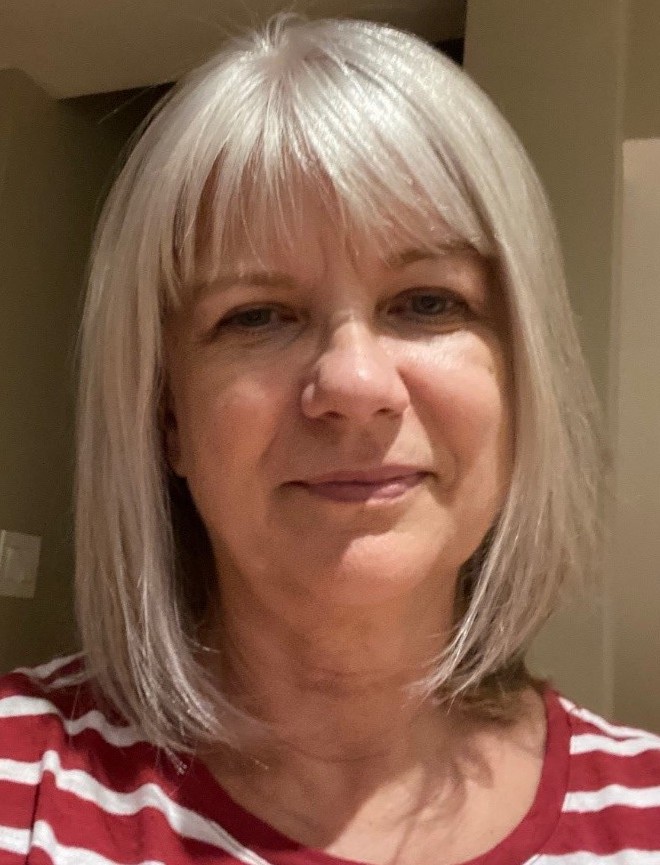 Patti Groome合作论文数Division of Cancer Care and Epidemiology, Cancer Research Institute, Queen's University;Department of Public Health Sciences, Queen's University16
 Joseph C. Del Paggio合作论文数15Haryana Dhillon合作论文数School of Psychology, Faculty of Science, The University of Sydney15
 Scott Berry合作论文数Department of Oncology, Faculty of Health Sciences, Queen's University;Cancer Care Ontario15
 Eitan Amir合作论文数Institute of Health Policy, Management and Evaluation, University of Toronto;Department of Medicine, University of Toronto;Princess Margaret Cancer Centre;University Health Network14
 Vinay Prasad合作论文数Center for Biologics Evaluation and Research, U.S. Food and Drug Administration14William J Mackillop合作论文数14
 Gregory Pond合作论文数Ontario Institute for Cancer Research;Department of Oncology, McMaster University;Escarpment Cancer Research Institute;Ontario Clinical Oncology Group14
 Kerry Courneya合作论文数Faculty of Kinesiology, Sport, and Recreation, College of Health Sciences, University of Alberta;Cancer Research Institute of Northern Alberta, University of Alberta;Department of Oncology, Faculty of Medicine and Dentistry, University of Alberta;Behavioral Medicine Laboratory and Fitness Center, University of Alberta;Cross Cancer Institute Edmonton14Ralph M Meyer合作论文数13
 Moraes Fábio Ynoe de合作论文数13
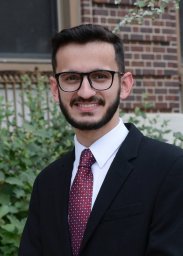 Mohyuddin Ghulam Rehman合作论文数Department of Internal Medicine, Geisinger Medical Center13
 Derek Jonker合作论文数The Ottawa Hospital;Division of Medical Oncology, University of Ottawa13




