Loss of genetic material on the short arm of chromosome 17 is observed in approximately 40% of human astrocytomas (WHO grades II and III) and in approximately 30% of cases of glioblastoma multiforme (WHO grade IV). Previous studies of glioblastoma multiforme have shown that the p53 gene, located on the short arm of chromosome 17, is frequently mutated in these glioblastomas. To explore whether lower-grade astro cytomas are also associated with corresponding mutations of the p53 gene, we have investigated a series of 22 human astrocytomas of WHO grades II and III both for loss of heterozygosity on chromosome 17p and for p53 mutations. Mutations in the conserved regions of the p53 gene were identified by single strand conformation polymorphism analysis of exons 5, 6, 7, and 8 and were verified by direct DNA sequencing of the polymerase chain reaction products. p53 mutations were observed in 3 of 8 grade II astrocytomas and 4 of 14 grade II astrocytomas. In all 22 tumors, allelic loss of the short arm of chromosome 17 was investigated by restriction fragment length polymorphism analysis. One-half of the grade II astrocytomas (4 of 8) and grade III astrocytomas (7 of 14) exhibited allelic loss on chromosome 17p. Mutations in the p53 gene were exclusively observed in tumors with allelic loss on 17p. Our results show that p53 mutations are not restricted to glioblastoma multiforme and may be important in the tumorigenesis of lower-grade astrocytomas and that p53 mutations in lower-grade astrocytomas are associated with loss of chromosome 17p. These findings are consistent with a recessive mechanism of action of pS3 in WHO grade II and III astrocytoma tumorigenesis.
Exposure of mammalian cells to hypoxia, radiation and certain chemotherapeutic agents promotes cell cycle arrest and/or apoptosis. Activation of p53 responsive genes is believed to play an important role in mediating such responses. In this study we identified a novel gene, PA26, which maps to chromosome 6q21 and encodes at least three transcript isoforms, of which two are differentially induced by genotoxic stress (UV, gamma-irradiation and cytotoxic drugs) in a p53-dependent manner. A functional p53-responsive element was identified in the second intron of the PA26 gene, in consistance with a mechanism of transcriptional induction of the PA26 gene by p53. No clues to its functions were revealed by sequence analysis, although pronounced negative regulation by serum factors argues for a potential role of PA26 in growth regulation. Immunological analysis suggests that PA26 protein(s) is localized to the cell nucleus. Our results suggest that the PA26 gene is a novel p53 target gene with properties common to the GADD family of growth arrest and DNA damage-inducible stress-response genes, and, thus, a potential novel regulator of cellular growth.
The VHL tumor suppressor gene has previously been reported to encode a protein of 213 amino acid residues. Here we report the identification of a second major VHL gene product with an apparent molecular weight of 18 kD, pVHL18, which appears to arise from alternate translation initiation at a second AUG codon (codon 54) within the VHL open reading frame. In vitro and in vivo studies indicate that the internal codon in the VHL mRNA is necessary and sufficient for production of pVHL18. pVHL18 can bind to elongin B, elongin C, and Hs-CUL2. When reintroduced into renal carcinoma cells that lack a wild-type VHL allele, pVHL18 suppresses basal levels of VEGF expression, restores hypoxia-inducibility of VEGF expression, and inhibits tumor formation in nude mice. These data strongly support the existence of two distinct VHL gene products in VHL tumor suppression.
Acromegaly is uncommon in kindreds with multiple endocrine neoplasia type 1 (MEN1), whereas primary hyperparathyroidism (PHP) has the highest penetrance of any endocrinopathy. We report an unusual MEN1 kindred with frequent expression of pituitary tumors and a low penetrance of PHP. Four members were found to have disease: PHP in generation I, acromegaly (2 cases) in generation II, and hyperprolactinemia associated with a pituitary tumor in generation III. There was no evidence for PHP in 1 patient with acromegaly (age 60 yr), the patient with hyperprolactinemia and the pituitary tumor (age 22 yr), and 1 asymptomatic obligate carrier (age 50 yr). Screening of 26 members revealed the possible diagnosis of PHP in 1 family member in generation II and possible early acromegaly in 2 members of generation III with elevated serum concentrations of insulin-like growth factor I and insulin-like growth …
Acromegaly is uncommon in kindreds with multiple endocrine neoplasia type 1 (MEN1), whereas primary hyperparathyroidism (PHP) has the highest penetrance of any endocrinopathy. We report an unusual MEN1 kindred with frequent expression of pituitary tumors and a low penetrance of PHP. Four members were found to have disease: PHP in generation I, acromegaly (2 cases) in generation II, and hyperprolactinemia associated with a pituitary tumor in generation III. There was no evidence for PHP in 1 patient with acromegaly (age 60 yr), the patient with hyperprolactinemia and the pituitary tumor (age 22 yr), and 1 asymptomatic obligate carrier (age 50 yr). Screening of 26 members revealed the possible diagnosis of PHP in 1 family member in generation II and possible early acromegaly in 2 members of generation III with elevated serum concentrations of insulin-like growth factor I and insulin-like growth factor-binding protein-3 but normal patterns of pulsatile GH release. Although the predisposing genetic defect in typical MEN1 families has previously been mapped to chromosome location 11q13 without evidence of heterogeneity among the 87 families analyzed, linkage of disease in this family to the MEN1 region is unlikely based on haplotype analysis. Localization of the gene(s) responsible for disease in such atypical families may aid in the understanding of the pathogenesis of MEN1. In addition, further study of the earliest changes in patterns of pulsatile GH release in familial acromegaly may allow more insight into the pathogenesis and natural history of this disease.
All previously reported CAAX-based farnesyltransferase inhibitors contain a thiol functionality. We report that attachment of the 4-imidazolyl group, via 1-, 2-, or 3-carbon alkyl or alkanoyl spacers, to Val-Tic-Met or tLeu-Tic-Gln provides potent FT inhibitors. (R*)-N-[[1,2,3,4-Tetrahydro-2-[N-[2-(1H-imidazol-4-yl)ethyl] -L-valyl]-3-isoquinolinyl]carbonyl]-L-methionine ([imidazol- 4-yl-ethyl]-Val-Tic-Met), with FT IC50 = 0.79 nM, displayed potent cell activity in the absence of prodrug formation (SAG EC50 = 3.8 muM).
Allelic loss in human cutaneous melanoma has been detected on chromosomes 1p, 6q, 9p, 10q, and 11q. Chromosome 17 contains important tumor suppressor genes such as p53, NM23, and neurofibromatosis type 1 (NF1), which have been implicated in melanoma tumorigenesis. The role of p53 has already been studied by a number of laboratories, showing contrasting results. In the present study, two restriction fragment length polymorphism (RFLP) probes for the NM23 and NF1 genes, together with five other RFLP and four variable number of tandem repeat chromosome 17 probes, were investigated at the loss of heterozygosity (LOH) level in a Southern blot-based assay. The NF1 gene was also tested for LOH by a polymerase chain reaction (PCR)-based approach in two different experiments, using a dinucleotide repeat polymorphic probe at locus D17S250 (17q11.2-q12), and an Alu probe intragenic to the NF1 gene (17q11.2). A PCR single-strand conformation polymorphism assay was included in the study for mutation detection at the NF1-GTPase-activating protein-related domain (GRD). A total of 68 melanocytic tumors were analyzed. LOH was detected in 9 of 87 informative cases (10%). LEW301 (17p11.2-pcen) presented the highest LOH frequency (22%). NM23 showed LOH in 17% of the informative cases, while NF1 did not show either LOH in the Southern blot- and PCR-based experiments or mutations at the NF1-GRD. These results are in concordance with those of previous smaller studies, but when compared with higher LOH frequencies obtained from other chromosomes, these findings indicate that the LOH values found in our study can most likely be attributed to background effect. Thus, chromosome 17 LOH is likely to play and unimportant role as a genetic event in melanoma tumorigenesis. Nevertheless, NF1 merits further study, since homozygous deletions have been detected at this locus in melanoma cell lines.
Malignant mesotheliomas (MMs) are aggressive tumors that develop most frequently in the pleura of patients exposed to asbestos. In contrast to many other cancers, relatively few molecular alterations have been described in MMs. The most frequent numerical cytogenetic abnormality in MMs is loss of chromosome 22. The neurofibromatosis type 2 gene (NF2) is a tumor suppressor gene assigned to chromosome 22q which plays an important role in the development of familial and spontaneous tumors of neuroectodermal origin. Although MMs have a different histogenic derivation, the frequent abnormalities of chromosome 22 warranted an investigation of the NF2 gene in these tumors. Both cDNAs from 15 MM cell lines and genomic DNAs from 7 matched primary tumors were analyzed for mutations within the NF2 coding region. NF2 mutations predicting either interstitial in-frame deletions or truncation of the NF2-encoded protein (merlin) were detected in eight cell lines (53%), six of which were confirmed in primary tumor DNAs. In two samples that showed NF2 gene transcript alterations, no genomic DNA mutations were detected, suggesting that aberrant splicing may constitute an additional mechanism for merlin inactivation. These findings implicate NF2 in the oncogenesis of primary MMs and provide evidence that this gene can be involved in the development of tumors other than nervous system neoplasms characteristic of the NF2 disorder. In addition, unlike NF2-related tumors, MM derives from the mesoderm; malignancies of this origin have not previously been associated with frequent alterations of the NF2 gene.
Family studies and tumor analyses have combined to indicate that neurofibromatosis 2 (NF2), a disorder characterized by multiple benign tumors of the nervous system, and sporadic non-inherited forms of the same tumor types are both caused by inactivation of a tumor suppressor gene located in 22q12. Recently, the gene encoding merlin, a novel member of a family of cytoskeleton-associated proteins, was identified as the NF2 tumor suppressor. To facilitate the search for merlin mutations, we have defined the exon-intron boundaries for all 17 NF2 exons, including one subject to alternative splicing. We have developed polymerase chain reaction assays to amplify each exon from genomic DNA, and used these assays to perform single-strand conformation polymorphism analysis of DNA from 30 sporadic and eight NF2-derived schwannomas, the hallmark tumor type in this disorder. Of a maximum of 60 alleles scanned, 32 showed mutations affecting expression of the merlin protein. Thirty of these mutations are predicted to lead to a truncated protein due to frameshift, creation of a stop codon, or interference with normal splicing, while two are missense mutations. Thus, inactivation of merlin is a common feature underlying both inherited and sporadic forms of schwannoma.
The von Hippel-Lindau (VHL) syndrome is an autosomal dominant inherited pleiotropic disorder with virtually complete penetrance and highly variable expressivity. Carriers of the gene have increased susceptibility to a variety of neoplasms of mesodermal and neuroectodermal origin. The most characteristic and frequently observed lesions in VHL are angiomatosis retinae (52%–58%), cerebellar and spinal hemangioblastoma (38%–66%), pheochromocytoma (17%–26%), pancreatic and renal cysts (8%–72% and 25%–60%, respectively; [8] and others). Of those affected by the syndrome, 17%–55% suffer from renal cell carcinoma (RCC), which is one of the most serious and life-threatening complications of the disease. Compared to counterparts with the sporadic form, RCCs in VHL patients occur at an earlier age and are often bilateral or multifocal and are associated with renal cysts. In contrast to simple cysts in the general population, which are usually benign, renal cysts in VHL may contain occult carcinomas. After onset the malignant potential of RCC in VHL is similar to that in the sporadic type, often complicated by metastasis and de novo recurrences. While many VHL patients survive surgery of hemangioblastoma, up to one-third of these patients die of RCC. The incidence of VHL is approximately 1:100000, but it is possible that there are geographic variations, with a regional incidence of 1:40 000. There is as yet no sufficient explanation for the primary biochemical defect in VHL or for the variable constellation of tissue type involved in tumor formation. Recent advances in tumor cytogenetics and molecular genetics provide the tools necessary to search for genetic defects in VHL. With the advent of reverse genetics it has become possible to isolate and characterize genes of interest without any hint of their possible functions.
Pilocytic astrocytomas are the most common astrocytic tumors of childhood and differ clinically and histopathologically from those astrocytomas that affect adults. Studies of adult astrocytic tumors have revealed allelic losses on chromosomes 10, 17p, 19q and alterations in the epidermal growth factor receptor (EGFR) gene. We have previously examined pilocytic astrocytomas for allelic losses on chromosomes 10 and 19q and for amplification of the EGFR gene, but did not detect genomic alterations at these loci. In the present study we assayed 20 pilocytic astrocytomas for loss of allelic heterozygosity of chromosome 17p, including one locus in the p53 tumor suppressor gene. In addition, because pilocytic astrocytomas frequently affect patients with neurofibromatosis type 1 (NF1) and the NF1 gene has been mapped to 17q11.2, we also examined multiple loci on the long arm of chromosome 17. Allelic loss was observed on chromosome 17 in four cases (three sporadic, one NF1); all lost portions of the long arm in chromosome 17, and one tumor lost the short arm as well. One tumor showed an interstitial delection on the long arm that included the region of the NF1 gene. These data suggest the presence of a tumor suppressor gene on 17q that is associated with pilocytic astrocytomas. A potentiel candidate for this gene is the NF1 tumor suppressor gene.
Glioblastoma multiforme is a clinically and histologically heterogeneous lesion; however, to date, it has not been possible to subdivide glioblastomas on a clinical, histopathological or biological basis. Previous studies have demonstrated that loss of portions of chromosomes 10 and 17 and amplification of the epidermal growth factor receptor (EGFR) gene are the most frequent genetic alterations in glioblastoma. We therefore examined 74 glioblastomas from 67 patients for loss of heterozygosity on chromosomes 10 and 17, and for amplification of the epidermal growth factor receptor gene, to determine whether glioblastomas can be subtyped on a genetic basis. Using Southern blot analysis we were able to detect different patterns of genomic alterations. Eighteen of 67 informative patients were characterized by a loss of heterozygosity on the short arm of chromosome 17 in the tumor tissue. Forty‐five of 64 informative patients showed a loss of heterozygosity on chromosome 10. Amplification of the epidermal growth factor receptor gene was noted in 25 of 67 patients and was restricted to those glioblastomas that had lost portions of chromosome 10. Epidermal growth factor receptor gene amplification occurred significantly more often in patients without chromosome 17p loss than in patients with chromosome 17p loss (p = 0.01). In addition, those glioblastomas with a loss of chromosome 17p occurred in patients significantly younger than those with glioblastomas characterized by EGFR gene amplification (p = 0.001). These data emphasize the genetic heterogeneity of glioblastoma and suggest the division of glioblastoma into genetic subsets.
Southern blotting is a widely used method of determining loss of chromosomal alleles in tumors, but cannot be used to analyze small biopsies and most fixed, embedded tissues. These problems preclude analysis of many surgical neuropathology specimens. We have employed a polymerase chain reaction assay for loss of heterozygosity (LOH) based on the (CA)n dinucleotide repeat polymorphisms found in abundance throughout the human genome. We compared this method to conventional Southern blotting in detecting LOH on chromosome 10 in gliomas. From tissue sections of 14 paraffin-embedded, formalin-fixed gliomas, we amplified the (CA)n repeat D10S89 locus and compared (CA)n repeat patterns between tumor DNA and constitutional DNA. Loss of one chromosome 10 (CA)n repeat allele was seen in informative glioblastomas that showed allelic loss by Southern blotting, but not in gliomas that had maintained both alleles. The (CA)n repeat method can be applied to small and fixed, embedded specimens, is rapid and simple to perform, and uses highly polymorphic probes. We suggest that (CA)n repeats are a less exclusive and more rapid means of studying LOH in brain tumors than Southern blotting, and will provide further mapping data for the identification of tumor suppressor genes integral to glial tumorigenesis.
 David N. Louis合作论文数Department of Pathology, Massachusetts General Hospital;Mass General Research Institute, Massachusetts General Hospital;Department of Pathology, Brigham and Women's Hospital;Harvard Medical School9
 Andreas Von Deimling合作论文数University of Heidelberg;German Cancer Research Center8
 Robert L. Martuza合作论文数Department of Neurosurgery, Harvard Medical School;Massachusetts General Hospital7
 James Francis Gusella合作论文数Department of Genetics, Blavatnik Institute, Harvard Medical School;Center for Genomic Medicine, Massachusetts General Hospital7
 Anil G. Menon合作论文数Department of Molecular Genetics, University of Cincinnati Medical Center6nikolai kley合作论文数5
 Otmar D. Wiestler合作论文数German Cancer Research Center, Heidelberg University5Ray White合作论文数5Iver Petersen合作论文数SRH Wald-Klinikum Gera5
 Leonard Buckbinder合作论文数Pfizer Global Research and Development5K VONAMMON合作论文数4
 Edward Oldfield合作论文数Department of Neurosurgery, School of Medicine, University of Virginia4N. Kley合作论文数4Mp Rubio合作论文数3LB Jacoby合作论文数3K Tory合作论文数3Talbott Randy合作论文数3
 Hiltrud Beatrix Brauch合作论文数Margarete Fischer-Bosch-Institute of Clinical Pharmacology3Volker Höllt合作论文数Department of Neuropharmacology, Max-Planck-Institut für Psychiatrie, Kraepelinstrasse 2, D-8000 München 40, F.R.G.3
 Guy Rouleau合作论文数Department of Neurology and Neurosurgery, McGill University;Department of Medicine, McGill University;Montreal Neurological Institute, McGill University3
 Catharina Larsson合作论文数Department of Oncology-Pathology, Karolinska Institutet3R E Fournier合作论文数2Barry S. Layton合作论文数2Leonard Atkins合作论文数2Jean M. Whaley合作论文数2James H. Johnson合作论文数2Filippo Drago合作论文数2FS COLLINS合作论文数2Trofatter, James A.合作论文数2Satya P. Kaka合作论文数2Albert Herz合作论文数2J. FOUNTAIN合作论文数2D BARBA合作论文数2
 David Barba合作论文数Department of Surgery, School of Medicine, University of California, San Diego2Mi Lerman合作论文数2
 Robert H. Eibl合作论文数c/o M. Schneemann;Department of Internal Medicine, Hospitals of Schaffhausen;Department of Internal Medicine, Hospitals of Schaffhausen2Giuseppe Clementi合作论文数2
 Gerhard Baumann合作论文数Endocrinology, Metabolism and Molecular Medicine, Department of Medicine, Feinberg School of Medicine, Northwestern University2Castresana Javier S合作论文数2
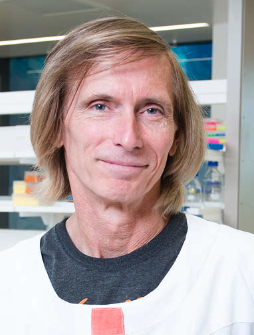 Nicholas Hayward合作论文数Oncogenomics Laboratory, QIMR Berghofer Medical Research Institute2Avery A. Sandberg合作论文数2
 Paul Kleihues合作论文数Faculty of Medicine, University of Zurich2Raymond L. Hintz合作论文数2
 Bernd Wullich合作论文数Department of Urology with Prostate Cancer and Pelvic Floor Center, University Hospital Erlangen2Pushpa S. Kalra合作论文数Department of Physiology and Functional Genomics, College of Medicine, University of Florida Health2W. M. Linehan合作论文数2
 David H Ledbetter合作论文数Department of Psychiatry, College of Medicine, Florida State University2C. Bouillé合作论文数2Margaret R. Wallace合作论文数Department of Human Genetics, University of Michigan2




