Background The prevalence of COVID-19 as the primary diagnosis among hospitalized patients with myocardial injury has increased during the pandemic and targeting elevated oxidant stress and inflammatory biomarkers may offer a potential role for novel therapies to improve outcomes. Methods At a single VA Medical Center from January 1 through December 31, 2021, troponin assays from patients being evaluated in the Emergency Room for consideration of admission were analyzed and peak levels from each patient were considered abnormal if exceeding the Upper Reference Limit (URL). Among admitted patients with an elevated troponin level, ICD-10 diagnoses were categorized, biomarker elevations were recorded, and independent predictors of death in patients with COVID-19 were determined at a median of 6-months following admission. Results Of 998 patients, 399 (40 %) had a negative troponin and were not included in the analysis. Additional patients with an elevated troponin were also excluded, either because they were not admitted (n = 68) or had a final diagnosis of Type 1 MI (n = 117). Of the remaining 414 patients with an elevated peak troponin, COVID-19 was the primary diagnosis in 43 patients (10 %) and was the 4th most common diagnosis of patients admitted with myocardial injury behind congestive heart failure, sepsis, and COPD or pneumonia. At a median of 6-months following admission, 18 (42 %) of the COVID-19 patients had died and independent predictors of death (Odd Ratio: Confidence Intervals) were age (1.18: 1.06‒1.37), Troponin level (Log 10 transformed) (16.54: 2.30‒266.65) and C-Reactive Protein (CRP) (1.30: 1.10‒1.65). Conclusions Newly diagnosed COVID-19 during the pandemic was a common cause of elevated troponin in hospitalized patients without a Type 1 MI. Age, peak troponin level and peak CRP level were independent predictors of poor outcomes and suggest a need to target these cardiac biomarkers, potentially with novel antioxidant or anti-inflammatory therapies.
Importance Many patients with chronic obstructive pulmonary disease (COPD), heart failure (HF), and interstitial lung disease (ILD) endure poor quality of life despite conventional therapy. Palliative care approaches may benefit this population prior to end of life. Objective Determine the effect of a nurse and social worker palliative telecare team on quality of life in outpatients with COPD, HF, or ILD compared with usual care. Design, Setting, and Participants Single-blind, 2-group, multisite randomized clinical trial with accrual between October 27, 2016, and April 2, 2020, in 2 Veterans Administration health care systems (Colorado and Washington), and including community-based outpatient clinics. Outpatients with COPD, HF, or ILD at high risk of hospitalization or death who reported poor quality of life participated. Intervention The intervention involved 6 phone calls with a nurse to help with symptom management and 6 phone calls with a social worker to provide psychosocial care. The nurse and social worker met weekly with a study primary care and palliative care physician and as needed, a pulmonologist, and cardiologist. Usual care included an educational handout developed for the study that outlined self-care for COPD, ILD, or HF. Patients in both groups received care at the discretion of their clinicians, which could include care from nurses and social workers, and specialists in cardiology, pulmonology, palliative care, and mental health. Main Outcomes and Measures The primary outcome was difference in change in quality of life from baseline to 6 months between the intervention and usual care groups (FACT-G score range, 0-100, with higher scores indicating better quality of life, clinically meaningful change >= 4 points). Secondary quality-of-life outcomes at 6 months included disease-specific health status (Clinical COPD Questionnaire; Kansas City Cardiomyopathy Questionnaire-12), depression (Patient Health Questionnaire-8) and anxiety (Generalized Anxiety Disorder-7) symptoms. Results Among 306 randomized patients (mean [SD] age, 68.9 [7.7] years; 276 male [90.2%], 30 female [9.8%]; 245 White [80.1%]), 177 (57.8%) had COPD, 67 (21.9%) HF, 49 (16%) both COPD and HF, and 13 (4.2%) ILD. Baseline FACT-G scores were similar (intervention, 52.9; usual care, 52.7). FACT-G completion was 76% (intervention, 117 of 154; usual care, 116 of 152) at 6 months for both groups. Mean (SD) length of intervention was 115.1 (33.4) days and included a mean of 10.4 (3.3) intervention calls per patient. In the intervention group, 112 of 154 (73%) patients received the intervention as randomized. At 6 months, mean FACT-G score improved 6.0 points in the intervention group and 1.4 points in the usual care group (difference, 4.6 points [95% CI, 1.8-7.4]; P = .001; standardized mean difference, 0.41). The intervention also improved COPD health status (standardized mean difference, 0.44; P = .04), HF health status (standardized mean difference, 0.41; P = .01), depression (standardized mean difference, -0.50; P < .001), and anxiety (standardized mean difference, -0.51; P < .001) at 6 months. Conclusions and Relevance For adults with COPD, HF, or ILD who were at high risk of death and had poor quality of life, a nurse and social worker palliative telecare team produced clinically meaningful improvements in quality of life at 6 months compared with usual care.
There is growing evidence in support of coronary complete revascularization (CR). Nonetheless, there is no universally accepted definition of CR in patients who undergo coronary bypass grafting surgery (CABG). We sought to investigate the outcomes of CR, defined as surgical revascularization of any territory supplied by a suitable coronary artery with ≥50% stenosis. We performed a preplanned subanalysis in the Randomized Trial of Endoscopic or Open Saphenous Vein Graft Harvesting (REGROUP) clinical trial cohort. Of 1,147 patients who underwent CABG, 810 (70.6%) received CR. The primary outcome was a composite of major adverse cardiac events (MACEs), including death from any cause, nonfatal myocardial infarction, or repeat revascularization over a median 4.7 years of follow-up. MACE occurred in 175 patients (21.6%) in the CR group and 86 patients (25.5%) in the incomplete revascularization (IR) group (hazard ratio [HR] 0.87, 95% confidence interval [CI] 0.67 to 1.13, p = 0.29). A total of 97 patients (12.0%) in the CR group and 48 patients (14.2%) in the IR group died (HR 0.93, 95% CI 0.65 to 1.32, p = 0.67); nonfatal myocardial infarction occurred in 49 patients (6.0%) in the CR group and 30 patients (8.9%) in the IR group (HR 0.76, 95% CI 0.48 to 1.2, p = 0.24), and repeat revascularization occurred in 62 patients (7.7%) in the CR group and 39 patients (11.6%) in the IR group (HR 0.64; 95% CI 0.42 to 0.95, p = 0.027). In conclusion, in patients with a great burden of co-morbidities who underwent CABG in the REGROUP trial over a median follow-up period of a median 4.7 years, CR was associated with similar MACE rates but a reduced risk of repeat revascularization. Longer-term follow-up is warranted.
Introduction: The impact of postoperative oral anticoagulation (OAC) with warfarin on postoperative atrial fibrillation (POAF) after coronary artery bypass grafting (CABG) was the focus of this examination of patients from the randomized endo-vein graft prospective (REGROUP) Trial.Material and methods: REGROUP was a prospective randomized Veterans Affairs cooperative study comparing endoscopic versus open vein harvest in elective CABG patients (March 2014-April 2017) at 16 Veterans Affairs facilities. This study compared new-onset POAF patients who were treated with warfarin versus no-warfarin. Outcomes included stroke during active follow-up and a major adverse cardiac event composite of mortality, acute myocardial infarction, and repeat revascularization during active and passive follow-up.Results: Of the 316/1103 (28.6%) of REGROUP patients who developed new-onset POAF, 45 patients were excluded -mainly for preoperative warfarin use. Of the remaining 269 pa-tients, 85 received OAC with warfarin (OAC group); 184 did not (no-OAC group). Stroke rates during active follow-up (32 [IQR 24-38] mo) were 3.5% OAC group versus 5.4% no-OAC group (P = 0.76); major adverse cardiac eventrates were 20% OAC versus 11.4% no-OAC (P = 0.06). On longer follow-up of (median 4.61 [IQR 3.9-5.1] y), discharge OAC use was associated with all-cause mortality after adjusting for Society of Thoracic Surgeons mortality risk (20.0% versus 11.4% no-OAC use; HR = 2.00, 95% CI: 1.05-3.81, P = 0.035).Conclusions: REGROUP patients with POAF treated with OAC had similar stroke and higher mortality rates versus no-OAC patients. Further investigation of the risk-benefit ratio of OAC in post-CABG patients and which POAF patient subgroups might derive the most benefit with anticoagulation appears warranted.Published by Elsevier Inc. This is an open access article under the CC BY-NC-ND license (http://creativecommons.org/licenses/by-nc-nd/4.0/).
Introduction: The SYNergy between Percutaneous Coronary Intervention with TAXus and Cardiac Surgery (SYNTAX) score quantifies complexity of coronary artery disease (CAD) using angiographic data to objectively guide mode of revascularization. Recent studies evaluating complexity of CAD by the anatomical SYNTAX score (SS1) and impact on clinical outcomes following CABG have been inconclusive. Hypothesis: We sought to investigate the prognostic value of SS1 in predicting survival and incidence of major adverse cardiac events (MACE) following CABG in the REGROUP trial (ClinicalTrials.gov number NCT01850082.) Methods: This was a pre-planned sub-analysis of the REGROUP trial which randomized patients undergoing isolated CABG to endoscopic versus open vein harvest at 16 U. S. Veterans Affairs Medical Centers between 2014-2017; The median follow-up was 4.7 years (interquartile range 3.84-5.45). SS1 was extracted for all patients and stratified by terciles. Time-to-event survival analysis was performed for MACE defined as death from any cause, nonfatal myocardial infarction, or repeat revascularization over the study follow-up. Results: The mean SS1 for this cohort (N=1,145) was 28.5±11.5 (median 27). Mean age was 66.4±6.90 years, 50.2% were diabetics and 99.5% were males reflecting the Veterans population. According to SS1 terciles, low (<23), intermediate (23-32) and high (>32) SS1 groups comprised 383, 393 and 369 patients, respectively. Over study follow-up, SS1 terciles were associated with all-cause death (log-rank, p=0.012), which occurred in 8.6%, 14.2% and 15.2% of patients respectively (p=0.013). However, SS1 was not associated with higher rates of the composite MACE which occurred in 20.4%, 22.6% and 25.5% of patients (p=0.247). Conclusions: Over the REGROUP study follow-up, complexity of CAD evaluated by the SS1 is significantly associated with all-cause death, but not MACE.
Key Points Question Is there any difference in health care costs for patients who undergo endoscopic vein harvesting rather than open vein harvesting during a coronary artery bypass surgical procedure? Findings In this secondary analysis of cost outcomes from a randomized clinical trial involving 1150 participants undergoing a coronary artery bypass procedure, the use of endoscopic vein harvesting was not associated with lower costs at discharge or over time compared with open vein harvesting. None of the cost end points were significantly different. Meaning This study’s findings suggest that the choice to use endoscopic vein harvesting does not increase economic burden and may be based on surgeon and patient preferences.
Abstract Treating Veterans with chronic obstructive pulmonary disease complicated by pulmonary hypertension (COPD‐PH) using phosphodiesterase type‐5 inhibitor pharmacotherapy is common, but efficacy data are lacking. To address this further, patients with COPD‐PH from five Department of Veterans Affairs hospitals were randomized (1∶1) to receive placebo or oral tadalafil (40 mg/day) for 12 months. The primary endpoint was changed from baseline in 6‐min walk distance at 12 months. Secondary endpoints included change from baseline in pulmonary vascular resistance, mean pulmonary artery pressure, and symptom burden by the University of California San Diego shortness of breath questionnaire scale at 6 months. A total of 42 subjects (all male; 68 ± 7.6 years old) were randomized to placebo (N = 14) or tadalafil (N = 28). The group imbalance was related to under‐enrollment. Compared to placebo, no significant difference was observed in the tadalafil group for change from the primary endpoint or change in mean pulmonary artery pressure or pulmonary vascular resistance from baseline at 6 months. A clinically meaningful improvement was observed in the secondary endpoint of shortness of breath questionnaire score in the tadalafil versus placebo group at 6 months. There was no significant difference in major adverse events between treatment groups, and tadalafil was well tolerated overall. For Veterans with COPD‐PH enrolled in this study, once‐daily treatment with tadalafil did not improve 6‐min walk distance or cardiopulmonary hemodynamics although a decrease in shortness of breath was observed. Under‐enrollment and imbalanced randomization confound interpreting conclusions from this clinical trial and limit the generalization of our findings.
Introduction: Endoscopic Vein Harvesting (EVH) provides comparable rates in major adverse cardiac events to Open Vein Harvest (OVH) based on the intermediate-term results of the REGROUP Trial. Value based purchasing places more pressure to examine whether minimally invasive techniques, e.g., EVH, yield intended or unintended economic effects. The objective of this study was to compare health care costs between participants randomized to EVH or OVH during coronary artery bypass graft (CABG) surgery in the REGROUP trial. Hypothesis: We hypothesized that EVH would result in lower discharge and follow-up costs compared to the traditional OVH. Methods: Department of Veterans Affairs Cooperative Studies Program #588 (Clinicaltrials.gov NCT01850082) randomized 1150 participants (574 OVH, 576 EVH) at 16 VA medical centers. We linked participants to VA administrative data in VA’s Corporate Data Warehouse and extracted activity-based cost data starting with the index surgery. We analyzed discharge costs for the index surgery as well as follow-up costs in 30-day periods for EVH vs. OVH, comparing results from different statistical models to test for robustness. All costs were standardized to 2020 US dollars. Results: The unadjusted average cost for CABG patients with EVH and OVH was $76,607 (SD $43,883) and $75,368 (SD $45,900), respectively; the costs include both facility and provider costs. Despite the skewed variation in costs, there were no significant differences in discharge costs and high-cost patients were equally likely in both groups. We also found no significant differences in follow-up costs; the average follow-up period was 33 months (maximum follow-up was 85 months). The results were highly robust to the statistical model. Conclusions: Endoscopic harvesting was not associated with a reduction in costs for the index CABG surgery or follow-up care, nor was it associated with increased costs through unintended events. Therefore, the choice to provide endoscopic harvesting should be based on surgeon and patient preferences.
Importance The long-term benefits of off-pump ("beating heart") vs on-pump coronary artery bypass grafting (CABG) remain controversial. Objective To evaluate the 10-year outcomes and costs of off-pump vs on-pump CABG in the Department of Veterans Affairs (VA) Randomized On/Off Bypass (ROOBY) trial. Design, Setting, and Participants From February 27, 2002, to May 7, 2007, 2203 veterans in the ROOBY trial were randomly assigned to off-pump or on-pump CABG procedures at 18 participating VA medical centers. Per protocol, the veterans were observed for 10 years; the 10-year, post-CABG clinical outcomes and costs were assessed via centralized abstraction of electronic medical records combined with merges to VA and non-VA databases. With the use of an intention-to-treat approach, analyses were performed from May 7, 2017, to December 9, 2021. Interventions On-pump and off-pump CABG procedures. Main Outcomes and Measures The 10-year coprimary end points included all-cause death and a composite end point identifying patients who had died or had undergone subsequent revascularization (ie, percutaneous coronary intervention [PCI] or repeated CABG); these 2 end points were measured dichotomously and as time-to-event variables (ie, time to death and time to composite end points). Secondary 10-year end points included PCIs, repeated CABG procedures, changes in cardiac symptoms, and 2018-adjusted VA estimated costs. Changes from baseline to 10 years in post-CABG, clinically relevant cardiac symptoms were evaluated for New York Heart Association functional class, Canadian Cardiovascular Society angina class, and atrial fibrillation. Outcome differences were adjudicated by an end points committee. Given that pre-CABG risks were balanced, the protocol-driven primary and secondary hypotheses directly compared 10-year treatment-related effects. Results A total of 1104 patients (1097 men [99.4%]; mean [SD] age, 63.0 [8.5] years) were enrolled in the off-pump group, and 1099 patients (1092 men [99.5%]; mean [SD] age, 62.5 [8.5] years) were enrolled in the on-pump group. The 10-year death rates were 34.2% (n = 378) for the off-pump group and 31.1% (n = 342) for the on-pump group (relative risk, 1.05; 95% CI, 0.99-1.11; P = .12). The median time to composite end point for the off-pump group (4.6 years; IQR, 1.4-7.5 years) was approximately 4.3 months shorter than that for the on-pump group (5.0 years; IQR, 1.8-7.9 years; P = .03). No significant 10-year treatment-related differences were documented for any other primary or secondary end points. After the removal of conversions, sensitivity analyses reconfirmed these findings. Conclusions and Relevance No off-pump CABG advantages were found for 10-year death or revascularization end points; the time to composite end point was lower in the off-pump group than in the on-pump group. For veterans, in the absence of on-pump contraindications, a case cannot be made for supplanting the traditional on-pump CABG technique with an off-pump approach. Trial Registration ClinicalTrials.gov Identifier: NCT01924442.
Background. This subanalysis of the Randomized On-Off Bypass (ROOBY) trial examined transit time flow measurement (TTFM) use and its impact on graft patency and long-term clinical outcomes after coronary artery bypass graft surgery. Methods. Use of TTFM for ROOBY centers and surgeons was assessed. Comparative patient outcomes based on TTFM use included 1-year graft patency and 1-year and 5-year major adverse cardiac events: all-cause mortality, nonfatal myocardial infarction, and revascularization (percutaneous coronary intervention or repeat coronary artery bypass graft surgery). Results. Transit time flow measurement was used in 1067 patients (TTFM group) and not used in 501 patients (non-TTFM group); of the TTFM group, median percentage TTFM use was 79% (interquartile range, 41% to 98%) among 18 Veterans Affairs Medical Centers, and 74% (interquartile range, 13% to 98%) among 48 surgeons. Patients were comparable in age (63 +/- 8.5 years TTFM vs 62 +/- 8 years non-TTFM, P = .30) and estimated 30-day mortality risk (1.8 +/- 1.7 TTFM vs 1.9 non-TTFM, P = .53). One-year FitzGibbon A patency was 83% (1600 of 1988 grafts) for TTFM assessed grafts and 78% (629 of 803) for non-TTFM assessed grafts (P < .01). Fewer TTFM patients had an occluded graft (29%, vs 38% non-TTFM; P = .01). Comparing TTFM patients with non-TTFM patients, 5-year major adverse cardiac event rates were 30% vs 25% (P = .06). Individual component rates were 14% vs 11% for death (P = .06), 12% vs 8.8% for myocardial infarction (P = .07), and 13% vs 12% for revascularization (P = .62). Conclusions. The association of TTFM use with graft patency and clinical outcome is uncertain. Future randomized studies that account for patient risk factors and practice variation would help address this knowledge gap. (C) 2021 by The Society of Thoracic Surgeons
Complete revascularization (CR) at the time of coronary artery bypass graft (CABG) surgery improves long-term cardiac outcomes. No studies have previously reported angio-graphically confirmed CR rates post-CABG. This study's aim was to assess the impact upon long-term outcomes of CR versus incomplete revascularization (IR), confirmed by coronary angiography 1 year after CABG. Randomized On/Off Bypass Study patients who returned for protocol-specified 1-year post-CABG coronary angiograms were included. Patients with a widely patent graft supplying the major diseased artery within each diseased coronary territory were considered to have CR. Outcomes were all-cause mortality and major adverse cardiovascular events (MACE; all-cause mortality, nonfatal myocardial infarction, repeat revascularization) over the 4 years after angiography. Of the 1,276 patients, 756 (59%) had CR and 520 (41%) had IR. MACE was 13% CR versus 26% IR, p<0.001. This difference was driven by fewer repeat revascularizations (5% CR vs 18% IR; p<0.001). There were no differences in mortality (7.1% CR vs 8.1% IR, p = 0.13) or myocardial infarction (4% in both). Adjusted multivariable models confirmed CR was associated with reduced MACE (odds ratio 0.44, 95% confidence interval 0.33 to 0.58, p<0.01), but had no impact on mortality. In conclusion, CR confirmed by post-CABG angiography was associated with improved MACE but not mortality. Repeat revascularization of patients with IR, driven by knowledge of the research angiography results, may have ameliorated potential mortality differences. Published by Elsevier Inc.
This randomized clinical trial examines intermediate-term outcomes of endoscopic vs open vein harvesting for coronary artery bypass grafting as part of the Randomized Endo-Vein Graft Perspective (REGROUP) trial.
Objective: The impact of new-onset postoperative atrial fibrillation (POAF) following coronary artery bypass grafting (CABG) surgery on long-term clinical outcomes and costs is not known. This subanalysis of the Veterans Affairs "Randomized On/Off Bypass Follow-up Study" compared 5-year outcomes and costs between patients with and without POAF. Methods: Of the 2203 veterans in the study, 100 with pre-CABG atrial fibrillation (93) or missing data (7) were excluded (4.8%). Unadjusted and risk-adjusted outcomes were compared between new-onset POAF (n = 551) and patients without POAF (n = 1552). Five-year clinical outcomes included mortality, major adverse cardiovascular events (MACE, comprising mortality, repeat revascularization, and myocardial infarction), MACE subcomponents, stroke, and costs. A stringent P value of <= 0.1 was required to identify statistical significance. Results: Patients with POAF were older and had more complex comorbidities. Unadjusted 5-year all-cause mortality was 16.3% POAF versus 11.9% no-POAF, P = .008. Unadjusted cardiac-mortality was 7.4% versus 4.8%, P = .022. There were no differences between groups in any other unadjusted outcomes including MACE or stroke. After risk adjustment, there were no significant differences between groups in 5-year all-cause mortality (POAF odds ratio, 1.19; 99% confidence interval, 0.81-1.75) or cardiac mortality (odds ratio, 1.51, 99% confidence interval, 0.88-2.60). Adjusted first-year post-CABG costs were $15,300 greater for patients with POAF, but 2- through 5-year costs were similar. Conclusions: No 5-year risk-adjusted outcome differences were found between patients with and without POAF after CABG. Although first-year costs were greater in patients with POAF, this difference did not persist in subsequent years.
Background. Coronary artery bypass grafting (CABG) is a common surgical treatment for ischemic heart disease. Little is known about the long-term costs of conducting the surgery on-pump or off-pump. Methods. As part of the Randomized On/Off Bypass follow-up study, we followed 2,203 participants randomized to on-pump (n = 1,099) and off-pump (n = 1,104) CABG for 5 years using Department of Veterans Affairs and Medicare administrative data. We examined annual costs through 5 years, standardized to 2016 dollars, using multivariate regression models, controlling for site and baseline patient factors. Results. In the first year, including the CABG surgery, annual average costs were $66,599 (SE, $1,946) for the on-pump group and $70,552 (SE, $1,954) for the off-pump group. In years 2 to 5, average costs ranged from $15,000 to $20,000 per year. There was no significant difference between on-pump and off-pump across the 5 years. We explored differences among high-risk sub-groups (diabetes, chronic obstructive pulmonary disease, peripheral vascular disease, cerebrovascular disease, renal dysfunction, ejection fraction < 35%, over age 70 years), and found no treatment assignment by time interactions, except for a nonsignificant trend in patients with diabetes. Conclusions. At 5 years, the average costs of off-pump and on-pump CABG patients did not statistically differ. Costs do not favor one approach and the decision should be based on clinical risks, especially in subgroups. Future research is warranted to examine post-CABG costs and outcomes for diabetic patients over time. (C) 2019 by The Society of Thoracic Surgeons
Background: Studies of the relationship between patient self-reported angina symptoms using the Seattle Angina Questionnaire (SAQ) and angiographic findings after coronary artery bypass grafting surgery (CABG) are lacking. Nested within a randomized controlled trial, this prospective observational cohort comparison study aimed to assess which clinical characteristics and angiographic findings are associated with self-reported angina 1 year after CABG. Methods and Results: Patients from the ROOBY trial (Randomized On/Off Bypass) with protocol-specified 1-year post-CABG coronary angiography and SAQ assessments were included (n=1258). Patients reporting no angina (62.3%) within 4 weeks before the 1-year post-CABG study visit on the SAQ angina frequency domain were compared with patients reporting angina (37.7%). Multivariable modeling identified clinical variables and angiographic findings associated with angina. Sequential univariate and multivariable modeling found the following demographic and clinical factors were associated with angina after CABG: younger age, worse preoperative SAQ angina frequency score, smoking, diabetes mellitus, and pre-CABG depression. The only 1-year angiographic finding significantly associated with angina was incomplete revascularization of the left anterior descending (LAD) territory. Graft occlusions, incomplete revascularization of non-LAD territories, and ≥70% lesions in nonrevascularized native coronary arteries were not correlated with the presence or absence of angina. Further, only 30.6% of subjects reporting angina at 1 year had a residual major coronary artery stenosis of ≥70%. Conclusions: Self-reported angina 1 year after CABG is associated with younger age, worse baseline SAQ angina frequency score, smoking, diabetes mellitus, and depression. The only angiographic finding associated with angina was a poorly revascularized LAD territory. These results may help guide physicians when counseling patients on expected improvements in angina symptoms and in making decisions regarding the need for coronary angiography after CABG. Whether intensive treatment of these comorbidities improves post-CABG angina symptoms requires further study. Clinical Trial Registration: URL: https://www.clinicaltrials.gov. Unique identifier: NCT00032630.
Shroyer and colleagues [1Shroyer A.L.W. Quin J.A. Wagner T.H. et al.Off-pump versus on-pump impact: diabetic patient 5-year coronary artery bypass clinical outcomes.Ann Thorac Surg. 2019; 107: 92-98Abstract Full Text Full Text PDF PubMed Scopus (11) Google Scholar] have published in The Annals of Thoracic Surgery the 5-year outcomes in diabetic patients of their original Randomized On/Off Bypass (ROOBY) trial, which showed a survival benefit of 6.1% in the on-pump coronary artery bypass grafting group. These findings in the diabetic subset echo the findings of the overall cohort reported previously. Although several issues with respect to the trial have been discussed extensively, there are a couple of additional points specific to this report to mention. Shroyer and colleagues [1Shroyer A.L.W. Quin J.A. Wagner T.H. et al.Off-pump versus on-pump impact: diabetic patient 5-year coronary artery bypass clinical outcomes.Ann Thorac Surg. 2019; 107: 92-98Abstract Full Text Full Text PDF PubMed Scopus (11) Google Scholar] showed that the conversion rate (12.7%) from off-pump coronary artery bypass to on-pump procedures in their diabetic study patients was no different from the conversion rate seen in the entire cohort (12.4%). They further elaborated on the reasons for conversion, with hypotension (43.3%), diffuse target disease (9.8%), poor exposure (7.5%), or poor graft flow (5.9%) being the most important. This still leaves the cause of conversion unaccounted for in one third of the cases. Shroyer and colleagues [1Shroyer A.L.W. Quin J.A. Wagner T.H. et al.Off-pump versus on-pump impact: diabetic patient 5-year coronary artery bypass clinical outcomes.Ann Thorac Surg. 2019; 107: 92-98Abstract Full Text Full Text PDF PubMed Scopus (11) Google Scholar] also asserted that because the majority of conversions occurred before first graft placement, adjusted conversion rates were estimated at 5.5%. It would have been more reasonable, however, to demonstrate how many of these conversions were emergency conversions as opposed to planned controlled conversions, given that the nature of conversion has a greater influence on outcomes than the timing of conversion [2Edgerton J.R. Dewey T.M. Magee M.J. et al.Conversion in off-pump coronary artery bypass grafting: an analysis of predictors and outcomes.Ann Thorac Surg. 2003; 76: 1138-1142Abstract Full Text Full Text PDF PubMed Scopus (128) Google Scholar]. Emergency conversions are known to happen quite often before the first graft is placed, and hence the stage at which the conversion took place does not bear as much significance. It is also apparent from the data that the percentage of patients who underwent incomplete revascularization in the off-pump group (19.4%) was nearly twice as large compared with the on-pump group (10.4%). With such a disproportionate rate of incomplete revascularization at the outset, it was inevitable that there would be a difference in survival between the groups in the long term [3Garcia S. Sandoval Y. Roukoz H. et al.Outcomes after complete versus incomplete revascularization of patients with multivessel coronary artery disease: a meta-analysis of 89,883 patients enrolled in randomized clinical trials and observational studies.J Am Coll Cardiol. 2013; 62: 1421-1431Crossref PubMed Scopus (298) Google Scholar]. In fact, it would not be surprising at all if this difference continues to be even more pronounced at longer-term follow-up. Whether this proves the superiority of on-pump coronary artery bypass grafting in the subset of diabetic patients remains highly debatable. Off-Pump Versus On-Pump Impact: Diabetic Patient 5-Year Coronary Artery Bypass Clinical OutcomesThe Annals of Thoracic SurgeryVol. 107Issue 1PreviewFor diabetic patients who require coronary artery bypass graft (CABG) operation, controversy persists whether an off-pump or an on-pump approach may be advantageous. This US-based, multicenter, randomized, controlled trial, Department of Veterans Affairs Randomization On versus Off Bypass Follow-up Study, compared diabetic patients’ 5-year clinical outcomes for off-pump versus on-pump procedures. Full-Text PDF ReplyThe Annals of Thoracic SurgeryVol. 107Issue 6PreviewThank you for the opportunity to respond to Dr Narayan’s comments [1] regarding our paper in The Annals of Thoracic Surgery [2]. For our main Veterans Affairs Randomized On/Off Bypass (ROOBY) trial, these same questions have been previously addressed [3, 4]. Full-Text PDF
Shroyer and colleagues [1Shroyer A.L.W. Quin J.A. Wagner T.H. et al.Off-pump versus on-pump impact: diabetic patient 5-year coronary artery bypass clinical outcomes.Ann Thorac Surg. 2019; 107: 92-98Abstract Full Text Full Text PDF Scopus (9) Google Scholar] compared the results of off-pump and on-pump coronary surgery with diabetic patients, of which we read with interest. The systemic inflammatory response, which is a natural result of on-pump coronary artery bypass surgery, may undoubtedly affect the operation results [2Gokalp O. Yesilkaya N.K. Bozok S. et al.Effects of age on systemic inflammatory response syndrome and results of coronary bypass surgery.Cardiovasc J Afr. 2018; 29: 22-25Google Scholar]. We agree with Shroyer and associates that it is better to use on-pump surgery because of the comfort and the higher rate of complete revascularization of this technique. Nevertheless, we think that the data presented in the study are not quite accurate in terms of cardiac-induced death between the 2 techniques in the short-medium term follow-up patients. When the study is examined, it is seen that there is no information given in terms of some data that will affect the mortality between the two groups. For example, we do not know whether there is a difference between the groups in terms of EuroSCORE (European System for Cardiac Operative Risk Evaluation) or The Society of Thoracic Surgeons score that may affect coronary bypass results. Because, in many studies, it was stated that these 2 scoring systems were highly effective on postoperative mortality and morbidity [3Rankin J.S. Badhwar V. He X. et al.The Society of Thoracic Surgeons mitral valve repair/replacement plus coronary artery bypass grafting composite score: a report of The Society of Thoracic Surgeons Quality Measurement Task Force.Ann Thorac Surg. 2017; 103: 1475-1481Abstract Full Text Full Text PDF PubMed Scopus (30) Google Scholar, 4Stavridis G. Panaretos D. Kadda O. Panagiotakos D.B. Validation of the EuroSCORE II in a Greek cardiac surgical population: a prospective study.Open Cardiovasc Med J. 2017; 11: 94-101Google Scholar]. Another issue, as mentioned above, is that the rate of intervention planned for the coronary arteries in the off-pump group is less than that for the on-pump group. This is due to the fact that the off-pump technique makes access to some coronary arteries very difficult. Could this group of patients with incomplete revascularization have made the off-pump group riskier in terms of higher postoperative cardiac death or cardiac events? We believe once the authors clear these issues this study will be far more valuable. Off-Pump Versus On-Pump Impact: Diabetic Patient 5-Year Coronary Artery Bypass Clinical OutcomesThe Annals of Thoracic SurgeryVol. 107Issue 1PreviewFor diabetic patients who require coronary artery bypass graft (CABG) operation, controversy persists whether an off-pump or an on-pump approach may be advantageous. This US-based, multicenter, randomized, controlled trial, Department of Veterans Affairs Randomization On versus Off Bypass Follow-up Study, compared diabetic patients’ 5-year clinical outcomes for off-pump versus on-pump procedures. Full-Text PDF ReplyThe Annals of Thoracic SurgeryVol. 108Issue 4PreviewThank you for the opportunity to respond to the important questions raised by Gokalp and colleagues [1] regarding our article [2]. Before randomization, each ROOBY (Randomized On/Off Bypass) patient’s 30-day perioperative morbidity and mortality risk was estimated using the Department of Veterans Affairs Continuous Improvement in Cardiac Surgery Program (CICSP) model [3]. For the patients with medically treated diabetes (MTD), the average CICSP 30-day mortality estimate was 2.1% ± 1.9% off pump (n = 401) and 1.9% ± 2.0% on pump (n = 433; p = 0.042). Full-Text PDF
Shroyer and colleagues [1Shroyer A.L.W. Quin J.A. Wagner T.H. et al.Off-pump versus on-pump impact: diabetic patient 5-year coronary artery bypass clinical outcomes.Ann Thorac Surg. 2019; 107: 92-98Abstract Full Text Full Text PDF Scopus (9) Google Scholar] compared off-pump and on-pump coronary artery bypass graft surgery (CABG) in patients with diabetes. Five-year, all-cause mortality among patients undergoing off-pump CABG was reportedly higher compared with the on-pump group (20.2% versus 14.1%, respectively; p = 0.0198). It is our belief that to compare these two approaches objectively, graft patency must be confirmed using technology available, such as the flow-meter probe (Medstim, Oslo, Norway). In our experience, outcomes after CABG surgery rely on the quality of the anastomoses, not the approach (off-pump versus on-pump). In addition, off-pump bypass surgery is technically challenging even for the most experienced operators. Before and after protamine administration during off-pump CABG, transit-time flowmetry can be used to assess patency, and the anastomosis might have to be redone if flow is not satisfactory. This step of graft patency verification is similar to the concept adhered to when performing valve operations; assessment of the procedure’s quality is based on technical findings and transesophageal echocardiography at the end of the procedure. This process is the standard of care for valve surgery. It is our opinion that CABG surgery should be no exception, and graft patency must be documented before sternotomy closure. The ROOBY-FS [2Shroyer A.L. Grover F.L. Hattler B. et al.On-pump versus off-pump coronary-artery bypass surgery.N Engl J Med. 2009; 361: 1827-1837Crossref PubMed Scopus (837) Google Scholar], CORONARY [3Lamy A. Devereaux P.J. Prabhakaran D. et al.Off-pump or on-pump coronary artery bypass grafting at 30 days.N Engl J Med. 2012; 366: 1489-1497Crossref PubMed Scopus (492) Google Scholar], and GOPCABE [4Diegeler A. Börgermann J. Kappert U. et al.Off-pump versus on-pump coronary-artery bypass grafting in elderly patients.N Engl J Med. 2013; 368: 1189-1198Crossref PubMed Scopus (314) Google Scholar] trials randomized patients to undergo on- versus off-pump revascularization. Unfortunately, none of these trials documented graft patency as end points. In patients with diabetes, assessment for graft flow is paramount. This patient population commonly exhibits advanced coronary artery disease at the time of CABG surgery, further emphasizing the importance of graft patency verification intraoperatively. A more comprehensive elucidation of superior technique for CABG surgery may be facilitated in a comparative study with reported graft patency confirmation of all anastomoses at time of surgery. After statistically controlling for graft patency intraoperatively, a comparison between the two techniques can further determine the best approach for coronary revascularization. Off-Pump Versus On-Pump Impact: Diabetic Patient 5-Year Coronary Artery Bypass Clinical OutcomesThe Annals of Thoracic SurgeryVol. 107Issue 1PreviewFor diabetic patients who require coronary artery bypass graft (CABG) operation, controversy persists whether an off-pump or an on-pump approach may be advantageous. This US-based, multicenter, randomized, controlled trial, Department of Veterans Affairs Randomization On versus Off Bypass Follow-up Study, compared diabetic patients’ 5-year clinical outcomes for off-pump versus on-pump procedures. Full-Text PDF ReplyThe Annals of Thoracic SurgeryVol. 108Issue 4PreviewThank you for the opportunity to respond to Dr Magarakis and colleagues’ letter [1] on our article [2] regarding the utility of transit time flow meters (TTFMs) to assess coronary artery bypass grafting (CABG) intraoperative graft patency—particularly for higher-risk patients, such as diabetics. Although the ROOBY (Randomized On/Off-Bypass) trial’s recent manuscript describing the 5-year follow-up for diabetic patients did not report TTFM or graft patency data [2], the ROOBY trial’s intraoperative TTFM data and 1-year graft patency rates have been published previously [3–5]. Full-Text PDF
Optimal antiplatelet therapy after coronary artery bypass graft (CABG) surgery remains controversial. This study evaluated the role of dual antiplatelet therapy using aspirin and clopidogrel (DAPT) versus antiplatelet therapy using aspirin only (ASA) on post-CABG clinical outcomes and costs. In the Department of Veterans Affairs Randomized On/Off Bypass (ROOBY) trial, clopidogrel use after CABG was prospectively collected beginning in year 2 of this study to include 1,525 of the 2,203 original ROOBY patients who received aspirin after CABG. Discretionarily, surgeons after CABG administered either DAPT or ASA treatments. The ROOBY trial's primary 30-day composite (mortality or perioperative morbidity), 1-year composite (all-cause death, repeat revascularization, or nonfatal myocardial infarction), and costs were compared for these 2 strategies. Of the 1,525 subjects, 511 received DAPT and 1,014 received ASA. DAPT subjects, compared with ASA subjects, had lower rates of preoperative left ventricular ejection fraction of >= 45% (78.8% vs 85.7%, p <0.001), on-pump CABG (36.6% vs 57.1%, p = 0.001), and endoscopic vein harvesting (30.0% vs 42.8%, p <0.001). ASA patients were more likely to have earlier aspirin administration and receive 325 versus 81 mg dosages. The 30-day composite outcome rate was significantly lower for DAPT patients compared with ASA patients (3.3% vs 7.1%, p = 0.003), but the 1-year composite outcome was equal between the 2 groups (12.0% vs12.0%, p = 1.0). At 1 year, there were no cost differences between the 2 groups. Propensity analyses did not significantly alter the results. In conclusion, DAPT appeared safe and was associated with fewer 30-day adverse outcomes than aspirin only and with no 1-year outcome or cost differences. Published by Elsevier Inc.
IMPORTANCE Many patients with chronic heart failure experience reduced health status despite receiving conventional therapy. OBJECTIVE To determine whether a symptom and psychosocial collaborative care intervention improves heart failure-specific health status, depression, and symptom burden in patients with heart failure. DESIGN, SETTING, AND PARTICIPANTS A single-blind, 2-arm, multisite randomized clinical trial was conducted at Veterans Affairs, academic, and safety-net health systems in Colorado among outpatients with symptomatic heart failure and reduced health status recruited between August 2012 and April 2015. Data from all participants were included regardless of level of participation, using an intent-to-treat approach. INTERVENTIONS Patients were randomized 1: 1 to receive the Collaborative Care to Alleviate Symptoms and Adjust to Illness (CASA) intervention or usual care. The CASA intervention included collaborative symptom care provided by a nurse and psychosocial care provided by a social worker, both of whom worked with the patients' primary care clinicians and were supervised by a study primary care clinician, cardiologist, and palliative care physician. MAIN OUTCOMES AND MEASURES The primary outcome was patient-reported heart failure-specific health status, measured by difference in change scores on the Kansas City Cardiomyopathy Questionnaire (range, 0-100) at 6 months. Secondary outcomes included depression (measured by the 9-item Patient Health Questionnaire), anxiety (measured by the 7-item Generalized Anxiety Disorder Questionnaire), overall symptom distress (measured by the General Symptom Distress Scale), specific symptoms (pain, fatigue, and shortness of breath), number of hospitalizations, and mortality. RESULTS Of 314 patients randomized (157 to intervention arm and 157 to control arm), there were 67 women and 247 men, mean (SD) age was 65.5 (11.4) years, and 178 (56.7%) had reduced ejection fraction. At 6 months, the mean Kansas City Cardiomyopathy Questionnaire score improved 5.5 points in the intervention arm and 2.9 points in the control arm (difference, 2.6; 95% CI, -1.3 to 6.6; P=.19). Among secondary outcomes, depressive symptoms and fatigue improved at 6 months with CASA (effect size of -0.29 [95% CI, -0.53 to -0.04] for depressive symptoms and -0.30 [95% CI, -0.55 to -0.06] for fatigue; P=.02 for both). There were no significant changes in overall symptom distress, pain, shortness of breath, or number of hospitalizations. Mortality at 12 months was similar in both arms (10 patients died receiving CASA, and 13 patients died receiving usual care; P=.52). CONCLUSIONS AND RELEVANCE This multisite randomized clinical trial of the CASA intervention did not demonstrate improved heart failure-specific health status. Secondary outcomes of depression and fatigue, both difficult symptoms to treat in heart failure, improved.
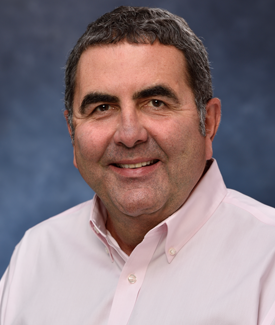 William Federspiel合作论文数Department of Bioengineering, Swanson School of Engineering, University of Pittsburgh;Medical Devices Laboratory, McGowan Institute for Regenerative Medicine, University of Pittsburgh43
 Annie Laurie W Shroyer合作论文数Division of Cardiac Surgery, Boston and Harvard Medical School34
 Frederick Grover合作论文数Department of Surgery, School of Medicine, University of Colorado30
 Joseph F. Collins合作论文数29S M Pham合作论文数21Quin Jacquelyn A合作论文数21
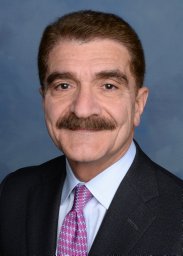 Hossein Almassi合作论文数Division of Cardiothoracic Surgery, Medical College of Wisconsin20
 Robert L. Kormos合作论文数McGowan Institute for Regenerative Medicine, University of Pittsburgh;University of Pittsburgh Medical Center;Abbott19
 Todd H. Wagner合作论文数Department of Health Research and Policy, School of Medicine, Stanford University/Center for Innovation to Implementation, Department of Veterans Affairs, Menlo Park/Health Economics Resource Center, Department of Veterans Affairs, Menlo Park/Center for Primary Care and Outcomes Research, Stanford University/Center for Health Policy, Stanford University17
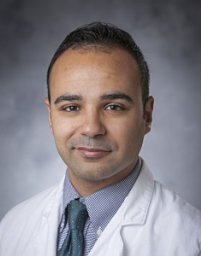 Bishawi Muath合作论文数Northport VA Medical Center17Mitchell S. Finkel合作论文数Louis A. Johnson VA Medical Center, West Virginia University School of Medicine17CV ODDIS合作论文数16Baltz Janet H合作论文数16
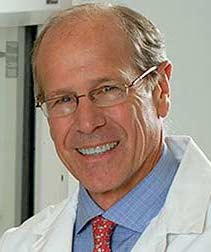 Bartley P. Griffith合作论文数School of Medicine, University of Maryland;Breethe, Inc.;Edwards Lifesciences LLC;ABIOMED, Inc.16Brian J. Frankowski合作论文数16
 Laura W. Lund合作论文数14
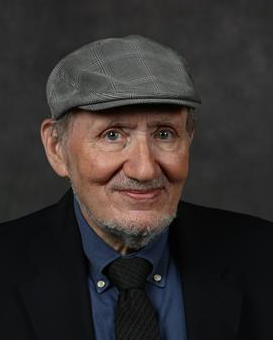 Harvey Borovetz合作论文数Department of Bioengineering, Swanson School of Engineering, University of Pittsburgh14frank r walters合作论文数13Kenneth R Mccurry合作论文数13
 Marco A Zenati合作论文数12RL HARDESTY合作论文数12
 John Gorcsan合作论文数University of Pittsburgh School of Medicine11
 Faisal G. Bakaeen合作论文数11A Kawai合作论文数9Connor McBryde合作论文数9Eash Heide J合作论文数9
 Ramin Ebrahimi合作论文数Department of Medicine, University of California Los Angeles9P J Sawzik合作论文数8G D Reeder合作论文数8Ta Gasior合作论文数8Rj Keenan合作论文数8
 Yoshiya Toyoda合作论文数Cardiopulmonary Transplantation, University of Pittsburgh Medical Center8Elizabeth Kozora合作论文数8Stock Eileen M合作论文数7
 Srinivas Murali合作论文数Department of Biomedical Engineering,Carnegie Mellon University7
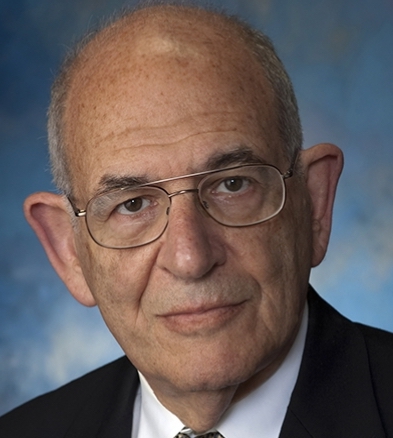 Richard L. Simmons合作论文数Department of Surgery, School of Medicine, University of Pittsburgh7
 John Rumsfeld合作论文数Division of Cardiology, School of Medicine, University of Colorado;American College of Cardiology;Reality Labs, Meta;Denver VA Medical Center7
 Timothy R. Billiar合作论文数Department of Surgery, School of Medicine, University of Pittsburgh7Kousick Biswas合作论文数7
 Brendan G. Carr合作论文数Institute for Health Equity Research, Icahn School of Medicine at Mount Sinai7Lg Deneault合作论文数6
 Joe Armitage合作论文数6Wa Mandarino合作论文数6Bekelman David B合作论文数6
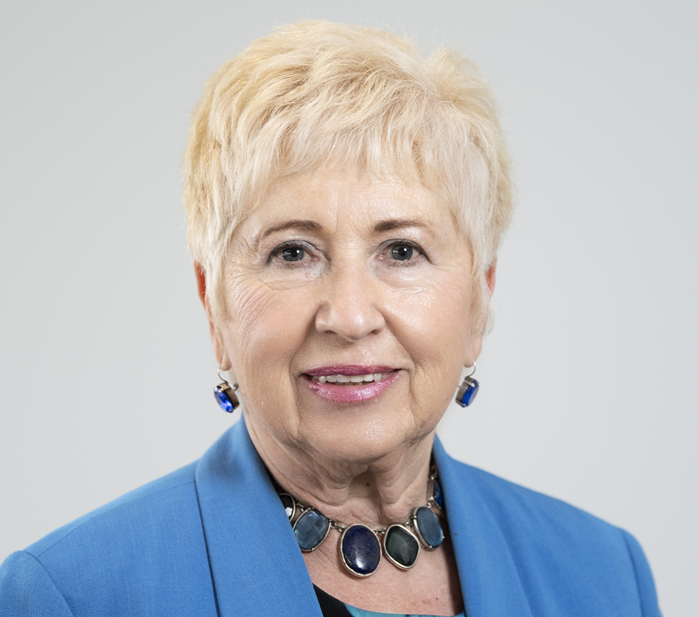 Adriana Zeevi合作论文数Department of Pathology, University of Pittsburgh;Tissue Typing Laboratory, University of Pittsburgh6
 Michael R. Pinsky合作论文数Department of Critical Care Medicine, School of Medicine, University of Pittsburgh;Center for Military Medicine Research, University of Pittsburgh6
 Paula Meek合作论文数6gary d reeder合作论文数5
 Christian A. Bermudez合作论文数Surgery Faculty, Perelman School of Medicine, University of Pennsylvania5




