Supplementary figures S1-S7, showing additional information relevant to the corresponding main figure.
Contains Supplementary Figures 1-12 and additional information about Supplementary tables
Supplementary Table 3 summarizes TF ChIP-Seq results and motif enrichment statistics
Supplementary Table 2 details known and de novo motif analysis for distal acetylation clusters
Transcriptional regulatory elements (TREs) orchestrate gene expression programs fundamental to cellular identity and transitions across physiological and pathological states. Here, we present a high-resolution atlas of RNA Polymerase II-engaged TREs (enhancers and promoters) across all major human organ systems and a broad spectrum of developmental and disease states. This atlas is generated using PRO-cap, a highly sensitive method that detects nascent RNA at transcription initiation sites, a critical feature of active TREs. The base-pair resolution of PRO-cap enables systematic dissection of transcription initiation architecture, revealing associations among tissue specificity, evolutionary constraint, transcription factor usage, and regulatory connectivity. Integration with deep learning models such as ProCapNet further provides a framework for prioritizing noncoding variants from GWAS and eQTL studies. Moreover, this tissue-resolved atlas identifies lineage-specific regulatory programs and their alterations in diseases such as metastatic cancer, where TRE landscapes capture regulatory signatures reflecting both tissue of origin and adaptive responses to distant niches. Together, these findings establish transcription initiation at regulatory elements as a defining and mechanistically informative layer of gene regulation across development, physiology, and disease.
Demographic and clinical diagnostic information about DLBCL patient biopsies used for Hi-C and H3K27ac ChIP-Seq
Significant peaks of sgRNA enrichment or depletion identified in sliding-window analysis of MYC locus tiling CRISPRi screens
Standard techniques for detecting genomic rearrangements in formalin-fixed paraffin-embedded (FFPE) biopsies have important limitations. We performed FFPE-compatible Hi-C on 44 clinical biopsies comprising large B cell lymphomas (n = 18), plasma cell neoplasms (n = 14), and other diverse lymphoid cancers, identifying consistent topological differences between malignant B cell and plasma cell states. Hi-C detected expected oncogene rearrangements at high concordance with fluorescence in situ hybridization (FISH) and supported enhancer hijacking in recurrent rearrangements of BCL2, CCND1, and MYC plus unanticipated variants involving homologous loci. Hi-C identified unanticipated non-coding rearrangements involving PD-1 ligand genes and other loci of potential therapeutic relevance, distinguished between functionally divergent classes of BCL6 rearrangements, and provided topological information supporting interpretation of variant MYC rearrangements. Hi-C revealed disease-selective MYC locus topological features that correlated with disease-selective MYC locus enhancers and rearrangement breakpoint distributions. FFPE-compatible Hi-C detects oncogene rearrangements and their topological consequences at genome-wide scale, finding clinically relevant drivers missed by standard approaches.
Experimental resources: Oligonucleotide sequences, cell line information, and whole genome sequencing data sources
Supplementary Table 6 details GGAA repeat overlap analysis of new and previously published ETS factor datasets.
Standard techniques for detecting genomic rearrangements in formalin-fixed paraffin-embedded (FFPE) biopsies have important limitations and may miss rearrangements with clinical significance. We performed FFPE-compatible Hi-C on 44 clinical biopsies comprising large B-cell lymphomas (n=18), plasma cell neoplasms (n=14), and other diverse lymphoid cancers. Hi-C detected topological differences between malignant B cell and plasma cell states and identified expected oncogene rearrangements with high concordance with FISH. Hi-C revealed enhancer-hijacking in recurrent rearrangements of BCL2, CCND1, and MYC, as well as unanticipated variants involving homologous loci. Hi-C identified other unanticipated non-coding rearrangements at loci of potential therapeutic relevance, distinguished between distinct classes of BCL6 rearrangements, and provided topological information supporting the interpretation of MYC rearrangements. In biopsies lacking MYC-activating rearrangements, Hi-C revealed differential interactions with disease-specific native MYC locus enhancers. FFPE-compatible Hi-C detects oncogene rearrangements and their topological consequences at genome-wide scale, enabling the identification of drivers that may otherwise be missed. ### Competing Interest Statement M.S. is scientific advisor and shareholder of Heidelberg Epignostix and Halo Dx, and a scientific advisor of Arima Genomics, and InnoSIGN, and received research funding from Lilly USA. A.D.S., J. B. and K.S. are employees of Arima Genomics at the time of manuscript preparation. M.P.A., L.V.M., and S.G. are former employees of Arima Genomics. Other authors declare no conflict of interest.
While the mutational landscape across early T-cell precursor acute lymphoblastic leukemia (ETP-ALL) and ETP-like leukemia is known, establishing a unified framework that activates stem cell genes characteristic of these tumors remains elusive. Using complementary mouse and human models, chromatin mapping, and enhancer profiling, we show that the coactivator ZMIZ1 promotes normal and malignant ETP population growth by inducing the transcription factor MYB in feedforward circuits to convergently activate oncogenes (MEF2C, MYCN, and BCL2) through essential enhancers. A key superenhancer, the N-Myc regulating enhancer (NMRE), drives malignant ETP population growth but is dispensable for normal lymphopoiesis. This network of stem cell superenhancers identifies treatment-resistant tumors and poor survival outcomes; unifies diverse ETP-ALLs; and contributes to cardinal features of the recently genomically identified high-risk bone marrow progenitor-like (BMP-like) ETP-ALL tumor-stem cell/myeloid gene expression, inhibited NOTCH1-induced T-cell development, aggressive clinical behavior, and venetoclax sensitivity. Since ZMIZ1 is dispensable for essential homeostasis, it might be possible to safely target this network to treat high-risk diseases.
There is an urgent need to find targeted agents for T cell acute lymphoblastic leukemia (T-ALL). NOTCH1 is the most frequently mutated oncogene in T-ALL, but clinical trials showed that pan-Notch inhibitors caused dose-limiting toxicities. Thus, we shifted our focus to ETS1, which is one of the transcription factors that most frequently co-bind Notch-occupied regulatory elements in the T-ALL context. To identify the most essential enhancers, we performed a genome-wide CRISPRi screen of the strongest ETS1-dependent regulatory elements. The top-ranked element is located in an intron of AHI1 that interacts with the MYB promoter and is amplified with MYB in approximately 8.5% of patients with T-ALL. Using mouse models, we showed that this enhancer promoted self-renewal of hematopoietic stem cells and T cell leukemogenesis, maintained early T cell precursors, and restrained myeloid expansion with aging. We named this enhancer the hematopoietic stem cell MYB enhancer (H-Me). The H-Me showed limited activity and function in committed T cell progenitors but was accessed during leukemogenesis. In one T-ALL context, ETS1 bound the ETS motif in the H-Me to recruit cBAF to promote chromatin accessibility and activation. ETS1 or cBAF degraders impaired H-Me function. Thus, we identified a targetable stem cell element that was co-opted for T cell transformation.
Transcriptional regulatory elements (TREs) orchestrate gene expression programs fundamental to cellular identity and transitions between physiological and pathological states. Decoding the regulatory logic of human biology requires resolving where, when, and how these elements are transcriptionally engaged. Here, we profiled the active transcriptional regulatory landscape across all major organ systems and a broad spectrum of developmental and disease states using PRO-cap, a high-resolution method that captures nascent transcription start sites with unprecedented sensitivity and specificity. This atlas of active TREs highlights elements shaped by their cellular contexts and evolutionary constraints, sheds light on the genetic architecture of human traits and diseases, and reveals how patterns of transcription initiation and pausing encode regulatory logic. In cancer, nascent transcription enables the delineation of lineage-specific regulatory states, metastatic adaptations, and the co-option of pre-existing programs. Together, these findings establish nascent transcription as a core dimension of gene regulation, illuminating principles that govern development, physiology, and disease.
 Cody Hall合作论文数26Brian Magnuson合作论文数21
 Mats Ljungman合作论文数Department of Radiation Oncology, Medical School, University of Michigan-Ann Arbor21April A. Apfelbaum合作论文数19Elise R Pfaltzgraff合作论文数19Feinan Wu合作论文数19Sean D Taylor合作论文数19Elizabeth R Lawlor合作论文数19Jennifer A. Jiménez合作论文数19Allegra G Hawkins合作论文数19
 Rohan Kodgule合作论文数Sch Med, Washington Univ19Jay Sarthy合作论文数Fred Hutchinson Canc Res Ctr, 1124 Columbia St, Seattle, WA 98104 USA19Song Jane Y合作论文数19
 Furlan Scott合作论文数19
 Bradley Bernstein合作论文数Department of Cancer Biology, Dana-Farber Cancer Institute;Departments of Cell Biology and Pathology, Harvard Medical School;Gene Regulation Observatory, Broad Institute of MIT and Harvard19Olivia Waltner合作论文数18
 Emma D Wrenn合作论文数Human Biology and Public Health Sciences Divisions, Fred Hutchinson Cancer Research Center, Seattle, WA, USA18
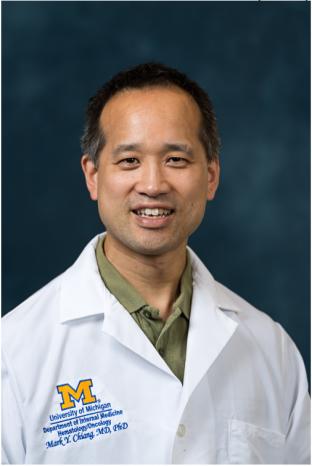 Mark Chiang合作论文数University of Michigan Cancer Center;Hematology/Oncology Division, Medical School, University of Michigan18
 Deneen Wellik合作论文数Department of Cell and Regenerative Biology, School of Medicine and Public Health, University of Wisconsin-Madison16
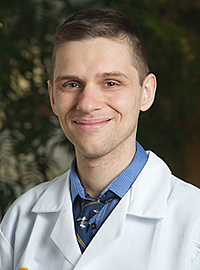 Marcin P. Cieslik合作论文数Department of Pathology, Medical School, University of Michigan-Ann Arbor16Aishwarya Gurumurthy合作论文数Dept Pathol, Univ Michigan Med Sch14
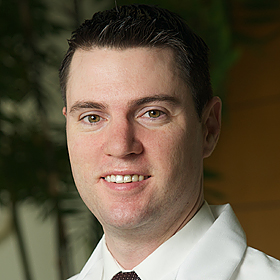 Noah Brown合作论文数Department of Pathology, Medical School, University of Michigan-Ann Arbor14
 Shawn M. Gillespie合作论文数Genentech14
 Valentina Nardi合作论文数Harvard Medical School and Division of Pediatric Hematology/Oncology, Dana Farber Cancer Institute14
 Ashwin Iyer合作论文数Dept Pathol, Univ Michigan Med Sch13Alexander C Monovich合作论文数12Travis W Saari合作论文数11Athalee Aguilar合作论文数11
 Juhi Gupta合作论文数11
 Charles Epstein合作论文数Medical Genetics Division, Pediatrics Department, University of California, San Francisco11
 Ephraim Hochberg合作论文数Cancer Center, Mass General Research Institute, Massachusetts General Hospital;Leuko;Harvard Medical School11
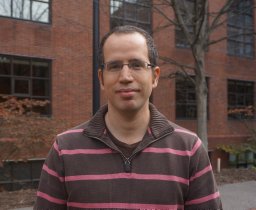 Yotam Drier合作论文数Department of Physics of complex Systems, The Weizmann Institute of Science11Holly J. Whitton合作论文数10Niharika Rajesh合作论文数9Robbyn Issner合作论文数Broad Inst MIT & Harvard, Cambridge, MA 02142 USA9Goldman Joshua W合作论文数9M. Joel Cotton合作论文数8Shih-Chun Chu合作论文数8Qing Wang合作论文数Department of Internal Medicine, University of Michigan School of Medicine8Sohani Aliyah R合作论文数8Ramanathan Yegnanarayana合作论文数8Bhuvanesh Singh合作论文数Department of Surgery, Memorial Sloan-Kettering Cancer Center, New York, NY8Andrew J Kaufman合作论文数7Anna C McCarter合作论文数7
 Charles P Fulco合作论文数Broad Inst MIT & Harvard, Cambridge, MA 02142 USA6Mahshid Rahmat合作论文数Department of Medical Oncology, Dana-Farber Cancer Institute6
 Jesse Engreitz合作论文数Department of Genetics, Stanford University;Functional Characterization Center at Stanford for the Impact of Genomic Variation on Function Consortium6
 Irene Ghobrial合作论文数Dana-Farber Cancer Institute;Harvard Medical School6
 Warren S. Pear合作论文数Department of Pathology and Laboratory Medicine, Perelman School of Medicine, University of Pennsylvania6




