OBJECTIVE:Delays in initiating postoperative radiation therapy (PORT) are common, disproportionately burden medically underserved populations, and contribute to worse oncologic outcomes. NDURE is an enhanced navigation-based intervention that improved initiation of timely PORT relative to usual care (UC) within a randomized clinical trial (RCT). This study evaluates the effect of NDURE on timely PORT across demographic and clinical subgroups. METHODS:In this exploratory, post hoc subgroup analysis from a single-center RCT, adults with locally advanced HNSCC undergoing surgery and PORT were randomized 1:1 to NDURE or UC. The primary outcome was initiation of timely PORT (≤ 6 weeks of surgery). The effect of NDURE relative to UC was assessed across demographic and clinical subgroups, modeling the primary outcome using a generalized linear model. RESULTS:Among 145 evaluable patients (NDURE, n = 67; UC, n = 78), NDURE improved timely PORT relative to UC across nearly all demographic subgroups, including age ≥ 65 years (RD = 43%, 95% CI, 19% to 64%), Black race (RD = 46%, 95% CI, 10% to 73%), and non-partnered status (RD = 32%, 95% CI, 8% to 53%). NDURE improved timely PORT relative to UC across nearly all clinical subgroups including AJCC stage IV (RD = 39%, 95% CI, 21% to 55%), free flap reconstruction (RD = 40%, 95% CI, 21% to 56%), and patients experiencing a postoperative complication (RD = 39%, 95% CI, 14% to 61%). CONCLUSIONS:NDURE is a broadly effective strategy to improve delivery of timely PORT with potential to attenuate disparities for those at greatest risk. LEVEL OF EVIDENCE: 2: TRIAL REGISTRATION:ClinicalTrials.gov identifier: NCT04030130.
Importance:Initiation of postoperative radiation therapy (PORT) within 6 weeks of surgery is part of National Comprehensive Cancer Network guidelines for head and neck squamous cell carcinoma (HNSCC), yet more than 50% of patients experience a delay. In a randomized clinical trial of patients with locally advanced HNSCC undergoing surgery, Navigation for Disparities and Untimely Radiation Therapy (NDURE), an enhanced navigation-based intervention that targets PORT-related care steps, improved timely PORT relative to usual care (UC) navigation. Objectives:To examine the mechanisms by which NDURE improved timely PORT relative to UC navigation among patients with HNSCC. Design, Setting, and Participants:This randomized clinical trial was conducted at a single US academic medical center and enrolled adults with locally advanced HNSCC undergoing surgery and PORT. Data were collected from May 2020 to January 2024, and data were analyzed from May 2025 to January 2026. Main Outcomes and Measures:The primary end point was initiation of PORT within 6 weeks of surgery. Five PORT-related care steps were evaluated as mediators: (1) preoperative radiation oncology consultation, (2) preoperative dental evaluation, (3) timely postoperative radiation oncology evaluation (within 21 days of surgery), (4) timely computed tomography (CT) simulation (within 7 days after the radiation oncology appointment), and (5) timely radiation planning (CT simulation to PORT start within 14 days). Causal mediation analysis was performed to determine the effect of the PORT-related care steps, individually and as a group, on timely PORT. Results:Of 145 included patients, 51 (35.2%) were female and 94 (64.8%) were male; 30 (20.7%) were Black and 115 (79.3%) were White; and the median (IQR) age was 63.0 (54.0-69.0) years. A total of 67 patients were randomized to NDURE and 78 to UC. NDURE improved preoperative radiation oncology consultation (odds ratio [OR], 4.9; 95% CI, 2.3-10.3), preoperative dental evaluation and extractions (OR, 27.6; 95% CI, 3.6-213.0), timely postoperative radiation oncology evaluation (OR, 5.0; 95% CI, 2.4-10.7), and timely radiation planning (OR, 2.1; 95% CI, 1.1-4.2). Timely postoperative radiation oncology evaluation mediated 24% (95% CI, 8-65) and completion of more than half of the PORT-related care steps mediated 53% (95% CI, 28-95) of the effect of NDURE on improving timely PORT relative to UC. Conclusions and Relevance:In this secondary analysis of a randomized clinical trial, NDURE improved timely PORT relative to UC primarily by enhancing early postoperative evaluation by radiation oncology and completion of a greater number of PORT-related care steps. PORT-related care steps, including preoperative evaluation by radiation oncology, preoperative dental evaluation, timely postoperative radiation oncology evaluation, timely CT simulation, and timely radiation planning, are important intervention targets to improve timely PORT. Trial Registration:ClinicalTrials.gov Identifier: NCT04030130.
95 Background: Initiation of postoperative radiation therapy (PORT) ≤ 6 weeks of surgery is part of NCCN Guidelines for head and neck squamous cell carcinoma (HNSCC) and a Commission on Cancer quality metric, yet more than 50% of patients experience a delay. Our randomized clinical trial (RCT) demonstrated that NDURE, an enhanced navigation-based intervention, improved timely PORT for patients with HNSCC relative to usual care (UC) patient navigation (PN). This planned secondary analysis tests the hypothesis that NDURE improves initiation of PORT ≤ 6 weeks of surgery relative to UC by improving the delivery of underlying processes of care related to timely PORT. Methods: Adults with HNSCC planning to undergo surgery and PORT were randomly assigned 1:1 to NDURE, a multilevel navigation-based intervention to enhance key processes of care and overcome barriers to timely PORT, or UC, which consisted of standard PN. The primary endpoint was initiation of timely PORT (≤ 6 weeks postoperatively). Hypothesized process of care mediators included: 1) preoperative (pre-op) consultation with a radiation oncologist, 2) pre-op dental evaluation and extractions during the ablative surgery, 3) timely postoperative evaluation by the radiation oncologist ( < 21 days of surgery), 4) timely CT simulation ( < 7 days after the radiation oncology appointment), and 5) timely radiation planning (starting PORT < 14 days after CT simulation). Causal mediation analysis was performed to determine the effects of hypothesized mediating process of care variables on initiation of timely PORT. All binary endpoints were modeled using a generalized linear model approach in R Studio version 4.4.1 with mediation package 4.5.0. Results: Among 145 (NDURE, n = 67; UC, n = 78) patients evaluable for the primary endpoint, NDURE increased the probability of attending a pre-op consultation with a radiation oncologist (79.1% vs 43.6%; p < 0.001), pre-op dental evaluation and extractions during the ablative surgery (80.6% vs 55.1%; p < 0.001), timely postoperative evaluation by the radiation oncologist (56.7% vs 20.5%; p < 0.001), and timely radiation planning (65.7% vs 47.4%; p = 0.02) relative to UC. In a causal mediation analysis, the effect of NDURE on initiation of timely PORT relative to UC was most strongly mediated through improving timely postoperative evaluation by the radiation oncologist (proportion of total effect mediated = 0.24; 95% CI 0.08 to 0.65) and timely radiation planning (proportion of total effect mediated = 0.14; 95% CI -0.03 to 0.45). Conclusions: In this RCT, NDURE improved numerous processes of care relative to UC. The primary mechanisms by which NDURE improved timely PORT were enhancing timely postoperative evaluation by a radiation oncologist and timely radiation planning after simulation. These data may help optimize strategies to improve timely PORT. Clinical trial information: NCT04030130 .
PURPOSE National Comprehensive Cancer Network Guidelines recommend initiating postoperative radiation therapy (PORT) within 6 weeks of surgery for patients with head and neck squamous cell carcinoma (HNSCC), but delays affect 50% of patients, disproportionately burden minoritized groups, and contribute to worse oncologic outcomes. This trial evaluates the efficacy of Navigation for Disparities and Untimely Radiation thErapy (NDURE), an enhanced navigation-based intervention, relative to usual care (UC) patient navigation for starting timely PORT. METHODS Adults with locally advanced HNSCC planning to undergo surgery and PORT were randomly assigned 1:1 to standard multidisciplinary head and neck oncology care and either NDURE, a multilevel navigation-based intervention to enhance key processes of care and overcome barriers to timely PORT, or UC, which consisted of standard patient navigation. The primary end point, initiation of timely PORT, defined as ≤6 weeks after surgery, was evaluated using a generalized linear model binary regression with identity link, adjusting for random assignment stratification variables (race, predicted PORT location). Secondary end points were time to PORT (TTP) and treatment package time (TPT; the time from surgery to PORT completion). RESULTS Among 176 eligible patients randomly assigned to NDURE (n = 88) or UC (n = 88), 145 (NDURE, n = 67; UC, n = 78) underwent surgery, had a pathologic indication for PORT, and were evaluable for the primary end point. NDURE improved initiation of timely PORT relative to UC (model-based initiation of timely PORT, 74% v 39%; risk difference, 35% [90% CI, 23 to 48]). NDURE increased the rate of PORT initiation (TTP hazard ratio [HR], 1.82 [90% CI, 1.32 to 2.50]) and treatment package completion (TPT HR, 1.67 [90% CI, 1.22 to 2.29]) relative to UC. CONCLUSION In this randomized clinical trial of patients with HNSCC undergoing surgery and PORT, NDURE improved initiation of timely PORT, TTP, and TPT.
182 Background: Initiation of postoperative radiation therapy (PORT) ≤ 6 weeks of surgery for head and neck squamous cell carcinoma (HNSCC) is a component of National Comprehensive Cancer Network Guidelines and a Commission on Cancer quality metric. Despite the radiobiologic principle of accelerated repopulation, the association between starting guideline-adherent PORT and oncologic outcomes have been derived primarily from retrospective studies, leading to uncertainty about the metric’s oncologic importance. Within the setting of the NDURE RCT, we hypothesize that initiation of timely, guideline-adherent PORT is associated with improved recurrence-free survival (RFS) among patients with HNSCC. Methods: Adults with HNSCC planning to undergo surgery and PORT were randomly assigned 1:1 to a multilevel, enhanced navigation-based intervention (NDURE) or usual care (UC) patient navigation. In this post-hoc analysis, patients were grouped according to guideline-adherence for time from surgery to PORT (≤ 6 weeks vs > 6 weeks) regardless of allocation to NDURE or UC. The primary endpoint was recurrence free survival (RFS). Secondary endpoints included overall survival (OS) and locoregional (LR) failure. Landmark (LM; surgery + 6 weeks) multivariable Cox proportional hazards (CPH) regression analysis evaluated the association of timely PORT with RFS and OS adjusted for age, race, Charlson Deyo Comorbidity score, ECOG performance status, HPV status, and AJCC pathologic stage. Locoregional failure (LRF) was analyzed using a univariate Fine and Gray competing risk LM regression approach with death as a competing event. Results: There were 143 patients who underwent surgery, had a pathologic indication for PORT, and were eligible for the RFS analysis (no RFS event prior to LM and still in follow-up at LM). Fifty nine percent of patients started PORT ≤6 weeks of surgery. For the RFS analysis, there were 27 events among those with timely PORT and 32 events among those without timely PORT with a median follow-up of 36 (IQR 20 to 46) months. Patients who started PORT ≤ 6 weeks of surgery had improved RFS relative to those who did not on adjusted CPH analysis (aHR 0.58; 95% CI 0.34 to 0.99; p = 0.048). The 2-year RFS was 74% (95% CI 65% to 84%) among those with timely PORT and 47% (95% CI 36% to 62%) among those without timely PORT. Patients who initiated PORT ≤ 6 weeks of surgery had improved OS relative to those who did not on adjusted CPH analysis (aHR 0.43; 95% CI 0.24 to 0.78; p = 0.005). The risk of LRF did not differ between those with and without timely PORT (LRF subdistribution HR = 0.79; 95% CI 0.31 to 2.06; Fine and Gray p = 0.63). Conclusions: Initiation of PORT ≤ 6 weeks of surgery was associated with improved RFS and OS but not LRF. These data support the oncologic benefit of timely, guideline-adherent PORT in this population and the therapeutic benefit of cancer care delivery interventions to improve initiation of timely PORT. Clinical trial information: NCT04030130 .
Importance:Initiation of postoperative radiation therapy (PORT) within 6 weeks of surgery is associated with improved outcomes among patients with head and neck squamous cell carcinoma. However, the relationship of barriers to care with timely PORT is unknown. Objective:To categorize barriers to timely PORT, evaluate the association of barriers to care with initiation of timely PORT, and describe the primary reason for delay among patients without timely PORT. Design, Setting, and Participants:This prospective cohort study at a US academic medical center included adults with head and neck squamous cell carcinoma undergoing curative-intent surgery with an indication for PORT. Patients were recruited for the study from May 19, 2020, to November 6, 2023. Main Outcomes and Measures:The primary outcome was initiation of timely PORT, defined as starting radiation therapy within 6 weeks of surgery. Barriers to PORT were prospectively collected via patient self-report and the electronic health record. Among patients who did not start PORT within 6 weeks of surgery, the primary reason for delay was defined as the singular barrier category that most directly led to the delay. Results:Among 78 patients (mean [SD] age, 61.5 [10.8] years; 54 males [69.2%]), 32 patients (41%) initiated PORT within 6 weeks of surgery, and 46 patients (59%) did not initiate PORT within 6 weeks of surgery. Each additional barrier was associated with a decreased odds of initiating timely PORT (adjusted odds ratio, 0.81 [95% CI, 0.63-1.01]); patients with 5 or more barriers had a 76% reduction in the odds of starting PORT within 6 weeks of surgery relative to those with 0 to 2 barriers (adjusted odds ratio, 0.24 [95 CI%, 0.06-0.84]) on multivariable analysis. When analyzed by barrier category, patients with a perioperative adverse effects-related barrier were less likely to initiate timely PORT than patients without a perioperative adverse effects barrier (adjusted odds ratio, 0.17 [95% CI, 0.04-0.66]) on multivariable analysis. Among patients without timely PORT, the most common primary reason for delay was a barrier related to poor care coordination (19/46 [41.3%]). Conclusions and Relevance:In this prospective cohort study, patients with a greater number of barriers and those with a barrier related to the perioperative adverse effects category were less likely to initiate timely PORT. Among patients without timely PORT, the most common primary reason for delay was a barrier related to poor care coordination. Efforts to improve timely PORT should focus on decreasing the number of barriers, improving surgical quality, and enhancing care coordination.
We thank Topkan et al for their interest in our manuscript "Delays starting postoperative radiotherapy among head and neck cancer patients: A systematic review and meta-analysis"1 and appreciate their thoughtful comments. As stated in our discussion, to decrease postoperative radiation therapy (PORT) delays from their current level of 49%, future work will be needed to identify modifiable targets to improve timely PORT delivery.1 We are therefore grateful to Topkan for describing extended closure of radiation facilities for national holidays and failure to coordinate timely pre-radiotherapy dental extractions as 2 preventable causes of PORT delay. We wholeheartedly agree that both are important and potentially modifiable causes of delay. In fact, studies have already demonstrated that enhanced coordination of surgical and radiation oncology with dentistry and oral and maxillofacial surgery has the potential to improve the delivery of timely, guideline-adherent PORT.2, 3 Situated within this emerging research area, their letter points to the lack of standardized terminology for causes of PORT delay. Creation of such a taxonomy, particularly if reflecting the underlying multiple levels of influence4 (including policy), will stimulate identification of the most prevalent causes of delay, guide intervention development targeted to common causes (or causal pathways), enable reproducible data collection and reporting, and facilitate comparison of data across studies. Their letter also highlights the importance (and challenge) of categorizing causes of PORT delay as preventable or not preventable. To that end, whereas some may have concluded that delays due the radiation facility closures are not preventable, Topkan et al admirably express their desire to advocate for important changes at the policy level in an effort to improve patient outcomes. Through their inclusion of oral and maxillofacial surgeons, the authors reinforce the importance of a multidisciplinary collaboration in understanding and addressing PORT delays. Delivery of complex oncology care such as surgery and PORT requires coordinating a team of teams (ie, multiteam system).5 In addition to dental and oral maxillofacial surgery, optimizing timely PORT will require partnership with colleagues in medical oncology, pathology, nursing/navigation, social work, and hospital administration as well as researchers with expertise in health care delivery, cancer equity, and implementation science. We are delighted to see that our work has sparked additional attention to this topic. We hope that Dr Topkan and others will continue the quest to advance our understanding of why delays starting PORT occur and help develop strategies to improve care delivery for patients with head and neck cancer. Kelsey A. Duckett, conceptualization, writing—original draft, writing—review and editing; Byung Joo Lee, conceptualization, writing—review and editing; Bhisham S. Chera, conceptualization, writing—review and editing; Sidharth V. Puram, conceptualization, writing—review and editing; Vlad C. Sandulache, conceptualization, writing—review and editing; Russel Kahmke, conceptualization, writing—review and editing; Shaun A. Nguyen, conceptualization, writing—review and editing; Brian Nussenbaum, conceptualization, writing—review and editing; Anthony J. Alberg, conceptualization, writing—review and editing; Chanita Hughes Halbert, conceptualization, writing—review and editing; Katherine R. Sterba, conceptualization, writing—review and editing; Evan M. Graboyes, conceptualization, writing—original draft, writing—review and editing. None. This work was supported by the National Cancer Institute at the National Institutes of Health (K08 CA237858, R01 CA282165) and the Triologic Society/American College of Surgeons to E.M.G.
OBJECTIVE:Initiating postoperative radiotherapy (PORT) within 6 weeks of surgery for head and neck squamous cell carcinoma (HNSCC) is included in the National Comprehensive Cancer Network Clincal Practice Guidelines and is a Commission on Cancer quality metric. Factors associated with delays in starting PORT have not been systematically described nor synthesized. DATA SOURCES:PubMed, Scopus, and CINAHL. REVIEW METHODS:We included studies describing demographic characteristics, clinical factors, or social determinants of health associated with PORT delay (>6 weeks) in patients with HNSCC treated in the United States after 2003. Meta-analysis of odds ratios (ORs) was performed on nonoverlapping datasets. RESULTS:Of 716 unique abstracts reviewed, 21 studies were included in the systematic review and 15 in the meta-analysis. Study sample size ranged from 19 to 60,776 patients. In the meta-analysis, factors associated with PORT delay included black race (OR, 1.46, 95% confidence interval [CI]: 1.28-1.67), Hispanic ethnicity (OR, 1.37, 95% CI, 1.17-1.60), Medicaid or no health insurance (OR, 2.01, 95% CI, 1.90-2.13), lower income (OR, 1.38, 95% CI, 1.20-1.59), postoperative admission >7 days (OR, 2.92, 95% CI, 2.31-3.67), and 30-day hospital readmission (OR, 1.37, 95% CI, 1.29-1.47). CONCLUSION:Patients at greatest risk for a delay in initiating guideline-adherent PORT include those who are from minoritized communities, of lower socioeconomic status, and experience postoperative challenges. These findings provide the foundational evidence needed to deliver targeted interventions to enhance equity and quality in HNSCC care delivery.
Importance:For patients with head and neck squamous cell carcinoma (HNSCC), initiation of postoperative radiation therapy (PORT) within 6 weeks of surgery is recommended by the National Comprehensive Cancer Network Guidelines and the Commission on Cancer. Although individual-level measures of socioeconomic status are associated with receipt of timely, guideline-adherent PORT, the role of neighborhood-level disadvantage has not been examined. Objective:To characterize the association of neighborhood-level disadvantage with delays in receiving PORT. Design, Setting, and Participants:This retrospective cohort study included 681 adult patients with HNSCC undergoing curative-intent surgery and PORT from 2018 to 2020 at 4 US academic medical centers. The data were analyzed between June 21, 2023, and March 5, 2024. Main Outcome Measures and Measures:The primary outcome was delay in initiating guideline-adherent PORT (ie, >6 weeks after surgery). Time-to-PORT (TTP) was a secondary outcome. Census block-level Area Deprivation Index (ADI) scores were calculated and reported as national percentiles (0-100); higher scores indicate greater deprivation. The association of ADI scores with PORT delay was assessed using multivariable logistic regression adjusted for demographic, clinical, and institutional characteristics. PORT initiation across ADI score population quartiles was evaluated with cumulative incidence plots and Cox models. Results:Among 681 patients with HNSCC undergoing surgery and PORT (mean [SD] age, 61.5 [11.2] years; 487 [71.5%] men, 194 [29.5%] women) the PORT delay rate was 60.8% (414/681) and median (IQR) TTP was 46 (40-56) days. The median (IQR) ADI score was 62.0 (44.0-83.0). Each 25-point increase in ADI score was associated with a corresponding 32% increase in the adjusted odds ratio (aOR) of PORT delay (aOR, 1.32; 95% CI, 1.07-1.63) on multivariable regression adjusted for institution, age, race and ethnicity, insurance, comorbidity, cancer subsite, stage, postoperative complications, care fragmentation, travel distance, and rurality. Increasing ADI score population quartiles were associated with increasing TTP (hazard ratio of PORT initiation, 0.71; 95% CI, 0.53-0.96; 0.59; 95% CI, 0.44-0.77; and 0.54; 95% CI, 0.41-0.72; for ADI quartiles 2, 3, and 4 vs ADI quartile 1, respectively). Conclusions and Relevance:Increasing neighborhood-level disadvantage was independently associated with a greater likelihood of PORT delay and longer TTP in a dose-dependent manner. These findings indicate a critical need for the development of multilevel strategies to improve the equitable delivery of timely, guideline-adherent PORT.
OBJECTIVE Initiating postoperative radiotherapy (PORT) within 6 weeks (42 days) of surgery is the first and only Commission on Cancer (CoC) approved quality metric for head and neck squamous cell carcinoma (HNSCC). No study has systematically reviewed nor synthesized the literature to establish national benchmarks for delays in starting PORT. DATA SOURCES Following Preferred Reporting Items for Systematic Reviews and Meta-analyses guidelines, we performed a systematic review of PubMed, Scopus, and CINAHL. REVIEW METHODS Studies that described time-to-PORT or PORT delays in patients with HNSCC treated in the United States after 2003 were included. Meta-analysis of proportions and continuous measures was performed on nonoverlapping datasets to examine the pooled frequency of PORT delays and time-to-PORT. RESULTS Thirty-six studies were included in the systematic review and 14 in the meta-analysis. Most studies utilized single-institution (n = 17; 47.2%) or cancer registry (n = 16; 44.4%) data. Twenty-five studies (69.4%) defined PORT delay as >6 weeks after surgery (the definition utilized by the CoC and National Comprehensive Cancer Network Guidelines), whereas 4 (11.1%) defined PORT delay as a time interval other than >6 weeks, and 7 (19.4%) characterized time-to-PORT without defining delay. Meta-analysis revealed that 48.6% (95% confidence interval [CI], 41.4-55.9) of patients started PORT > 6 weeks after surgery. Median and mean time-to-PORT were 45.8 (95% CI, 42.4-51.4 days) and 47.4 days (95% CI, 43.4-51.4 days), respectively. CONCLUSION Delays in initiating guideline-adherent PORT occur in approximately half of patients with HNSCC. These meta-analytic data can be used to set national benchmarks and assess progress in reducing delays.
BACKGROUND:Aligned with the NCCN Clinical Practice Guidelines in Oncology for Head and Neck Cancers, in November 2021 the Commission on Cancer approved initiation of postoperative radiation therapy (PORT) within 6 weeks of surgery for head and neck cancer (HNC) as its first and only HNC quality metric. Unfortunately, >50% of patients do not commence PORT within 6 weeks, and delays disproportionately burden racial and ethnic minority groups. Although patient navigation (PN) is a potential strategy to improve the delivery of timely, equitable, guideline-adherent PORT, the national landscape of PN for this aspect of care is unknown.MATERIALS AND METHODS:From September through November 2022, we conducted a survey of health care organizations that participate in the American Cancer Society National Navigation Roundtable to understand the scope of PN for delivering timely, guideline-adherent PORT for patients with HNC.RESULTS:Of the 94 institutions that completed the survey, 89.4% (n=84) reported that at least part of their practice was dedicated to navigating patients with HNC. Sixty-eight percent of the institutions who reported navigating patients with HNC along the continuum (56/83) reported helping them begin PORT. One-third of HNC navigators (32.5%; 27/83) reported tracking the metric for time-to-PORT at their facility. When estimating the timeframe in which the NCCN and Commission on Cancer guidelines recommend commencing PORT, 44.0% (37/84) of HNC navigators correctly stated ≤6 weeks; 71.4% (60/84) reported that they did not know the frequency of delays starting PORT among patients with HNC nationally, and 63.1% (53/84) did not know the frequency of delays at their institution.CONCLUSIONS:In this national landscape survey, we identified that PN is already widely used in clinical practice to help patients with HNC start timely, guideline-adherent PORT. To enhance and scale PN within this area and improve the quality and equity of HNC care delivery, organizations could focus on providing better education and support for their navigators as well as specialization in HNC.
PurposeComplications in facial plastic surgery can lead to pain, suffering, and permanent harm. Yet, the etiology and outcomes of adverse events are understudied. This study aims to determine the etiology and outcomes of adverse events reported in aesthetic facial plastic surgery and identify quality improvement opportunities.Material and methodsA cross-sectional survey analysis was conducted using an anonymous 22-item questionnaire distributed to members of the American Academy of Otolaryngology—Head and Neck Surgery (AAO-HNS) and American Academy of Facial Plastic and Reconstructive Surgery (AAFPRS). Participants were queried on demographics, practice type, and adverse events related to aesthetic facial surgeries.ResultsTwo hundred fifty-three individuals participated; nearly half of respondents (49.0%) held membership in both AAO-HNS and AAFPRS. Of these, 40.8% of respondents reported at least one adverse event within the past 12 months of practice. A total of 194 adverse events were reported, most commonly related to facelift (n = 59/194, 30.4%), rhinoplasty (n = 55/194, 28.4%), and injection procedures (n = 38/194, 19.6%), with hematoma or seroma being the most commonly described. Most adverse events were self-limited, but approximately 68% resulted in further procedures. Surgeon error or poor judgement (n = 42) and patient non-adherence (n = 18) were the most commonly ascribed reasons for adverse events; 37.1% of participants reported a change in clinical practice after the incident.ConclusionsAdverse events were not infrequent in facial plastic surgery. Understanding these adverse events can provide impetus for tracking outcomes, standardization, and engagement with lifelong learning, self-assessment, and evaluation of practice performance.
PURPOSEDelays initiating guideline-adherent postoperative radiation therapy (PORT) in head and neck squamous cell carcinoma (HNSCC) are common, contribute to excess mortality, and are a modifiable target for improving survival. However, the barriers that prevent the delivery of timely, guideline-adherent PORT remain unknown. This study aims to identify the multilevel barriers to timely, guideline-adherent PORT and organize them into a conceptual model.MATERIALS AND METHODSSemi-structured interviews with key informants were conducted with a purposive sample of patients with HNSCC and oncology providers across diverse practice settings until thematic saturation (n = 45). Thematic analysis was performed to identify the themes that explain barriers to timely PORT and to develop a conceptual model.RESULTSIn all, 27 patients with HNSCC undergoing surgery and PORT were included, of whom 41% were African American, and 37% had surgery and PORT at different facilities. Eighteen clinicians representing a diverse mix of provider types from 7 oncology practices participated in key informant interviews. Five key themes representing barriers to timely PORT were identified across 5 health care delivery levels: (1) inadequate education about timely PORT, (2) postsurgical sequelae that interrupt the tight treatment timeline (both intrapersonal level), (3) insufficient coordination and communication during care transitions (interpersonal and health care team levels), (4) fragmentation of care across health care organizations (organizational level), and (5) travel burden for socioeconomically disadvantaged patients (community level).CONCLUSIONThis study provides a novel description of the multilevel barriers that contribute to delayed PORT. Interventions targeting these multilevel barriers could improve the delivery of timely, guideline-adherent PORT and decrease mortality for patients with HNSCC.
It is impossible to secure the airway of a patient with "neck-only" breathing transorally or transnasally. Surgical removal of the larynx (laryngectomy) or tracheal rerouting (tracheoesophageal diversion or laryngotracheal separation) creates anatomic discontinuity. Misguided attempts at oral intubation of neck breathers may cause hypoxic brain injury or death. We present national data from the American Academy of Otolaryngology-Head and Neck Surgery, the American Head and Neck Society, and the United Kingdom's National Reporting and Learning Service. Over half of US otolaryngologist respondents reported instances of attempted oral intubations among patients with laryngectomy, with a mortality rate of 26%. UK audits similarly revealed numerous resuscitation efforts where misunderstanding of neck breather status led to harm or death. Such data underscore the critical importance of staff education, patient engagement, effective signage, and systems-based best practices to reliably clarify neck breather status and provide necessary resources for safe patient airway management.
AbstractPurpose: Pembrolizumab improved survival in patients with recurrent or metastatic head and neck squamous-cell carcinoma (HNSCC). The aims of this study were to determine if pembrolizumab would be safe, result in pathologic tumor response (pTR), and lower the relapse rate in patients with resectable human papillomavirus (HPV)–unrelated HNSCC. Patients and Methods: Neoadjuvant pembrolizumab (200 mg) was administered and followed 2 to 3 weeks later by surgical tumor ablation. Postoperative (chemo)radiation was planned. Patients with high-risk pathology (positive margins and/or extranodal extension) received adjuvant pembrolizumab. pTR was quantified as the proportion of the resection bed with tumor necrosis, keratinous debris, and giant cells/histiocytes: pTR-0 (<10%), pTR-1 (10%–49%), and pTR-2 (≥50%). Coprimary endpoints were pTR-2 among all patients and 1-year relapse rate in patients with high-risk pathology (historical: 35%). Correlations of baseline PD-L1 and T-cell infiltration with pTR were assessed. Tumor clonal dynamics were evaluated (ClinicalTrials.gov NCT02296684). Results: Thirty-six patients enrolled. After neoadjuvant pembrolizumab, serious (grades 3–4) adverse events and unexpected surgical delays/complications did not occur. pTR-2 occurred in eight patients (22%), and pTR-1 in eight other patients (22%). One-year relapse rate among 18 patients with high-risk pathology was 16.7% (95% confidence interval, 3.6%–41.4%). pTR ≥10% correlated with baseline tumor PD-L1, immune infiltrate, and IFNγ activity. Matched samples showed upregulation of inhibitory checkpoints in patients with pTR-0 and confirmed clonal loss in some patients. Conclusions: Among patients with locally advanced, HPV-unrelated HNSCC, pembrolizumab was safe, and any pathologic response was observed in 44% of patients with 0% pathologic complete responses. The 1-year relapse rate in patients with high-risk pathology was lower than historical.
Objective. Despite the implementation of advanced health care safety systems including checklists, preventable perioperative sentinel events continue to occur and cause patient harm, disability, and death. We report on findings relating to otolaryngology practices with surgical safety checklists, the scope of intraoperative sentinel events, and institutional and personal response to these events. Study Design. Survey study. Setting. Anonymous online survey of otolaryngologists. Methods. Members of the American Academy of Otolaryngology-Head and Neck Surgery were asked about intraoperative sentinel events, surgical safety checklist practices, fire safety, and the response to patient safety events. Results. In total, 543 otolaryngologists responded to the survey (response rate 4.9% = 543/11,188). The use of surgical safety checklists was reported by 511 (98.6%) respondents. At least 1 patient safety event in the past 10 years was reported by 131 (25.2%) respondents; medication errors were the most commonly reported (66 [12.7%] respondents). Wrong site/patient/procedure events were reported by 38 (7.3%) respondents, retained surgical items by 33 (6.4%), and operating room fire by 18 (3.5%). Although 414 (79.9%) respondents felt that time-outs before the case have been the single most impactful checklist component to prevent serious patient safety events, several respondents also voiced frustrations with the administrative burden. Conclusion. Surgical safety checklists are widely used in otolaryngology and are generally acknowledged as the most effective intervention to reduce patient safety events; nonetheless, intraoperative sentinel events do continue to occur. Understanding the scope, causes, and response to these events may help to prioritize resources to guide quality improvement initiatives in surgical safety practices.
Abstract Background: Delays initiating guideline-adherent postoperative radiation therapy (PORT) in head and neck squamous cell carcinoma (HNSCC) occur in more than 50% of patients and are key drivers of excess mortality and racial disparities in survival. Theory-based multilevel interventions to address delays and racial disparities in timely PORT have not been described and effective interventions to improve timely, equitable PORT are lacking. Purpose: This study aims to describe the development of NDURE (Navigation for Disparities and Untimely Radiation Therapy), a novel theory- based, multilevel intervention to decrease delays starting PORT and evaluate its feasibility, acceptability, and preliminary clinical efficacy. Methods: An intervention mapping approach was used to develop NDURE. Consecutive patients with locally- advanced HNSCC undergoing surgery and PORT were enrolled into a single-arm clinical trial. Results: NDURE targets the determinants of timely, guideline-adherent PORT through the following core functions: 1) patient education, 2) standardization of the process for initiating the discussion of PORT, 3) PORT care plans, 4) provider role definition, 5) referral tracking and follow-up, and 6) transportation assistance. NDURE was feasible, as judged by trial accrual (88% overall; 100% for African Americans) and dropout (n=0). 100% of patients reported moderate/strong agreement that NDURE helped solve challenges starting PORT; 86% were highly likely to recommend NDURE. The rate of timely, guideline-adherent PORT was 86% overall and 100% for African Americans. Conclusions: NDURE is a novel, theory-based, multilevel intervention targeting determinants of timely PORT among HNSCC patients. NDURE is feasible, acceptable, and has potential to improve the timely, equitable, guideline-adherent PORT. These results support conducting a randomized controlled trial to test NDURE’s clinical efficacy. clinicaltrials.gov number NCT04030130 Citation Format: Evan M. Graboyes, Katherine R. Sterba, Hong Li, Graham Warren, Anthony J. Alberg, Elizabeth A. Calhoun, Brian Nussenbaum, Jessica McCay, Courtney H. Marsh, David M. Neskey, John Kaczmar, Anand K. Sharma, Jennifer Harper, Terry A. Day, Chanita Hughes Halbert. Development and evaluation of a theory-based, multilevel intervention to improve the delivery of timely, guideline-adherent adjuvant therapy for patients with head and neck cancer [abstract]. In: Proceedings of the AACR Virtual Conference: Thirteenth AACR Conference on the Science of Cancer Health Disparities in Racial/Ethnic Minorities and the Medically Underserved; 2020 Oct 2-4. Philadelphia (PA): AACR; Cancer Epidemiol Biomarkers Prev 2020;29(12 Suppl):Abstract nr PO-231.
Importance:The standard of care for initiation of postoperative radiotherapy (PORT) in head and neck squamous cell carcinoma (HNSCC) is within 6 weeks of surgical treatment. Delays in guideline-adherent PORT initiation are common, associated with mortality, and a measure of quality care, but patient-specific tools to estimate the risk of these delays are lacking.Objective:To develop and validate 2 nomograms (that use presurgical and postsurgical data) for predicting delayed PORT initiation.Design, Setting, and Participants:This cohort study obtained patient data from January 1, 2004, to December 31, 2015, from the National Cancer Database. Adults aged 18 years or older with a newly diagnosed HNSCC who underwent surgical treatment and PORT at a Commission on Cancer-accredited facility were included. Data analysis was conducted from June 2, 2019, to January 29, 2020.Exposures:Surgical treatment and PORT.Main Outcomes and Measures:The primary outcome measure was PORT initiation more than 6 weeks after the surgical intervention. Multivariable logistic regression models were created in a random selection of 80% of the sample (derivation cohort) and were internally validated with bootstrapping, assessed for discrimination by calibration plots and the concordance (C) index, and externally validated in the remaining 20% of the sample (validation cohort).Results:The study included 60 766 adults with HNSCC who were grouped into derivation and validation cohorts. The derivation cohort comprised 48 625 patients (mean [SD] age, 59.59 [11.3] years; 36 825 men [75.7%]) selected randomly from the full sample, whereas 12 151 patients (mean [SD] age, 59.63 [11.2] years; 9266 men [76.3%]) composed the validation cohort. The rate of PORT delay was 55.8% (n=27140) in the derivation cohort and 56.7% (n=6900) in the validation cohort. Both nomograms created to predict the risk of PORT initiation delay used variables, including race/ethnicity, insurance type, tumor site, and facility type. The nomogram based on presurgical variables included clinical stage and severity of comorbidity, whereas the nomogram with postsurgical variables included US region, length of stay, and care fragmentation between surgical and radiotherapy facilities. For the presurgical nomogram, the concordance indices were 0.670 (95% CI, 0.664-0.676) in the derivation cohort and 0.674 (95% CI, 0.662-0.685) in the validation cohort. For the nomogram with postsurgical variables, the concordance indices were 0.691 (95% CI, 0.686-0.696) in the derivation cohort and 0.694 (95% CI, 0.685-0.704) in the validation cohort.Conclusions and Relevance:This study found that a nomogram developed with presurgical data to generate personalized estimates of PORT initiation delay may improve pretreatment counseling and the delivery of interventions to patients at high risk for such a delay. A nomogram including postsurgical data can drive institutional quality improvement initiatives and enhance risk-adjusted comparisons of delay rates across facilities.
 Wade L. Thorstad合作论文数Department of Radiation Oncology, School of Medicine, Washington University in St. Louis32
 Douglas R. Adkins合作论文数Division of Oncology, John T. Milliken Department of Medicine, School of Medicine, Washington University in St. Louis31
 Evan M Graboyes合作论文数Department of Otolaryngology-Head and Neck Surgery, Washington University School of Medicine29
 Jason T Rich合作论文数26
 Kallogjeri Dorina合作论文数23Bruce H. Haughey合作论文数23Gay Hiram A合作论文数18
 Ryan S Jackson合作论文数17Randal C. Paniello合作论文数17James S. Lewis合作论文数17
 Chanita Hughes Halbert合作论文数Norris Comprehensive Cancer Center, Keck School of Medicine, University of Southern California;Department of Population and Public Health Sciences, University of Southern California16Michel Loren合作论文数16
 Katherine Sterba合作论文数16
 Wildes Tanya M合作论文数Division of Geriatrics and Nutritional Science, St Louis, MO 63110, USA. twildes@dom.wustl.edu15
 Rebecca Chernock合作论文数Department of Pathology & Immunology, School of Medicine, Washington University in St. Louis;Barnes-Jewish Hospital;Barnes-Jewish West County Hospital13Zenga Joseph合作论文数Department of Otolaryngology-Head and Neck Surgery, Washington University13
 Jay F. Piccirillo合作论文数Department of Otolaryngology-Head and Neck Surgery, School of Medicine, Washington University in St Louis13
 Anthony Alberg合作论文数Department of Epidemiology and Biostatistics, Arnold School of Public Health, University of South Carolina;Department of Public Health Sciences, Medical University of South Carolina;Department of Epidemiology, Bloomberg School of Public Health, Johns Hopkins University12Ley Jessica合作论文数12Diaz Jason A合作论文数Department of Otolaryngology-Head and Neck Surgery, Washington University School of Medicine11J Gail Neely合作论文数10
 Pipkorn Patrik合作论文数Dept Otolaryngol Head & Neck Surg, Washington Univ9
 Shaun C. Desai合作论文数Department of Otolaryngology-Head and Neck Surgery, School of Medicine, Johns Hopkins University9Spencer Christopher R合作论文数9Jordan P. Sand合作论文数8Elizabeth G Hill合作论文数8Uppaluri Ravindra合作论文数8
 Parul Sinha合作论文数Department of Otolaryngology-Head and Neck Surgery, Washington University School of Medicine8
 Chin Re-I合作论文数8Paul Zolkind合作论文数7
 Puram Sidharth V合作论文数Dept Otolaryngol Head & Neck Surg, Washington Univ7Sandulache Vlad C合作论文数7
 Mac Daly合作论文数Department of Radiation Oncology, School of Medicine, University of Colorado Anschutz Medical Campus;University of Colorado Health Memorial Hospital7Oppelt Peter合作论文数7Rahul K. Shah合作论文数Children's National Medical Center, George Washington University School of Medicine7Terry A. Day合作论文数6Jessica McCay合作论文数6
 Todd Alan DeWees合作论文数Radiation Effects Research Foundation6
 Graham Warren合作论文数Department of Radiation Medicine, College of Medicine, Medical University of South Carolina;Ralph H. Johnson Veterans Affairs Medical Center6Kathryn M Trinkaus合作论文数School of Medicine, Washington University in St. Louis;Alvin J. Siteman Cancer Center, Washington University in St. Louis6
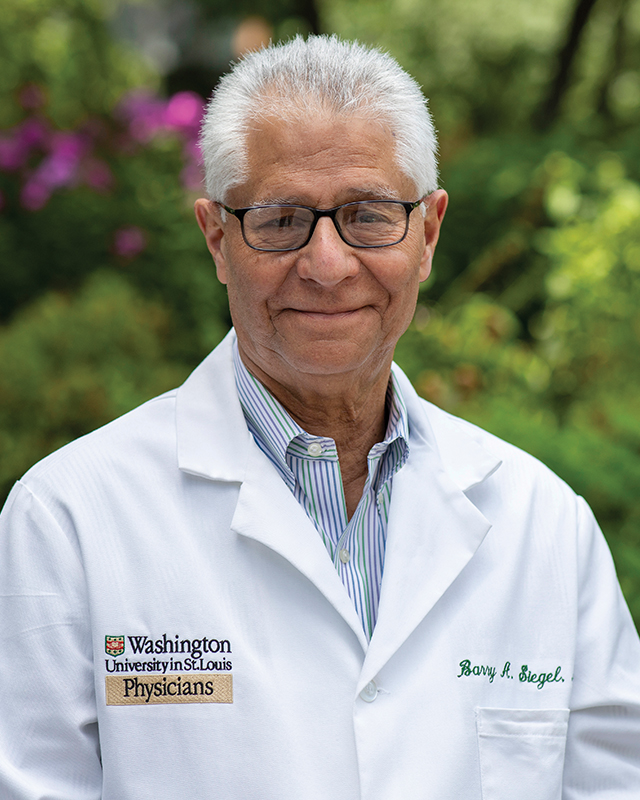 Barry Alan Siegel合作论文数Mallinckrodt Institute of Radiology, Washington University School of Medicine in St. Louis;Barnes-Jewish Hospital;Barnes-Jewish West County Hospital;St. Louis Children's Hospital6
 Sue S. Yom合作论文数Department of Radiation Oncology, University of California, San Francisco6Emily Kistner-Griffin合作论文数6Courtney C. J. Voelker合作论文数5Melanie Townsend合作论文数5
 Paul H. Krebsbach合作论文数School of Dentistry, University of California, Los Angeles5Kahmke Russel合作论文数5
 Jeffrey D Sharon合作论文数Department of Otolaryngology-Head and Neck Surgery, Washington University School of Medicine5




