Importance:While hypoglossal nerve stimulators (HGNS) have been shown to be associated with reduced apnea-hypopnea index (AHI) scores in many continuous positive airway pressure-intolerant patients with obstructive sleep apnea (OSA), it is not effective for all patients, and it is unclear who would benefit most. Objective:To explore baseline factors associated with response to HGNS and create a prognostic stratification system. Design, Setting, and Participants:This retrospective cohort study included patients with OSA who underwent implant with an HGNS from April 2019 to October 2023 at a single tertiary care center and received a postimplant sleep study. During that time, 194 patients underwent HGNS implant. Data were analyzed from February 2024 to April 2024. Intervention or Exposure:HGNS implant and sleep study. Main Outcomes and Measures:Response according to the modified Sher criteria (>50% reduction in AHI score and AHI <15 postimplant). Results:Among the 119 patients included, the median (range) age was 63 (33-79) years, and 36 (30%) were female. Of the 119 included, 83 (70%) were responders. Neck size, body mass index (BMI; calculated as weight in kilograms divided by height in meters squared), AHI score, and comorbidity burden were associated with response and used to create a 4-category clinical severity staging system. Patients with small necks (≤14 inches for women or ≤16 inches for men), a BMI of less than 30, and an AHI score of 30 or less had the highest response rate (11 [91%]). Patients with large necks (>14 inches for women or >16 inches for men), a BMI of 30 or greater, an AHI score of 30 or greater, and comorbidities had the lowest response rate (16 [38%]). The staging system had moderate discriminative power, with a C statistic of 0.68 (95% CI, 0.57-0.78). Conclusions and Relevance:The results of this cohort study suggest that neck size, BMI, AHI score, and comorbidity burden are 4 clinically relevant and easily obtainable values that are associated with response to HGNS. While this staging system may help physicians identify patients who are most likely to benefit from implant, these results need to be validated in a separate cohort.
Head and neck squamous cell carcinoma (HNSCC) shows substantial intra- and inter-tumoral heterogeneity. We mapped tumor architecture across HPV-positive and HPV-negative HNSCC through spatial transcriptomics (n = 26). HPV-positive tumors display hypercellularity, higher lymphocyte presence, enriched hypoxia and reduced partial epithelial-to-mesenchymal transition (p-EMT) in malignant cells. We observed two distinct spatial architectures of p-EMT: p-EMT edge, where p-EMT is coupled to fibroblasts at the invasive front via TGFβ, and p-EMT core, in which tumor-infiltrating immunosuppressive macrophages and neutrophils induce p-EMT via oncostatin M in the core of tumor nests. These two p-EMT patterns were consistent across multiple samples from the same tumor, suggesting they are tumor-wide features. Together, these findings reveal that distinct interactions in the tumor microenvironment converge on a similar p-EMT cellular phenotype, but in a different spatial pattern that may have potential biological and clinical implications for our understanding of invasion, immune modulation and new targeted therapeutics for HNSCC.
Importance:Immunotherapy is approved for first-line treatment of recurrent/metastatic head and neck cancer (HNC). The prescribing patterns are largely unreported, and assessment of immune-related adverse events (irAEs) in patients with HNC is limited. Objective:To assess the prescribing patterns of immunotherapy and the incidence and risk factors for irAEs using a claims-based database. Design, Setting, and Participants:A retrospective cohort study of MarketScan Commercial and multistate Medicaid databases of all patients with HNC from January 1, 2016, to December 31, 2022, was performed. Inclusion criteria were patients with HNC, defined by International Statistical Classification of Diseases, Tenth Revision, Clinical Modification (ICD-10-CM) codes with 6 months or longer of insurance enrollment prior to diagnosis and 1 or more months of follow-up. The databases excluded patients 65 years or older. Statistical analysis was conducted from October 1, 2024, through December 31, 2024. Exposure:Prescription of an immunotherapeutic within 12 months after HNC diagnosis. Outcomes:The primary outcome measure was prescribing rate of immunotherapeutics overall and per year. The relative use of each immunotherapeutic was also explored. Secondary outcome measures were incidence of irAEs, severe irAEs, and univariable/multivariate risk factors for irAEs. Results:A total of 47 365 patients with HNC were included, and 2254 (4.8%) of these patients received immunotherapy. Overall, 32 195 participants were male individuals (68%) and 14 607 were female individuals (32%), with a mean (SD) age of 54 (9) years. The rate of immunotherapy prescriptions slightly increased over time from 2.3% of patients with HNC in 2017 to 2.8% in 2022 (percent change, 0.5%; 95% CI, 0.1%-0.9%). Following initial approval by the US Food and Drug Administration (FDA), prescribing patterns of pembrolizumab and nivolumab were similar, but divergence in 2019 led to 87% of the market share dominated by pembrolizumab by 2022. The 90-day overall irAE-rate was 41.2% and severe irAE rate was 2.7%. There was no association between medication use and irAEs. Comorbidity score was associated with severe irAEs at 90 days (odds ratio [OR], 1.02; 95% CI, 1.02-1.03). Baseline hypothyroidism (adjusted OR [aOR], 6.7; 95% CI, 5.0-9.0) and liver disease (aOR, 1.7; 95% CI, 1.1-2.7) were independently associated with the development of irAEs. Conclusions:This cohort study found that pembrolizumab dominated the immunotherapy prescribing market, but the relative use of immunotherapy has minimally increased in patients younger than 65 years since FDA approval. irAEs were frequent and associated with key individual comorbidities. Severe irAEs were rare and associated with overall comorbidity status.
In head and neck squamous cell carcinoma (HNSCC), immunotherapy response rates remain modest, with difficulty predicting responders. Previous studies characterizing immunotherapy-associated cellular changes in HNSCC focus on immune cells, providing limited insight into malignant cell responses. Here, we perform single-cell RNA sequencing (RNA-seq) on 16 HNSCC patients pre- and post-neoadjuvant pembrolizumab treatment. We identify an interferon (IFN)/major histocompatibility complex class II (MHC-II) expression program in malignant cells, characterized by MHC-II and IFN-response genes, which is associated with response to pembrolizumab. We validate malignant cell MHC-II expression at the protein level via multiplexed immunofluorescence. In a murine HNSCC model, IFN-γ-induced malignant cell MHC-II expression marks immunotherapy-sensitive tumors with favorable immune microenvironments. Finally, we confirm that pre-treatment malignant-IFN/MHC-II is a marker of response through deconvolution of bulk RNA-seq data from an independent cohort. Beyond identifying the malignant IFN/MHC-II program as a potential biomarker for immunotherapy response in HNSCC, our work elucidates the important role of malignant cells in immunotherapy.
Tumor-specific exhausted CD8 T cells (Tex) adopt diverse phenotypes across human cancers, but the drivers of this heterogeneity remain poorly understood. Using flow cytometry and single-cell RNA and T cell receptor (TCR) sequencing of 106,667 tumor-infiltrating CD8 T cells from head and neck squamous cell carcinoma (HNSCC) tumors, we identified and validated three Tex subsets, each with distinct clonotypes: (1) Tex-Conv, expressing conventional exhaustion genes; (2) Tex-CCR6, distinguished by CCR6 and Tc17-like genes; and (3) Tex-KLR, marked by killer cell lectin-like receptors (KLRs) and particularly high immune checkpoint expression. Through multiplexed immunofluorescence, we found that Tex-KLR cells preferentially localized within tumor nests in direct contact with malignant cells. Due to the elevated checkpoint expression, unique clonotypes, and intra-tumoral localization of Tex-KLR cells, we hypothesized that high-avidity TCR signaling induces this state. We therefore developed an in vitro co-culture system to model TCR avidity in primary human CD8 T cells and identified high-avidity, NFAT-dependent TCR signaling as a key driver of the Tex-KLR signature. Strikingly, in HNSCC and breast cancer patients, we found that Tex-KLR cells are associated with response to neoadjuvant anti-PD-1 therapy. Together, our findings demonstrate that high-avidity, NFAT-dependent TCR signaling shapes Tex phenotypes and promotes the Tex-KLR signature. These data support further investigation of the Tex-KLR subtype and its role, dynamics, and targetable translational applications to cancer immunotherapy.
Because of the lack of prognostic biomarkers, most patients with head and neck squamous cell carcinoma (HNSCC) are diagnosed at an advanced stage of the disease, leading to poor overall survival. There is an unmet need to identify biomarkers for the assessment of HNSCC. The goal of this study was to assess C-C chemokine receptor type 2 (CCR2) as a new diagnostic biomarker for HNSCC. Methods: The sensitivity and specificity of the CCR2-targeting radiotracer 64Cu-DOTA-ECL1i for tumor detection was assessed in a mouse oral carcinoma 1 (MOC1) xenograft model and compared with 18F-FDG. The capability of 64Cu-DOTA-ECL1i for monitoring MOC1 tumor treatment response was evaluated for multiple treatment strategies. The CCR2 inhibitor propagermanium was used for targeted therapy in the MOC1 tumor model, followed by 64Cu-DOTA-ECL1i imaging. The translational potential of 64Cu-DOTA-ECL1i for HNSCC imaging was further investigated using patient-derived xenograft models. Proof-of-concept studies were performed using primary tumors and lymph node metastases of 11 patients with HNSCC. Histopathologic analyses of tumors in mice and humans were performed to characterize the expression of CCR2 and associated cell types. Results: 64Cu-DOTA-ECL1i PET imaged MOC1 tumors with high contrast, tracked the increase of tumor volume, and monitored the treatment responses. Propagermanium effectively inhibited MOC1 tumor growth and significantly improved survival. In the patient-derived xenograft model, 64Cu-DOTA-ECL1i accurately identified the tumors and sensitively tracked their progression. In patients with HNSCC, CCR2 PET revealed strong and heterogeneous uptake within primary tumors and metastatic lymph nodes. Tissue analyses demonstrated overexpression of CCR2 on both tumor cells and macrophages. Conclusion: 64Cu-DOTA-ECL1i PET accurately detected the expression of CCR2 in patients with HNSCC. The effectiveness of propagermanium in the inhibition of MOC1 tumor progression indicated its potential for HNSCC therapy.
Abstract Background: Constitutive activation of the NRF2 stress response pathway is a common occurrence in head and neck squamous cell carcinomas (HNSCC), promoting metabolic reprogramming, immune evasion, and resistance to radiation therapy. Through integrative omics, we identified pyrimethamine (PYR), an FDA-approved antiprotozoal agent, as a potent degrader of NRF2 protein via inhibition of dihydrofolate reductase (DHFR). Preclinical studies in NRF2-active mouse models demonstrated that PYR has biologic efficacy and a safe toxicity profile. Methods: This single-arm phase 2 window-of-opportunity trial administered PYR (50mg PO daily x 14 days) before surgery in patients with locoregionally advanced HNSCC. The primary efficacy hypothesis was that PYR would result in a 50% increase in tumor DHFR protein, a surrogate of DHFR inhibition and on-target biologic efficacy. The primary safety endpoint was proportion of patients who experienced ≥ grade 3 adverse events (AE) due to PYR or treatment-related delay in surgery by ≥ 10 days. Secondary endpoints included safety, tolerability, and NRF2 pathway suppression among tumors classified as NRF2-active in pre-treatment samples. In parallel, preclinical studies with mouse syngeneic oral cancer (MOC1) cell lines and tumor grafts were performed to assess DHFR inhibition as a therapeutic strategy to suppress one carbon metabolism and sensitize tumors to radiation therapy. Results: 22 patients were enrolled, 20 of whom completed the trial with clinical stage III (n=6, 30%) and stage IV (n=14, 70%) disease. Two patients withdrew after enrollment, one prior to starting treatment and one after the first dose. Tumor DHFR increased by 50% or more in all 20 post-treatment samples compared to baseline (mean increase: 1,282%, range: 335-5263%, adjusted p-value: 0.00032), demonstrating potent on-target activity. Treatment-related ≥ grade 3 AEs and surgery delays ≥ 10 days did not occur. Two patients demonstrated high baseline NRF2 pathway activity but expression changes among NRF2 target genes were heterogeneous. Preclinical studies demonstrated DHFR inhibition was associated with NRF2 suppression across multiple HNSCC cell lines. Treatment of MOC1 tumor-bearing C57Bl/6 mice demonstrated that DHFR inhibition enhanced sensitivity to radiation therapy (n=10 per cohort, p=0.01). Conclusions: Neoadjuvant PYR achieved robust DHFR inhibition in human HNSCC tumors with an acceptable safety profile. Parallel preclinical data showed DHFR inhibition-driven NRF2 suppression and radiosensitization. This first-in-class trial and preclinical studies are strong rationale for a phase 2 trial integrating PYR with definitive radiation-based therapy for NRF2-active HNSCCs. Citation Format: Paul Zolkind, Emily M. Wilkerson, Harit Panda, Julius Chembo, James Sun, Kate Zhao, Jessica Ley, Michael Atteberry, Nathan Wamsley, Sidra Major, Kynlee Giesie, Luke Chen, Ryan S. Jackson, Jason Rich, Patrik Pipkorn, Alex Harbison, Anthony J. Apicelli, Jennifer De Los Santos, Wade L. Thorstad, Sidharth V. Puram, Peter Oppelt, Douglas Adkins, Michael B. Major. Phase 2 window of opportunity trial of pyrimethamine in locoregionally advanced head and neck squamous cell carcinoma [abstract]. In: Proceedings of the American Association for Cancer Research Annual Meeting 2026; Part 2 (Late-Breaking, Clinical Trial, and Invited Abstracts); 2026 Apr 17-22; San Diego, CA. Philadelphia (PA): AACR; Cancer Res 2026;86(8_Suppl):Abstract nr CT241.
OBJECTIVE:Develop a preoperative risk classifier for guiding the extent of surgery in differentiated thyroid carcinomas (DTCs) under 4 cm. STUDY DESIGN:In silico study, validation with retrospective cohort. SETTING:Genomic data repositories, academic tertiary medical center. METHODS:Prognostic transcriptional groups and American Thyroid Association (ATA) risk groups in The Cancer Genome Atlas (TCGA) were used to create novel Clinico-TRanscriptomic (CTR) groups. Differential gene expression (DGE) was performed. Consensus clustering was used to assess the reproducibility of genomic and histologic features in: (1) Bethesda V/VI fine-needle aspirates (FNA) from the Afirma Genomic Sequencing Classifier (GSC) database (GC cohort); (2) thyroid carcinomas annotated by ATA histopathologic risk group (surgical cohort); (3) independent surgical cohort. RESULTS:Within TCGA (n = 451), CTR-Low was enriched with BRAFV600E mutations. CTR-Intermediate was enriched in follicular cancers, while CTR-High had high rates of TERT promoter (TERTp) and BRAFV600E mutations. A 144 gene classifier (PreOperative INdicator of Thyroid cancer progression [POINT]) was developed based on inter-CTR DGEs. Clustering of the GC cohort using POINT demonstrated similar genomic features with 3 groups characterized by BRAFV600E and ALK/NTRK/RET fusions, RAS mutations, or TERTp/BRAFV600E alterations. Agreement of POINT with ATA risk group in the surgical cohort (n = 129) showed fair agreement (weighted κ = 0.25), NPV 0.89 for ruling out high ATA risk, and NNT 5.3 to avoid 1 completion thyroidectomy. CONCLUSION:The POINT classifier is predictive of genomic alterations and ATA risk in independent data sets. This study advances precision oncology, shifting the paradigm from size-based toward individualized, biology-driven care.
Importance:Initiation of postoperative radiation therapy (PORT) within 6 weeks of surgery is part of National Comprehensive Cancer Network guidelines for head and neck squamous cell carcinoma (HNSCC), yet more than 50% of patients experience a delay. In a randomized clinical trial of patients with locally advanced HNSCC undergoing surgery, Navigation for Disparities and Untimely Radiation Therapy (NDURE), an enhanced navigation-based intervention that targets PORT-related care steps, improved timely PORT relative to usual care (UC) navigation. Objectives:To examine the mechanisms by which NDURE improved timely PORT relative to UC navigation among patients with HNSCC. Design, Setting, and Participants:This randomized clinical trial was conducted at a single US academic medical center and enrolled adults with locally advanced HNSCC undergoing surgery and PORT. Data were collected from May 2020 to January 2024, and data were analyzed from May 2025 to January 2026. Main Outcomes and Measures:The primary end point was initiation of PORT within 6 weeks of surgery. Five PORT-related care steps were evaluated as mediators: (1) preoperative radiation oncology consultation, (2) preoperative dental evaluation, (3) timely postoperative radiation oncology evaluation (within 21 days of surgery), (4) timely computed tomography (CT) simulation (within 7 days after the radiation oncology appointment), and (5) timely radiation planning (CT simulation to PORT start within 14 days). Causal mediation analysis was performed to determine the effect of the PORT-related care steps, individually and as a group, on timely PORT. Results:Of 145 included patients, 51 (35.2%) were female and 94 (64.8%) were male; 30 (20.7%) were Black and 115 (79.3%) were White; and the median (IQR) age was 63.0 (54.0-69.0) years. A total of 67 patients were randomized to NDURE and 78 to UC. NDURE improved preoperative radiation oncology consultation (odds ratio [OR], 4.9; 95% CI, 2.3-10.3), preoperative dental evaluation and extractions (OR, 27.6; 95% CI, 3.6-213.0), timely postoperative radiation oncology evaluation (OR, 5.0; 95% CI, 2.4-10.7), and timely radiation planning (OR, 2.1; 95% CI, 1.1-4.2). Timely postoperative radiation oncology evaluation mediated 24% (95% CI, 8-65) and completion of more than half of the PORT-related care steps mediated 53% (95% CI, 28-95) of the effect of NDURE on improving timely PORT relative to UC. Conclusions and Relevance:In this secondary analysis of a randomized clinical trial, NDURE improved timely PORT relative to UC primarily by enhancing early postoperative evaluation by radiation oncology and completion of a greater number of PORT-related care steps. PORT-related care steps, including preoperative evaluation by radiation oncology, preoperative dental evaluation, timely postoperative radiation oncology evaluation, timely CT simulation, and timely radiation planning, are important intervention targets to improve timely PORT. Trial Registration:ClinicalTrials.gov Identifier: NCT04030130.
Abstract Background: Single-cell RNA sequencing has revealed diverse malignant programs in head and neck squamous cell carcinoma (HNSCC), including partial epithelial-to-mesenchymal transition (p-EMT), a state linked to invasion and poor outcome. However, how p-EMT is spatially organized within tumors and shaped by the tumor microenvironment (TME) remains unclear. Here, we used spatial transcriptomics to define tumor-wide spatial architectures of p-EMT in HPV-positive and HPV-negative HNSCC and to identify their microenvironmental drivers. Methods: We profiled 26 primary HNSCC tumors (18 HPV-negative, 8 HPV-positive) using 10x Visium spatial transcriptomics, with paired single-cell RNA-seq for 11 tumors. Cell states were defined using consensus expression meta-programs, and malignant regions were identified via inferred copy number aberrations. Spatial interactions were quantified using distance-based neighborhood analyses, and malignant regions were stratified into tumor edge and core compartments. Key findings were validated using high-resolution Visium HD on paired sections, 25-plex CODEX spatial proteomics in an independent cohort of 40 laryngeal squamous cell carcinomas, and cytokine perturbation assays in vitro. Results: HPV-positive tumors exhibited increased cellular density, an immune-enriched microenvironment, and malignant programs consistent with hypoxia, alongside relative depletion of p-EMT. In contrast, HPV-negative tumors showed prominent p-EMT that segregated into two distinct spatial architectures. The canonical p-EMT edge pattern localized to the invasive front, where p-EMT malignant cells spatially coupled to fibroblasts through TGFβ-associated signaling. Notably, we identified an alternative p-EMT core architecture characterized by diffuse p-EMT throughout tumor cores and co-localization with immunosuppressive macrophages and neutrophils. This spatial niche-related transcriptional program was associated with worse overall survival in large external cohorts. Ligand-receptor analyses and in vitro validations implicated oncostatin M (OSM) as a key upstream driver of p-EMT in tumor cores. Both Visium HD and CODEX independently confirmed the spatial organization of p-EMT states and the corresponding TME interactions. Notably, both p-EMT architectures were consistent across multiple samples from the same tumor, indicating tumor-wide organizational states rather than region-specific variability. Conclusions: We identify two tumor-wide p-EMT architectures in HNSCC driven by distinct microenvironmental programs: fibroblast-derived TGFβ at tumor edges and myeloid-derived OSM in tumor cores. These findings establish OSM as a novel regulator of p-EMT and suggest spatially organized EMT programs as clinically relevant determinants of tumor aggressiveness, with potential implications across cancer types. Citation Format: Dor Simkin, Thomas F. Barrett, Lingling Zhang, Michael J. Moore, Alissa R. Greenwald, Noam Darnell, Michael Mints, Salma Ramadan, Victoria Yu, Riley DZ Mullins, Jesse Zaretsky, Porter Bischoff, Douglas Adkins, Wade L. Thorstad, Sana D. Karam, Randall C. Paniello, Jason T. Rich, Ryan S. Jackson, Patrik Pipkorn, Paul A. Zolkind, Guangyong Peng, R. Alex Harbison, Rebecca Chernock, Anuraag S. Parikh, Sidharth V. Puram, Itay Tirosh. Spatial analysis of head and neck cancer reveals two ecosystems with distinct modes of epithelial-to-mesenchymal transition [abstract]. In: Proceedings of the American Association for Cancer Research Annual Meeting 2026; Part 2 (Late-Breaking, Clinical Trial, and Invited Abstracts); 2026 Apr 17-22; San Diego, CA. Philadelphia (PA): AACR; Cancer Res 2026;86(8_Suppl):Abstract nr LB163.
OBJECTIVE:To describe the clinical predictors of survival, disease control, and functional outcomes in patients with HPV-negative oropharyngeal squamous cell carcinoma (OPSCC) who underwent primary transoral surgery (TOS). STUDY DESIGN:Retrospective cohort study. SETTING:The study was conducted in a high-volume, NCI-designated tertiary care setting. METHODS:Patients with HPV-negative OPSCC who underwent primary definitive TOS with risk-adapted adjuvant therapy (1998-2020) were identified. The primary outcome measures were overall survival (OS) and recurrence-free survival (RFS). Secondary outcomes included postoperative gastrostomy tube (G-tube) rates, tracheostomy rates, and functional outcome swallowing scale (FOSS) scores. RESULTS:A total of 89 patients were treated with TOS for HPV-negative OPSCC. The majority of patients presented with late-stage disease (stage III/IV, 73%); 79% with early tumor stage (T1/T2) and 71% with positive nodal disease. Three-year estimates for OS and RFS for the entire cohort were 67.2% and 63.3% respectively. Advanced tumor stage predicted worsened OS [HR 3.23, 95% CI 1.75-5.95] and RFS [HR 2.38, 95% CI 1.13-5.01] on univariable analysis. Stage III/IV disease was associated with worsened OS [HR 2.16, 95% CI 1.01-4.63], but not RFS. Thirty-two patients (36%) recurred during the follow-up period; 19 (21%) failed locoregionally, and 13 (15%) failed distantly. Five patients (6%) were G-tube dependent and 3 patients (3%) were tracheostomy dependent at 1-year. CONCLUSION:Transoral surgery may be considered as a primary treatment in HPV-negative OPSCC with acceptable oncologic outcomes and the potential for improved functional outcomes.
INTRODUCTION:Secretory carcinoma (formerly mammary analogue secretory carcinoma) is a rare salivary gland malignancy with variable clinical behavior. Due to its rarity, data to guide management is sparse. We describe the clinical behavior and predictors of survival in major salivary gland secretory carcinoma using a cohort of patients from the National Cancer Database (NCDB). METHODS:Retrospective analysis of patients diagnosed with secretory carcinoma of the major salivary glands between 2011 and 2020. Patients were identified using histology code 8502. Overall survival was assessed using Kaplan-Meier analysis and Cox proportional hazards regression models. RESULTS:212 patients met criteria for inclusion. There was a slight female predominance with a mean age of 52 years. All patients were treated with surgery with 33% receiving adjuvant therapy.30 patients (14%) had advanced (T3 or T4) primaries while 26 (12%) had regional metastasis. 18% of patients with T2 or worse primary tumors had regional metastasis. 73% of patients with pathologically confirmed nodal metastasis had occult disease. 5-year overall survival was 91.5% with a median follow-up of 58 months.On multivariable analysis, age (adjusted HR 1.06, 95%CI 1.02-1.10, p = 0.005) and advanced primary stage (adjusted HR 3.24, 95%CI 1.10-9.60, p = 0.03) were predictors of worse survival. CONCLUSION:Occult regional metastasis is common in patients with secretory carcinoma, particularly those with larger primary tumors. Increased age and advanced primaries at presentation are associated with worse overall survival. Further prospective studies are needed to further characterize the behavior of this tumor and determine optimal treatment algorithms.
OBJECTIVE:Evaluate the effect of deintensified postoperative adjuvant (chemo)radiation therapy (POA(C)RT) on patient-reported dysphagia outcomes in patients with human papillomavirus (HPV+) oropharyngeal squamous cell carcinoma (OPSCC). STUDY DESIGN:Retrospective. SETTING:Multiple institutions, 2014 to 2021. METHODS:Patients with HPV+ OPSCC underwent transoral robotic surgery and reduced-dose POA(C)RT by pathologic risk stratification. The Minimalist Trial (MINT) participants received 42 Gy radiation therapy (RT) with one dose of cisplatin 100 mg/m2 (intermediate-risk arm) or no cisplatin (low-risk arm). The intermediate-risk E3311 participants were randomized to 50 or 60 Gy RT. Analysis was per-protocol by RT dose group. The primary outcome was change in MD Anderson Dysphagia Inventory (MDADI) composite score from baseline to 1-year posttreatment, with a clinically meaningful decline (CMD) of ≥10 points. RESULTS:In total, 156 included patients received POA(C)RT: n = 28 at 42 to 49 Gy (n = 19 no cisplatin, n = 9 cisplatin), n = 82 at 50 to 59, and n = 46 at 60 Gy. Mean (SD) change in MDADI was -7.2 (10.6) in the 42 to 49 Gy group, -11.3 (17.2) in the 50 to 59 group, and -9.1 (15.1) in the 60 Gy group (analysis of variance [ANOVA] P = .46). The rate of CMD was 11/28 (39%) in the 42 to 49 Gy group, 43/82 (52%) in the 50 to 59 group, and 20/46 (44%) in the 60 Gy group (chi-square P = .42). The rate of CMD was similar in those receiving 42 to 49 Gy with (3/9, 33%) and without cisplatin (8/19, 42%) (diff. 1%, 95% CI -29% to 47%). Gastrostomy tube rates were similar across dose groups. CONCLUSION:Changes in dysphagia-related quality-of-life (MDADI) from baseline to 1 year after POA(C)RT did not differ by radiation dose in the range of 42 to 60 Gy.
e18086 Background: Relapse is the primary cause of treatment failure after curative-intent treatment (chemoradiotherapy or surgery and adjuvant therapy) for human papillomavirus (HPV)+ oropharyngeal squamous cell carcinoma (OPSCC). Most cases of HPV+ OPSCC are caused by the HPV16 genotype. HPV16 E7 is a promising immunologic target that has high epitope affinity for HLA-A*0201, the most common class I allele in the USA. CUE-101 is a novel fusion protein comprised of the HPV16 E7 11-20 epitope, HLA-A*0201, a reduced affinity human IL2 variant, and an effector attenuated human IgG1 Fc domain. In a phase 1 trial (NCT03978689) of HLA-A*0201+ patients with relapsed HPV16+ OPSCC, CUE-101 was well tolerated, resulted in expansion of target HPV16 E7 11-20 -specific CD8+ T cells, and showed durable disease control in some patients. In this Phase 2 trial (NCT04852328), CUE-101 was administered in three schedules (A, B, and C) before curative-intent treatment to HLA-A*0201+ patients with HPV16+ OPSCC. Primary objectives for each schedule were to evaluate the safety of CUE-101 and assess the change in frequency of activating HPV16 E7 11-20 -specific CD8+ T cells in blood and tumor. Methods: This non-randomized Phase 2 trial evaluated three schedules of CUE-101 administered to HLA-A*0201+ patients with HPV16+ OPSCC. Each schedule enrolled 10 patients. CUE-101 (4 mg/kg IV) was administered 14 days (Schedule A), 14 and 7 days (Schedule B), or 7 days (Schedule C) before curative-intent treatment. Adverse events (AE) were assessed (NCI-CTCAE v5.0) at baseline, during, and through 1 year after CUE-101 administration. If Schedule A was safe, Schedule B and then C commenced. A schedule was deemed safe if no grade 5 treatment or research-related (TR) AE occurred AND if <2 of 10 patients experienced grade 3-4 TRAEs and/or delays of curative-intent treatment by >7 days from planned start date. Safety data for Schedules A and B are presented here. Results: Ten patients enrolled in each schedule. No patient experienced a Grade 5 TRAE or delay of >7 days from planned start date of curative-intent treatment. No patient in schedule A and 1 patient in schedule B experienced a grade 3-4 TRAE (grade 3 oral hemorrhage due to research-related tumor biopsy). The most common CUE-101-related AEs (all grade 1-2) in schedules A and B included fever (A: 4 patients; B: 6 patients), chills (2; 5), rash (4; 3), myalgia (2; 5), fatigue (3; 1), infusion-related reaction (0; 3), nausea (0; 1), vomiting (1; 0), back pain (0; 1), eosinophilia (3; 6), alanine/aspartate aminotransferase elevation (2; 4), and anemia (0; 1). Conclusions: Administration of CUE-101 (4 mg/kg IV) 14 days (Schedule A) and 14 and 7 days (Schedule B) before curative-intent treatment was safe and tolerable. Follow-up in Schedules A and B is ongoing. Schedule C is actively accruing patients. Clinical trial information: NCT04852328 .
BACKGROUND:Management of HPV+ HNSCC with unknown primary (SCCUP) remains controversial. A transoral surgery (TOS) for SCCUP with concurrent neck dissection (ND) has excellent rates of primary lesion detection and removal. This approach allows pathologic staging, directed adjuvant radiation therapy (RT), reduced radiation doses, and decreased rates of chemotherapy. De-escalation trials have largely excluded patients with SCCUP. METHODS:Single-center retrospective cohort analysis of patients with p16+ SCCUP between July 2012 and December 2021. Only patients without evidence of a primary tumor on physical or PET-CT exams were included. Kaplan-Meier estimates were computed for both disease-free survival (DFS) and overall survival (OS) for patients treated with standard of care versus on-trial. Details of demographics, tumor staging, treatment modalities, recurrence, and rates of gastrostomy tube placement were also analyzed. RESULTS:66 patients were included, with 13 patients treated on a de-escalation trial. The primary lesion was detected in 57 patients (86.4%). 5-year OS for the on-trial and standard-of-care groups were 100% and 94.7%, respectively, and 5-year DFS estimates were 100% and 92.8%. Patients treated on-trial had lower radiation doses to the ipsilateral pharyngeal constrictor, ipsilateral salivary glands, oral cavity, and mandible. CONCLUSION:Patients with HPV+ SCCUP treated with TOS and risk-directed adjuvant therapy have excellent OS and DFS, including patients enrolled in de-escalation trials. The majority of primary lesions are found intra-operatively with adequate margin clearance, allowing these patients to be treated similar to other early-stage HPV+ SCC patients. Patients on de-escalation trials received less radiation to organs at risk.
Supplementary Figure 5. Expression of EphA2 on target cells and gating strategy for CAR-expressing NK cells
Supplementary Figure 2. HNSCC cell lines and patient samples express multiple inhibitory and activating surface ligands.
Introduction In 2019 we published a phase II trial of ipsilateral neck adjuvant radiation therapy in head and neck (HN) carcinoma patients with a pathologically negative (pN0) contralateral neck after bilateral neck dissection. The five-year contralateral neck recurrence rate was 3%. Here we present the recurrence rate in patients subsequently treated by this trial's paradigm. Methods Patients were selected who would have been eligible for our phase II trial: all had oropharynx, hypopharynx, oral cavity, or unknown primary carcinomas without prior HN cancer or major HN surgeries, underwent primary resection including bilateral neck dissection with a pN0 contralateral neck, and underwent adjuvant intensity modulated radiation therapy (IMRT) that spared the contralateral neck. Results Fifty-five patients met cohort inclusion criteria. Thirty-nine cancers arose from the oropharynx, 11 from the oral cavity, three from the hypopharynx, and two from an unknown primary. With a median follow-up of 15 months there were nine recurrences (16%), four contralateral neck recurrences (7%), and one isolated contralateral neck recurrence (2%). No contralateral neck recurrences occurred in patients with p16+ oropharyngeal primaries despite that most (73%) arose from the base of the tongue. In contrast, three contralateral neck recurrences occurred in patients with advanced stage oral cavity primaries. Conclusion The contralateral neck recurrence rate in HN carcinoma patients with a pN0 contralateral neck treated by adjuvant ipsilateral neck IMRT was similar to the 3% rate observed in our phase II trial. However, this paradigm may be inadequate for patients with locally advanced oral cavity primaries.### Competing Interest StatementHiram Gay receives honoraria from Boston Scientific. Ryan Jackson receives honoraria from Intuitive, Inc. Peter Oppelt receives research funding and salary support from Merck and HiFiBio. The remaining authors report no disclosures.### Funding StatementThis study did not receive any funding.### Author DeclarationsI confirm all relevant ethical guidelines have been followed, and any necessary IRB and/or ethics committee approvals have been obtained.YesThe details of the IRB/oversight body that provided approval or exemption for the research described are given below:The Human Research Protection Office Institutional Review Board of the Washington University School of Medicine gave ethical approval for this work (#202305057).I confirm that all necessary patient/participant consent has been obtained and the appropriate institutional forms have been archived, and that any patient/participant/sample identifiers included were not known to anyone (e.g., hospital staff, patients or participants themselves) outside the research group so cannot be used to identify individuals.YesI understand that all clinical trials and any other prospective interventional studies must be registered with an ICMJE-approved registry, such as ClinicalTrials.gov. I confirm that any such study reported in the manuscript has been registered and the trial registration ID is provided (note: if posting a prospective study registered retrospectively, please provide a statement in the trial ID field explaining why the study was not registered in advance).YesI have followed all appropriate research reporting guidelines, such as any relevant EQUATOR Network research reporting checklist(s) and other pertinent material, if applicable.YesAll data produced in the present study are available upon reasonable request to the authors
Supplementary Figure 3. Individual blockade of DNAM-1, NKG2D and CD2 modestly impairs NK cell activity against HNSCC.
 Pipkorn Patrik合作论文数Dept Otolaryngol Head & Neck Surg, Washington Univ109
 Puram Sidharth V合作论文数Dept Otolaryngol Head & Neck Surg, Washington Univ82
 Jason T Rich合作论文数68
 Randal C. Paniello合作论文数53
 Douglas R. Adkins合作论文数Division of Oncology, John T. Milliken Department of Medicine, School of Medicine, Washington University in St. Louis50
 Wade L. Thorstad合作论文数Department of Radiation Oncology, School of Medicine, Washington University in St. Louis46
 José P. Zevallos合作论文数Department of Otolaryngology-Head & Neck Surgery, School of Medicine, University of Pittsburgh;UPMC Hillman Cancer Center;University of Pittsburgh Medical Center43Oppelt Peter合作论文数35Paul Zolkind合作论文数25
 Angela Mazul合作论文数25Kallogjeri Dorina合作论文数25Gay Hiram A合作论文数23
 Rebecca Chernock合作论文数Department of Pathology & Immunology, School of Medicine, Washington University in St. Louis;Barnes-Jewish Hospital;Barnes-Jewish West County Hospital22Zenga Joseph合作论文数Department of Otolaryngology-Head and Neck Surgery, Washington University22Ley Jessica合作论文数20
 Mac Daly合作论文数Department of Radiation Oncology, School of Medicine, University of Colorado Anschutz Medical Campus;University of Colorado Health Memorial Hospital18Brian Nussenbaum合作论文数16Uppaluri Ravindra合作论文数13Eric J. Moore合作论文数12Apicelli Anthony J合作论文数11Thomas F Barrett合作论文数10Mark K Wax合作论文数10Massa Sean T合作论文数Department of Internal Medicine, University of Southern California Keck School of Medicine10Lily Chang合作论文数9Alice Zhou合作论文数9Michelle Becker-Hapak合作论文数9
 Craig Bollig合作论文数9Patrick Pence合作论文数9Jennifer Tran合作论文数9Lynne Marsala合作论文数9
 Pamela Wong合作论文数Div Oncol, Washington Univ9Jennifer A Foltz合作论文数9
 Evan M Graboyes合作论文数Department of Otolaryngology-Head and Neck Surgery, Washington University School of Medicine9
 DeSelm Carl合作论文数9
 Jacobs Miriam T合作论文数Department of Pharmacology, Yale University School of Medicine9
 Berrien-Elliott Melissa合作论文数Department of Molecular Microbiology and Immunology, Saint Louis University School of Medicine9
 Russler-Germain David A合作论文数Department of Medicine, Washington University9
 Jay F. Piccirillo合作论文数Department of Otolaryngology-Head and Neck Surgery, School of Medicine, Washington University in St Louis9
 Mark Anthony Foster合作论文数Department of Molecular Biology and Skaggs Institute for Chemical Biology, The Scripps Research Institute9
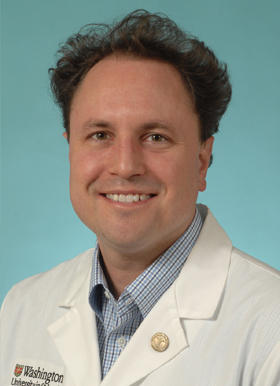 Todd A. Fehniger合作论文数Siteman Cancer Center, School of Medicine, Washington University in St. Louis;Division of Oncology, John T. Milliken Department of Medicine, School of Medicine, Washington University in St. Louis9Liu Jingxia合作论文数8
 Jake J. Lee合作论文数School of Medicine, University of Pittsburgh8Anuraag Parikh合作论文数8
 Tapan Padhya合作论文数8Samantha Kersting-Schadek合作论文数7Carly C Neal合作论文数7
 Ethan McClain合作论文数7Celia C Cubitt合作论文数7
 David Lee合作论文数Dept Otolaryngol Head & Neck Surg, Washington Univ7




