BACKGROUND:Despite widespread insurance coverage and USPSTF recommendations, less than 20% of eligible individuals undergo annual lung cancer screening nationally. This low uptake suggests that innovative screening modalities and referral pathways are needed. We hypothesize that utilizing community pharmacies for screening and connecting patients to either traditional imaging or novel, blood-based modalities will improve uptake among eligible patients. METHODS:We describe a multiphase study. First, during the initial phase, to assess the feasibility of community pharmacist-led lung cancer screening (LCS) and, subsequently, a randomized stepped-wedge trial expansion phase comparing pharmacist LCS intervention to usual care in ten community pharmacies. We plan to enroll 250 participants in the initial phase and 1000 participants in the expansion phase (approximately 500 participants in the usual care arm and 500 participants in the intervention arm). The primary endpoint is the proportion of LCS-eligible participants who receive a screening recommendation from a pharmacist and who both accept the recommendation and complete the screening. DISCUSSION:This study will test the feasibility and efficacy of pharmacy-based LCS programs. By investigating an alternative LCS referral location and modality, our novel intervention seeks to supplement traditional primary care-based interventions to increase overall LCS rates. We hypothesize that this strategy can increase LCS rates from 20% to 40% of eligible participants.
Abstract Background: American Indian and Alaska Native (AIAN) people experience lower cancer survival than other racial/ethnic groups for several cancer sites. We explored predictors of cancer survival among AIAN people, with a specific focus on the potential impact of comorbidities. Methods: We analyzed the Surveillance, Epidemiology, and End Results–Medicare linked database. AIAN people diagnosed with breast (female only), lung, and colorectal cancers from 2000 to 2019, ages 66+ years at diagnosis, and with at least 1 year of Medicare coverage prior to diagnosis were included in the study. We used multivariable-adjusted Cox proportional hazards models to assess associations of comorbidity class, previously defined using latent class analysis, with overall and cancer-specific survival, adjusted for sociodemographic characteristics and area-based social measures. Results: The sample included 831 individuals with female breast cancer, 1,009 individuals with colorectal cancer, and 1,195 individuals with lung cancer. Comorbidity class was associated with 5-year hazard of death from any cause for patients with breast and colorectal cancers but not patients with lung cancer. Furthermore, we only observed associations of comorbidity class with 5-year cancer-specific death for lung cancer, in which the class associated with heart and vascular-related conditions experienced increased hazard of death. Conclusions: Higher comorbidity prevalence among AIAN people compared with other racial/ethnic groups did not contribute to observed disparities in cancer-specific survival; however, AIAN people with comorbid conditions may be more likely to experience death from any cause than those without these conditions. Impact: Differences in prevalence of comorbid conditions are unlikely to drive disparities in cancer-specific survival observed among AIAN people.
Supplementary Table 5. Multi-variable adjusted associations of demographic, clinical, and area-based measures with overall and cancer-specific survival among AIAN people diagnosed with first primary colorectal cancer
Supplementary Table 1. Unadjusted associations of demographic, clinical, and area-based measures with overall and cancer-specific survival among AIAN people diagnosed with first primary (female) breast cancer
Supplementary Table 4. Multi-variable adjusted associations of demographic, clinical, and area-based measures with overall and cancer-specific survival among AIAN people diagnosed with first primary (female) breast cancer
Supplementary Table 2. Unadjusted associations of demographic, clinical, and area-based measures with overall and cancer-specific survival among AIAN people diagnosed with first primary colorectal cancer
Supplementary Table 6. Multi-variable adjusted associations of demographic, clinical, and area-based measures with overall and cancer-specific survival among AIAN people diagnosed with first primary lung cancer
Supplementary Table 7. Model fit statistics, comparing multi-variable adjusted associations of demographic, clinical, and area-based measures with overall and cancer-specific survival among AIAN people.
Spontaneous parametric down-converters (SPDCs) are the best available entanglement sources for distributing entanglement in a quantum internet. However, their intrinsically probabilistic nature, and their need to operate at low brightness to suppress multipair events, dictate that multiplexed SPDC arrays are required for high-rate distribution in that application. Early SPDC multiplexing proposals involved path switching, whose switching losses significantly degrade performance. The present paper proposes and analyzes a scheme for spectral multiplexing that provides entanglement-distribution rates well in excess of the state of the art. It builds on zero-added-loss multiplexing (ZALM) [Phys. Rev. Appl. 19, 054029 (2023)] for high-rate heralded entanglement generation, which does not require a switched array of SPDCs. Our ZALM's SPDCs rely on nonlinear crystals with NI phase-matched spectral islands, each generating two-mode squeezed-vacuum states. Also, our ZALM's multiplexing protocol uses both same-island and cross-island heralding, which allows the entanglement-delivery rate to approximately scale as NI2 in the realistic weak-squeezing regime. As a result, our scheme uses an order of magnitude fewer spectral channels than the original ZALM proposal, which may enable near-term implementations of satellite-to-ground or fiber-optic based ZALM architectures.
Supplementary Table 2 gives descriptive statistics by class membership derived from latent class analysis, stratified by cancer site, among American Indian and Alaska Native people
Zero-added-loss multiplexing (ZALM) was proposed [Phys. Rev. Appl. 19 , 054209 (2023)] for high-rate, high-purity entanglement distribution in quantum networks. We show that ZALM enables quasi-deterministic, polarization-entangled photon-pair production with phase-matched spectral islands.
Supplementary Table 5 gives univariable associations of sociodemographic and area-based social measures with class membership derived from latent class analysis for lung cancers
BACKGROUND:Comorbidities may affect the incidence and management of cancers. The burden of comorbidities among American Indian and Alaska Native (AIAN) patients with cancer and survivors is unknown. METHODS:Using Surveillance, Epidemiology, and End Results-Medicare, we identified AIAN people aged ≥66 years diagnosed with female breast, lung, and colorectal cancers (2000-2019), with at least 1 year of Medicare coverage prior to diagnosis. We used latent class analysis (LCA) to identify comorbidity profiles and multinomial logistic regression to examine associations of class membership with sociodemographic characteristics. RESULTS:The mean NCI weighted comorbidity index was 0.53 (±0.59) for those with breast cancer, 0.59 (±0.65) for those with colorectal cancer, and 0.76 (±0.68) for those with lung cancer. For breast and colorectal cancers, LCA identified three classes (low, medium, and high comorbidities). For lung cancer, LCA identified four classes (two "medium" comorbidity classes differed in the proportion of chronic obstructive pulmonary disease and cardiovascular-related diseases). Sex, age, residence in a purchased/referred care delivery area, and year of diagnosis were associated with class membership for each cancer. Colorectal cancer class membership was associated with the proportion of the population with limited access to a grocery store; lung cancer class membership was associated with the proportion of the AIAN population with limited fluency in the English language. CONCLUSIONS:The NCI comorbidity score among AIAN people with cancer was slightly higher than published reports for those of non-Hispanic Whites. IMPACT:Managing comorbidities and cancer treatment may be complicated for AIAN people due to the provision of noncancer care within the Indian Health Service and the need to coordinate across multiple care systems.
There have been several versions of optical wavelength astronomical imaging interferometers over the years, with the preferred form being Michelson direct detection (though Hanbury-Brown-Twiss is currently in revival). Even though it is prevalent in radio astronomy, using a common reference (e.g., a laser) is known to have a poor signal-to-noise ratio at visible wavelengths as the shot noise introduced by the reference overwhelms the considerably weaker signal collected by the telescopes. In 2012, a team of quantum physicists (Gottesman, Jennewein and Croke (GJC)) proposed a novel method for using a common optical reference that would abate the shot-noise issue: a path-entangled single-photon reference (i.e., a single photon that is split on a beam splitter). Transported to the various telescopes using a quantum network to overcome loss, the distributed single photon is then interfered with the optical field collected by the telescopes. Previously, we successfully demonstrated a proof-of-principle table-top experiment that implements the GJC protocol where we recovered the spatial autocorrelation of quasi-thermal double-slit sources in a single spectral-temporal mode where the single photon was produced by heralded parametric down conversion. Using quantum optics theory, we modeled our system and found good agreement allowing us to extend our model, and compare and contrast with similarly weak, non-single-photon reference sources (e.g., coherent states). Using the knowledge gained from this experiment, we document the plausibility of an on-sky measurement of the sun utilizing a similar phase reference.
We compare the signal-to-noise ratio for different measurements that could be used for stellar interferometry. We find that single-photon sources with number-resolved detection outperform other weak local oscillator states.
We closely replicated and extended a recent experiment ("Spatial properties of entangled two-photon absorption," Phys. Rev. Lett. 129, 183601, 2022) that reportedly observed enhancement of two-photon absorption rates in molecular samples by using time-frequency-entangled photon pairs, and we found that in the low-flux regime, where such enhancement is theoretically predicted in-principle, the two-photon fluorescence signal is below detection threshold using current state-of-the-art methods. The results are important in the context of efforts to enable quantum-enhanced molecular spectroscopy and imaging at ultra-low optical flux. Using an optical parametric down-conversion photon-pair source that can be varied from the low-gain spontaneous regime to the high-gain squeezing regime, we observed two-photon-induced fluorescence in the high-gain regime but in the low-gain regime any fluorescence was below detection threshold. We supplemented the molecular fluorescence experiments with a study of nonlinear-optical sum-frequency generation, for which we are able to observe the low-to-high-gain crossover, thereby verifying our theoretical models and experimental techniques. The observed rates (or lack thereof) in both experiments are consistent with theoretical predictions and with our previous experiments, and indicate that time-frequency photon entanglement does not provide a practical means to enhance in-solution molecular two-photon fluorescence spectroscopy or imaging with current techniques.
High-rate, high-fidelity entanglement distribution is essential to the creation of a quantum internet, but recent achievements in fiber and satellite-based entanglement distribution fall far short of what is needed. Chen et al. [Phys. Rev. Appl. 19, 054209 (2023)] proposed a means for dramatically increasing entanglement-distribution rates via zero added-loss multiplexing (ZALM). ZALM's quantum transmitter employs a pair of Sagnac-configured spontaneous parametric downconverters (SPDCs), channelization via dense wavelength-division multiplexing (DWDM) filtering, and partial Bell-state measurements (BSMs) to realize a heralded source of frequency-multiplexed polarization-entangled biphotons. Each biphoton is transmitted to Alice and Bob with a classical message identifying its frequency channel and the heralded entangled state. Their quantum receivers use DWDM filtering and mode conversion to interface their received biphotons to intra-cavity color-center quantum memories. This paper delves deeply into ZALM's SPDCs, partial-BSMs, and loading of Alice and Bob's quantum memories. It derives the density operators for the SPDC sources and the quantum memories, allowing heralding probability, heralding efficiency, and fidelity to be evaluated for both the polarization-entangled biphotons and the loaded quantum memories, thus enabling exploration of the parameter space for optimizing ZALM performance. Even without optimization analysis, the paper already demonstrates two critical features of the ZALM architecture: the necessity of achieving a near-separable channelized biphoton wave function to ensure the biphoton sent to Alice and Bob is of high purity; and the premium placed on Alice and Bob's temporal-mode converters' enabling narrowband push-pull memory loading to ensure the arriving biphoton's state is faithfully transferred to the intra-cavity color centers.
Errors are the fundamental barrier to the development of quantum systems. Quantum networks are complex systems formed by the interconnection of multiple components and suffer from error accumulation. Characterizing errors introduced by quantum network components becomes a fundamental task to overcome their depleting effects in quantum communication. Quantum Network Tomography (QNT) addresses end-to-end characterization of link errors in quantum networks. It is a tool for building error-aware applications, network management, and system validation. We provide an overview of QNT and its initial results for characterizing quantum star networks. We apply a previously defined QNT protocol for estimating bit-flip channels to estimate depolarizing channels. We analyze the performance of our estimators numerically by assessing the Quantum Cramèr-Rao Bound (QCRB) and the Mean Square Error (MSE) in the finite sample regime. Finally, we provide a discussion on current challenges in the field of QNT and elicit exciting research directions for future investigation.
ImportanceVarenicline is the most effective sole pharmacotherapy for smoking cessation. If used in combination with nicotine replacement therapy (NRT), cessation rates may be further improved, but the efficacy and safety of the combination need to be evaluated.ObjectiveTo examine whether hospitalized smokers treated with varenicline and NRT lozenges achieve higher prolonged smoking abstinence rates compared with those treated with varenicline alone.Design, Setting, and ParticipantsA double-blind, placebo-controlled randomized clinical trial was conducted in adult medical or surgical inpatients of 5 Australian public hospitals with a history of smoking 10 cigarettes or more per day, interested in quitting, and available for 12-month follow-up between May 1, 2019, and May 1, 2021 (final 12-month data collection in May 2022). Data analysis was performed from June 1 to August 30, 2023.InterventionsA 12-week varenicline regimen was initiated during hospitalization at standard doses in all participants. Participants were randomized to additionally use NRT (2 mg) or placebo lozenges if there was an urge to smoke. Behavioral support (Quitline) was offered to all participants.Main Outcomes and MeasuresThe primary outcome was biochemically verified sustained abstinence at 6 months. Secondary outcomes included self-reported prolonged abstinence, 7-day point prevalence abstinence (3, 6, and 12 months), and medicine-related adverse events.ResultsA total of 320 participants (mean [SD] age, 52.5 [12.1] years; 183 [57.2%] male) were randomized. The conduct of biochemical verification was affected by COVID-19 restrictions; consequently, the biochemically verified abstinence in the intervention vs control arms (18 [11.4%] vs 16 [10.1%]; odds ratio [OR], 1.14; 95% CI, 0.56-2.33) did not support the combination therapy. The secondary outcomes in the intervention vs control arms of 7-day point prevalence abstinence at 6 months (54 [34.2%] vs 37 [23.4%]; OR, 1.71; 95% CI, 1.04-2.80), prolonged abstinence at 12 months (47 [29.9%] vs 30 [19.1%]; OR, 1.77; 95% CI, 1.05-3.00), and 7-day point prevalence abstinence at 12-months (48 [30.6%] vs 31 [19.7%]; OR, 1.79; 95% CI, 1.07-2.99) significantly improved with the combination therapy. The self-reported 6-month prolonged abstinence (61 [38.6%] vs 47 [29.7%]; OR, 1.49; 95% CI, 0.93-2.39) favored the combination therapy but was not statistically significant. Medicine-related adverse events were similar in the 2 groups (102 [74.5%] in the intervention group vs 86 [68.3%] in the control group).Conclusions and RelevanceIn this randomized clinical trial of the combination of varenicline and NRT lozenges in hospitalized adult daily smokers, the combination treatment improved self-reported abstinence compared with varenicline alone, without compromising safety, but it did not improve biochemically validated abstinence.Trial Registrationanzctr.org.au Identifier: ACTRN12618001792213
There are strong correlations between the microbiome and human disease, including cancer. However, very little is known about potential mechanisms associated with malignant transformation in microbiome-associated gynecological cancer, except for HPV-induced cervical cancer. Our hypothesis is that differences in bacterial communities in upper genital tract epithelium may lead to selection of specific genomic variation at the cellular level of these tissues that may predispose to their malignant transformation. We first assessed differences in the taxonomic composition of microbial communities and genomic variation between gynecologic cancers and normal samples. Then, we performed a correlation analysis to assess whether differences in microbial communities selected for specific single nucleotide variation (SNV) between normal and gynecological cancers. We validated these results in independent datasets. This is a retrospective nested case-control study that used clinical and genomic information to perform all analyses. Our present study confirms a changing landscape in microbial communities as we progress into the upper genital tract, with more diversity in lower levels of the tract. Some of the different genomic variations between cancer and controls strongly correlated with the changing microbial communities. Pathway analyses including these correlated genes may help understand the basis for how changing bacterial landscapes may lead to these cancers. However, one of the most important implications of our findings is the possibility of cancer prevention in women at risk by detecting altered bacterial communities in the upper genital tract epithelium.
 Kristin V Carson-Chahhoud合作论文数Australian Centre for Precision Health, University of South Australia41
 Adrian Esterman合作论文数Clinical Epidemiology and Health Outcomes Unit, Flinders Medical Centre32
 Michael G. Raymer合作论文数Department of Physics, University of Oregon30
 Ian Walmsley合作论文数Oxford Quantum Institute, University of Oxford;Department of Physics, University of Oxford;Faculty of Natural Sciences, Imperial College London29
 Valérian Thiel合作论文数23
 Malcolm Brinn合作论文数Clinical Practice Unit, The Queen Elizabeth Hospital23
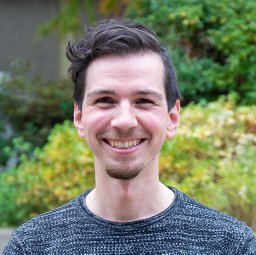 Markus Allgaier合作论文数Paderborn Univ, Integrated Quantum Opt, Warburger Str 100, D-33098 Paderborn, Germany17
 Alex O. C. Davis合作论文数Dept Phys, Univ Bath15
 Jeff S. Lundeen合作论文数Clarendon Laboratory;University of Oxford;Clarendon Laboratory, University of Oxford15
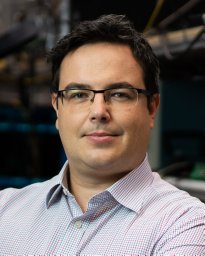 Michal Karpinski合作论文数15
 Sofiane Merkouche合作论文数Dept Phys, Univ Oregon13
 Bradley D. Mcdowell合作论文数13
 Matthew Peters合作论文数13Jennifer Erdrich合作论文数12Nash Sarah H合作论文数Institute of Arctic Biology, University of Alaska12
 Animesh Datta合作论文数Department of Physics, University of Warwick12Ian a Walmsley合作论文数12Tiemo Landes合作论文数11RE RUFFIN合作论文数10
 Marco Barbieri合作论文数Dipartimento di Scienze, Università degli Studi Roma Tre10Thomas-Peter, N.合作论文数10
 Xianmin Jin (金贤敏)合作论文数School of Physics and Astronomy, Shanghai Jiao Tong University10Antony J Veale合作论文数9
 Lijian Zhang (张利剑)合作论文数College of Engineering and Applied Sciences, Nanjing University9
 John Buatti合作论文数Department of Radiation Oncology, Carver College of Medicine, University of Iowa9
 Peter G. R. Smith合作论文数School of Electronics and Computer Science, Faculty of Engineering and Physical Sciences, University of Southampton;Optoelectronics Research Centre, University of Southampton;Covesion Ltd8Michael M. Graham合作论文数8Hendrik B. Coldenstrodt-Ronge合作论文数8Justin Spring合作论文数8
 Peter J. Mosley合作论文数Clarendon Laboratory;University of Oxford;Clarendon Laboratory, University of Oxford8L S Pilotto合作论文数8Matthew Brown合作论文数7khin hnin合作论文数7
 Benjamin J. Metcalf合作论文数University of Oxford, Oxford University7Labiszewski Nadina Ann合作论文数7
 Susan Evans合作论文数School of Public Health and Preventive Medicine, Monash University7Hj Mcelroy合作论文数7
 Kevin J. Collier合作论文数National Institute of Water and Atmospheric Research Ltd7
 Michael Goodheart合作论文数Division of Gynecologic Oncology, Department of Obstetrics and Gynecology, Carver College of Medicine, University of Iowa7
 Robert Adams合作论文数College of Medicine and Public Health, Flinders University;Adelaide Institute of Sleep Health, Flinders University;Faculty of Health and Medical Sciences, University of Adelaide;Basil Hetzel Research Institute;Queen Elizabeth Hospital;Ashford Thoracics Centre7
 Andrew H. Marcus合作论文数Department of Chemistry;Stanford University;Department of Chemistry, Stanford University7
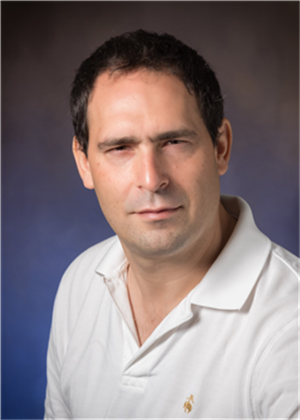 Offir Cohen合作论文数Department of Physics, The Grainger College of Engineering, University of Illinois at Urbana-Champaign7
 Graciana Puentes合作论文数Huygens Laboratory;Leiden University;Huygens Laboratory, Leiden University7
 Koblar Simon A合作论文数Stroke Res Programme, Univ Adelaide6
 John Monnier合作论文数Department of Astronomy, University of Michigan6
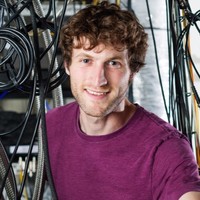 Peter Humphreys合作论文数Google DeepMind6Christoph Soller合作论文数6Kolthammer W S合作论文数6
 Reinhard Beichel合作论文数Institute for Computer Graphics and Vision, Graz University of Technology6




